For the English translation please scroll down the page, thank you !
E’ con un po’ di apprensione che seguo questo recente fenomeno, che sembra quasi diventata una moda. Sebbene anch’io, come tutti quanti, siamo preoccupati per la salute del nostro pianeta, non penso che questi atti di protesta, siano la risposta giusta.
La scena si ripete: in un museo di arte, delle visitatrici che sembrano molto normali, all’improvviso imbrattano di vernice o altro un opera d’arte, e poi si attaccano al muro. Intervengono gli operatori museali, per terra, vengono stesi degli striscioni, mentre un altro loro compagno filma con il telefonino, video che poi diventerà virale e farà il giro di tutto il mondo.
Da quel che vedo, gli attivisti colpiscono solo le tele che sono protette da un vetro /plexiglass, anche se le cornici a volte possono accusare dei danni. Da questo si giunge alla conclusione, o sono visitatrici abituali, o hanno fatto un sopraluogo tempo prima, e sono andati alla ricerca dell’opera da colpire. Finora sembra, che abbiamo colpito solo in Europa, non mi sembra che abbiamo agito, negli USA, Canada, Giappone o altri paesi.
Ma cosa vogliono queste persone ? Vogliono che anche il mondo dell’arte supporti i loro atti di protesta ? Perché colpire i musei ? Vogliono scioccare le persone, sono convinte che cambieranno il corso della storia ?
Non mi trovo molto d’accordo con i loro metodi, anche perché, secondo me, non cambiamo per niente la situazione. Anche ammettendo, che da questi atti, l’Europa si decida a fare qualcosa di concreto, ci sono sempre i paesi più inquinati come la Cina e l’India, che non sono per niente interessati a cambiare.
Più che atti di protesta, pensiamo di più alla ricerca, su nuove fonti di energia, più efficaci, e più accessibili a tutti. Vale a dire, studiare di più, e non imbrattare! Cominciamo da cose semplici, come ad esempio tenere pulito la nostra casa, la nostra strada, il nostro quartiere, la nostra città ect.. Si da sempre il buon esempio, non quello cattivo, se si vogliono coinvolgere gli altri, se si vuole veramente cambiare le cose.
Activists in museums
It is with a bit of apprehension, that I follow this recent phenomenon, which seems to have almost become a trend. Although I too, like everyone else, are concerned about the health of our planet, I don’t think these protests are the right answer.
The scene repeats itself: in an art museum, visitors who seem very normal, suddenly smear a work of art with paint or something else, and then stick to the wall. The museum operators intervene, on the ground banners are spread, while another friend of theirs films with a mobile phone, a video that will then go viral, and will travel around the world
From what I see, the activists only hit the painting which are protected by a glass / plexiglass, even if the frames can sometimes be damaged. From this, we may come to the conclusion, either they are regular visitors, or they made an inspection some time before, and went in search of the work to smear. So far it seems, that we have only struck in Europe, it does not seem to me that we have acted, in the USA, Canada, Japan or other countries.
But what do these people want? Do they want the art world, to support their acts of protest as well? Why hit the museums? They want to shock people, are they convinced that they will change the course of history?
I don’t agree with their methods very much, also because, in my opinion, they don’t change the situation at all. Even assuming that from these acts, Europe decides to do something tangible, there are always the most polluted countries like China and India, which are not at all interested in changing.
More than acts of protest, we should think more about research into new sources of energy, more effective, and more accessible to all. That is to say, study more, and don’t smudge! Let’s start with simple things, one step at time, such as keeping our house clean, our street, our neighborhood, our city ect .. You always have to lead a good example, not a bad one, if you want to involve others, if you really want change things.
For the English translation please scroll down the page, thank you !
Da poco è circolata la notizia che Palazzo Fortuny aveva riaperto il secondo piano, e sono andato a vederlo ! Come tutti sapete, questo stupendo museo è rimasto chiuso per un bel po’ a causa dei danni riportati dall’acqua alta eccezionale di alcuni anni fa. Da poco il museo aveva riaperto i battenti, ma si poteva solo ammirare il piano terra e il primo piano. Ora finalmente, da pochi giorni, hanno riaperto il secondo piano, che è diventato ancora più bello di prima !
Come potete vedere dalle immagini, anche il secondo piano è cambiato drasticamente da com’era prima, in meglio naturalmente ! Ci sono molte stoffe, tessuti, e vestiti. Inoltre lo studio privato di Mariano Fortuny che prima era chiuso al pubblico, ora, anche se transennato, ci si può entrare, e avere un’idea della vasta cultura che aveva, dei suoi progetti, delle sue idee.
Quello che mi è piaciuto di più, sono state le foto nella piccola sala, dedicata alla Marchesa Luisa Casati, che molto tempo fa, proprio in questo museo, le avevano dedicato una mostra, molto ma molto interessante !
Per dirla breve, sono rimasto molto contento, entusiasto di come hanno allestito il secondo piano ! Merita di esser visto, ecco perché consiglio a tutti quanti di venire a vederlo, vi piacerà di sicuro !
Palazzo Fortuny reopens the second floor
There were the news that Fortuny Palace had reopened the second floor, and I went to see it! As you all know, this stunning museum has been closed for quite a while due to damage from exceptional high tide a few years ago. The museum had recently reopened its doors, but one could only admire the ground floor and the first floor. Now finally, a few days ago, they have reopened the second floor, which has become even more beautiful than before!
As you can see from the pictures, the second floor has changed drastically from how it was before, for the better of course! There are many fabrics, tissues, and costumes. In addition, the private studio of Mariano Fortuny that was previously closed to the public, now, even if cordoned off, you can enter it, and get an idea of the vast culture he had, of his projects, of his ideas.
What I liked the most were the photos in the small room, dedicated to the Marchesa Luisa Casati, who a long time ago, right in this museum, had dedicated an exhibition to her, very, very interesting!
To put it short, I was very happy, thrilled with how they set up the second floor! It deserves to be seen, that’s why I recommend everyone to come and see it, you will love it for sure!
For the English translation, please scroll down the page thank you !
Una splendida mostra è stata organizzata al secondo piano presso il Centro Culturale Candiani di Mestre, e oggi sono qui per parlarvene. Si tratta della mostra “KANDINSKY E LE AVANGUARDIE Punto, linea e superficie” aperta tutti i giorni escluso il lunedì dalle 10.00 alle 19.00.
Una mostra a cura di Elisabetta Barisoni, direttrice del Museo di Ca’ Pesaro della Fondazione Musei Civici Veneziani, che ha organizzato questa mostra, al Centro Culturale Candiani di Mestre, un progetto fortemente voluto dal MUVE che offre al pubblico la visione della ricchissime opere delle proprie collezioni, in particolare i capolavori delle collezioni della Galleria Internazionale d’Arte Moderna di Ca’ Pesaro. Nella mostra, assieme al Kandinsky, si ammirano capolavori di Paul Klee, Lyonel Feininger, Enrico Prampolini, Jean Arp, Victor Brauner, Joan Mirò, Antoni Tàpies, Yves Tanguy, Luigi Veronesi, Ben Nicholson, Karel Appel, Roberto Matta, Giuseppe Santomaso, Mario Deluigi, Tancredi, Mark Tobey, Emilio Vedova, Mirko Basaldella, Eduardo Chillida. Bruno De Toffoli, Julia Mangold, Luciano Minguzzi, Richard Nonas.
La mostra, con più di 40 capolavori fra dipinti, opere su carta e sculture, illustra l’affascinante viaggio dell’arte astratta dalla sua nascita ai nostri giorni. Punto, linea e superficie non è altro che il titolo di un importante libro scritto da Wassily Kandinsky nel 1926, con concetti fondamentali della moderna teoria dell’arte. Da questa ricerca del maestro russo nasce l’arte astratta del XX secolo e le sue teorie su come una creazione non figurativa si unisce alle continue corrispondenze, instaurate nelle opere, tra colori, forme e suoni.
Una mostra molto interessante, profonda, e diversa dalle altre. Ammirare un quadro, un’opera di arte moderna, è totalmente diverso da quando lo si fa con un opera figurativa. Ecco perché invito tutti i cittadini e i turisti presenti a Mestre / Venezia di venire a visitarla !
Da venerdì 30 settembre 2022 da martedì alla domenica ore 10.00-19.00
Giorno di chiusura Lunedì
L’ingresso è gratuito
Kandinsky exhibition in Mestre !
A splendid exhibition was organized on the second floor at the Candiani Cultural Center in Mestre, and today I’m here to tell you about it. This is the exhibition “KANDINSKY AND THE AVANT-GARDE Point, line and surface” open every day except Mondays from 10.00 to 19.00
An exhibition curated by Elisabetta Barisoni, director of the Ca ‘Pesaro Museum of the Venetian Civic Museums Foundation, who organized this exhibition, at the Candiani Cultural Center in Mestre, a project strongly desired by MUVE that offers the public the vision of the very rich works of their own collections, in particular the masterpieces of the collections of the International Gallery of Modern Art of Ca ‘Pesaro. In this exhibition, together with Kandinsky, you can admire masterpieces by Paul Klee, Lyonel Feininger, Enrico Prampolini, Jean Arp, Victor Brauner, Joan Mirò, Antoni Tàpies, Yves Tanguy, Luigi Veronesi, Ben Nicholson, Karel Appel, Roberto Matta, Giuseppe Santomaso, Mario Deluigi, Tancredi, Mark Tobey, Emilio Vedova, Mirko Basaldella, Eduardo Chillida. Bruno De Toffoli, Julia Mangold, Luciano Minguzzi, Richard Nonas.
The exhibition, with more than 40 masterpieces including paintings, works on paper and sculptures, illustrates the fascinating journey of abstract art from its birth to the present day. Point, line and surface is none other than the title of an important book written by Wassily Kandinsky in 1926, with fundamental concepts of modern art theory. The abstract art of the twentieth century was born from this research by the Russian master and his theories on how a non-figurative creation joins the continuous correspondences, established in the works, between colors, shapes and sounds.
A very interesting, profound, and different exhibition from the others. Admiring a painting, a work of modern art, is totally different from when you do it with a figurative work. That’s why I invite all citizens and tourists present in Mestre / Venice to come and visit it!
From Friday 30 September 2022 from Tuesday to Sunday 10.00-19.00
For The English Translation, please scroll down the page, thank you !
Una nuova mostra è stata inaugurata presso il museo di Casa di Carlo Goldoni a Venezia, uno dei musei più intriganti della Fondazione Musei Civici di Venezia. La mostra che sarà visibile al pubblico dal 1 luglio fino al 27 novembre, si intitola “Vetro e Opera Lirica” in quanto cerca di mostrare al visitatore cosa hanno in comune queste due arti.
Mostra collettiva, perché vari e tanti sono gli artisti che sono presenti, è nata con dall’idea di un progetto di Sandro Pezzoli e dei suoi collaboratori Maria Luisa Martinez Garcia, e Fiorella Mattio, e Margherita Tirelli. Cosa unisce il vetro e l’Opera Lirica ? Ebbene se ci pensiamo, penso siamo tutti concordi che il fiato del cantante e il soffio del maestro vetraio sono quell’elemento in comune, questa energia che viene usata per realizzare arte sublime e bellezza senza fine.
Come dicevo, molti sono gli artisti presenti in questa mostra, tanto per citarne alcuni: Joan Crous, Montserrat Duràn Muntadas, Gala Carlota Fernandez Montero, Pasquale Gadaleta, Maria Christina Hamel, Silvia Levenson, Silvia Listorti, Aristide Najean, Laura Panno, Lucio Perna, Maria Grazia Rosin, Natalia Saurin, Matteo Seguso, Marina e Susanna Sent, Giovanni Soccol, Yolanda Tabanera, Lino Tagliapietra, Camillo Triulzi, Violetta Uboldi, Andrea Zepponi.
La mostra dopo Novembre riprenderà il suo giro itinerante e sarà visibile a Milano, Napoli, Madrid-Alcorcón e Segovia. Ma perché perdere questa occasione di vederla a Venezia, città dai mille stupendi musei ? Ricordo che oltre a questa interessante mostra, Il museo di Casa di Carlo Goldoni, è forse uno dei più intriganti, perché ci illustra la vita e le opere del celebre commediografo. Inoltre a poca distanza c’è il bellissimo museo di Ca’ Rezzonico, e a chi piace molto le opere in vetro, come si fa, a non visitare il museo del vetro di Murano ?
Casa di Carlo Goldoni San Polo 2794, 30125 Venezia
T +39 041 2759325
Glass and Opera
A new exhibition has been inaugurated at the Carlo Goldoni’s house museum in Venice, one of the most intriguing museums of the Venice Civic Museums Foundation. The exhibition, which will be visible to the public from 1 July until 27 November, is called “Glass and Opera” as it tries to show the visitor what these two arts have in common.
It’s a collective exhibition, because there are many artists who are present, the idea was born by Sandro Pezzoli’s project and his collaborators Maria Luisa Martinez Garcia, and Fiorella Mattio, and margherita Tirelli. What has in common glass and Opera? Well if we think about it, we may all agree that the breath of the singer and the breath of the master glass maker are that element in common, I mean this energy that is used to create sublime art and endless beauty.
As I said, there are many artists present in this exhibition, just to name a few: Joan Crous, Montserrat Duràn Muntadas, Gala Carlota Fernandez Montero, Pasquale Gadaleta, Maria Christina Hamel, Silvia Levenson, Silvia Listorti, Aristide Najean, Laura Panno, Lucio Perna , Maria Grazia Rosin, Natalia Saurin, Matteo Seguso, Marina and Susanna Sent, Giovanni Soccol, Yolanda Tabanera, Lino Tagliapietra, Camillo Triulzi, Violetta Uboldi, Andrea Zepponi.
The exhibition after November will continue its traveling tour and will be visible in Milan, Naples, Madrid-Alcorcón and Segovia. But why miss this opportunity to see it in Venice, a city with a thousand wonderful museums? I remember that in addition to this interesting exhibition, the museum of Carlo Goldoni’s House, is perhaps one of the most intriguing, because it illustrates the life and works of the famous playwright. Also a short distance away there is the beautiful museum of Ca ‘Rezzonico, and to whose people who really likes glass works, how can you not visit the Murano glass museum?
Carlo Goldoni’s House San Polo 2794, 30125 Venezia
For the English Translation, please scroll down the page, thank you !
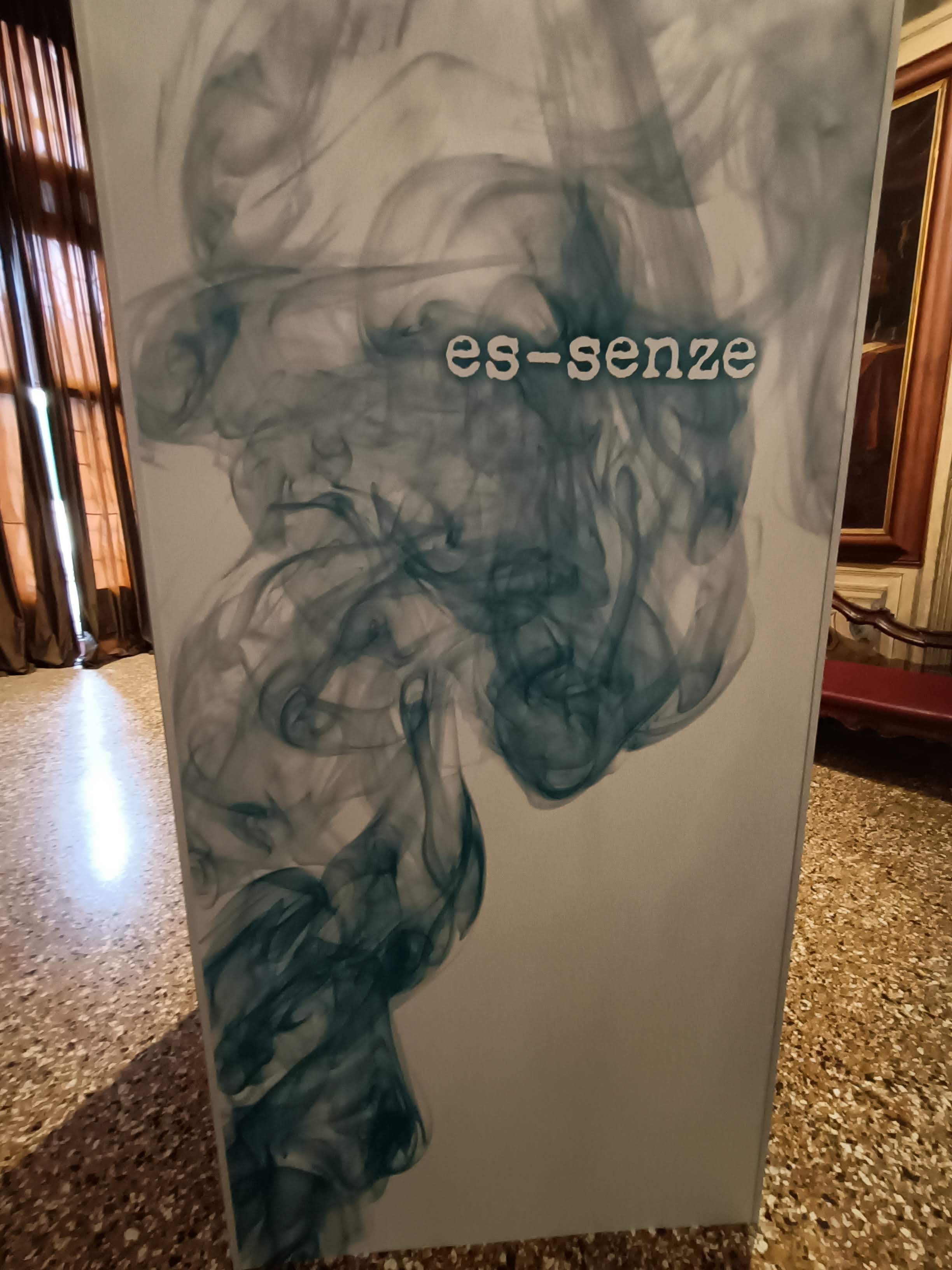
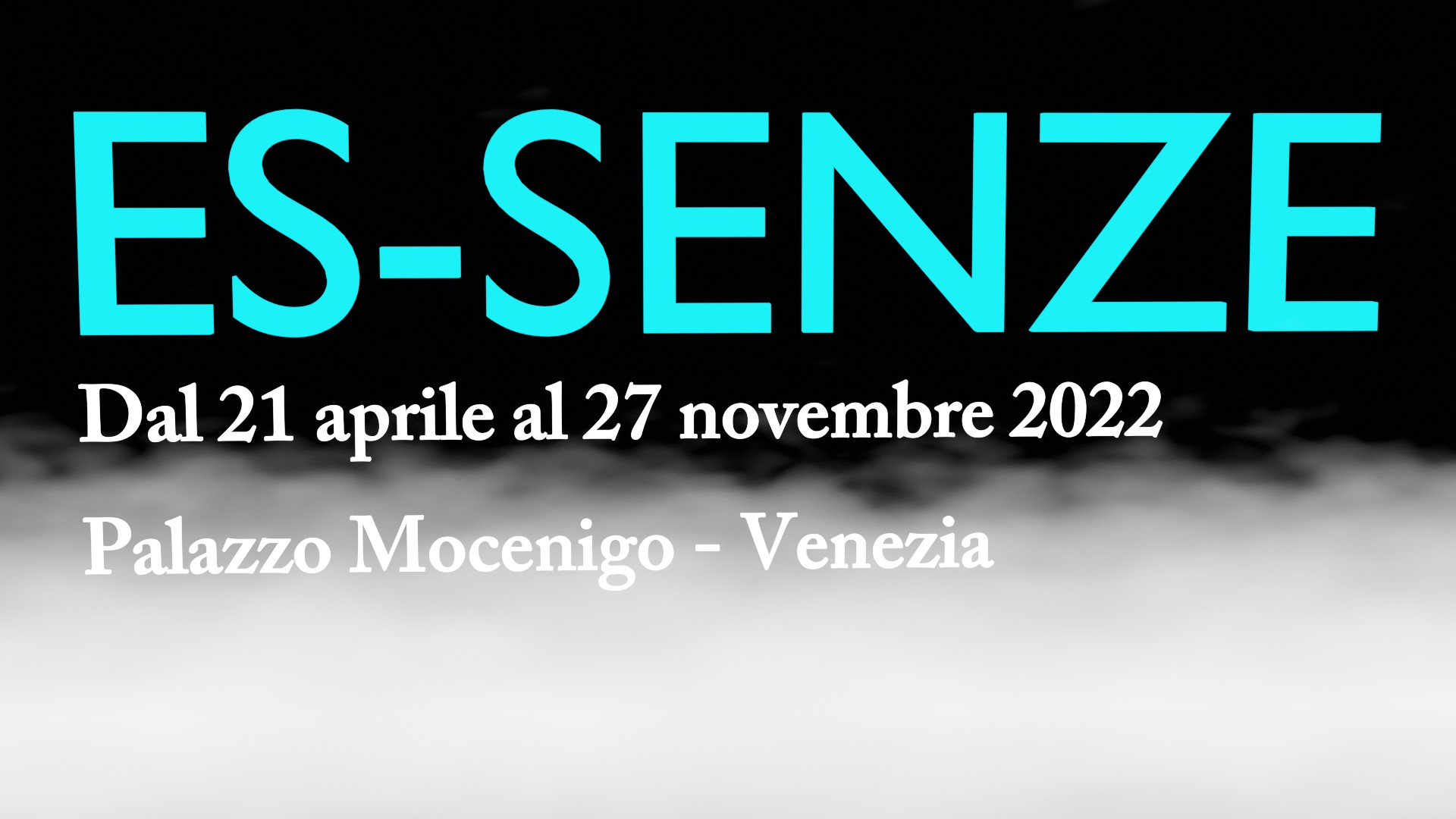
E’ stata inaugurata da poco una nuova mostra a Palazzo Mocenigo, che promette di essere molto interessante ! Si chiama Es-senze e la si potrà vedere al primo piano del Palazzo fino al 27 novembre di quest’anno.
Questa mostra non poteva trovare miglior location, visto che questo palazzo, oltre ad essere Museo del tessuto è anche il Museo del profumo, e in questa nuova mostra, ci sono moltissime opere olfattive dislocate in tutte le sale espositive del museo.
L’arte trova nuovi spazi, nuovi modi di presentarsi e queste opere si possono ammirare ma anche sentire, si perché sono strutturate per colpire più sensi, e l’olfatto è il primo che viene a contatto. Moltissimi sono gli artisti, che sono stati chiamati, per rappresentare un altro capitolo del Muve contemporaneo 2022, che sono presenti in molti musei della Fondazione musei civici di Venezia.
Eccovi alcune foto di opere che mi hanno favorevolmente impressionato. Guardate da voi stessi, e dite se non merita di essere visitata questa bellissima mostra !
Una mostra, molto intrigante, invito tutti i cittadini della città lagunare, e i turisti che in questi giorni, sono presenti a Venezia, a Palazzo Mocenigo, per entrare in una nuova dimensione dell’arte. Sono sicuro che vi piacerà !
A new exhibition has just been inaugurated at Palazzo Mocenigo, which promises to be very interesting! It is called Es-senze and it can be seen on the fist floor of the building until November 27 this year.
This exhibition could not have found a better location, given that this building, in addition to being the fabric Museum, it’s also the Perfume Museum, and in this new exhibition, there are many olfactory works, all located inside the museum’s exhibition rooms.
Art finds new spaces, new ways of presenting itself and these works can be admired but also felt, because they are structured to strike multiple senses, and the sense of smell is the first that comes into contact. Many are the artists, who have been called to represent another chapter of the contemporary Muve 2022, who are present in many museums of the Civic Museums Foundation of Venice.
Here are some photos of works that have favorably impressed me. See for yourself, and say if this beautiful exhibition is not worth a visit!
A very intriguing exhibition, I invite all the citizens of the lagoon city, and the tourists who are present in Venice these days, at Palazzo Mocenigo, to enter a new dimension of art. I’m sure you will like it!
For the English translation, please scroll down the page, thank you !
La quinta edizione della rassegna Fondazione MUVE connette l’arte contemporanea alle sedi museali e alle collezioni della città Veneziana, con Anselm Kiefer a Palazzo Ducale, Afro Basaldella e Raqib Shaw alla Galleria Internazionale d’Arte Moderna di Ca’ Pesaro e molte altre.
TONY CRAGG SILICON DIOXIDE
Dal 3 dicembre 2021 al 21 agosto 2022 Murano, Museo del Vetro.
Vengono presentate un grande numero di opere, alcune delle quali mai viste prima. Con sei assemblaggi, opere storiche di grandi dimensioni in cui Cragg appone oggetti e aggrega piccoli gruppi di cose, la mostra ripercorre anche le fasi più importanti della carriera dell’artista inglese. La visione estetica di Cragg e la sua capacità fondamentale e unica di comunicare attraverso il vetro, mezzo con il quale ha sempre saputo evidenziare queste geometrie particolari, sono riprodotte con precisione in questa grande mostra.
Anselm Kiefer
Dal 26 marzo al 29 ottobre 2022 Venezia, Palazzo Ducale – Sala dello Scrutinio
Con Anselm Kiefer l’arte contemporanea entra a Palazzo Ducale, con l’esposizione forse più importante della quinta edizione di MUVE Contemporaneo, rassegna biennale della Fondazione Musei Civici di Venezia che riflette sulla relazione dell’arte di oggi con i musei. Legata alle celebrazioni per i 1600 anni della storia di Venezia, la tanto attesa installazione di Kiefer, uno fra i massimi esponenti viventi, sarà allestita con un interessante particolare: il titolo infatti, è stato preso dagli scritti del filosofo veneziano Andrea Emo: Questi scritti, questi appunti quando verranno bruciati, daranno finalmente un po’ di luce. Il ciclo di dipinti creati appositamente per Palazzo Ducale tra il 2020 e il 2021, è concentrato nello spazio e nella magnificenza della Sala dello Scrutinio, in un confronto con le trentatré tele monumentali del soffitto e con la valenza eroica dell’intero ciclo decorativo del Palazzo, quasi a sottolineare il ruolo dell’arte contemporanea nelle meditazioni sui temi universali, che trascende Venezia per aprirsi a visioni filosofiche sempre attuali.
AFRO 1950-1970 Dall’Italia all’America e ritorno / From Italy to America and Back
21 aprile – 23 ottobre 2022 Venezia, Ca’ Pesaro – Galleria Internazionale d’Arte Moderna
Ca’ Pesaro – Galleria Internazionale d’Arte Moderna nell’ambito di MUVE Contemporaneo presenta Afro 1950-1970 Dall’Italia all’America e ritorno / From Italy to America and Back, mostra dedicata a uno dei grandi protagonisti della pittura italiana del secondo Novecento. Grazie alla collaborazione con l’Archivio Afro, Ca’ Pesaro vuole rendere omaggio ad un grande artista. Con 45 capolavori, insieme ad alcuni selezionati disegni e a materiali ritrovati in archivio, la Galleria Internazionale d’Arte Moderna intende presentare al pubblico, gli più importanti anni della produzione di Afro.
Es-senze
Dal 21 aprile al 27 novembre 2022 Venezia, Museo di Palazzo Mocenigo
Essendo Palazzo Mocenigo un museo dedicato anche alla storia del profumo a Venezia, Es-senze, ha trovato la sua giusta collocazione per narrare un’altra parte della rassegna MUVE Contemporaneo. Dodici installazioni olfattive, distribuite nelle sale al primo piano di Palazzo Mocenigo, danno vita a un inedito percorso di visita museale multisensoriale, nel quale ci si può immergersi virtualmente nelle riflessioni, nei pensieri degli artisti, cosa che si era solito fare ma in altra forma, quali la plastica, la pittura, la grafica, ect. E, come se l’arte vista tramite il profumo, le opere della mostra avvolgeranno il visitatore in una coinvolgente diversità di fragranze dai toni altrettanto eterogenei, tanti quante sono le emozioni che riescono ad evocare. Gli artisti in mostra sono: Mircea Cantor, Mateusz Chorobski, Jason Dodge, Bruna Esposito, Eva Marisaldi, Florian Mermin, Giuseppe Penone, Paola Pivi, Namsal Siedlecki, Achraf Touloub, Nico Vascellari, Luca Vitone.
HUONG DODINH Ascension
Dal 23 aprile al 6 novembre 2022 Venezia, Museo Correr Sala delle Quattro Porte
Nell’ambito di MUVE Contemporaneo 2022, il Museo Correr ospita nella Sala delle Quattro Porte per la prima volta in Italia le opere di Huong Dodinh, Ascension. Artista Vietnamita di origine, parigina di adozione, Huong Dodinh studia all’Ecole des Beaux-Arts di Parigi,(1968). La sua prima grande mostra si è tenuta al Musée national des arts asiatiques – Guimet, a Parigi, nel 2021, insieme ad un altra più personale alla fiera d’arte Asia Now. Nel suo lavoro, Dodinh interroga i concetti di luce e linea. La composizione della linea è il centro, il fulcro della sua arte. L’installazione comprende 14 dipinti, ciascuno alto tre metri, collocati secondo uno schema triangolare. Negli ultimi otto anni, la Sala delle Quattro Porte ha accolto mostre di importanti artiste come Jenny Holzer, con “War Paintings”, e Shirin Neshat, con “The Home of My Eyes”: ne è risultato sempre un particolare e stimolante riflessione tra la Sala e le opere esposte e anche in questo caso, ci guida in una profonda meditazione su quanto sta accadendo.
Una interessante iniziativa, un’idea molto originale, che spero contagerà la maggior parte del pubblico a visitare tutte le sedi del MUVE ! Ogni musei è unico e spettacolare, vi invito a visitarli tutti !
Contemporary Muve 2022
The fifth edition of the MUVE Foundation review, connects contemporary art to the museums and collections of the Venetian city, with Anselm Kiefer at Palazzo Ducale, Afro Basaldella and Raqib Shaw at the International Gallery of Modern Art in Ca ‘Pesaro and many others.
TONY CRAGG SILICON DIOXIDE
Dal 3 dicembre 2021 al 21 agosto 2022 Murano, Museo del Vetro.
A large number of works are presented, some of which have never been seen before. With six assemblages, large historical works in which Cragg affixes objects and aggregates small groups of things, the exhibition also traces the most important phases of the English artist’s career. Cragg’s aesthetic vision and his fundamental and unique ability to communicate through glass, the way he has always been able to highlight these particular geometries, are reproduced with great precision in this beautiful exhibition.
Anselm Kiefer
Dal 26 marzo al 29 ottobre 2022 Venezia, Palazzo Ducale – Sala dello Scrutinio
With Anselm Kiefer, contemporary art enters the Doge’s Palace, with perhaps the most important exhibition of the fifth edition of MUVE contemporary, a biennial exhibition of the Venice Civic Museums Foundation that reflects on the relationship of today’s art with museums. Linked to the celebrations for the 1600 years of the history of Venice, the long-awaited installation by Kiefer, one of the greatest living exponents, will be set up with an interesting detail: the title, in fact, was taken from the writings of the Venetian philosopher Andrea Emo: These writings , these notes when burned, will finally give some light. The cycle of paintings created specifically for the Doge’s Palace between 2020 and 2021, is concentrated in the space and magnificence of the Scrutinio room, in a comparison with the thirty-three monumental canvases on the ceiling and with the heroic value of the entire decorative cycle of the Palazzo , as if to underline the role of contemporary art in meditations on universal themes, which transcends Venice to open up to ever-present philosophical visions.
AFRO 1950-1970 Dall’Italia all’America e ritorno / From Italy to America and Back
21 aprile – 23 ottobre 2022 Venezia, Ca’ Pesaro – Galleria Internazionale d’Arte Moderna
Ca ‘Pesaro – International Gallery of Modern Art as part of MUVE contemporary presents Afro 1950-1970 From Italy to America and back, an exhibition dedicated to one of the great protagonists of Italian painting of the late twentieth century . Thanks to the collaboration with the Afro Archive, Ca ‘Pesaro wants to pay homage to a great artist. With 45 masterpieces, together with some selected drawings and materials found in the archive, the International Gallery of Modern Art intends to present to the public the most important years of Afro’s production.
Es-senze
Dal 21 aprile al 27 novembre 2022 Venezia, Museo di Palazzo Mocenigo
Since Palazzo Mocenigo is also a museum dedicated to the history of perfume in Venice, Es-senze has found its rightful place to tell another part of the MUVE contemporary review. Twelve olfactory installations, distributed in the rooms on the first floor of Palazzo Mocenigo, give life to an unprecedented multi-sensory museum tour, in which you can virtually immerse yourself in the reflections, in the thoughts of the artists, which was usually done but in another form. , such as plastics, painting, graphics, ect. You will see art seen through perfume, the works of the exhibition will envelop the visitor in an engaging diversity of fragrances with equally heterogeneous tones, as many as the emotions they are able to evoke. The artists on show are: Mircea Cantor, Mateusz Chorobski, Jason Dodge, Bruna Esposito, Eva Marisaldi, Florian Mermin, Giuseppe Penone, Paola Pivi, Namsal Siedlecki, Achraf Touloub, Nico Vascellari, Luca Vitone.
HUONG DODINH Ascension
Dal 23 aprile al 6 novembre 2022 Venezia, Museo Correr Sala delle Quattro Porte
As part of MUVE contemporary 2022, the Correr Museum hosts the works of Huong Dodinh, Ascension, for the first time in Italy in the Four Doors room. Vietnamese artist of origin, Parisian by adoption, Huong Dodinh studied at the Ecole des Beaux-Arts in Paris, (1968). Her first major exhibition was held at the Musée national des arts asiatiques – Guimet, in Paris, in 2021, along with another more personal one at the Asia Now art fair. In her work, Dodinh questions the concepts of light and line. The composition of the line is the center, the fulcrum of her art. The installation includes 14 paintings, each three meters high, placed in a triangular pattern. In the last eight years, the Four Doors room, has welcomed exhibitions by important artists such as Jenny Holzer, with “War Paintings”, and Shirin Neshat, with “The Home of My Eyes”: the result has always been a particular and stimulating reflection between the room, and the works on display, and also in this case, it guides us in a profound meditation on what is happening.
An interesting initiative, a very original idea, which I hope will attract the majority of the public to visit all the MUVE museums! Each museum is unique and spectacular, I invite you to visit them all!
For the English Translation, please scroll down the page, thank you!
C’è una mostra a dir poco stupenda nel museo di Ca’Pesaro, talmente bella che ve ne voglio parlare e raccomandare, vi piacerà di sicuro ! La mostra è esposta dal 22 aprile – 25 settembre 2022, e mostra 12 opere dell’artista Raqib Shaw.
Nato a Calcutta, in India, e cresciuto nel Kashmir, Raqib Shaw proviene da una famiglia di mercanti e la sua prima esperienza nella convivenza insieme ad oggetti d’antiquariato, gioielli e tessuti e tappeti esotici ha ispirato i suoi dipinti altamente intricati e dai colori vivaci. Crea visioni fantastiche di regni ultraterreni popolati da re scimmia saltellanti, centauri con cinghie di cuoio e temibili guerrieri con la testa di tigre e zebre. Il mondo che ritrae è bello, terrificante, dissoluto, lussuoso e intriso di mitologia, con un’emozionante sinergia tra l’immaginario fantastico e la delicatezza della sua tecnica.
I dipinti di Shaw su pannelli di betulla e carta, le sue sculture in bronzo, spesso traggono ispirazione dalla mitologia orientale e occidentale, nonché dai capolavori della storia dell’arte. Utilizzando queste fonti per costruire una struttura compositiva o narrativa, aggiunge elementi dal suo lessico visivo distintivo, utilizzando una gamma di media insoliti, tra cui strass, glitter e smalti. Dipinge con squisita maestria figure, tappeti, costumi e paesaggi mitici, utilizzando un metodo certosino che richiama la tecnica del cloisonné usata fin dall’antichità per decorare la lavorazione dei metalli e della ceramica
.Un’artista molto importante dunque e molto bravo. Mi sono piaciute moltissimo le sue opere, e consiglio a tutti di andare a vederle. Era da tanto che non vedevo una mostra così bella !!
Da queste poche immagini dei suoi dipinti che ho scattato sul posto, potete capire, quanto siano belli questi capolavori, non mai visto niente di più bello! Ecco perché mi sento in dovere raccomandare questa mostra a tutti coloro stanno leggendo questo mio articolo. Sono sicuro vi piacerà!
Raquib Shaw Memory Palace
There is an exhibition that is nothing short of wonderful in the Ca’Pesaro museum, so beautiful that I want to tell you about it, and recommend it, you will love it for sure! The exhibition runs from 22 April – 25 September 2022, and shows 12 works by the artist Raqib Shaw.
Born in Calcutta, India and raised in Kashmir, Raqib Shaw comes from a merchant family and his first experience living among antiques, jewelry and exotic fabrics and carpets inspired his highly intricate and brightly colored paintings. . He creates fantastic visions of otherworldly realms populated by leaping monkey kings, leather-strapped centaurs and fearsome tiger-headed warriors and zebras. The world he portrays is beautiful, terrifying, dissolute, luxurious and steeped in mythology, with an exciting synergy between the fantastic imagery and the delicacy of his technique.
Shaw’s paintings on birch and paper panels, and his bronze sculptures, often draw inspiration from Eastern and Western mythology, as well as from masterpieces of art history. Using these sources to construct a compositional or narrative structure, he adds elements from his distinctive visual lexicon, using a range of unusual media, including rhinestones, glitter and glazes. He paints figures, carpets, costumes and mythical landscapes with exquisite skill, using a Carthusian method that recalls the cloisonné technique used since ancient times to decorate metalworking and ceramics.
Shaw lives and works in his Peckham studio in South London, a city he first visited in 1992 and where he enrolled at Central St Martins in 1998, completing his Masters in 2002. His work has been the subject of major solo exhibitions since shortly after his graduation, including the Scottish National Gallery of Modern Art, Edinburgh (2018); Whitworth, Manchester (2017); Rudolfinum, Prague (2013); Manchester Art Gallery (2013); The Metropolitan Museum of Art, New York (2008); North Miami Museum of Contemporary Art (2006); and Tate Britain, London (2006)
A very important artist therefore and very good. I loved his works very much, and I recommend everyone to go and see them. It was a very long time since I saw such a beautiful exhibition !!
from these few images of his paintings that I took on the spot, you can understand, how beautiful these masterpieces are, I’ve never seen anything more beautiful! That is why I feel compelled to recommend this exhibition to everyone who is reading this article of mine. I’m sure you will like it!
For the English translation, please scroll down the page, thank you !
E’ successo intorno al 12 novembre del 2019, quando il fenomeno senza controllo dell’acqua alta ha raggiunto livelli non previsti, causando disastri in ogni calle di Venezia. Anche il Museo di Palazzo Fortuny, non è stato risparmiato, l’intero piano terra era allagato, e ha dovuto chiudere per più di due anni per riparare i danni subiti.
La Fondazione dei Civici Musei di Venezia, si è data subito da fare, e se non fosse stato per l’altra grande tragedia del covid, il museo sarebbe stato riaperto molto tempo prima. Eccovi alcune immagini che mostrano come sia stato migliorata la scenografia delle sale, e di come sia stato ampliato il numero delle opere, che prima non erano mai state esposte.
Mariano Fortuny y Madrazo nasce a Granada nel 1871. Figlio d’arte e si inserisce subito nel ambiente culturale parigino, appena diciottenne si stabilisce a Venezia, dove frequenta circoli accademici e cenacoli di artisti artistici internazionali: tra i quali possiamo citare Gabriele D’Annunzio, Ugo Ojetti, Eleonora Duse, Hugo von Hofmannsthal, la marchesa Casati, Giovanni Boldini, il principe Fritz Hohenlohe-Waldenburg.
Ma egli non si accontenta e, cerca sempre nuovi stimoli: inizia a creare stoffe, tessuti stampati, con l’aiuto di Henriette, che sposerà nel 1924. Con lei crea Delphos, l’abito in seta plissettata che lo rende famoso in tutto il mondo. Verso il 1919, alla Giudecca, fonda la fabbrica per la produzione industriale delle sue stoffe in cotone e apre negozi in tutto il panorama europeo. Sul finire del decennio, Mariano si ritira nella sua elegante dimora di San Beneto, dove riprende lo studio della pittura e inizia a scrivere le sue memorie. Muore nel 1949 e viene sepolto al Verano, a Roma, accanto all’illustre padre Mariano Fortuny Marsal.
In sintesi, ho trovato il museo molto migliorato, la scenografia totalmente cambiata, riadattata, con l’intento di ricreare un’ambiente quasi casalingo. Inoltre sono state aggiunte molte opere mai viste prima, e si possono ammirare finalmente i vestiti, i capolavori tessili di Fortuny! Vale la pena andare a visitarlo ? Io dico di si !
The rebirth of the wonderful Fortuny Museum !
It happened around November 12 2019, when the uncontrolled phenomenon of high tide reached unexpected levels, causing disasters in every place of Venice. Even the Museum of Palazzo Fortuny was not spared, the entire ground floor was flooded, and had to close for more than two years to repair the damage.
The Foundation of the Civic Museums of Venice immediately got busy, and had it not been for the other great tragedy of the covid, the museum would have reopened a long time ago. Here are some images that show, how the scenography of the rooms has been improved, and how the number of works, which had never been exhibited before, has been expanded.
Mariano Fortuny y Madrazo was born in Granada in 1871. Son of art family, he immediately enters the Parisian cultural environment, just eighteen he settled in Venice, where he attended academic circles of international artistic artists: among whom we can mention Gabriele D’Annunzio , Ugo Ojetti, Eleonora Duse, Hugo von Hofmannsthal, the Marquise Casati, Giovanni Boldini, Prince Fritz Hohenlohe-Waldenburg.
But he is never satisfied and he is always looking for new stimulations, new ideas: he began to create fabrics, printed fabrics, with the help of Henriette, whom he will marry in 1924. With her, he creates the Delphos, the pleated silk dress that makes him famous all over the world. Around 1919, on the Giudecca, he founded the factory for the industrial production of his cotton fabrics and opened shops throughout the European soil. At the end of the decade, Mariano retires to his elegant home in San Beneto, where he resumes his study of painting and begins to write his memoirs. He died in 1949 and is buried in Verano, in Rome, next to his father Mariano Fortuny Marsal.
In short, I found the museum very improved, the scenography has totally changed, adapted, with the intention of recreating an (almost) homely environment. In addition, many works never seen before have been added, and you can finally admire the clothes, the textile masterpieces of Fortuny! Is it worth going to visit it? I say yes ! You won’t regret it !!
For the english translation please scroll down the page, thank you !
La Dott.ssa Kathleen Anne Gonzalez è uno dei miei contatti professionali che ho conosciuto di recente. Stavo leggendo un libro su alcuni personaggi interessanti della Venezia del 1700, e non trovavo ulteriori informazioni su un paio di loro, e così mi sono messo alla ricerca di qualcuno che mi potesse aiutare.
Fin da subito la Dott.ssa Gonzalez si è dimostrata di grande aiuto, con entusiasmo mi ha fornito, informazioni, link, che mi servivano per avere una panoramica più esatta di quel periodo storico. Entrambi siamo blogger e amanti della storia e dell’arte, siamo affascinati dal 1700 Veneziano e dai suoi personaggi, e facciamo ricerche su questo nel nostro tempo libero.
(credito fotografico a Marie Ohanesian Nardin)
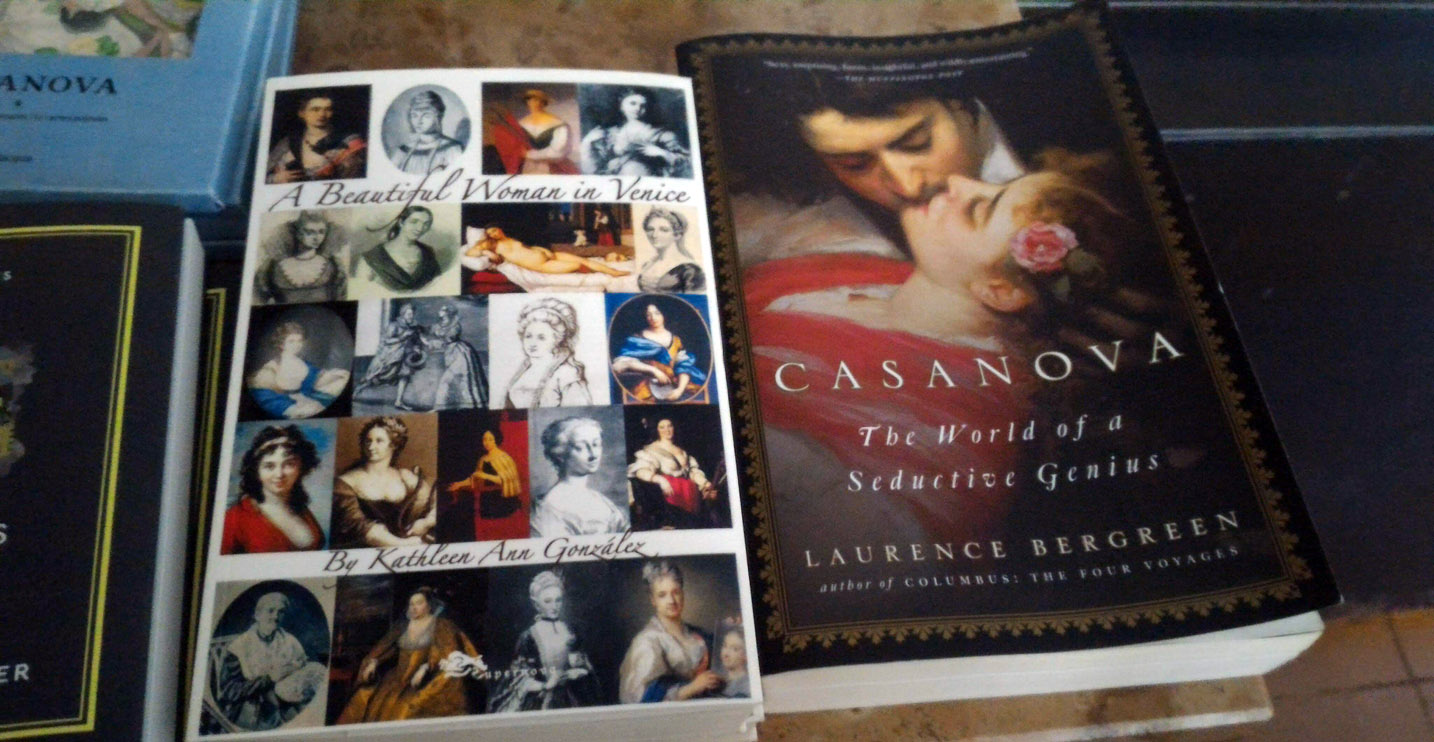
Kathleen è una persona straordinaria, il cui amore per Venezia è senza pari, da quando è arrivata per la prima volte nella città lagunare, ha cominciato a fare ricerche, e ritorna non appena può. Coincidenza incredibile, dopo pochi giorni che abbiamo cominciato a scriverci, lei aveva già programmato un viaggio a Venezia, ed è stato possibile conoscerla di persona. Autrice di molti libri su Venezia, che sono letti in tutto il mondo, ho così scoperto che i volumi “A beautiful woman in Venice” pubblicato nel 2015 e “Casanova’s Venice. A walking guide” (entrambi in inglese e italiano) sono venduti anche nel bookshop del bellissimo museo di Ca’ Rezzonico, Palazzo Ducale, Museo Correr !
(A beautiful woman in Venice nel bookshop del Museo di Ca’ Rezzonico)
Una volta sbarcata a Venezia, ci siamo incontrati per la prima nella sala del Trono al primo piano del meraviglioso museo di Ca’ Rezzonico, dove ci siamo scambiati informazioni sui vari pittori, artisti, e personaggi che riempiono le sale con le loro tele, i loro affreschi, ect.
Nei giorni successivi, in un ritaglio di tempo libero, ci siamo trovati per un’intervista seduti ad un tavolo di un caffè, dove le ho posto delle domande sulla sua attività di ricercatrice / scrittrice :
Come e quando è nato il tuo amore per Venezia?
Ho visitato Venezia per la prima volta nel 1996 quando ho portato lì un gruppo di studenti. Pochi minuti dopo aver visto il Canal Grande e i palazzi, mi ero innamorata profondamente della città e sono tornato più tardi quell’estate. Visito Venezia quasi ogni anno, scopro i suoi musei, negozi, ristoranti, cibo, arte, tradizioni, feste e soprattutto la sua gente.
Cosa ti è piaciuto di più di Venezia nei tuoi viaggi?
Venezia ha un ritmo lento e senza auto, quindi vedo persone tranquille rilassate per le strade. Amo passeggiare per la città per ore e vedere i campi, le barche, gli edifici e i panorami unici. Ogni edificio è così bello, e ovunque guardo sembra un’immagine da cartolina. Mi sento al sicuro a Venezia e i veneziani sono stati molto accoglienti. La storia è ricca e affascinante, con molte persone interessanti da scoprire. Ogni volta che vengo a Venezia scopro qualcosa di nuovo e meraviglioso.
Quali sono i tuoi personaggi preferiti della Venezia del 1700?
Sicuramente la persona che trovo più affascinante del Settecento è Giacomo Casanova, il veneziano più conosciuto come amante ma anche viaggiatore, musicista, spia, scrittore, traduttore e tanto altro. Rosalba Carriera, Anna Maria dal Violin, Luisa Bergalli Gozzi, Caterina Dolfin Tron, Giustiniana Wynne, Giulia Lama, Maria Boscola, Elisabetta Caminer Turra, Isabella Teotochi Albrizzi, Guistina Renier Michiel, Marina Querini Benzon, sono tutte donne di cui ho scritto nel mio libro, e mi sono innamorata di tutte loro! Sono intelligenti, coraggiose, creative, intrepide, forti e talentuose in modi così diversi: artiste, musiciste, traduttrici ed editrici, regatanti, saloniere. Queste donne fanno rivivere il 1700 e ci mostrano diversi aspetti della società veneziana e i contributi che hanno plasmato la società. Voglio che tutti conoscano le loro storie!
Quali e quanti libri hai scritto su Venezia?
Nel 2003 ho pubblicato il libro “Free Gondola Ride” sulla conoscenza dei gondolieri di Venezia. Poi ho scritto una guida ai luoghi di Venezia visitati da Giacomo Casanova, intitolata “Seductive Venice: In Casanova’s Footsteps” e “Casanova’s Venice. A walking guide” (“A Venezia con Casanova. Itinerari e storie nei luoghi frequentati dal famoso seduttore” in italiano). Successivamente, ho compilato le biografie delle donne veneziane dal 1300 al 1900 in “A Beautiful Woman in Venice” e successivamente una breve biografia incentrata su Sarra Copia Sulam intitolata “A Living memory. Immortality for Sarra Copio Sulam“, il poeta e salonniere ebreo. Successivamente ho cambiato direzione e ho curato l’antologia di saggi sull’amore della gente per Venezia, intitolata “First Spritz Is Free“. L’anno scorso ho creato un’altra antologia, che raccoglie storie sull’acqua granda del 2019 e sul blocco della pandemia, intitolata “Venice Rising“. Dono tutti i proventi di queste antologie alle organizzazioni che proteggono e preservano Venezia.
Cosa hai trovato di diverso a Venezia rispetto al tuo viaggio precedente?
Quando ho visitato Venezia quest’estate nel 2021, ho notato che alcuni negozi e ristoranti erano chiusi, ma per fortuna la maggior parte era sopravvissuta alla pandemia. Le navi da crociera sono state bandite, quindi mi sentivo meno in ansia per la sicurezza della città e della Laguna. Ho notato anche nuovi negozi che promuovono prodotti veneziani o pratiche sostenibili, come “Patience”, che punta sul ritmo lento; “Rimani”, che vende all’ingrosso generi alimentari e prodotti per la pulizia; e tanti artigiani che si uniscono per mantenere vive le tradizioni veneziane, come “Bottega Cini” o l’opera di “Monica Cesarato”. Sono così entusiasta di vedere questa nuova energia in città.
Quali posti hai visto questa volta? Nuovi posti o ne hai recensiti alcuni già visti?
In questo viaggio ho incontrato molti artigiani e artigiani tradizionali. Ho visto torchi da stampa alla “Venezia Stampa”, fabbricazione della carta da “Arzanart” e Carteria ai Frari, abiti fatti a mano da “Anatema e Patience”, cappelli e mantelli da Tabarro San Marco, giocattoli di legno da “Signor Blum”, pittura da “Sira Pipa Atelier”, remi e scalmi da “Forcolaio matto”. Per la prima volta ho preso lezioni di voga! Emiliano è stato il mio insegnante a Venice on Board dove ho imparato a remare un topo. Tutti erano così gentili con me e così appassionati del loro lavoro. Ho visitato alcuni dei siti in cui si trovava Casanova; infatti, sono stato sorpreso di vedere che la posizione della “casa Capretta” a Cannaregio ora ha un ristorante chiamato “A La Vecia Papussa”. Ho rivisitato Ca’ Rezzonico, uno dei miei musei preferiti, dove mi piace sempre vedere le opere di Tiepolo, Longhi e Carriera. Ma mi è dispiaciuto molto che “Vizio Virtu” fosse chiuso per ferie: ha il miglior cioccolato! Ogni giorno mangiavo gelato e pasticcini: l’Alaska ha sapori così unici e l’eclair di Marchini Time è il mio preferito!
Quali sono i tuoi progetti professionali per il futuro e tornerai di nuovo a Venezia?
Durante questa visita ho incontrato persone per il mio nuovo progetto, che è quello di intervistare artigiani tradizionali e celebrare il loro lavoro sul mio blog, seductivevenice.wordpress.com. Lo scorso maggio “Monica Cesarato” ha intervistato queste persone per “Live in Venice Week”, e volevo incontrare gli stessi artigiani e portare il loro lavoro a un pubblico più vasto. Inoltre, sto facendo ricerche su Marietta Robusti, la pittrice e figlia di Tintoretto, quindi ho visitato la loro casa e ho visto alcuni dei suoi dipinti, che mi aiuteranno a scrivere il capitolo da aggiungere a una seconda edizione di A beautiful woman in Venice. Ho anche qualche altra idea, come un libro illustrato che mostri la mia collezione di antiche cartoline veneziane, e sto continuando a lavorare sui siti di Casanova a Roma. Ho tanti progetti che mi tengono molto impegnata! Tornerò a Venezia ancora e ancora, se il mio programma di lavoro e il mio budget lo consentono.
Grazie mille Kathleen, vorrei informare tutti i lettori che i tuoi libri sono disponibili nelle librerie veneziane, nei bookshop all’interno dei musei della Fondazione Civici Musei di Venezia: Ca’Rezzonico, Palazzo Ducale e Museo Correr, su Amazon, e direttamente negli Stati Uniti su kathleenanngonzalez.com. Gli ebook sono disponibili anche su Smashwords. Non vedo l’ora che tu ritorni ancora a Venezia, per lavorare magari ad un progetto in comune.
Interview with Kathleen Anne Gonzalez
Dr. Kathleen Anne Gonzalez is one of my professional contacts that I have met recently. I was reading a book about some interesting characters from 1700 Venice, and couldn’t find any further information on a couple of them, so I went looking for someone who could help me.
Right from the start, Dr. Gonzalez proved to be of great help, she enthusiastically provided me with information, links, which I needed to get a more exact overview of that historical period. We are both bloggers and lovers of history and art, we are fascinated by the 1700 Venetian and its characters, and we do research on this in our spare time.
(photo credit to Marie Ohanesian Nardin)
Kathleen is an extraordinary person, whose love for Venice is unparalleled, since she first arrived in the lagoon city, she has begun to do some research, and she returns as soon as she can. Incredible coincidence, after a few days that we started writing to each other, she had already planned a trip to Venice, and it was possible to meet her in person. Author of some beautiful books on Venice, which are read all over the world, I discovered that the volumes “A beautiful woman in Venice” published in 2015 and “Casanova’s Venice. A walking guide” (both in English and Italian) are also sold in the bookshop of the beautiful Ca ‘Rezzonico museum, Doge’s Palace and Correr Museum !
(A beautiful woman in Venice in the Ca’Rezzonico’s bookshop)
How and when your love for Venice was born ?
I first visited Venice in 1996 when I brought a group of students there. Within minutes of seeing the Grand Canal and the palaces, I had fallen deeply in love with the city, and I returned later that summer. I visit Venice nearly every year, getting to know its museums, shops, restaurants, food, art, traditions, festivals, and especially its people.
What did you like most about Venice in your travels ?
Venice has a slow pace and no cars, so I see people I know in the streets. I love to walk around the city for hours and see the unique campi, boats, buildings, and views. Every building is so beautiful, and everywhere I look it seems like a postcard image. I feel safe in Venice, and Venetians have been very welcoming. The history is rich and fascinating, with many interesting people to read about. Every time I come to Venice I discover something new and wonderful.
Who are your favorite characters from 1700 Venice ?
Certainly, the person I find most fascinating from the 18th century is Giacomo Casanova, the Venetian best known as a lover but who was also a traveler, musician, spy, writer, translator, and so much more. Rosalba Carriera, Anna Maria dal Violin, Luisa Bergalli Gozzi, Caterina Dolfin Tron, Giustiniana Wynne, Giulia Lama, Maria Boscola, Elisabetta Caminer Turra, Isabella Teotochi Albrizzi, Giustina Renier Michiel, Marina Querini Benzon–these are all women that I wrote about in my book, and I’m in love with them all! They are smart, courageous, creative, intrepid, strong, and talented in such diverse ways: artists, a musician, translators and publishers, a boat racer, salon hosts. These women bring alive the 1700s and show us diverse aspects of Venetian society and the contributions that shaped the society. I want everyone to know their stories!
Which and how many books have you written about Venice ?
In 2003 I published the book Free Gondola Ride about getting to know Venice’s gondoliers. Then I wrote a guidebook to locations in Venice visited by Giacomo Casanova, titled Seductive Venice in the United States and Casanova’s Venice in Venice (A Venezia con Casanova in Italian). After that, I compiled the biographies of Venetian women from 1300 to 1900 in A Beautiful Woman in Venice, which I then followed with a short biography focused on Sarra Copia Sulam titled A Living Memory, the Jewish poet and salonniere. I changed direction after that and edited the anthology of essays about people’s love for Venice, titled First Spritz Is Free. Last year I created another anthology, this one collecting stories of the 2019 aqua granda and the pandemic lockdown, titled Venice Rising. I donate all proceeds from these anthologies to organizations that protect and preserve Venice.
What did you find different in Venice from your previous trip ?
When visiting Venice this summer in 2021, I noticed that some shops and restaurants had closed, but thankfully most had survived the pandemic. The cruise ships have been banned, so I felt less anxious for the safety of the city and the Lagoon. I also noticed new shops that promote Venetian products or sustainable practices, such as Patience, which focuses on slow fashion; Rimani, which sells food and cleaning items in bulk; and many artisans who are joining together to keep Venetian traditions alive, such as Bottega Cini or the work of Monica Cesarato. I am so excited to see this new energy in the city.
What places have you seen this time? New places or have you reviewed some already seen?
On this trip, I met many traditional crafts people and artisans. I saw printing presses at Venezia Stampa, paper making at Arzanart and Carteria ai Frari, handmade clothing at Anatema and Patience, hats and cloaks at Tabarro San Marco, wooden toys at Signor Blum, painting at Sira Pipa Atelier, and oars and oarlocks at Forcolaio Matto. For the first time, I took rowing lessons! Emiliano was my teacher at Venice on Board where I learned to row a topo. Everyone was so nice to me and so passionate about their work. I visited some of the sites that Casanova was at; in fact, I was surprised to see that the location of the Capretta house in Cannaregio now has a restaurant called A La Vecia Papussa. I revisited Ca’ Rezzonico, one of my favorite museums, where I always enjoy seeing the work of Tiepolo, Longhi and Carriera. But I was very sorry that Vizio Virtu was closed for vacation–she has the best chocolate! Every day I had gelato and pastries–Alaska has such unique flavors and the eclair at Marchini Time is my favorite!
What are your professional projects for the future and will you come back to Venice again ?
On this visit I was meeting people for my new project, which is to interview traditional artisans and celebrate their work on my blog, seductivevenice.wordpress.com. Last May, Monica Cesarato interviewed these folks for Live in Venice Week, and I wanted to meet the same artisans and bring their work to a larger audience. Also, I am doing research on Marietta Robusti, the painter and daughter of Tintoretto, so I visited their house and saw some of his paintings, which will help me write the chapter to add to a second edition of A Beautiful Woman in Venice. I have a few other ideas, too, such as a picture book showing my collection of antique Venetian postcards, and I am continuing work on Casanova sites in Rome. I have so many projects that keep me very busy! I will return to Venice again and again, as my work schedule and budget allow.
Thank you so much Kathleen, I would like to inform everyone that your books are available in Venetian bookstores, at the bookshops of the Civic Museums Fondation of Venice : Ca’Rezzonico Doge’s Palace and Correr Museum, on Amazon, and directly in the United States at kathleenanngonzalez.com. Ebooks are also available at Smashwords. I can’t wait for you to come back to Venice again, perhaps to work on a joint project.
For the English Translation, please scroll down the page, thank you.
Sul bellissimo museo di Ca’ Rezzonico, ci sarebbe così tanto di cui parlare, che non si finirebbe più, se non a notte fonda inoltrata. Tuttavia c’è un’argomento di cui non si parla tanto, e pochi notano: l’emblema della famiglia Rezzonico.
Possiamo ammirare l’emblema della famiglia a piano terra, sopra la fontanella che ospita un’attrazione molto gettonata da grandi e piccini, ovvero, questa piccola fontanella che ospita le due grandi carpe giapponesi e le 3 tartarughe; e al primo piano, proprio di fronte alle porte d’ingresso della sala da ballo, quest’ultimo ad opera dell’artista Giambattista Crosato, che fece anche l’affresco sul soffitto, raffigurante il carro di Apollo e i 4 continenti, all’incirca nel 1754.
La famiglia Rezzonico acquistò il Palazzo dagli ultimi eredi della famiglia Bon, i quali non riuscivano a sostenere le spese economiche del restauro, cosa che fu possibile per il capo famiglia Giambattista Rezzonico, che proveniva dalla Lombardia, dove commerciava in tessuti e possedeva una banca. Un ramo della famiglia, da Como si trasferì a Venezia, e cominciò la storia dei Rezzonico nella città Veneziana.
La cosa particolare dell’emblema, non sono tanto le due torri, l’aquila a due teste, ma l’iscrizione in latino, posizionata sopra che dice “Si Deus Pro nobis“, che tradotto, più o meno vuol dire “Se Dio è con noi“. E’ una frase molto importante, in quanto si stabilisce, (che secondo i Rezzonico), Dio era dalla loro parte. Se Dio permetteva che i Rezzonico fossero ricchi, e potenti, voleva dire che era dalla loro parte, quindi i loro avversari, dovevano stare attenti, perché, mettersi contro i Rezzonico, voleva dire anche mettersi contro Dio.
Ogni sala, ogni angolo di questo stupendo museo, offre un sacco di spunti e riflessioni, sia dal punto di vista storico, architettonico, e pittorico. Continuate a seguire i miei post, alla scoperta di questo bellissimo museo !
If God is with us..
On the subject about the beautiful Ca ‘Rezzonico museum, there would be so much to talk about, that we would never end, until late at night. However, there is one topic that is not talked about much, and few people notice: the emblem of the Rezzonico family.
We can admire the emblem of the family on the ground floor, above the fountain that houses an attraction very popular with young and old people, this small fountain that houses the two large Japanese carp and the 3 turtles; and on the first floor, right of in front of the entrance doors of the ballroom, the latter by the artist Giambattista Crosato, who also painted the fresco on the ceiling, depicting the chariot of Apollo and the 4 continents, around 1754.
The Rezzonico family bought the palace from the last heirs of the Bon family, who could not afford the economic costs of the restoration, which was possible for the head of the family Giambattista Rezzonico, who came from Lombardy, where he traded in fabrics and owned a bank. A branch of the family moved from Como to Venice, and the history of the Rezzonico family began in the Venetian city.
The particular thing about the emblem is not so much the two towers, the two-headed eagle, but the Latin inscription, positioned above that says “Si Deus Pro nobis”, which translated more or less means “If God is with us “. It is a very important sentence, as it is established that (according to the Rezzonico), God was on their side. If God allowed the Rezzonico to be rich, and powerful, it meant that he was on their side, so their opponents had to be careful, because, going against the Rezzonico also meant going against God.
Every room, every corner of this wonderful museum, offers a lot of ideas and reflections, both from a historical, architectural, and pictorial point of view. Keep following my posts, and we will discover more about this beautiful museum!