L’arte incontra l’inconscio: lo straordinario sodalizio tra Mouna Rebeiz ed Elsa Godart

For the English translation, please scroll down the page thank you

LE TARBOUCHE A PALAZZO MOCENIGO

Quando un accessorio diventa simbolo: l’arte di Mouna Rebeiz incontra il pensiero di Elsa Godart

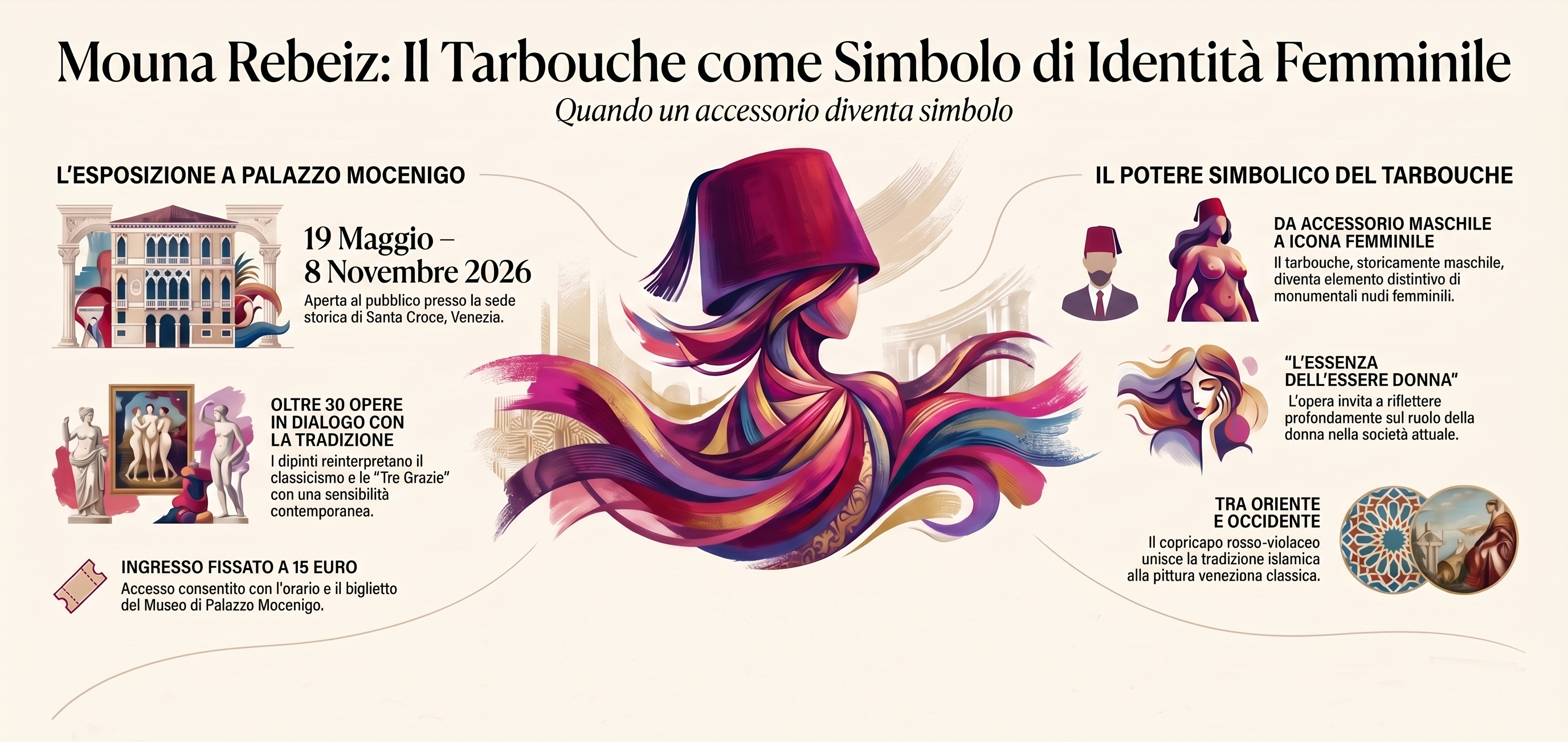
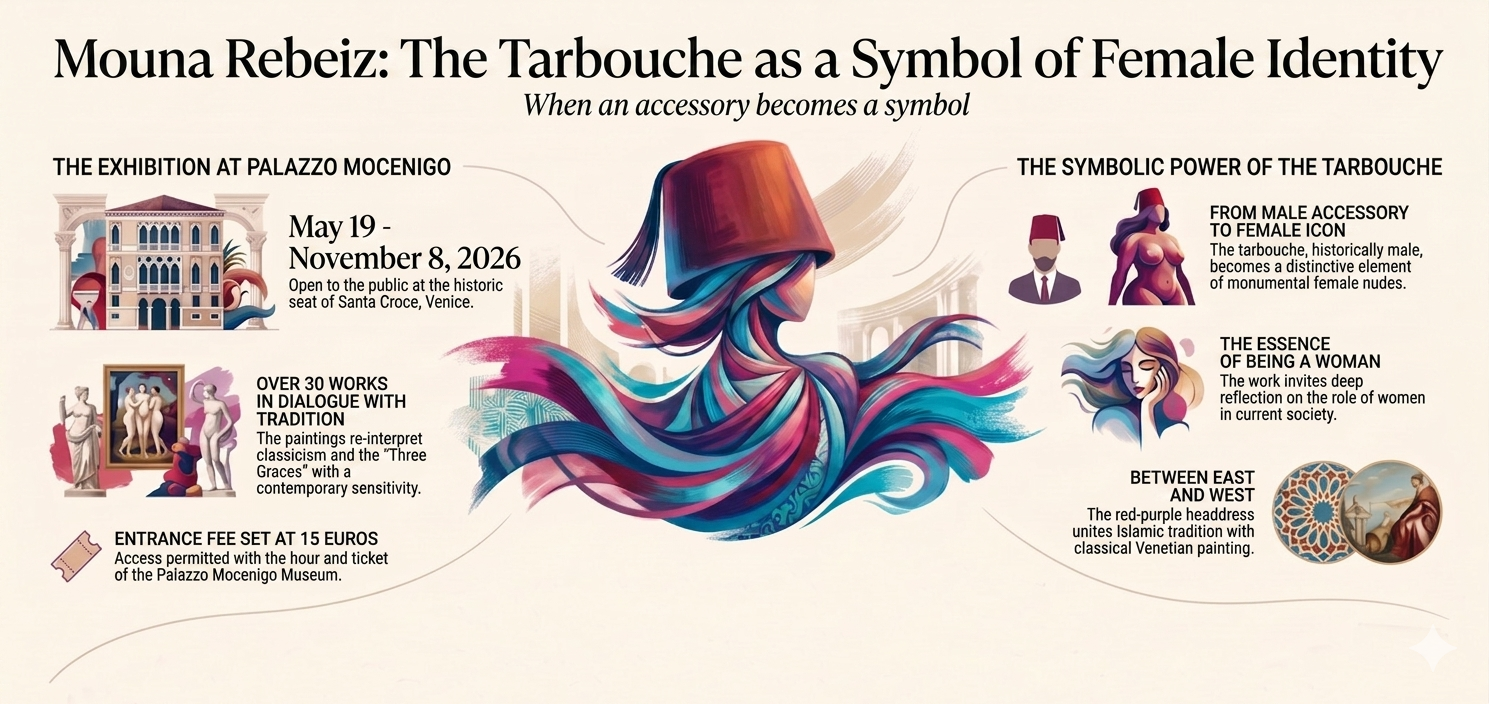
Nelle prestigiose sale del Museo di Palazzo Mocenigo a Venezia, la mostra “Le Tarbouche. Quando un accessorio diventa simbolo” si offre al pubblico come un’esperienza estetica e intellettuale di rara densità. Al centro di questo progetto espositivo si staglia l’iconico copricapo mediorientale — il tarbush o fez — storicamente legato al potere, alla virilità e alle rigide strutture patriarcali d’Oriente. Attraverso le monumentali tele dell’artista di origine libanese Mouna Rebeiz, questo antico accessorio maschile viene scardinato dal suo contesto originario per essere ripensato sul corpo femminile, trasformandosi in un potente manifesto di emancipazione e riappropriazione identitaria.
Il Sodalizio Intellettuale: La Pittrice e la Psicoanalista

La genesi e la forza dirompente di questa mostra risiedono in un profondo e storico legame artistico-filosofico che unisce da oltre un decennio Mouna Rebeiz e la nota filosofa e psicoanalista francese Elsa Godart. Questo legame affonda le radici in un terreno comune: la Rebeiz, prima di consacrarsi interamente alle arti visive, ha completato studi approfonditi in psicologia clinica tra Parigi e Beirut. Questa comune sensibilità verso i labirinti della psiche ha permesso la nascita di una stima intellettuale straordinaria.

Mouna Rebeiz vede nella Godart la mente illuminata capace di decodificare teoricamente ciò che l’istinto pittorico esprime sulla tela. Laddove la Rebeiz agisce con il pennello, evocando archetipi e tensioni tra Oriente e Occidente, la Godart interviene con la parola e lo scavo psicoanalitico. Nel corso degli anni, la studiosa francese è divenuta un’autentica amica e mentore per l’artista, curando i testi critici delle sue principali esposizioni e offrendo una legittimazione filosofica che svela la crisi dell’identità contemporanea e la complessa metamorfosi dell’universo femminile.

L’Enigma di “Bloody Mary”: Tra Storia, Provocazione e Fede
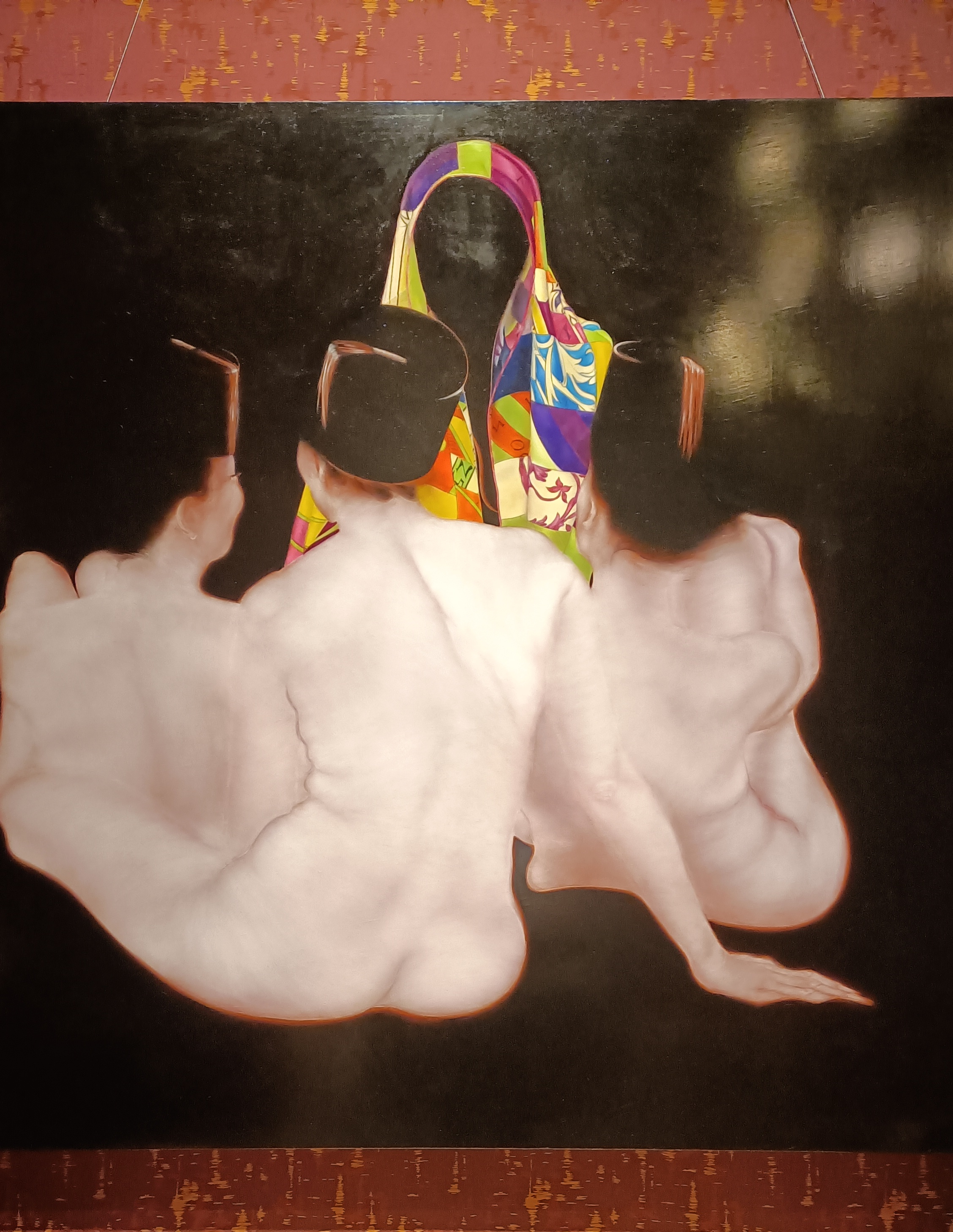
L’opera Bloody Mary (2014, olio su tela), tra le più magnetiche dell’esposizione, incarna perfettamente la sintesi di questo sodalizio e la natura provocatoria della ricerca di Rebeiz. Il dipinto affronta direttamente il tema della religione e del suo impatto dogmatico sulla sofferenza umana. Il titolo gioca intenzionalmente su un doppio binario ironico e drammatico: evoca il celebre cocktail a base di pomodoro e vodka, ma si rifà esplicitamente al personaggio storico di Maria I d’Inghilterra, passata alla storia come “Maria la Sanguinaria” (Bloody Mary) per aver ordinato il supplizio e l’esecuzione di centinaia di protestanti nel XVI secolo.

Nel dipinto, tre donne ritratte di spalle conversano, sormontate da tarbouche di un nero intenso che si estendono a tutto il dipinto facendo da sfondo ai loro corpi ambrati. Davanti a loro compare una figura femminile senza volto, il cui capo è celato da un velo composto da un coloratissimo foulard di Hermès. Questa figura, dedicata alla Vergine Maria, viene interpretata ed espressamente modellata sulle sembianze di Elsa Godart, amica e mentore dell’artista.

La scelta di non mostrare il volto del personaggio della Vergine — interpretato proprio dalla Godart — risponde a una precisa simbologia culturale e teologica. Secondo la tradizione islamica, infatti, il volto della Vergine, così come il volto della donna in generale nella sua dimensione più sacra e intima, deve rimanere segreto, sottratto allo sguardo profano. Celando il viso dietro l’elegante modernità di un foulard occidentale, Rebeiz e Godart uniscono i codici della tradizione e della contemporaneità, puntando il dito sulle restrizioni e sui dolori storicamente causati dalle interpretazioni religiose, e trasformando il silenzio visivo in un grido di denuncia e riflessione.

Un Binomio Universale in Viaggio verso il Futuro

È proprio l’indissolubile binomio tra l’audacia visiva di Mouna Rebeiz e la profondità analitica di Elsa Godart ad aver reso possibile una mostra della portata di Le Tarbouche. L’esposizione, che oggi trova a Palazzo Mocenigo a Venezia una sponda ideale tra merletti, profumi e memorie storiche veneziane, possiede in realtà un’anima nomade. Celebrata in passato in prestigiosi contesti internazionali (come la Saatchi Gallery di Londra nel 2015), la mostra continua a ridefinire i confini del dialogo interculturale. Questo straordinario sodalizio al femminile ha dato vita a un corpus di opere che, dopo aver conquistato la laguna, è destinato a viaggiare ancora, portando il proprio messaggio di libertà e provocazione verso mete future e orizzonti ancora da scoprire.

L’indovino

Tra i progetti più significativi della produzione recente di Mouna Rebeiz che merita di essere menzionato è: The Soothsayer (Le Devin), presentato per la prima volta nel 2022 in occasione della 59ª Biennale di Venezia. Il ciclo nasce da una riflessione sul desiderio umano di conoscere il futuro e intreccia simboli antichi e interrogativi contemporanei, mettendo in dialogo temi come la profezia, i tarocchi, l’inconscio, il destino e le nuove tecnologie. Attraverso una serie di opere fortemente evocative, l’artista esplora le paure e le speranze che accompagnano l’umanità di fronte all’incertezza del domani, interrogandosi sul ruolo dell’intelligenza artificiale e sul rapporto sempre più complesso tra intuizione umana e tecnologia.

Parlo di questa sua mostra passata, perché dopo il successo internazionale ottenuto negli ultimi anni, Le Devin approderà anche a Roma, dove sarà nuovamente esposta a partire dal 9 novembre. L’esposizione offrirà al pubblico italiano l’opportunità di immergersi nell’universo simbolico creato da Mouna Rebeiz, un mondo in cui arte, filosofia e psicoanalisi si incontrano per riflettere sulle grandi domande dell’esistenza contemporanea. Attraverso immagini visionarie e riferimenti che spaziano dall’esoterismo alla tecnologia, la mostra invita il visitatore a interrogarsi sul concetto di destino e sulla capacità dell’essere umano di immaginare il proprio futuro, confermando ancora una volta la profondità e l’attualità della ricerca artistica di Rebeiz.


LE TARBOUCHE AT PALAZZO MOCENIGO

When an Accessory Becomes a Symbol: The Art of Mouna Rebeiz Meets the Thought of Elsa Godart

In the prestigious rooms of the Museo di Palazzo Mocenigo in Venice, the exhibition “Le Tarbouche. Quando un accessorio diventa simbolo” (When an Accessory Becomes a Symbol) offers visitors an aesthetic and intellectual experience of rare depth. At the center of this exhibition project stands the iconic Middle Eastern headpiece — the tarbush or fez — historically linked to power, masculinity, and the rigid patriarchal structures of the East. Through the monumental canvases of Lebanese-born artist Mouna Rebeiz, this ancient male accessory is unseated from its original context to be reimagined on the female body, transforming into a powerful manifesto of emancipation and identity reclamation.

The Intellectual Partnership: The Painter and the Psychoanalyst

The genesis and disruptive power of this exhibition lie in a deep and historic artistic-philosophical bond that has united Mouna Rebeiz and the renowned French philosopher and psychoanalyst Elsa Godart for over a decade. This connection is rooted in shared ground: before dedicating herself entirely to the visual arts, Rebeiz completed advanced studies in clinical psychology between Paris and Beirut. This mutual sensitivity toward the labyrinths of the psyche paved the way for an extraordinary intellectual respect.

Mouna Rebeiz views Godart as the enlightened mind capable of theoretically decoding what her painterly instinct expresses on canvas. Where Rebeiz acts with the brush, evoking archetypes and tensions between East and West, Godart steps in with language and psychoanalytic excavation. Over the years, the French scholar has become a true friend and mentor to the artist, authoring the critical texts for her major exhibitions and providing a philosophical validation that unveils the crisis of contemporary identity and the complex metamorphosis of the female universe.

The Enigma of “Bloody Mary”: Between History, Provocation, and Faith

The artwork Bloody Mary (2014, oil on canvas), one of the most magnetic pieces in the exhibition, perfectly embodies the synthesis of this partnership and the provocative nature of Rebeiz’s research. The painting directly addresses the theme of religion and its dogmatic impact on human suffering. The title intentionally plays on an ironic and dramatic double meaning: it evokes the famous tomato and vodka-based cocktail, but explicitly references the historical figure of Mary I of England, known to history as “Bloody Mary” for ordering the persecution and execution of hundreds of Protestants in the 16th century.

In the painting, three women depicted from behind are in conversation, topped by tarbouches of an intense black that extends across the whole canvas, forming a backdrop for their amber-hued bodies. In front of them appears a faceless female figure whose head is concealed by a veil made from a colorful Hermès scarf. This figure, dedicated to the Virgin Mary, is performed by and expressly modeled on the features of Elsa Godart, the artist’s friend and mentor.

The choice not to show the face of the Virgin character — portrayed by Godart — responds to a precise cultural and theological symbolism. According to Islamic tradition, the face of the Virgin, much like the face of women in general in its most sacred and intimate dimension, must remain secret, withheld from the profane gaze. By hiding the face behind the elegant modernity of a Western scarf, Rebeiz and Godart merge the codes of tradition and contemporaneity, pointing a finger at the restrictions and pain historically caused by religious interpretations, and turning visual silence into a cry of denunciation and reflection.

A Universal Duo Journeying into the Future

It is precisely the indissoluble bond between the visual audacity of Mouna Rebeiz and the analytical depth of Elsa Godart that has made an exhibition of the scale of Le Tarbouche possible. The exhibition, which today finds an ideal backdrop in Venice’s Palazzo Mocenigo among historical lace, perfumes, and Venetian memories, actually possesses a nomadic soul. Celebrated in the past in prestigious international contexts (such as the Saatchi Gallery in London in 2015), the exhibition continues to redefine the boundaries of intercultural dialogue. This extraordinary female partnership has given life to a body of work that, after conquering the lagoon, is destined to travel further, carrying its message of freedom and provocation toward future destinations and horizons yet to be discovered.

The soothsayer – Le Devin

Among the most significant projects in Mouna Rebeiz’s recent artistic production is The Soothsayer (Le Devin), first presented in 2022 during the 59th Venice Biennale. The series stems from a reflection on humanity’s enduring desire to foresee the future, weaving together ancient symbols and contemporary questions through themes such as prophecy, tarot, the unconscious, destiny, and emerging technologies. Through a collection of highly evocative works, the artist explores the fears and hopes that accompany humankind in the face of an uncertain future, while questioning the role of artificial intelligence and the increasingly complex relationship between human intuition and technology.

I mention this past exhibition because, following its international success over the past few years, Le Devin will also arrive in Rome, where it will be presented once again starting on November 9. The exhibition will offer Italian audiences the opportunity to immerse themselves in the symbolic universe created by Mouna Rebeiz—a world in which art, philosophy, and psychoanalysis converge to reflect on the fundamental questions of contemporary existence. Through visionary imagery and references ranging from esotericism to technology, the exhibition invites visitors to reflect on the concept of destiny and on humanity’s capacity to imagine its own future, once again confirming the depth, relevance, and contemporary resonance of Rebeiz’s artistic practice.

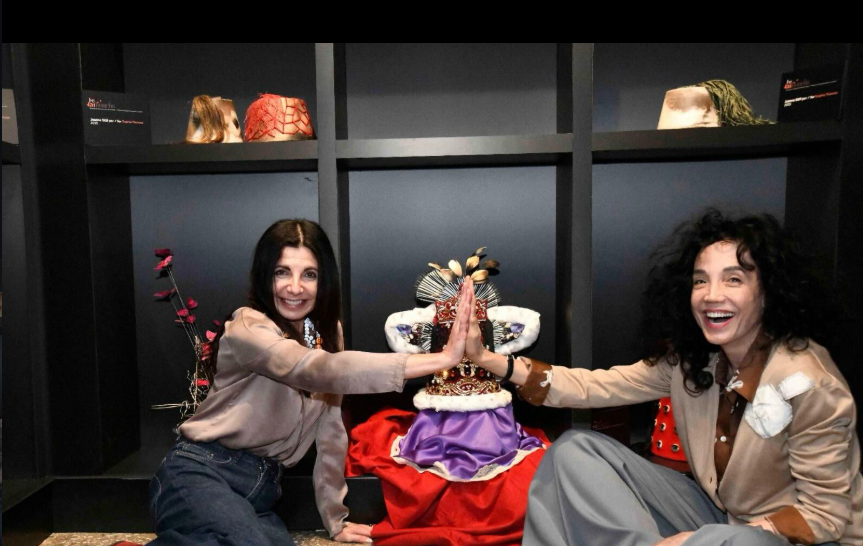
La mostra “Le Tarbouche” raccontata dalla curatrice Roberta Semeraro

Roberta Semeraro e “Le Tarbouche”: quando l’allestimento diventa dialogo tra identità, simboli e femminile

For the English translation, please scroll down the page thank you

A Venezia, negli spazi del Museo di Palazzo Mocenigo, la mostra Le Tarbouche. Quando un accessorio diventa simbolo dell’artista Mouna Rebeiz non si limita a presentare un corpus di opere pittoriche: costruisce un percorso concettuale complesso, in cui storia del costume, identità culturale e rappresentazione del femminile si intrecciano attraverso uno sguardo curatoriale preciso e riconoscibile. Al centro di questa operazione c’è infatti la figura della curatrice Roberta Semeraro.

Narratrice, critica d’arte e curatrice indipendente, Semeraro ha costruito negli anni un percorso professionale orientato all’indagine dei linguaggi contemporanei e delle trasformazioni culturali attraverso l’arte. Presidente dell’associazione culturale RO.SA.M., ha collaborato con istituzioni italiane e internazionali sviluppando progetti che intrecciano arte, memoria, sostenibilità e identità.

La mostra veneziana dedicata a Mouna Rebeiz sembra inserirsi perfettamente in questa linea di ricerca. Il tarbouche — tradizionale copricapo maschile diffuso nel mondo islamico sin dal XIV secolo — viene qui reinterpretato dall’artista come simbolo ambiguo e potente, trasferito su monumentali figure femminili che evocano tanto la pittura classica quanto una riflessione contemporanea sul corpo e sul ruolo della donna. Ma è proprio l’allestimento della Semeraro a trasformare questo elemento iconografico in un dispositivo narrativo più ampio. L’intuizione curatoriale consiste nel collocare le opere all’interno del contesto altamente simbolico di Palazzo Mocenigo, museo dedicato alla storia del tessuto, del costume e del profumo. Qui il tarbouche smette di essere soltanto un accessorio etnografico e diventa un ponte tra Oriente e Occidente, tra moda e identità, tra storia e contemporaneità. La mostra assume così una dimensione quasi antropologica, in cui gli oggetti raccontano strutture sociali, appartenenze e ruoli di genere.

Il lavoro di Roberta Semeraro emerge soprattutto nella costruzione del dialogo tra discipline diverse. Pittura, moda, design e storia del costume convivono infatti in un percorso che include anche reinterpretazioni contemporanee del tarbouche realizzate da designer internazionali. Una scelta curatoriale che amplia il significato della mostra e la sottrae alla semplice dimensione estetica, trasformandola in una riflessione sul valore culturale degli oggetti e sulla loro capacità di attraversare epoche e linguaggi. Da tempo Semeraro concentra la propria ricerca sui temi dell’identità e della rappresentazione del femminile nell’arte contemporanea. In Le Tarbouche questa attenzione si traduce in una lettura critica che evita sia l’esotismo sia la semplice provocazione visiva. Le figure femminili di Rebeiz, sensuali e monumentali, vengono inserite in un discorso più ampio sullo sguardo contemporaneo, sulla costruzione simbolica del potere e sul modo in cui gli accessori possano diventare strumenti di affermazione culturale.

La curatrice sembra inoltre lavorare su un equilibrio sottile tra tradizione e contemporaneità. Da una parte il richiamo alla grande pittura europea, dall’altra l’urgenza di interrogare il presente: identità fluide, ruoli di genere, memoria culturale e contaminazione tra mondi differenti. È in questo spazio di tensione che la mostra trova la sua forza. In un panorama artistico spesso dominato dalla rapidità visiva e dalla spettacolarizzazione, il progetto curatoriale di Roberta Semeraro restituisce invece centralità alla ricerca critica e alla costruzione del significato. Le Tarbouche non appare dunque solo come una mostra d’arte contemporanea, ma come un dispositivo culturale capace di mettere in relazione immagini, storia e pensiero.


Per approfondire la visione curatoriale alla base del progetto, ho intervistato la curatrice Roberta Semeraro, che mi ha raccontato la genesi della mostra e il dialogo costruito tra le opere di Mouna Rebeiz e gli spazi evocativi di Palazzo Mocenigo.

Come nasce l’idea di portare Mouna Rebeiz a Palazzo Mocenigo?
«Circa due anni fa, parlando con la direttrice scientifica dei Musei Civici Veneziani, ho avuto la sensazione di avere davanti l’artista perfetta per Palazzo Mocenigo. Mouna Rebeiz è di origini libanesi e il tarbouche, attorno al quale ruota questo ciclo di opere, appartiene profondamente all’immaginario orientale. Palazzo Mocenigo, invece, è il Centro Studi di Storia del Tessuto, del Costume e del Profumo. Tutte queste realtà hanno iniziato quasi naturalmente a dialogare tra loro, suggerendomi l’idea di proporre la mostra ai Musei Civici.»

Che rapporto ha con Palazzo Mocenigo?
«Palazzo Mocenigo e Palazzo Fortuny sono da sempre i miei musei preferiti di Venezia. Amo il fatto che abbiano conservato intatti i loro ambienti: entrarci significa fare un viaggio a ritroso nel tempo. In quei luoghi si percepiscono ancora le contaminazioni tra Oriente e Occidente che hanno reso Venezia unica al mondo.»

Cosa la colpisce maggiormente dell’arte di Mouna Rebeiz?
«Quello che apprezzo di più è la capacità di unire la bellezza alla forza espressiva. Le sue opere trasmettono messaggi molto potenti, ma lo fanno attraverso una forma seducente, elegante, quasi magnetica. È proprio questo contrasto a renderle così incisive.»

Tra le tante mostre che ha curato, ce n’è una che senti particolarmente vicina?
«Ho amato ogni mostra che ho allestito, dalla più piccola alla più complessa. Sicuramente le esposizioni di scultura ambientale sono state le più impegnative, perché richiedono un confronto diretto con il contesto urbano e con tutte le dinamiche che questo comporta. In Italia, poi, ogni luogo porta con sé una stratificazione storica delicatissima. Un progetto a cui resto profondamente legata è l’Amphisculpture di Parco del Sole all’Aquila: il più grande teatro all’aperto nato da un lungo lavoro di ideazione, gestazione e costruzione, che ho raccontato anche nel mio libro Ricostruire con l’arte

Cosa vorresti che il visitatore portasse con sé dopo aver visto “Le Tarbouche”?
«Consiglierei ai visitatori di soffermarsi con attenzione nelle sale, osservando i rimandi tra le opere contemporanee e la collezione permanente del museo. È proprio in quel dialogo tra presente e passato che la visita diventa più affascinante e il museo riesce davvero a raccontare qualcosa di vivo.»


The Exhibition “Le Tarbouche” Told by Curator Roberta Semeraro

In Venice, within the evocative spaces of Palazzo Mocenigo Museum, the exhibition Le Tarbouche. When an Accessory Becomes a Symbol by artist Mouna Rebeiz goes far beyond presenting a body of paintings: it constructs a complex conceptual journey in which the history of costume, cultural identity, and the representation of femininity intertwine through a precise and recognizable curatorial vision. At the heart of this operation stands curator Roberta Semeraro.

A storyteller, art critic, and independent curator, Semeraro has developed over the years a professional path focused on investigating contemporary artistic languages and cultural transformations through art. As president of the cultural association RO.SA.M., she has collaborated with Italian and international institutions, developing projects that connect art, memory, sustainability, and identity.

The Venetian exhibition dedicated to Mouna Rebeiz fits perfectly within this line of research. The tarbouche — a traditional male headdress widespread throughout the Islamic world since the 14th century — is reinterpreted here by the artist as an ambiguous yet powerful symbol, transferred onto monumental female figures that evoke both classical painting and a contemporary reflection on the body and the role of women. Yet it is Semeraro’s curatorial approach that transforms this iconographic element into a broader narrative device.

The curator’s intuition lies in placing the works within the highly symbolic context of Palazzo Mocenigo, a museum devoted to the history of textiles, costume, and perfume. Here, the tarbouche ceases to be merely an ethnographic accessory and becomes a bridge between East and West, between fashion and identity, between history and contemporaneity. The exhibition thus takes on an almost anthropological dimension, where objects tell stories of social structures, belonging, and gender roles.

Roberta Semeraro’s work emerges above all in the construction of a dialogue between different disciplines. Painting, fashion, design, and costume history coexist in a path that also includes contemporary reinterpretations of the tarbouche created by international designers. This curatorial choice expands the meaning of the exhibition and frees it from a purely aesthetic dimension, transforming it into a reflection on the cultural value of objects and their ability to move across eras and languages.

For years, Semeraro has focused her research on themes of identity and the representation of femininity in contemporary art. In Le Tarbouche, this attention translates into a critical reading that avoids both exoticism and mere visual provocation. Rebeiz’s female figures — sensual and monumental — are inserted into a broader discourse on the contemporary gaze, the symbolic construction of power, and the ways accessories can become instruments of cultural affirmation.

The curator also seems to work within a delicate balance between tradition and contemporaneity. On one side lies the reference to great European painting; on the other, the urgency to question the present: fluid identities, gender roles, cultural memory, and contamination between different worlds. It is within this space of tension that the exhibition finds its strength.

In an artistic landscape often dominated by visual speed and spectacle, Roberta Semeraro’s curatorial project restores centrality to critical research and the construction of meaning. Le Tarbouche therefore appears not simply as a contemporary art exhibition, but as a cultural device capable of connecting images, history, and thought.


To further explore the curatorial vision behind the project, I interviewed the curator Roberta Semeraro, who shared with me the origins of the exhibition and the dialogue created between Mouna Rebeiz’s works and the evocative spaces of Palazzo Mocenigo.

How did the idea of bringing Mouna Rebeiz to Palazzo Mocenigo come about?
“About two years ago, while speaking with the scientific director of the Venetian Civic Museums, I realized I had found the perfect artist for Palazzo Mocenigo. Mouna Rebeiz is of Lebanese origin, and the tarbouche — around which this cycle of works revolves — deeply belongs to the Eastern imagination. Palazzo Mocenigo, on the other hand, is the Study Center for the History of Textiles, Costume, and Perfume. All these realities naturally began to converse with one another, inspiring me to propose the exhibition to the Civic Museums.”

What kind of relationship do you have with Palazzo Mocenigo?
“Palazzo Mocenigo and Palazzo Fortuny have always been my favorite museums in Venice. I love the fact that they have preserved their interiors exactly as they once were: entering them feels like traveling back in time. In those spaces, you can still perceive the contaminations between East and West that made Venice unique in the world.”

What fascinates you most about Mouna Rebeiz’s art?
“What I appreciate most is her ability to combine beauty with expressive strength. Her works convey extremely powerful messages, yet they do so through a seductive, elegant, almost magnetic form. It is precisely this contrast that makes them so compelling.”

Among the many exhibitions you have curated, is there one that remains especially close to your heart?
“I have loved every exhibition I have curated, from the smallest to the most ambitious. Environmental sculpture exhibitions have certainly been the most challenging because they require engaging directly with the urban context and all the dynamics that come with it. In Italy, every place carries an incredibly delicate historical stratification. One project I remain particularly proud of is the Amphisculpture at Parco del Sole in L’Aquila: the largest open-air theater, born from a long process of conception, development, and construction, which I also recounted in my book Rebuilding Through Art.”

What would you like visitors to take away after seeing Le Tarbouche?
“I would encourage visitors to spend time carefully observing the rooms and discovering the connections between the contemporary works and the museum’s permanent collection. It is precisely in that dialogue between present and past that the visit becomes most fascinating, and the museum truly comes alive.”

Tre dipinti, una sola musa: il volto silenzioso dell’universo di Mouna Rebeiz

For the English translation, please scroll down the page thank you !


Nel silenzio di “Le tarbouche”: la donna, il corpo e la solitudine nei dipinti di Mouna Rebeiz

Ci sono opere che si limitano a essere guardate. E poi ce ne sono altre che sembrano osservarti mentre le contempli, costringendoti a entrare lentamente dentro il loro silenzio. È questa la sensazione che ho provato davanti ai dipinti di Mouna Rebeiz, raccolti sotto il titolo Le tarbouche – Quando un accessorio diventa simbolo. Un ciclo pittorico in cui il corpo femminile diventa memoria, ferita, isolamento, ma anche possibilità di rinascita.

Parlando personalmente con l’artista, ho scoperto un dettaglio fondamentale: la figura femminile che attraversa quasi tutte queste tele appartiene alla stessa modella: Rana Karam, nipote dell’artista. Non una semplice presenza scenica, ma una vera musa ispiratrice. Mouna Rebeiz mi ha raccontato che quel corpo rappresentava perfettamente ciò che desiderava esprimere. Le linee morbide della schiena, le posture raccolte, quasi fetali, la capacità di trasmettere fragilità senza perdere eleganza: tutto contribuiva a dare forma visiva a un universo interiore fatto di solitudine e sospensione emotiva. Eppure, conoscendo la modella di persona, si comprende subito quanto sarebbe riduttivo fermarsi all’aspetto estetico. Certo, la sua bellezza colpisce immediatamente, ma ciò che resta davvero impresso è altro: la sensibilità con cui parla, la sua cultura, l’intelligenza quieta che emerge nei discorsi, una delicatezza rara che sembra riflettersi inconsapevolmente anche nei dipinti. Forse è proprio questa profondità umana ad aver reso possibile un dialogo così intenso tra artista e musa.

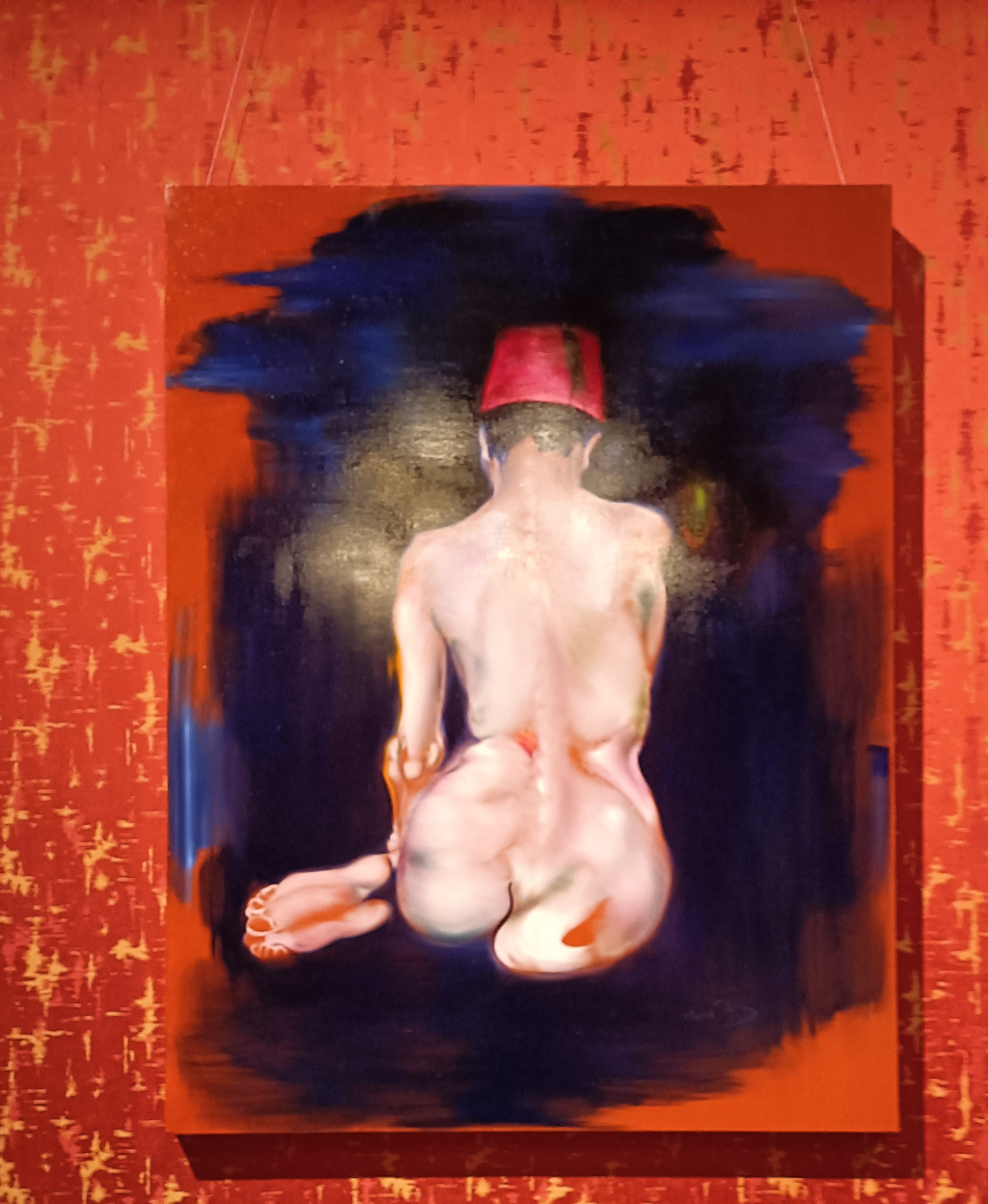
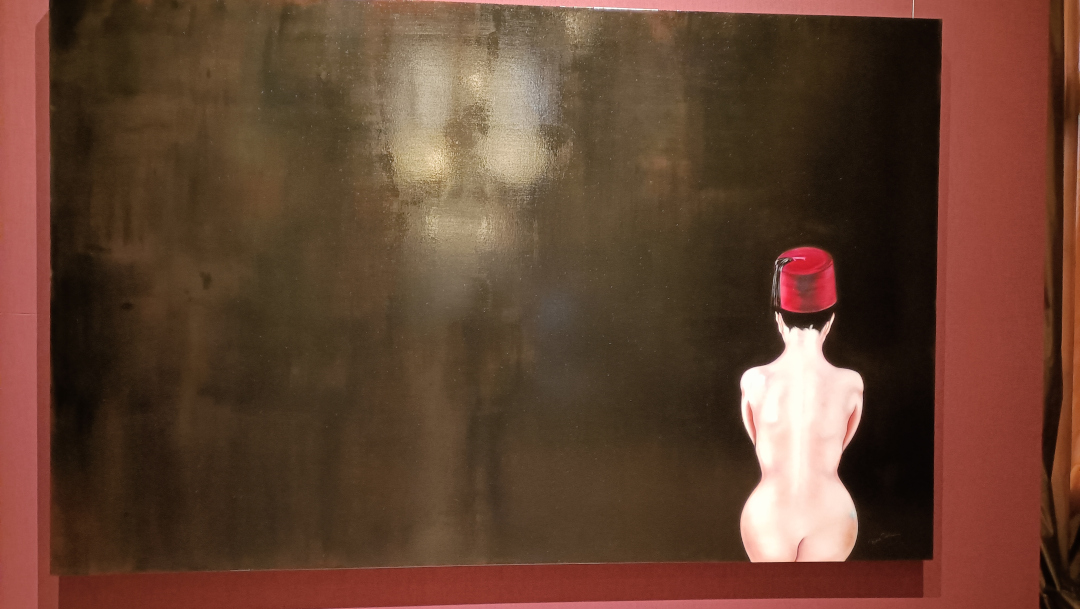
Nelle opere della serie, la donna appare quasi sempre di spalle, isolata dentro fondi monocromatici immensi, schiacciata da spazi che sembrano divorare lentamente la figura. In Le tarbouche (2014), il nero si espande come un vuoto cosmico: la protagonista sembra perdersi dentro un’oscurità che non è soltanto fisica, ma esistenziale. la figura femminile è relegata in un angolo della tela, quasi inghiottita dall’immenso vuoto nero che la circonda. Quel nero non è soltanto uno sfondo: diventa la rappresentazione visiva dell’abbandono, del silenzio e della mancanza di sostegno. La donna appare isolata, fragile, ridotta a una presenza minima davanti a uno spazio oscuro e sconfinato che sembra volerla cancellare. Il dipinto richiama con forza una condizione che, purtroppo, molte donne vivono ancora oggi, soprattutto nei casi di violenza domestica. Spesso chi subisce violenza si ritrova confinata in una solitudine emotiva e psicologica profonda, invisibile agli occhi degli altri, privata di ascolto, protezione e comprensione. Il vuoto nero che avvolge la figura può quindi essere letto come la metafora di una società che troppo spesso lascia le donne sole dentro il proprio dolore. Il tarbouche che porta sul capo diventa allora un segno simbolico, un fragile messaggio di speranza e di emancipazione femminile. Nonostante questa oscurità soffocante, la figura non scompare del tutto. Il suo corpo continua a esistere, a resistere. Il tarbouche che porta sul capo diventa allora un simbolo sottile ma potente di dignità, resilienza e speranza: il segno della possibilità di ritrovare sé stesse e liberarsi da quella condizione di isolamento.

Anche in Exil, la figura si chiude su sé stessa. Il corpo reclinato in avanti richiama una posizione fetale, quasi un desiderio di ritorno a uno spazio protetto, lontano dalla violenza del mondo esterno.

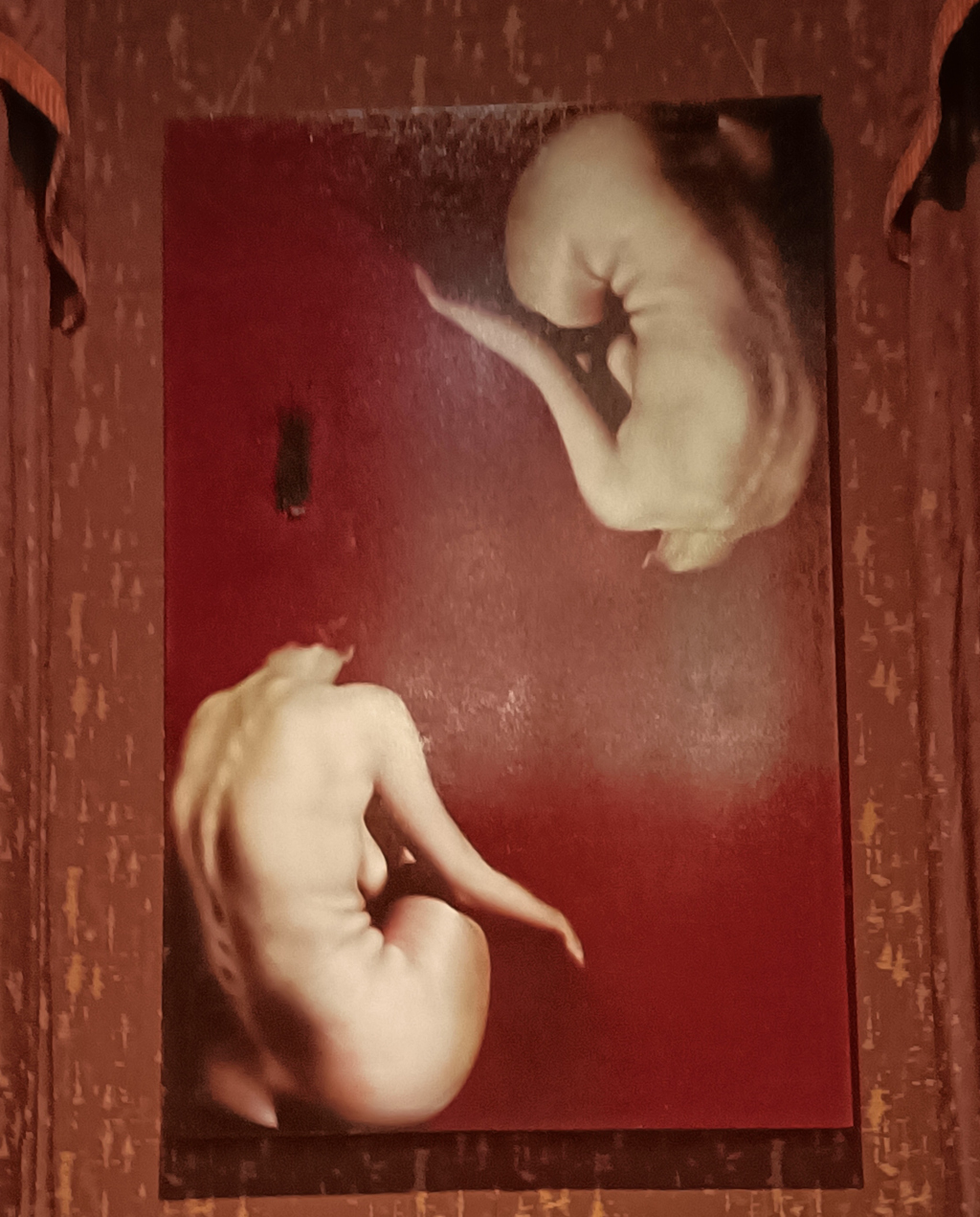
Ma è forse davanti a Red wine che il linguaggio simbolico dell’artista raggiunge una delle sue espressioni più potenti. La tela è attraversata da un rosso intenso, denso, quasi materico. Il colore non si limita a riempire lo spazio: sembra colare, respirare, diventare sostanza viva. Sangue, vino, carne, memoria. Osservando quest’opera, ho pensato immediatamente alla pittrice Elisabetta Rogai, https://diariodiunoperatoremuseale.co/2024/07/31/elisabetta-rogai-a-ca-sagredo/ celebre per l’uso del vino come materiale pittorico nelle sue enoarte. Anche nelle opere di Rogai il vino smette di essere semplice bevanda per trasformarsi in corpo, tempo, trasformazione organica. Il colore muta, ossida, invecchia, proprio come le emozioni umane. Nel caso di Mouna Rebeiz, però, il vino sembra assumere una dimensione ancora più interiore: non è soltanto materia, ma una sorta di liquido emotivo che avvolge e ingloba le figure femminili. Le due donne presenti nella composizione — una quasi speculare all’altra — appaiono sospese in uno spazio senza gravità, come ricordi che galleggiano nella coscienza. La pittura diventa allora pelle. Diventa tessuto. Diventa vulnerabilità.

E forse è proprio questa la forza più autentica della serie Le tarbouche: riuscire a raccontare la condizione femminile senza retorica, attraverso corpi silenziosi che parlano più di qualsiasi dichiarazione esplicita. Dietro quelle figure nude non c’è mai esibizione. C’è piuttosto un senso di attesa. Di malinconia. Di resistenza. Ed è impossibile uscire da questa mostra senza portarsi addosso almeno una parte di quel silenzio.

Invito tutta la cittadinanza e i turisti presenti a Venezia per le loro vacanze, di visitare il Museo di Palazzo Mocenigo, per poter apprezzare questa stupenda mostra. Non ve ne pentirete ! Vi aspettiamo !


In the Silence of “Le tarbouche”: Women, the Body, and Solitude in the Paintings of Mouna Rebeiz

There are artworks that simply ask to be looked at. And then there are others that seem to look back at you, slowly drawing you into their silence. That is the feeling I experienced while standing before the paintings of Mouna Rebeiz, gathered under the title Le tarbouche – When an Accessory Becomes a Symbol. A pictorial series in which the female body becomes memory, wound, isolation, but also the possibility of rebirth.

Speaking personally with the artist, I discovered a fundamental detail: the female figure appearing throughout some of these canvases is always the same model: Rana Karam, niece of the artist. Not merely a recurring presence, but a true muse. Mouna Rebeiz told me that this woman’s body perfectly embodied what she wished to express. The soft lines of her back, the almost fetal postures, the ability to convey fragility without ever losing elegance — all of it helped shape a visual universe suspended between loneliness and emotional vulnerability. And yet, after meeting the model in person, it became immediately clear how limiting it would be to speak only of her beauty. Of course, her physical presence is striking, but what remains with you is something deeper: her sensitivity, her culture, the quiet intelligence that emerges in conversation, and a rare delicacy that seems unconsciously reflected in the paintings themselves. Perhaps it is precisely this human depth that made such an intense dialogue between artist and muse possible.

In the works in the series, the woman almost always appears from behind, isolated within immense monochromatic backgrounds, crushed by spaces that seem to slowly devour the figure. In Le tarbouche (2014), the black expands like a cosmic void: the protagonist seems to be lost in a darkness that is not only physical, but existential. The female figure is relegated to a corner of the canvas, almost swallowed up by the immense black void that surrounds her. That black is not merely a backdrop: it becomes the visual representation of abandonment, silence, and lack of support. The woman appears isolated, fragile, reduced to a minimal presence before a dark and boundless space that seems to want to erase her. The painting forcefully recalls a condition that, unfortunately, many women still experience today, especially in cases of domestic violence. Often, those who suffer violence find themselves confined in a profound emotional and psychological solitude, invisible to the eyes of others, deprived of listening, protection, and understanding. The black void that envelops the figure can therefore be read as a metaphor for a society that too often leaves women alone in their pain. The tarbouche she wears on her head thus becomes a symbolic sign, a fragile message of hope and female emancipation. Despite this suffocating darkness, the figure does not disappear entirely. Her body continues to exist, to resist. The tarbouche she wears on her head thus becomes a subtle yet powerful symbol of dignity, resilience, and hope: a sign of the possibility of rediscovering oneself and freeing oneself from that state of isolation.

In Exil, the figure folds inward upon herself. Her body leans forward in a fetal-like posture, evoking a longing to return to a protected space, far from the violence of the outside world.

But perhaps it is in Red wine that the artist’s symbolic language reaches one of its most powerful expressions. The canvas is immersed in a deep, dense red that feels almost tactile. The color does not simply fill the space: it seems to flow, breathe, and become a living substance. Blood, wine, flesh, memory. While observing this work, I immediately thought of Elisabetta Rogai, https://diariodiunoperatoremuseale.co/2024/07/31/elisabetta-rogai-a-ca-sagredo/ the artist renowned for using wine itself as a painting medium in her celebrated enoart. In Rogai’s work, wine ceases to be merely a beverage and becomes body, time, and organic transformation. The color changes, oxidizes, ages — much like human emotions. In Mouna Rebeiz’s paintings, however, wine appears to take on an even more intimate dimension: it is not simply matter, but a kind of emotional fluid enveloping the female figures. The two women within the composition — one almost mirroring the other — seem suspended in a gravityless space, like memories floating within consciousness itself. Painting becomes skin.
Becomes fabric. Becomes vulnerability.

And perhaps this is the true strength of the Le tarbouche series: its ability to portray the female condition without rhetoric, through silent bodies that speak more powerfully than any explicit statement ever could. Behind these nude figures there is never exhibitionism. There is waiting instead. Melancholy. Resistance. And it is impossible to leave these works behind without carrying at least a fragment of their silence with you.

I invite all residents and tourists visiting Venice for their holidays to visit the Mocenigo Palace Museum and appreciate this wonderful exhibition. You won’t regret it! We look forward to seeing you!

La mostra imperdibile del 2026 a Venezia? Mouna Rebeiz a Palazzo Mocenigo

For the English translation, please scroll down the page, thank you !

Venezia si prepara ad accogliere una mostra destinata a lasciare il segno. Dal 20 maggio all’8 novembre 2026, le sale di Museo di Palazzo Mocenigo ospiteranno “Le Tarbouche. Quando un accessorio diventa simbolo”, il nuovo progetto espositivo dell’artista libanese-canadese Mouna Rebeiz. Un appuntamento che promette di fondere arte, identità, sensualità e memoria culturale in uno dei luoghi più affascinanti della Venezia artistica contemporanea.

Ci sono artisti che dipingono immagini. E poi ci sono artisti che dipingono simboli, trasformandoli in qualcosa di vivo, emotivo, quasi magnetico. Mouna Rebeiz appartiene senza dubbio alla seconda categoria. Il suo lavoro, intenso e profondamente spirituale, nasce da un percorso artistico e umano fuori dagli schemi: cresciuta in una famiglia di artisti, formatasi tra Beirut e Parigi con studi in psicologia, Rebeiz ha costruito negli anni una ricerca capace di unire pittura classica, introspezione e sperimentazione contemporanea.

Chi conosce il suo lavoro sa che le sue opere non si limitano a essere osservate: chiedono di essere attraversate. Nei suoi dipinti convivono femminilità, energia mistica, archetipi e richiami culturali che sembrano emergere da una dimensione sospesa tra Oriente e Occidente. Non a caso, durante la Biennale di Venezia del 2022, la sua mostra The Soothsayer aveva già attirato l’attenzione internazionale grazie a un linguaggio visivo visionario e immersivo.

Ed è proprio Venezia, ancora una volta, a diventare il palcoscenico ideale della sua poetica. La nuova mostra a Palazzo Mocenigo ruoterà attorno al “tarbouche” — il tradizionale copricapo maschile diffuso nel mondo musulmano sin dal XIV secolo — trasformato da Rebeiz in un simbolo carico di significati contemporanei. Nelle sue tele, questo elemento storico si intreccia con la rappresentazione del corpo femminile, dando vita a un dialogo sorprendente tra identità, sensualità e appartenenza culturale.

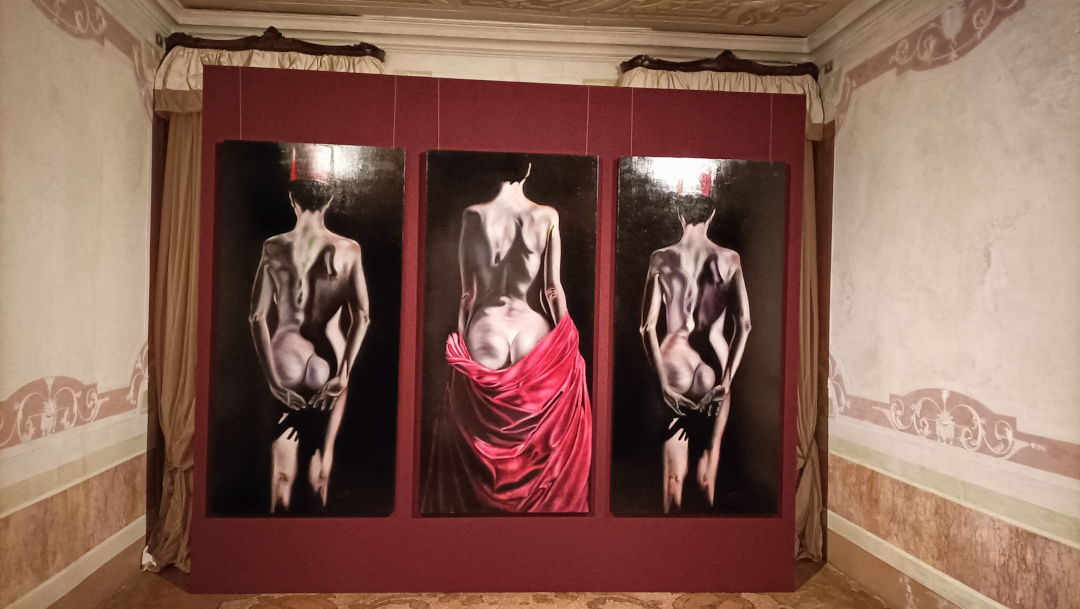
Secondo le anticipazioni, il percorso espositivo presenterà grandi dipinti ispirati alle Tre Grazie, figure che nella visione dell’artista diventano presenze potenti, quasi divine. Il tarbouche, collocato su corpi femminili monumentali e sensuali, perde la sua funzione originaria per diventare metafora: un ponte tra tradizione e trasformazione, tra memoria collettiva e libertà individuale.

Ed è qui che la mostra diventa davvero interessante. Perché Rebeiz non si limita a reinterpretare un accessorio storico: lo carica di domande attualissime. Quanto conta oggi il simbolo nell’affermazione dell’identità? Come cambia il significato di un oggetto quando viene sottratto al suo contesto originario? E soprattutto: cosa accade quando lo sguardo femminile si riappropria di simboli tradizionalmente maschili?

In una città come Venezia, storicamente crocevia di culture, commerci e contaminazioni artistiche, questa riflessione assume un valore ancora più forte. Palazzo Mocenigo, con le sue sale dedicate alla moda, al tessuto e alla storia del costume veneziano, sembra quasi il luogo naturale per accogliere una mostra che parla proprio del potere degli abiti e degli accessori nel raccontare chi siamo.

Scorrendo le immagini condivise dall’artista sui suoi canali social, emerge chiaramente la forza visiva della sua ricerca: colori profondi, figure enigmatiche, atmosfere teatrali e una costante tensione tra eleganza e provocazione. Il suo linguaggio è immediatamente riconoscibile, ma soprattutto emotivo. E forse è proprio questo il motivo per cui il pubblico internazionale continua a seguirla con crescente interesse.

“Le Tarbouche” non sarà semplicemente una mostra da visitare. Sarà un’esperienza da vivere lentamente, lasciandosi trasportare dalle suggestioni di un’artista che riesce a rendere contemporaneo persino un simbolo antico di secoli. Per chi ama l’arte capace di raccontare storie, creare connessioni culturali e sorprendere visivamente, questa è già una delle esposizioni più attese del 2026 veneziano. E Venezia, ancora una volta, si conferma il luogo perfetto dove le culture si incontrano e si trasformano in arte.


Venice’s Must-See Exhibition of 2026? Mouna Rebeiz at Palazzo Mocenigo

Venice is preparing to welcome an exhibition destined to leave a lasting impression. From May 20 to November 8, 2026, the rooms of Palazzo Mocenigo Museum will host “Le Tarbouche. When an Accessory Becomes a Symbol”, the new exhibition project by Lebanese-Canadian artist Mouna Rebeiz. An event that promises to blend art, identity, sensuality, and cultural memory within one of the most fascinating venues in Venice’s contemporary art scene.

There are artists who paint images. And then there are artists who paint symbols, transforming them into something alive, emotional, almost magnetic. Mouna Rebeiz undoubtedly belongs to the latter category. Her work, intense and deeply spiritual, emerges from an unconventional artistic and personal journey: raised in a family of artists and educated between Beirut and Paris with a background in psychology, Rebeiz has developed a body of work capable of merging classical painting, introspection, and contemporary experimentation.

Anyone familiar with her art knows that her works are not simply meant to be observed — they demand to be experienced. Within her paintings coexist femininity, mystical energy, archetypes, and cultural references that seem to emerge from a suspended dimension somewhere between East and West. It is no coincidence that during the 2022 Venice Biennale, her exhibition The Soothsayer attracted international attention thanks to its visionary and immersive visual language.

And once again, Venice becomes the ideal stage for her artistic vision. The new exhibition at Palazzo Mocenigo revolves around the “tarbouche” — the traditional male headpiece widely used throughout the Muslim world since the 14th century — transformed by Rebeiz into a symbol charged with contemporary meaning. In her paintings, this historical element intertwines with representations of the female body, creating a striking dialogue between identity, sensuality, and cultural belonging.

According to early previews, the exhibition will feature large-scale paintings inspired by the Three Graces, figures that in the artist’s vision become powerful, almost divine presences. The tarbouche, placed upon monumental and sensual female bodies, loses its original function and becomes a metaphor: a bridge between tradition and transformation, between collective memory and individual freedom.

And this is where the exhibition becomes truly compelling. Because Rebeiz does not simply reinterpret a historical accessory — she fills it with deeply contemporary questions. How important are symbols today in shaping identity? How does the meaning of an object change once it is removed from its original context? And above all: what happens when the female gaze reclaims symbols traditionally associated with masculinity?

In a city like Venice — historically a crossroads of cultures, trade, and artistic exchange — this reflection takes on even greater significance. Palazzo Mocenigo, with its collections dedicated to fashion, textiles, and the history of Venetian costume, feels like the natural setting for an exhibition that explores the power of clothing and accessories in telling the story of who we are.

Looking through the images shared by the artist on her social media channels, the visual strength of her artistic research becomes immediately evident: deep colors, enigmatic figures, theatrical atmospheres, and a constant tension between elegance and provocation. Her visual language is instantly recognizable, but above all, deeply emotional. Perhaps this is exactly why international audiences continue to follow her work with growing interest.

“Le Tarbouche” will not simply be an exhibition to visit. It will be an experience to move through slowly, allowing oneself to be carried away by the suggestions of an artist capable of making even a centuries-old symbol feel powerfully contemporary. For those who love art that tells stories, creates cultural connections, and surprises visually, this is already shaping up to be one of the most anticipated exhibitions of Venice’s 2026 cultural season. And Venice, once again, confirms itself as the perfect place where cultures meet and transform into art.

Oltre la Biennale: la Venezia nascosta che pochi turisti scoprono davvero

For the English translation, please scroll down the page

Venezia oltre la Biennale: la stagione dell’arte che porta lontano da San Marco

Ogni primavera Venezia cambia ritmo. Le calli si riempiono di curatori, artisti, collezionisti, studenti e viaggiatori arrivati da ogni parte del mondo. È il segnale che la stagione dell’arte è ufficialmente iniziata. La città lagunare torna ancora una volta al centro della scena internazionale grazie alla 61ª edizione della Biennale di Venezia, che quest’anno trasforma Venezia in un enorme laboratorio creativo diffuso tra padiglioni nazionali, installazioni, eventi collaterali e mostre indipendenti.

Ma limitarsi ai Giardini e all’Arsenale sarebbe un errore. La vera magia veneziana, soprattutto durante la Biennale, si nasconde spesso lontano dai luoghi più fotografati della città.

Tra gli appuntamenti più attesi di questa stagione c’è sicuramente la mostra “Transforming Energy” di Marina Abramović alle Gallerie dell’Accademia. Ed è tutto vero: l’artista serba è diventata la prima donna vivente a essere celebrata con una grande mostra personale all’interno delle Gallerie. L’esposizione, inaugurata in occasione della Biennale 2026, mette in dialogo la sua arte performativa con i capolavori rinascimentali veneziani, creando un contrasto potente tra passato e contemporaneità.

L’effetto complessivo è quello di una Venezia che, per alcuni mesi all’anno, smette di essere solo una cartolina e torna a essere un centro culturale vivo, sperimentale e sorprendente. Ed è proprio qui che il visitatore dovrebbe fare qualcosa di insolito: allontanarsi dal percorso più ovvio.

Perché Venezia non è soltanto Piazza San Marco, il Ponte di Rialto o le code davanti al Palazzo Ducale. La Biennale offre la scusa perfetta per esplorare una città più silenziosa, fatta di palazzi nascosti, musei poco conosciuti e quartieri dove il turismo di massa sembra improvvisamente dissolversi.

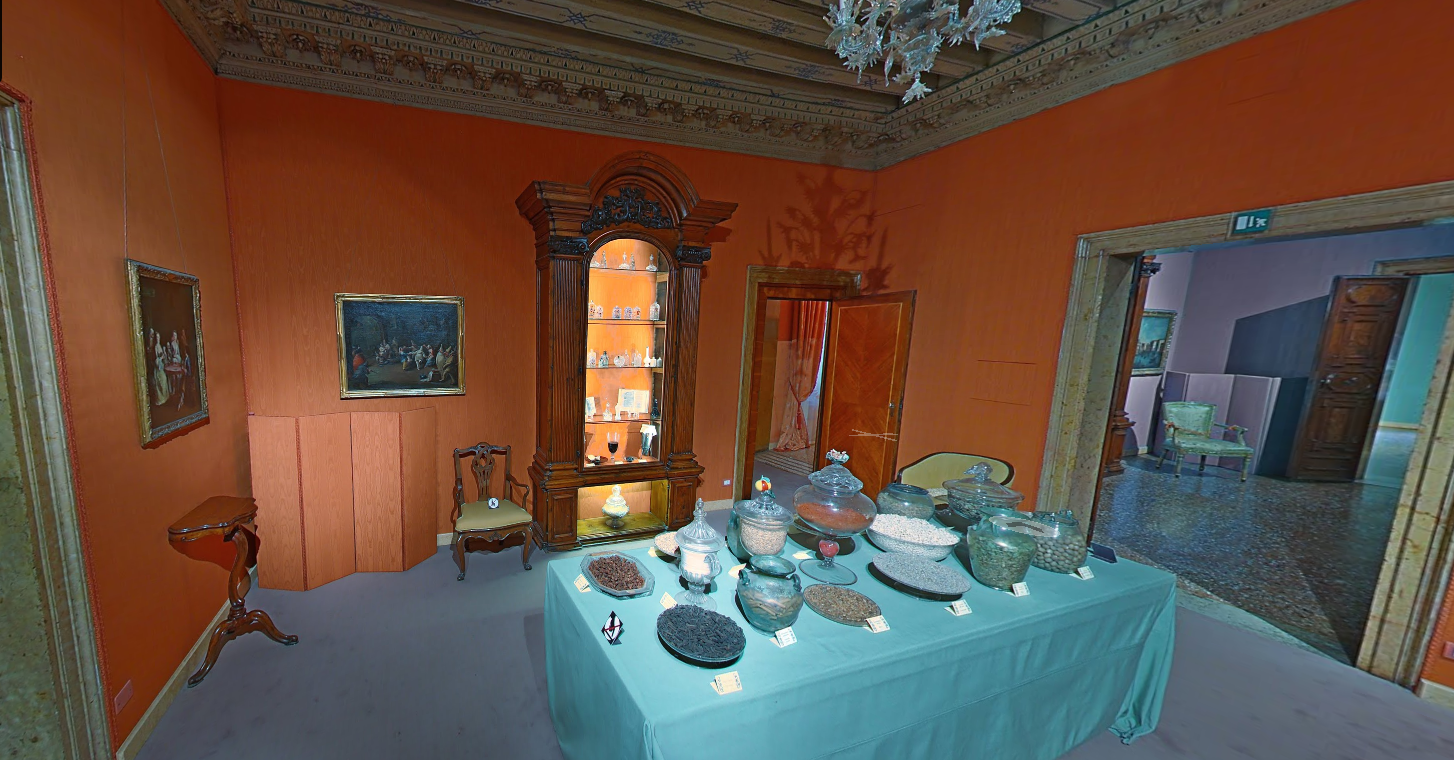
Uno degli esempi migliori è il Museo di Palazzo Mocenigo, nel sestiere di Santa Croce. Molti turisti non sanno nemmeno che esista, eppure è uno dei luoghi più affascinanti della città. Antica dimora nobiliare veneziana, il palazzo racconta la vita aristocratica della Serenissima attraverso abiti storici, tessuti, arredi e soprattutto il mondo del profumo, arte in cui Venezia fu protagonista assoluta grazie ai commerci con l’Oriente. Entrare a Palazzo Mocenigo significa vedere una Venezia diversa: non quella monumentale e affollata, ma quella intima, elegante, quasi sospesa nel tempo. Le sale hanno ancora il sapore delle case vissute, e il silenzio che si respira è distante anni luce dal caos attorno a San Marco.

Ed è proprio questo il punto: la Biennale dovrebbe essere vissuta come una porta d’accesso alla Venezia meno evidente. Molti degli eventi collaterali più interessanti si trovano infatti dentro chiese sconsacrate, fondazioni private, ex magazzini o palazzi normalmente chiusi al pubblico. Spesso basta attraversare un ponte in più o perdersi volutamente in una calle laterale per imbattersi in una mostra sorprendente. È una dinamica che molti visitatori della Biennale raccontano come la parte più bella dell’esperienza veneziana: scoprire luoghi che altrimenti non avrebbero mai visto.

Chi arriva a Venezia per l’arte contemporanea dovrebbe quindi approfittarne per costruire un itinerario più lento e curioso. Non solo le grandi istituzioni, ma anche musei meno celebrati come il Museo Fortuny, con la sua atmosfera teatrale e decadente, oppure il Ca’ Pesaro, che custodisce collezioni moderne spesso ignorate dai flussi turistici principali. In fondo, Venezia funziona così: più ci si allontana dai percorsi obbligati, più la città si rivela autentica.

E forse oggi, in piena stagione della Biennale, il vero lusso non è vedere “tutto”, ma riuscire ancora a sorprendersi entrando in un palazzo quasi vuoto, affacciato su un canale silenzioso, dove l’arte e Venezia tornano improvvisamente a parlare la stessa lingua.


Venice Beyond the Biennale: The Art Season That Leads Away from St. Mark’s Square

Every spring, Venice changes rhythm. Its narrow streets and canals fill with curators, artists, collectors, students, and travelers arriving from all over the world. It is the unmistakable sign that the city’s art season has officially begun. Once again, Venice becomes the center of the international cultural scene thanks to the 61st edition of the Venice Biennale, transforming the city into a vast creative laboratory spread across national pavilions, installations, collateral events, and independent exhibitions.

But limiting a visit to the Giardini and the Arsenale would be a mistake. The real magic of Venice — especially during the Biennale months — is often hidden far from the city’s most photographed landmarks.

Among the most anticipated events of this season is undoubtedly Marina Abramović’s exhibition Transforming Energy at the Gallerie dell’Accademia. And yes, it is true: the Serbian artist has become the first living female artist to be honored with a major solo exhibition at the museum. Organized alongside the 2026 Biennale, the exhibition creates a powerful dialogue between Abramović’s performance art and Venice’s Renaissance masterpieces, producing a striking contrast between past and present.

The overall effect is a Venice that, for a few months each year, stops being merely a postcard destination and returns to being a vibrant, experimental, and deeply alive cultural capital. And this is exactly where visitors should do something unexpected: move away from the obvious route.

Because Venice is not only St. Mark’s Square, the Rialto Bridge, or the crowds gathered outside the Doge’s Palace. The Biennale offers the perfect excuse to explore a quieter side of the city — one made of hidden palaces, lesser-known museums, and neighborhoods where mass tourism suddenly seems to disappear.

One of the best examples is the Museum of Palazzo Mocenigo, located in the Santa Croce district. Many tourists do not even know it exists, yet it is one of the most fascinating places in Venice. Once an aristocratic Venetian residence, the palace tells the story of life during the Serenissima through historical garments, textiles, furnishings, and above all the world of perfume — an art in which Venice once played a leading role thanks to its trade connections with the East. Walking into Palazzo Mocenigo means discovering a different Venice: not the monumental and crowded one, but an intimate, elegant city seemingly suspended in time. The rooms still feel lived in, and the silence inside is worlds away from the chaos surrounding St. Mark’s Square.

And that is precisely the point: the Biennale should be experienced as a gateway to Venice’s less obvious side. Many of the most interesting collateral events are housed inside deconsecrated churches, private foundations, former warehouses, or palaces that are usually closed to the public. Often, all it takes is crossing one more bridge or intentionally getting lost down a narrow alley to stumble upon an extraordinary exhibition. For many Biennale visitors, this becomes the most memorable part of the Venetian experience: discovering places they would otherwise never have seen.

Those traveling to Venice for contemporary art should therefore use the opportunity to build a slower, more curious itinerary. Not only the major institutions, but also lesser-known museums such as Museo Fortuny, with its theatrical and decadent atmosphere, or Ca’ Pesaro, home to modern art collections often overlooked by mainstream tourism. Because Venice works exactly this way: the farther you move from the mandatory tourist routes, the more authentic the city becomes.

And perhaps today, during the height of the Biennale season, the real luxury is not trying to see everything, but still being able to feel surprised while stepping into an almost empty palace overlooking a quiet canal — a place where art and Venice suddenly begin speaking the same language again.

Due luoghi, un’unica emozione: l’arte che passa dal naso al cuore

Per la traduzione in inglese, fate scorrere la pagina in basso. grazie.

For the English translation, please scroll down the page. Thank you.

Quando l’Arte si Respira: Un Viaggio Olfattivo tra la Galleria Bartoux e il Museo di Palazzo Mocenigo

C’è qualcosa di magico nell’aria a Venezia, e non parlo solo del suo fascino storico o della bellezza delle sue calli. Immaginate di passeggiare tra le opere d’arte, ma anziché solo ammirare con gli occhi, di poterle respirare. Sì, perché a Venezia esiste un’esperienza unica che unisce arte e profumo in un modo straordinario. Sto parlando di due luoghi che sono in grado di trasportare chi li visita in un viaggio sensoriale indimenticabile: la Galleria Bartoux e il Museo di Palazzo Mocenigo.

La Galleria Bartoux: Un’Essenza di Eleganza

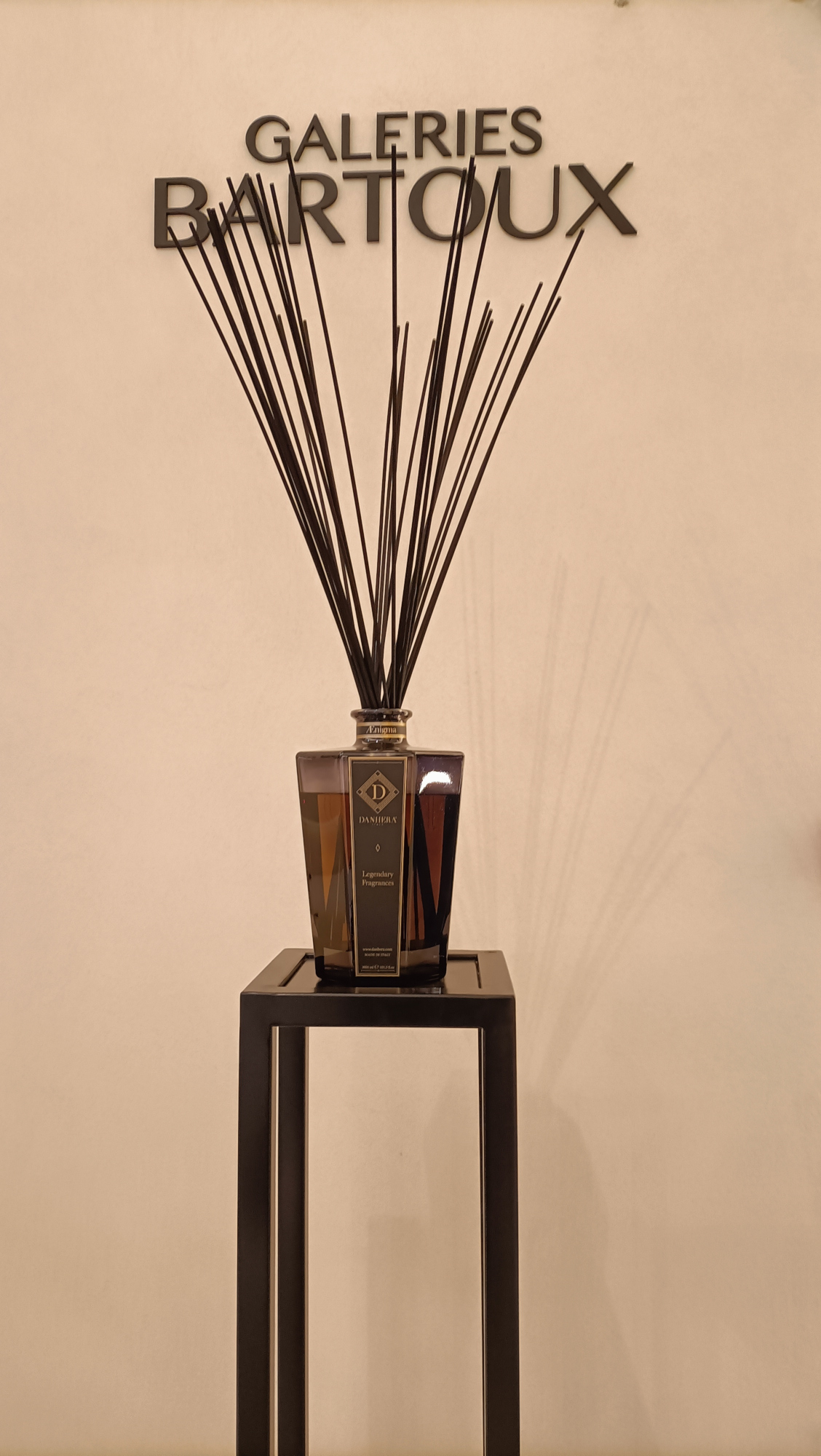
Immaginate di entrare in una galleria d’arte, circondati dalle opere più sofisticate e moderne, ma con una sorpresa inaspettata: un’aroma avvolgente che completa l’esperienza visiva. Questo è quello che accade alla Galleria Bartoux, uno spazio dove la bellezza si fonde con il fascino delle essenze della ditta Danhera, che rendono ogni visita un’esperienza olfattiva straordinaria. Le essenze, provenienti dal mondo esclusivo della profumeria di alta gamma, sembrano essere state create appositamente per arricchire l’atmosfera artistica della galleria. Ogni visita diventa un viaggio nei sensi, dove i profumi si intrecciano con le emozioni suscitate dalle opere. Non si tratta solo di guardare, ma di sentire l’arte, di vivere ogni dettaglio con tutti i sensi. I profumi delicati e complessi di Danhera, ricchi di eleganza e raffinatezza, aggiungono un tocco di lusso che trasforma ogni opera in qualcosa di ancora più sensazionale.

Palazzo Mocenigo: Il Museo del Profumo per Eccellenza

Se pensate che il viaggio olfattivo possa finire qui, vi sbagliate di grosso. A Palazzo Mocenigo, l’esperienza del profumo raggiunge un altro livello. Questo storico palazzo veneziano non è solo un museo: è il cuore pulsante della cultura olfattiva di Venezia. Al suo interno, la collezione di fragranze, essenze e strumenti legati alla storia della profumeria vi farà scoprire la tradizione olfattiva della città, che da secoli è legata all’arte del profumo. Il Museo di Palazzo Mocenigo non si limita a esporre semplici bottiglie di profumo. Qui, il visitatore è invitato a partecipare a un vero e proprio percorso olfattivo, dove ogni sala ha un’essenza che la definisce, un profumo che racconta una storia. È un’esperienza unica che stimola tutti i sensi, dove si può vedere, e annusare l’evoluzione della profumeria, dalle origini fino ai giorni nostri. Dalle fragranze medievali agli aromi più contemporanei, il museo racconta la storia della città attraverso un linguaggio universale: quello dei profumi.

Un’Esperienza Completa: Galleria Bartoux + Palazzo Mocenigo

Immaginate quindi di unire questi due luoghi unici in un’unica esperienza sensoriale. Dopo aver respirato l’arte alla Galleria Bartoux, dove il profumo della ditta Danhera vi avvolge in un abbraccio raffinato, potrete continuare il vostro viaggio a Palazzo Mocenigo, dove il profumo si fa storia e cultura. Ogni fragranza che sentirete, ogni essenza che vi colpirà, non sarà solo una nota olfattiva, ma un’emozione che vi rimarrà nel cuore. Ecco cosa rende queste due sedi così speciali: non solo sono luoghi di straordinaria bellezza, ma sono anche in grado di evocare ricordi, emozioni e sensazioni attraverso l’olfatto, rendendo ogni visita un’esperienza davvero unica. In un mondo sempre più veloce e frenetico, dove siamo costantemente bombardati dai nostri dispositivi, queste esperienze ci ricordano l’importanza di fermarsi e riscoprire il potere dei sensi.

Perché Visitare?

Se siete amanti dell’arte, della storia, o semplicemente curiosi di esplorare un’esperienza nuova e affascinante, non potete perdervi la combinazione tra la Galleria Bartoux e il Museo di Palazzo Mocenigo. Venezia, con la sua atmosfera unica e la sua tradizione secolare, è il posto perfetto per una passeggiata che non si ferma solo alla vista, ma che coinvolge tutti i sensi. Unisciti a chi ha già scoperto come l’arte si possa respirare, e lasciati conquistare da una Venezia che non ti aspettavi. Perché ogni visita sarà un viaggio che non dimenticherai facilmente.


When Art Is Breathed In: An Olfactory Journey Through the Galleria Bartoux and the Museo di Palazzo Mocenigo

There is something magical in the air in Venice—and I’m not just talking about its historic charm or the beauty of its narrow streets. Imagine strolling among works of art and, instead of simply admiring them with your eyes, being able to breathe them in. Yes, because in Venice there is a unique experience that brings art and fragrance together in an extraordinary way. I’m talking about two places capable of transporting visitors on an unforgettable sensory journey: the Galleria Bartoux and the Museo di Palazzo Mocenigo.

The Galleria Bartoux: An Essence of Elegance

Imagine entering an art gallery surrounded by sophisticated and contemporary works, with an unexpected surprise: a captivating aroma that completes the visual experience. This is what happens at the Galleria Bartoux, a space where beauty blends with the allure of fragrances by the company Danhera, turning every visit into an extraordinary olfactory experience. The essences, drawn from the exclusive world of high-end perfumery, seem to have been created specifically to enrich the gallery’s artistic atmosphere. Each visit becomes a journey through the senses, where scents intertwine with the emotions evoked by the artworks. It is not just about looking—it is about feeling art, experiencing every detail with all your senses. Danhera’s delicate and complex fragrances, rich in elegance and refinement, add a touch of luxury that transforms every piece into something even more sensational.

Palazzo Mocenigo: The Perfume Museum Par Excellence

If you think the olfactory journey ends here, think again. At Palazzo Mocenigo, the fragrance experience reaches another level. This historic Venetian palace is not just a museum—it is the beating heart of Venice’s olfactory culture. Inside, a collection of fragrances, essences, and tools linked to the history of perfumery reveals the city’s long-standing tradition in the art of scent. The Museo di Palazzo Mocenigo does more than display simple perfume bottles. Here, visitors are invited to take part in a true olfactory journey, where each room has its own defining essence, a fragrance that tells a story. It is a unique, multisensory experience in which you can see, and smell the evolution of perfumery—from its origins to the present day. From medieval fragrances to contemporary aromas, the museum tells the story of the city through a universal language: that of scent.

A Complete Experience: Galleria Bartoux + Palazzo Mocenigo

Now imagine combining these two unique places into one seamless sensory experience. After breathing in art at the Galleria Bartoux, where Danhera’s fragrances envelop you in a refined embrace, you can continue your journey at Palazzo Mocenigo, where perfume becomes history and culture. Every fragrance you encounter, every essence that strikes you, will not simply be an olfactory note, but an emotion that lingers in your heart. This is what makes these two venues so special: not only are they places of extraordinary beauty, but they also evoke memories, emotions, and sensations through the sense of smell, making each visit truly unique. In an increasingly fast-paced world, where we are constantly bombarded by our devices, experiences like these remind us of the importance of slowing down and rediscovering the power of our senses.

Why Visit?

If you are an art lover, a history enthusiast, or simply curious to explore a new and fascinating experience, you cannot miss the combination of the Galleria Bartoux and the Museo di Palazzo Mocenigo. Venice, with its unique atmosphere and centuries-old tradition, is the perfect place for a walk that goes beyond sight and engages all the senses. Join those who have already discovered how art can be breathed in, and let yourself be captivated by a side of Venice you may not have expected. Because every visit will be a journey you won’t soon forget.

Quando l’arte si respira: l’eleganza olfattiva di Danhera

Una serata che profuma di arte (e non solo)

La sera del 5 febbraio alle Gallerie Bartoux di Venezia è stata una di quelle occasioni che ti restano addosso. E nel mio caso, posso dirlo senza esagerare… mi è rimasta proprio nel naso.

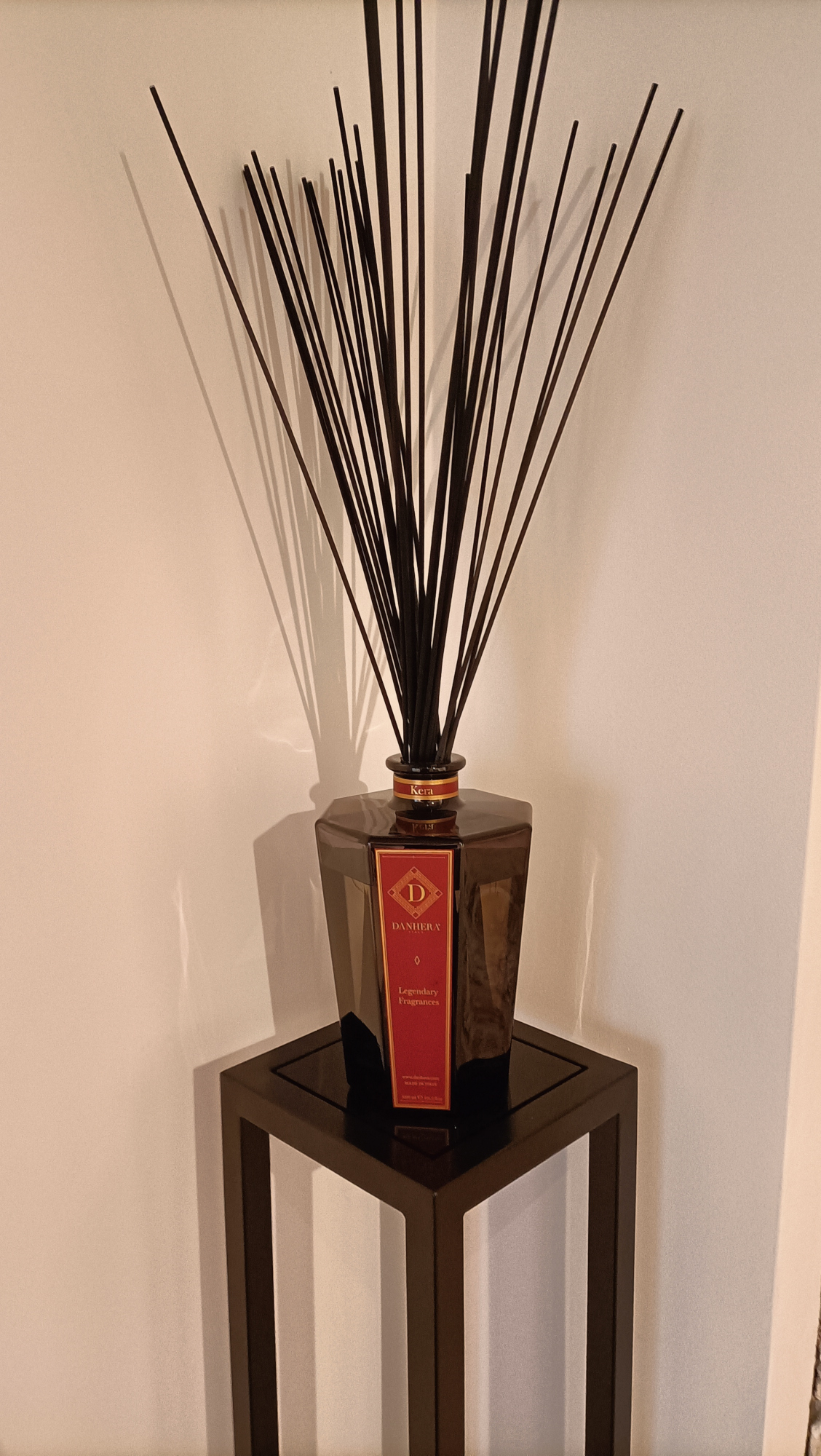
Al di là dell’evento in sé, quello che mi ha colpito davvero sono state le fragranze. Nella galleria, in diversi punti, erano presenti dei bastoncini profumati che diffondevano nell’ambiente una profumazione elegante, mai invadente, ma avvolgente al punto giusto. Una presenza discreta ma capace di cambiare completamente la percezione dello spazio. L’arte la guardi, sì, ma in quel momento la stavi anche respirando.

Durante la serata era presente anche la fondatrice e CEO di Danhera, che ha voluto omaggiare gli ospiti con dei segnalibri profumati. Un’idea semplice ma geniale. Un oggetto piccolo, quotidiano, che però porta con sé un’identità olfattiva precisa, raffinata, riconoscibile.

Io il mio segnalibro lo conservo ancora. E la cosa incredibile? A oggi profuma ancora. Ogni volta che apro un libro e lo ritrovo tra le pagine, quella fragranza torna fuori con la stessa intensità delicata della prima sera. È come se quell’evento si riaccendesse per un attimo.

Devo ammetterlo: sono rimasto davvero colpito. Non solo per la qualità delle profumazioni, ma per l’idea di legare il profumo all’esperienza artistica. Perché alla fine l’olfatto è memoria pura. E quella sera, grazie a Danhera, l’arte aveva anche un profumo preciso. E che profumo.


When Art Is Breathed In: The Olfactory Elegance of Danhera

An Evening That Smelled Like Art (and More)

The evening of February 5th at the Gallerie Bartoux in Venice was one of those occasions that truly stays with you. And in my case, I can honestly say… it literally stayed in my nose.

Beyond the event itself, what really struck me were the fragrances. Throughout the gallery, in different corners, there were scented diffuser sticks gently spreading a refined, never overpowering, yet perfectly enveloping aroma. It was subtle, but it completely transformed the atmosphere of the space. You look at the art, of course — but that evening, you were breathing it in as well.

The founder and CEO of Danhera was also present and generously offered guests beautifully scented bookmarks. Such a simple idea, yet absolutely brilliant. A small, everyday object carrying a precise, elegant, and unmistakable olfactory identity.

I still keep mine. And the incredible thing? It still smells wonderful to this day. Every time I open a book and find it between the pages, that fragrance comes back with the same delicate intensity as on the first evening. It’s like the memory of that night quietly comes alive again.

I have to admit, I was genuinely impressed. Not only by the quality of the fragrances, but by the idea of connecting scent with an artistic experience. After all, scent is pure memory. And that evening, thanks to Danhera, art had its own distinctive perfume. And what a perfume it was.

Venezia Surrealista: L’Immersione Totale nell’Universo di Dalí

Questo blog è scritto in italiano, inglese e francese. Per la lingua desiderata, scorri la pagina verso il basso.

This blog is written in Italian, English, and French. For your preferred language, please scroll down the page.


Ce blog est rédigé en italien, en anglais et en français. Pour la langue souhaitée, veuillez faire défiler la page vers le bas.

Serenissimersivo: Dalí a Venezia, ma con i piedi (più o meno) per terra

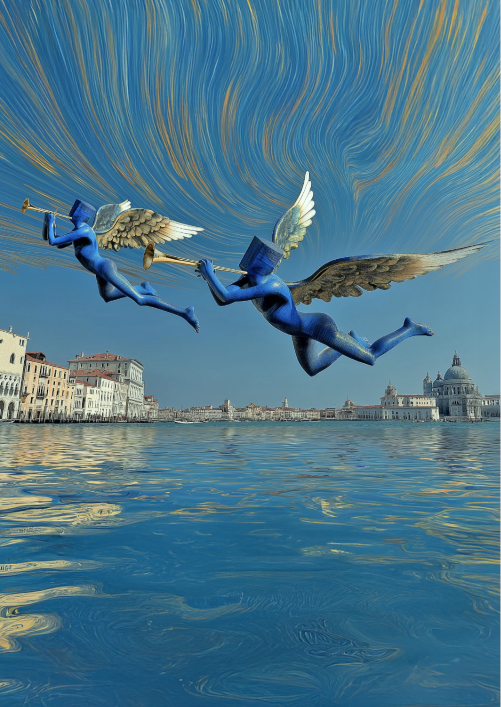
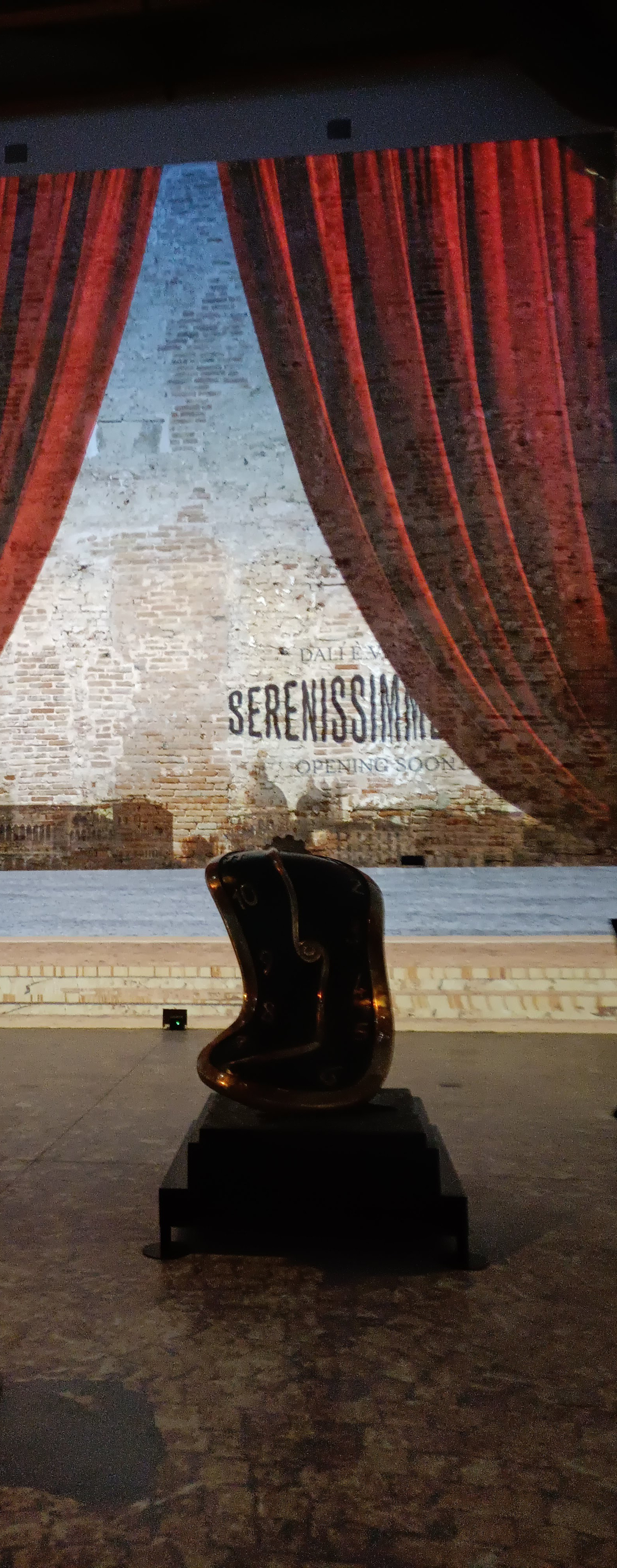
Venezia è sempre stata un posto strano, nel senso più bello del termine. Cammini e non sai mai se stai guardando qualcosa di solido o solo un riflesso. È una città che sembra galleggiare, e non solo sull’acqua. Forse è anche per questo che nel 2026 è stata scelta per ospitare Serenissimersivo, il progetto delle Gallerie Bartoux a Venezia dedicato a Salvador Dalí. Non è la classica mostra con quadri appesi al muro e didascalie da leggere in silenzio. Qui entri dentro un’esperienza. Letteralmente.

Dalí e Venezia: un legame che non è solo marketing

Dalí aveva davvero un debole per Venezia. Negli anni Sessanta parlò della sua bellezza fragile, lanciando anche un appello per proteggerla. Quindi no, non è una trovata costruita a tavolino: l’incontro tra il surrealismo e la laguna ha qualcosa di naturale. Con il patrocinio della Comune di Venezia, il progetto prova a fare una cosa ambiziosa: mettere insieme patrimonio storico e tecnologia senza farli litigare.

Dall’ex Cinema Accademia a spazio immersivo

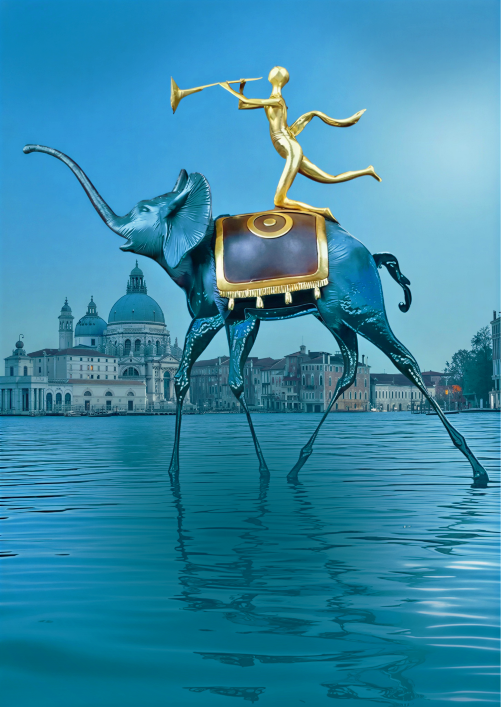
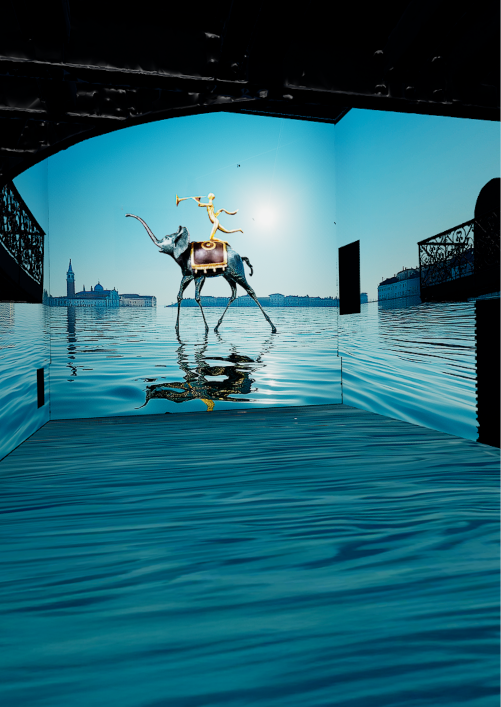
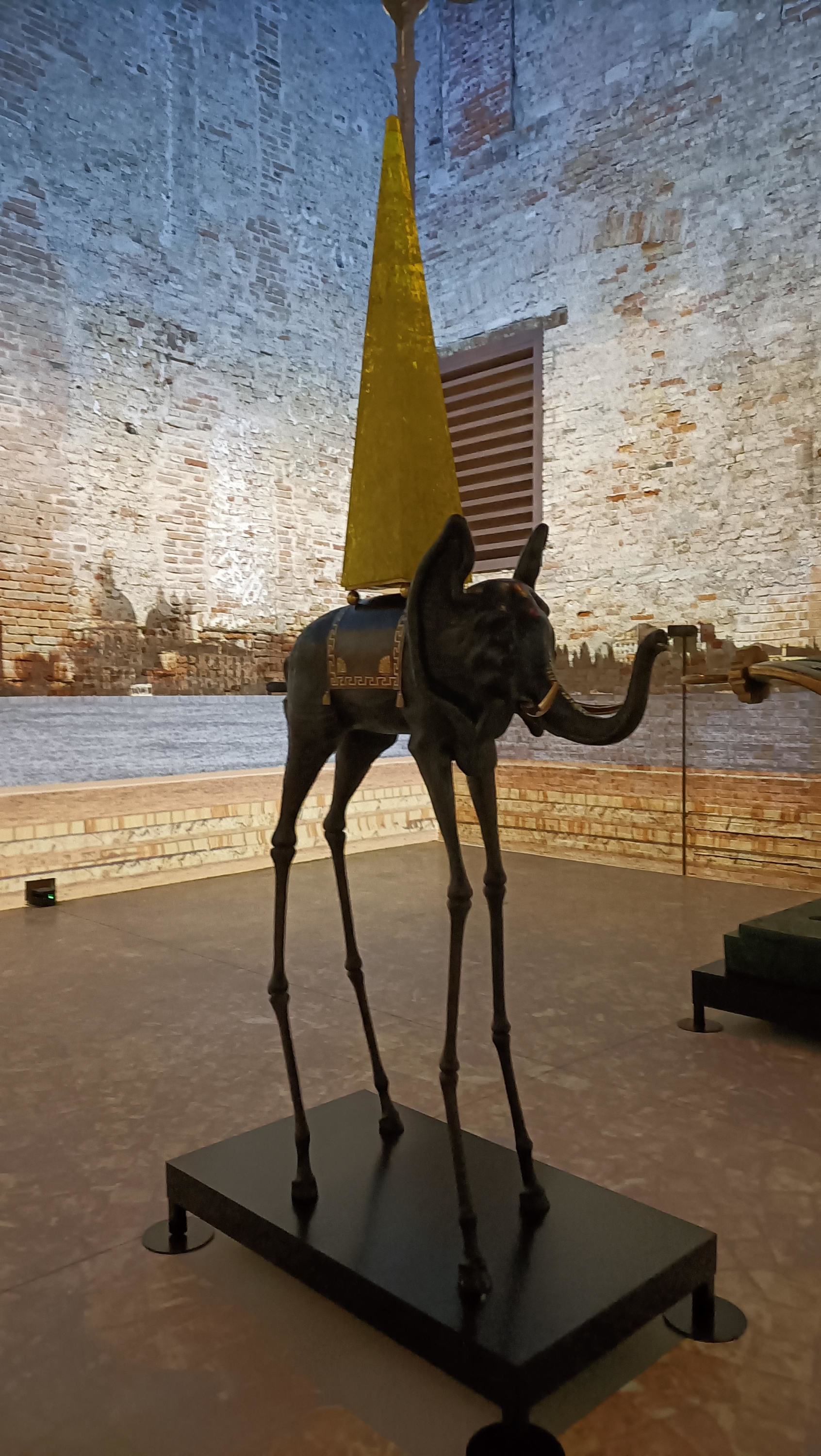
Il cuore di tutto è l’ex Cinema Accademia, oggi trasformato in uno spazio immersivo di 500 metri quadri. Dove prima c’era uno schermo, adesso c’è un ambiente intero che ti avvolge. Serenissimersivo è un film diviso in sette sequenze e ti porta dentro l’immaginario di Dalí: architetture che si dissolvono, superfici che si deformano, sculture che dialogano con proiezioni digitali. Non guardi soltanto. Sei dentro. Le sculture – provenienti dalla Dalí Universe – sono esposte fisicamente, ma vengono amplificate dalla dimensione digitale. Bronzo e pixel si incontrano. E funziona.

Il lavoro di Samuele Seguso: complimenti, davvero

Voglio soffermarmi qui, perché è la parte che merita più attenzione. Le foto che potete vedere in questo articolo sono state realizzate da Samuele Seguso, fotografo e filmmaker. Gli Dobbiamo tutti un grazie enorme perche è riuscito a fare qualcosa di davvero speciale con il filmato serenimmersivo delle Gallerie Bartoux di Venezia. Le foto che ha realizzato sono straordinarie: riescono a catturare l’atmosfera, la luce e l’intensità del progetto in un modo che ti fa entrare dentro il filmato ancora prima di vederlo. È un lavoro eccezionale, curato nei dettagli ma allo stesso tempo vivo, autentico. Guardando i suoi scatti si percepisce davvero l’idea e l’emozione dell’esperienza, ed è raro trovare qualcuno capace di tradurre così bene un contenuto immersivo in immagini fisse. Davvero complimenti, perché non è solo tecnica: c’è sensibilità, visione e tanta passione.

Un progetto che guarda avanti

Le Galeries Bartoux Venezia non si sono limitate a organizzare una mostra. Hanno creato un vero spazio culturale di circa 1.200 metri quadri, con aree espositive, l’Accademia Cinemersiva e perfino un Café des Arts con giardino – cosa rarissima a Venezia. Serenissimersivo non è perfetto (nessun progetto ambizioso lo è), ma ha il merito di provare qualcosa di serio: recuperare uno spazio storico, collaborare con una fondazione internazionale e proporre un’esperienza che non sia solo intrattenimento veloce. La cosa più interessante, però, è che Venezia qui non fa da sfondo. È parte del racconto. La sua instabilità, i riflessi, la fragilità strutturale: tutto dialoga con il surrealismo. Alla fine esci e hai ancora addosso quella sensazione sospesa. E forse è proprio questo il punto: non osservare il sogno da lontano, ma entrarci dentro. Nel 2026, a Campo de la Carità, il surrealismo non si guarda. Si attraversa.

Per chi fosse interessato a vedere questo filmato all’interno della gallerie Bartoux di Venezia, può acquistare i biglietti su : https://www.accademia-cinemersiva.com/it/ticketing-2026


English Version

Serenissimersivo: Dalí in Venice, but with (more or less) our feet on the ground

Venice has always been a strange place — in the best possible way. You walk around and you’re never quite sure whether you’re looking at something solid or just a reflection. It’s a city that seems to float, and not only on water. Maybe that’s exactly why, in 2026, it was chosen to host Serenissimersivo, the project by Galeries Bartoux in Venice dedicated to Salvador Dalí. This isn’t the typical exhibition with paintings hanging quietly on walls and small labels to read in silence. Here, you step inside an experience. Literally.

Dalí and Venice: more than a marketing idea

Dalí genuinely had a soft spot for Venice. Back in the 1960s, he publicly spoke about its fragile beauty and even called for its preservation. So no, this isn’t a connection invented for promotional purposes — the meeting between Surrealism and the lagoon feels natural. With the support of the Comune di Venezia, the project attempts something ambitious: bringing together historical heritage and technology without letting them clash.

From the former Cinema Accademia to an immersive space

At the heart of everything is the former Cinema Accademia, now transformed into a 500-square-meter immersive environment. Where there once was a single screen, there is now a space that surrounds you completely. The film unfolds in seven sequences, guiding visitors through Dalí’s imagination: dissolving architecture, shifting surfaces, sculptures interacting with digital projections. You’re not just watching. You’re inside. The sculptures — from the Dalí Universe collection — are physically present, yet amplified through digital dimension. Bronze and pixels meet. And it works.

The work of Samuele Seguso: thank you, truly

I want to pause here, because this is the part that deserves the most attention. The photos you see in this article were taken by Samuele Seguso, photographer and filmmaker. We all owe a huge thank you to him, who managed to do something truly special with the serenimmersive film created for the Gallerie Bartoux in Venice. The images he produced are extraordinary: they capture the atmosphere, the light, and the intensity of the project in a way that draws you into the film even before you watch it. It’s exceptional work, carefully detailed yet at the same time vibrant and authentic. Looking at his shots, you can genuinely feel the idea and the emotion behind the experience, and it’s rare to find someone capable of translating immersive content so effectively into still images. Truly, congratulations—because it’s not just about technique; there’s sensitivity, vision, and a great deal of passion behind it.

A project looking forward

Galeries Bartoux Venezia didn’t simply organize an exhibition. They created a cultural hub of about 1,200 square meters, including exhibition spaces, the immersive academy, and even a Café des Arts with a private garden — something quite rare in Venice. Serenissimersivo isn’t flawless (no ambitious project ever is), but it deserves credit for attempting something meaningful: restoring a historic space, collaborating with an international foundation, and offering an experience that goes beyond quick entertainment.

Most interesting of all, Venice here isn’t just a backdrop. It’s part of the narrative. Its instability, its reflections, its structural fragility — everything resonates with Surrealism. You leave with that suspended feeling still lingering. And maybe that’s the point: not to observe the dream from a distance, but to step inside it. In 2026, at Campo de la Carità, Surrealism isn’t something you look at.
It’s something you walk through.

For those interested in seeing this film inside the Bartoux galleries in Venice, tickets can be purchased at: https://www.accademia-cinemersiva.com/en/ticketing-2026


version française

Serenissimersivo : Dalí à Venise, mais les pieds (plus ou moins) sur terre

Venise a toujours été un endroit étrange — au meilleur sens du terme. On s’y promène sans jamais savoir si l’on regarde quelque chose de solide ou simplement un reflet. C’est une ville qui semble flotter, et pas seulement sur l’eau. C’est sans doute pour cela qu’en 2026 elle a été choisie pour accueillir Serenissimersivo, le projet des Galeries Bartoux à Venise consacré à Salvador Dalí. Ce n’est pas une exposition classique avec des œuvres accrochées au mur et des cartels à lire en silence. Ici, on entre dans une expérience. Littéralement.

Dalí et Venise : bien plus qu’une idée marketing

Dalí avait un véritable attachement pour Venise. Dans les années 1960, il avait évoqué publiquement la fragilité de sa beauté et appelé à sa préservation. Le lien entre le Surréalisme et la lagune n’a donc rien d’artificiel : il semble presque évident. Avec le soutien de la Comune di Venezia, le projet tente quelque chose d’ambitieux : faire dialoguer patrimoine historique et technologie sans les opposer.

De l’ancien Cinema Accademia à un espace immersif

Le cœur du projet se trouve dans l’ancien Cinema Accademia, aujourd’hui transformé en un espace immersif de 500 m². Là où il n’y avait autrefois qu’un écran, il y a désormais un environnement qui enveloppe complètement le visiteur. Le film se déploie en sept séquences et nous guide dans l’imaginaire de Dalí : architectures qui se dissolvent, surfaces mouvantes, sculptures dialoguant avec des projections numériques. On ne se contente pas de regarder. On est à l’intérieur. Les sculptures — issues de la Dalí Universe — sont bien présentes physiquement, mais amplifiées par la dimension digitale. Le bronze rencontre le pixel. Et cela fonctionne.

Le travail de Samuele Seguso : merci, sincèrement

JJe veux m’arrêter ici, parce que c’est la partie qui mérite le plus d’attention. Les photos que vous voyez dans cet article ont été réalisées par Samuele Seguso, photographe et réalisateur. Nous devons tous un immense merci à Samuele Seguso, qui a su faire quelque chose de vraiment spécial avec le film serenimmersif créé pour les Gallerie Bartoux à Venise.

Les images qu’il a réalisées sont extraordinaires : elles parviennent à capturer l’atmosphère, la lumière et l’intensité du projet d’une manière qui vous fait entrer dans le film avant même de le voir. C’est un travail exceptionnel, soigné dans les moindres détails, tout en restant vivant et authentique. En regardant ses clichés, on perçoit réellement l’idée et l’émotion de l’expérience, et il est rare de trouver quelqu’un capable de traduire un contenu immersif aussi efficacement en images fixes.

Vraiment, bravo — car il ne s’agit pas seulement de technique : il y a de la sensibilité, une vision et beaucoup de passion.

Un projet tourné vers l’avenir

Les Galeries Bartoux Venezia ne se sont pas contentées d’organiser une exposition. Elles ont créé un véritable pôle culturel de 1 200 m², avec des espaces d’exposition, l’Académie immersive et même un Café des Arts doté d’un jardin privé — chose rare à Venise. Serenissimersivo n’est pas parfait (aucun projet ambitieux ne l’est), mais il a le mérite d’essayer quelque chose de sérieux : redonner vie à un lieu historique, collaborer avec une fondation internationale et proposer une expérience qui dépasse le simple divertissement. Et surtout, Venise n’est pas un simple décor. Elle fait partie du récit. Son instabilité, ses reflets, sa fragilité structurelle entrent en résonance avec le Surréalisme. On ressort avec cette sensation suspendue. Et peut-être est-ce cela, le véritable objectif : ne pas observer le rêve de loin, mais y entrer. En 2026, à Campo de la Carità, le Surréalisme ne se regarde pas. Il se traverse.

Pour ceux qui souhaitent voir ce film dans les galeries Bartoux à Venise, les billets peuvent être achetés sur : https://www.accademia-cinemersiva.com/fr/ticketing-2026

Non guardi Dalí, lo vivi: l’esperienza immersiva alle Gallerie Bartoux

Salvador Dalí Serenissimersivo: quando Venezia entra nel sogno

Salvador Dalì Serenissimersivo e, già dal titolo, prometteva qualcosa di fuori dall’ordinario. Promessa mantenuta. Si tratta di una proiezione immersiva di circa quindici minuti, realizzata con il supporto dell’intelligenza artificiale, che avvolge completamente lo spettatore. Tutte le pareti della galleria diventano schermo — il soffitto resta volutamente escluso — e in pochi secondi perdi la percezione dello spazio reale. Non sei più in una galleria: sei dentro un film, dentro un sogno, dentro Dalì.

Venezia è la prima a comparire, ed è una Venezia che non ha nulla di cartolina. I suoi monumenti emergono dall’acqua come visioni: il Ponte di Rialto che sembra nascere dal mare, la Basilica della Salute che si erge solenne e irreale, come se fosse sempre stata lì ad aspettare questo momento. La città diventa materia onirica, fluida, perfetta per dialogare con l’universo surreale di Dalí.

Poi arrivano le sue opere più celebri, animate, trasformate, vive. Gli orologi molli di Dance of Time colano davanti agli occhi, ricordandoci che per Dalí il tempo non è mai stato una certezza ma qualcosa di elastico, personale, quasi emotivo. Gli elefanti slanciati e impossibili di The Triumphant Elephant avanzano con le loro zampe sottilissime, simboli di forza e fragilità che convivono nello stesso corpo. Adam & Eve riporta il tema dell’origine, del desiderio e della colpa, mentre Lady Godiva scivola nello spazio con quella sensualità sospesa, tipica dell’artista. E poi le api, onnipresenti, piccole ma disturbanti, metafora del subconscio, del sogno che punge.

Il momento in cui mi sono sentito davvero “dentro” l’opera è stato quando il pavimento ha iniziato a sembrare acqua. Non so spiegare esattamente come, ma per un attimo il corpo ha reagito prima della mente. Stesso effetto quando è comparsa la figura tridimensionale di Salvador Dalí stesso, sospesa a mezz’aria: non un semplice ritratto, ma una presenza. Surreale, certo, ma incredibilmente potente.

Dalí è stato questo: un artista capace di trasformare le proprie ossessioni, i sogni, le paure e i desideri in immagini che ancora oggi ci destabilizzano. Pittore, visionario, provocatore, genio teatrale. Amava scandalizzare quanto far riflettere, e probabilmente avrebbe adorato vedere le sue opere rinasce­re attraverso l’AI, in una forma così immersiva e spettacolare.

Salvador Dalí Serenissimersivo non è solo una proiezione: è un’esperienza. È un modo nuovo di avvicinarsi all’arte, soprattutto per chi pensa che musei e gallerie siano luoghi statici o distanti. Qui l’arte ti circonda, ti cammina accanto, ti scorre sotto i piedi.

La mostra “Dalí è Venezia” ha ricevuto un ulteriore, importante riconoscimento: la Fondazione Dalì Universe ha ufficialmente siglato l’accordo di collaborazione, sancendo così l’autenticità e il valore dell’operazione culturale. A questa firma si aggiunge il Patrocinio del Comune di Venezia, che conferma come l’iniziativa non sia un semplice evento espositivo ma un progetto di respiro civico e artistico, voluto come omaggio al Maestro e alla città lagunare. E se a qualcuno può ancora suonare eccessivo lo “spreco di 1.200 mq”, io vi dico, qui l’arte dimostra di sapersi trasformare e reinventare: questo spazio non è un vuoto da riempire, ma un luogo vivo di dialogo, visione e comunità dove l’arte non si limita a essere ammirata, ma si vive e si sente.

Se siete a Venezia — o se avete una scusa per tornarci — le Gallerie Bartoux meritano assolutamente una visita. Non solo per questo evento, ma per l’idea di arte che propongono: viva, accessibile, emozionante. Dalí, dopotutto, ci ha insegnato che la realtà è solo un punto di partenza. Il resto è immaginazione. E qui, per quindici minuti, vi assicuro che vola altissima.

Per chi fosse interessato a vedere questo filmato all’interno della gallerie Bartoux di Venezia, può acquistare i biglietti su : https://www.accademia-cinemersiva.com/it/ticketing-2026


You Don’t Just Look at Dalí, You Live It: the Immersive Experience at Bartoux Galleries

Salvador Dalí Serenissimersive: when Venice slips into a dream

On Thursday, February 5th, 2026, at the Bartoux Galleries in Venice, I experienced that rare and wonderful feeling of not simply looking at an artwork, but stepping inside it. The event was called Salvador Dalì Serenissimersive, and from the very title it promised something out of the ordinary. It delivered.

The experience is a fifteen-minute immersive projection created with the help of artificial intelligence, designed to completely surround the viewer. Every wall of the gallery becomes a screen — the ceiling is intentionally left untouched — and within seconds, your sense of physical space dissolves. You are no longer standing in a gallery: you are inside a film, inside a dream, inside Dalí’s mind.

Venice is the first to appear, but not the Venice of postcards. Its monuments rise from the water like visions: the Rialto Bridge seems to emerge from the sea, the Basilica of Santa Maria della Salute stands tall and unreal, as if it had always been waiting for this moment. The city becomes fluid, dreamlike, the perfect setting for a dialogue with Dalí’s surreal universe.

Then come his most iconic works, animated, transformed, alive. The melting clocks of Dance of Time drip and flow before your eyes, reminding us that for Dalí time was never fixed, but elastic, personal, almost emotional. The impossible, long-legged creatures of The Triumphant Elephant march forward, symbols of strength and fragility coexisting in the same body. Adam & Eve evokes themes of origin, desire, and temptation, while Lady Godiva glides through space with that suspended sensuality so typical of Dalí’s imagery. And then there are the bees — ever-present, small yet unsettling — symbols of the subconscious, of dreams that gently sting.

The moment I truly felt inside the artwork was when the floor began to look like water. I can’t fully explain it, but for a brief instant my body reacted before my mind did. A similar sensation struck when a three-dimensional figure of Salvador Dalí himself appeared, floating in midair: not a simple portrait, but a presence. Surreal, of course, yet surprisingly powerful.

Dalí was exactly this kind of artist — someone capable of turning obsessions, dreams, fears, and desires into images that still unsettle us today. Painter, visionary, provocateur, theatrical genius. He loved to shock as much as he loved to make people think, and one can’t help but feel that he would have embraced seeing his works reborn through AI in such a spectacular, immersive form.

Salvador Dalí Serenissimersive is not just a projection; it is an experience. It offers a new way of approaching art, especially for those who believe galleries and museums are static or distant places. Here, art surrounds you, walks beside you, and flows beneath your feet.

The “Dalí is Venice” exhibition has received further significant recognition: the Dalí Universe Foundation has officially signed a collaboration agreement, confirming the authenticity and value of this cultural initiative. This signature is complemented by the patronage of the City of Venice, confirming that the initiative is not simply an exhibition but a civic and artistic project, intended as a tribute to the Master and the lagoon city. And if the “waste of 1,200 square meters” may still seem excessive to some, I tell you, here art demonstrates its ability to transform and reinvent itself: this space is not a void to be filled, but a living place of dialogue, vision, and community where art is not simply admired, but experienced and felt.

If you are in Venice — or looking for a good reason to return — the Bartoux Galleries are absolutely worth a visit. Not only for this event, but for the vision of art they promote: alive, accessible, and emotionally engaging. After all, Dalí taught us that reality is only a starting point. The rest is imagination. And here, for fifteen unforgettable minutes, it truly takes flight.

For those interested in seeing this film inside the Bartoux galleries in Venice, tickets can be purchased at: https://www.accademia-cinemersiva.com/en/ticketing-2026

La bellezza segreta del Giappone, tra kimono e sculture

Venezia, il Giappone e l’arte dell’incontro

Ci sono città che non si limitano a ospitare mostre, ma le fanno dialogare tra loro. Venezia è una di queste. Camminando tra le calli, basta poco per passare da un palazzo nobiliare intriso di storia a una galleria contemporanea, e ritrovarsi – quasi senza accorgersene – in un viaggio che attraversa continenti e secoli.

È proprio quello che accade mettendo in relazione la mostra sui kimono maschili giapponesi a Palazzo Mocenigo e alcune sculture ispirate all’Oriente esposte alla Galleria Bartoux. Due luoghi diversi, due linguaggi artistici differenti, ma un unico filo rosso: il fascino profondo e senza tempo del Giappone.

Il kimono che racconta una vita

Entrare a Palazzo Mocenigo durante la mostra dedicata al kimono maschile significa cambiare ritmo. Qui il tempo rallenta. I tessuti parlano piano, ma raccontano moltissimo. Non si tratta semplicemente di abiti: ogni kimono custodisce storie, simboli, desideri, battaglie interiori.

La cosa più sorprendente? Molti dei decori più ricchi non sono immediatamente visibili. Sono nascosti all’interno, nelle fodere. È una scelta tipicamente giapponese: la bellezza non deve per forza essere ostentata, può essere intima, personale, quasi segreta. Draghi, paesaggi, onde, riferimenti mitologici e scene di vita quotidiana emergono come frammenti di un racconto privato, destinato più a chi indossa il kimono che a chi lo guarda.

Passeggiando tra le sale, si ha la sensazione di entrare nella mente e nell’immaginario degli uomini che li hanno indossati, in un Giappone sospeso tra tradizione millenaria e modernità nascente.

Dalle stoffe alla materia: il Giappone scolpito

Usciti dal palazzo, Venezia continua a sorprendere. Pochi passi e l’atmosfera cambia, ma il dialogo prosegue. Alla Galleria Bartoux, le opere di Paul Beckrich offrono un’altra interpretazione dello stesso mondo.

Qui il Giappone prende forma nella materia: ceramica, bronzo, superfici segnate, vissute. Le sue statuette sembrano arrivate da lontano, cariche di viaggio e memoria. Figure che ricordano samurai, guerrieri, personaggi orientali colti in un attimo di silenzio o di movimento. Non sono rappresentazioni rigide, ma corpi vivi, imperfetti, profondamente umani.

Beckrich utilizza anche il raku, una tecnica di origine giapponese, e questo dettaglio rende il legame ancora più forte. È come se la filosofia orientale non fosse solo un riferimento estetico, ma un vero e proprio metodo di lavoro, un modo di entrare in relazione con l’opera.

Un dialogo inatteso (e riuscitissimo)

Mettere in relazione i kimono di Palazzo Mocenigo con le sculture della Galleria Bartoux è un esercizio affascinante. Da una parte la moda come racconto silenzioso, dall’altra la scultura come interpretazione contemporanea. In mezzo, Venezia, che da secoli assorbe influenze, le rielabora e le restituisce al mondo.

I kimono parlano di identità, appartenenza, ruoli sociali. Le statuette di Beckrich parlano di viaggio, di contaminazione, di sguardo occidentale innamorato dell’Oriente. Insieme, raccontano come una cultura possa attraversare il tempo e lo spazio, trasformandosi senza perdere la propria anima.

Perché vivere entrambe le esperienze

Visitare entrambe le esposizioni non significa solo vedere due belle mostre. Significa fare un’esperienza completa, lasciarsi guidare dalla curiosità, accettare il gioco dei rimandi. È un invito a guardare oltre la superficie: nei tessuti nascosti dei kimono e nelle crepe volutamente imperfette delle sculture.

Venezia, ancora una volta, si conferma il luogo ideale per questo tipo di incontri. Una città che non smette mai di raccontare storie, soprattutto quando mette in comunicazione mondi lontani. E forse è proprio questo il suo segreto: farci sentire viaggiatori anche senza lasciare la laguna.


The Hidden Beauty of Japan, Between Kimonos and Sculptures

Venice, Japan and the Art of Encounter

There are cities that don’t simply host exhibitions — they make them speak to one another. Venice is one of those places. As you wander through its narrow streets, it takes only a few steps to move from a historic noble palace to a contemporary gallery, and suddenly find yourself on a journey that crosses continents and centuries.

This is exactly what happens when you connect the exhibition on Japanese men’s kimonos at Palazzo Mocenigo with the Japan-inspired sculptures on view at Galerie Bartoux. Two different venues, two distinct artistic languages, yet one shared thread: the deep, timeless fascination with Japan.

The Kimono as a Life Story

Stepping into Palazzo Mocenigo during the exhibition dedicated to the men’s kimono feels like entering a slower rhythm. Time softens. The fabrics speak quietly, but they have so much to say. These are not simply garments: each kimono holds stories, symbols, desires, and inner worlds.

What surprises many visitors most is that the richest decorations are often hidden. They appear on the inside linings, not on the exterior. This choice reflects a profoundly Japanese idea of beauty — one that does not need to be displayed openly, but can remain intimate, personal, almost secret. Dragons, landscapes, waves, mythological references and scenes from everyday life emerge as fragments of private narratives, meant more for the wearer than for the observer.

Moving through the rooms, you feel as though you are stepping into the imagination and inner lives of the men who once wore these garments, in a Japan suspended between ancient tradition and the rise of modernity.

From Fabric to Form: Japan Shaped in Matter

Once outside the palace, Venice continues to surprise. Just a short walk away, the atmosphere shifts — yet the conversation continues. At Galerie Bartoux, the works of Paul Beckrich offer another interpretation of the same cultural universe.

Here, Japan takes shape through material: ceramic, bronze, textured surfaces marked by time and touch. The sculptures seem to have travelled far, carrying with them memory and experience. Figures reminiscent of samurai, warriors, and oriental characters are captured in moments of stillness or motion. They are not rigid representations, but living bodies — imperfect, expressive, deeply human.

Beckrich’s use of raku, a firing technique of Japanese origin, strengthens this connection even further. Japanese philosophy is not merely a visual reference here; it becomes part of the creative process itself, a way of engaging with the artwork.

An Unexpected (and Beautiful) Dialogue

Bringing together the kimonos of Palazzo Mocenigo and the sculptures at Galerie Bartoux creates a compelling dialogue. On one side, fashion as a silent form of storytelling; on the other, sculpture as a contemporary reinterpretation. And in between, Venice — a city that has absorbed influences for centuries, reworked them, and offered them back to the world.

The kimonos speak of identity, social roles, and belonging. Beckrich’s sculptures speak of travel, cultural exchange, and a Western gaze deeply fascinated by the East. Together, they show how a culture can cross time and geography, evolving without losing its soul.

Why Experiencing Both Matters

Visiting both exhibitions is not just about seeing beautiful works of art. It’s about having a layered experience, allowing curiosity to guide you and embracing the subtle connections between places and ideas. It’s an invitation to look beyond surfaces — into the hidden linings of kimonos and the deliberately imperfect cracks of sculpted forms.

Once again, Venice proves to be the perfect setting for these encounters. A city that never stops telling stories, especially when it brings distant worlds into conversation. And perhaps that is its greatest gift: making us feel like travellers, even when we never leave the lagoon.