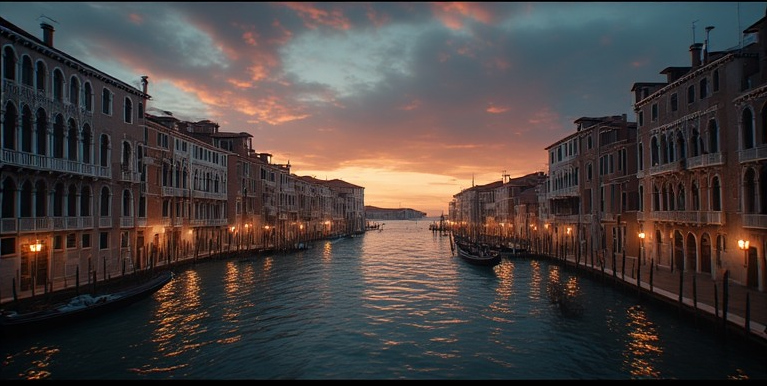
La mostra “Le Tarbouche” raccontata dalla curatrice Roberta Semeraro

Roberta Semeraro e “Le Tarbouche”: quando l’allestimento diventa dialogo tra identità, simboli e femminile

For the English translation, please scroll down the page thank you

A Venezia, negli spazi del Museo di Palazzo Mocenigo, la mostra Le Tarbouche. Quando un accessorio diventa simbolo dell’artista Mouna Rebeiz non si limita a presentare un corpus di opere pittoriche: costruisce un percorso concettuale complesso, in cui storia del costume, identità culturale e rappresentazione del femminile si intrecciano attraverso uno sguardo curatoriale preciso e riconoscibile. Al centro di questa operazione c’è infatti la figura della curatrice Roberta Semeraro.

Narratrice, critica d’arte e curatrice indipendente, Semeraro ha costruito negli anni un percorso professionale orientato all’indagine dei linguaggi contemporanei e delle trasformazioni culturali attraverso l’arte. Presidente dell’associazione culturale RO.SA.M., ha collaborato con istituzioni italiane e internazionali sviluppando progetti che intrecciano arte, memoria, sostenibilità e identità.

La mostra veneziana dedicata a Mouna Rebeiz sembra inserirsi perfettamente in questa linea di ricerca. Il tarbouche — tradizionale copricapo maschile diffuso nel mondo islamico sin dal XIV secolo — viene qui reinterpretato dall’artista come simbolo ambiguo e potente, trasferito su monumentali figure femminili che evocano tanto la pittura classica quanto una riflessione contemporanea sul corpo e sul ruolo della donna. Ma è proprio l’allestimento della Semeraro a trasformare questo elemento iconografico in un dispositivo narrativo più ampio. L’intuizione curatoriale consiste nel collocare le opere all’interno del contesto altamente simbolico di Palazzo Mocenigo, museo dedicato alla storia del tessuto, del costume e del profumo. Qui il tarbouche smette di essere soltanto un accessorio etnografico e diventa un ponte tra Oriente e Occidente, tra moda e identità, tra storia e contemporaneità. La mostra assume così una dimensione quasi antropologica, in cui gli oggetti raccontano strutture sociali, appartenenze e ruoli di genere.
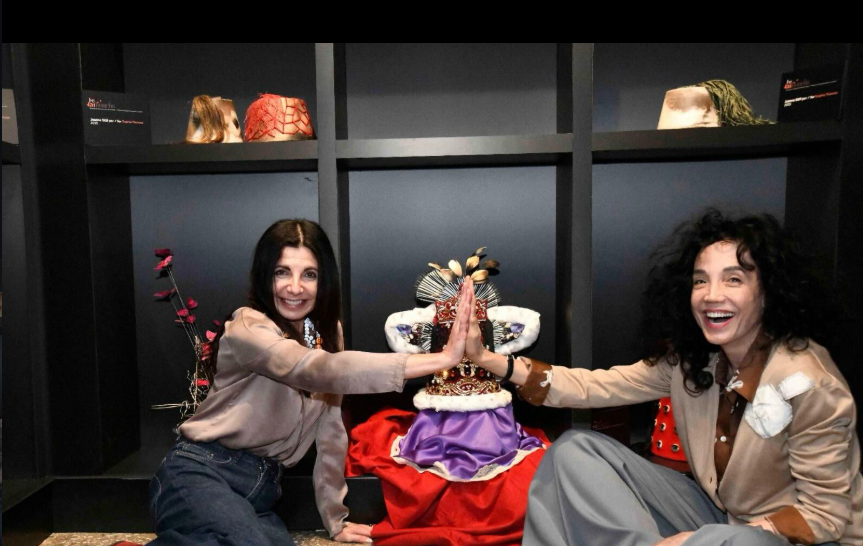
Il lavoro di Roberta Semeraro emerge soprattutto nella costruzione del dialogo tra discipline diverse. Pittura, moda, design e storia del costume convivono infatti in un percorso che include anche reinterpretazioni contemporanee del tarbouche realizzate da designer internazionali. Una scelta curatoriale che amplia il significato della mostra e la sottrae alla semplice dimensione estetica, trasformandola in una riflessione sul valore culturale degli oggetti e sulla loro capacità di attraversare epoche e linguaggi. Da tempo Semeraro concentra la propria ricerca sui temi dell’identità e della rappresentazione del femminile nell’arte contemporanea. In Le Tarbouche questa attenzione si traduce in una lettura critica che evita sia l’esotismo sia la semplice provocazione visiva. Le figure femminili di Rebeiz, sensuali e monumentali, vengono inserite in un discorso più ampio sullo sguardo contemporaneo, sulla costruzione simbolica del potere e sul modo in cui gli accessori possano diventare strumenti di affermazione culturale.

La curatrice sembra inoltre lavorare su un equilibrio sottile tra tradizione e contemporaneità. Da una parte il richiamo alla grande pittura europea, dall’altra l’urgenza di interrogare il presente: identità fluide, ruoli di genere, memoria culturale e contaminazione tra mondi differenti. È in questo spazio di tensione che la mostra trova la sua forza. In un panorama artistico spesso dominato dalla rapidità visiva e dalla spettacolarizzazione, il progetto curatoriale di Roberta Semeraro restituisce invece centralità alla ricerca critica e alla costruzione del significato. Le Tarbouche non appare dunque solo come una mostra d’arte contemporanea, ma come un dispositivo culturale capace di mettere in relazione immagini, storia e pensiero.


Per approfondire la visione curatoriale alla base del progetto, ho intervistato la curatrice Roberta Semeraro, che mi ha raccontato la genesi della mostra e il dialogo costruito tra le opere di Mouna Rebeiz e gli spazi evocativi di Palazzo Mocenigo.

Come nasce l’idea di portare Mouna Rebeiz a Palazzo Mocenigo?
«Circa due anni fa, parlando con la direttrice scientifica dei Musei Civici Veneziani, ho avuto la sensazione di avere davanti l’artista perfetta per Palazzo Mocenigo. Mouna Rebeiz è di origini libanesi e il tarbouche, attorno al quale ruota questo ciclo di opere, appartiene profondamente all’immaginario orientale. Palazzo Mocenigo, invece, è il Centro Studi di Storia del Tessuto, del Costume e del Profumo. Tutte queste realtà hanno iniziato quasi naturalmente a dialogare tra loro, suggerendomi l’idea di proporre la mostra ai Musei Civici.»

Che rapporto ha con Palazzo Mocenigo?
«Palazzo Mocenigo e Palazzo Fortuny sono da sempre i miei musei preferiti di Venezia. Amo il fatto che abbiano conservato intatti i loro ambienti: entrarci significa fare un viaggio a ritroso nel tempo. In quei luoghi si percepiscono ancora le contaminazioni tra Oriente e Occidente che hanno reso Venezia unica al mondo.»

Cosa la colpisce maggiormente dell’arte di Mouna Rebeiz?
«Quello che apprezzo di più è la capacità di unire la bellezza alla forza espressiva. Le sue opere trasmettono messaggi molto potenti, ma lo fanno attraverso una forma seducente, elegante, quasi magnetica. È proprio questo contrasto a renderle così incisive.»

Tra le tante mostre che ha curato, ce n’è una che senti particolarmente vicina?
«Ho amato ogni mostra che ho allestito, dalla più piccola alla più complessa. Sicuramente le esposizioni di scultura ambientale sono state le più impegnative, perché richiedono un confronto diretto con il contesto urbano e con tutte le dinamiche che questo comporta. In Italia, poi, ogni luogo porta con sé una stratificazione storica delicatissima. Un progetto a cui resto profondamente legata è l’Amphisculpture di Parco del Sole all’Aquila: il più grande teatro all’aperto nato da un lungo lavoro di ideazione, gestazione e costruzione, che ho raccontato anche nel mio libro Ricostruire con l’arte

Cosa vorresti che il visitatore portasse con sé dopo aver visto “Le Tarbouche”?
«Consiglierei ai visitatori di soffermarsi con attenzione nelle sale, osservando i rimandi tra le opere contemporanee e la collezione permanente del museo. È proprio in quel dialogo tra presente e passato che la visita diventa più affascinante e il museo riesce davvero a raccontare qualcosa di vivo.»


The Exhibition “Le Tarbouche” Told by Curator Roberta Semeraro

In Venice, within the evocative spaces of Palazzo Mocenigo Museum, the exhibition Le Tarbouche. When an Accessory Becomes a Symbol by artist Mouna Rebeiz goes far beyond presenting a body of paintings: it constructs a complex conceptual journey in which the history of costume, cultural identity, and the representation of femininity intertwine through a precise and recognizable curatorial vision. At the heart of this operation stands curator Roberta Semeraro.

A storyteller, art critic, and independent curator, Semeraro has developed over the years a professional path focused on investigating contemporary artistic languages and cultural transformations through art. As president of the cultural association RO.SA.M., she has collaborated with Italian and international institutions, developing projects that connect art, memory, sustainability, and identity.

The Venetian exhibition dedicated to Mouna Rebeiz fits perfectly within this line of research. The tarbouche — a traditional male headdress widespread throughout the Islamic world since the 14th century — is reinterpreted here by the artist as an ambiguous yet powerful symbol, transferred onto monumental female figures that evoke both classical painting and a contemporary reflection on the body and the role of women. Yet it is Semeraro’s curatorial approach that transforms this iconographic element into a broader narrative device.

The curator’s intuition lies in placing the works within the highly symbolic context of Palazzo Mocenigo, a museum devoted to the history of textiles, costume, and perfume. Here, the tarbouche ceases to be merely an ethnographic accessory and becomes a bridge between East and West, between fashion and identity, between history and contemporaneity. The exhibition thus takes on an almost anthropological dimension, where objects tell stories of social structures, belonging, and gender roles.

Roberta Semeraro’s work emerges above all in the construction of a dialogue between different disciplines. Painting, fashion, design, and costume history coexist in a path that also includes contemporary reinterpretations of the tarbouche created by international designers. This curatorial choice expands the meaning of the exhibition and frees it from a purely aesthetic dimension, transforming it into a reflection on the cultural value of objects and their ability to move across eras and languages.

For years, Semeraro has focused her research on themes of identity and the representation of femininity in contemporary art. In Le Tarbouche, this attention translates into a critical reading that avoids both exoticism and mere visual provocation. Rebeiz’s female figures — sensual and monumental — are inserted into a broader discourse on the contemporary gaze, the symbolic construction of power, and the ways accessories can become instruments of cultural affirmation.

The curator also seems to work within a delicate balance between tradition and contemporaneity. On one side lies the reference to great European painting; on the other, the urgency to question the present: fluid identities, gender roles, cultural memory, and contamination between different worlds. It is within this space of tension that the exhibition finds its strength.

In an artistic landscape often dominated by visual speed and spectacle, Roberta Semeraro’s curatorial project restores centrality to critical research and the construction of meaning. Le Tarbouche therefore appears not simply as a contemporary art exhibition, but as a cultural device capable of connecting images, history, and thought.


To further explore the curatorial vision behind the project, I interviewed the curator Roberta Semeraro, who shared with me the origins of the exhibition and the dialogue created between Mouna Rebeiz’s works and the evocative spaces of Palazzo Mocenigo.

How did the idea of bringing Mouna Rebeiz to Palazzo Mocenigo come about?
“About two years ago, while speaking with the scientific director of the Venetian Civic Museums, I realized I had found the perfect artist for Palazzo Mocenigo. Mouna Rebeiz is of Lebanese origin, and the tarbouche — around which this cycle of works revolves — deeply belongs to the Eastern imagination. Palazzo Mocenigo, on the other hand, is the Study Center for the History of Textiles, Costume, and Perfume. All these realities naturally began to converse with one another, inspiring me to propose the exhibition to the Civic Museums.”

What kind of relationship do you have with Palazzo Mocenigo?
“Palazzo Mocenigo and Palazzo Fortuny have always been my favorite museums in Venice. I love the fact that they have preserved their interiors exactly as they once were: entering them feels like traveling back in time. In those spaces, you can still perceive the contaminations between East and West that made Venice unique in the world.”

What fascinates you most about Mouna Rebeiz’s art?
“What I appreciate most is her ability to combine beauty with expressive strength. Her works convey extremely powerful messages, yet they do so through a seductive, elegant, almost magnetic form. It is precisely this contrast that makes them so compelling.”

Among the many exhibitions you have curated, is there one that remains especially close to your heart?
“I have loved every exhibition I have curated, from the smallest to the most ambitious. Environmental sculpture exhibitions have certainly been the most challenging because they require engaging directly with the urban context and all the dynamics that come with it. In Italy, every place carries an incredibly delicate historical stratification. One project I remain particularly proud of is the Amphisculpture at Parco del Sole in L’Aquila: the largest open-air theater, born from a long process of conception, development, and construction, which I also recounted in my book Rebuilding Through Art.”

What would you like visitors to take away after seeing Le Tarbouche?
“I would encourage visitors to spend time carefully observing the rooms and discovering the connections between the contemporary works and the museum’s permanent collection. It is precisely in that dialogue between present and past that the visit becomes most fascinating, and the museum truly comes alive.”
Tre dipinti, una sola musa: il volto silenzioso dell’universo di Mouna Rebeiz

For the English translation, please scroll down the page thank you !


Nel silenzio di “Le tarbouche”: la donna, il corpo e la solitudine nei dipinti di Mouna Rebeiz

Ci sono opere che si limitano a essere guardate. E poi ce ne sono altre che sembrano osservarti mentre le contempli, costringendoti a entrare lentamente dentro il loro silenzio. È questa la sensazione che ho provato davanti ai dipinti di Mouna Rebeiz, raccolti sotto il titolo Le tarbouche – Quando un accessorio diventa simbolo. Un ciclo pittorico in cui il corpo femminile diventa memoria, ferita, isolamento, ma anche possibilità di rinascita.

Parlando personalmente con l’artista, ho scoperto un dettaglio fondamentale: la figura femminile che attraversa quasi tutte queste tele appartiene alla stessa modella: Rana Karam, nipote dell’artista. Non una semplice presenza scenica, ma una vera musa ispiratrice. Mouna Rebeiz mi ha raccontato che quel corpo rappresentava perfettamente ciò che desiderava esprimere. Le linee morbide della schiena, le posture raccolte, quasi fetali, la capacità di trasmettere fragilità senza perdere eleganza: tutto contribuiva a dare forma visiva a un universo interiore fatto di solitudine e sospensione emotiva. Eppure, conoscendo la modella di persona, si comprende subito quanto sarebbe riduttivo fermarsi all’aspetto estetico. Certo, la sua bellezza colpisce immediatamente, ma ciò che resta davvero impresso è altro: la sensibilità con cui parla, la sua cultura, l’intelligenza quieta che emerge nei discorsi, una delicatezza rara che sembra riflettersi inconsapevolmente anche nei dipinti. Forse è proprio questa profondità umana ad aver reso possibile un dialogo così intenso tra artista e musa.

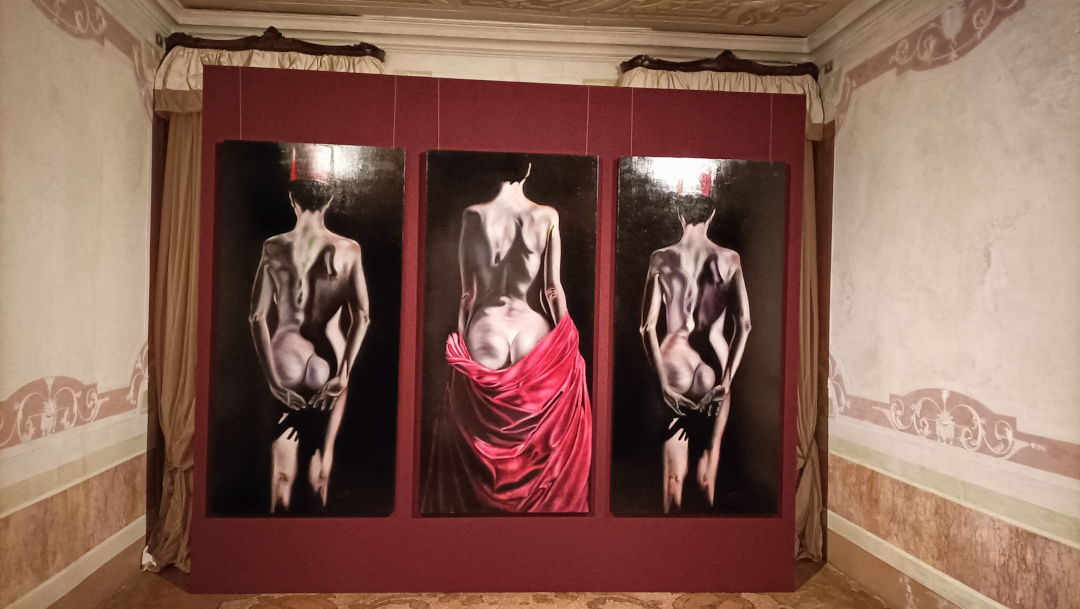
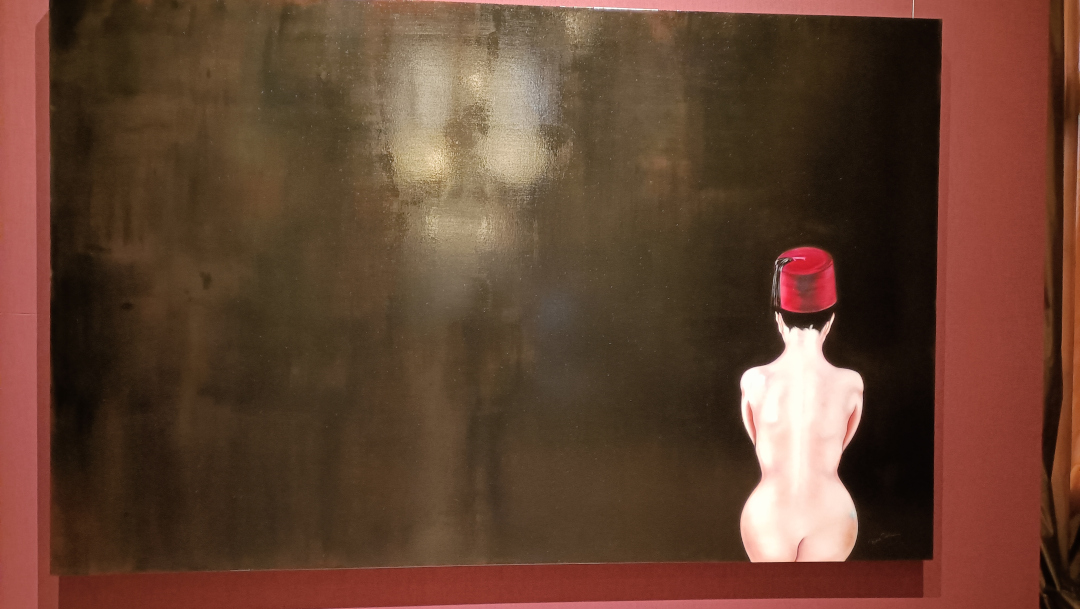
Nelle opere della serie, la donna appare quasi sempre di spalle, isolata dentro fondi monocromatici immensi, schiacciata da spazi che sembrano divorare lentamente la figura. In Le tarbouche (2014), il nero si espande come un vuoto cosmico: la protagonista sembra perdersi dentro un’oscurità che non è soltanto fisica, ma esistenziale. la figura femminile è relegata in un angolo della tela, quasi inghiottita dall’immenso vuoto nero che la circonda. Quel nero non è soltanto uno sfondo: diventa la rappresentazione visiva dell’abbandono, del silenzio e della mancanza di sostegno. La donna appare isolata, fragile, ridotta a una presenza minima davanti a uno spazio oscuro e sconfinato che sembra volerla cancellare. Il dipinto richiama con forza una condizione che, purtroppo, molte donne vivono ancora oggi, soprattutto nei casi di violenza domestica. Spesso chi subisce violenza si ritrova confinata in una solitudine emotiva e psicologica profonda, invisibile agli occhi degli altri, privata di ascolto, protezione e comprensione. Il vuoto nero che avvolge la figura può quindi essere letto come la metafora di una società che troppo spesso lascia le donne sole dentro il proprio dolore. Il tarbouche che porta sul capo diventa allora un segno simbolico, un fragile messaggio di speranza e di emancipazione femminile. Nonostante questa oscurità soffocante, la figura non scompare del tutto. Il suo corpo continua a esistere, a resistere. Il tarbouche che porta sul capo diventa allora un simbolo sottile ma potente di dignità, resilienza e speranza: il segno della possibilità di ritrovare sé stesse e liberarsi da quella condizione di isolamento.

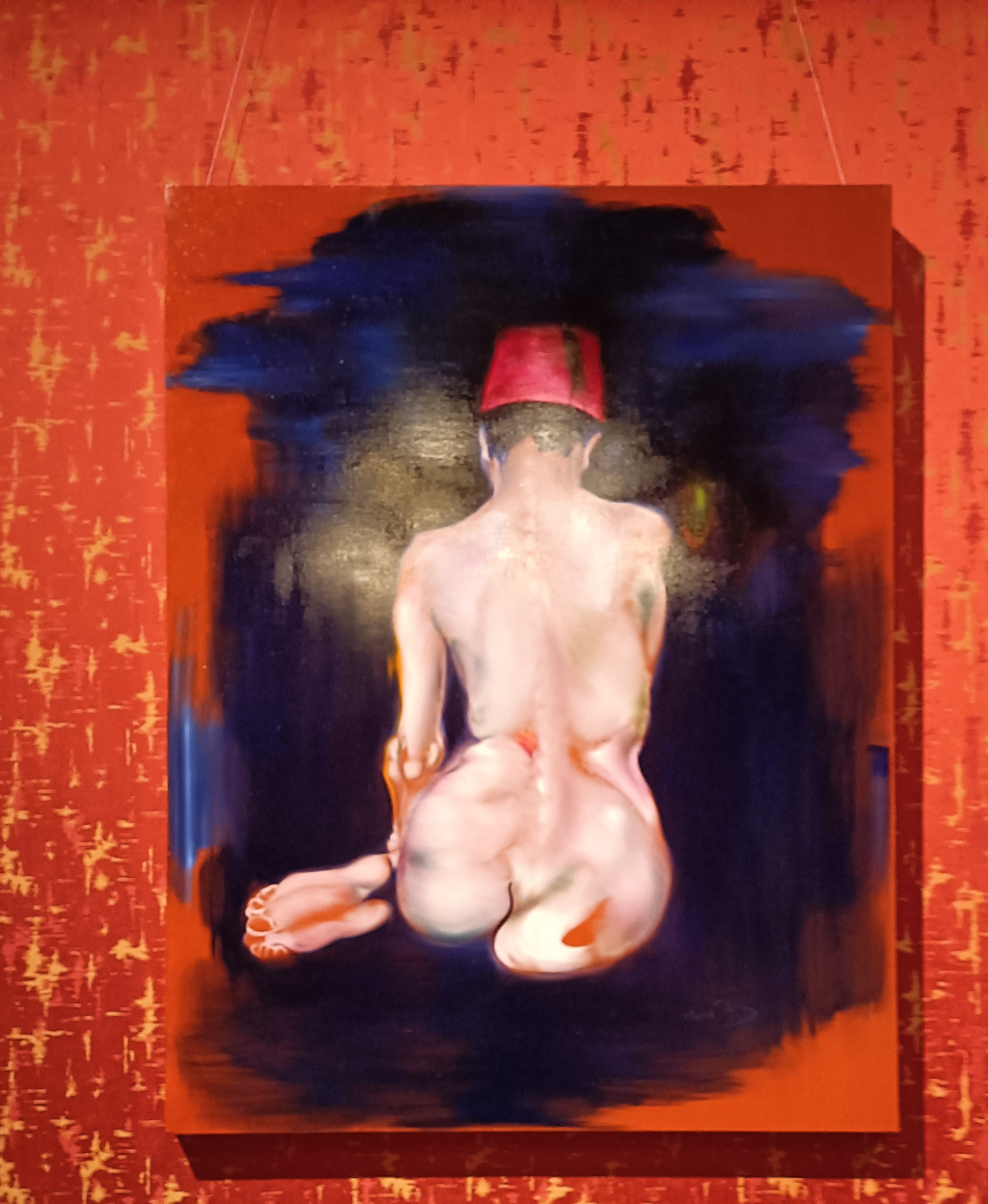
Anche in Exil, la figura si chiude su sé stessa. Il corpo reclinato in avanti richiama una posizione fetale, quasi un desiderio di ritorno a uno spazio protetto, lontano dalla violenza del mondo esterno.

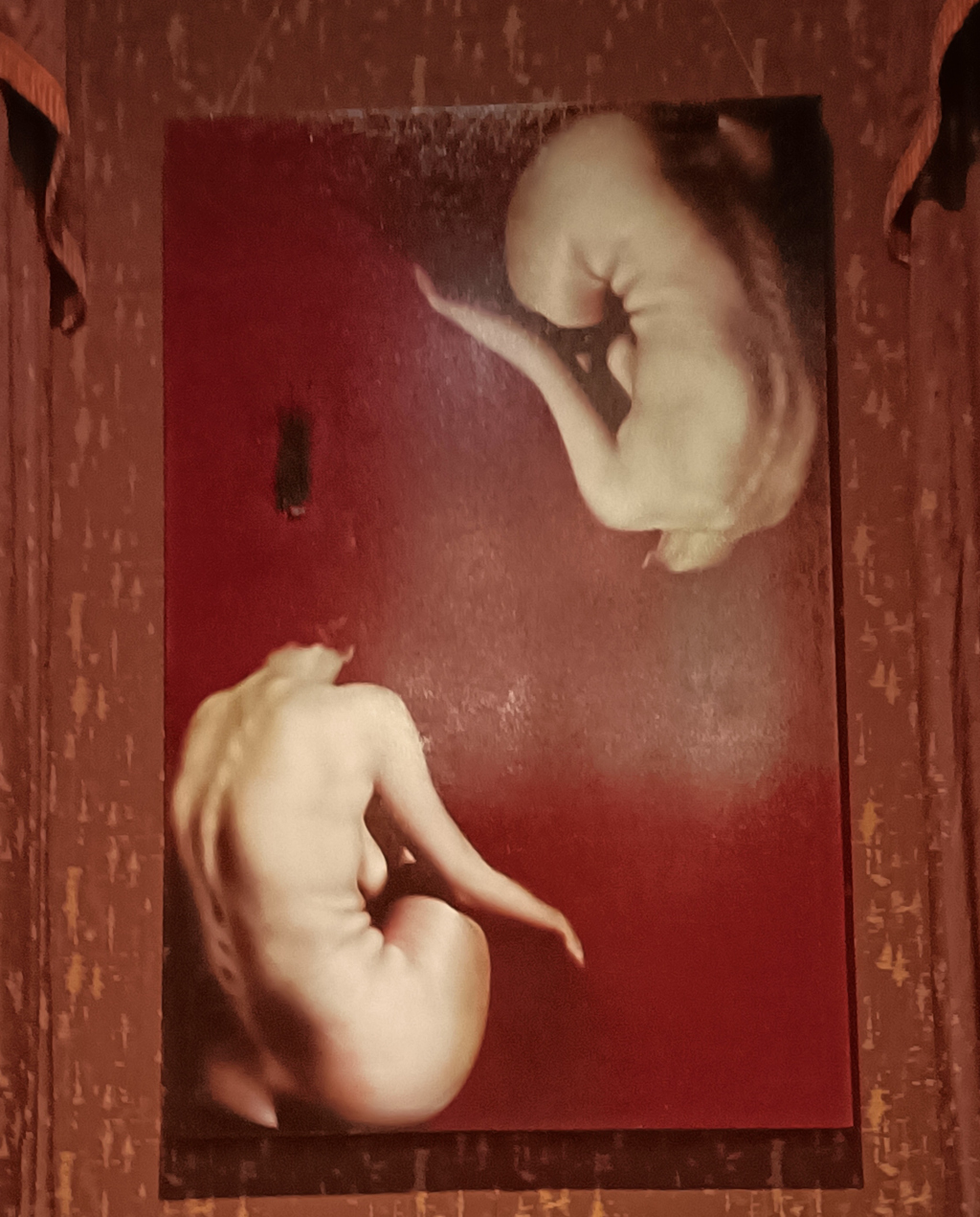
Ma è forse davanti a Red wine che il linguaggio simbolico dell’artista raggiunge una delle sue espressioni più potenti. La tela è attraversata da un rosso intenso, denso, quasi materico. Il colore non si limita a riempire lo spazio: sembra colare, respirare, diventare sostanza viva. Sangue, vino, carne, memoria. Osservando quest’opera, ho pensato immediatamente alla pittrice Elisabetta Rogai, https://diariodiunoperatoremuseale.co/2024/07/31/elisabetta-rogai-a-ca-sagredo/ celebre per l’uso del vino come materiale pittorico nelle sue enoarte. Anche nelle opere di Rogai il vino smette di essere semplice bevanda per trasformarsi in corpo, tempo, trasformazione organica. Il colore muta, ossida, invecchia, proprio come le emozioni umane. Nel caso di Mouna Rebeiz, però, il vino sembra assumere una dimensione ancora più interiore: non è soltanto materia, ma una sorta di liquido emotivo che avvolge e ingloba le figure femminili. Le due donne presenti nella composizione — una quasi speculare all’altra — appaiono sospese in uno spazio senza gravità, come ricordi che galleggiano nella coscienza. La pittura diventa allora pelle. Diventa tessuto. Diventa vulnerabilità.

E forse è proprio questa la forza più autentica della serie Le tarbouche: riuscire a raccontare la condizione femminile senza retorica, attraverso corpi silenziosi che parlano più di qualsiasi dichiarazione esplicita. Dietro quelle figure nude non c’è mai esibizione. C’è piuttosto un senso di attesa. Di malinconia. Di resistenza. Ed è impossibile uscire da questa mostra senza portarsi addosso almeno una parte di quel silenzio.

Invito tutta la cittadinanza e i turisti presenti a Venezia per le loro vacanze, di visitare il Museo di Palazzo Mocenigo, per poter apprezzare questa stupenda mostra. Non ve ne pentirete ! Vi aspettiamo !


In the Silence of “Le tarbouche”: Women, the Body, and Solitude in the Paintings of Mouna Rebeiz

There are artworks that simply ask to be looked at. And then there are others that seem to look back at you, slowly drawing you into their silence. That is the feeling I experienced while standing before the paintings of Mouna Rebeiz, gathered under the title Le tarbouche – When an Accessory Becomes a Symbol. A pictorial series in which the female body becomes memory, wound, isolation, but also the possibility of rebirth.

Speaking personally with the artist, I discovered a fundamental detail: the female figure appearing throughout some of these canvases is always the same model: Rana Karam, niece of the artist. Not merely a recurring presence, but a true muse. Mouna Rebeiz told me that this woman’s body perfectly embodied what she wished to express. The soft lines of her back, the almost fetal postures, the ability to convey fragility without ever losing elegance — all of it helped shape a visual universe suspended between loneliness and emotional vulnerability. And yet, after meeting the model in person, it became immediately clear how limiting it would be to speak only of her beauty. Of course, her physical presence is striking, but what remains with you is something deeper: her sensitivity, her culture, the quiet intelligence that emerges in conversation, and a rare delicacy that seems unconsciously reflected in the paintings themselves. Perhaps it is precisely this human depth that made such an intense dialogue between artist and muse possible.

In the works in the series, the woman almost always appears from behind, isolated within immense monochromatic backgrounds, crushed by spaces that seem to slowly devour the figure. In Le tarbouche (2014), the black expands like a cosmic void: the protagonist seems to be lost in a darkness that is not only physical, but existential. The female figure is relegated to a corner of the canvas, almost swallowed up by the immense black void that surrounds her. That black is not merely a backdrop: it becomes the visual representation of abandonment, silence, and lack of support. The woman appears isolated, fragile, reduced to a minimal presence before a dark and boundless space that seems to want to erase her. The painting forcefully recalls a condition that, unfortunately, many women still experience today, especially in cases of domestic violence. Often, those who suffer violence find themselves confined in a profound emotional and psychological solitude, invisible to the eyes of others, deprived of listening, protection, and understanding. The black void that envelops the figure can therefore be read as a metaphor for a society that too often leaves women alone in their pain. The tarbouche she wears on her head thus becomes a symbolic sign, a fragile message of hope and female emancipation. Despite this suffocating darkness, the figure does not disappear entirely. Her body continues to exist, to resist. The tarbouche she wears on her head thus becomes a subtle yet powerful symbol of dignity, resilience, and hope: a sign of the possibility of rediscovering oneself and freeing oneself from that state of isolation.

In Exil, the figure folds inward upon herself. Her body leans forward in a fetal-like posture, evoking a longing to return to a protected space, far from the violence of the outside world.

But perhaps it is in Red wine that the artist’s symbolic language reaches one of its most powerful expressions. The canvas is immersed in a deep, dense red that feels almost tactile. The color does not simply fill the space: it seems to flow, breathe, and become a living substance. Blood, wine, flesh, memory. While observing this work, I immediately thought of Elisabetta Rogai, https://diariodiunoperatoremuseale.co/2024/07/31/elisabetta-rogai-a-ca-sagredo/ the artist renowned for using wine itself as a painting medium in her celebrated enoart. In Rogai’s work, wine ceases to be merely a beverage and becomes body, time, and organic transformation. The color changes, oxidizes, ages — much like human emotions. In Mouna Rebeiz’s paintings, however, wine appears to take on an even more intimate dimension: it is not simply matter, but a kind of emotional fluid enveloping the female figures. The two women within the composition — one almost mirroring the other — seem suspended in a gravityless space, like memories floating within consciousness itself. Painting becomes skin.
Becomes fabric. Becomes vulnerability.

And perhaps this is the true strength of the Le tarbouche series: its ability to portray the female condition without rhetoric, through silent bodies that speak more powerfully than any explicit statement ever could. Behind these nude figures there is never exhibitionism. There is waiting instead. Melancholy. Resistance. And it is impossible to leave these works behind without carrying at least a fragment of their silence with you.

I invite all residents and tourists visiting Venice for their holidays to visit the Mocenigo Palace Museum and appreciate this wonderful exhibition. You won’t regret it! We look forward to seeing you!

La mostra imperdibile del 2026 a Venezia? Mouna Rebeiz a Palazzo Mocenigo

For the English translation, please scroll down the page, thank you !

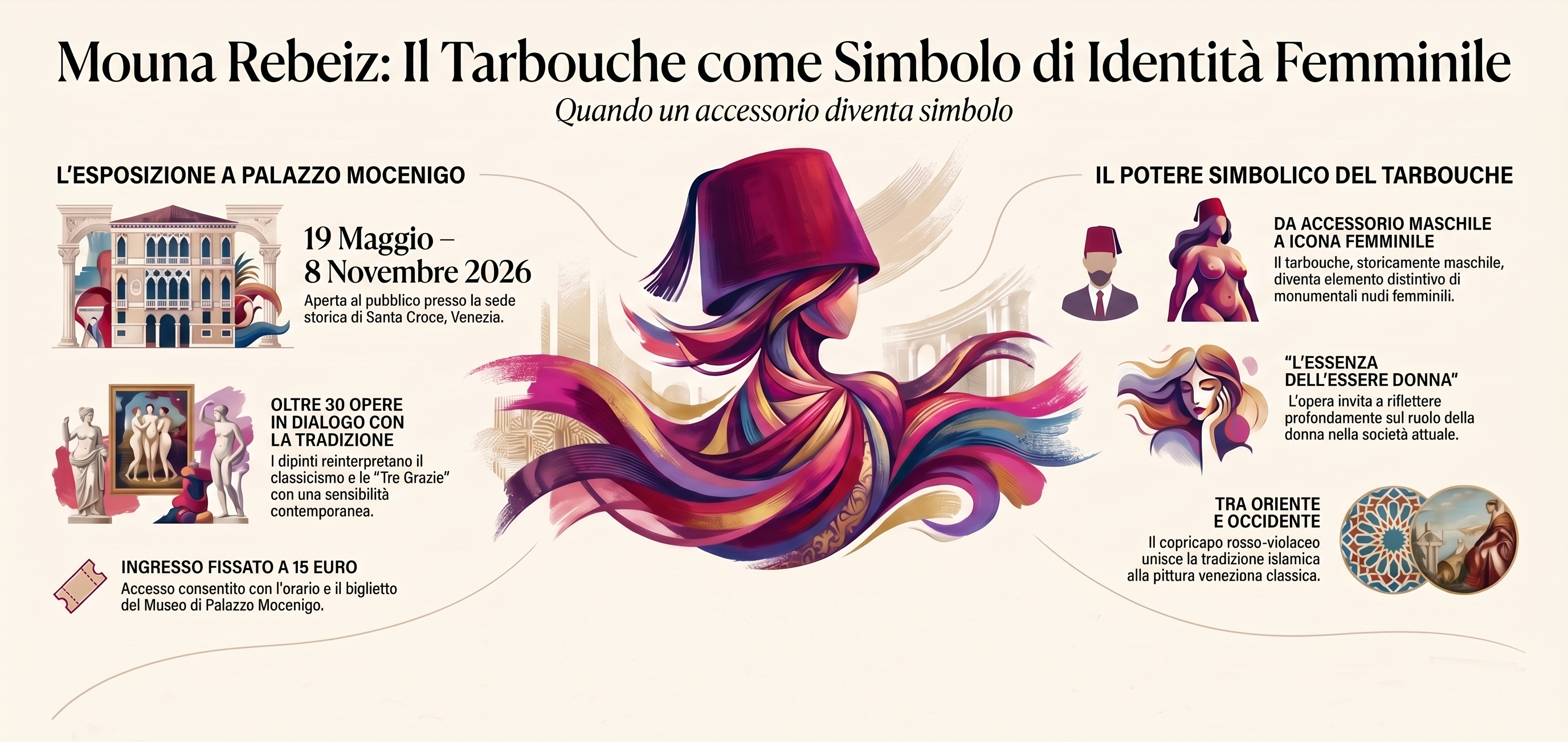
Venezia si prepara ad accogliere una mostra destinata a lasciare il segno. Dal 20 maggio all’8 novembre 2026, le sale di Museo di Palazzo Mocenigo ospiteranno “Le Tarbouche. Quando un accessorio diventa simbolo”, il nuovo progetto espositivo dell’artista libanese-canadese Mouna Rebeiz. Un appuntamento che promette di fondere arte, identità, sensualità e memoria culturale in uno dei luoghi più affascinanti della Venezia artistica contemporanea.

Ci sono artisti che dipingono immagini. E poi ci sono artisti che dipingono simboli, trasformandoli in qualcosa di vivo, emotivo, quasi magnetico. Mouna Rebeiz appartiene senza dubbio alla seconda categoria. Il suo lavoro, intenso e profondamente spirituale, nasce da un percorso artistico e umano fuori dagli schemi: cresciuta in una famiglia di artisti, formatasi tra Beirut e Parigi con studi in psicologia, Rebeiz ha costruito negli anni una ricerca capace di unire pittura classica, introspezione e sperimentazione contemporanea.

Chi conosce il suo lavoro sa che le sue opere non si limitano a essere osservate: chiedono di essere attraversate. Nei suoi dipinti convivono femminilità, energia mistica, archetipi e richiami culturali che sembrano emergere da una dimensione sospesa tra Oriente e Occidente. Non a caso, durante la Biennale di Venezia del 2022, la sua mostra The Soothsayer aveva già attirato l’attenzione internazionale grazie a un linguaggio visivo visionario e immersivo.

Ed è proprio Venezia, ancora una volta, a diventare il palcoscenico ideale della sua poetica. La nuova mostra a Palazzo Mocenigo ruoterà attorno al “tarbouche” — il tradizionale copricapo maschile diffuso nel mondo musulmano sin dal XIV secolo — trasformato da Rebeiz in un simbolo carico di significati contemporanei. Nelle sue tele, questo elemento storico si intreccia con la rappresentazione del corpo femminile, dando vita a un dialogo sorprendente tra identità, sensualità e appartenenza culturale.

Secondo le anticipazioni, il percorso espositivo presenterà grandi dipinti ispirati alle Tre Grazie, figure che nella visione dell’artista diventano presenze potenti, quasi divine. Il tarbouche, collocato su corpi femminili monumentali e sensuali, perde la sua funzione originaria per diventare metafora: un ponte tra tradizione e trasformazione, tra memoria collettiva e libertà individuale.

Ed è qui che la mostra diventa davvero interessante. Perché Rebeiz non si limita a reinterpretare un accessorio storico: lo carica di domande attualissime. Quanto conta oggi il simbolo nell’affermazione dell’identità? Come cambia il significato di un oggetto quando viene sottratto al suo contesto originario? E soprattutto: cosa accade quando lo sguardo femminile si riappropria di simboli tradizionalmente maschili?

In una città come Venezia, storicamente crocevia di culture, commerci e contaminazioni artistiche, questa riflessione assume un valore ancora più forte. Palazzo Mocenigo, con le sue sale dedicate alla moda, al tessuto e alla storia del costume veneziano, sembra quasi il luogo naturale per accogliere una mostra che parla proprio del potere degli abiti e degli accessori nel raccontare chi siamo.

Scorrendo le immagini condivise dall’artista sui suoi canali social, emerge chiaramente la forza visiva della sua ricerca: colori profondi, figure enigmatiche, atmosfere teatrali e una costante tensione tra eleganza e provocazione. Il suo linguaggio è immediatamente riconoscibile, ma soprattutto emotivo. E forse è proprio questo il motivo per cui il pubblico internazionale continua a seguirla con crescente interesse.

“Le Tarbouche” non sarà semplicemente una mostra da visitare. Sarà un’esperienza da vivere lentamente, lasciandosi trasportare dalle suggestioni di un’artista che riesce a rendere contemporaneo persino un simbolo antico di secoli. Per chi ama l’arte capace di raccontare storie, creare connessioni culturali e sorprendere visivamente, questa è già una delle esposizioni più attese del 2026 veneziano. E Venezia, ancora una volta, si conferma il luogo perfetto dove le culture si incontrano e si trasformano in arte.


Venice’s Must-See Exhibition of 2026? Mouna Rebeiz at Palazzo Mocenigo

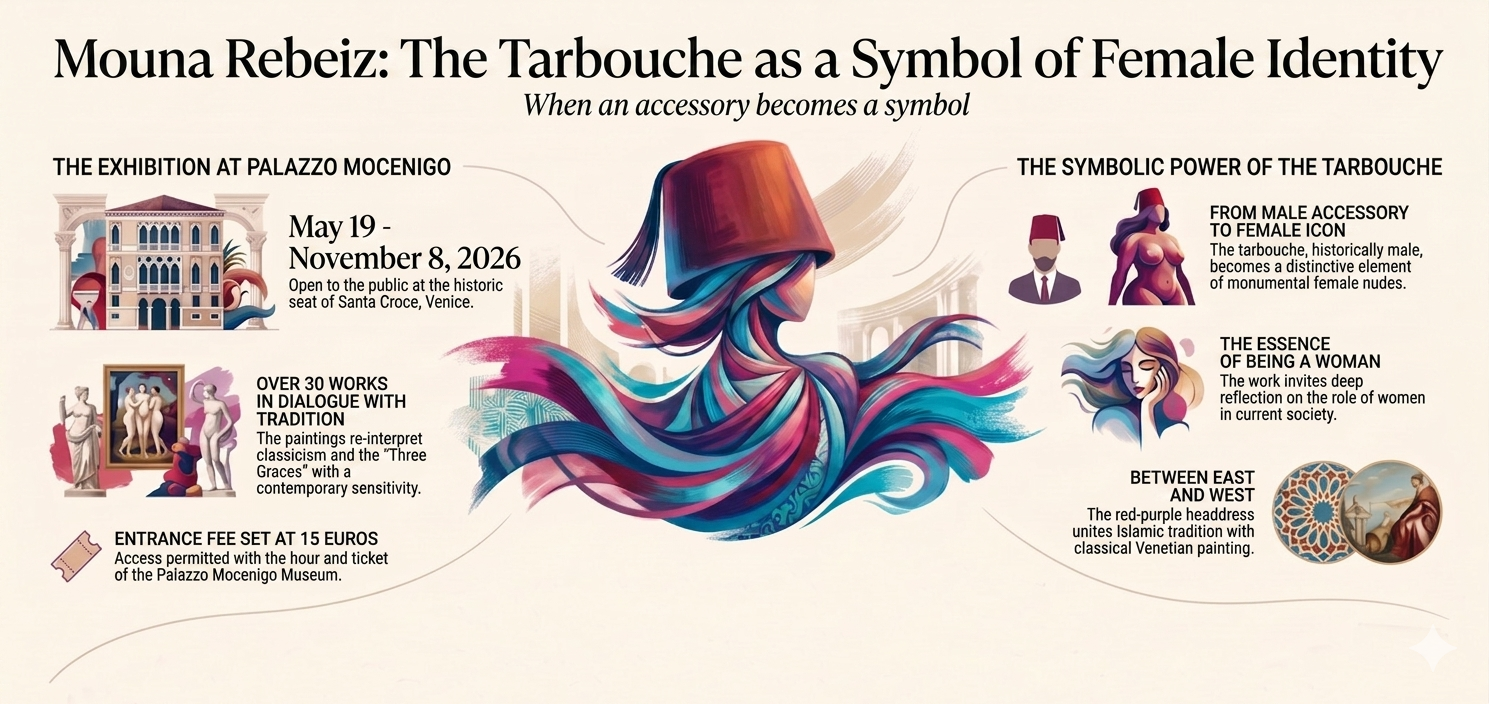
Venice is preparing to welcome an exhibition destined to leave a lasting impression. From May 20 to November 8, 2026, the rooms of Palazzo Mocenigo Museum will host “Le Tarbouche. When an Accessory Becomes a Symbol”, the new exhibition project by Lebanese-Canadian artist Mouna Rebeiz. An event that promises to blend art, identity, sensuality, and cultural memory within one of the most fascinating venues in Venice’s contemporary art scene.

There are artists who paint images. And then there are artists who paint symbols, transforming them into something alive, emotional, almost magnetic. Mouna Rebeiz undoubtedly belongs to the latter category. Her work, intense and deeply spiritual, emerges from an unconventional artistic and personal journey: raised in a family of artists and educated between Beirut and Paris with a background in psychology, Rebeiz has developed a body of work capable of merging classical painting, introspection, and contemporary experimentation.

Anyone familiar with her art knows that her works are not simply meant to be observed — they demand to be experienced. Within her paintings coexist femininity, mystical energy, archetypes, and cultural references that seem to emerge from a suspended dimension somewhere between East and West. It is no coincidence that during the 2022 Venice Biennale, her exhibition The Soothsayer attracted international attention thanks to its visionary and immersive visual language.

And once again, Venice becomes the ideal stage for her artistic vision. The new exhibition at Palazzo Mocenigo revolves around the “tarbouche” — the traditional male headpiece widely used throughout the Muslim world since the 14th century — transformed by Rebeiz into a symbol charged with contemporary meaning. In her paintings, this historical element intertwines with representations of the female body, creating a striking dialogue between identity, sensuality, and cultural belonging.

According to early previews, the exhibition will feature large-scale paintings inspired by the Three Graces, figures that in the artist’s vision become powerful, almost divine presences. The tarbouche, placed upon monumental and sensual female bodies, loses its original function and becomes a metaphor: a bridge between tradition and transformation, between collective memory and individual freedom.

And this is where the exhibition becomes truly compelling. Because Rebeiz does not simply reinterpret a historical accessory — she fills it with deeply contemporary questions. How important are symbols today in shaping identity? How does the meaning of an object change once it is removed from its original context? And above all: what happens when the female gaze reclaims symbols traditionally associated with masculinity?

In a city like Venice — historically a crossroads of cultures, trade, and artistic exchange — this reflection takes on even greater significance. Palazzo Mocenigo, with its collections dedicated to fashion, textiles, and the history of Venetian costume, feels like the natural setting for an exhibition that explores the power of clothing and accessories in telling the story of who we are.

Looking through the images shared by the artist on her social media channels, the visual strength of her artistic research becomes immediately evident: deep colors, enigmatic figures, theatrical atmospheres, and a constant tension between elegance and provocation. Her visual language is instantly recognizable, but above all, deeply emotional. Perhaps this is exactly why international audiences continue to follow her work with growing interest.

“Le Tarbouche” will not simply be an exhibition to visit. It will be an experience to move through slowly, allowing oneself to be carried away by the suggestions of an artist capable of making even a centuries-old symbol feel powerfully contemporary. For those who love art that tells stories, creates cultural connections, and surprises visually, this is already shaping up to be one of the most anticipated exhibitions of Venice’s 2026 cultural season. And Venice, once again, confirms itself as the perfect place where cultures meet and transform into art.

Oltre la Biennale: la Venezia nascosta che pochi turisti scoprono davvero

For the English translation, please scroll down the page

Venezia oltre la Biennale: la stagione dell’arte che porta lontano da San Marco

Ogni primavera Venezia cambia ritmo. Le calli si riempiono di curatori, artisti, collezionisti, studenti e viaggiatori arrivati da ogni parte del mondo. È il segnale che la stagione dell’arte è ufficialmente iniziata. La città lagunare torna ancora una volta al centro della scena internazionale grazie alla 61ª edizione della Biennale di Venezia, che quest’anno trasforma Venezia in un enorme laboratorio creativo diffuso tra padiglioni nazionali, installazioni, eventi collaterali e mostre indipendenti.

Ma limitarsi ai Giardini e all’Arsenale sarebbe un errore. La vera magia veneziana, soprattutto durante la Biennale, si nasconde spesso lontano dai luoghi più fotografati della città.

Tra gli appuntamenti più attesi di questa stagione c’è sicuramente la mostra “Transforming Energy” di Marina Abramović alle Gallerie dell’Accademia. Ed è tutto vero: l’artista serba è diventata la prima donna vivente a essere celebrata con una grande mostra personale all’interno delle Gallerie. L’esposizione, inaugurata in occasione della Biennale 2026, mette in dialogo la sua arte performativa con i capolavori rinascimentali veneziani, creando un contrasto potente tra passato e contemporaneità.

L’effetto complessivo è quello di una Venezia che, per alcuni mesi all’anno, smette di essere solo una cartolina e torna a essere un centro culturale vivo, sperimentale e sorprendente. Ed è proprio qui che il visitatore dovrebbe fare qualcosa di insolito: allontanarsi dal percorso più ovvio.

Perché Venezia non è soltanto Piazza San Marco, il Ponte di Rialto o le code davanti al Palazzo Ducale. La Biennale offre la scusa perfetta per esplorare una città più silenziosa, fatta di palazzi nascosti, musei poco conosciuti e quartieri dove il turismo di massa sembra improvvisamente dissolversi.

Uno degli esempi migliori è il Museo di Palazzo Mocenigo, nel sestiere di Santa Croce. Molti turisti non sanno nemmeno che esista, eppure è uno dei luoghi più affascinanti della città. Antica dimora nobiliare veneziana, il palazzo racconta la vita aristocratica della Serenissima attraverso abiti storici, tessuti, arredi e soprattutto il mondo del profumo, arte in cui Venezia fu protagonista assoluta grazie ai commerci con l’Oriente. Entrare a Palazzo Mocenigo significa vedere una Venezia diversa: non quella monumentale e affollata, ma quella intima, elegante, quasi sospesa nel tempo. Le sale hanno ancora il sapore delle case vissute, e il silenzio che si respira è distante anni luce dal caos attorno a San Marco.

Ed è proprio questo il punto: la Biennale dovrebbe essere vissuta come una porta d’accesso alla Venezia meno evidente. Molti degli eventi collaterali più interessanti si trovano infatti dentro chiese sconsacrate, fondazioni private, ex magazzini o palazzi normalmente chiusi al pubblico. Spesso basta attraversare un ponte in più o perdersi volutamente in una calle laterale per imbattersi in una mostra sorprendente. È una dinamica che molti visitatori della Biennale raccontano come la parte più bella dell’esperienza veneziana: scoprire luoghi che altrimenti non avrebbero mai visto.

Chi arriva a Venezia per l’arte contemporanea dovrebbe quindi approfittarne per costruire un itinerario più lento e curioso. Non solo le grandi istituzioni, ma anche musei meno celebrati come il Museo Fortuny, con la sua atmosfera teatrale e decadente, oppure il Ca’ Pesaro, che custodisce collezioni moderne spesso ignorate dai flussi turistici principali. In fondo, Venezia funziona così: più ci si allontana dai percorsi obbligati, più la città si rivela autentica.

E forse oggi, in piena stagione della Biennale, il vero lusso non è vedere “tutto”, ma riuscire ancora a sorprendersi entrando in un palazzo quasi vuoto, affacciato su un canale silenzioso, dove l’arte e Venezia tornano improvvisamente a parlare la stessa lingua.


Venice Beyond the Biennale: The Art Season That Leads Away from St. Mark’s Square

Every spring, Venice changes rhythm. Its narrow streets and canals fill with curators, artists, collectors, students, and travelers arriving from all over the world. It is the unmistakable sign that the city’s art season has officially begun. Once again, Venice becomes the center of the international cultural scene thanks to the 61st edition of the Venice Biennale, transforming the city into a vast creative laboratory spread across national pavilions, installations, collateral events, and independent exhibitions.

But limiting a visit to the Giardini and the Arsenale would be a mistake. The real magic of Venice — especially during the Biennale months — is often hidden far from the city’s most photographed landmarks.

Among the most anticipated events of this season is undoubtedly Marina Abramović’s exhibition Transforming Energy at the Gallerie dell’Accademia. And yes, it is true: the Serbian artist has become the first living female artist to be honored with a major solo exhibition at the museum. Organized alongside the 2026 Biennale, the exhibition creates a powerful dialogue between Abramović’s performance art and Venice’s Renaissance masterpieces, producing a striking contrast between past and present.

The overall effect is a Venice that, for a few months each year, stops being merely a postcard destination and returns to being a vibrant, experimental, and deeply alive cultural capital. And this is exactly where visitors should do something unexpected: move away from the obvious route.

Because Venice is not only St. Mark’s Square, the Rialto Bridge, or the crowds gathered outside the Doge’s Palace. The Biennale offers the perfect excuse to explore a quieter side of the city — one made of hidden palaces, lesser-known museums, and neighborhoods where mass tourism suddenly seems to disappear.

One of the best examples is the Museum of Palazzo Mocenigo, located in the Santa Croce district. Many tourists do not even know it exists, yet it is one of the most fascinating places in Venice. Once an aristocratic Venetian residence, the palace tells the story of life during the Serenissima through historical garments, textiles, furnishings, and above all the world of perfume — an art in which Venice once played a leading role thanks to its trade connections with the East. Walking into Palazzo Mocenigo means discovering a different Venice: not the monumental and crowded one, but an intimate, elegant city seemingly suspended in time. The rooms still feel lived in, and the silence inside is worlds away from the chaos surrounding St. Mark’s Square.

And that is precisely the point: the Biennale should be experienced as a gateway to Venice’s less obvious side. Many of the most interesting collateral events are housed inside deconsecrated churches, private foundations, former warehouses, or palaces that are usually closed to the public. Often, all it takes is crossing one more bridge or intentionally getting lost down a narrow alley to stumble upon an extraordinary exhibition. For many Biennale visitors, this becomes the most memorable part of the Venetian experience: discovering places they would otherwise never have seen.

Those traveling to Venice for contemporary art should therefore use the opportunity to build a slower, more curious itinerary. Not only the major institutions, but also lesser-known museums such as Museo Fortuny, with its theatrical and decadent atmosphere, or Ca’ Pesaro, home to modern art collections often overlooked by mainstream tourism. Because Venice works exactly this way: the farther you move from the mandatory tourist routes, the more authentic the city becomes.

And perhaps today, during the height of the Biennale season, the real luxury is not trying to see everything, but still being able to feel surprised while stepping into an almost empty palace overlooking a quiet canal — a place where art and Venice suddenly begin speaking the same language again.