For the english version, please scroll down the page.
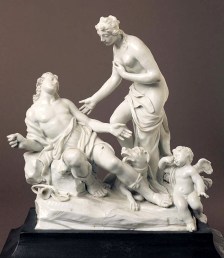
Finalmente nel bellissimo Museo di Cà Rezzonico è presente la mostra sulle porcellane di Geminiano Cozzi. E’ cominciata giusto il 19 marzo e finirà il 12 luglio. La mostra è stupenda, ed è collocata solo al primo piano, per essesere più specifici nelle “sale dell’allegoria nuziale”, “sala dei pastelli”, “sala del trono”, “Portego”, e nella “biblioteca”. Tuttavia, urge una precisazione, perché, sebbene la mostra come ho detto è collocata al primo piano, al secondo, nella “sala del Clavicemballo”, nelle vetrine, sono disposte altri modelli di ceramiche, non di Cozzi, ma di altri artisti, che erano già presenti all’interno del museo, alcuni sono stati spostati proprio qui, per fare spazio all’elevato numero di pezzi presenti in questa bellissima mostra.
L’arte delle porcellane è arrivata a noi dalla Cina, infatti per molto tempo, fu tenuto segreto dalle manifatture cinesi, e fece il suo ingresso in Europa nel secondo decennio del 18° secolo. I protagonisti principali della storia delle porcellane in Italia furono Giovanni Vezzi, che nel 1720 ha cominciato la sua produzione, il mercante Sassone Hewelcke, che nel 1757, scappò da Meissen per via della guerra dei sette anni. Geminiano Cozzi, il protagonista assoluto di questa mostra, e Giovanni Battista Antonibon.
Il periodo storico va collocato durante il rinascimento e l’illuminismo francese, questo perché il nuovo menù alimentare introdotto dai francesi, prevedeva durante il pranzo, molte portate di piccole porzioni, per cui, ecco che si va a creare nuovi tipi di oggetti che accompagno i principali pasti.
L’illuminismo è passato alla storia come il periodo dei lumi, dove negli affollati caffè si passavano ore a discutere su ogni argomento, basati sulla ragione, sul confronto, sullo scambio di idee. Ecco che tazze, tazzine, piattini, teiere,ect fanno la comparsa sulle tavole, ma anche sui tavoli, tavolini di questi luoghi. La passione per le bevande quali la cioccolata ad esempio, fu un’altro motivo per cui si ebbe un’incremento nella produzione delle ceramiche, oltre al fatto che esse erano veramente oggetto di prestigio, e che, per ogni personaggio di alto rango, rappresentava qualcosa da possedere assolutamente.
Geminiano Cozzi è nato a Modena il 7 febbraio del 1728, si trasferisce a Venezia, e nel 1759 egli possedeva una fabbrica che lavorava al corallo, probabilmente fu grazie ad essa che fu in grado di investire nell’impresa del mercante Sassone Hewelcke, ma poco tempo dopo, la società fallisce, costringendo il mercante Sassone a ritornare nel suo paese d’origine. Cozzi invece continua per la sua strada delle manifatture di porcellana, per conto suo, e nel 1765 chiede ai “5 savi della mercanzia” un’organo istituito dal senato veneziano intorno al 1507, che si occupava dei vari aspetti del commercio, l’esenzione dei dazi doganali e la sovvenzione da parte dello stato per la sua attività.
La sua attività continua tranquillamente, salvo casi di liti con gli Antonibon, dove si accusavano di tutto, dallo spionaggio, sabotaggio, alla concorrenza sleale. Geminiano Cozzi morì più o meno tra il 1797 e il 1798.
Una volta entrati all’interno del Museo di Cà Rezzonico, dopo la “sala da ballo”, si giunge nella “sala dell’allegoria nuziale” dove potete ammirare stupendi capolavori, ed apprendere le nozioni storiche del personaggio principale della mostra e delle porcellane.
Nella sala dei pastelli, insieme ai bellissimi capolavori di Rosalba Carriera, potrete vedere nelle vetrinette, delle bellissime statuine, che rappresentano personaggi, quali: contadini, artigiani, o maschere delle commedie dell’arte, di piccole dimensioni. Sono molti belli da guardare, molto ben dettagliati. Addirittura potrete vedere una serie di statuine di nani, alcuni ripresi in posizione scherzose, o di prese in giro, alcune in pose erotiche, tutte che rappresentano i vari stati dell’animo umano: le sue gioie, le sue debolezze ect.
Nella stupenda sala del trono, potete ammirare una tavola imbandita ! La tavola è apparecchiata sopra una bellissima tovaglia in merletto di Burano del 18° secolo, ci sono piatti da portata,zuppiere, piatti di servizio tondi, ovali, raviere.. E’ tutto bellissimo !! Mancano le posate è vero, ma dovete sapere che all’epoca, ai banchetti, gli ospiti si portavano da casa le loro posate, contenute in specifici astucci.
E finalmente si giunge al Portego ! Al suo interno ci sono 12 vetrine con dentro di tutto: dalle stupende statuine cinesi che vengono rappresentate come nel lontano Catai, ai magnifici oggetti creati per degustare le bevande esotiche come la cioccolata, quindi il porta tè, le cafettiere, le zuccheriere, le teiere ect. In particolare, mi voglio soffermare su una vetrina in particolare che mi ha colpito molto, dove si possono vedere alcuni idoli orientali, simili al Budda, denominati “i sette Pagò” Anche qui le statuine vengono rappresentano come delle caricature, delle parodie, come ad esempio la divinità Pu-Tai, simbolo della felicità, della vita spensierata e dei piaceri…
Passato il Portego, si giunge alla fine del percorso, dove si possono ammirare nelle vetrine il bellissimo vasellame creato con il decoro Imari, nella città di Arita. La mostra comprende più di 600 pezzi, e non riesco ad illustrare in questa sede, tutte i singoli pezzi. Ma vi invito a venire nel Museo di Cà Rezzonico per scoprirli voi stessi ! Dopo di che, potete salire al secondo piano, per ammirare gli altri capolavori, presenti nella sala del clavicembalo, per ammirare, studiare, comparare gli altri pezzi già esistenti,che appartegono al giro “naturale” del Museo.
English Version
The era of the Porcelains
Finally, in the beautiful Museum of Ca ‘Rezzonico there is an exhibition on Geminiano Cozzi porcelain. It ‘just started on March 19 and will end on July 12. The exhibition is wonderful, and is placed only on the first floor, to be more specific in the “allegory rooms Wedding”, “pastels room”, “throne room”, “Portego”, and “library”. However, we need clarification, because, although the show as I said is located on the first floor, on the second in the “hall of Clavicemballo”, there are in the showcases, other ceramic models, not by Cozzi, but by other artists, porcelains which were already present in the museum, some have been moved here, to make room for the high number of pieces in this beautiful exhibition.
The art of porcelain came to us from China, in fact, for a long time, was kept secret by the Chinese manufactures, and made his way in Europe in the second decade of the 18th century. The main protagonists of the history of porcelain in Italy were Giovanni Vezzi, which in 1720 began its production, the merchant Saxon Hewelcke, that in 1757, escaped from Meissen because of the Seven Years’ War. Geminiano Cozzi, the protagonist of this exhibition, and Giovanni Battista Antonibon.
The historical period must be placed during the Renaissance and the French Enlightenment, this, because the new food menu introduced by the French, provided during lunch, several courses of small portions, so, here you go to create new types of objects that accompany main meals.
The Enlightenment is known to history as the period of Enlightenment, where the people crowded the cafes spending hours discussing each topic, based on reason, on the comparison, the exchange of ideas. Here mugs, cups, saucers, teapots, ect make their appearance on the tables, but also on the tables, of these cafes. The passion for beverages such as chocolate, for example, was another reason why they increase the productionof potteries, besides the fact that they were truly prestigious object, and that, for each character of high rank, they represented something to possess absolutely.
Geminiano Cozzi was born in Modena on February 7, 1728, he moved to Venice, and in 1759 he owned a factory that worked at the coral, probably it was thanks to it that he was able to invest in the enterprise of the Saxon merchant Hewelcke, but little time later, the company goes bankrupt, forcing the merchant Saxon to return to his country of origin. Cozzi instead continues on his way of porcelain factories, on his own, and in 1765 asked the “five wise men of merchandise” an organ established by the Venetian senate around 1507, which was in charge of the various aspects of trade, the exemption of customs duties and subsidies from the state for its activities.
His business quietly continues, except in cases of disputes with Antonibon, where he accused him of everything from espionage, sabotage, unfair competition. Geminiano Cozzi died more or less between 1797 and 1798.
Once inside the Museum of Cà Rezzonico, after the “ballroom”, we reach the “allegory wedding hall” where you can see amazing masterpieces and learn the historical notions of the main character of the show and his porcelain.
In the room of pastels, along with beautiful masterpieces by Rosalba Carriera, you will see in glass cases, some beautiful statues, representing figures, such as farmers, craftsmen, or masks of art comedies. Many are beautiful to look at, very well detailed. Even you will see a series of statues of dwarfs, some taken in jest position, or mockery, some in erotic poses, all of which represent the various states of the human soul: their joys, their weaknesses ect.
In the beautiful throne room, you can see a table spread! The table is set on a beautiful tablecloth of Burano lace of the 18th century, there are platters, tureens, serving dishes round, oval, raviere .. It ‘s all beautiful !! Missing cutlery is true, but you should know that at that time, at banquets, the guests were brought from home their cutlery, contained in specific cases.
And finally we come to the Portego! Inside there are 12 showcases with everything in it: from the beautiful Chinese figurines that are represented as in the distant Cathay, to the magnificent objects created to taste exotic drinks like chocolate, so the door tea, the cafettiere, the sugar bowls, teapots ect. In particular, I want to dwell on one particular showcase that has impressed me a lot, where you can see some oriental idols, like the Buddha, known as “the seven Pagò” figurines Here are represented as caricatures, parodies, such as the Pu-Tai divinity, symbol of happiness, the carefree life and the pleasures …
Past the Portego, you reach the end of the path, where you can admire the beautiful pottery in the windows created with Imari decoration, in the town of Arita. The exhibition includes more than 600 pieces, and I can not explain here, all the individual pieces. But I invite you to come to the Museum of Ca ‘Rezzonico to discover them yourself! After that, you can go up to the second floor, to see the other masterpieces, present in the hall of the harpsichord, to admire, study, comparing the other existing pieces, which belong to the “natural” tour of the Museum.
For the English version, please scroll down the page
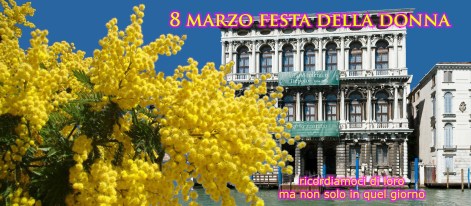
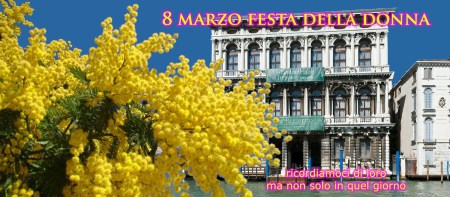
In occasione della festa della donna, nella giornata di martedì 8 marzo i musei Civici Veneziani offrono l’accesso gratuito TUTTE LE DONNE dei comuni della Città Metropolitana di Venezia, e l’orario di visita sarà prolungato fino alle ore 19.00. I musei della Fondazione che aderiscono a questa iniziativa sono:
Museo Correr – Museo di Cà Pesaro – Museo di Palazzo Mocenigo – Museo di Casa Goldoni – Museo di Storia Naturale – Museo del vetro di Murano – Museo del Merletto di Burano – Palazzo Fortuny.
E’ una splendida iniziativa, e sono il primo ad esserne felice. Ritengo purtroppo che adesso come adesso, la festa della donna, sia diventata solo un evento commerciale, e si rischia di dimenticare l’origine di questa celebrazione, e di cosa voglia significare.
Il 25 marzo del 1911 scoppio il più devastante incendio che New York abbia mai conosciuto, in soli 18 minuti la fabbrica Triangle divenne una trappola mortale dove perirono 146 persone, tra cui 123 donne. Le cause furono dovute alla totale assenza di regole di prevenzione di incendi, per cui tessuti infiammabili immagazzinati per tutta la fabbrica, scarti di tessuto sparsi per il pavimento, gli uomini che lavoravano come tagliatori a volte fumavano, l’illuminazione era fornita da luci a gas aperte e c’erano pochi secchi d’acqua per spegnere gli incendi.
Questi sono i nomi delle vittime, per non dimenticare:
Non dobbiamo dimenticarci di loro, come non dobbiamo dimenticare del ruolo che le donne occupano nella vita di oggi, delle donne che combattono,che soffrono. Sembra una coincidenza che in questo periodo, si trova nelle sale cinematografiche questo film :
Con il termine suffragette si indicavano le appartenenti a un movimento di emancipazione femminile nato per ottenere il diritto di voto per le donne. In seguito la parola “suffragetta” ha finito per indicare, la donna che lotta o si adopera per ottenere il riconoscimento della piena dignità delle donne, coincidendo con il termine femminista. Insieme a loro, ci sono state tante altre donne, che hanno lottato per i loro diritti, o farsi strada in un mondo di uomini, ecco qui alcuni nomi, che ho trovato :
Maria Skłodowska, conosciuta come Marie Curie, è stata una chimica e fisica polacca e in seguito francese. Nel 1903 fu insignita del premio Nobel per la fisica (assieme al marito Pierre Curie e ad Antoine Henri Becquerel) per i loro studi sulle radiazioni e, nel 1911, del premio Nobel per la chimica per la sua scoperta del radio e del polonio. Marie Curie è stata l’unica donna tra i quattro vincitori di più di un Nobel e, insieme a Linus Pauling, l’unica ad averlo vinto in due aree distinte. Marie Curie crebbe nella Polonia russa; poiché qui le donne non potevano essere ammesse agli studi superiori, si trasferì a Parigi e nel 1891 iniziò a frequentare la Sorbona, dove si laureò in fisica e matematica. Nel dicembre del 1897 iniziò a compiere degli studi sulle sostanze radioattive, che da allora rimasero al centro dei suoi interessi. Dopo la morte accidentale del marito Pierre Curie, avvenuta nel 1906, le fu concesso di insegnare nella prestigiosa università della Sorbona. Due anni più tardi le venne assegnata la cattedra di fisica generale, diventando la prima donna ad insegnare alla Sorbona.
Ipàzia di Alessandria: è stata una matematica, astronoma e filosofa greca antica. Rappresentante della filosofia neo-platonica, la sua uccisione da parte di una folla di cristiani in tumulto, per alcuni autori composta di monaci detti parabolani, l’ha resa una «martire della libertà di pensiero».
George Sand, pseudonimo di Amantine, è stata una scrittrice e drammaturga francese. Considerata tra le autrici più prolifiche della storia della letteratura, è autrice di numerosi romanzi, novelle e drammi teatrali; tra i suoi scritti più illustri vi sono Indiana, Lélia, Consuelo, La palude del diavolo, La piccola Fadette, François le Champi e l’autobiografia Storia della mia vita (Histoire de ma vie).Femminista molto moderata, fu attiva nel dibattito politico e partecipò, senza assumere una posizione di primo piano, al governo provvisorio del 1848, esprimendo posizioni vicine al socialismo, che abbandonò alla fine della sua vita per un moderato repubblicanesimo. La sua opposizione alla politica temporalistica e illiberale del papato le costò la messa all’Indice di tutti i suoi scritti nel dicembre del 1863. Sand è inoltre ricordata anche per il suo anticonformismo e per le relazioni sentimentali avute con lo scrittore Alfred de Mussete con il musicista Fryderyk Chopin.
Anna Maria Mozzoni è stata una giornalista italiana, attivista dei diritti civili e pioniera del femminismo in Italia.
Amelia Mary Earhart scomparsa nell’Oceano Pacifico presso l’isola Howland il 2 luglio 1937) è stata un’aviatrice statunitense. Sedici primati mondiali, ha ispirato libri, serie tv e film, come Star Trek, Il Corvo, Amelia, Una notte al museo. A fermarla è stato un incidente, ancora avvolto nel mistero, accaduto mentre stava per concludere il suo sogno più grande: il giro del mondo. Dopo 22.000 miglia, quando le mancava un terzo del tragitto per finire, è scomparsa. “Nelle spedizioni future le donne si assumeranno responsabilità sempre più grandi e il genere a cui appartengono inciderà sempre meno sul riconoscimento del loro valore, che avverrà alla luce dei risultati raggiunti”, di questo, Amalia era profondamente convinta.
Maria Tecla Artemisia Montessori fu un’educatrice, pedagogista,filosofa, medico e scienziata italiana, internazionalmente nota per il metodo educativo che prende il suo nome, adottato in migliaia di scuole materne, primarie, secondarie e superiori in tutto il mondo; fu tra le prime donne a laurearsi in medicina in Italia.
Wangari Muta Maathai è stata un’ambientalista, attivista politica e biologa keniota. Nel 2004 è diventata la prima donna africana ad aver ricevuto il Premio Nobel per la Pace per «il suo contributo alle cause dello sviluppo sostenibile, della democrazia e della pace». È stata membro del parlamento keniota e Assistente Ministro per l’Ambiente e le Risorse Naturali nel governo del presidente Mwai Kibaki, fra il gennaio 2003 e il novembre 2005. Apparteneva all’etnia kikuyu.
Vorrei spendere anche qualche parola, per tutte le ragazze madri, che si trovano da sole a far crescere i figli, o alle donne perseguitate dai stalker. Finalmente sembra che ci sia la legge per gli incidenti stradali, possibile che non si riesca a fare di più per queste donne che vengono tormentate, picchiate, dobbiamo sempre aspettare, fino a quando è troppo tardi ??
Desidero finire questo blog dicendovi questo: che questa festa, sia ricordata per quello che è, e non si festeggi la donna, solo l’8 marzo, ma ogni giorno !
Gli operatori Museali della Fondazione Civici Musei augurano Felice 8 marzo a tutte le donne. Vi aspettiamo nei nostri musei !
English Version
8 March in Venice
On the occasion of Women’s Day, Tuesday March 8, the Venetians civic museums offer free access to all women of the municipalities of the Metropolitan City of Venice, and visiting hours will be extended until 19.00 hours. The Foundation’s museums participating in this initiative are:
Correr Museum – Cà Pesaro Museum – Mocenigo Palace – Carlo Goldoni’s house – Natural History Museum – Glass Museum in Murano – Lace Museum in Burano – Fortuny Palace.
It ‘a wonderful initiative, and I am very happy about this. I think, unfortunately, that right now, Women’s Day, has become just a commercial event, and that we may forget the origin of this celebration, and what it means.
On March 25, 1911 happened the most devastating fire that New York has ever known; in only 18 minutes the Triangle factory became a death trap, and 146 people perished, including 123 women. The causes were due to the total absence of fire prevention rules, flammable fabrics stored for the whole factory, fabric scraps scattered around the floor, the men working as cutters sometimes smoked, the lighting was provided by lights open gas and there were a few buckets of water to put out fires.
These are the names of the victims, not to forget:
We must not forget them, as we must not forget the role that women occupy in today’s life, women who fight, who suffer. It seems a coincidence that in this period, is in theaters this film:
The term suffragettes were indicated belonging to a female emancipation movement started to gain the right to vote for women. Later the word “suffragette” has come to indicate, the woman who struggles or strives to achieve recognition of the full dignity of women, coinciding with the term feminist. Along with them, there were many other women, who have fought for their rights, or make their way in a man’s world, here are some names that I found:
Maria Sklodowska, known as Marie Curie, was a chemistry and physics Polish and French followed. In 1903 he was awarded the Nobel Prize in Physics (together with her husband Pierre Curie and Henri Becquerel) for their studies on radiation and, in 1911, the Nobel Prize for Chemistry for her discovery of radium and polonium. Marie Curie was the only woman among the four winners of the Nobel and, along with Linus Pauling, the only one to have won it in two distinct areas. Marie Curie grew in Russian Poland; because here women could not be admitted to higher education, he moved to Paris and in 1891 he attended the Sorbonne, where he graduated in physics and mathematics. In December of 1897 he began making studies of the radioactive substances, which has since remained the center of his interests. After the accidental death of her husband Pierre Curie, in 1906, she was allowed to teach at the prestigious Sorbonne University. Two years later she accepted the chair of general physics, becoming the first woman to teach at the Sorbonne.
Hypatia of Alexandria was a mathematician, astronomer and ancient Greek philosopher. Representative of the neo-Platonic philosophy, she’s killing by a mob of Christians in turmoil, for some authors composed of such parabolani monks, has made a “martyr of the freedom of thought.”
George Sand, pseudonym of Amantine, was a French writer and playwright. Considered one of the most prolific authors of the history of literature, she is the author of numerous novels, short stories and dramas; among her most illustrious include Indiana, Lélia, Consuelo, The Swamp Devil, Little Fadette, François le Champi and autobiography The Story of My Life (Histoire de ma vie). Feminist very moderate, was active in the political debate and participated, without assuming a leading position, the Provisional Government of 1848, expressing positions close to socialism, who left at the end of his life to a moderate republicanism. Her opposition to temporalistic illiberal politics and the papacy cost her placed on the Index of all his writings in December 1863. Sand is also remembered for her unconventionality and romantic relationships she had with the writer Alfred de Mussete, and with the composer Fryderyk Chopin.
Anna Maria Mozzoni was an Italian journalist, a civil rights activist and a pioneer of feminism in Italy.
Amelia Mary Earhart disappeared in the Pacific Ocean near the island Howland July 2, 1937. She was an American aviator. Sixteen world records, she has inspired books, TV series and films, such as Star Trek, The Crow, Amelia, Night at the Museum. What stop her, was an accident, still shrouded in mystery, it happened while she was about to finish her biggest dream: travel around the world. After 22,000 miles, when she missed a third of the way to finish, she has disappeared. “In future shipments women will take on increasingly important responsibilities, and gender to which they belong will impact less on the recognition of their value, which will take place in the light of the results achieved,” of this, Amalia was deeply convinced.
Maria Tecla Artemisia Montessori was a teacher, educator, philosopher, doctor and Italian scientist, internationally known for hers educational method that takes hers name, adopted in thousands of kindergartens, primary schools, secondary and higher around the world; She was among the first women to graduate in medicine in Italy.
Wangari Muta Maathai was an environmentalist, political activist and Kenyan biologist. In 2004 she became the first African woman to receive the Nobel Peace Prize for “her contribution to the cause of sustainable development, democracy and peace”. She was a member of parliament and the Kenyan Assistant Minister for Environment and Natural Resources in the government of President Mwai Kibaki between January 2003 and November 2005. She belonged to ethnic Kikuyu.
And after these important women of history, I wish to say a few words, for all single mothers, who are on their own to bring up their children, or for the women who are harassed by stalkers. Finally there seems to be a law for traffic accidents, but why we may not be able to do more for these women who are harassed, beaten, why we always have to wait until it is too late ??
I wish to end this blog saying this: Let this day, be remembered for what it is, and do not celebrate the women, only on March 8, but every day!
The Attendants Museums of the Foundation Civic Museums wish Happy March 8 to all women! We will be waiting for you all in our museums!
For the english version, please scroll down the page
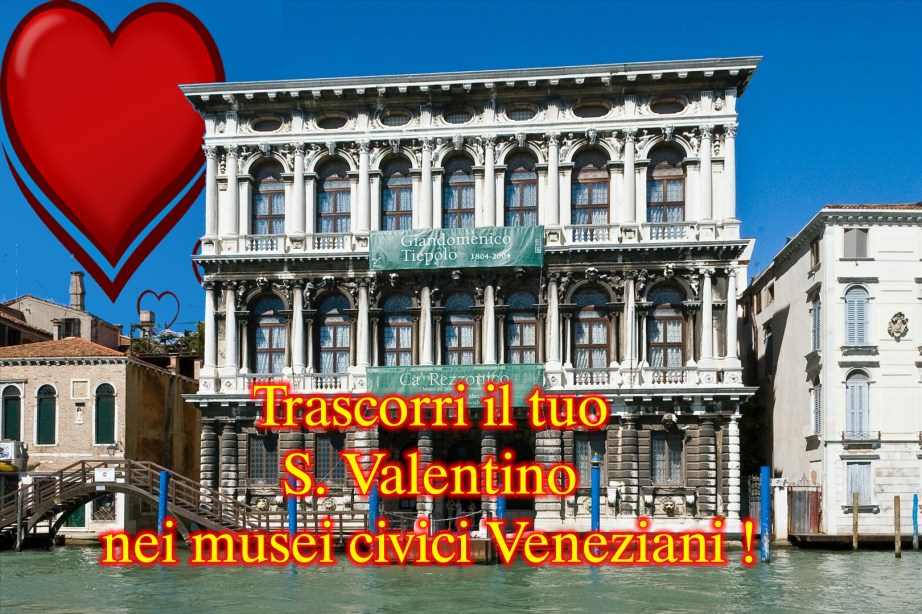
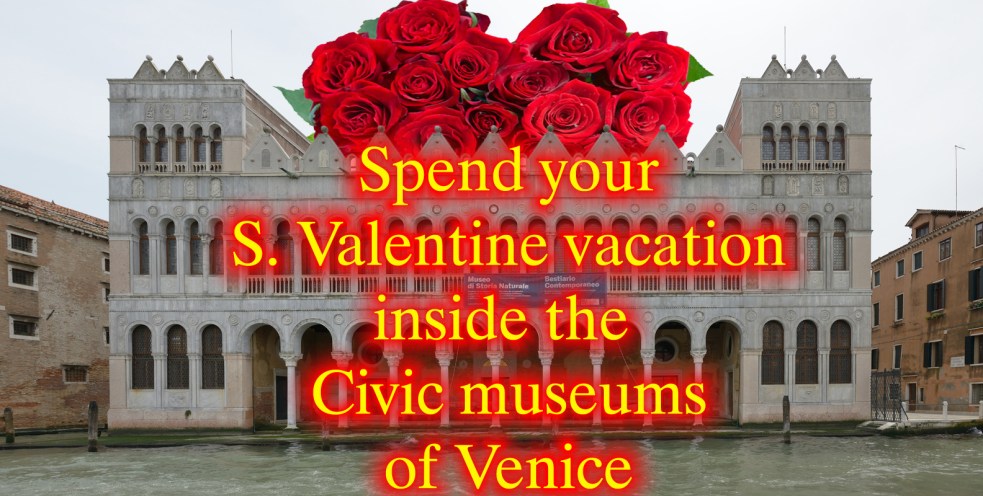
E dopo Carnevale, ecco un’altra splendida occasione per voi tutti che venite a visitare Venezia ! Quale magnifica occasione di visitare una città romantica come Venezia, proprio nel giorno di S. Valentino ! E perché non farlo dentro ai Musei Civici ?
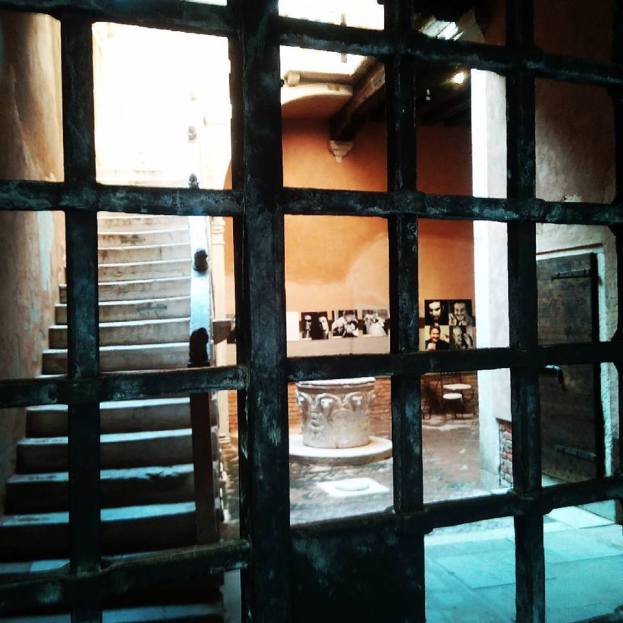
Una leggenda, dice che il ponte dei sospiri di Palazzo Ducale, è il ponte degli innamorati, ma purtroppo devo confessarvi che non è così. I sospiri non erano di innamorati , ma di condannati alle prigioni del Palazzo, e quando attraversavano il ponte, attraverso le inferiate, potevano vedere per l’ultima volta il mondo esterno, ecco il perché dei sospiri.
Ma leggenda a parte, tutta la città di Venezia è romantica e meta ideale per il vostro S. Valentino, e potete prendere due piccioni con una fava e visitare i magnifici Musei Civici ! Palazzo Ducale, Museo di Cà Rezzonico, Museo Correr, Palazzo Fortuny, Casa Goldoni, Palazzo Mocenigo, Museo di Cà Pesaro ! Sono tutte mete speciali per passare un week end (o più giorni) per le coppie innamorate.. Vi aspettiamo !!
S. Valentine’s day in Venice !
And after the Carnival, you have another wonderful opportunity to visit Venice! What a unique occasion to visit a romantic city like Venice, right in the Valentine’s Day! And why not do it visiting the beautiful Civic Museums?
A legend says that the bridge of sighs of the Doge’s Palace, is the bridge of lovers, but unfortunately I have to confess that it is not true! The sighs were not from men in love, but from the sentenced criminals to the prisons of the palace, when they crossed the bridge, through the bars, they could see for the last time the outside world, that’s why they sighed.
But legends aside, the whole city of Venice is romantic and ideal destination for your S.Valentine’s day and you can kill two birds with one stone choosing to visit the magnificent Civic Museums while you are there! The Doge’s Palace, the Museum of Ca ‘Rezzonico, Correr Museum, Fortuny’s Palace, Goldoni’s House, Mocenigo’s Palace, the Museum of Cà Pesaro! They are all special places to spend a weekend (or more days) for couples in love .. Come, we will welcome all of you with open arms !!
For the english version, please scroll down the page
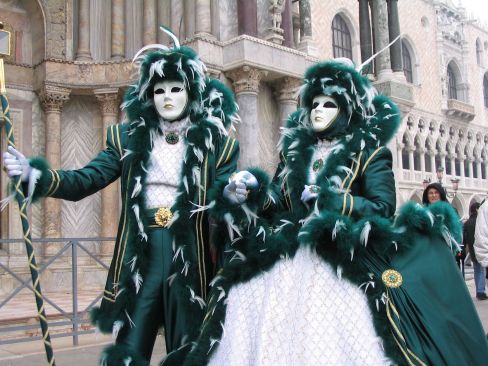
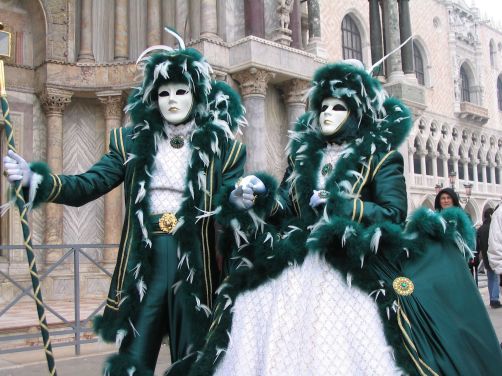
Quale grossa opportunità voi avete se venite a Venezia per il carnevale. In qualunque momento, voi potete venire in questa città come semplice turista, ma quando mai vi capita di farlo nel periodo di Carnevale? Avete la possibilità di noleggiare un vestito, magari uno del settecento, e girare per la città ! Avrete così la possibilità di tornare per un breve periodo indietro nel tempo ! Non è fantastico !
Io vi consiglierei poi, una volta noleggiato il vestito di andare nei Musei di Palazzo Ducale, Cà Rezzonico, Casa Goldoni, Palazzo Mocenigo, Cà Pesaro, dove potrete farvi delle foto negli ambienti che ricordano il passato !
Carnival in Venice
What great opportunity you have if you come to Venice for the carnival. At any time, you can come to this city as a simple tourist, but when ever you happen to do during Carnival? You can rent a dress, maybe one of the eighteenth century, and going around the city! It will be for you, like to go back in time, even if for a short while ! Isn’t it fantastic !
I would advise you, when you rent a dress, to go to the Doge’s Palace, Ca’Rezzonico Museum, Carlo Goldoni’s House, Mocenigo Palace, Ca’ Pesaro Museum, where you can make pictures of yourself in the environments that recall the past !
Grandi occasioni per chi viene a Venezia in questo periodo. Eh si, finalmente è arrivato il carnevale, e quindi tutti quelli che verranno, potranno godersi il carnevale, vedere le maschere e andare a vedere gli eventi organizzati dalla Fondazione Civici Musei.
Quest’anno, gli eventi si terranno nel bellissimo Museo di Cà Rezzonico, e nella magnifica Casa di Carlo Goldoni. Visto il grande successo che si è riscosso l’anno scorso, si è deciso di far rappresentare alcune commedie teatrali all’interno dei Musei.
Nel 400° anniversario della morte di William Shakespeare (1616-2016) Ca’ Rezzonico diventa il luogo dove verranno rappresentate le sue opere “Women in love – ovvero le donne di Shakespeare”, la famosa commedia che vede i personaggi di Otello, Desdemona e Jago, ad opera del Teatro Stabile del Veneto con: Susanna Costaglione, Marta Richeldi. Tali recite saranno ripetuti in 3 diversi cicli di serate.
Eccovi la lista degli eventi:
Il 30 e 31 gennaio, a Cà Rezzonico, si potrà vedere “Women in love -Le donne di Shakespeare” Women in Love 30-31 gennaio
Si replica il pochi giorni dopo, esattamente il 4 e 8 Febbraio, sempre con l’opera “Women in love” Women in love 4 – 8 Febbraio
For the english version, please scroll down the page.
Di recente sono stato di turno al Museo Fortuny di Venezia. Per chi non lo sapesse, il Museo Fortuny, a differenza di tutti gli altri musei della Fondazione Civici di Venezia, è particolare per almeno due ragioni:
Ospita per la maggior parte, mostre ispirate alle donne, o create da artiste donne, anche se sono state ospiti mostre di ogni artista, ma ognuna stupenda nel suo genere.
Apre solo quando c’è una mostra da esporre, altrimenti rimane chiuso. Ecco perché non bisogna lasciarsi scappare l’opportunità di vedere questo stupendo museo quando è aperto.
In questo periodo il museo Fortuny, non ospita una mostra, ma bensì quattro ! Si avete capito bene, ci sono quattro stupende mostre, che attendono solo voi. Queste mostre fanno parte del ciclo “inverno a Palazzo Fortuny” e ospitano su tre piani (dal piano terra fino al secondo – il terzo è chiuso) le mostre dedicate a quattro stupende donne:
Henriette Fortuny
Romaine Brooks
Sarah Moon
Ida Barbarigo
A piano terra, è ospitato la mostra dedicata a Ida Barbarigo: “Erme e Saturni” questo è il titolo di questa sua mostra. Sebbene io non avessi lavorato a quel piano, mi ci sono recato nel mio giorno libero, per avere un’idea più chiara su queste intriganti artiste. Ebbene si, intriganti, ho usato questa parola, diciamo che sono piene di fascino, mistero queste donne, e i loro capolavori sono meravigliosi, enigmatici a volte, ma sempre stupendi e ricchi di significato, di domande.
Ammetto che le opere di Ida Barbarigo non sono di facile interpretazione, il che mi fa pensare se è necessario un maggior studio delle sue opere. Ella è una discendente di una famiglia di artisti, le opere presenti, sono state concepite tra il 1980 e la fine degli anni novanta. Le Erme e i Saturni, sono delle enigmatiche opere che rappresentano il difficile percorso dell’artista, tramite la pittura, la tela, i colori ect.
Rimango alcuni minuti a guardare le sue opere mentre le memorizzo nella memory card della mia macchina fotografica. Faraoni, sfingi, erme, saturni.. Tutti quadri con forte tinte di rosso, personaggi che si coprono il volto con le mani, o appena distinguibili, come fossero trasparenti, o circondati dalla nebbia.. questa è l’impressione che ho avuto, anche se ripeto, è solo un’opinione dettata dalla mia scarsa preparazione pittorica.
Mi reco all’accesso per i piani superiori, passo il bookshop dove più tardi comprerò i libri su queste donne che mi hanno tanto colpito. Come giungo in cima, mi colpisce, mi lascia del tutto senza fiato il splendido quadro di Romaine Brooks “primavera”. Non ho mai visto niente del genere, niente di così bello !
Romaine Brooks, era una donna straordinaria, mi sarebbe piaciuto tanto averla conosciuta. Una donna fragile, dall’anima un po tormentata, a causa della madre che ricopriva di più attenzioni il figlio afflitto da una malattia mentale, sentendosi così rifiutata.
Tornando al dipinto, esso vede come protagonista una donna nuda di cui una metà coperta da un mantello nero, mentre tiene una lunga ghirlanda di fiori, mentre un cervo solitario sembra allontanarsi dalla scena. Chi è costei ? Questa splendida creatura dallo sguardo rivolto verso il basso, quasi chiuso? Ella è Persephone, la Dea mitologica rapita da Ade e portata negli inferi. In che contesto temporale è qui inquadrata ? Prima del suo rapimento, o durante uno dei suoi temporanei ritorni nella sfera terreste ?
La Dea non è proprio collocata al centro del quadro, eppure lei è la figura dominante, tutto il resto passa in secondo piano, come se tutto il resto fosse inghiottito dalla nebbia. L’espressione del viso è quella che colpisce più di tutto.. sembra quasi tristezza, ma di chi ? Di Persephone o dell’artista ?
Altri suoi quadri sono altrettanto belli e significativi, il secondo più bello direi che è la “Venere piangente” le cui sembianze sembrano siano state prese dalla modella Ida Rubinstein, che senz’altro si può affermare, sia stata una dei personaggi che ha ispirato l’artista e che sono stati importanti nella sua vita. Altri suoi lavori importanti sono stati il ritratto di Gabriele D’Annunzio, di Jean Cocteau, di Paul Morand; I suoi disegni sono semplici ma ricchi di signicato.. eppure mi torna sempre in mente l’immagine della “primavera” !
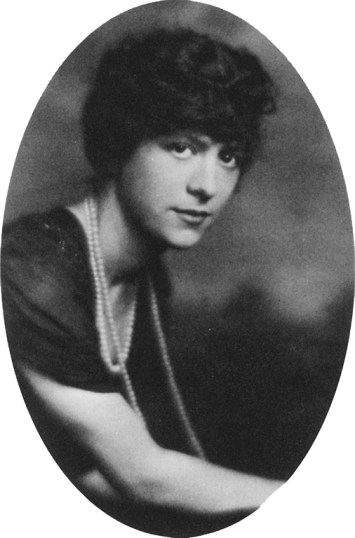
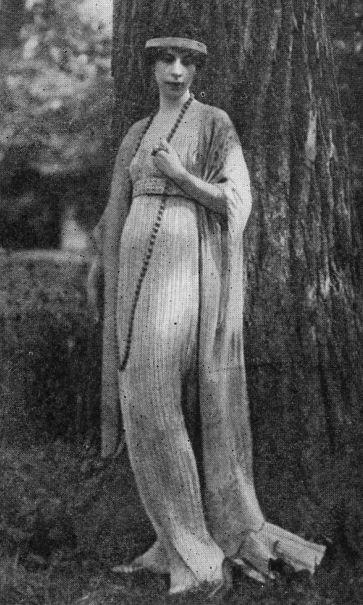
Il primo piano però non è incentrato solo su di lei, ci sono molte opere che ricordano Henriette Fortuny l’unica vera musa di Fortuny stesso. Mi viene il mente il detto che dietro un grande uomo c’è sempre una grande donna. Bè è il suo caso. Almeno è questo che traspare dalle foto, dai piccoli frammenti di vecchi filmini delle vacanze . La storia di una coppia semplice, di due parti che si sono trovate, e che insieme hanno fatto la storia del tessuto. E’ lo stesso Mariano Fortuny a rivelare che dietro il successo del Delphos c’è proprio Henriette, infatti la si nota in molte foto mentre indossa l’abito. Esso non è altro che una tunica in taffetà di seta con una plissettatura che si rifà ad Auriga, la statua di bronzo scoperta a Delfi. Anche il knossos ebbe molto sucesso: un telo fatto in raso di seta, stampato in nero e avorio su sfondo chiaro con motivi greci tra l’ellenico e il minoico. Fortuny fu molto conosciuto all’estero, specialmente negli Stati Uniti, quando Elsie McNeil, lo convinse ad aprire un negozio da lei gestito a New york, sarà proprio a lei che Henriette affiderà il destino della fabbrica della giudecca dopo la morte di Fortuny avvenuta nel 1949.
E’ stupefacente poter ammirare tutte queste fotografie, quadri dove Henriette viene ritratta, è per noi un’opportunità di conoscere questa donna straordinaria, che fino adesso non avevo sentito parlare tanto. Ovviamente di Mariano Fortuny si è detto, si è scritto tanto, ma grazie a questa mostra, si può finalmente conoscere, ammirare questa grande donna !
Sarah Moon è presente al secondo piano. Quarta donna ospite in questo museo, ella ha voluto offrire un omaggio a Mariano Fortuny con le sue foto, le sue stampe a getto d’inchiostro e ai sali d’argento. Il bianco e nero, delle sue opere, è volutamente scelto perché comunica un punto di vista totalmente differente. Il bianco e nero rievoca il passato, i ricordi , sottolinea i dettagli, evoca nuovi sfondi di luci e ombre. Sarah Moon, con le sue opere ci offre una visione, uno sguardo ai capolavori di Fortuny in maniera diversa; questo ci appare quando ci soffermiamo a guardare i suoi scatti, le pieghe dei tessuti ci appaiono come pieghe dello spazio tempo.. a ogni singola piega, ci si avvicina per guardare meglio, per poi arretrare di qualche passo per guardare l’opera nel suo insieme.
Sono tutte delle mostre stupende, confesso che rimarrei ore ad osservare i quadri di Romaine Brooks e le foto di Henriette Fortuny. Consiglio a tutti di andare a vedere queste mostre, è un’opportunità unica !!
Four great women
Recently I was on duty at the Fortuny Museum in Venice. For thosewho do not know, the Fortuny Museum, unlike all the other museums of the Civic Museums Foundation of Venice, it’s particular for at least two reasons:
Houses for the most part, exhibitions inspired by the women, or created by them, even if, from time to time there has been exibitions of different kind but always beautiful.
It’s opens only when there is an exhibition to be displayed, otherwise the palace is closed. That’s why we should not pass up the opportunity to see this wonderful museum when it opened.
In this period the Fortuny Museum, it does not host an exhibition, but rather four! Yes you heard right, there are four wonderful exhibitions, waiting for you inside. These exhibitions are part of the cycle “Winter at Fortuny Palace”, they are placed all over three floors (from the ground floor up to the second – the third is closed), exhibitions dedicated to four beautiful women:
Henriette Fortuny
Romaine Brooks
Sarah Moon
Ida Barbarigo
On the ground floor, there is an exhibition dedicated to Ida Barbarigo: “Erme and Saturns” this is the title of her exhibition. Although I had not worked on that floor, I went there on my day off, to get a better idea about these intriguing artists. Yes, intriguing, I used that word, let’s say they are full of charm, mysterious, and their masterpieces are wonderful, enigmatic at times, but always beautiful, full of deep meanings, and questions.
I admit that the works of Ida Barbarigo are not easy to interpret, that makes me think if I need a much larger time to study her works. She is a descendant of a family of artists, the artworks were designed between 1980 and the end of the nineties. The Erme and Saturns, are enigmatic works representing the difficult path of the artist, through painting, canvas, color ect.
I stayed a some minutes to look at each of her works while I memorize them on the memory card of my camera. Pharaohs, sphinxes, Herms, Saturnian .. All paintings with strong colors of red, characters who cover their faces with their hands, or barely discernible, as if they were transparent, or surrounded by the fog .. this is the impression I got, although I repeat, it’s just an opinion dictated by my lack of preparation pictorial.
I went to the access to the upper floors, passed the bookshop where later I bought books about these women that I was so impressed. As I reach the top, it striked me, left me complety breathless as I saw the splendid picture of Romaine Brooks “Spring”. I’ve never seen anything like that, anything so beautiful!
Romaine Brooks, was an extraordinary woman, I would have loved to have met her. A fragile woman, tormented soul, because of the mother that gaved more attentions to her brother afflicted with a mental illness, making her feeling rejected and unloved.
Returning to the painting, it represents a naked woman, one half of her body covered by a black cloak, holding a long garland of flowers, while a deer seems lonely going away from the scene. Who is she? This beautiful creature with her eyes face down, almost closed? She is Persephone, the mythological Goddess abducted by Hades and taken to the underworld. In which context, in what time is she framed? Before her kidnapping, or during one of her temporary return to the terrestrial sphere?
The Goddess is not just set in the center of the picture, and yet she is the dominant figure, everything else fades into the background, as if all that was swallowed by the fog. The facial expression is one that affects most of all .. it seems almost sad, but whose? Persephone or the artist?
Her other paintings are just as beautiful and meaningful; the second one most beautiful I would daresay is the “The Weeping Venus”, whose features seem to have been inspired by Ida Rubinstein, a model, that certainly we can say, she was one of the characters that inspired the artist and that were important in her life. Other famous paintins were the portrait of Gabriele D’Annunzio, Jean Cocteau, Paul Morand; her drawings are simple but rich of meaning .. and yet I keep thinking at the painting of the “Spring”!
The first floor, however, is not focused only on her, there are many works that recall the only one real muse Henriette Fortuny of Mariano Fortuny himself. I seem to remember the saying that behind every great man there is a great woman. Well this is the case. At least that’s what transpires from the photos, from small fragments of old holiday movies. The simple story of a couple, the two half parts of a soul that had found themselves, and together they made the history of fabrics. It’s Mariano Fortuny himself to reveal that behind the success of Delphos’s was Henriette; this fact is noted in many pictures where she is wearing the dress. The Delpho is nothing but a tunic in silk taffetà with a pleat that remind Auriga, the bronze statue discovered in Delphi. The Knossos had also great sucess: a cloth made of silk satin, printed in black and ivory on a light background with Greek motifs between the Greek and Minoan. Fortuny was well known abroad, especially in the US, when Elsie McNeil, convinced him to open a shop run by her in New York, It will be her that Henriette entrust to lead the destiny of the Giudecca factory after the death of Fortuny which took place in 1949.
It ‘amazing to admire all these photographs, paintings where Henriette is portrayed, it’s an opportunity for us to know this remarkable woman, who until now has not been talked about much. Obviously about Mariano Fortuny much has been said, much has been written, but thanks to this exhibition, we can finally know, and admire this great woman!
Sarah Moon is on the second floor. Fourth woman guest at this museum, she wanted to offer a tribute to Mariano Fortuny with her photos, her prints inkjet and silver salts. The black and white of her works, is deliberately chosen because it conveys a totally different point of view. The black and white evokes the past, memories, emphasizes the details, evokes new background of light and shadow. Sarah Moon, with her works gives us a vision, a look to the masterpieces of Fortuny totally different; this is clear to us when we stop to look at her photos, the folds of tissue appear as folds of space and time .. every single fold, you get closer for a better look, and then move back a few steps to watch the work in its together.
They are all wonderful exhibitions, I confess that I would stay hours observing the paintings of Romaine Brooks and photos of Henriette Fortuny. I recommend everyone to go and see these exhibitions, it is a unique opportunity !!




 Diario di un operatore museale