William Merritt Chase

Jpeg

For the English translation, please scroll down the page, thank you !

Alcuni giorni fa, sono andato a Cà Pesaro per visitare la nuova mostra su “William Merritt Chase, un pittore tra New York e Venezia”. William Merrit Chase è un pittore Americano vissuto tra il 1849 e il 1916, ed è considerato dagli storici dell’arte come un grande artista dell’impressionismo Americano.

La mostra si trova al secondo piano ed è suddivisa in 9 tematiche:

  • Il prodotto delle acque
  • Firenze e Venezia
  • La natura morta
  • Shinnecock Hills
  • Città e paesaggi Americani
  • L’intimità familiare
  • Ritratti femminili
  • Lo studio della 10 strada
  • Il giapponismo

Le opere presenti sono tante, e provengono da molte città americane quali : New York – National Accademy Museum, Boston – Museum of fine Arts, Chicago – Terra Foundation for American art, Pittsburgh –  carnegie Museum of art, Filadelfia – Pennsylvania Accademy of fine art, Providence – Rhode Island School of Design Museum of art, Richmond – Art Museum, e da altre parti del mondo come dagli Uffizi di Firenze, dal Museum of art di Toledo, dal Philbrook Museum of art di Tulsa ect.

wla_brooklynmuseum_william_merritt_chase_studio_interior chase_william_merritt_self_portrait_1915 william_merritt_chase_-_girl_in_a_japanese_costume_-_google_art_project

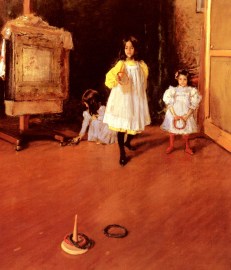
chase_william_merritt_ring_toss_1896

chase_william_merritt_portrait_of_a_lady_in_pink_1888 brooklyn_museum_-_lydia_field_emmet_-_william_merritt_chase_-_overall

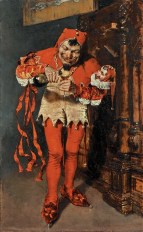
william_merritt_chase_keying_up

william_merritt_chase_1849_-_1916_young_woman_before_a_mirror frank_duveneck_-_the_turkish_page

 Figlio di un commerciante che nel 1861 si trasferì con la famiglia a Indianapolis, egli dimostra subito un precoce interesse per l’arte e impara a disegnare per conto suo. Dopo un breve periodo svolto in Marina, gli insegnanti di Chase, i pittori B.F. Hays e Jacob Cox, gli suggeriscono di trasferirsi a New York per migliorare il suo percorso didatticco artistico. A New York nel 1869, per un periodo studia con Joseph Oriel Eaton e poi si iscrive al National Academy of Design dove diventa allievo dell’ artista francese Jean-Léon Gérôme.

Nel 1870, a causa di sfortunati eventi finanziari, la famiglia Chase è costretta a lasciare New York per St. Louis nel Missouri e William, ormai ventunenne, per aiutare a sostenere la famiglia pubblica i suoi primi dipinti.  Il talento di William Chase attrae l’interesse di ricchi collezionisti della città, che gli propongono un viaggio in Europa di due anni in modo tale che il giovane pittore li aiuti nell’acquisto di quadri di pittori europei per le loro collezioni.

In Europa Chase frequenta l’Accademia di Belle Arti di Monaco di Baviera, che in quel periodo era meta preferita dagli artisti americani, dove studia  i suoi pittori preferiti Diego Velázquez e Frans Hals. Sempre a Monaco egli studia presso Alexander Von Wagner e  Karl von Piloty, mentre stringe amicizia con Walter Shirlaw, Frank Duveneck, Joseph Frank Currier e assieme a loro dipinge opere figurative.

Nel mese di gennaio 1876 presenta presso la Boston Art Club un ritratto dal titolo “Keying Up” – il Buffone di Corte e sempre in quel periodo vince una medaglia alla Philadelphia Centennial Exposition. Nel 1886, Chase sposa Alice Gerson e ha ben otto figli;

figli chase

comincia un periodo di grande produzione artistica, periodo in cui le due sue figlie maggiori faranno da modelle per lui. Tornato in America, William Chase è ormai un artista completo che usa con grande maestria i colori ad olio, l’acquarello, il pastello e l’incisione dipingendo tranquillamente figure umane, paesaggi, nature morte e soprattutto ritratti per cui diventa famoso.

Personaggio intrigante, Chase, si fa notare, oltre che per il suo talento, per la scelta di indumenti che ostenta nel vestire, per i suoi modi raffinati e per il suo studio stupendamente  decorato. Chase abbellisce lo studio con mobili raffinati, oggetti decorativi, uccelli impagliati, tappeti orientali, strumenti musicali ed esotici, facendolo diventare un punto d’incontro per la sofisticata gente del mondo dell’arte di New York City. Chase continua a ricevere riconoscimenti e premi sia in patria e all’estero, egli è diventato membro della National Academy of Design di New York e, per dieci anni, è Presidente della Society of American Artists.

Artista sofisticat0, stimato insegnante e rispettato padre di famiglia, fu costretto a chiudere lo studio-salotto di New York e venderlo all’asta, per far fronte alle troppe spese. Con l’aiuto di un mecenate, Chase fonda la Shinnecock Hills Summer School nel 1891 dove insegnerà fino al 1902. Con i suoi alunni Chase introduce il metodo di pittura all’aria aperta, come gli impressionisti francesi, e apre la Chase School of Art nel 1896, che diventa, due anni dopo, la New York School of Art dove egli rimane  come insegnante fino al 1907.

Appassionato dell’insegnamento Chase è stato professore presso la Pennsylvania Academy of Fine Arts 1896-1909; l’Art Students League 1878-1896 e di nuovo 1907-1911, e il Brooklyn Art Association nel 1887 e 1891-1896. Insieme con Robert Henri, suo concorrente in pittura, Chase è stato l’insegnante più importante degli artisti americani verso la fine del XX secolo, influenzando lo stile di una generazione. I numerosi dipinti dove ha ritratto sua moglie Alice e dei loro figli, sono i più famosi, a volte in ritratti individuali e altre volte in scene domestiche: la colazione in giardino, il relax nella casa estiva di Long Island, i bambini che giocano sul pavimento o tra le dune di sabbia di Shinnecock, i paesaggi di Prospect Park, Brooklyn e Central Park a New York. Le persone sono sempre in primo piano, i suoi paesaggi, le pose piacevoli, rilassate su una panchina del parco, stese in spiaggia o sdraiati nell’erba in estate a Shinnecock.
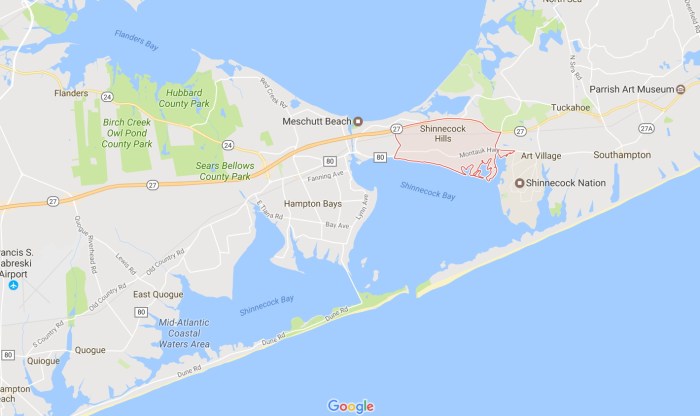
Shinnecock Hills

Opere che gli storici d’arte indicano come chiaro esempio di Impressionismo americano. . Chase è morto il 25 ottobre 1916 nella sua residenza di New York, ha dipinto ed insegnato fino a quasi alla sua morte in California. Oggi le sue opere sono esposte nei Musei più importanti negli Stati Uniti e oggi abbiamo l’opportunità di ammirarle nel bellissimo Museo di Ca Pesaro. Consiglio a tutti quanti di andare a vederla !! La mostra è stupenda, e avete anche gli altri piani da vedere che sono magnifici, il museo di Ca Pesaro è pieno di meraviglie da scoprire.

Clicca per vedere la linea temporale di William Meritt Chase


English Translation
Jpeg

Some days ago, I went to Cà Pesaro to visit the new exhibition “William Merritt Chase, a painter from New York and Venice.” William Merrit Chase was an American painter who lived between 1849 and 1916, and is considered by art historians as a great artist of Impressionism American.

The exhibition is located on the second floor and is divided into nine themes:

  • The Yeld of the waters
  • Florence and Venice
  • The still life
  • Shinnecock Hills
  • Cities and American landscape
  • Familiar intimacy
  • Female portraits
  • The tenth street studio
  • The Japonisme

The works are many, and they come from many American cities such as New York – National Academy Museum, Boston – Museum of Fine Arts, Chicago – Terra Foundation for American Art, Pittsburgh – Carnegie Museum of Art, Philadelphia – Pennsylvania Academy of fine art , Providence – Rhode Island School of Design Museum of Art, Richmond – Art Museum, and other parts of the world such as the Uffizi Gallery in Florence, the Museum of Art in Toledo, from Philbrook Museum of Art Tulsa ect.

wla_brooklynmuseum_william_merritt_chase_studio_interior chase_william_merritt_self_portrait_1915 william_merritt_chase_-_girl_in_a_japanese_costume_-_google_art_project

chase_william_merritt_ring_toss_1896

chase_william_merritt_portrait_of_a_lady_in_pink_1888 brooklyn_museum_-_lydia_field_emmet_-_william_merritt_chase_-_overall

william_merritt_chase_keying_up

william_merritt_chase_1849_-_1916_young_woman_before_a_mirror frank_duveneck_-_the_turkish_page

The son of a merchant who in 1861 moved with his family to Indianapolis, he immediately showed an early interest in art and learn to draw on his own. After a brief period held in the navy, teachers Chase, the B.F. painters Hays and Jacob Cox, suggest to him to move to New York to improve her artistic path. In New York in 1869, a period he studied with Joseph Oriel Eaton and then enrolled at the National Academy of Design, where he became a student of ‘French artist Jean-Léon Gérôme.

In 1870, due to unfortunate financial events, the Chase family is forced to leave New York for St. Louis in Missouri and William, now twenty-one, to help support the family publishes his first paintings. The William Chase talent attracts the interest of wealthy collectors of the city, which offer a trip to Europe for two years so that the young painter to help them in the purchase of European painters paintings for their collections.

In Europe Chase attended the Academy of Fine Arts in Monaco of Bavaria, which at the time was the preferred destination for American artists, where he studied his favorite painters Diego Velázquez and Frans Hals. Also in Monaco, he studied at Alexander von Wagner and Karl von Piloty, and befriended Walter Shirlaw, Frank Duveneck, Joseph Frank Currier and with them he painted figurative works.

In the month of January 1876 at the Boston Art Club presents a portrait titled “Keying Up” – The Court Jester, and in that same period he won a medal at the Philadelphia Centennial Exposition. In 1886, Chase married Alice Gerson and has eight children;

figli chase

It begins a period of great artistic production, a period when his two elder daughters will serve as models for him. Back in America, William Chase is now a complete artist who uses with great skill the colors to oil, watercolor, pastel and engraving depicting calmly human figures, landscapes, still lifes and portraits especially for wich he becomes famous.

Intriguing character, Chase, stands out not only for his talent, but also, for the choice of garments that he wore, for his refined manners and for its beautifully decorated studio. Chase beautifies the study with fine furniture, decorative objects, stuffed birds, oriental carpets, and exotic musical instruments, making it a meeting point for the sophisticated people of the art world of New York City. Chase continues to receive accolades and awards both at home and abroad, he became a member of the National Academy of Design in New York and, for ten years, he is President of the Society of American Artists.

Sophisticated artist, respected teacher and respected family man, he had to close the study-lounge in New York and sell it at auction, to cope with too many expenses. With the help of a patron, Chase founded the Shinnecock Hills Summer School in 1891 where he taught until 1902. With his pupils Chase introduces the method of painting in the open air, like the French impressionists, and opens the Chase School of Art in 1896, which became, two years later, the New York School of Art where he remains as a teacher until 1907.

Teaching was his passion,  Chase has been a professor at the Pennsylvania Academy of Fine Arts 1896-1909; the Art Students League 1878-1896 and again 1907-1911, and the Brooklyn Art Association in 1887 and 1891-1896. Along with Robert Henri, its competitor in painting, Chase was the most important teacher of American artists in the late twentieth century, influencing the style of a generation. The numerous paintings which portrayed his wife Alice and their children, are the most famous, sometimes in individual portraits and other times in the domestic scenes: breakfast in the garden, relax in the summer house on Long Island, children playing on the floor or among the sand dunes of Shinnecock, the landscapes of Prospect Park, Brooklyn and Central Park in New York. People are always in the foreground, its landscapes, the poses pleasant, relaxing on a park bench, stretched out on the beach or lying in the grass in the summer at Shinnecock.

Shinnecock Hills

Works that art historians indicate as a clear example of American Impressionism. . Chase died October 25, 1916 at his residence in New York, she painted and taught until almost his death in California. Today his works are exhibited in major museums in the US and today we have the opportunity to admire the beautiful Museum of Ca Pesaro. I advice anyone to go to see it !! The exibition it’s great, and you also have the other floors to visit. The Ca Pesaro Museum is full of wonders !!

Il mito di Giuditta a Mestre

giuditta_decapita_oloferne

C’è una nuova mostra, che farà molto parlare di se, ed è una mostra, credetemi, che richiamerà tanti visitatori della terraferma, e che li invoglierà ad andare, più avanti nel tempo a vedere tutte le meraviglie dei Civici Musei di Venezia.

La mostra in questione si intitola : “ATTORNO A KLIMT. Giuditta, eroismo e seduzione” è cominciata il 14 dicembre e durerà fino al 5 marzo 2017, ed è ospitata al Centro Culturale Candiani di Mestre. Una mostra fortemente voluta dal Sindaco di Venezia Luigi Brugnaro, o meglio, la prima di un ciclo di una serie di eventi, dal titolo: “Corto circuito – Dialogo tra i secoli.

La mostra è incentrata sul mito di Giuditta, la storia è un episodio della Bibbia Cristiana Cattolica, e non in quelle ebraica; è pure narrata nel “Libro di Giuditta”, un libro  detto deuterocanonico, cioè quei libri della Bibbia che sono stati accettati dalla Chiesa latina e dalla Chiesa greca, ma che, per l’Antico Testamento, sono stati parzialmente o totalmente respinti dalla Comunione Anglicana e dalle chiese protestanti che non li ritengono validi ,  ed è  considerato apocrifo.

La storia è ambientata durante il regno di Nabucodonosor. Conclusa vittoriosamente la prima campagna di guerra, il “Grande re” affidò al suo generale Oloferne la campagna d’occidente, durante la quale questi incontrò il popolo di Israele. Assediati, ridotti allo stremo per fame e sete, dopo 34 giorni gli israeliti avrebbero voluto arrendersi, a stento, il loro capo Ozia, riusci a convincerli ad aspettare pochi giorni ancora.

Giuditta, alla notizia dell’intenzione di resa, convoca gli anziani, rimprovera loro la scarsa fede, ne ottiene la fiducia, si veste elegantemente, e si presenta ad Oloferne con la sua serva e con doni, fingendo di essere venuta a tradire il suo popolo.

Condotta alla presenza del generale viene ben accolta, Oloferne la invita al suo banchetto, credendo di poterla anche possedere. Ma quando viene lasciato solo con la donna egli è completamente ubriaco.

Avvicinatasi alla colonna del letto che era dalla parte del capo di Oloferne, ne staccò la scimitarra, poi, accostatasi al letto, afferrò la testa di lui per la chioma e disse: «Dammi forza, Signore Dio d’Israele, in questo momento». E con tutta la forza di cui era capace lo colpì due volte al collo e gli staccò la testa.

Il mito di Giuditta è stato ampiamente raffigurato in molte tele, è interessante notare, che l’arma con cui decapita Oloferne, spesso cambia dimensioni, infatti a volte è raffigurata da un coltellaccio, da sciabola corta, da spada fino allo spadone e alla meno realistica spada lunga.

A Giuditta stessa, vengono attribuiti molti significati, essa viene identificata come la giustizia, ecco il perché della spada lunga, essa è spesso usata nelle esecuzioni capitali. Giuditta, è l’eroina che salva il suo popolo, colei che usa come armi, la sua bellezza, la sua sensualità, la sessualità contro l’invasore nemico violento. E’ il simbolo del bene che trionfa contro il male, l’atto della decapitazione della testa, è la definitiva sconfitta del nemico, infatti, quante volte si sente dire, che, non importa quanti tentacoli ha una piovra, bisogna sempre mirare alla testa.

Giuditta rappresenta il rapporto tra la donna e l’uomo, i due opposti, come Eros e Thanatos, l’amore e la morte, quasi a ricordarci il simbolo dello ying e dello yang.

Ma in questa mostra, non c’è solo spazio, per Giuditta, altre come lei sono ospitate in questi locali, come ad esempio la storia di Giaele e Sisara: la storia di una delle terribili eroine dell’Antico Testamento: si tratta di Giaele, la cui storia è narrata nel Libro dei Giudici. Dopo aver attratto nella propria tenda Sisara, il generale Cananeo sconfitto dal popolo d’Israele, lo uccide nel sonno conficcandogli un picchetto della tenda nel cranio.

Inoltre è possibile  vedere altre personaggi simili, quali Leda, Europa, Dione, Danae: tutte figure femminili che Zeus seduce, trasformandosi in varie forme animali, come il cigno, il toro, una nuvola ect. Ricordiamoci che per l’appunto la mostra descrivono atti di eroismo e di seduzione.

La mostra ospita numerose opere incentrata su questi temi, molti dei quali provengono dai Musei Civici Veneziani, quali Cà Rezzonico, Cà Pesaro, Museo Correr, dall’archivio del Museo Fortuny, dal Museo di arte contemporanea di Trento e Rovereto e da numerose collezioni private. Inoltre è possibile vedere un video in bianco e nero “Giuditta: metamorfosi sullo schermo” fatto da un team di studiosi dell’università di Padova, in cui è montato una serie di spezzoni di vecchie pellicole delle più famose dive che hanno fatto la loro comparsa sul grande schermo fin dai primi vent’anni del secolo passato.

E in più, la ciliegina sulla torta, il celebre quadro “Giuditta 2” di Klimt, presentato a Venezia nel 1909, fu acquistato dalla Galleria d’Arte Moderna ed è oggi esposto nella sede del Museo Ca’ Pesaro. La cosa che mi ha colpito di più su questo quadro, è che si ha la sensazione  che il quadro si allunghi, non so spiegarmi meglio, ma ho questa impressione, e mi ricordano alcune stampe giapponesi antiche, che vidi molto tempo fa.

In conclusione, una mostra fantastica ! Mi è piaciuta moltissimo, e sono dell’opinione, che piacerà a tante altre persone. Questa è un’occasione unica per portare la gente a conoscere i Musei Civici di Venezia, e le sue opere. Quando ammirate un quadro, guardate anche la targhetta descrittiva, guardate da dove proviene, vi verrà voglia di saperne di più, su molte altre opere di cui abbiamo la fortuna di avere a poca distanza.. Andate a vedere la mostra, non ve ne pentirete !

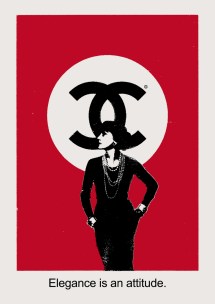
I libri di Coco Chanel

coco

For the English translation, plese scroll down the page, thank you.

Finalmente posso scrivere la recensione sulla bellissima mostra di Coco Chanel di Palazzo Cà Pesarò a Venezia, intitolata per l’appunto “La donna che legge”. Numerosi impegni, mi hanno dato poco spazio da dedicare a questo blog, ma soprattutto, dopo poco tempo ho constatato che la mole di dati su di lei è così grande, che ci vuole molto tempo per assimilarli tutti, e ce ne così tanto per fare anche più di un blog. Sono infatti propenso a scrivere altri 3: uno dedicato alla mostra, uno dedicato alle sue capacità di business woman, che l’hanno portata a diverse sfide nel campo degli affari, e un’altro su di lei e altre donne che hanno vissuto nella stessa epoca e che hanno segnato la nostra storia.

Coco Chanel nasce il 19 agosto del 1883, e ha vissuto in un epoca piena di avvenimenti: Il movimento delle suffragette, la prima guerra mondiale, l’influenza spagnola, la seconda guerra mondiale, la guerra fredda, e così via. Per non parlare della seconda rivoluzione industriale, del futurismo; un periodo pieno di eventi storici / culturali di grande importanza per l’umanità.

La mostra di Cà Pesaro a lei dedicata è alquanto interessante, per il semplice fatto che è centrata sulle sue letture. All’interno della mostra, ci sono pochi vestiti, profumi, gioielli, che uno potrebbe aspettarsi, mentre invece è piena di libri da lei letti, comprati, alcuni di grande valore, in quanto racchiusi in bacheche, in un ambiente semi buio, proprio per conservarli meglio.

I libri sono stati per Coco Chanel, sia uno strumento di cultura, che un rifugio per la sua mente. In quel periodo, le donne non avevano accesso ad una istruzione come l’immaginiamo noi, alcune di loro se benestanti, o accolte nei monasteri potevano sperare in qualcosa, ma sappiamo che la strada per i diritti delle donne è stata lunga, difficile e non ha ancora raggiunto la fine. Inoltre Coco Chanel ha avuto una vita costellata da tristi episodi che l’hanno segnata duramente, anche se lei non lo faceva vedere.

E che libreria aveva ! E’ impressionante non solo la quantità di libri che aveva, ma anche gli autori che lei seguiva, molti gli autori francesi quali: Molierè, Jean de la fontaine, Moupassant, Émile Zola, Marcel Proust. Ma pure autori italiani e stranieri: Jacobus de Voragine, Lord Byron, H. G. Wells, Sir Thomas More, E. Bulwer- Lytton, Shakespeare e anche tanti classici e testi religiosi: Dante, la bibbia, Omero, Platone ect.

Devo dire che sono rimasto molto impressionato da tutti questi nomi, e mentre li guardavo, mi chiedevo come ha acquisito tale libreria e tale sapere. Alcuni libri, autori, le sono stati consigliati ? Altri li ha incontrati di persona ? Non c’è che dire che tutti questi libri rappresentano il sapere umano, e che hanno influenzato positivamente Coco Chanel. La sua intelligenza precoce, con questi libri è aumentata esponenzialmente.

Per questo suo lato di assetata di libri, di sapere, l’ammiro molto. Ho pure io una libreria alta dal pavimento fino al soffitto, talmente piena che non so più dove metterli, e  pure continuo a comprarli. La mia biblioteca non si può certo paragonare alla sua, sono abbastanza monotematico, mi soffermo su pochi autori, che conosco bene e vado sul sicuro.

I libri sono l’unica cura contro tutte le forme più oscure che le nostra epoche hanno vissuto: paure, fobie, intolleranze, incomprensioni.. La lettura dovrebbe essere incoraggiata. Mi accorgo però che i giovani leggono poco, ho la netta sensazione che in qualche modo la scuola rovina il piacere di leggere.. Come tutte le cose, la lettura trova il massimo accesso quando è preso con passione, con grande interesse..

Non posso che incoraggiare a visitare questa mostra, in un unico stupefacente palazzo potrete visitare la Mostra su Coco Chanel, ammirare il museo di Cà Pesaro, e vedere il museo di arte orientale ! Meglio di così !!

English translation:

The books of Coco Chanel

coco

Finally I can write a review on the beautiful exhibition of Coco Chanel in Palazzo Ca ‘Pesaro in Venice, entitled precisely “The woman who reads.” I am sorry I didn’t write this blog about the exibition sooner, but I had an intense work schedule, but above all, after a while I found that the amount of data about her is so great, that it takes a long time to assimilate them all, so much is written about her for a single blog, in fact, I am inclined to write another 3: one dedicated to the exhibition, one dedicated to her business woman skills, which led to several challenges in the field of business, and another on her and other women who have lived in the same era and that have marked our history.

Coco Chanel was born in August 19, 1883, and lived in an eventful era: The movement of the suffragettes, the first World War, the Spanish flu, the Second World War, the Cold War, and so on. Not to mention the second industrial revolution, the Futurism; a period full of historical / arts events  of great importance for humanity.

The exhibition of Cà Pesaro dedicated to her is very interesting, for the simple fact that it is centered on hers readings. In the exhibition, there are a few clothes, perfumes, jewelry, which one might expect, but instead is full of books she read, purchased, some of great value, as they are contained in showcases, in a semi-dark environment, just to preserve them better.

The books were for Coco Chanel, both an instrument of culture, and a shelter for her mind. At that time, women had no access to an education as we imagine, some of them if wealthy, or received in the monasteries could hope for something, but we know that the road to women’s rights has been a long, difficult and has not yet reached the end. Also Coco Chanel had a life punctuated by sad episodes that marked her hard, even though she did not show it.

And that library she had! Most impressive is not only the amount of books she had, but also the authors that she was following, many French authors such as Molière, Jean de la Fontaine, Moupassant, Émile Zola, Marcel Proust. But also Italian and foreign authors: Jacobus de Voragine, Lord Byron, H. G. Wells, Sir Thomas More, E. Bulwer- Lytton, Shakespeare and also many classical and religious texts: Dante, the Bible, Homer, Plato ect.

I must say I was very impressed by all these names, and as I watched them, I wondered how she acquired this library and this knowledge. Some books, authors, have been recommended? Or did  she meet some of them in person? We must say that all of these books represent the human knowledge, and they have positively influenced Coco Chanel. Her already precocious intelligence, with these books has increased exponentially.

For her hungry side for books, for knowleadge, you know, I admire her a lot. I also have a library, high from floor to ceiling, so full that I do not know where to put them, and yet I still buy them. My library, I certainly can not compare to hers, I’m pretty monothematic, I dwell on a few authors, whom I know well and I go on the safe side.

Books are the only cure against all the  darkest feelings our times has ever know: fears, phobias, intolerance, misunderstanding .. The reading should be encouraged. But I find that young people read little, I have the distinct sensation that somehow the school ruin the pleasure of reading .. Like all things, the reading has maximum access when it is taken with passion, with great interest ..

I can only encourage you to visit this exhibition, in one amazing building you can visit the exhibition on Coco Chanel, admire the museum of Cà Pesaro, and see the oriental art museum!  Better than that !!