Nuova mostra a Ca’Sagredo Hotel

For the English translation please scroll down the page thank you !

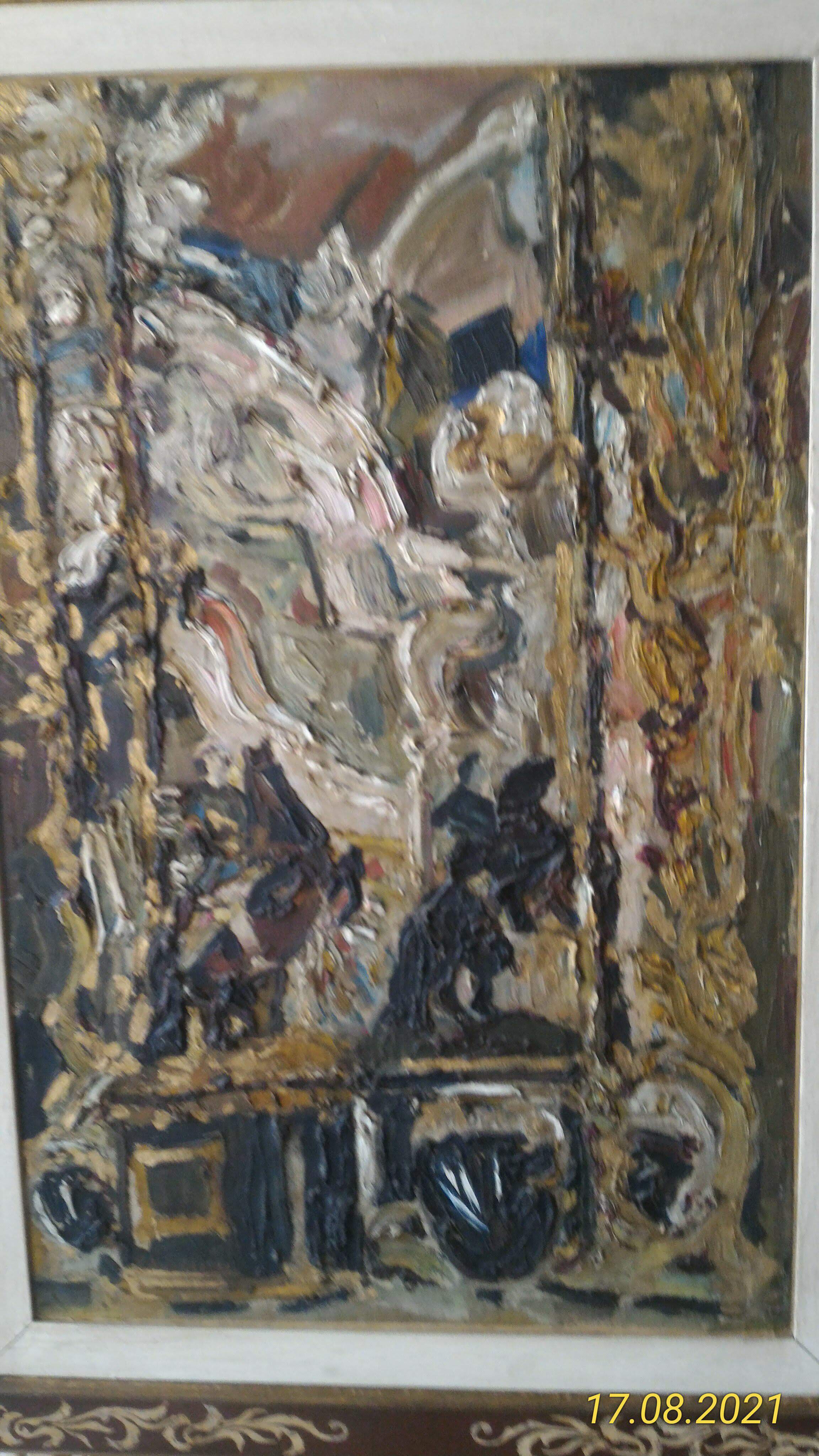
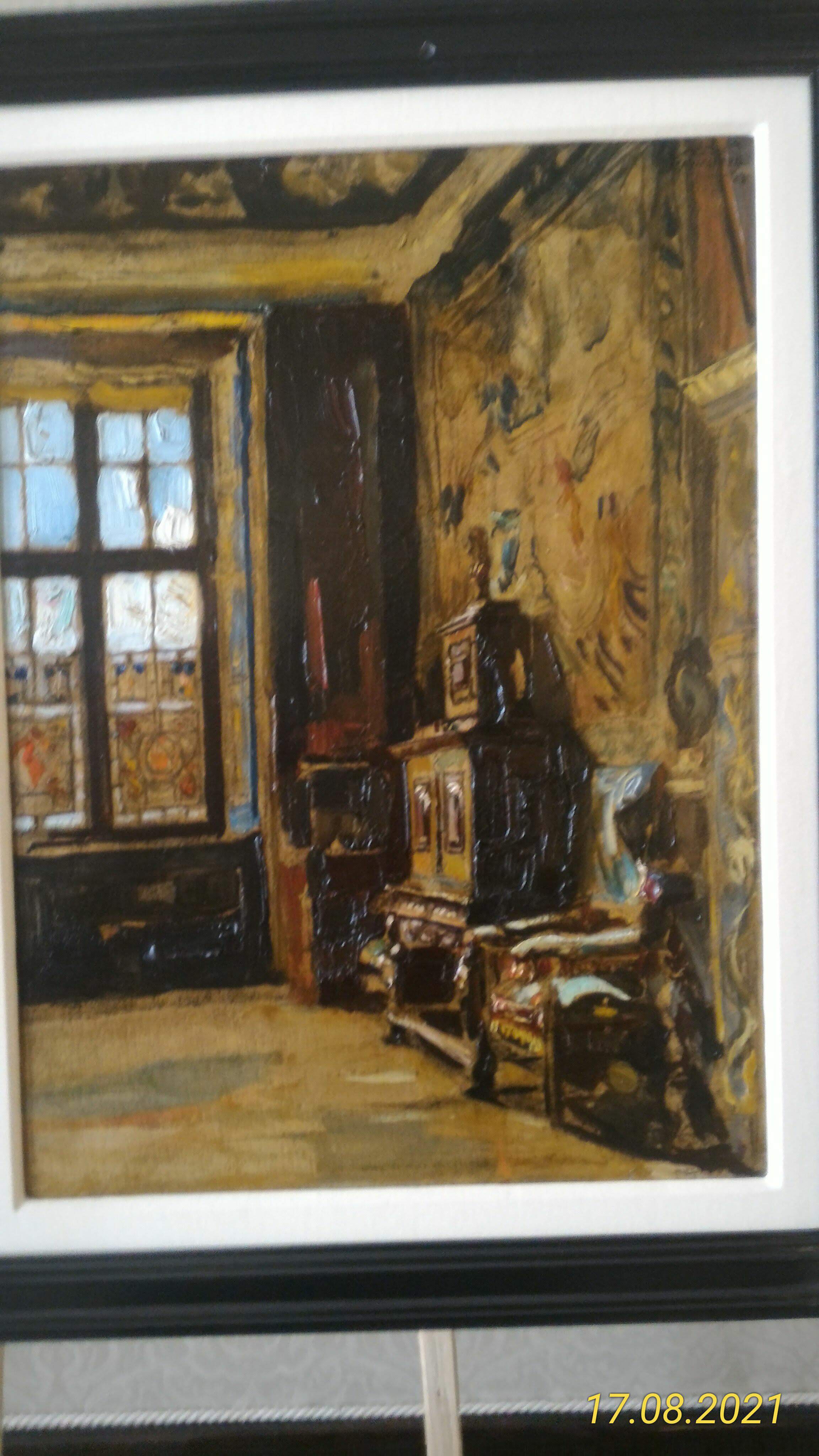
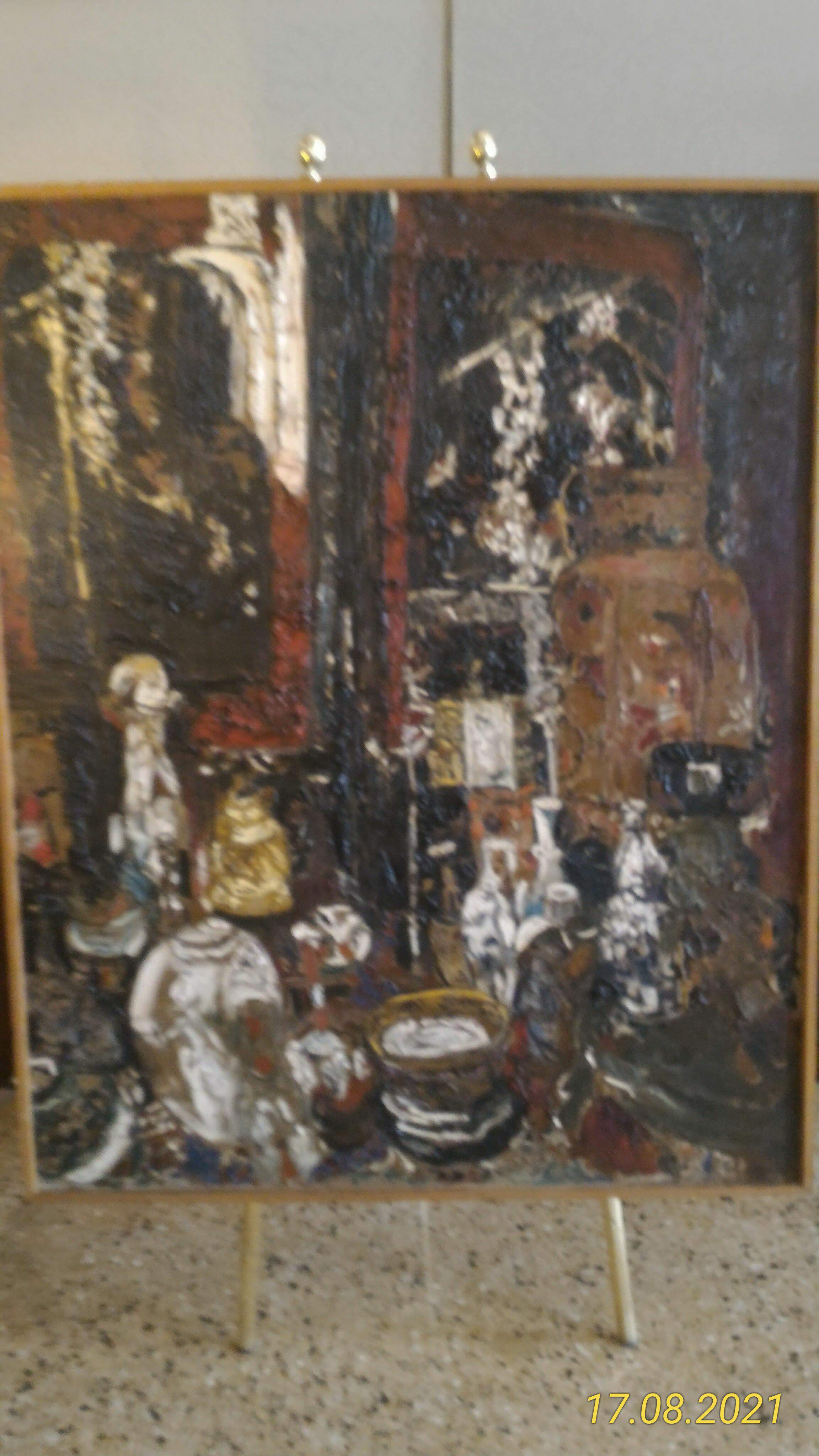
C’è una nuova mostra presso l’hotel Ca’ Sagredo di Venezia, intitolata “Alla ricerca del tempo perduto” dell’artista Mario Cavaglieri, che durerà dal 9 agosto fino al 2 settembre 2021. La mostra è stata presentata da Elisabetta Sgarbi direttrice artistica della rassegna culturale La Milanesiana, dalla Direttrice dell’albergo Lorenza Lain, illustrata dal Prof. Vittorio Sgarbi, letta da Nuccio Ordine, e si preannuncia essere una mostra alquanto interessante, è un peccato che duri così poco.
Mario Cavaglieri, pittore veneto, nasce a Rovigo nel 1887, da famiglia di origine israelita, e tra il 1900 e il 1917 vive a Padova dove frequenta lo studio del pittore Giovanni Vianello, e conosce Felice Casorati. In giovane età, quando ancora non ha compiuto i 20 anni, (intorno al 1907) è presente alla mostra Società Amatori e Cultori di Belle Arti di Roma e, due anni dopo, è presente a Ca’ Pesaro di Venezia, dove esporrà numerose volte fino al 1925. In seguito al soggiorno a Parigi nel 1911, comincerà a partecipare con una certa regolarità alla Biennale della città lagunare.

La sua attività pittorica nel periodo tra il secondo e terzo decennio del 1900, aumenta sempre di più, lo si vede a Milano, nelle edizioni della Permanente del 1914 e 1915 e alla Galleria Pesaro nel 1920. Nel 1921, si sposa con Giulietta Catellini, e nel 1925 soggiorna a Piacenza, per poi trasferirsi a Pavie-sur-Gers, in Guascogna, dove vivrà, ma sempre alternando soggiorni in Italia e Francia, per il resto della sua vita.

Nel 1948, 1950 e nel 1952 partecipa nuovamente alla Biennale di Venezia. Mario Cavaglieri si spegne  a Pavie-sur-Gers il 23 settembre 1969.

Jpeg

Jpeg

Jpeg

Jpeg

Jpeg

Jpeg

In totale sono all’incirca 7 opere, che si possono ammirare nella prima sala a sinistra del primo piano del hotel Ca’Sagredo. Sono tutti quadri molto interessanti, da guardare a lungo per comprendere il messaggio del pittore. E’ un ottima occasione per rivedere questo stupendo albergo, che ospita nella scalinata che conduce al primo piano, il stupendo affresco di Pietro Longhi “la caduta dei giganti”. Invito tutti i residenti di Venezia e turisti a venire a vedere questa stupenda mostra.

New exhibition at Ca’Sagredo Hotel

There is a new exhibition at the Ca ‘Sagredo hotel in Venice, entitled “In search of lost time” by the artist Mario Cavaglieri, which will last from 9 August until 2 September 2021. The exhibition was presented by Elisabetta Sgarbi director art of the cultural review La Milanesiana, by the Hotel Manager Lorenza Lain, illustrated by Professor Vittorio Sgarbi, read by Nuccio Order, and promises to be a very interesting exhibition, it is a pity that it lasts for a short time.

Mario Cavaglieri, a Venetian painter, was born in Rovigo in 1887, his family of Israelite origin, and between 1900 and 1917 he lived in Padua where he attended the studio of the painter Giovanni Vianello, and met Felice Casorati. At a young age, when he has not yet turned 20, (around 1907) he is present at the exhibition Società Amatori e Cultori di Belle Arti in Rome and, two years later, he is present at Ca ‘Pesaro in Venice, where he will exhibit numerous times until 1925. Following his stay in Paris in 1911, he will begin to participate with a certain regularity in the Venice Biennale.

His pictorial activity in the period between the second and third decade of 1900, increases more and more, you can see him in Milan, in the editions of the Permanente of 1914 and 1915 and at the Pesaro Gallery in 1920. In 1921, he married Giulietta Catellini, and in 1925 he stays in Piacenza, and then moves to Pavie-sur-Gers, in Gascogne, where he will live, but always alternating stays in Italy and France, for the rest of his life.

In 1948, 1950 and 1952 he participated again in the Venice Biennale. Mario Cavaglieri died in Pavie-sur-Gers on 23 September 1969.

Jpeg

Jpeg

Jpeg

Jpeg

Jpeg

Jpeg

In total there are approximately 7 works, which can be admired in the first room on the left of the first floor of the Ca’Sagredo hotel. They are all very interesting paintings, to look at for a long time to understand the painter’s message. It is an excellent opportunity to review this wonderful hotel, which houses in the staircase leading to the first floor, the wonderful fresco by Pietro Longhi “the fall of the giants”. I invite all residents of Venice and tourists to come and see this wonderful exhibition.

Un Hotel che sembra un Museo: Ca’Sagredo

For the English translation, please scroll down the page thank you !

Di solito scrivo articoli e post, su musei e mostre, allo scopo di farli conoscere al mondo, specialmente quelli piccoli e meno noti, che non essendo localizzati in Piazza S. Marco, passano inosservati. Questa volta vi voglio far conoscere un’albergo che sembra un museo! E’ qualcosa di veramente eccezionale, i cui ambienti ti lasciano a bocca aperta. In questo articolo vi voglio parlare del Ca’Sagredo hotel di Venezia.

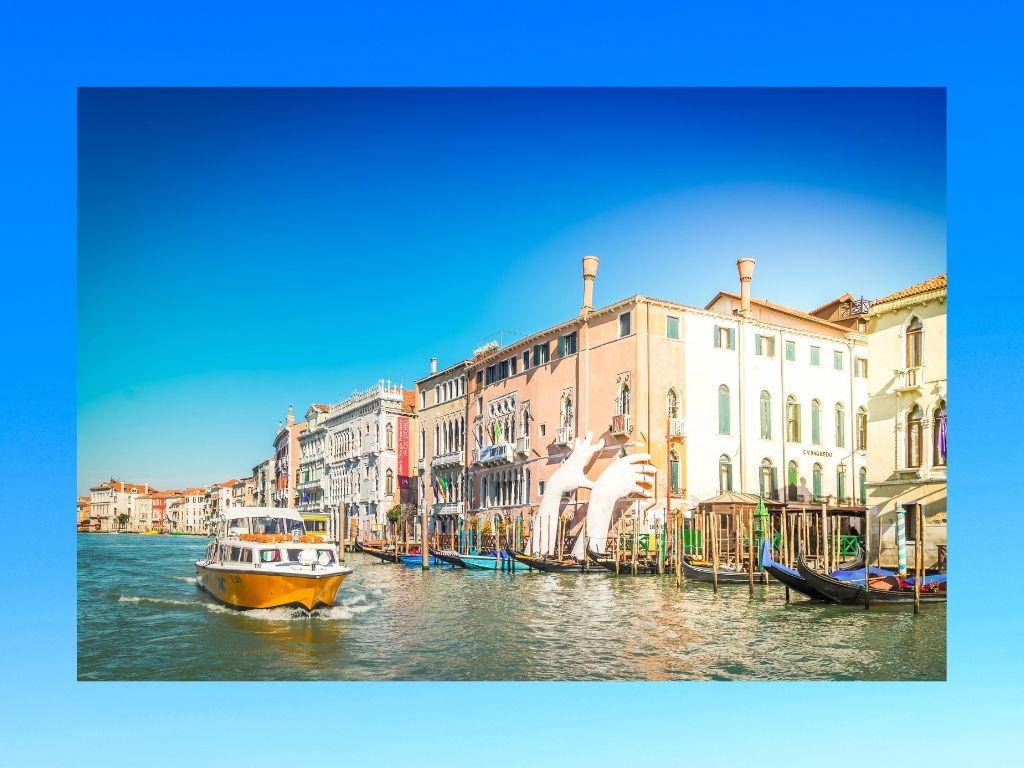
L’hotel Ca’Sagredo, è uno stupendo albergo situato nella strada nuova, a Venezia:

Un albergo molto importante, divenuto famoso anche per la celebre opera di Lorenzo Quinn con le due mani che spuntavano dall’acqua che sostenevano simbolicamente l’albergo. L’edificio come dicevo, è importante in quanto apparteneva alla famiglia nobile dei Sagredo, acquistato, all’inizio del Settecento, da Gerardo Sagredo, parente di Nicolò Sagredo che fu il 105 Doge della Serenissima.

I Sagredo erano collezionisti d’arte e amavano molto Venezia e decisero di farne di questo edificio il loro palazzo. Il patrimonio artistico / culturale di questo palazzo include alcuni stupendi dipinti ad opera di grandi artisti del XVII e XVIII secolo tra cui Niccolò Bambini, Giambattista Tiepolo, Sebastiano Ricci, Pietro Longhi, quest’ultimo il mio preferito con l’affresco “La caduta dei Giganti” realizzato nel 1734. Per chi è appassionato di questo pittore, può ammirarlo qui, e anche nella stanza a lui dedicata al secondo piano del stupendo Museo di Ca’ Rezzonico.

Oltre ai dipinti e agli affreschi, le pareti stesse delle stanze e dei saloni del Piano Nobile sono splendidamente decorate da stucchi di due artisti di Lugano, che agli albori del Settecento lavoravano presso la Repubblica di Venezia: Abbondio Stazio e del suo allievo Carpoforo Mazzetti Tencalla eseguita nel 1718. Nel Casino del quarto piano, all’epoca usato come luogo di incontri e svago del Conte Sagredo, si rimane ammaliati dalla qualità  degli stucchi,  colorati con tinte tenui, che sembra pastello, un vero capolavoro.

L’hotel Ca’Sagredo avvicina il suo pubblico all’arte anche con le sue offerte, che saranno valide una volta che sarà finito il DPCM, e offre ai suoi clienti una serie di servizi per chi prenoterà per almeno un paio di giorni, anche se mi sento di raccomandare di soggiornare a Venezia per molto più tempo, perché ci sono tante cose da vedere.

  • Tour itinerante all’interno delle strutture Associate all’albergo per celebrare un personaggio storico Veneziano attraverso foto, manoscritti e oggetti.
  • Tour con guida di uno o più sestieri alla ricerca delle tracce lasciate dai personaggi più importanti della Serenissima dove si potranno ammirare foto, manoscritti e oggetti.
  • Tour con guida di uno o più sestieri alla ricerca delle tracce lasciate dai personaggi più importanti della Serenissima
  • Sconto del 10 % su una serie di Boutique Veneziane che hanno aderito.
  • Riduzione sul biglietto d’ingresso ad alcuni Musei, tra i quali il Museo Ebraico, e la Scala del Bovolo.
  • Entrata gratuita al Casino

Si tratta dunque, di una vera combinazione vincente per chi vuole soggiornare a Venezia ed è un appassionato di arte, storia, e cultura.

Ca’Sagredo, Hotel or a Museum ? I say it’s both things

I usually write articles and posts, on museums and exhibitions, in order to make them known to the world, especially the small and lesser-known ones, which, are not located in St. Mark’s Square, so they go unnoticed. This time I want to introduce an hotel that looks like a museum! It is something truly exceptional, whose environments leave you speechless. In this article I want to tell you about the Ca’Sagredo hotel in Venice.

The Ca’Sagredo hotel is a wonderful hotel located in the new street in Venice:

A very important hotel, which also became famous lately, for the famous work by Lorenzo Quinn, the two hands sticking out of the water that symbolically supported the hotel. The building, as I said, is important as it belonged to the noble Sagredo family, purchased at the beginning of the eighteenth century by Gerardo Sagredo who was a relative of Nicolò Sagredo the 105 Doge of the Serenissima.

The Sagredos were art collectors and loved Venice very much, and decided to make this building their palace. The artistic / cultural heritage of this palace includes some wonderful paintings by great artists of the 17th and 18th centuries including Niccolò Bambini, Giambattista Tiepolo, Sebastiano Ricci, Pietro Longhi, the latter is my favorite with the fresco “The fall of the Giants “made in 1734. For those who are crazy about this painter, you can admire him here, and also in the room dedicated to him on the second floor of the wonderful Ca ‘Rezzonico Museum.

In addition to the paintings and frescoes, the walls of the rooms and halls of the Noble Floor are beautifully decorated with stuccoes by two artists from Lugano, who at the dawn of the eighteenth century worked for the Republic of Venice: Abbondio Stazio and his pupil /student Carpoforo Mazzetti Tencalla, made in 1718. In the Casino on the fourth floor, which at the time was used as a meeting and entertainment place for Count Sagredo, it’s understandable that one is captivated by the quality of the stuccoes, colored with soft hues, which look like pastel, truly a masterpiece.

The Ca’Sagredo hotel brings its public closer to art also with its offers, which will be valid once it will be safe again to travel, and offers its customers a series of services, for those who book for at least a couple of days, even if I would recommend staying in Venice for much longer, because there are so many things to see.

  • Itinerant tour inside the structures associated with the hotel to celebrate an historical Venetian figure through photos, manuscripts and objects.
  • Guided tour of one, or more districts in search of the tracks left by the most important characters of the Serenissima
  • 10% discount on a series of Venetian Boutiques that have joined.
  • Reduction on the admission ticket to some museums, including the Jewish Museum, and the Scala del Bovolo.
  • Free entry to the Casino

It is therefore a real winning combination for those who want to stay in Venice and are passionate about art, history and culture.