For the English translation please scroll down the page, thank you !

Da tempo non si vedeva una mostra così bella a Palazzo Mocenigo !
Dal 7 marzo fino al 27 luglio 2025, il Museo di Palazzo Mocenigo ospita una mostra unica, “Il seduttore. Il rinnovamento dell’immagine maschile al tempo di Casanova”. Curata da Roberta Orsi Landini e Chiara Squarcina, l’esposizione offre uno sguardo affascinante sull’estetica del XVIII secolo, evidenziando l’importanza della moda come mezzo di affermazione sociale.

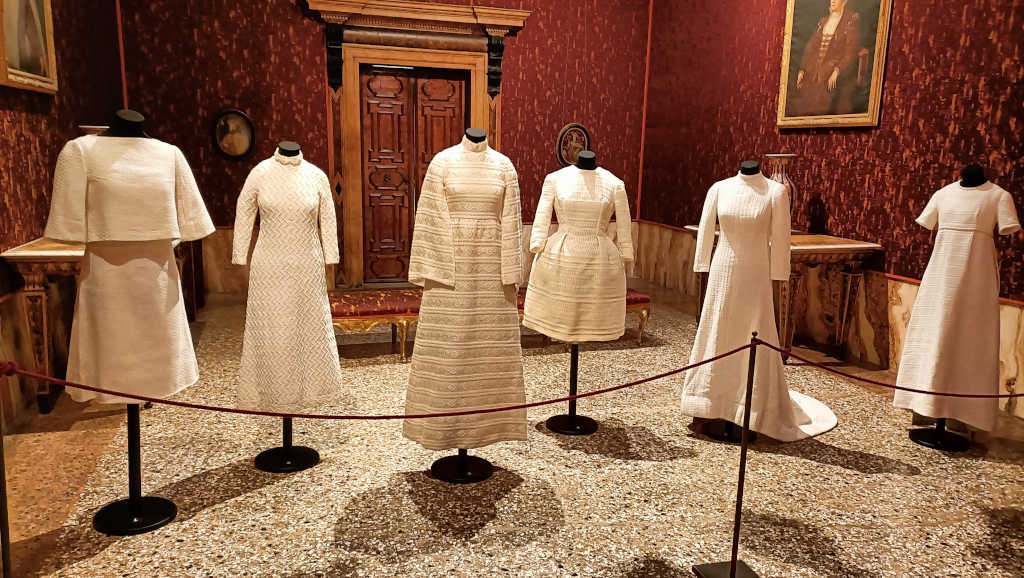
Il percorso espositivo, arricchito da abiti originali maschili e femminili dell’epoca, porta i visitatori nel mondo di Giacomo Casanova, emblema di un’epoca in cui la visibilità sociale veniva spesso espressa attraverso l’abbigliamento. La moda del 1700, con i suoi ornamenti e dettagli, non era solo un segno di lusso, ma un potente strumento di seduzione e potere.
Chi è Roberta Orsi Landini?
La mostra è curata dalla Dott.ssa Chiara Squarcina e dalla Dott.ssa Roberta Orsi Landini. Scopriamo insieme chi sono: Roberta Orsi Landini è una storica della moda di grande esperienza. Ha curato numerose mostre di successo ed è nota per la sua approfondita ricerca sul costume storico. Il suo approccio alla moda come fenomeno sociale e culturale la rende una delle esperte più rispettate nel campo della storia del tessuto e del costume. La Dott.ssa Chiara Squarcina è una storica del costume e della moda, attualmente Direttore Scientifico della Fondazione Musei Civici di Venezia. Con una carriera caratterizzata da un forte impegno nella valorizzazione del patrimonio tessile e dell’evoluzione del costume, ha curato numerose esposizioni, tra cui questa mostra presso il Museo di Palazzo Mocenigo, che esplora l’evoluzione dell’abbigliamento maschile nel XVIII secolo. Ha anche curato mostre come “L’Asse del tempo. Tessuti per l’abbigliamento in seta di Suzhou” e partecipato a conferenze sul legame tra la cultura orientale e la moda occidentale. La sua competenza nel campo dei tessuti e dei costumi storici è ampiamente riconosciuta a livello internazionale, e il suo lavoro contribuisce in modo significativo alla conservazione e valorizzazione del patrimonio legato alla moda e al costume.

La moda del 1700 si contraddistingueva per la raffinatezza e l’opulenza. Gli abiti maschili e femminili erano caratterizzati da corsetti rigidi, pettinature elaborate e l’uso di tessuti pregiati come il velluto e la seta. Questi dettagli, insieme agli accessori come parrucche, calzature e gioielli, definivano non solo lo status sociale, ma anche l’identità di chi li indossava, proprio come nel caso di Casanova, il cui stile di vita e la sua abilità nel sedurre erano intimamente legati alla sua immagine.
Presto pubblicherò altri blog più dettagliati su questa splendida mostra, che vi porteranno a scoprire ogni singolo aspetto di questo evento straordinario. Non perdete l’occasione di vivere un’esperienza unica: la mostra è semplicemente sensazionale e vi sorprenderà in ogni angolo! Vi aspettiamo !!
THE SEDUCTOR. Fashion in the Time of Casanova. New Exhibition at Palazzo Mocenigo
Fashion in the Time of Giacomo Casanova: A Unique Exhibition in Venice
From March 7th until July 27, 2025, the Museum of Palazzo Mocenigo is hosting a unique exhibition, “The Seducer: The Renewal of the Male Image in the Time of Casanova.” Curated by Roberta Orsi Landini and Chiara Squarcina, the exhibition offers a fascinating insight into the aesthetics of the 18th century, highlighting the importance of fashion as a means of social affirmation.
The exhibition, enriched with original 18th-century men’s and women’s clothing, immerses visitors in the world of Giacomo Casanova, an icon of an era where social visibility was often expressed through attire. Fashion in the 1700s, with its embellishments and intricate details, was not just a sign of luxury but a powerful tool of seduction and power.
Who is Roberta Orsi Landini?
The exhibition is curated by Dr. Chiara Squarcina and Dr. Roberta Orsi Landini. Let’s find out who they are: Roberta Orsi Landini is a renowned fashion historian with extensive experience. She has curated numerous successful exhibitions and is known for her in-depth research on historical costume. Her approach to fashion as a social and cultural phenomenon makes her one of the most respected experts in the field of textile and costume history. Dr. Chiara Squarcina is a fashion and costume historian, currently the Scientific Director of the Fondazione Musei Civici di Venezia. With a career focused on the enhancement of textile heritage and the evolution of costume, she has curated numerous exhibitions, including this one at the Museum of Palazzo Mocenigo, which explores the evolution of male fashion in the 18th century. She has also curated exhibitions such as “The Axis of Time: Silk Fabrics for Clothing from Suzhou” and participated in conferences on the connection between Eastern culture and Western fashion. Her expertise in historical textiles and costumes is internationally recognized, and her work contributes significantly to the preservation and enhancement of heritage related to fashion and costume.
Fashion in the 1700s was distinguished by its refinement and opulence. Both men’s and women’s clothing featured rigid corsets, elaborate hairstyles, and the use of luxurious fabrics such as velvet and silk. These details, along with accessories like wigs, shoes, and jewelry, not only defined social status but also the identity of the wearer, as seen with Casanova, whose lifestyle and ability to seduce were intimately tied to his image.
I will soon be publishing more detailed blog posts about this wonderful exhibition, giving you the chance to discover every single aspect of this extraordinary event. Don’t miss the opportunity to experience something truly unique: the exhibition is nothing short of sensational and will amaze you at every turn! We can’t wait to welcome you in this great museum!!
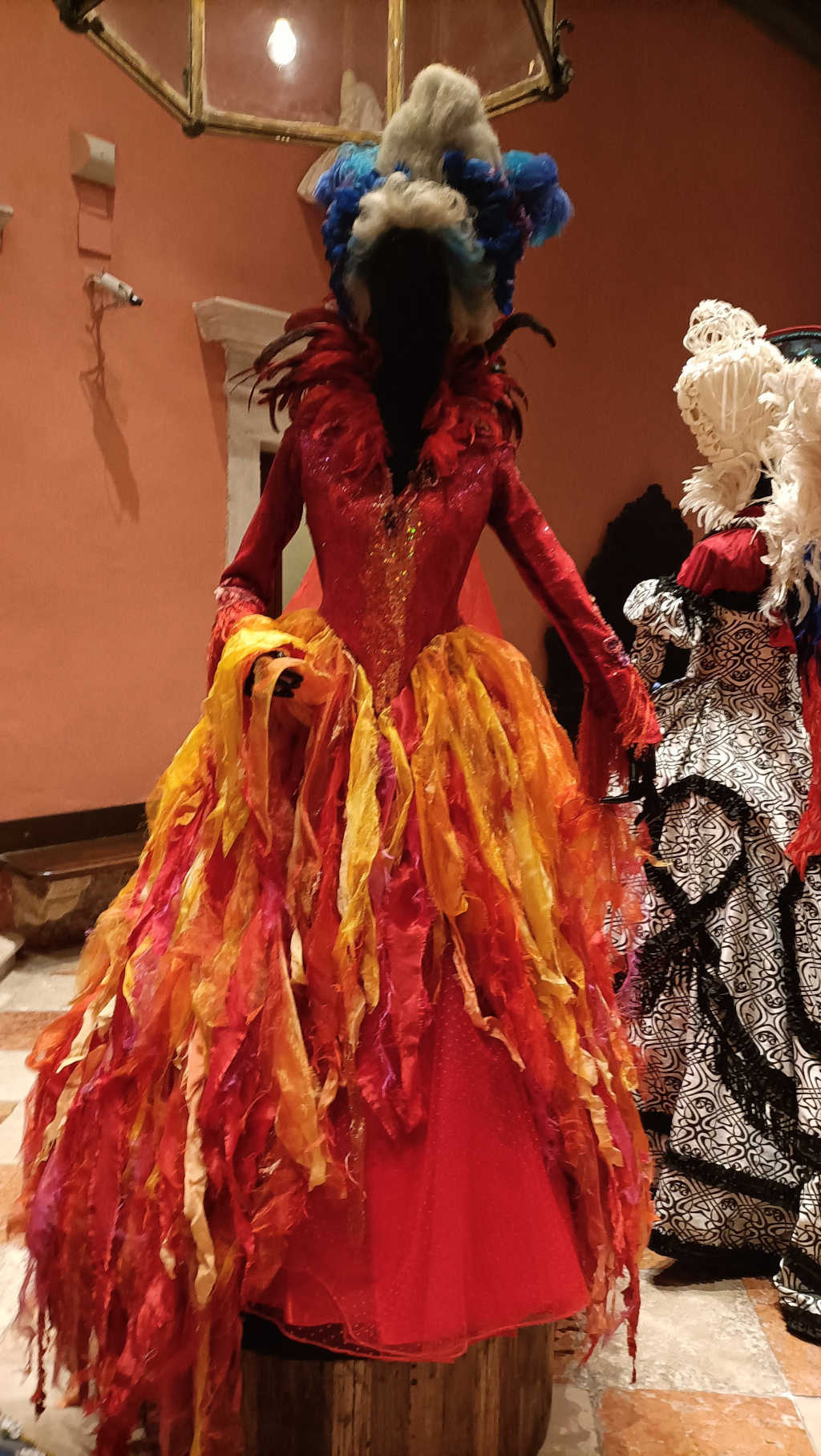


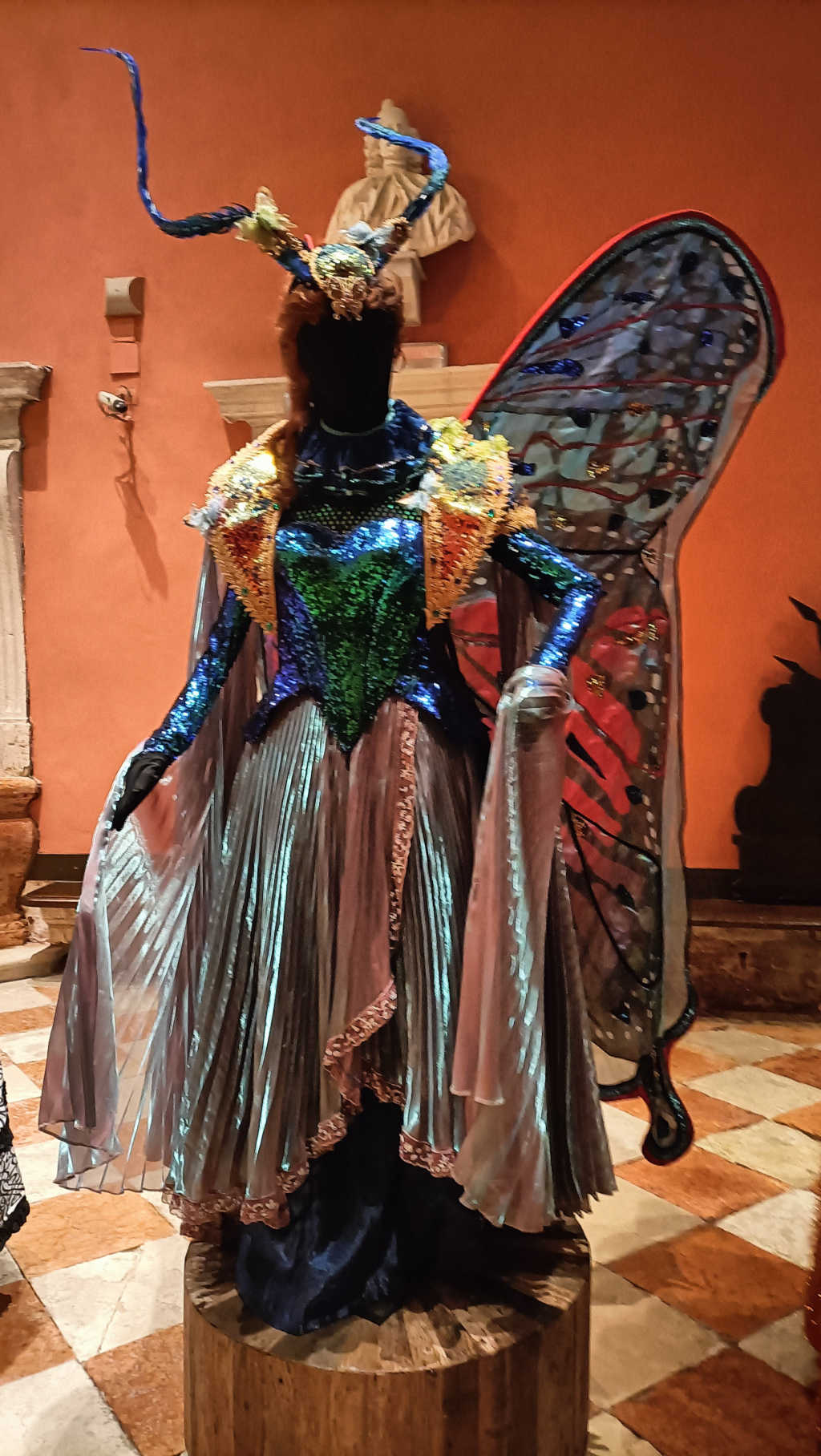
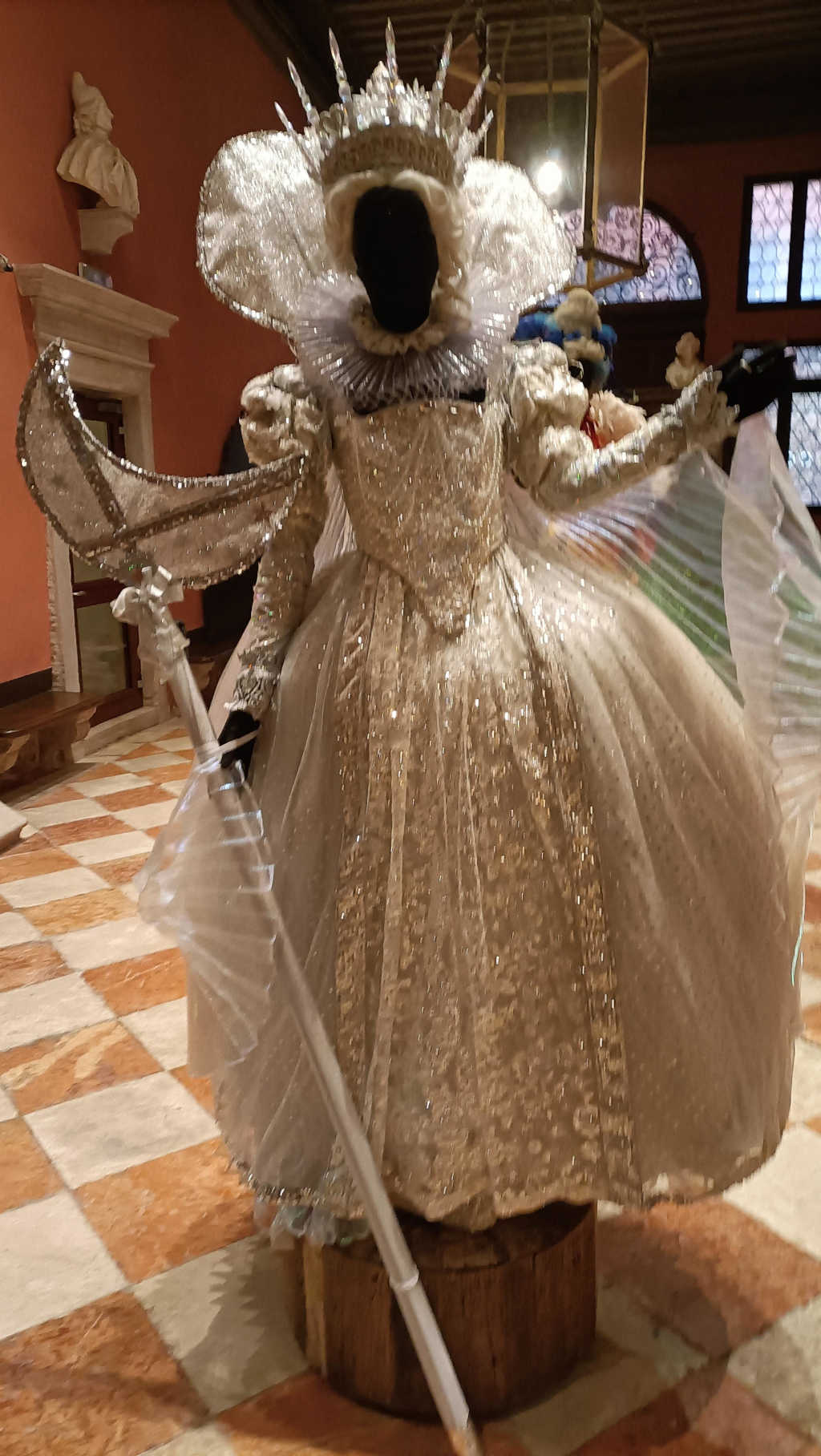
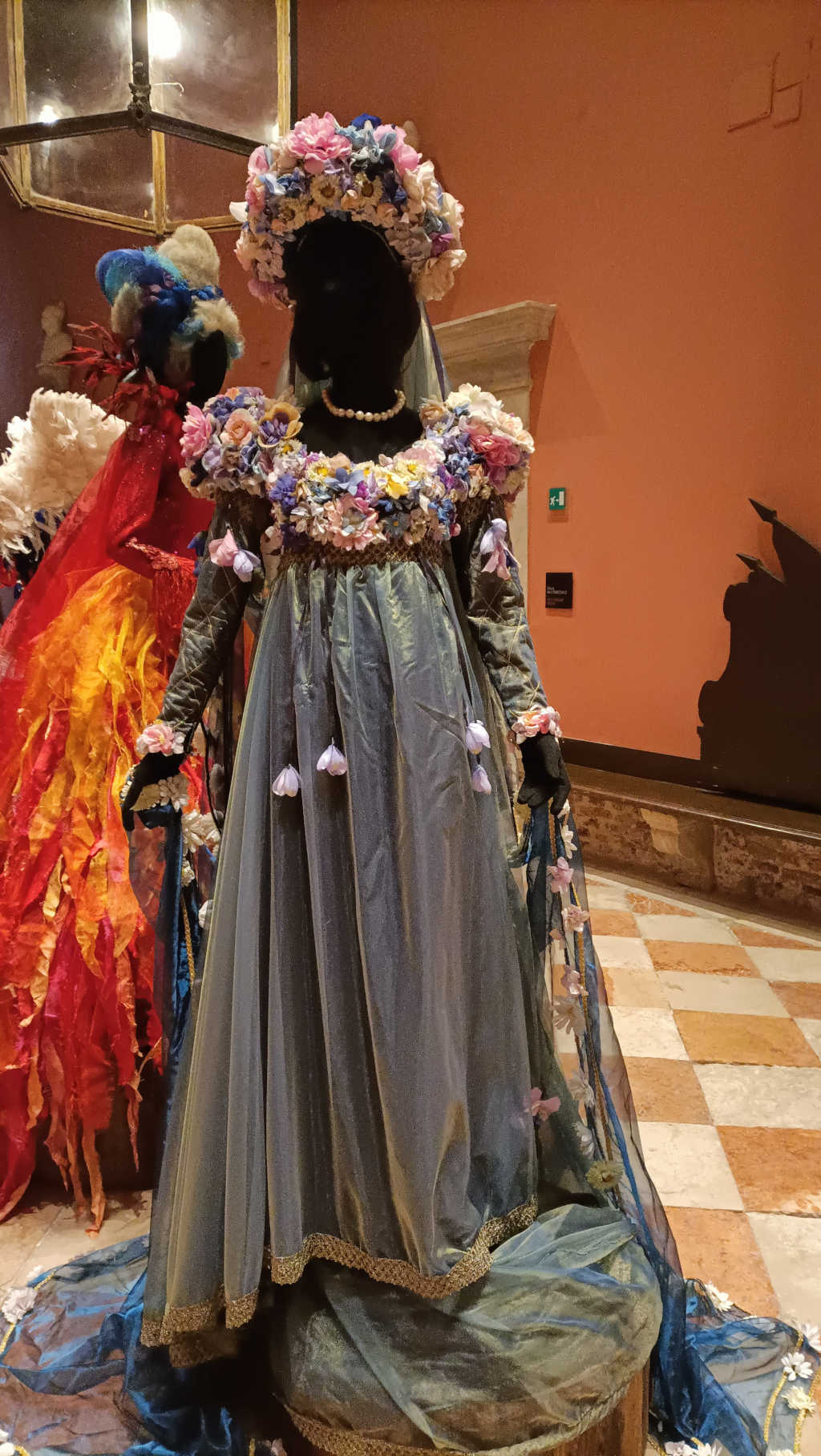












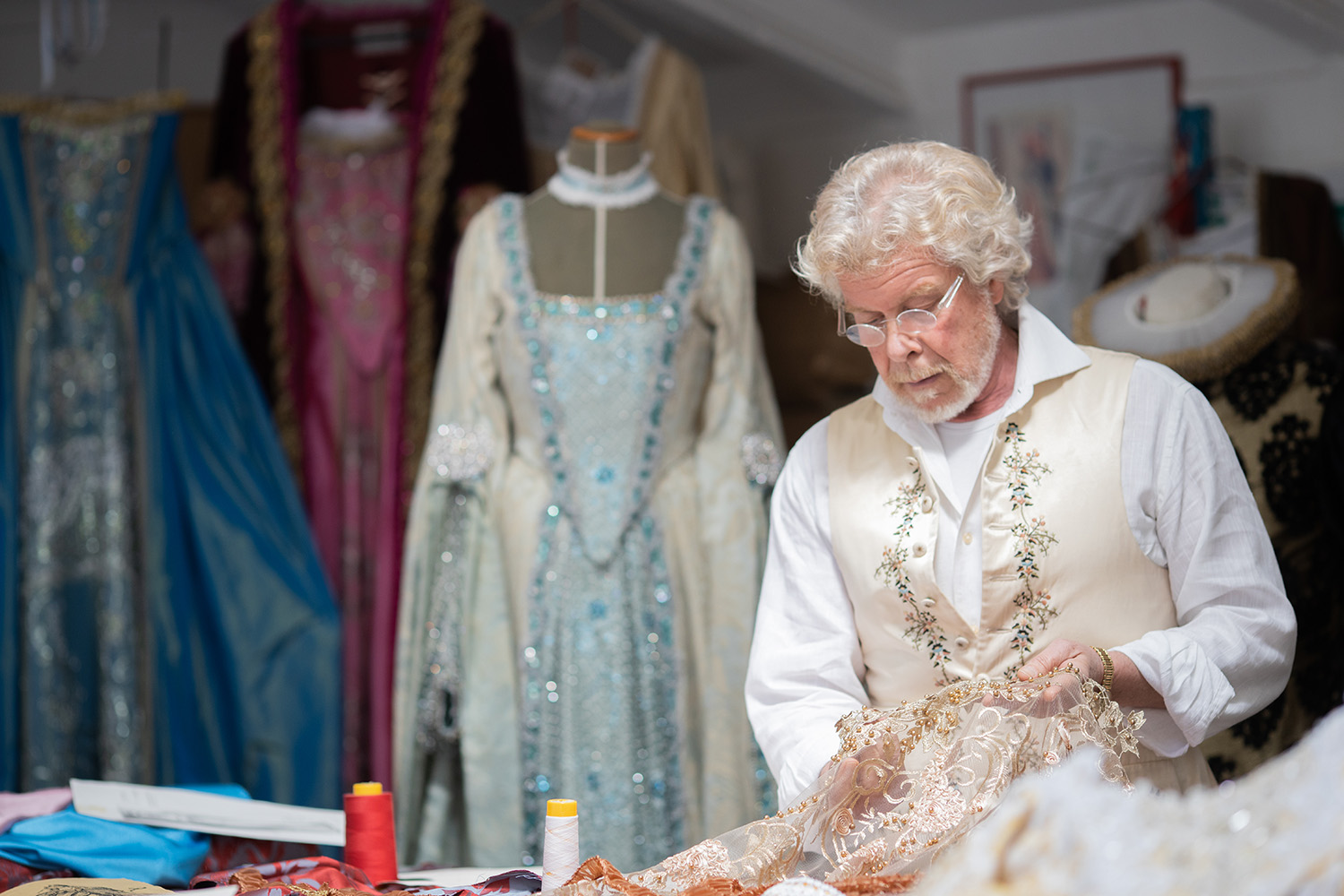
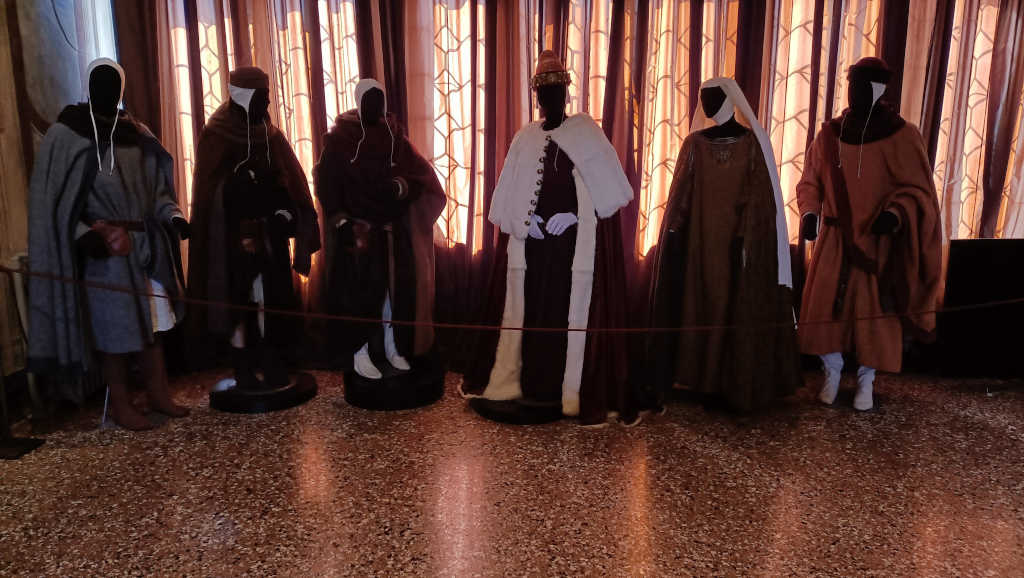
 Not everyone knows of the great difficulties that arose in filming this wonderful TV series, some of the main challenges faced by Stefano Nicolao during the production of the television series: for example the setting up of a mobile tailor’s shop at high altitude. For filming in Nepal, Nicolao had to set up a mobile tailor’s shop at three thousand five hundred meters above sea level, facing the logistical challenges of working in a remote environment with no infrastructure. Sourcing authentic materials and fabrics, Nicolao had to research and source authentic materials, fabrics and accessories locally in Nepal to make the historical costumes. Many items were not readily available, making the process similar to the experience of Marco Polo himself.
 Diario di un operatore museale