Evolution-Involution: 92.000 Cristalli e un Viaggio Alchemico che Non Potete Perdere alla Galleria Bartoux di Venezia!


Il seguente articolo è scritto in Italiano, Inglese e francese, per le traduzioni scorrere la pagina

The following article is written in Italian, English and French, for translations scroll down the page

L’article suivant est écrit en italien, anglais et français, pour les traductions, faites défiler la page vers le bas

Un Viaggio Incantevole nel Cuore della Luce: Scopri l’Arte di Stefano Curto!

Siete pronti a lasciarvi trasportare in un universo di brillantezza, spiritualità e pura meraviglia? Oggi vi portiamo alla scoperta di un artista straordinario e di un’opera che vi lascerà senza fiato: “Evolution-Involution Majestic” di Stefano Curto! Immaginatevi di camminare per le calli di Venezia, la città più magica del mondo, e di imbattervi in qualcosa che vi attira irresistibilmente. Ebbene, sappiate che potete vivere proprio questa esperienza perché alcune opere di Stefano Curto sono esposte alla prestigiosa Galleria Bartoux a Venezia! Un’occasione imperdibile per toccare con gli occhi la sua arte. Ma addentriamoci nel dettaglio di questa gemma scintillante. L’opera nella foto che vi mostriamo, “Evolution-Involution Majestic”, non è un semplice quadro. È un portale verso una dimensione superiore, un vero e proprio capolavoro di Light Art che vi farà brillare gli occhi!

“Evolution-Involution Majestic”: Un Universo in 92.000 Cristalli!

Preparatevi a restare a bocca aperta: “Evolution-Involution Majestic” è realizzata con la bellezza mozzafiato di 92.000 cristalli incastonati su plexiglass! Sì, avete letto bene, quasi centomila frammenti di luce sapientemente disposti a mano per creare un effetto che va oltre la semplice osservazione. Con le sue dimensioni imponenti (Ø 1200 x 20 mm), quest’opera circolare, che fa parte di una collezione privata, cattura lo sguardo e lo trascina in un vortice di blu profondo e bianco abbagliante, costellato di mille scintillii che ricordano una galassia lontana. Non è forse l’immagine più affascinante che abbiate visto?

Chi è l’Alchimista della Luce: Stefano Curto

Dietro a tanta meraviglia c’è la mente geniale di Stefano Curto, un artista italiano nato a Segusino (Treviso) nel 1966. Stefano non è solo un artista visivo; è anche un musicista, e la sua arte è profondamente influenzata dai suoi lunghi viaggi e dalla sua viscerale passione per le gemme. Pensate: un ingegnere meccanico di formazione che si trasforma in un maestro della luce e della spiritualità! Questa fusione di precisione tecnica e visione artistica è ciò che rende il suo lavoro così unico e potente.

https://www.stefanocurto.com/bio

https://www.galeries-bartoux.com/en/artists/curto-stefano/volution-involution-majestic-blue/

“Evolution-Involution”: Il Viaggio Alchemico del “THETArt”

La serie “Evolution-Involution” è il cuore pulsante del lavoro di Curto, un vero e proprio “viaggio alchemico” che lui stesso definisce “THETArt”.

  • La Magia dei Materiali: Immaginate migliaia di cristalli e minerali di diverse dimensioni e colori, assemblati con una pazienza infinita su tele di Plexiglas. L’effetto? Non è solo luce, è pura magia! Le sue opere ricordano le magnifiche vetrate gotiche, dove la luce viene trasformata e filtrata, creando un dialogo tra il caos e l’ordine, il visibile e l’invisibile.
  • Il Simbolismo del Cerchio: Le opere di Curto sono quasi sempre circolari, e non è un caso. Il cerchio è il simbolo universale dell’eternità, della spiritualità, del ciclo infinito di nascita, trasformazione e rinascita. È il fulcro del suo concetto di “Evolution-Involution”: un movimento continuo, un’ascesa e una discesa che ci ricordano la ciclicità della vita e dell’universo.
  • Un’Esperienza Intuitiva: Come ha notato Charlotte Johnson, ex curatrice al Victoria and Albert Museum di Londra, l’arte di Curto è un prisma che ci guida in un momento di pura contemplazione. È un invito a staccare dalla frenesia del mondo esterno, a mettere in pausa i pensieri e a concentrarci su noi stessi. L’artista ci sussurra: “Il pensiero parte dal centro dell’opera. Ruotandoci attorno, studiandolo, comprendendolo profondamente e, infine, tornando al suo centro.” È un’esperienza quasi meditativa, non trovate?

Non Perdetevelo alla Galleria Bartoux!

Se questo viaggio attraverso la luce e il simbolismo vi ha affascinato, non perdete l’occasione di vedere da vicino le opere di Stefano Curto. Vi aspettano alla Galleria Bartoux a Venezia, pronte a regalarvi un’emozione indescrivibile e a farvi riflettere sulla bellezza e sulla profondità dell’esistenza.

Cosa state aspettando? Un pezzo di universo vi aspetta a Venezia! Andate a scoprire la magia di Stefano Curto e lasciatevi avvolgere dalla luce dei suoi cristalli. Vi promettiamo che sarà un’esperienza indimenticabile!

Evolution-Involution: 92,000 Crystals and an Alchemical Journey You Can’t Miss at Galeries Bartoux in Venice!


An Enchanting Journey to the Heart of Light: Discover the Art of Stefano Curto!

Are you ready to be swept away into a universe of brilliance, spirituality, and pure wonder? Today, we are taking you to discover an extraordinary artist and a masterpiece that will leave you breathless: “Evolution-Involution Majestic” by Stefano Curto! Imagine walking the streets of Venice, the most magical city in the world, and stumbling upon something that irresistibly draws you in. Well, you can live that exact experience because some of Stefano Curto’s works are on display at the prestigious Galeries Bartoux in Venice! An unmissable opportunity to witness his art up close. But let’s dive into the details of this sparkling gem. The work in the photo we are showing you, “Evolution-Involution Majestic,” is not just a painting. It is a portal to a higher dimension, a true masterpiece of Light Art that will make your eyes shine!

“Evolution-Involution Majestic”: A Universe in 92,000 Crystals!

Prepare to be amazed: “Evolution-Involution Majestic” is made with the breathtaking beauty of 92,000 crystals set on Plexiglas! Yes, you read that right—nearly a hundred thousand fragments of light expertly arranged by hand to create an effect that goes beyond simple observation. With its striking dimensions (Ø 1200 x 20 mm), this circular work, which belongs to a private collection, captures the gaze and pulls it into a vortex of deep blue and dazzling white, studded with a thousand sparkles reminiscent of a distant galaxy. Isn’t this one of the most mesmerizing images you’ve ever seen?

Who is the Alchemist of Light: Stefano Curto

Behind all this wonder is the brilliant mind of Stefano Curto, an Italian artist born in Segusino (Treviso) in 1966. Stefano is not just a visual artist; he is also a musician, and his art is deeply influenced by his long travels and his visceral passion for gemstones. Think about it: a mechanical engineer by training who transforms into a master of light and spirituality! This fusion of technical precision and artistic vision is what makes his work so unique and powerful.

https://www.stefanocurto.com/bio

https://www.galeries-bartoux.com/en/artists/curto-stefano/volution-involution-majestic-blue/

“Evolution-Involution”: The Alchemical Journey of “THETArt”

The “Evolution-Involution” series is the pulsating heart of Curto’s work, a true “alchemical journey” that he calls “THETArt”.

  • The Magic of Materials: Imagine thousands of crystals and minerals of different sizes and colors, assembled with infinite patience on Plexiglas canvases. The effect? It’s not just light; it’s pure magic! His works recall magnificent Gothic stained-glass windows, where light is transformed and filtered, creating a dialogue between chaos and order, the visible and the invisible.
  • The Symbolism of the Circle: Curto’s works are almost always circular, and this is no accident. The circle is the universal symbol of eternity, spirituality, and the infinite cycle of birth, transformation, and rebirth. It is the core of his “Evolution-Involution” concept: a continuous movement, an ascent and descent that reminds us of the cyclical nature of life and the universe.
  • An Intuitive Experience: As noted by Charlotte Johnson, former curator at the Victoria and Albert Museum in London, Curto’s art functions as a prism that guides us into a moment of pure contemplation. It is an invitation to detach from the frenzy of the outside world, to pause our thoughts, and to focus on ourselves. The artist whispers to us: “Every thought starts from the center of the opera. Revolving around it, studying it, deeply understanding it and, at last, coming back to its center.” It’s an almost meditative experience, don’t you think?

Don’t Miss It at Galeries Bartoux!

If this journey through light and symbolism has captivated you, do not miss the opportunity to see Stefano Curto’s works up close. They await you at Galeries Bartoux in Venice, ready to give you an indescribable emotion and make you reflect on the beauty and depth of existence.

What are you waiting for? A piece of the universe awaits you in Venice! Go discover the magic of Stefano Curto and let yourself be enveloped by the light of his crystals. We promise it will be an unforgettable experience!

Evolution-Involution : 92 000 Cristaux et un Voyage Alchimique à ne pas Manquer à la Galerie Bartoux de Venise !


Un Voyage Enchanteur au Cœur de la Lumière : Découvrez l’Art de Stefano Curto!

Êtes-vous prêts à vous laisser emporter dans un univers de brillance, de spiritualité et d’émerveillement pur ? Aujourd’hui, nous vous emmenons à la découverte d’un artiste extraordinaire et d’une œuvre qui vous coupera le souffle : « Evolution-Involution Majestic » de Stefano Curto ! Imaginez-vous marcher dans les ruelles de Venise, la ville la plus magique du monde, et tomber sur quelque chose qui vous attire irrésistiblement. Eh bien, sachez que vous pouvez vivre exactement cette expérience, car certaines œuvres de Stefano Curto sont exposées à la prestigieuse Galerie Bartoux à Venise ! Une occasion à ne pas manquer de voir son art de près. Mais plongeons dans les détails de ce joyau scintillant. L’œuvre sur la photo que nous vous montrons, « Evolution-Involution Majestic », n’est pas un simple tableau. C’est un portail vers une dimension supérieure, un véritable chef-d’œuvre de Light Art qui fera briller vos yeux !

« Evolution-Involution Majestic » : Un Univers en 92 000 Cristaux !

Préparez-vous à être éblouis : « Evolution-Involution Majestic » est réalisée avec la beauté époustouflante de 92 000 cristaux incrustés sur du plexiglas ! Oui, vous avez bien lu, près de cent mille fragments de lumière savamment disposés à la main pour créer un effet qui va au-delà de la simple observation. Avec ses dimensions imposantes (Ø 1200 x 20 mm), cette œuvre circulaire, qui fait partie d’une collection privée, captive le regard et l’entraîne dans un tourbillon de bleu profond et de blanc éclatant, parsemé de mille étincelles rappelant une galaxie lointaine. N’est-ce pas l’image la plus fascinante que vous ayez vue ?

Qui est l’Alchimiste de la Lumière : Stefano Curto

Derrière tant de merveille se cache l’esprit génial de Stefano Curto, un artiste italien né à Segusino (Trévise) en 1966. Stefano n’est pas seulement un artiste visuel ; il est aussi musicien, et son art est profondément influencé par ses longs voyages et sa passion viscérale pour les pierres précieuses. Pensez-y : un ingénieur mécanicien de formation qui se transforme en maître de la lumière et de la spiritualité ! Cette fusion de précision technique et de vision artistique est ce qui rend son travail si unique et puissant.

https://www.stefanocurto.com/bio

https://www.galeries-bartoux.com/en/artists/curto-stefano/volution-involution-majestic-blue/

« Evolution-Involution » : Le Voyage Alchimique du « THETArt »

La série « Evolution-Involution » est le cœur battant du travail de Curto, un véritable « voyage alchimique » qu’il définit lui-même comme le « THETArt ».

  • La Magie des Matériaux : Imaginez des milliers de cristaux et de minéraux de différentes tailles et couleurs, assemblés avec une patience infinie sur des toiles de Plexiglas. L’effet ? Ce n’est pas seulement de la lumière, c’est de la pure magie ! Ses œuvres rappellent les magnifiques vitraux gothiques, où la lumière est transformée et filtrée, créant un dialogue entre le chaos et l’ordre, le visible et l’invisible.
  • Le Symbolisme du Cercle : Les œuvres de Curto sont presque toujours circulaires, et ce n’est pas un hasard. Le cercle est le symbole universel de l’éternité, de la spiritualité et du cycle infini de la naissance, de la transformation et de la renaissance. C’est le pivot de son concept d’« Evolution-Involution » : un mouvement continu, une ascension et une descente qui nous rappellent la cyclicité de la vie et de l’univers.
  • Une Expérience Intuitive : Comme l’a noté Charlotte Johnson, ancienne conservatrice au Victoria and Albert Museum de Londres, l’art de Curto fonctionne comme un prisme qui nous guide vers un moment de pure contemplation. C’est une invitation à se détacher de la frénésie du monde extérieur, à mettre nos pensées en pause et à nous concentrer sur nous-mêmes. L’artiste nous murmure : « Chaque pensée part du centre de l’œuvre. Tourner autour, l’étudier, le comprendre profondément et, enfin, revenir à son centre. » N’est-ce pas une expérience quasi méditative ?

Ne la Manquez pas à la Galerie Bartoux !

Si ce voyage à travers la lumière et le symbolisme vous a fasciné, ne manquez pas l’occasion de voir les œuvres de Stefano Curto de près. Elles vous attendent à la Galerie Bartoux à Venise, prêtes à vous offrir une émotion indescriptible et à vous faire réfléchir sur la beauté et la profondeur de l’existence.

Qu’attendez-vous ? Un morceau d’univers vous attend à Venise ! Allez découvrir la magie de Stefano Curto et laissez-vous envelopper par la lumière de ses cristaux. Nous vous promettons que ce sera une expérience inoubliable !

ABi3d Dal Bit alla Seta: Come ABI3D e la Stampa 3D Stanno Riscrivendo il Futuro del Design

Questo articolo è stato scritto in italiano e in inglese, per la traduzione, scendete in basso

This article was written in Italian and English, for translation, scroll down the page


Venezia, 3D e Rivoluzione Tattile: L’Onda di ABI3D che Travolge Palazzo Mocenigo!

Amici del design, dell’innovazione e di tutto ciò che è meravigliosamente nuovo: la Venice Design Week 2025 ha alzato il sipario su un futuro che non avevamo ancora osato sognare! E il cuore pulsante di questa rivoluzione è un luogo d’eccezione: il maestoso Palazzo Mocenigo, custode secolare dei segreti di tessuti e profumi. Qui, tra stucchi antichi e memorie di seta, la mostra “Filamenta” ha acceso i riflettori su una realtà Londinese che sta riscrivendo le regole del gioco: ABI3D. Preparatevi, perché quello che fanno è pura magia.

ABI3D: Quando l’Artigianato Indossa il Mantello della Stampa 3D

Dimenticate l’immagine fredda e industriale della stampa 3D. L’approccio di ABI3D è qualcosa di totalmente diverso: è un nuovo artigianato che fonde l’anima della tradizione con la potenza della tecnologia. Come dicono loro stessi (e come abbiamo letto nella didascalia), sono specializzati nell’unire innovazione, creatività e design con un focus fortissimo su due concetti chiave che ci stanno a cuore: la sostenibilità e l’ottimizzazione dei materiali. Non si tratta solo di stampare oggetti; si tratta di plasmare soluzioni sartoriali per l’arte, l’architettura e l’oggetto di design, superando la distanza tra il bit e il tatto. Sono i pionieri che trasformano il file digitale in emozione fisica!

L’Opera a Palazzo: Un’Identità Liquida e Sconvolgente

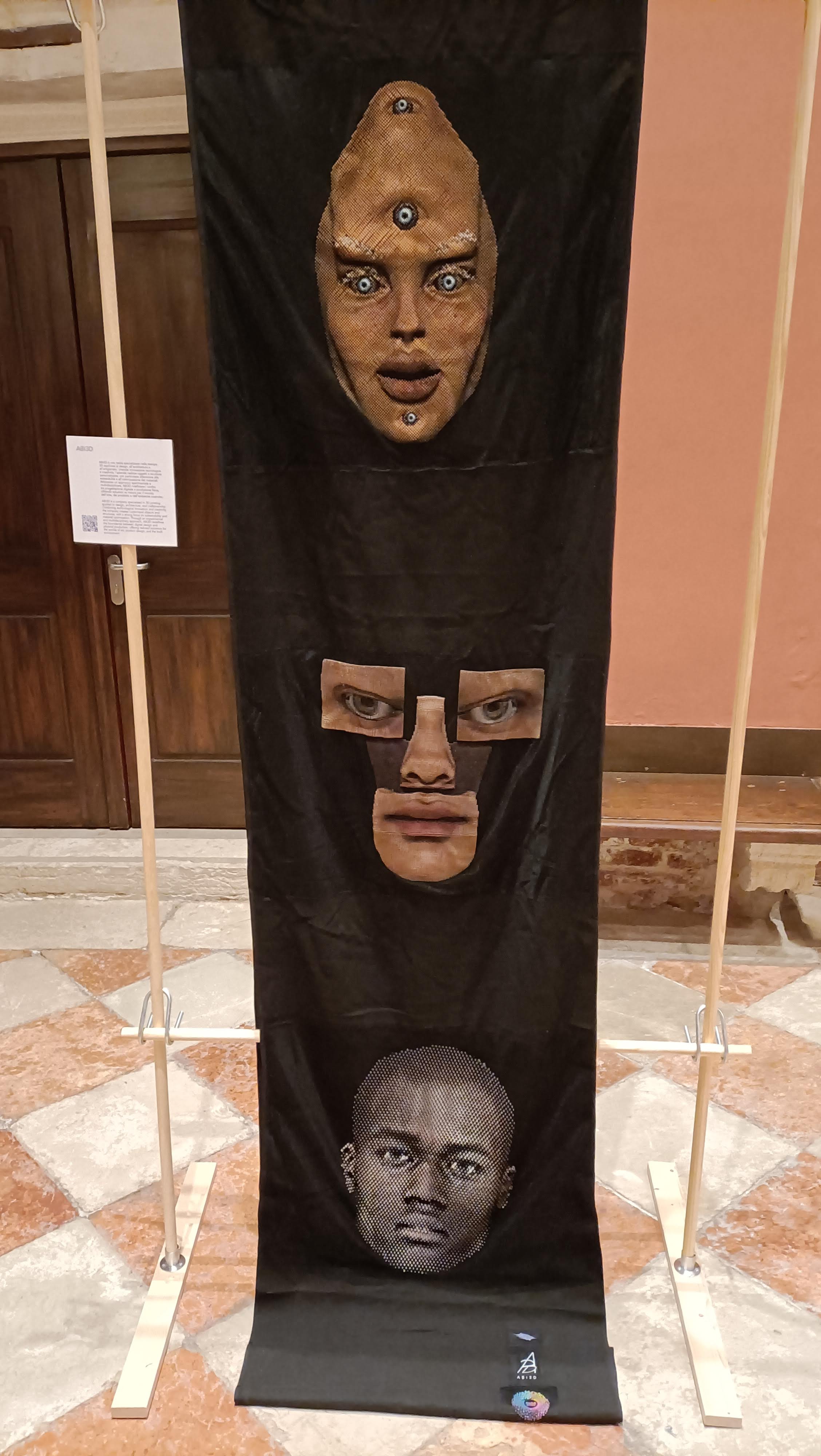
E l’opera che ci troviamo di fronte, magnificamente esposta su quel drappo nero, è la prova tangibile di questa fusione. Non è solo un’esposizione, è una dichiarazione sul futuro dell’identità!

Guardatela bene:

  • In Alto: Un volto che sembra appena emerso da un sogno iper-tecnologico. È inquietante, è affascinante, con quella texture che solo la stampa 3D può creare e quegli occhi in più che ci fissano. È l’Uomo 2.0, fatto di strati e possibilità inedite.
  • Al Centro: La persona si cela dietro una maschera geometrica, un’interfaccia che divide l’identità analogica da quella digitale. È la perfetta sintesi tra design rigido e l’irregolarità della vita.
  • In Basso: Un volto interamente scomposto in pixel, una grana che ci ricorda quanto siamo ormai fatti di dati. È l’identità che si dissolve e si ricompone, come un file che si carica…

Questa installazione non usa solo la tecnologia 3D: parla di essa. Ci chiede: chi siamo quando la linea tra l’umano e il digitale scompare? E ABI3D ci risponde: siamo una possibilità di design in continua evoluzione, plasmata con materiali innovativi e una profonda responsabilità.

Un Ponte Tra Secoli

Vedere questa ricerca d’avanguardia all’interno di un luogo storico come Palazzo Mocenigo è un’emozione pazzesca. È la dimostrazione che l’eccellenza italiana sa onorare la sua storia, proiettandosi con coraggio nel domani. ABI3D non è solo un’azienda, è una visione. E la loro presenza alla Venice Design Week, in una mostra focalizzata sulla sostenibilità tessile, conferma che il futuro del design sarà sempre più multidisciplinare, etico ed entusiasmante.

Se siete a Venezia, correte a toccare con gli occhi questa rivoluzione. Il futuro è qui, ed è stato stampato in 3D!

From Bit to Silk: How ABI3D and 3D Printing Are Rewriting the Future of Design


Venice, 3D, and the Tactile Revolution: The ABI3D Wave that’s Sweeping Palazzo Mocenigo!

Friends of design, innovation, and everything wonderfully new: the Venice Design Week 2025 has lifted the curtain on a future we hadn’t yet dared to dream of! And the pulsating heart of this revolution is an exceptional location: the majestic Palazzo Mocenigo, a centuries-old custodian of the secrets of textiles and perfumes. Here, amidst ancient stucco and memories of silk, the exhibition “Filamenta” has shone a spotlight on an London company that is rewriting the rules of the game: ABI3D. Get ready, because what they do is pure magic.

ABI3D: When Craftsmanship Dons the Cloak of 3D Printing

Forget the cold, industrial image of 3D printing. ABI3D’s approach is something entirely different: it’s a new form of craftsmanship that fuses the soul of tradition with the power of technology. As they state themselves (and as we read in their panel), they specialize in combining technological innovation, creativity, and design with a strong focus on two key concepts close to our hearts: sustainability and material optimization. It’s not just about printing objects; it’s about shaping tailored solutions for art, architecture, and product design, bridging the gap between the digital bit and the physical touch. They are the pioneers who transform the digital file into physical emotion!

The Artwork at the Palace: A Liquid and Groundbreaking Identity

And the artwork before us, magnificently displayed on that black banner, is tangible proof of this fusion. It’s not just an exhibit, it’s a declaration about the future of identity!

Take a good look:

  • At the Top: A face that seems to have just emerged from a hyper-technological dream. It’s unsettling, it’s fascinating, with that texture only 3D printing can create and those extra eyes staring out at us. It’s Human 2.0, made of layers and unprecedented possibilities.
  • In the Middle: The person is concealed behind a geometric mask, an interface that divides the analog from the digital identity. It’s the perfect synthesis of rigid design and the irregularity of life.
  • At the Bottom: A face entirely broken down into pixels, a grain that reminds us how much we are now composed of data. It is identity dissolving and reassembling, like a file being loaded…

This installation doesn’t just use 3D technology—it speaks about it. It asks us: who are we when the line between human and digital disappears? And ABI3D answers: we are a constantly evolving design possibility, shaped with innovative materials and deep responsibility.

A Bridge Between Centuries

Seeing this cutting-edge research inside a historic venue like Palazzo Mocenigo is incredibly exciting. It is proof that Italian excellence knows how to honour its history while bravely projecting itself into tomorrow. ABI3D is not just a company; it is a vision. And their presence at the Venice Design Week, in an exhibition focused on textile sustainability, confirms that the future of design will be increasingly multidisciplinary, ethical, and thrilling.

If you are in Venice, rush to see this revolution with your own eyes. The future is here, and it has been 3D printed!

Venezia si trasforma in un sogno surrealista: le Galeries Bartoux inaugurano nell’ex Cinema Accademia la Gallerie Bartoux!

Il seguente articolo è scritto in Italiano, Inglese e francese, per le traduzioni scorrere la pagina

The following article is written in Italian, English and French, for translations scroll down the page

L’article suivant est écrit en italien, anglais et français, pour les traductions, faites défiler la page vers le bas

Venezia risorge nell’arte: Galeries Bartoux, Dalí e l’ex Cinema Accademia diventano magia

Se pensavate che Venezia avesse già mostrato tutte le sue meraviglie, preparatevi a restare a bocca aperta. È nata una nuova stella nel firmamento dell’arte contemporanea: “Galeries Bartoux” ha aperto la sua prima sede italiana nell’ex Cinema Accademia a Dorsoduro – un luogo che per decenni è stato il cuore pulsante del cinema d’essai veneziano – e lo ha trasformato in qualcosa di epico, di sensoriale, di profondamente emozionante.

Chi sono le Galeries Bartoux

Da più di trent’anni le Bartoux sono sinonimo di ricerca estetica, di audacia creativa, di spazi eleganti dove l’arte non è solo da guardare, ma da vivere. Fondate da Robert & Isabelle Bartoux nel 1993, hanno ampliato la loro presenza globale con gallerie a Parigi, Londra, Miami, New York, Monaco, Singapore… tutte accomunate dallo stile Bartoux: un mix raffinato fra grandi maestri consolidati (scultori, pittori, street‑artists) e giovani talenti emergenti. Bartoux non è solo esposizione: è esperienza. Realtà aumentata, spazi immersivi, dialogo fra arte, architettura, design. Ogni galleria è vetrina prestigiosa ma anche luogo d’innamoramento estetico.

Venezia: l’ex Cinema Accademia come palco di un sogno

Immaginate: un cinema storico, chiuso nel 2002, con le sue sedute, il buio, il fascino retrò, che si risveglia in una veste nuova. Le pareti, il soffitto, le volte – perfino il pavimento – ora diventano tele immense, coinvolgenti, capaci di trasportare lo spettatore dentro un sogno. L’ex Cinema Accademia, attivo dal 1928, e costruito su un teatro del XVI secolo, è stato restaurato con grande attenzione al passato, ma proiettato verso il futuro. Lo spazio è di circa 1.200 m²: sale espositive, un cinema immersivo di 500 metri quadrati con un’altezza di circa 12 metri (cioè puoi guardare in alto, sentirti “avvolto” dal racconto), un “Café des Arts” curato da Le Marcandole, un giardino privato di sculture. Il concept si chiama Bartoux Experience: arte, design, tecnologia, comunità, emozione.

Dalí è Venezia: surrealismo in mostra, immersività e incanto

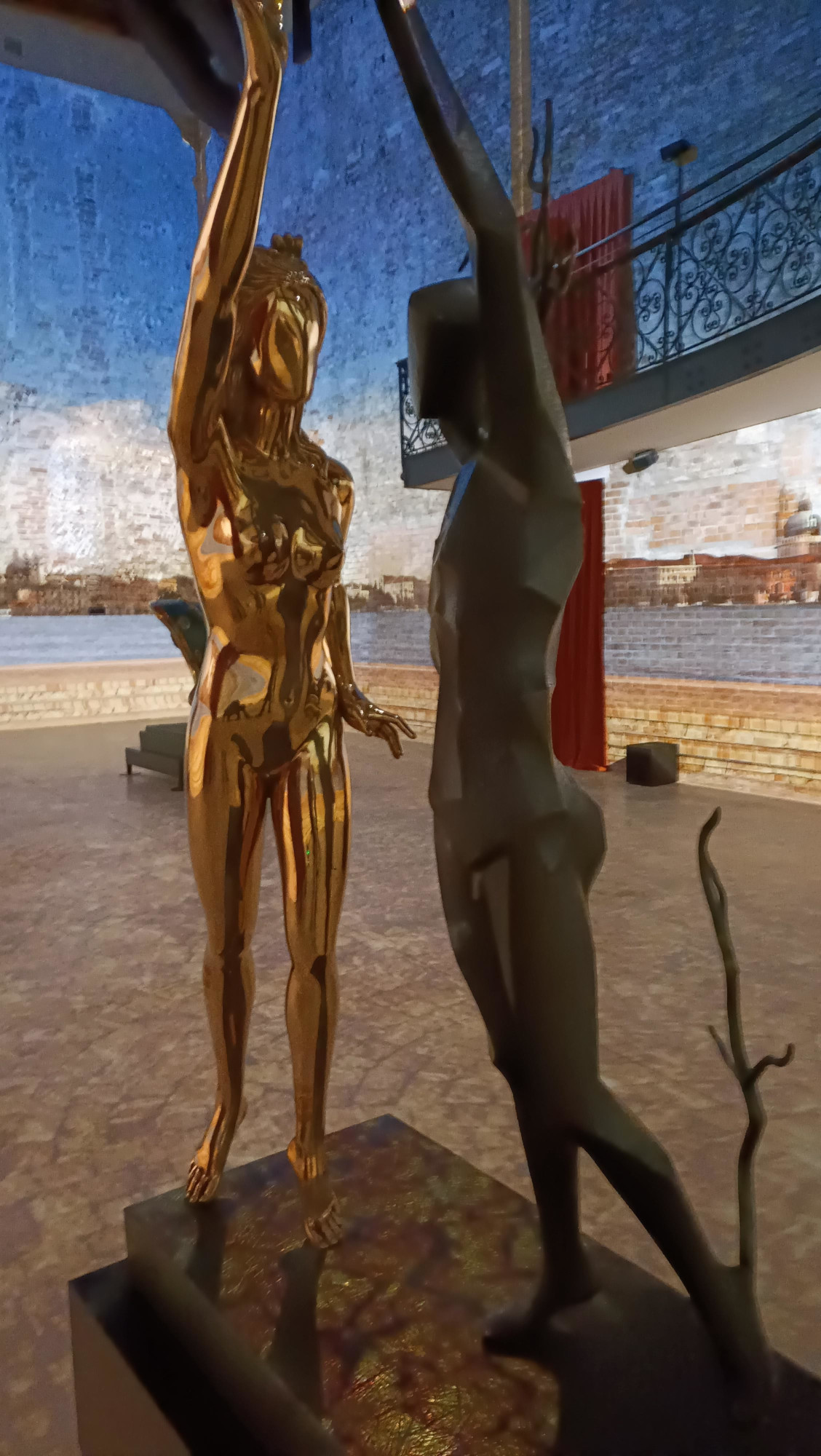
Il grande protagonista dell’apertura è Salvador Dalí. Bartoux collabora con Dalí Universe per presentare la mostra “Dalí è Venezia”. Sarà una selezione di sculture, dipinti, litografie del maestro del Surrealismo. Ma non è tutto: al contempo verrà inaugurato il cinema immersivo con una produzione video inedita, intitolata Una Serenissima come sogno surreale di Salvador Dalí. Un’esperienza che non si limita al contemplare, ma che avvolge lo spettatore, lo trasforma in protagonista. Dalí ebbe legami reali con Venezia: partecipò alla Biennale del 1954, creò un poster per Piazza San Marco nel 1976, dipinse “Othello rêvant de Venise” nel 1982. Questi riferimenti rendono l’omaggio “Dalí è Venezia” non solo bello, ma toccante, come se la città stessa fosse chiamata a dialogare con il suo visitatore attraverso il surrealismo.

🎶 Musica, magie, folla: una serata da sogno

E qui entra il cuore emozionale dell’evento: l’inaugurazione non è stata una semplice cerimonia, ma un’esperienza totale. Il locale gremito, un fermento nell’aria. Sulle terrazze o attici, violiniste in abito elegante che si librano sulle note, invitano l’udito a sposarsi con la vista, la pelle, il respiro. Immaginate: note dolci che risuonano mentre proiezioni immersive avvolgono le pareti, figure surreali che prendono vita e la città lagunare che si riflette in ogni quadro, ogni scultura. La folla? Decine, centinaia, fuori veneziani entusiasti, curiosi di passaggio, dentro appassionati d’arte, famiglie, influencers, critici. Un vero successo: applausi, ammirazione, commenti meravigliati. Tutto avvolto da luci, riflessi, texture, suoni di violini che sembravano sospesi nel cielo di Venezia.

🌟 Tecnologia già vista altrove, ma reinventata a Venezia

L’uso dell’esperienza immersiva (video, proiezioni, spazi che trasformano la percezione) non è del tutto nuovo per Bartoux: spiegazioni, anticipazioni parlano di realtà aumentata, virtual galleries, innovazioni similari. Ma la vera novità è come queste tecnologie siano integrate qui, nell’ex Cinema Accademia: l’altezza del soffitto, la grande volumetria, la storia dello spazio (cinema / teatro) rendono tutto perfetto per proiezioni immersive, suoni riverberanti, giochi fra luce e architettura.

✅ Risultato: un successo che promette continuità

L’inaugurazione è stata già segnata come una serata memorabile: ottima affluenza, entusiasmo vero, critica positiva. “Dalí è Venezia” non è solo una mostra, ma una promessa: che Bartoux abbia restituito alla città un luogo di cultura, ma anche di comunità, di gioia, di stupore. Che l’arte possa catturare non solo lo sguardo, ma il cuore. E che questa nuova casa dell’arte abbia già cominciato a vivere, a respirare, a emozionare.

Venice transforms into a surrealist dream: the Galeries Bartoux inaugurate the Gallerie Bartoux in the former Cinema Accademia!

Venice resurfaces in art: Galeries Bartoux, Dalí, and the former Cinema Accademia become magical

If you thought Venice had already shown all its wonders, prepare to be amazed. A new star has been born in the firmament of contemporary art: “Galeries Bartoux” has opened its first Italian location in the former Cinema Accademia in Dorsoduro—a place that for decades was the beating heart of Venetian arthouse cinema—and has transformed it into something epic, sensorial, and profoundly moving.

Who are Galeries Bartoux

For more than thirty years the Bartoux have been synonymous with aesthetic research, creative audacity, elegant spaces where art is not just to be looked at, but to be experienced. Founded by Robert & Isabelle Bartoux, founded in 1993, has expanded their global presence with galleries in Paris, London, Miami, New York, Monaco, and Singapore—all sharing the Bartoux style: a refined blend of established masters (sculptors, painters, and street artists) and emerging young talents. Bartoux isn’t just an exhibition: it’s an experience. Augmented reality, immersive spaces, and a dialogue between art, architecture, and design. Each gallery is a prestigious showcase but also a place of aesthetic romance.

Venice: the former Cinema Accademia as the stage for a dream

Imagine: a historic cinema, closed in 2002, with its seats, darkness, and retro charm, awakening in a new guise. The walls, the ceiling, the vaults—even the floor—now become immense, engaging canvases, capable of transporting the viewer into a dream. The former Cinema Accademia, open since 1928 and built on a 16th-century theater, has been restored with great attention to the past, but with a focus on the future. The space is approximately 1,200 m²: exhibition halls, a 500-square-meter immersive cinema about 12 meters high (so you can look up and feel “enveloped” by the story), a “Café des Arts” curated by Le Marcandole, and a private sculpture garden. The concept is called Bartoux Experience: art, design, technology, community, emotion.

Dalí is Venice: surrealism on display, immersion and enchantment

The star of the opening is Salvador Dalí. Bartoux collaborates with Dalí Universe to present the exhibition “Dalí is Venice.” It will feature a selection of sculptures, paintings, and lithographs by the master of Surrealism. But that’s not all: at the same time, the immersive cinema will be inaugurated with a new video production, entitled “A Serenissima as a Surreal Dream by Salvador Dalí.” An experience that isn’t limited to contemplation, but envelops the viewer, transforming them into protagonists. Dalí had real ties to Venice: he participated in the 1954 Biennale, created a poster for PiazZa San Marco in 1976, he painted “Othello rêvant de Venise” in 1982. These references make the homage “Dalí is Venice” not only beautiful, but touching, as if the city itself were called to dialogue with its visitor through surrealism.

🎶 Music, magic, crowd: a dream evening

And here comes the emotional heart of the event: the inauguration wasn’t just a simple ceremony, but a total experience. The venue was packed, a buzz in the air. On terraces or attics, elegantly dressed violinists soar to the music, inviting the ear to marry the sight, the skin, the breath. Imagine: sweet notes resonating while immersive projections envelop the walls, surreal figures coming to life, and the lagoon city reflected in every painting, every sculpture. The crowd? Dozens, hundreds, enthusiastic Venetians outside, curious passers-by, art lovers, families, influencers, and critics inside. A true success: applause, admiration, and amazed comments. All wrapped in lights, reflections, textures, and the sounds of violins that seemed suspended in the Venetian sky.

🌟 Technology already seen elsewhere, but reinvented in Venice

The use of immersive experiences (videos, projections, spaces that transform perception) is not entirely new to Bartoux: explanations and previews speak of augmented reality, virtual galleries, and similar innovations. But the real innovation is how these technologies are integrated here, in the former Cinema Accademia: the height of the ceiling, the large volume, the history of the space (cinema/theater) make everything perfect for immersive projections, reverberating sounds, and interplays of light and architecture.

✅ Result: a success that promises continuity

The inauguration has already been marked as a memorable evening: excellent A turnout, genuine enthusiasm, and positive reviews. “Dalí is Venice” isn’t just an exhibition, it’s a promise: that Bartoux has given the city a place of culture, but also of community, joy, and wonder. That art can capture not only the eye, but the heart. And that this new home of art has already begun to live, breathe, and excite.

Venise se transforme en rêve surréaliste : les Galeries Bartoux inaugurent la Gallerie Bartoux dans l’ancien Cinéma Accademia !

Venise refait surface dans l’art : les Galeries Bartoux, Dalí et l’ancien Cinéma Accademia deviennent magiques

Si vous pensiez que Venise avait déjà dévoilé toutes ses merveilles, préparez-vous à être émerveillé. Une nouvelle étoile est née au firmament de l’art contemporain : les Galeries Bartoux ont ouvert leur premier espace italien dans l’ancien Cinéma Accademia de Dorsoduro, un lieu qui fut pendant des décennies le cœur battant du cinéma d’art et d’essai vénitien, et l’ont transformé en un lieu épique, sensoriel et profondément émouvant.

Qui sont les Galeries Bartoux ?

Depuis plus de trente ans, la maison Bartoux est synonyme de recherche esthétique, d’audace créative et d’espaces élégants où l’art ne se contente pas d’être regardé, mais s’expérimente. Fondée par Robert & Fondée en 1993, Isabelle Bartoux a étendu sa présence internationale avec des galeries à Paris, Londres, Miami, New York, Monaco et Singapour, toutes partageant le style Bartoux : un mélange raffiné de maîtres reconnus (sculpteurs, peintres et street artistes) et de jeunes talents émergents. Bartoux n’est pas seulement une exposition : c’est une expérience. Réalité augmentée, espaces immersifs et dialogue entre art, architecture et design. Chaque galerie est une vitrine prestigieuse, mais aussi un lieu de romance esthétique.

Venise : l’ancien Cinéma Accademia, théâtre d’un rêve

Imaginez : un cinéma historique, fermé en 2002, avec ses fauteuils, son obscurité et son charme rétro, se réveille sous un nouveau jour. Les murs, le plafond, les voûtes, et même le sol, deviennent désormais d’immenses toiles captivantes, capables de transporter le spectateur dans un rêve. L’ancien Cinéma Accademia, ouvert depuis 1928 et construit sur un théâtre du XVIe siècle, a été restauré avec une grande attention portée au passé, mais avec une attention particulière portée à l’avenir. L’espace d’environ 1 200 m² comprend des salles d’exposition, un cinéma immersif de 500 m² à environ 12 mètres de hauteur (pour que vous puissiez lever les yeux et vous sentir enveloppé par l’histoire), un « Café des Arts » organisé par Le Marcandole, et un jardin de sculptures privé. Le concept s’appelle Bartoux Experience : art, design, technologie, communauté, émotion.

Dalí est Venise : le surréalisme exposé, immersion et enchantement

La star du vernissage est Salvador Dalí. Bartoux collabore avec Dalí Universe pour présenter l’exposition « Dalí is Venice ». Elle présentera une sélection de sculptures, de peintures et de lithographies du maître du surréalisme. Mais ce n’est pas tout : parallèlement, le cinéma immersif sera inauguré avec une nouvelle production vidéo intitulée « Une Sérénissime comme rêve surréaliste de Salvador Dalí ». Une expérience qui ne se limite pas à la contemplation, mais enveloppe le spectateur, le transformant en protagoniste. Dalí entretenait des liens étroits avec Venise : il a participé à la Biennale de 1954, créé une affiche pour la place Saint-Marc en 1976, peint « Othello rêvant de Veni » (Othello, le rêveur de Venise) la même année et créé « Le Secret de Venise ».Après avoir quitté San Marco en 1976, il peint « Othello rêvant de Venise » en 1982. Ces références rendent l’hommage « Dalí est Venise » non seulement beau, mais touchant, comme si la ville elle-même était appelée à dialoguer avec son visiteur à travers le surréalisme.

🎶 Musique, magie, foule : une soirée de rêve

Et voici le cœur émotionnel de l’événement : l’inauguration n’était pas une simple cérémonie, mais une expérience à part entière. La salle était pleine à craquer, l’ambiance était palpable. Sur les terrasses ou les greniers, des violonistes élégamment vêtus s’élancent au rythme de la musique, invitant l’oreille à épouser la vue, la peau, le souffle. Imaginez : de douces notes résonnent tandis que des projections immersives enveloppent les murs, des figures surréalistes prennent vie, et la ville lagunaire se reflète dans chaque tableau, chaque sculpture. La foule ? Des dizaines, des centaines : des Vénitiens enthousiastes à l’extérieur, des passants curieux, des amateurs d’art, des familles, des influenceurs et des critiques à l’intérieur. Un véritable succès : applaudissements, admiration et commentaires émerveillés. Le tout enveloppé de lumières, de reflets, de textures et du son des violons qui semblait suspendu dans le ciel vénitien.

🌟 Une technologie déjà vue ailleurs, mais réinventée à Venise

L’utilisation d’expériences immersives (vidéos, projections, espaces transformant la perception) n’est pas une nouveauté pour Bartoux : explications et aperçus évoquent la réalité augmentée, les galeries virtuelles et autres innovations similaires. Mais la véritable innovation réside dans la manière dont ces technologies sont intégrées ici, dans l’ancien Cinéma Accademia : la hauteur sous plafond, le volume important et l’histoire du lieu (cinéma/théâtre) se prêtent parfaitement aux projections immersives, aux sons réverbérants et aux jeux de lumière et d’architecture.

✅ Résultat : un succès qui promet la continuité

L’inauguration a déjà été marquée par une soirée mémorable : une excellente affluence, un enthousiasme sincère et des critiques positives. « Dalí est Venise » n’est pas seulement une exposition, c’est une promesse : Bartoux a offert à la ville un lieu de culture, mais aussi de convivialité, de joie et d’émerveillement. Que l’art puisse captiver non seulement les yeux, mais aussi le cœur. Et ce nouveau foyer de l’art a déjà commencé à vivre, à respirer et à s’animer.

Filamenta a Palazzo Mocenigo: dove la moda incontra il design

Che succede quando moda, interior design e sperimentazione tessile si incontrano in uno dei palazzi più affascinanti di Venezia? Succede Filamenta, una mostra meravigliosamente visionaria che ci porta dentro un mondo dove i tessuti non sono solo “materiali”, ma racconti, memorie, rivoluzioni silenziose. Dal 11 al 19 ottobre 2025, Palazzo Mocenigo si trasforma in un laboratorio creativo in cui abiti, filati, progetti e visioni dialogano con gli ambienti storici del museo. Se ami la moda che osa, il design che esplora, e tutto ciò che nasce dalla fusione tra bellezza e innovazione sostenibile… questo evento fa per te. E fidati: non è la solita mostra.

🧶 Un filo che lega moda, design e natura

Filamenta è più di un’esposizione: è un viaggio nei materiali del futuro. Qui si parla di fibre bio-derivate, lavorazioni sperimentali, tecnologie tessili e, soprattutto, di immaginazione applicata.

Al centro della mostra ci sono:

  • Aziende tessili che lavorano con materiali innovativi,
  • Studenti e studentesse del corso di laurea magistrale in Moda dello IUAV di Venezia,
  • E tantissime storie intrecciate, tra memoria, artigianato e ricerca contemporanea.

La curatela è firmata da Angelica Stea, e l’organizzazione è a cura di Arte e Design Venezia, in collaborazione con il Museo e l’Università IUAV.

🎤 Una giornata speciale da non perdere: 13 ottobre

Segnati questa data: 13 ottobre 2025, ore 15:00 Palazzo Mocenigo ospita la conferenza “Ripensare i materiali della moda e dell’interior design in un contesto ecologico critico” — un talk super stimolante con relatori come Alessandra Vaccari, Lucia Rosin, Raffaella Fagnoni, Gabriele Rorandelli, moderati da Clizia Moradei. A seguire, la presentazione ufficiale della mostra Filamenta. Due ore di pura ispirazione, domande importanti e visioni sul futuro del design.

💫 WormChair: la seta, l’infanzia e la metamorfosi

Parole dell’artista: “WormChair nasce per mettere in risalto il tessuto artigianale, esplorando ciò che il materiale potrebbe diventare in un contesto applicativo. Il design tessile astrae immagini microscopiche da un tradizionale sari di seta indiano. Ho scattato foto digitali al microscopio del sari di mia nonna e le ho stampate digitalmente su tessuto di twill di cotone.

Il tessuto viene poi fuso con un tessuto a maglia industriale che ho realizzato utilizzando lana e filati elastici. La struttura a maglia richiama il motivo a quadretti del sari originale.

Il nome WormChair è un gioco di parole con “poltrona”, in riferimento alla seta e al suo legame con la metamorfosi del baco da seta. Il tessuto nasce da una collezione di quattro pezzi, ognuno dei quali rappresenta una fase del ciclo vitale del baco da seta: uovo, baco, bozzolo e falena, offrendo un modo per visualizzare le radici materiali del tessuto e approfondire il nostro rapporto con il mondo naturale da cui nascono i nostri tessuti.”

Secondo la mia modesta opinione, la WormChair di Latika Balachander è semplicemente fantastica. A prima vista è un oggetto di design affascinante, ma basta avvicinarsi per capire che dentro c’è molto, molto di più. Latika parte da qualcosa di profondamente personale — un sari di seta appartenuto a sua nonna — e lo osserva al microscopio, trasformando quei dettagli invisibili in una nuova pelle tessile. Il risultato è un’opera che intreccia ricordi, metamorfosi e innovazione. La sedia stessa racconta il ciclo vitale del baco da seta, dall’uovo alla falena, e ci invita a riflettere sulle origini dei materiali che usiamo ogni giorno. È più di un oggetto: è un messaggio, una storia, un invito a guardare oltre le superfici.

🏛 Perché proprio Palazzo Mocenigo?

Perché questo museo è la casa ideale per parlare di tessuto e trasformazione. Non è solo uno spazio espositivo, ma un Centro Studi sulla storia del tessuto, del costume e del profumo. Dentro ci sono un sacco di volumi, campioni di stoffa e costumi storici. Qui il tessile è cultura viva.

E allora, portare dentro questo luogo progetti del futuro, come quelli presentati in Filamenta, crea un cortocircuito bellissimo tra passato e avanguardia.

🎟 Info pratiche

  • 📍 Dove: Museo di Palazzo Mocenigo, Venezia
  • 📅 Quando: dall’11 al 19 ottobre 2025
  • 🎤 Talk e inaugurazione: 13 ottobre, ore 15:00

❤️ Perché non puoi perderla?

Perché Filamenta è uno di quegli eventi che unisce bellezza, pensiero critico, materiali che sorprendono e progetti che fanno riflettere. Che tu sia designer, studente, artista, curioso o semplicemente una persona che ama scoprire il mondo… qui troverai stimoli, emozione e un sacco di ispirazione. E poi, quando mai ti capita di vedere un sari stampato al microscopio, diventare una sedia chiamata WormChair?

Filamenta at Palazzo Mocenigo: Where Fashion Meets Design

What happens when fashion, interior design, and textile experimentation meet in one of Venice’s most fascinating palaces? It’s called Filamenta, a wonderfully visionary exhibition that takes us into a world where fabrics aren’t just “materials,” but stories, memories, silent revolutions. From October 11 to 19, 2025, Palazzo Mocenigo will be transformed into a creative laboratory where clothes, yarns, projects, and visions dialogue with the museum’s historic spaces. If you love daring fashion, exploratory design, and everything born from the fusion of beauty and sustainable innovation… this event is for you. And trust me: it’s not your usual exhibition.

🧶 A thread that connects fashion, design, and nature

Filamenta is more than an exhibition: it’s a journey into the materials of the future. Here we talk about bio-derived fibers, experimental processes, textile technologies and, above all, applied imagination.

At the heart of the exhibition are:

  • Textile companies working with innovative materials,
  • Students of the Master’s Degree in Fashion at IUAV in Venice,
  • And so many intertwined stories, between memory, craftsmanship, and contemporary research.

The curatorship is by Angelica Stea, and the organization is by Arte e Design Venezia, in collaboration with the Museum and the IUAV University.

🎤 A special day not to be missed: October 13th

Save the date: October 13, 2025, 3:00 PM. Palazzo Mocenigo hosts the conference “Rethinking Fashion and Interior Design Materials in a Critical Ecological Context”—a highly stimulating talk with speakers such as Alessandra Vaccari, Lucia Rosin, Raffaella Fagnoni, and Gabriele Rorandelli, moderated by Clizia Moradei. Following, at 4:30 PM, the official presentation of the Filamenta exhibition. Two hours of pure inspiration, important questions, and visions of the future of design.

💫 WormChair: Silk, Childhood, and Metamorphosis

The artist speaks: “WormChair was born to highlight handcrafted textiles, exploring what the material could become in an applied context. The textile design abstracts microscopic images from a traditional Indian silk sari. I took digital photographs of my grandmother’s sari under a microscope and digitally printed them on cotton twill fabric.

The fabric is then fused with an industrial knit I made using wool and stretch yarns. The knit structure recalls the checked pattern of the original sari.

The name WormChair is a play on words, referring to silk and its connection to the metamorphosis of the silkworm. The fabric is born from a collection of four pieces, each representing a stage in the silkworm’s life cycle: egg, worm, cocoon, and moth, offering a way to visualize the fabric’s material roots and delve deeper into the”reflecting our relationship with the natural world from which our fabrics are born.”

In my opinioin, Latika Balachander’s WormChair is nothing short of fantastic. At first glance, it’s a captivating piece of design — but there’s so much more beneath the surface. Latika begins with something deeply personal: a silk sari that belonged to her grandmother. She examines it under a microscope and transforms those invisible details into a new textile skin. The result is a work that weaves together memory, metamorphosis, and innovation. The chair itself tells the life cycle of the silkworm — from egg to moth — and invites us to reflect on the origins of the materials we use every day. It’s more than an object: it’s a message, a story, a gentle call to look beyond the visible.

🏛 Why Palazzo Mocenigo?

Because this museum is the ideal home for discussing textiles and transformation. It’s not just an exhibition space, but a Study Center for the history of textiles, costume, and perfume. Inside area lot of volumes, fabric samples, and historical costumes. Here, textiles are living culture.

And so, bringing projects of the future into this place, like those presented in Filamenta, creates a beautiful short circuit between the past and the avant-garde.

🎟 Practical information

  • 📍 Where: Palazzo Mocenigo Museum, Venice
  • 📅 When: From October 11 to 19, 2025
  • 🎤 Talk and inauguration: October 13, 3:00 PM

❤️ Why can’t you miss it?

Because Filamenta is one of those events that combines beauty, critical thinking, surprising materials, and thought-provoking projects. Whether you’re a designer, student, artist, curious, or simply someone who loves to explore the world… here you’ll find stimulation, excitement, and tons of inspiration. And then, when do you ever get the chance to see a sari printed under a microscope become a chair called WormChair?

Quando la seduzione incontra il set: Casanova rivive al Mocenigo in immagini e stoffe

Scopri l’Eredità Affascinante di Casanova a Palazzo Mocenigo: Una Mostra che Ti Conquisterà!

Ciao a tutti, appassionati di storia, arte e cinema! Immaginate di camminare tra le sale di un antico palazzo veneziano, circondati da costumi sfavillanti, ritratti misteriosi e storie che sembrano uscite da un film. Beh, non è un sogno: sto parlando della nuova, imperdibile mostra “Casanova 1725-2025: L’eredità di un mito tra storia, arte e cinema” al Museo di Palazzo Mocenigo. Aperta dal 29 agosto al 2 novembre 2025, questa esposizione celebra i 300 anni dalla nascita di Giacomo Casanova, quel leggendario avventuriero veneziano che ha incantato (e scandalizzato) il mondo con le sue memorie. Se siete a Venezia o state pianificando un viaggio, questa è l’occasione perfetta per immergervi in un’epoca di intrighi, passioni e genio creativo. Ve lo dico subito: uscirne indifferenti è impossibile!

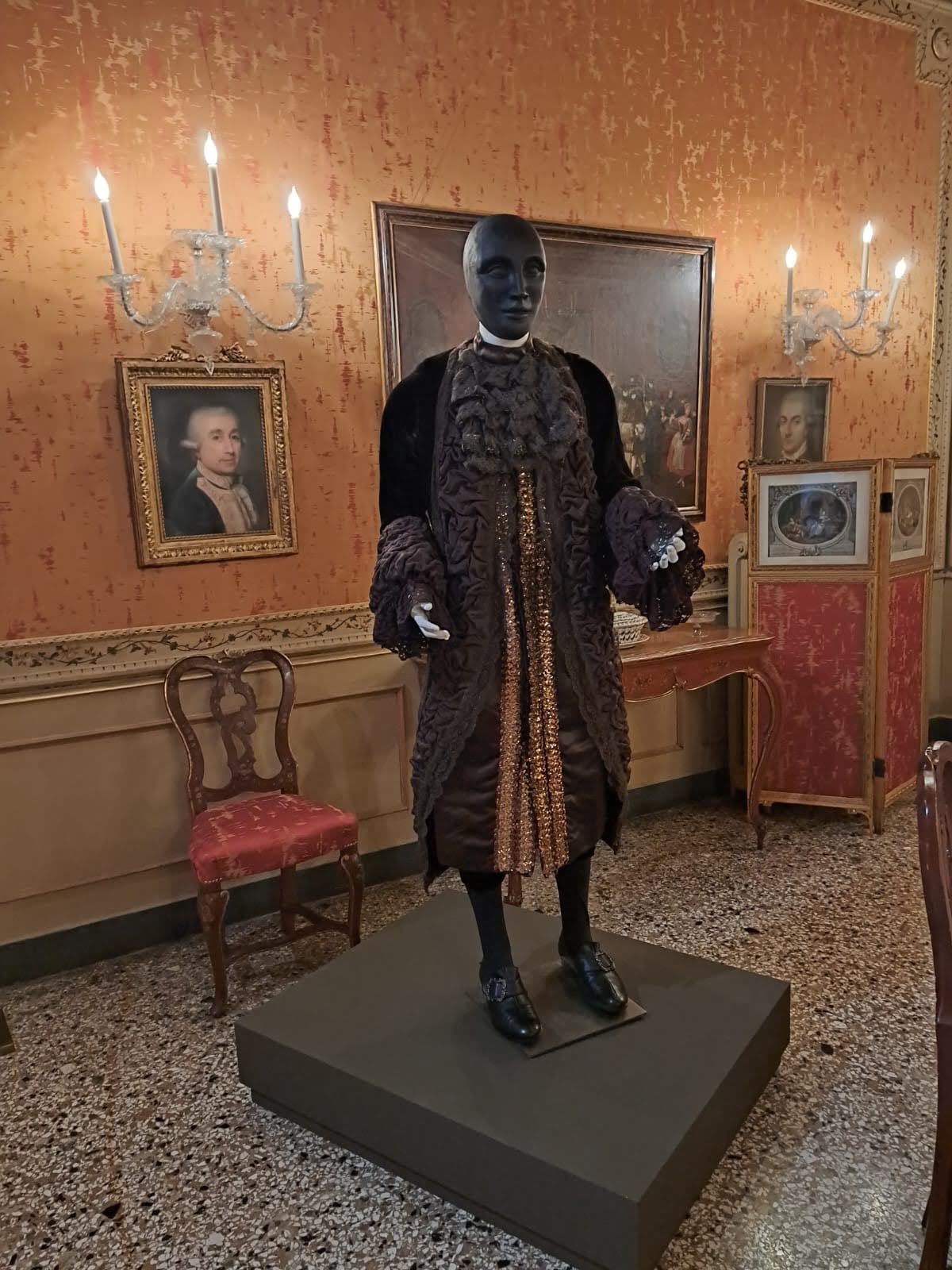
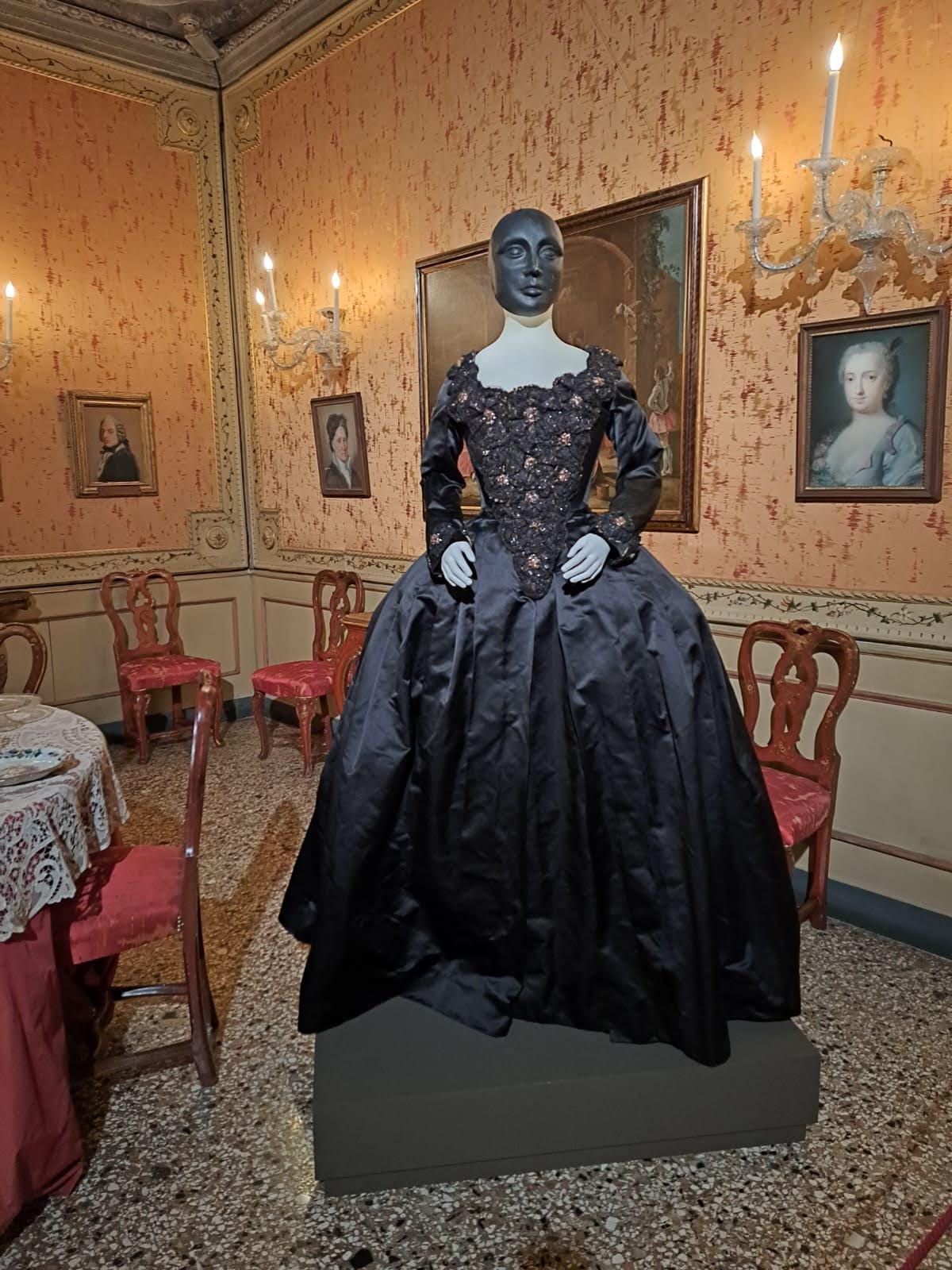
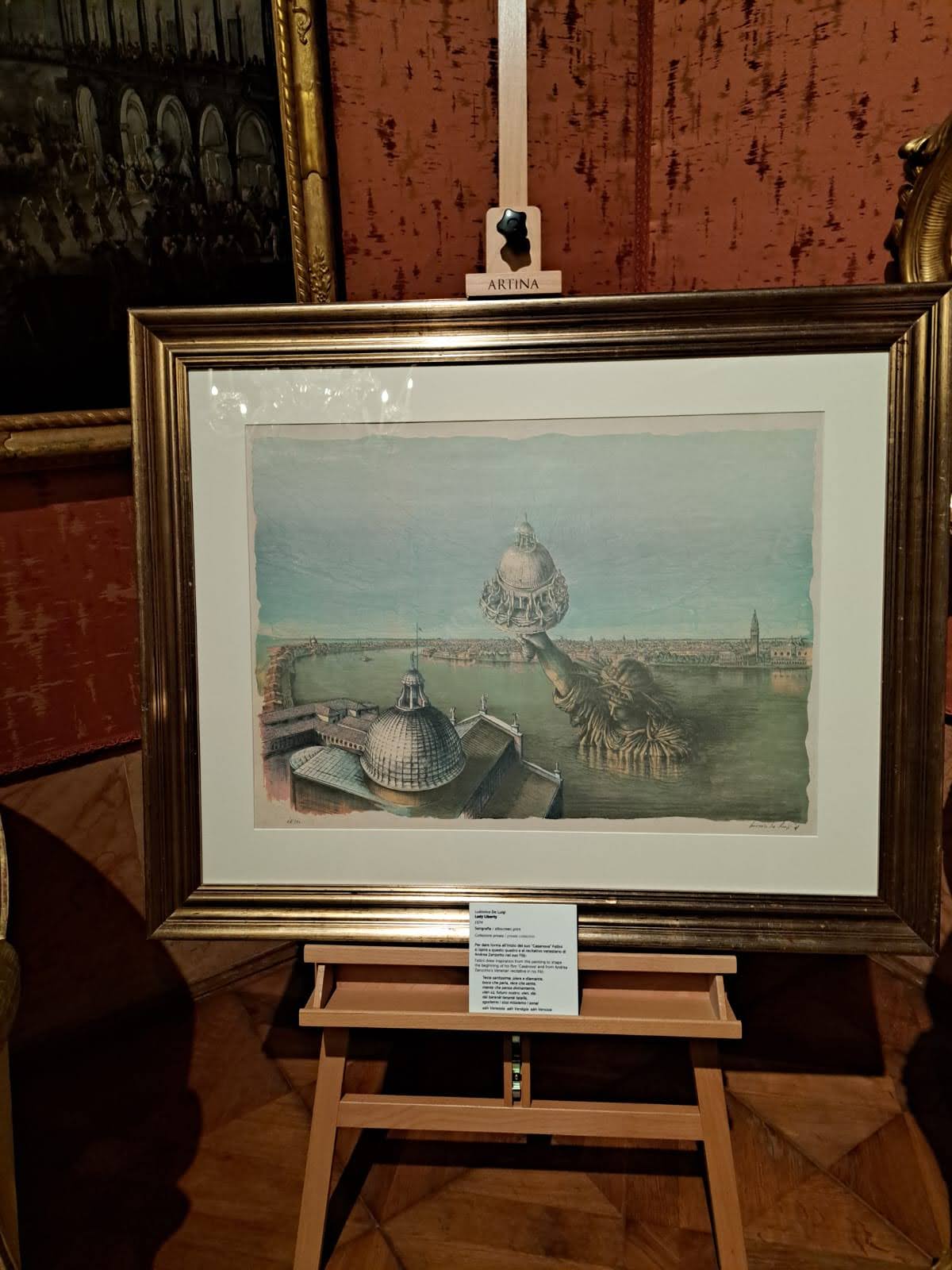
Partiamo dal cuore della mostra: un viaggio emozionante attraverso la vita rocambolesca di Casanova, raccontata non solo con documenti storici e opere d’arte, ma anche con un occhio al cinema che lo ha reso immortale. Pensate a Federico Fellini e al suo iconico film del 1976, “Casanova”, con Donald Sutherland nei panni del seduttore per eccellenza. Qui potrete ammirare da vicino sei costumi originali di quel capolavoro, disegnati dal genio Danilo Donati (che vinse pure un Oscar per essi!). Immaginate taffetà pastello, velluti barocchi e tessuti che sembrano sussurrare storie di corti spagnole, competizioni romane e incantesimi francesi. È come entrare nel set di Fellini, con bozzetti che trasformano la pellicola in quadri viventi, ispirati a maestri come Hogarth, Guardi e Tiepolo. Che emozione vedere come il cinema ha reinterpretato Casanova non come un donnaiolo superficiale, ma come un simbolo di vuoto esistenziale, un automa intrappolato nella sua stessa fama!

Il percorso espositivo è un vero e proprio labirinto di sorprese, diviso in sezioni che ti catturano passo dopo passo. Si inizia con la biografia avventurosa di Giacomo: dalla nascita a Venezia nel 1725, agli studi a Padova, alla prigione nei Piombi e alla fuga leggendaria nel 1756. Poi, un confronto mozzafiato tra un ritratto settecentesco attribuito a Pietro Longhi – un elegante gentiluomo con libro, anello e parrucca incipriata – e la locandina del film di Fellini, che lo trasforma in una figura meccanica e disumanizzata. Non mancano tre dipinti sensuali di Giambattista Pittoni, con divinità mitologiche come Apollo, Venere e Diana in pose teatrali e licenziose, che evocano l’atmosfera erotica e raffinata del Settecento. E per i cultori della storia, c’è la sezione dedicata ad Aldo Ravà, quel collezionista veneziano del primo Novecento (1879-1923) che ha riabilitato l’immagine di Casanova. Appassionato del Settecento, Ravà ha pubblicato oltre venti studi su di lui, scoprendo lettere, opuscoli rari e persino la biblioteca del castello di Dux dove Casanova passò gli ultimi anni. Grazie a lui, Casanova non è più solo un libertino, ma un acuto osservatore del suo tempo – e la mostra espone documenti dalla sua collezione al Museo Correr che vi faranno venire i brividi!

A rendere tutto questo possibile è un team di curatori eccezionali. Parliamo di Luigi Zanini, il curatore del Museo di Palazzo Mocenigo, un vero veterano con una esperienza immensa: ha collaborato a tantissime mostre di successo, da quelle sulla storia del profumo (ricordate la Collezione Storp, con oltre 500 flaconi storici?) a esposizioni sulla moda maschile del Settecento. Zanini sa come trasformare un museo in un’esperienza viva, e qui ha unito forze con Monica Viero e Gianni De Luigi per creare qualcosa di magico. A proposito di Gianni De Luigi: è un esperto di arte e cinema, con un background che spazia da studi su Fellini a progetti curatoriali innovativi. Ha curato questa mostra con un tocco personale, mescolando storia e schermo in modo da farvi sentire parte del mito. Insieme, hanno reso Palazzo Mocenigo il palcoscenico perfetto per rivivere l’eredità di Casanova!

Ma non è solo una mostra per esperti: è per tutti! Che siate cinefili, amanti della storia o semplicemente curiosi di Venezia, qui troverete ispirazione, stupore e un sacco di spunti per foto da urlo. Immaginate di uscire con la testa piena di aneddoti da raccontare agli amici – tipo come Casanova tradusse l’Iliade o fondò un giornale satirico che gli costò l’esilio. E il palazzo stesso? Un gioiello del Settecento, con sale affrescate e un’atmosfera che ti trasporta indietro nel tempo.

Non aspettare: segnatevi le date, dal 29 agosto al 2 novembre 2025, al primo piano del Museo di Palazzo Mocenigo. Biglietti e orari sul sito ufficiale – è facile e accessibile. Veniteci con amici, famiglia o da soli per un momento di puro incanto. Fidatemi, dopo questa mostra vedrete Casanova (e Venezia) con occhi nuovi. Che state aspettando? Correte a prenotare, non ve ne pentirete – potrebbe essere l’evento culturale dell’anno che vi cambierà la prospettiva sul mito più affascinante della storia! 😊

Discover the Fascinating Legacy of Casanova at Palazzo Mocenigo: A Must-See Exhibition!

Hello, lovers of history, art, and cinema! Picture yourself walking through the halls of a grand Venetian palace, surrounded by dazzling costumes, mysterious portraits, and stories that feel like they’re straight out of a movie. Well, it’s not a dream: I’m talking about the unmissable exhibition “Casanova 1725–2025: The Legacy of a Myth Between History, Art and Cinema” at the Palazzo Mocenigo Museum. Running from August 29 to November 2, 2025, this exhibition celebrates the 300th anniversary of the birth of Giacomo Casanova – the legendary Venetian adventurer who enchanted (and scandalized) the world with his memoirs. If you’re in Venice or planning a trip, this is the perfect opportunity to dive into an era of intrigue, passion, and creative genius. I’ll say it right away: it’s impossible to walk away unaffected!

Let’s start at the heart of the show: an emotional journey through Casanova’s adventurous life, told not only through historical documents and artwork but also through the lens of cinema, which has made him immortal. Think of Federico Fellini and his iconic 1976 film “Casanova”, starring Donald Sutherland as the ultimate seducer. Here, you’ll get to admire six original costumes from that masterpiece, designed by the brilliant Danilo Donati (who even won an Oscar for them!). Picture pastel taffeta, baroque velvets, and fabrics that seem to whisper stories of Spanish courts, Roman duels, and French enchantments. It’s like stepping onto Fellini’s set, with original sketches that turn film into living paintings inspired by masters like Hogarth, Guardi, and Tiepolo. What a thrill to see how cinema reimagined Casanova not just as a womanizer, but as a symbol of existential emptiness – a man trapped in the myth of his own fame!

The exhibition layout is a true labyrinth of surprises, divided into captivating sections. It begins with Casanova’s adventurous biography: from his birth in Venice in 1725, to his studies in Padua, his imprisonment in the Piombi, and his legendary escape in 1756. One of the most striking comparisons is between a stunning 18th-century portrait attributed to Pietro Longhi – showing a refined gentleman holding a book, ring, and powdered wig – and the stark movie poster for Fellini’s film, depicting Casanova as a mechanical, dehumanized figure. There are also three sensual paintings by Giambattista Pittoni, featuring mythological gods like Apollo, Venus, and Diana in theatrical, suggestive poses – evoking the erotic and elegant atmosphere of the 1700s.

And for history buffs, there’s a section dedicated to Aldo Ravà, a Venetian collector from the early 20th century (1879–1923) who helped restore Casanova’s image. Passionate about the 18th century, Ravà published over 20 studies on him, unearthing letters, rare pamphlets, and even the library at Dux Castle, where Casanova spent his final years. Thanks to Ravà, Casanova is no longer seen just as a libertine, but as a sharp observer of his time – and the exhibition features documents from his collection at the Museo Correr that will give you goosebumps!

What makes all of this possible is a team of exceptional curators. Leading the way is Luigi Zannini, curator of the Palazzo Mocenigo Museum – a true veteran with immense experience. He has worked on many successful exhibitions, from perfume history (remember the Storp Collection, with over 500 historical flacons?) to 18th-century men’s fashion. Zannini knows how to transform a museum into a living experience, and here he’s joined forces with Monica Viero and Gianni De Luigi to create something magical. Speaking of Gianni De Luigi: he’s an expert in art and cinema, with a background ranging from studies on Fellini to innovative curatorial projects. His touch in this show is unmistakable – blending history and film in a way that makes you feel like part of the legend. Together, they’ve turned Palazzo Mocenigo into the perfect stage to relive Casanova’s legacy.

But this isn’t just a show for experts – it’s for everyone! Whether you’re a film buff, history lover, or just curious about Venice, you’ll find inspiration, wonder, and plenty of photo-worthy moments here. Imagine walking out with a head full of stories to tell your friends – like how Casanova translated the Iliad or founded a satirical newspaper that got him exiled. And the palace itself? A gem of the 18th century, with frescoed rooms and an atmosphere that truly transports you back in time.

Don’t wait: mark your calendars for August 29 to November 2, 2025, on the first floor of the Palazzo Mocenigo Museum. Tickets and hours are available on the official website – it’s easy and accessible. Bring your friends, your family, or come solo for a moment of pure enchantment. Trust me: after this exhibition, you’ll see Casanova (and Venice) with new eyes. What are you waiting for? Book your visit now – you won’t regret it. This could be the cultural event of the year that changes the way you see one of history’s most fascinating figures! 😊

L’oro della laguna

✨: la magia di Antonello Viola a Ca’ Pesaro

Antonello Viola: “L’oro della laguna” – Un dialogo poetico tra arte e Venezia

La luce di Venezia nei quadri di Antonello Viola: una mostra da vedere a Ca’ Pesaro

Dal 20 giugno al 28 settembre 2025, Ca’ Pesaro accoglie una mostra che parla sottovoce ma lascia il segno: L’oro della laguna, personale di Antonello Viola. Nelle eleganti sale Dom Pérignon della Galleria Internazionale d’Arte Moderna, l’artista romano presenta una serie di opere inedite realizzate negli ultimi quattro anni, tra vetri dipinti e carte giapponesi. A curare il progetto è Elisabetta Barisoni, direttrice del museo. Questa mostra è molto più di una raccolta di quadri: è un dialogo silenzioso e profondo tra l’artista e Venezia, città che da sempre riflette, cambia, assorbe. Proprio come i lavori di Viola.

Un artista in ascolto del mondo

Nato a Roma nel 1966, Antonello Viola ha una formazione solida: si è diplomato all’Accademia di Belle Arti sotto la guida di Enzo Brunori e ha conseguito un dottorato in Spagna, all’Università de La Laguna. Nel tempo ha sviluppato una pittura che unisce tecnica, riflessione e spiritualità. Il suo segno è sottile, le sue opere sono fatte di velature, cancellature, superfici che sembrano respirare. Nulla è lasciato al caso, ma nulla è rigido. Viola lavora per stratificazioni: applica il colore, poi lo rimuove, lo raschia, lo modifica. È un processo lento e meditativo, quasi rituale. E i materiali scelti — vetro, carta, oro — parlano di fragilità, luce e trascendenza.

Venezia come specchio interiore

Nella mostra, ogni opera sembra contenere un frammento della laguna. I titoli evocano isole vere e immaginate — Elba, Poveglia, Murano, Giudecca — ma non c’è geografia. C’è piuttosto una mappa emotiva, personale. Le superfici dipinte diventano paesaggi dell’anima, dove la luce cambia tutto e il tempo si ferma. Il vetro è il protagonista: lastre dipinte su entrambi i lati creano giochi di profondità e riflessi, come acque tranquille che nascondono correnti interiori. Le opere su carta giapponese, invece, sono più essenziali, verticali, quasi spirituali. L’oro, usato con misura e intelligenza, non è decorazione: è luce pura.

Un dialogo che attraversa i secoli

Un elemento interessante della mostra è il confronto silenzioso con Giulio Aristide Sartorio, pittore simbolista romano che un secolo fa realizzò per la Biennale il gigantesco ciclo Il poema della vita umana, esposto nelle sale adiacenti. Come Viola, anche Sartorio cercava l’essenza dell’esistenza attraverso strati di materia e luce.

Un invito al silenzio

In un’epoca veloce e rumorosa, le opere di Viola ci costringono a rallentare. A fermarci. A osservare. Il suo lavoro non urla, non cerca di colpire: piuttosto, accoglie. Ogni quadro è un piccolo universo che invita alla contemplazione. E alla fine, questa mostra non è solo un’esperienza visiva, ma anche un momento di pausa, di ascolto, di connessione con qualcosa di più profondo.

Informazioni utili

La mostra è visitabile con il normale biglietto di ingresso di Ca’ Pesaro, dal martedì alla domenica, dalle 10:00 alle 18:00. È realizzata in collaborazione con la Galleria Alessandro Casciaro di Bolzano-Venezia.

✨: The Magic of Antonello Viola at Ca’ Pesaro

Venice Reflected in Gold: Antonello Viola at Ca’ Pesaro

From June 20 to September 28, 2025, Ca’ Pesaro hosts a quiet yet powerful exhibition: The Gold of the Lagoon, a solo show by Roman artist Antonello Viola. Set in the elegant Dom Pérignon rooms of the Galleria Internazionale d’Arte Moderna, the exhibition presents a selection of works created over the past four years—glass paintings and Japanese paper pieces—many of which are on public display for the first time. Curated by the museum’s director, Elisabetta Barisoni, the show offers a poetic dialogue between the artist and the soul of Venice.

An Artist Who Listens to the World

Born in Rome in 1966, Antonello Viola studied at the Accademia di Belle Arti under Enzo Brunori and later earned a PhD from the University of La Laguna in Spain. Over the years, he has developed a deeply thoughtful and spiritual painting practice. His work is delicate yet dense, created through a slow process of layering, erasing, and reapplying. Each surface feels alive—something between a memory and a presence. Viola doesn’t paint with urgency, but with intention. He uses materials like gold leaf, glass, and fine paper not for their beauty alone, but for what they evoke: fragility, light, silence, transcendence.

Venice as an Inner Landscape

In this exhibition, each work seems to hold a fragment of the lagoon. Titles reference real and imagined islands—Elba, Poveglia, Murano, Giudecca—but these are not maps. They are emotional coordinates. The painted surfaces open up to inner landscapes, where light transforms everything and time seems to stretch. Glass plays a central role: painted on both sides, arranged in layers, it creates depth and transparency—like water capturing reflections. The works on Japanese paper are more minimal and vertical, almost meditative. Gold, used sparingly and purposefully, becomes a symbol of light rather than mere ornament.

A Silent Conversation Across Centuries

One of the more intriguing aspects of the show is its silent dialogue with Giulio Aristide Sartorio, another Roman artist who found inspiration in Venice over a century ago. His monumental cycle The Poem of Human Life, painted for the Venice Biennale in 1906–07, is displayed in the adjacent gallery. Like Viola, Sartorio explored layering, translucency, and spiritual themes through his technique.

The Power of Silence

In a time defined by speed and noise, Viola’s works invite us to slow down. To stop. To really look. His paintings don’t shout; they welcome. Each one is a quiet universe, offering space for contemplation and calm. This exhibition isn’t just visual—it’s emotional. It’s a moment of reflection in a world that rarely pauses.

Visitor Information

The Gold of the Lagoon is open from Tuesday to Sunday, 10:00 AM to 6:00 PM, with standard museum admission. The exhibition is presented in collaboration with Galleria Alessandro Casciaro (Bolzano–Venice).

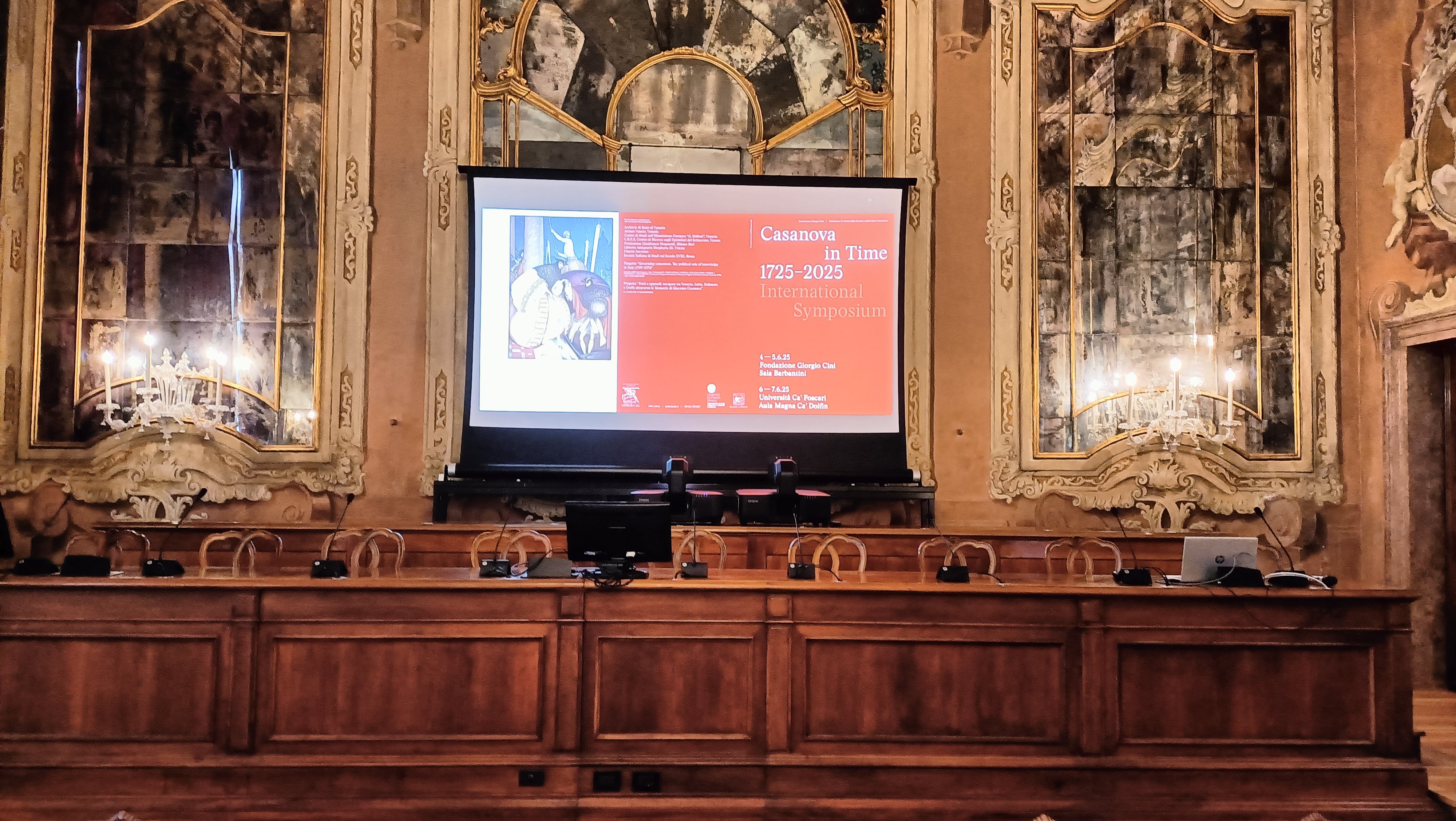
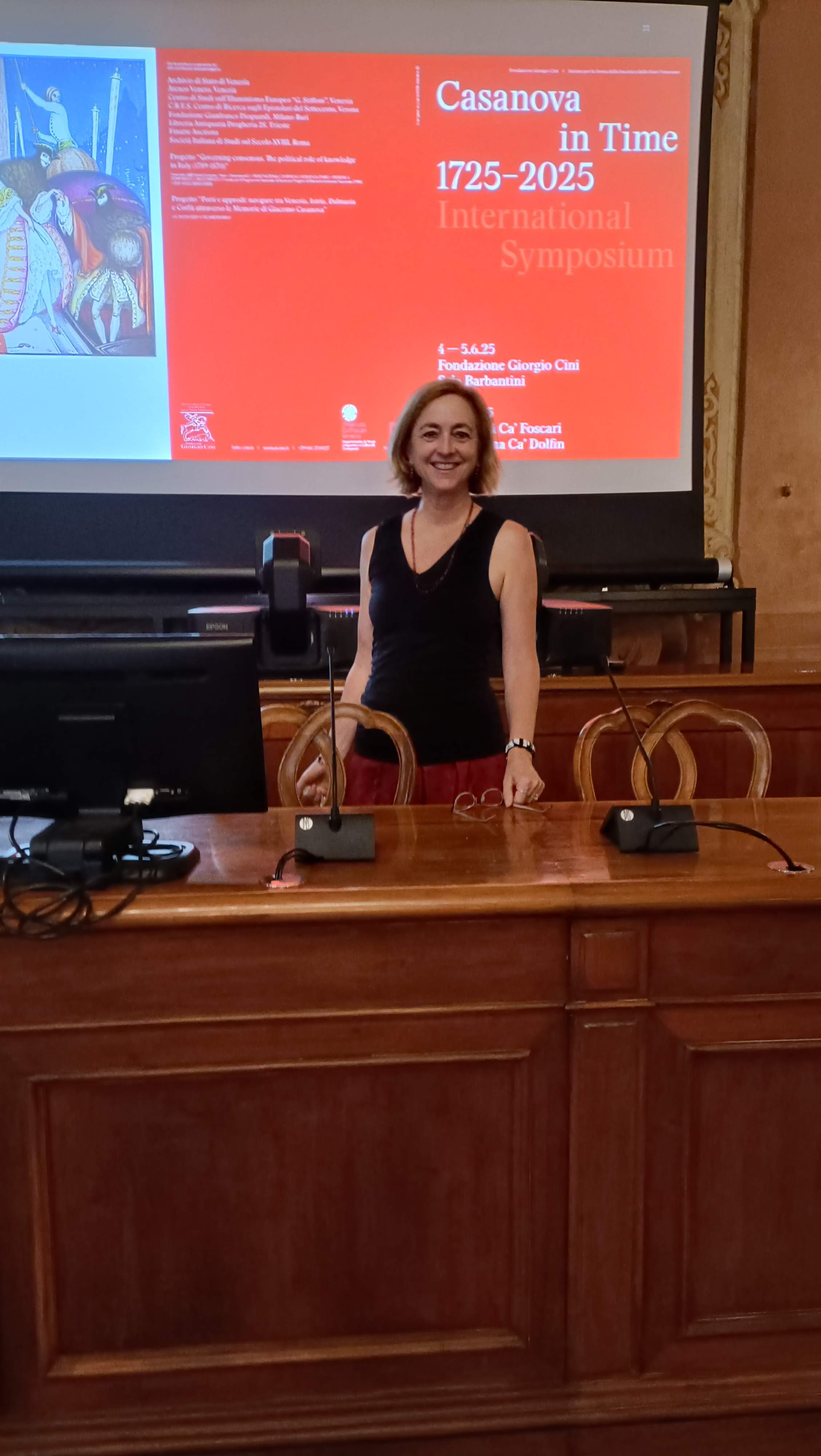
Casanova in Time: Il Simposio organizzato a Venezia

Casanova in Time: Il Simposio del 6 Giugno 2025 a Venezia

Questa mattina ho avuto il privilegio di partecipare alla giornata del 6 giugno 2025 del simposio internazionale “Casanova in Time 1725–2025”, un evento straordinario che celebra i 300 anni dalla nascita di Giacomo Casanova, organizzato dall’Università Ca’ Foscari e dalla Fondazione Giorgio Cini. La cornice dell’Aula Magna di Ca’ Dolfin a Venezia ha offerto un’atmosfera solenne e stimolante per approfondire la figura complessa e affascinante di Casanova, ben oltre il mito del libertino, restituendolo come testimone e protagonista del Settecento europeo e della Repubblica di Venezia in declino.

Da tempo sapevo di questo simposio, per cui in anticipo mi sono preso dei giorni di ferie per parteciparvi. Incantato dalla possibilità di incontrare studiosi da tutto il mondo, non potevo resistere, ma soprattutto, non vedevo l’ora di rivedere la mia amica Kathleen Ann Gonzalez, autrice di molti libri su Giacomo Casanova e non solo. Molto tempo fa andavo alla ricerca di alcune informazioni su una protagonista Veneziana del 1700, e fu molto gentile a fornirmi tutti i dettagli. Da allora, ho comprato tutti i suoi libri e ho imparato moltissimo. Questa è stata la mia prima volta come ospite ad una conferenza, di solito partecipo in veste lavorativa, e mi è piaciuto molto !

📅 Programma della Giornata

L’evento a cui ho partecipato ha rappresentato il secondo momento del simposio, dopo le prime giornate sull’Isola di San Giorgio Maggiore, e si è svolto nell’elegante Aula Magna di Ca’ Dolfin, cuore accademico di Ca’ Foscari. La mattinata è stata dedicata a una serie di interventi di studiosi di fama internazionale che hanno presentato ricerche innovative sulla vita, le opere e il contesto storico di Casanova, con un focus particolare sul suo ruolo di uomo di cultura, diplomatico e scrittore. Ogni intervento è durato circa 20 minuti, con un attento rispetto dei tempi da parte dei presidenti di sessione.

Relatori internazionali

Tra gli oltre quaranta relatori provenienti da università e centri di ricerca europei e americani, alcuni si sono concentrati sull’analisi letteraria delle “Memorie” di Casanova, discutendo l’autenticità del testo e le sue molteplici interpretazioni nel corso dei secoli. Altri hanno esaminato il ruolo di Casanova come testimone del tramonto della Repubblica di Venezia, mettendo in rilievo il suo sguardo critico e la sua capacità di raccontare un mondo in trasformazione. Purtroppo non era disponibile la traduzione simultanea dei vari relatori, per cui non ho potuto godere delle opinioni di tutti quanti, concentrandomi sull’inglese e italiano. Il mio francese è scolastico, per cui, ho un po’ faticato, tuttavia è stata una bellissima esperienza.

🖼️ Conclusione

Questo simposio ha rappresentato un momento di approfondimento e riflessione sulla figura di Giacomo Casanova, offrendo nuove prospettive e stimolando il dibattito su un personaggio che continua a suscitare interesse e curiosità. Il simposio ha dimostrato come, a distanza di tre secoli, la sua vita e le sue opere siano ancora capaci di ispirare e provocare discussioni in ambito accademico e culturale e non solo.


Casanova in Time: The Symposium of 6 June 2025 in Venice

This morning I had the privilege of participating in the international symposium “Casanova in Time 1725–2025” on June 6, 2025, an extraordinary event celebrating the 300th anniversary of the birth of Giacomo Casanova, organized by Ca’ Foscari University and the Giorgio Cini Foundation. The setting of the Aula Magna of Ca’ Dolfin in Venice offered a solemn and stimulating atmosphere to delve into the complex and fascinating figure of Casanova, well beyond the myth of the libertine, restoring him as a witness and protagonist of eighteenth-century Europe and the declining Republic of Venice.

I had known about this symposium for a while, so I took some time off work in advance to attend. I couldn’t resist the chance to meet scholars from all over the world, but most of all, I couldn’t wait to see my friend Kathleen Ann Gonzalez, author of many books on Giacomo Casanova and more. A long time ago I was looking for some information on a Venetian protagonist from the 1700s, and she was very kind to provide me with all the details. Since then, I have bought all her books and have learned a lot. This was my first time as a guest at a conference, usually I attend in a professional capacity, and I really enjoyed it!

📅 Program of the Day

The event I attended was the second part of the symposium, after the first days on the Island of San Giorgio Maggiore, and took place in the elegant Aula Magna of Ca’ Dolfin, the academic heart of Ca’ Foscari. The morning was dedicated to a series of interventions by internationally renowned scholars who presented innovative research on the life, works and historical context of Casanova, with a particular focus on his role as a man of culture, diplomat and writer. Each intervention lasted about 20 minutes, with careful respect for the timing by the session presidents.

International speakers

Among the more than forty speakers from European and American universities and research centers, some focused on the literary analysis of Casanova’s “Memoirs”, discussing the authenticity of the text and its multiple interpretations over the centuries. Others have examined Casanova’s role as a witness to the decline of the Venetian Republic, highlighting his critical gaze and his ability to narrate a world in transformation. Unfortunately, there was no simultaneous translation of the various speakers, so I was unable to enjoy the opinions of all of them, focusing on English and Italian. My French is scholastic, so I struggled a bit, but it was a wonderful experience.

🖼️ Conclusion

This symposium represented a moment of study and reflection on the figure of Giacomo Casanova, offering new perspectives and stimulating debate on a character who continues to arouse interest and curiosity. The symposium demonstrated how, after three centuries, his life and his works are still capable of inspiring and provoking discussions in the academic and cultural fields and beyond.

Venezia e l’Impero Ottomano: una storia di rivalità e scambi culturali

For the English translation please scroll down the page, thank you !

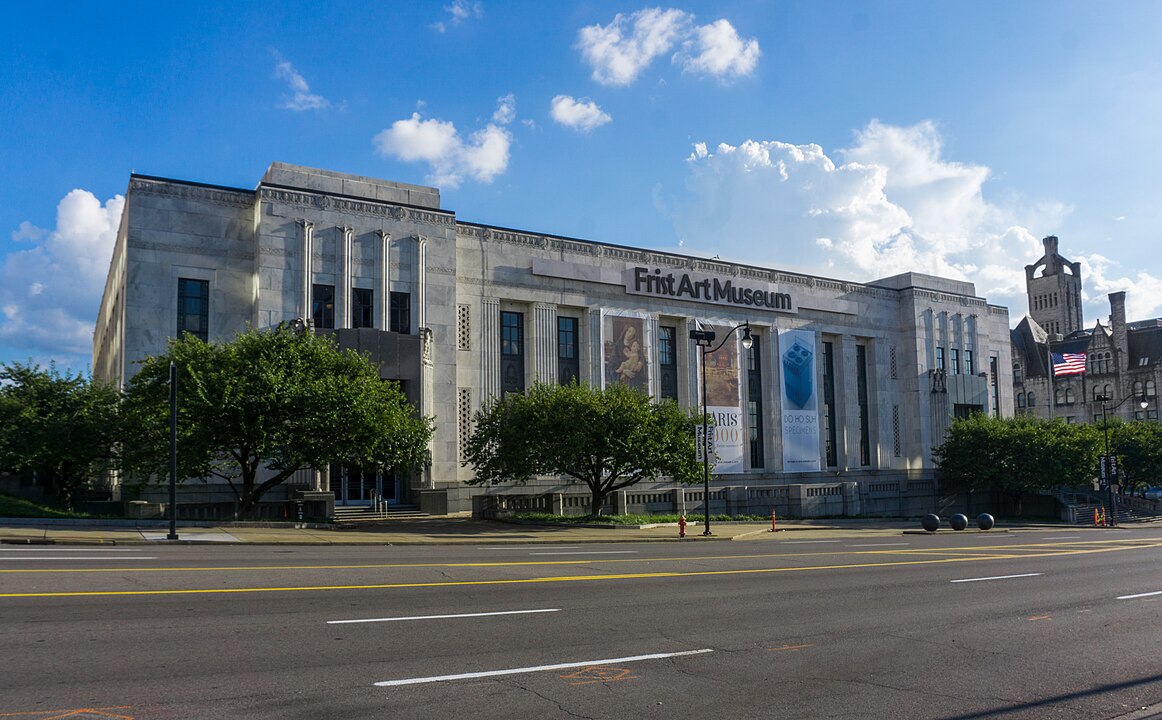
Dal 31 maggio al 1º settembre 2025, il Frist Art Museum di Nashville ospita la mostra Venice and the Ottoman Empire, un’esplorazione approfondita del rapporto tra la Repubblica di Venezia e l’Impero Ottomano tra il XV e il XVIII secolo. Curata dalla Fondazione Musei Civici di Venezia e The Museum Box, l’esposizione presenta oltre 150 opere provenienti dalle collezioni dei principali musei civici veneziani, offrendo una panoramica unica su quattro secoli di interazioni tra queste due potenze mediterranee .

Un bellissimo museo

Il Frist Art Museum, situato nel cuore di Nashville, Tennessee, è un punto di riferimento culturale e architettonico. Ospitato nell’imponente ex edificio della posta centrale, un magnifico esempio di architettura Art Déco risalente al 1933-1934 e inserito nel Registro Nazionale dei Luoghi Storici, il museo si distingue per essere una “non-collecting institution”. Questo significa che il Frist non possiede una collezione permanente, ma si concentra invece sulla presentazione di un programma dinamico e in costante evoluzione di mostre temporanee. Ogni anno, il museo ospita tra le 12 e le 15 esposizioni, attingendo a collezioni prestigiose da tutto il mondo e curando anche mostre interne pluripremiate. La sua missione è ispirare le persone attraverso l’arte a guardare il proprio mondo in modi nuovi, offrendo programmi educativi e attività di coinvolgimento della comunità che rendono l’arte accessibile a un pubblico diversificato.

 I musei civici di Venezia protagonisti

Le opere in mostra provengono da molti musei e in particolare da sette istituzioni veneziane:

  •  Ca’ Rezzonico: museo del Settecento veneziano
  •  Gallerie dell’Accademia: museo di pittura veneziana
  •  Museo Correr: dedicato all’arte, alla vita e alla cultura veneziana
  •  Museo Fortuny: ex residenza e laboratorio dell’artista Mariano Fortuny
  •  Museo del Vetro: museo del vetro
  •  Museo di Palazzo Mocenigo: centro di studi sulla storia del costume, dei tessuti e dei profumi
  •  Palazzo Ducale; Palazzo del Doge

Queste istituzioni hanno fornito una vasta gamma di oggetti, tra cui armature, vetri, metalli, dipinti, ceramiche, libri stampati, sculture e tessuti di seta, che illustrano le sfere artistiche, culinarie, diplomatiche, economiche e politiche del rapporto tra Venezia e l’Impero Ottomano .

 Una storia di conflitti e alleanze

Il rapporto tra Venezia e l’Impero Ottomano è stato segnato da una serie di conflitti e alleanze. Nel 1463, la guerra turco-veneziana scoppiò a causa delle ambizioni ottomane nei Balcani. Il conflitto si concluse nel 1479 con il trattato di Costantinopoli, che sancì la fine delle ostilità e stabilì condizioni di pace tra le due potenze .

Tuttavia, le tensioni continuarono a crescere. Nel 1571, la battaglia di Lepanto vide una coalizione cristiana, tra cui Venezia, sconfiggere la flotta ottomana, segnando un punto di svolta nella rivalità tra le due potenze. Nonostante ciò, Venezia dovette affrontare ulteriori conflitti, come la guerra di Candia, che portarono alla perdita di territori significativi. Nel corso dei secoli, Venezia e l’Impero Ottomano hanno interagito in modi complessi, passando da conflitti a periodi di cooperazione. Questa mostra offre una visione approfondita di come due civiltà apparentemente opposte abbiano influenzato reciprocamente le loro culture, economie e politiche.

 Un viaggio sensoriale nella storia

La mostra non si limita a esporre oggetti storici; offre anche un’esperienza sensoriale completa. I visitatori possono ascoltare suoni evocativi del Mediterraneo, annusare fragranze storiche, gustare piatti ispirati alle tradizioni culinarie veneziane e ottomane, e toccare tessuti pregiati creati da Mariano Fortuny. Questa immersione sensoriale arricchisce la comprensione del rapporto tra Venezia e l’Impero Ottomano, rendendo la storia viva e tangibile .

 Conclusione

Venice and the Ottoman Empire è più di una semplice mostra; è un’opportunità per esplorare una parte fondamentale della storia mediterranea attraverso l’arte e la cultura. Per chi è interessato alla storia, all’arte e alle interazioni culturali, questa esposizione offre una prospettiva unica e coinvolgente.

Per ulteriori informazioni e per pianificare la visita, si può consultare il sito ufficiale del Frist Art Museum:

Venice and the Ottoman Empire at the Frist Art Museum !

From May 31st to September 1, 2025, The Frist Art Museum in Nashville hosts Venice and the Ottoman Empire, an in-depth exploration of the relationship between the Republic of Venice and the Ottoman Empire between the 15th and 18th centuries. Curated by the Fondazione Musei Civici di Venezia and The Museum Box, the exhibition features over 150 works from the collections of Venice’s major civic museums, providing a unique overview of four centuries of interaction between these two Mediterranean powers.

A beautiful museum

The Frist Art Museum, located in the heart of Nashville, Tennessee, is a cultural and architectural landmark. Housed in the stately former Main Post Office building, a magnificent example of Art Deco architecture dating from 1933-1934 and listed on the National Register of Historic Places, the museum is distinguished by its status as a “non-collecting institution.” This means that the Frist does not have a permanent collection, but instead focuses on presenting a dynamic and constantly evolving program of temporary exhibitions. Each year, the museum hosts between 12 and 15 exhibitions, drawing on prestigious collections from around the world and also curating award-winning in-house exhibitions. Its mission is to inspire people through art to look at their world in new ways, offering educational programs and community engagement activities that make art accessible to a diverse audience.

 Venice’s civic museums protagonists

The works on display come from many museums and in particular from seven Venetian institutions:

  •  Ca’ Rezzonico: museum of the Venetian 18th century
  •  Gallerie dell’Accademia: museum of Venetian painting
  •  Museo Correr: dedicated to Venetian art, life and culture
  •  Museo Fortuny: former residence and laboratory of the artist Mariano Fortuny
  •  Museo del Vetro: museum of glass
  •  Palazzo Mocenigo Museum: a center for studies on the history of costume, fabrics and perfumes
  •  Palazzo Ducale; Doge’s Palace

These institutions provided a wide range of objects, including armor, glass, metal, paintings, ceramics, printed books, sculptures, and silk fabrics, illustrating the artistic, culinary, diplomatic, economic, and political spheres of Venice’s relationship with the Ottoman Empire.

 A history of conflicts and alliances

The relationship between Venice and the Ottoman Empire was marked by a series of conflicts and alliances. In 1463, the Venetian-Turkish War broke out over Ottoman ambitions in the Balkans. The conflict ended in 1479 with the Treaty of Constantinople, which ended hostilities and established peace between the two powers.

However, tensions continued to grow. In 1571, the Battle of Lepanto saw a Christian coalition, including Venice, defeat the Ottoman fleet, marking a turning point in the rivalry between the two powers. Despite this, Venice had to face further conflicts, such as the War of Candia, which led to the loss of significant territory. Over the centuries, Venice and the Ottoman Empire interacted in complex ways, moving from conflict to cooperation. This exhibition offers an in-depth look at how two seemingly opposing civilizations influenced each other’s cultures, economies and politics.

 A sensorial journey through history

The exhibition does more than just display historical objects; it also offers a complete sensory experience. Visitors can listen to evocative sounds of the Mediterranean, smell historic fragrances, taste dishes inspired by Venetian and Ottoman culinary traditions, and touch fine fabrics created by Mariano Fortuny. This sensorial immersion enriches the understanding of the relationship between Venice and the Ottoman Empire, making history alive and tangible.

 Conclusion

Venice and the Ottoman Empire is more than just an exhibition; it is an opportunity to explore a fundamental part of Mediterranean history through art and culture. For those interested in history, art, and cultural interactions, this exhibit offers a unique and engaging perspective.

For more information and to plan your visit, visit the official website of the Frist Art Museum:

Viaggio nella Storia del profumo a Palazzo Mocenigo

For the English translation please scroll down the page, thank you !

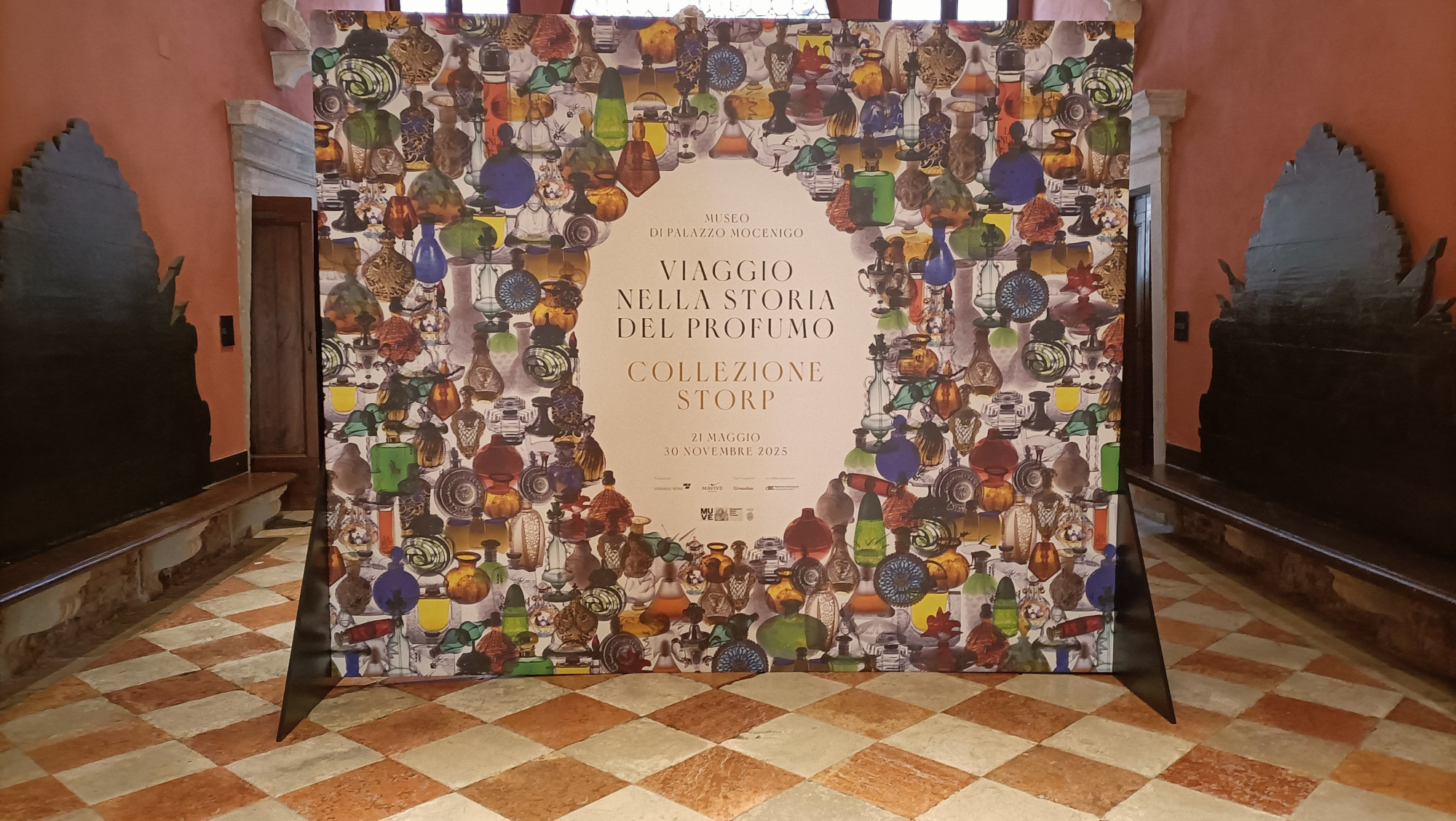
Un Viaggio Olfattivo Senza Tempo: La Mostra “Viaggio nella Storia del Profumo” al Museo di Palazzo Mocenigo. Dal 21 maggio al 30 novembre 2025, il Museo di Palazzo Mocenigo a Venezia apre le porte a un’esperienza sensoriale straordinaria: la mostra “Viaggio nella Storia del Profumo”, realizzata grazie alla collaborazione con la Collezione Storp. Un’occasione unica per immergersi in oltre 6.000 anni di storia olfattiva, esplorando l’evoluzione del profumo attraverso reperti antichi e moderni.

🏛️ Un Palazzo, una Storia

Palazzo Mocenigo, situato nel cuore pulsante di Venezia, è da sempre un punto di riferimento per la storia del tessuto e del costume. Con l’inaugurazione di questa mostra, il museo arricchisce il suo percorso con un capitolo dedicato all’arte della profumeria, grazie alla preziosa Collezione Storp.

🧴 La Collezione Storp: Un Tesoro Olfattivo

La Collezione Storp, fondata nel 1921 da Dora Storp, è una delle più importanti al mondo, con oltre 2.500 pezzi che spaziano dal 2000 a.C. al XXI secolo. Questa straordinaria raccolta comprende flaconi e contenitori per profumi provenienti da diverse epoche e culture, offrendo una panoramica unica sull’evoluzione del profumo nel corso dei secoli.

👃 Un Percorso Sensoriale Unico

La mostra è organizzata in un percorso espositivo che guida il visitatore attraverso le diverse fasi della storia del profumo. Ogni sezione è arricchita da installazioni olfattive che permettono di immergersi completamente nell’esperienza sensoriale, accompagnando la vista con l’olfatto e l’immaginazione.

🧪 Collaborazioni d’Eccellenza

La realizzazione della mostra è stata possibile grazie alla collaborazione con Mavive e Drom Fragrances. Mavive, azienda leader nel settore della profumeria, ha contribuito con il suo expertise nella realizzazione delle installazioni olfattive, mentre Drom Fragrances ha messo a disposizione la sua preziosa Collezione Storp per arricchire il percorso espositivo.

Ma le meraviglie non finiscono qui! Preparatevi a un’esperienza davvero sensoriale e futuristica nella White Room al piano terra. Qui, la magia del profumo incontra l’innovazione grazie a un’installazione immersiva curata da Zignago Vetro, partner d’eccellenza di Mavive. Vi troverete avvolti in un ambiente unico, dove la luce, il suono e le suggestioni visive vi trasporteranno nel cuore dell’arte profumiera, esplorando la delicata e affascinante relazione tra la fragranza e i suoi preziosi contenitori in vetro. Sarà un’occasione imperdibile per vivere il profumo non solo con l’olfatto, ma con tutti i sensi!

🎟️ Dettagli della Mostra

  • Periodo: 21 maggio – 30 novembre 2025
  • Luogo: Museo di Palazzo Mocenigo, Venezia
  • Orari di apertura: Consultare il sito ufficiale per informazioni aggiornate
  • Biglietti: Disponibili sul sito del museo

🌟 Un’Esperienza da Non Perdere

“Viaggio nella Storia del Profumo” è un’opportunità imperdibile per tutti gli appassionati di storia, arte e profumeria. Un’occasione unica per scoprire l’evoluzione del profumo attraverso i secoli, immergersi in un mondo di fragranze e bellezza, e vivere un’esperienza sensoriale senza precedenti. Non perdere l’opportunità di vivere questa straordinaria esperienza al Museo di Palazzo Mocenigo. Vieni ad ammirare questa mostra e preparati a un viaggio nel tempo e nei sensi!


A Timeless Scented Journey: The Exhibition “A Journey Through the History of Perfume” at Palazzo Mocenigo

From May 21 to November 30, 2025, the Museo di Palazzo Mocenigo in Venice opens its doors to a truly extraordinary sensory experience: the exhibition “A Journey Through the History of Perfume”, created in collaboration with the Storp Collection. This is a unique opportunity to immerse yourself in over 6,000 years of olfactory history, exploring the evolution of perfume through ancient artifacts and modern masterpieces.

🏛️ A Palace Steeped in History

Palazzo Mocenigo, located in the beating heart of Venice, has long been a cultural landmark dedicated to the history of textiles and costume. With the opening of this new exhibition, the museum enriches its offerings with a dazzling chapter on the art of perfumery, thanks to the prestigious Storp Collection.

🧴 The Storp Collection: An Olfactory Treasure

Founded in 1921 by Dora Storp, the Storp Collection is one of the world’s most important archives of perfumery, featuring more than 2,500 pieces ranging from 2000 B.C. to the 21st century. This extraordinary collection includes perfume flacons and containers from various eras and cultures, offering an unparalleled overview of how perfume has evolved across civilizations.

👃 A Unique Sensory Journey

The exhibition is designed as a narrative pathway that guides visitors through different stages in the history of perfume. Each section is enriched with olfactory installations that engage all the senses—blending visual beauty with evocative scents and imagination.

🧪 Excellence in Collaboration

This remarkable exhibition was made possible through the collaboration with Mavive and Drom Fragrances.
Mavive, a leader in the fragrance industry, contributed its expertise to the creation of the sensory installations, while Drom Fragrances provided access to the invaluable Storp Collection to enhance the exhibition experience.

But the wonders don’t end there! Prepare for a truly sensory and futuristic experience in the White Room on the ground floor. Here, the magic of perfume meets innovation thanks to an immersive installation curated by Zignago Vetro, an excellent partner of Mavive. You’ll find yourself enveloped in a unique environment, where light, sound, and visual suggestions will transport you to the heart of perfumery art, exploring the delicate and fascinating relationship between fragrance and its precious glass containers. It will be an unmissable opportunity to experience perfume not only with your sense of smell but with all your senses!

🎟️ Exhibition Details

  • Dates: May 21 – November 30, 2025
  • Location: Museo di Palazzo Mocenigo, Venice
  • Opening Hours: Check the museum’s official website for current info
  • Tickets: Available on the museum’s website

🌟 An Experience Not to Be Missed

“A Journey Through the History of Perfume” is a must-see for lovers of history, art, and fragrance.
It’s a rare chance to explore the timeline of perfume, immerse yourself in a world of scent and beauty, and enjoy a truly unique multi-sensory experience. Don’t miss this extraordinary exhibition at Palazzo Mocenigo. Come to see this wonderful exibition and get ready for a journey through time—and through your senses!

Giulio Aristide Sartorio a Ca’ Pesaro !

For the English translation, please scroll down the page, thank you.

Jpeg

Giulio Aristide Sartorio e il suo “Poema della vita umana”: Un capolavoro simbolista ritrovato a Venezia

Amici appassionati d’arte (e anche voi che magari vi affacciate ora a questo mondo fantastico!), oggi vi portiamo alla scoperta di un artista italiano forse meno conosciuto al grande pubblico di quanto meriterebbe: Giulio Aristide Sartorio. Pittore, scultore, scrittore e persino regista cinematografico, Sartorio fu una figura eclettica e di successo a cavallo tra l’Ottocento e il Novecento.

Allievo del padre e del nonno, entrambi artisti, Sartorio sviluppò presto un talento indipendente, formandosi in gran parte da autodidatta e studiando le grandi opere nelle chiese e nei musei romani. Nonostante le sue radici classiche, fu attratto da nuove tendenze artistiche, come il Preraffaellismo e, in particolare, il Simbolismo.

Ma cos’è il Simbolismo? In parole semplici, è un movimento artistico (e culturale, che coinvolse anche letteratura e musica) nato alla fine dell’Ottocento. A differenza dell’Impressionismo che cercava di catturare l'”impressione” visiva della realtà, il Simbolismo andava oltre. Gli artisti simbolisti volevano esprimere idee profonde, sentimenti ed emozioni interiori, e le realtà misteriose e nascoste dietro l’apparenza visibile. Usavano quindi simboli, figure evocative e un linguaggio (visivo, nel caso della pittura) che suggerisse significati più complessi, puntando all’intuizione e alla spiritualità. Sartorio si inserisce perfettamente in questo contesto, entrando in contatto anche con i simbolisti tedeschi. Le sue opere “La Gorgone e gli Eroi” e “Sirena o Abisso verde” sono splendidi esempi del suo stile simbolista, cariche di mistero e drammaticità.

Il “Poema della vita umana”: Un’opera monumentale

Una delle opere più importanti e affascinanti di Sartorio è un ciclo pittorico monumentale intitolato “Il poema della vita umana“. Quest’opera fu commissionata a Sartorio nel 1906 da Antonio Fradeletto, il segretario generale della Biennale di Venezia, per decorare il Salone centrale dell’Esposizione Internazionale del 1907. Il tema, basato sulla mitologia antica, intendeva illustrare la vita umana. Il ciclo è composto da quattro scene principali: La Luce, Le Tenebre, L’Amore, e La Morte, alternate a dieci pannelli verticali raffiguranti la Grazia, l’Arte e l’energia virile. Sartorio offrì una visione intensamente drammatica dell’esistenza, dalla nascita (simboleggiata dalla Luce, insidiata da forze avverse) fino alla morte. Tra questi estremi, troviamo le allegorie delle Tenebre e il contrasto tra l’amore buono (Eros) e quello cattivo (Himeros).

L’iconografia è complessa e fu persino approvata da Gabriele d’Annunzio. Visivamente, l’opera è priva di elementi architettonici e presenta una sostanziale monocromia, ma ciò che colpisce è l’eccezionale dispiegamento di figure in movimento, che in alcune scene arrivano ad assumere una forma rotante, sottolineando l’intento simbolico generale.

Pensate che Sartorio realizzò questo imponente ciclo, esteso per circa 240 metri quadrati, in soli nove mesi! Utilizzò una tecnica pittorica particolare, un mix di cera, acquaragia e olio di papavero, che gli permise di lavorare rapidamente.

Da Venezia a Ca’ Pesaro: La storia del ciclo

Dopo l’Esposizione del 1907, il ciclo rimase esposto anche per l’edizione successiva della Biennale. Nel 1909, il re Vittorio Emanuele III donò l’opera alla Galleria Internazionale d’Arte Moderna di Venezia, che ha sede a Ca’ Pesaro.

Le vicende e il tempo hanno lasciato il segno su questo grande lavoro. Le fonti ci dicono che la superficie dipinta presentava estese crepe, lacune di colore (alcune riparate in modo approssimativo in passato) e macchie scure dovute a degrado biologico. Fortunatamente, tra il 2018 e il 2019 è stato possibile realizzare un importante restauro. Questo intervento ha permesso di consolidare le aree danneggiate, rimuovere vecchie integrazioni non adeguate, pulire le superfici e ritoccare le cadute di colore. Si è anche prevista la sostituzione dei telai originali con altri più rigidi e leggeri, dotati di un sistema per regolare la tensione della tela, fondamentale per la conservazione di un’opera così grande. Attualmente, il ciclo è conservato in un deposito a Mestre, in attesa di essere nuovamente esposto. La buona notizia è che presto potremo ammirare nuovamente questo capolavoro!

Un’occasione da non perdere: La mostra a Ca’ Pesaro nel 2025

Il ciclo pittorico “Il poema della vita umana” di Giulio Aristide Sartorio sarà al centro di una mostra a Ca’ Pesaro – Galleria Internazionale d’Arte Moderna a Venezia. La mostra si terrà nelle sale espositive del secondo piano e sarà visitabile dal 16 maggio al 28 settembre 2025. Sarà un’occasione unica per vedere da vicino quest’opera restaurata e per comprendere meglio l’arte di Sartorio e il contesto del Simbolismo italiano all’inizio del XX secolo.

Saranno esposti l’intero ciclo e una ricca documentazione sul restauro, oltre a documenti d’archivio e opere di altri artisti esposte alle Biennali di quegli anni, per ricostruire il contesto storico-artistico. Se siete a Venezia in quel periodo, o state pensando a una gita, segnatevi questa data! Visitare Ca’ Pesaro è già di per sé un’esperienza splendida (il palazzo ospita una collezione permanente di arte moderna con opere di artisti come Munch, Ensor, Klimt, Kandinsky e Klee, oltre a mostre temporanee interessanti e un bellissimo Museo d’Arte Orientale), e avere l’opportunità di vedere questo monumentale ciclo di Sartorio renderà la visita ancora più speciale.

Ca’ Pesaro si trova nel sestiere Santa Croce e gli orari di apertura sono generalmente dal martedì alla domenica, ma per la mostra è sempre bene verificare sul sito ufficiale. Giulio Aristide Sartorio è un artista affascinante, capace di unire stili diversi e di esplorare temi profondi con grande forza espressiva. Il “Poema della vita umana” è una testimonianza straordinaria della sua visione e del Simbolismo in Italia. Non perdete l’occasione di scoprirlo o riscoprirlo nel 2025!

Giulio Aristide Sartorio and his “Poem of Human Life”: A Symbolist Masterpiece Rediscovered in Venice

Jpeg

Hello art lovers (and even those of you who are just starting to explore this fantastic world!), today we’re taking you to discover an Italian artist perhaps less known to the general public than he deserves: Giulio Aristide Sartorio. Painter, sculptor, writer, and even film director, Sartorio was an eclectic and successful figure spanning the late 19th and early 20th centuries.

A student of his father and grandfather, both artists, Sartorio quickly developed an independent talent, largely self-taught, studying the great works in Roman churches and museums. Despite his classical roots, he was drawn to new artistic trends, such as Pre-Raphaelitism and, particularly, Symbolism.

But what exactly is Symbolism? In simple terms, it’s an artistic movement (and cultural movement, also involving literature and music) that emerged at the end of the 19th century. Unlike Impressionism, which sought to capture the visual “impression” of reality, Symbolism went further. Symbolist artists wanted to express profound ideas, inner feelings and emotions, and the mysterious and hidden realities behind visible appearance. They therefore used symbols, evocative figures, and a language (visual, in the case of painting) that suggested more complex meanings, aiming for intuition and spirituality. Sartorio fits perfectly into this context, also coming into contact with German Symbolists. His works “La Gorgone e gli Eroi” (The Gorgon and the Heroes) and “Sirena o Abisso verde” (Siren or Green Abyss) are splendid examples of his Symbolist style, full of mystery and drama.

The “Poem of Human Life”: A Monumental Work

One of Sartorio’s most important and fascinating works is a monumental pictorial cycle titled “Il poema della vita umana” (The Poem of Human Life). This work was commissioned to Sartorio in 1906 by Antonio Fradeletto, the secretary general of the Venice Biennale, to decorate the Central Hall of the 1907 International Exhibition.

The theme, based on ancient mythology, aimed to illustrate human life. The cycle is composed of four main scenes: La Luce (The Light), Le Tenebre (The Darkness), L’Amore (Love), and La Morte (Death), alternated with ten vertical panels depicting Grazia (Grace), Arte (Art), and virile energy. Sartorio offered an intensely dramatic vision of existence, from birth (symbolized by The Light, threatened by adverse forces) to death (to which the final male figure, a self-portrait, poses a serene question, seemingly challenging the Sphinx). Between these extremes, we find the allegories of Darkness and the contrast between good love (Eros) and bad love (Himeros).

The iconography is complex and was even approved by Gabriele d’Annunzio. It appears as a synthesis between the Mediterranean world and Nordic culture, with clear references to Nietzsche’s concept of eternal return. Visually, the work is devoid of architectural elements and presents a substantial monochrome, but what is striking is the exceptional deployment of figures in motion, which in some scenes, like Le Tenebre and La Morte, take on a rotating form, emphasizing the overall symbolic intent. Consider that Sartorio created this imposing cycle, spanning approximately 240 square meters (or about 230 square meters), in just nine months! He used a particular painting technique, a mix of wax, turpentine, and poppy seed oil, which allowed him to work quickly. This composition was confirmed by recent analyses.

From Venice to Ca’ Pesaro: The History of the Cycle

After the 1907 Exhibition, the cycle remained on display for the subsequent edition of the Biennale in 1909. In 1909, King Vittorio Emanuele III donated the work to the Galleria Internazionale d’Arte Moderna di Venezia (International Gallery of Modern Art in Venice), which is housed in Ca’ Pesaro. The events and passage of time left their mark on this large work. Sources tell us that the painted surface showed extensive cracking, particularly in dark areas, paint lacunae (some repaired in an approximate manner in the past, covering more area than necessary), and dark stains due to biological degradation.

Fortunately, a significant restoration was carried out between 2018 and 2019. This intervention allowed for the consolidation of damaged areas, the removal of old and inadequate integrations, the cleaning of surfaces to remove dirt and incoherent materials, and the retouching of paint losses with filling and pictorial retouching to restore depth and surface continuity. The restoration also included the replacement of the original wooden frames, which had insufficient mechanical quality, with others having greater rigidity and lightness, equipped with elements for continuous tension adjustment of the canvas. A precise mapping of the cycle’s conservation status was also planned to monitor any changes. The restoration had an expected cost of €100,000.00, and funding was received from Chanel srl, among others. Currently, the cycle is stored in an external deposit located at the VEGA Science and Technology Park in Mestre, Edificio Cygnus, awaiting re-exhibition. This deposit is not open to the public. The good news is that soon we will be able to admire this masterpiece again!

An Opportunity Not to Be Missed: The Exhibition at Ca’ Pesaro in 2025

The pictorial cycle “Il poema della vita umana” by Giulio Aristide Sartorio will be the focus of an exhibition at Ca’ Pesaro – Galleria Internazionale d’Arte Moderna in Venice. The exhibition will be held in the exhibition rooms on the second floor and will be open from May 16 to September 28, 2025. It will be a unique opportunity to see this restored work up close and to better understand Sartorio’s art and the context of Italian Symbolism at the beginning of the 20th century.

The entire cycle will be exhibited, along with extensive documentation about the restoration, as well as archival documents and works by other artists exhibited at the Biennales in those years, to reconstruct the historical-artistic context. If you are in Venice during that period, or are planning a trip, mark this date! Visiting Ca’ Pesaro is already a splendid experience in itself (the palace houses a permanent collection of modern art with works by artists such as Klimt, Medardo Rosso, Rodin, Kandinsky, and Klee, in addition to interesting temporary exhibitions and a beautiful Oriental Art Museum with one of the most important collections of Japanese Edo Period art in Italy), and having the opportunity to see this monumental cycle by Sartorio will make the visit even more special.

Ca’ Pesaro is located in the Santa Croce sestiere, and opening hours are generally Tuesday to Sunday, from 10:00 AM to 6:00 PM (summer) and 10:00 AM to 5:00 PM (winter), with the ticket office closing one hour prior. However, for the exhibition, it is always best to check the official website. Guided tours are available, including in English. Giulio Aristide Sartorio is a fascinating artist, capable of combining different styles and exploring profound themes with great expressive power. The “Poem of Human Life” is an extraordinary testimony to his vision and to Symbolism in Italy. Don’t miss the chance to discover or rediscover it in 2025!