For the English translation please scroll down the page, thank you !
Mostra di Loris Cecchini a Ca’ Rezzonico: “Leaps, gaps and overlapping diagrams”
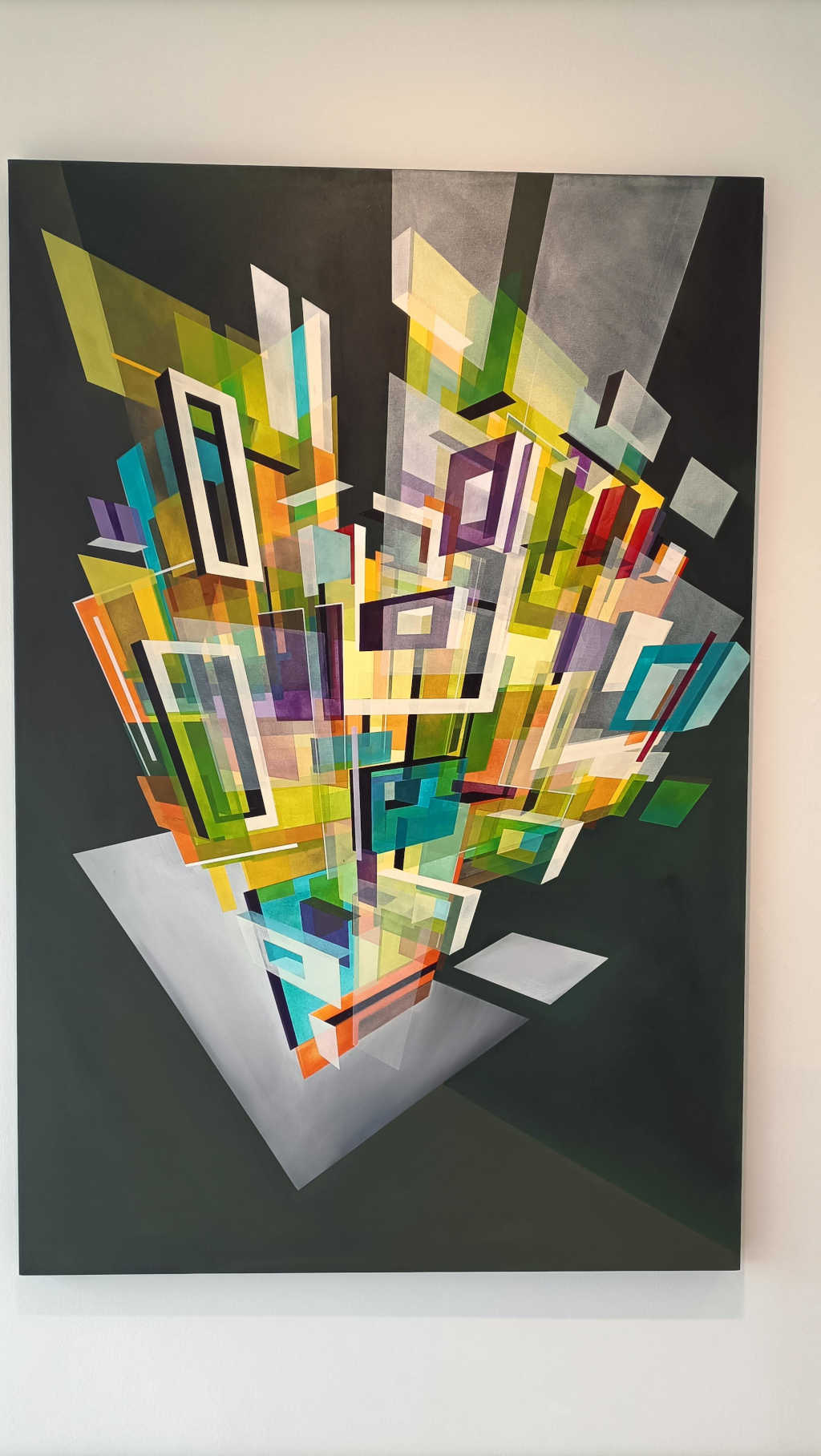
La mostra “Loris Cecchini: Leaps, Gaps and Overlapping Diagrams” è un evento affascinante che si svolge dal 20 settembre 2024 fino a marzo 2025 presso il Ca’ Rezzonico, il Museo del Settecento Veneziano a Venezia. Curata da Luca Berta e Francesca Giubilei, questa esposizione presenta le opere innovative dell’artista Loris Cecchini, noto per le sue sculture modulari che esplorano le interazioni tra arte, natura e scienza.
Temi e Opere
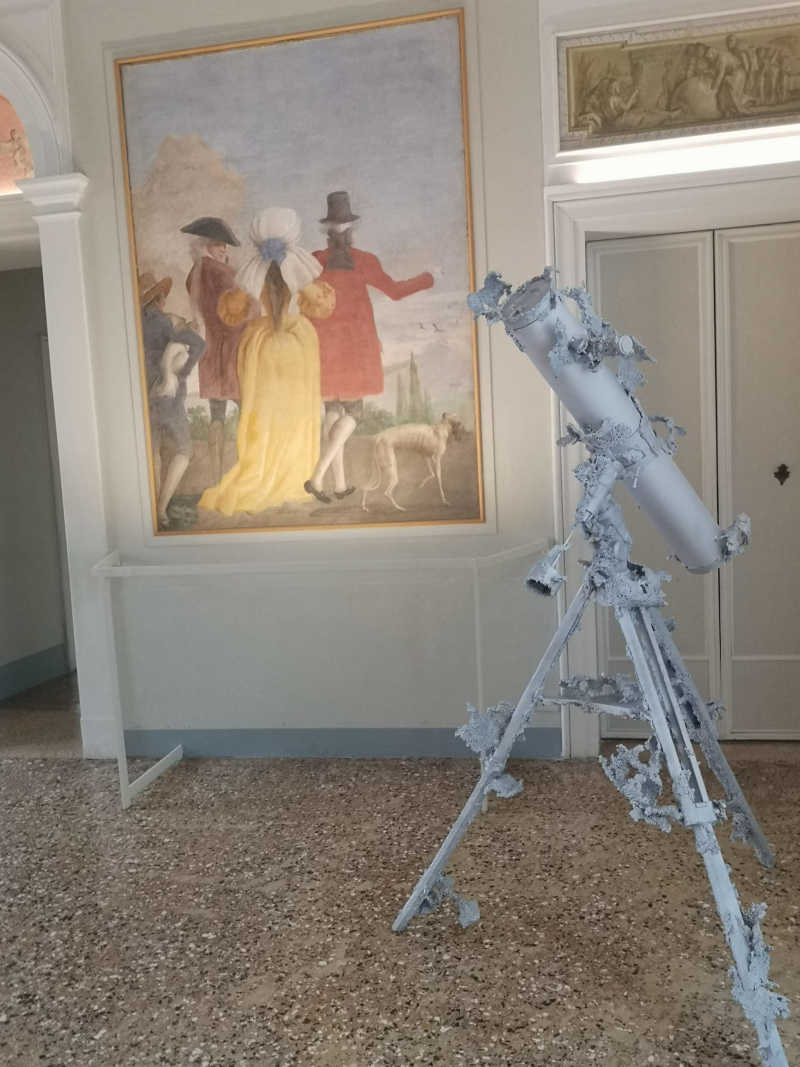
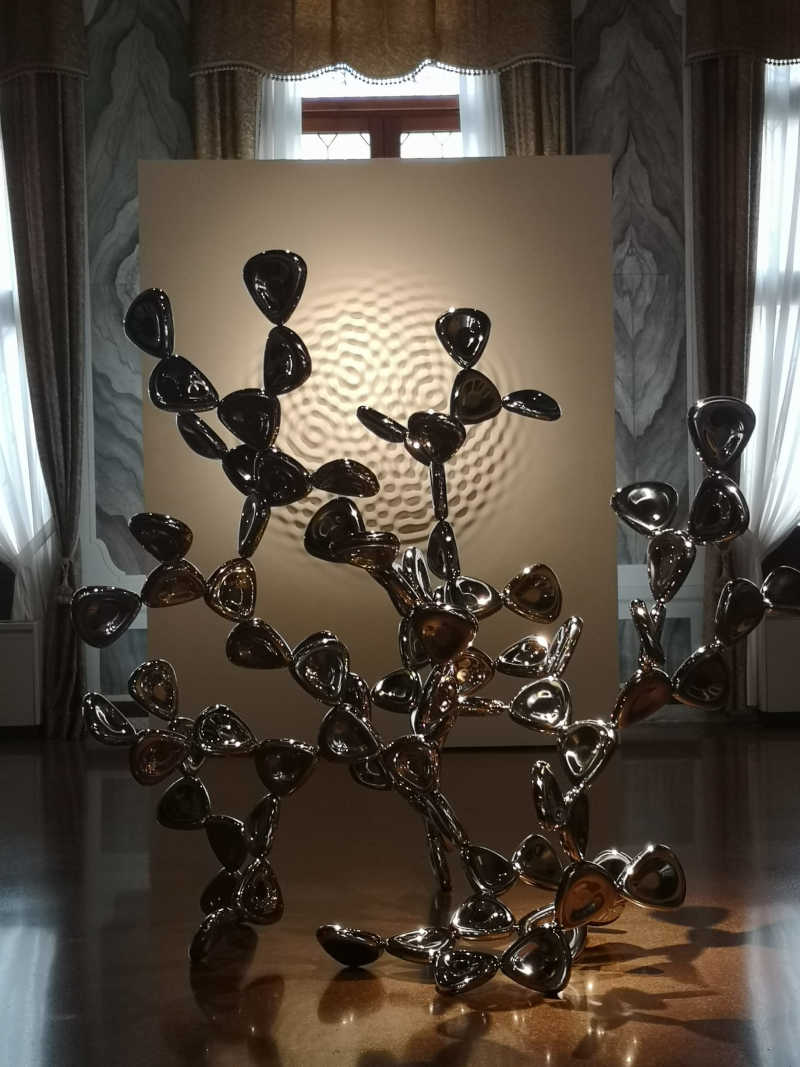
Cecchini utilizza tecnologie moderne di modellazione tridimensionale per creare sculture che non solo occupano uno spazio, ma interagiscono con esso. Le sue opere sono definite **site-specific**, il che significa che si adattano e rispondono all’ambiente circostante. All’interno delle sale del museo, le sculture dialogano con i magnifici affreschi di artisti come Giambattista Tiepolo, creando un’esperienza visiva unica.
Caratteristiche delle Sculture
Le opere in mostra sono principalmente realizzate in acciaio e alluminio, con installazioni sia all’interno che all’esterno del palazzo. Alcuni pezzi presentano una natura granulare, realizzati attraverso fusioni in alluminio che imitano forme naturali ma ne sfumano i contorni. Altri lavori evocano pattern della natura su scala microscopica e macroscopica, riflettendo la varietà e la complessità del mondo naturale.
Un Dialogo con l’Arte Barocca
Cecchini si ispira alla **geometria** e alla **dinamicità** degli affreschi barocchi, ma invece di riprodurre illusioni spaziali come Tiepolo, egli cerca di rompere le convenzioni tradizionali della scultura. Le sue opere eliminano le distinzioni tra dentro e fuori, proponendo una visione fluida e aperta della forma artistica.
Informazioni utili
La mostra è accessibile durante gli orari normali del museo e il biglietto può essere acquistato presso il Ca’ Rezzonico. Questa esposizione è un’opportunità imperdibile per esplorare l’intersezione tra arte contemporanea e patrimonio storico veneziano, offrendo ai visitatori una nuova prospettiva sulla scultura moderna.
In sintesi, “Leaps, Gaps and Overlapping Diagrams” non è solo una mostra di sculture; è un invito a riflettere su come l’arte possa dialogare con la storia e l’ambiente circostante, creando esperienze visive coinvolgenti e stimolanti.
Loris Cecchini’s exhibition at Ca’ Rezzonico: “Leaps, gaps and overlapping diagrams”
The exhibition “Loris Cecchini: Leaps, Gaps and Overlapping Diagrams” is a fascinating event that will take place from September 20, 2024 until March 2025 at Ca’ Rezzonico, the Museum of 18th-century Venice in Venice. Curated by Luca Berta and Francesca Giubilei, this exhibition features the innovative works of artist Loris Cecchini, known for his modular sculptures that explore the interactions between art, nature, and science.
Themes and Works
Cecchini uses modern three-dimensional modeling technologies to create sculptures that not only occupy a space, but interact with it. His works are defined as **site-specific**, which means that they adapt and respond to their surroundings. Inside the museum’s rooms, the sculptures dialogue with the magnificent frescoes by artists such as Giambattista Tiepolo, creating a unique visual experience.
Characteristics of the Sculptures
The works on display are mainly made of steel and aluminum, with installations both inside and outside the building. Some pieces have a granular nature, made through aluminum castings that imitate natural forms but blur their contours. Other works evoke patterns of nature on a microscopic and macroscopic scale, reflecting the variety and complexity of the natural world.
A Dialogue with Baroque Art
Cecchini is inspired by the **geometry** and **dynamism** of Baroque frescoes, but instead of reproducing spatial illusions like Tiepolo, he seeks to break the traditional conventions of sculpture. His works eliminate the distinctions between inside and outside, proposing a fluid and open vision of the artistic form.
Practical Information
The exhibition is accessible during the normal hours of the museum and the ticket can be purchased at Ca’ Rezzonico. This exhibition is an unmissable opportunity to explore the intersection of contemporary art and Venetian historical heritage, offering visitors a new perspective on modern sculpture.
In short, “Leaps, Gaps and Overlapping Diagrams” is not just an exhibition of sculptures; it is an invitation to reflect on how art can dialogue with history and the surrounding environment, creating engaging and stimulating visual experiences.
For the English translation please scroll down the page, thank you !
Il Premio Mestre di Pittura: un concorso annuale per valorizzare la pittura contemporanea
Inaugurazione della Mostra del Premio Mestre di Pittura 2024
Se sei un appassionato d’arte o semplicemente curioso di scoprire nuove opere, segnati sul calendario un evento imperdibile: venerdì 13 settembre 2024, alle ore 18:00, si inaugura la mostra delle opere finaliste del Premio Mestre di Pittura 2024 presso il Centro Culturale Candiani di Mestre. Questo prestigioso evento rappresenta un’occasione unica per ammirare il talento di artisti emergenti e affermati.
Dettagli della Mostra
La mostra sarà aperta al pubblico dal 14 settembre al 20 ottobre 2024, tutti i giorni tranne il lunedì, dalle 16:00 alle 20:00. L’ingresso è libero, quindi non perdere l’opportunità di visitarla e lasciarti ispirare dalle sessanta opere selezionate da una giuria di esperti di livello internazionale.
Cerimonia di Premiazione
Un momento clou della manifestazione sarà la cerimonia di proclamazione dei vincitori, che si terrà venerdì 4 ottobre 2024, alle ore 20:00, presso il Teatro Toniolo di Mestre. Questo evento esclusivo sarà riservato su invito, ma l’attesa per scoprire chi si aggiudicherà il premio è palpabile.
Un Evento di Rilievo
Il Premio Mestre di Pittura è organizzato dall’associazione Il Circolo Veneto in collaborazione con la Fondazione Musei Civici di Venezia, e gode del patrocinio di importanti enti, tra cui la Regione del Veneto e il Comune di Venezia. Quest’anno, la mostra non solo celebra l’arte contemporanea, ma rappresenta anche un’importante occasione di networking e scambio culturale, grazie alla collaborazione con l’Accademia di Belle Arti di Venezia e la Fondazione Bevilacqua la Masa.
Un Trofeo Unico
Il vincitore del premio avrà l’onore di ricevere un prestigioso trofeo in vetro, progettato e realizzato dal maestro vetraio Enrico Cammozzo in collaborazione con Artigianato Muranese srl. Questo trofeo non è solo un riconoscimento, ma anche un’opera d’arte che celebra la tradizione artigianale veneta.
Non perdere l’occasione di immergerti nel mondo dell’arte contemporanea e di scoprire i talenti emergenti del panorama artistico. Ti aspettiamo al Centro Culturale Candiani per un’esperienza culturale che promette di essere affascinante e stimolante!
The Mestre Painting Prize: an annual competition to enhance contemporary painting
Inauguration of the Mestre Painting Award Exhibition 2024
Inauguration of the Mestre Painting Award 2024 Exhibition
If you are an art enthusiast or simply curious to discover new works, mark an unmissable event on your calendar: Friday 13 September 2024, at 6:00 pm, the exhibition of the finalist works of the Mestre Painting Award 2024 will be inaugurated at the Candiani Cultural Center in Mestre. This prestigious event represents a unique opportunity to admire the talent of emerging and established artists.
Exhibition Details
The exhibition will be open to the public from 14 September to 20 October 2024, every day except Monday, from 4:00 pm to 8:00 pm. Admission is free, so don’t miss the opportunity to visit it and be inspired by the sixty works selected by a jury of international experts.
Awards Ceremony
A highlight of the event will be the ceremony to announce the winners, which will be held on Friday, October 4, 2024, at 8:00 p.m., at the Teatro Toniolo in Mestre. This exclusive event will be by invitation only, but the anticipation to find out who will win the prize is palpable.
A Major Event
The Mestre Painting Award is organized by the Il Circolo Veneto association in collaboration with the Fondazione Musei Civici di Venezia, and enjoys the patronage of important institutions, including the Veneto Region and the Municipality of Venice. This year, the exhibition not only celebrates contemporary art, but also represents an important opportunity for networking and cultural exchange, thanks to the collaboration with the Academy of Fine Arts of Venice and the Bevilacqua la Masa Foundation.
A Unique Trophy
The winner of the award will have the honor of receiving a prestigious glass trophy, designed and created by master glassmaker Enrico Cammozzo in collaboration with Artigianato Muranese srl. This trophy is not only an award, but also a work of art that celebrates the Venetian artisan tradition.
Do not miss the opportunity to immerse yourself in the world of contemporary art and discover the emerging talents of the artistic scene. We are waiting for you at the Candiani Cultural Center for a cultural experience that promises to be fascinating and stimulating!
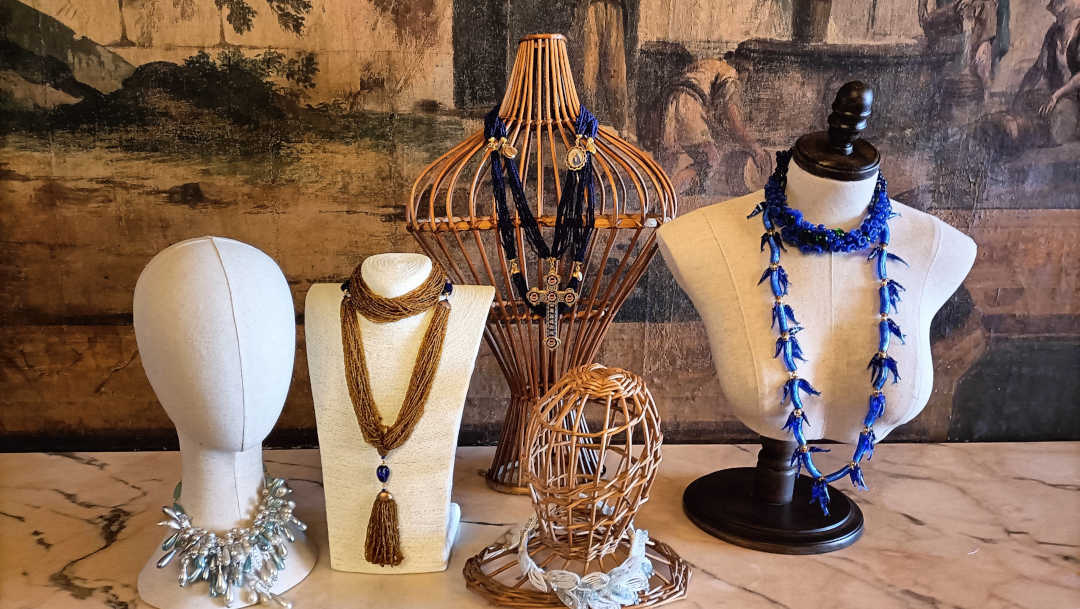
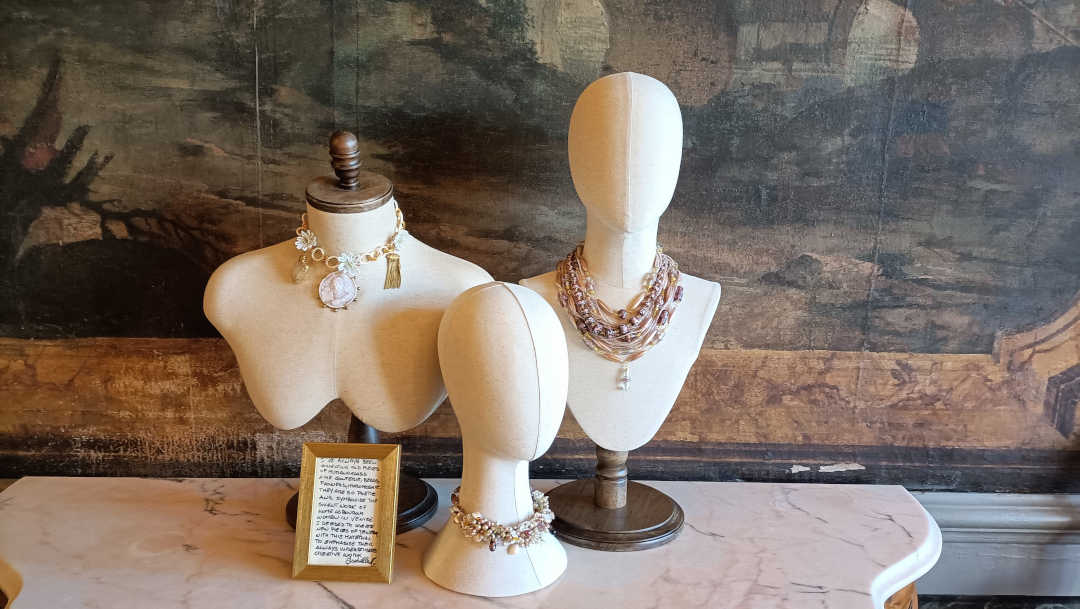
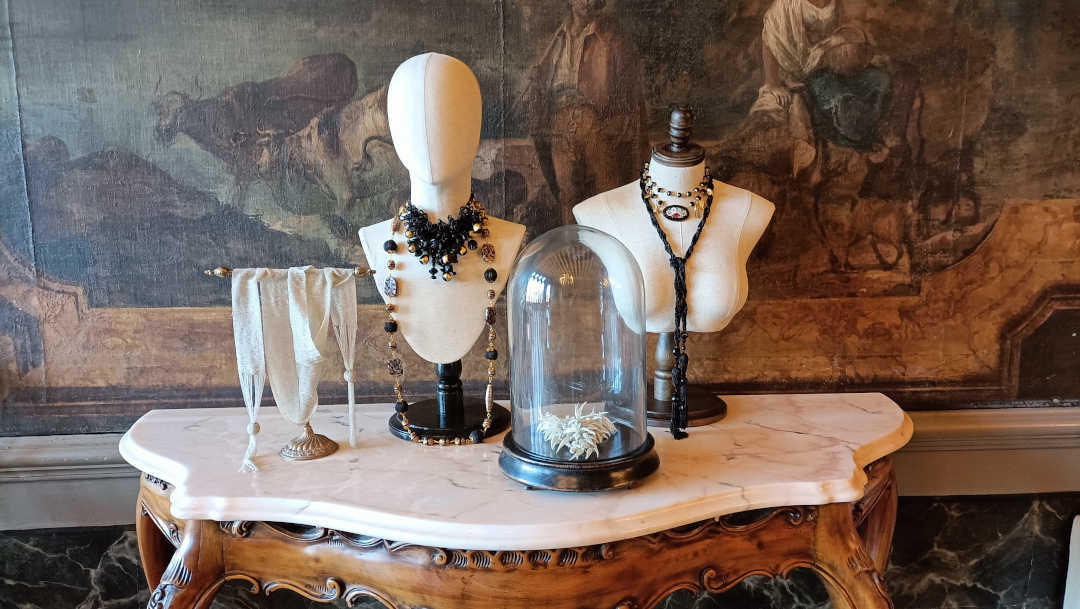
Anche il magnifico Ca’ Sagredo Hotel partecipa alla glass week con una mostra dell’artista e collezionista Isabella Muratori, una mostra esibita al primo piano nobile, aperta al pubblico dal 15 fino al 22 di settembre negli orari concessi dall’albergo. Diciamo che dalle 10 di mattina, potete andare e chiedere di vedere questa bellissima mostra, vi consiglio di visionare i seguenti siti web: https://www.casagredohotel.com/it/ – https://theveniceglassweek.com/
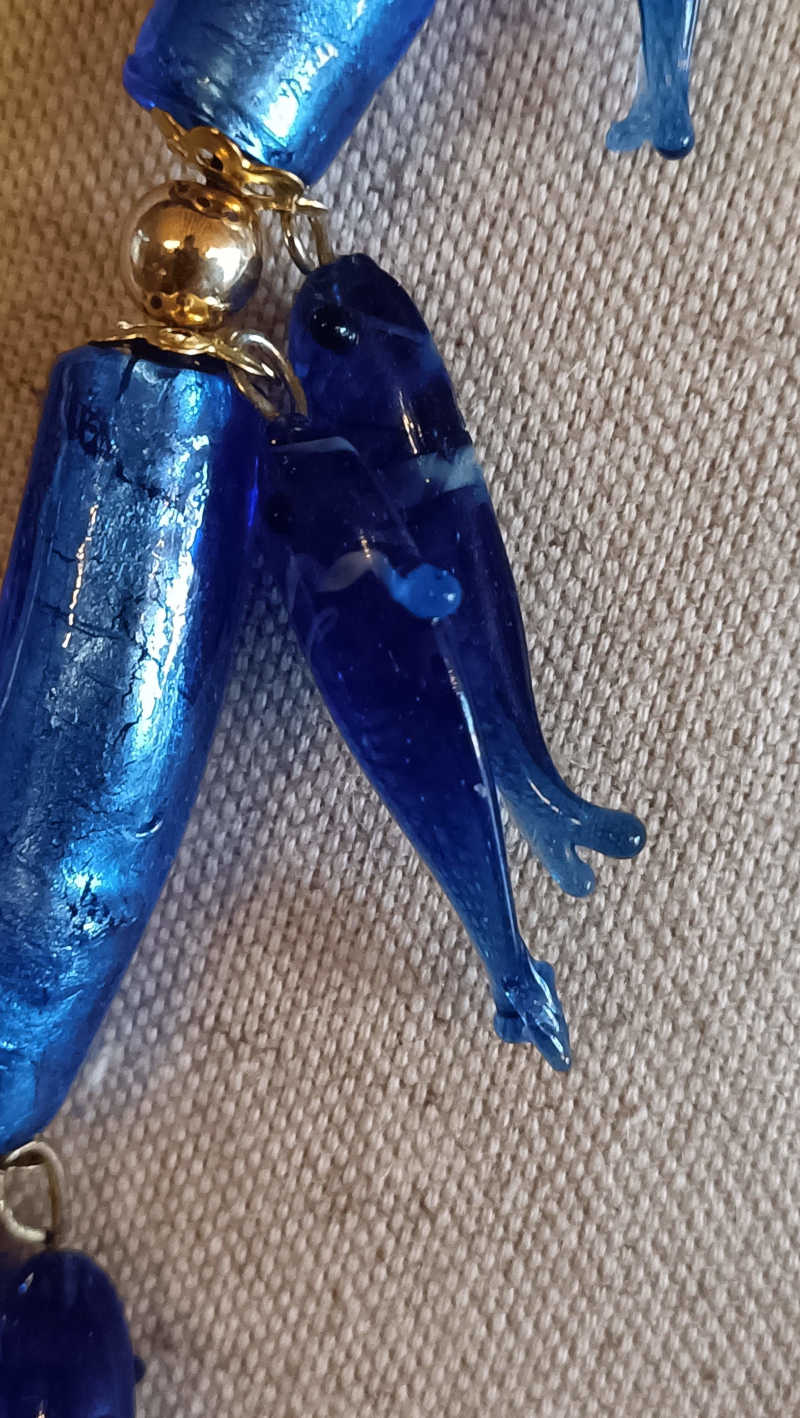
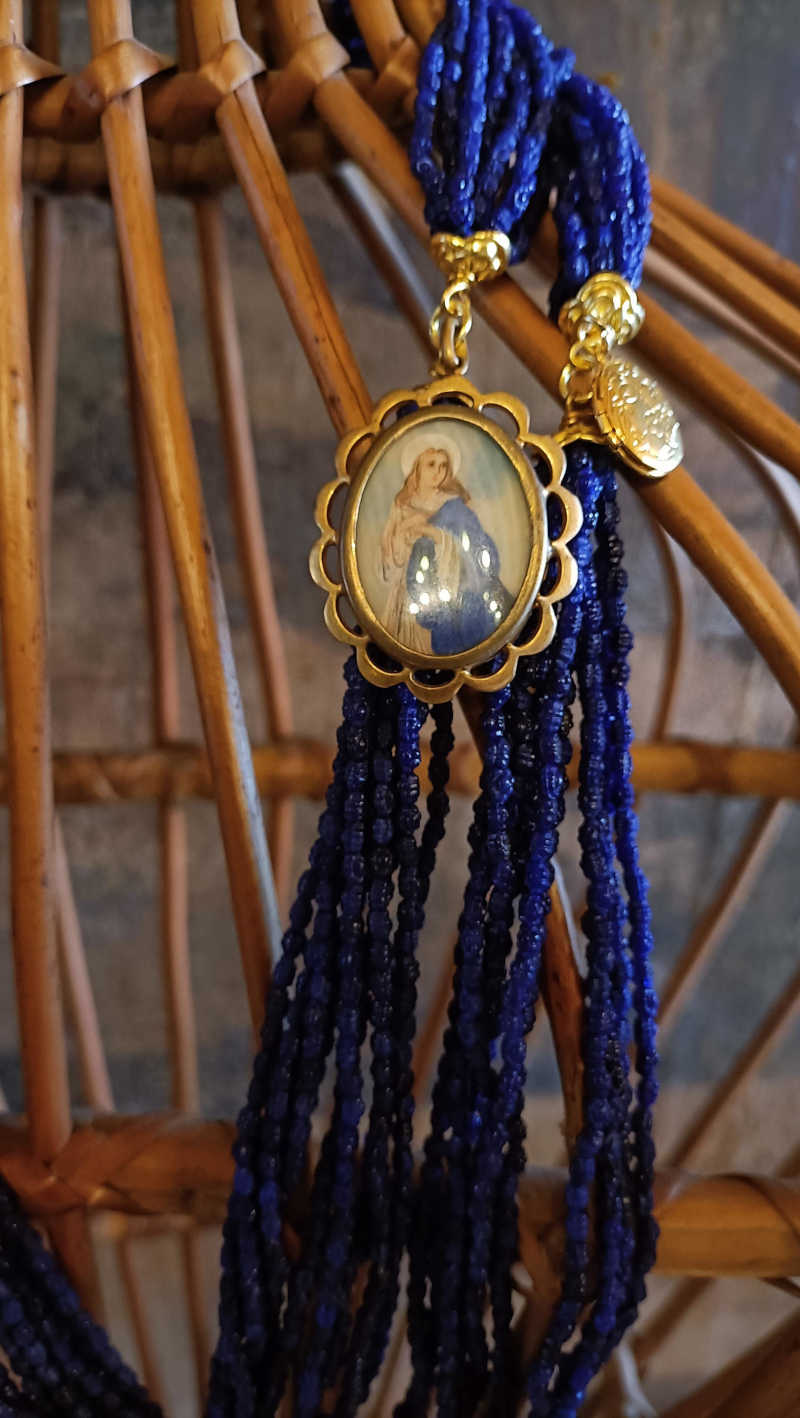
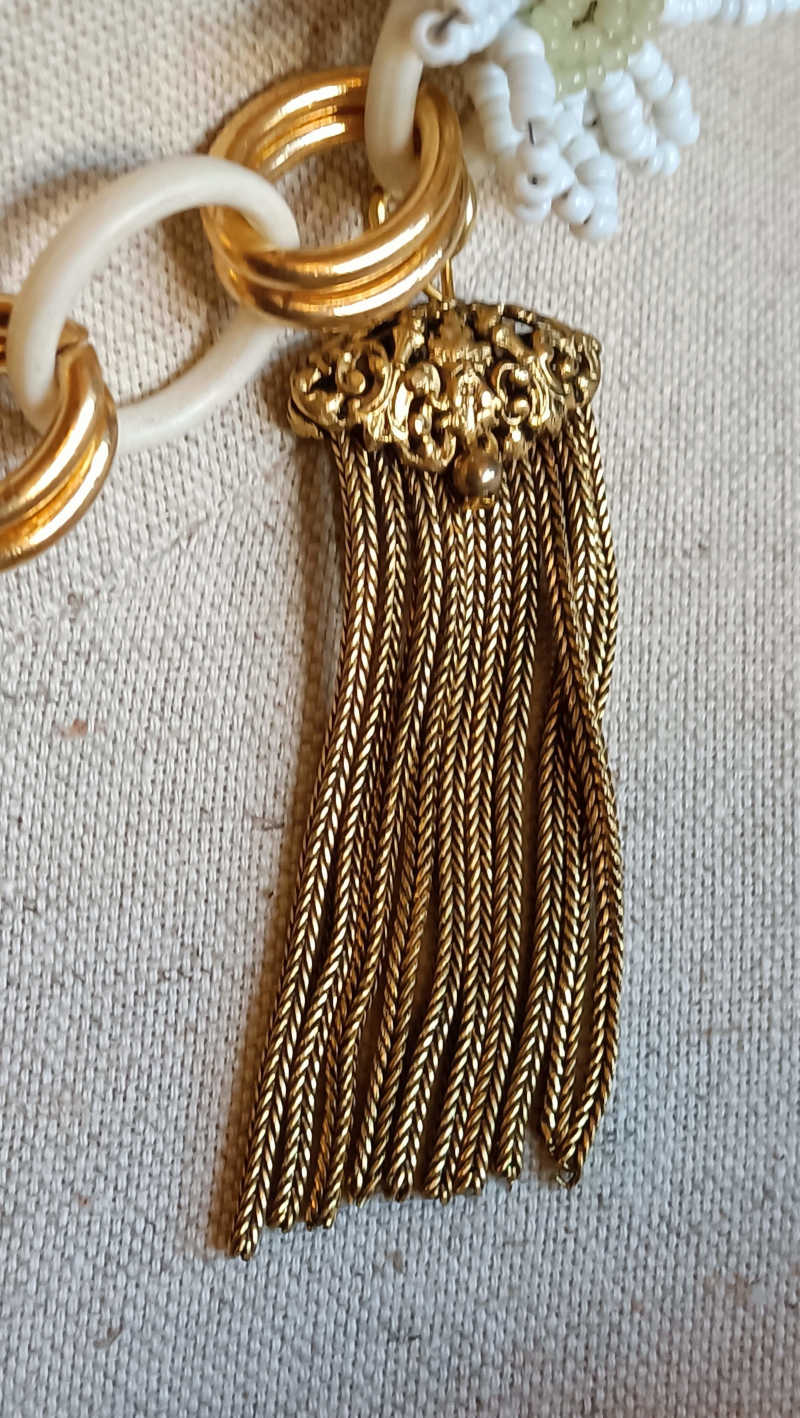
L’artista si chiama Isabella Muratori, è una stilista e designer di interni, specializzata in oggetti vintage e decorazioni d’epoca, collabora con architetti di tutto il mondo per progettare residenze, locali e hotel, curando la ricerca di materiali e lo styling degli spazi, ha una passione per il vetro di Murano, e ha deciso di creare in occasione della Glass Week questa mostra con delle opere molto interessanti. Questi oggetti non solo riflettono la bellezza artistica, ma simboleggiano anche il lavoro delle donne artigiane di Venezia. Questi gioielli sono progettati per valorizzare l’opera creativa delle donne che storicamente hanno lavorato con questo materiale. La sua visione del “vintage” è quella di rielaborare stili e atmosfere che spaziano dagli anni ’20 agli anni ’50, creando un nuovo progetto moderno che conserva la ricchezza degli oggetti d’epoca. In sintesi, Isabella Muratori si distingue per la sua capacità di unire tradizione e modernità nel design d’interni e nella creazione di gioielli, ponendo particolare attenzione alla valorizzazione del patrimonio artistico e culturale italiano.
Personalmente, ho trovato molto interessante i dettagli delle sue opere, questa mattina, riuscendo ad arrivare molto presto, ho potuto godere della mostra, mi sono avvicinato più che potevo, senza rischio per le opere e trascorso il tempo, a scrutare i minimi dettagli. Non soffermatevi nella visione d’insieme, guardate meglio e andate oltre, vedrete delle cose molto interessanti.
Non perdere l’opportunità di immergerti in un affascinante viaggio nel tempo con la mostra di Isabella Muratori! Esplora una collezione unica di gioielli ornamentali realizzati con preziosi elementi in vetro di Murano, che raccontano storie di eleganza e artigianato femminile. Ogni pezzo è una scoperta, un connubio tra passato e presente, dove il fascino degli anni ’20-’50 si fonde con la modernità. Lasciati avvolgere dalle atmosfere poetiche e dall’arte che celebra il lavoro silenzioso delle donne veneziane. Un’esperienza che non solo arricchirà i tuoi sensi, ma ti porterà a riflettere sulla bellezza del patrimonio culturale.
Muranoglass Jewelry made by Women at Ca’ Sagredo Hotel !
The magnificent Ca’ Sagredo Hotel also participates in the glass week with an exhibition of the artist and collector Isabella Muratori, an exhibition exhibited on the first noble floor, open to the public from September 15th to 22nd during the hours granted by the hotel. Let’s say that from 10 in the morning, you can go and ask to see this beautiful exhibition, I recommend you to view the following websites: https://www.casagredohotel.com/it/ – https://theveniceglassweek.com/
The artist’s name is Isabella Muratori, she is a stylist and interior designer, specialized in vintage objects and period decorations, she collaborates with architects from all over the world to design residences, premises and hotels, taking care of the research of materials and the styling of the spaces, she has a passion for Murano glass, and has decided to create this exhibition with some very interesting works on the occasion of Glass Week. These objects not only reflect artistic beauty, but also symbolize the work of the women artisans of Venice. These jewels are designed to enhance the creative work of women who have historically worked with this material. Her vision of “vintage” is to rework styles and atmospheres that range from the 1920s to the 1950s, creating a new modern project that preserves the richness of vintage objects. In short, Isabella Muratori stands out for her ability to combine tradition and modernity in interior design and jewelry creation, paying particular attention to the enhancement of Italian artistic and cultural heritage.
Personally, I found the details of her works very interesting, this morning, managing to arrive very early, I was able to enjoy the exhibition, I got as close as I could, without risking the works and spent the time, scrutinizing the smallest details. Don’t stop at the overview, look better and go further, you will see very interesting things.
Don’t miss the opportunity to immerse yourself in a fascinating journey through time with the Isabella Muratori exhibition! Explore a unique collection of ornamental jewels made with precious Murano glass elements, which tell stories of elegance and feminine craftsmanship. Each piece is a discovery, a combination of past and present, where the charm of the 20s-50s merges with modernity. Let yourself be enveloped by the poetic atmospheres and art that celebrates the silent work of Venetian women. An experience that will not only enrich your senses, but will make you reflect on the beauty of cultural heritage.
For the English translation please scroll down the page, thank you !
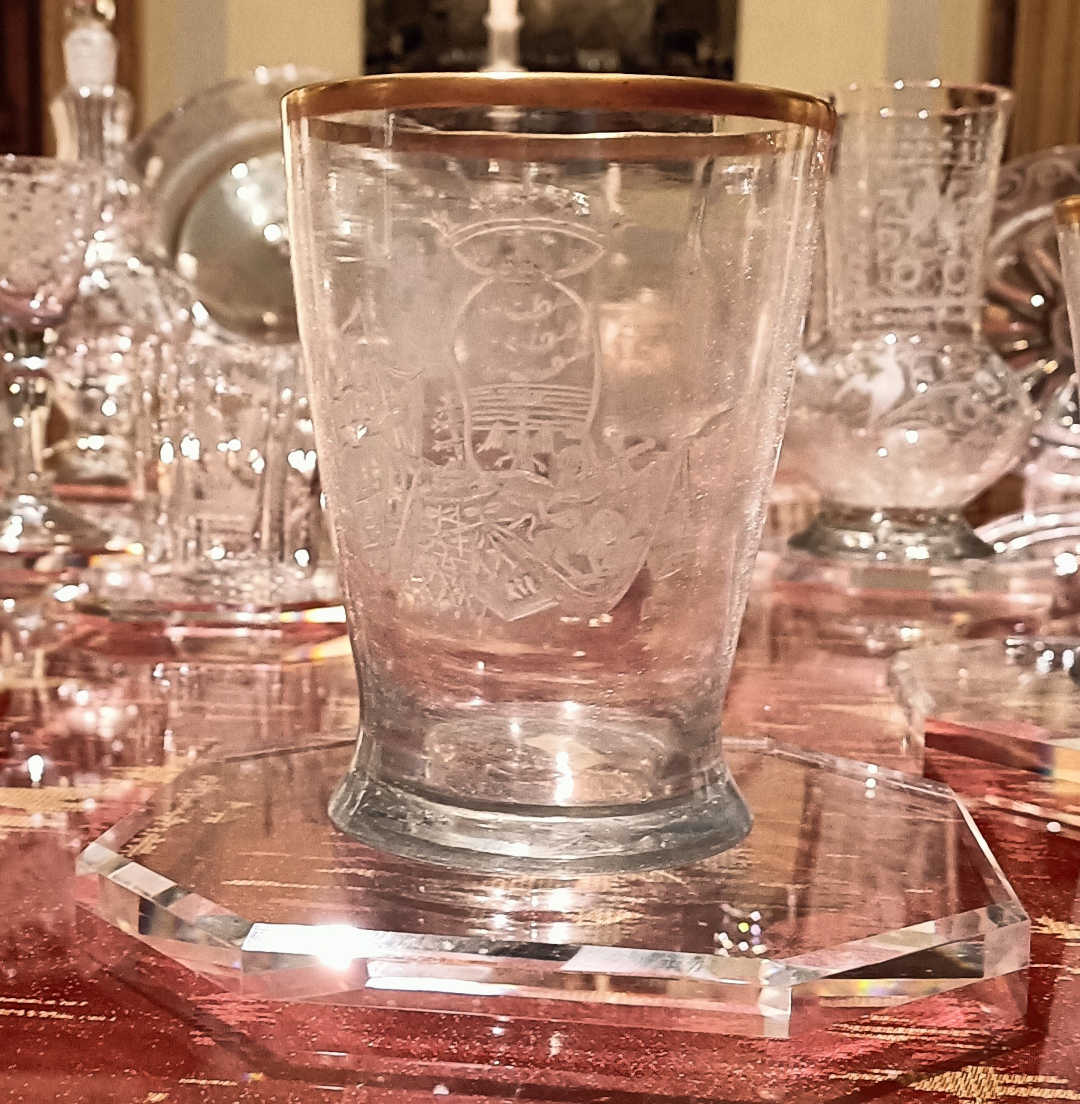
Dal 14 di Settembre, nel bellissimo Museo di Palazzo Mocenigo, oltre alla mostra dell “albero della vita” di Carla Tolomeo, e “il ritorno di Marco Polo” di Stefano Nicolao, ci sarà una nuova interessante mostra, che si intitolerà “Vetro inciso della laguna” !
La mostra “Vetro inciso della Laguna” si svolgerà presso il Museo di Palazzo Mocenigo a Venezia e offre un’affascinante esplorazione dell’arte del vetro inciso, una tradizione che affonda le radici nella storia e nella cultura della Laguna di Venezia.
Dettagli della Mostra
La mostra è dedicata all’arte del vetro inciso, una tecnica che ha raggiunto il suo apice in questa regione. Attraverso una selezione di opere storiche e contemporanee, i visitatori possono ammirare la bellezza e la complessità di questo materiale, che è stato lavorato con abilità e creatività nel corso dei secoli. Ma come si riesce ad ottenere questi stupendi effetti sul vetro ?
L’incisione di immagini sui bicchieri di vetro è un’arte affascinante che affonda le sue radici nell’antichità. Fin dai tempi degli antichi egizi, gli artigiani hanno utilizzato tecniche manuali per creare decorazioni uniche e dettagliate sulla superficie del vetro. Questa tradizione è sopravvissuta nel corso dei secoli, evolvendosi e adattandosi ai nuovi stili e alle nuove tecnologie. Nell’antichità, l’incisione veniva eseguita manualmente utilizzando strumenti abrasivi come punte di acciaio, corindone o diamante per graffiare il vetro. Successivamente, è stata introdotta la tecnica dell’incisione alla ruota, che prevedeva l’uso di ruote rotanti ad alta velocità con polveri abrasive per creare bassorilievi e decorazioni. Oggi, l’incisione di immagini sui bicchieri di vetro combina l’abilità manuale degli artigiani con l’utilizzo di tecnologie avanzate come l’incisione laser e le macchine CNC. Queste tecniche moderne permettono di creare opere d’arte uniche e dettagliate, mantenendo viva la tradizione dell’incisione del vetro. L’incisione di immagini sui bicchieri di vetro è molto più di una semplice decorazione. È un’arte che richiede abilità, creatività e passione. Gli artigiani devono padroneggiare le tecniche di incisione, scegliere i disegni appropriati e applicarli con precisione sulla superficie del vetro. Ogni bicchiere inciso è un pezzo unico, con la sua storia e il suo significato. Che si tratti di un regalo personalizzato, di un oggetto da collezione o di un semplice bicchiere da utilizzare ogni giorno, l’incisione aggiunge un tocco di eleganza e di unicità.
Opere in Esposizione
La mostra è composta all’incirca di 22 opere, sistemate nella sala 7 al primo piano, includono pezzi di artisti rinomati e artigiani locali, mostrando la varietà di stili e tecniche utilizzate nel vetro inciso. Ogni pezzo racconta una storia, riflettendo non solo la maestria tecnica ma anche l’ispirazione culturale che ha influenzato gli artisti nel tempo.
Informazioni Pratiche
La mostra è aperta al pubblico dal 14 settembre fino al 8 gennaio 2025 e si svolge in un ambiente suggestivo, (nella già menzionata sala 7 al primo piano, insieme ai costumi sullo sceneggiato di Marco Polo del 1982, che finirà a fine settembre, almeno che non venga prorogata) che contribuisce all’esperienza complessiva.
Conclusione
“Vetro inciso della Laguna” è un’opportunità imperdibile per gli amanti dell’arte e della cultura. La mostra non solo celebra una tradizione artistica unica, ma offre anche uno sguardo sulla storia e sull’identità di Venezia. Non perdere l’occasione di visitarla e lasciati incantare dalla bellezza del vetro inciso, e soprattutto di ammirare questo stupendo Museo, che offre alla vista del visitatore un sacco di grandi opere !
Etched glass of the lagon at Palazzo Mocenigo
The exhibition “Engraved Glass of the Lagoon” is taking place at the Museo di Palazzo Mocenigo in Venice and offers a fascinating exploration of the art of engraved glass, a tradition rooted in the history and culture of the Venetian Lagoon.
Exhibition Details
The exhibition is dedicated to the art of engraved glass, a technique that reached its peak in this region. Through a selection of historical and contemporary works, visitors can admire the beauty and complexity of this material, which has been skillfully and creatively crafted over the centuries.
Glass engraving is a fascinating art that has its roots in antiquity. Since the time of the ancient Egyptians, artisans have used manual techniques to create unique and detailed decorations on the surface of glass. This tradition has survived over the centuries, evolving and adapting to new styles and technologies. In ancient times, engraving was done manually using abrasive tools such as steel points, corundum or diamond to scratch the glass. Later, the wheel engraving technique was introduced, which involved the use of high-speed rotating wheels with abrasive powders to create bas-reliefs and decorations. Today, glass engraving combines the manual skill of artisans with the use of advanced technologies such as laser engraving and CNC machines. These modern techniques allow for the creation of unique and detailed works of art, keeping the tradition of glass engraving alive. Glass engraving is much more than just decoration. It is an art that requires skill, creativity and passion. Craftsmen must master engraving techniques, choose the appropriate designs and apply them precisely to the glass surface. Each engraved glass is unique, with its own history and meaning. Whether it is a personalized gift, a collector’s item or a simple glass for everyday use, engraving adds a touch of elegance and uniqueness.
Works on Display
The exhibition consists of approximately 22 works, arranged in room 7 on the first floor, including pieces by renowned artists and local artisans, showing the variety of styles and techniques used in engraved glass. Each piece tells a story, reflecting not only the technical mastery but also the cultural inspiration that has influenced the artists over time.
Practical Information
The exhibition is open to the public and takes place in a charming setting that enhances the overall experience. Visitors can also participate in guided tours and workshops, further deepening their understanding of this art form.
Conclusion
“Etched Glass of the Lagoon” is an unmissable opportunity for art and culture lovers. The exhibition not only celebrates a unique artistic tradition, but also offers a glimpse into the history and identity of Venice. Do not miss the opportunity to visit it and be enchanted by the beauty of engraved glass, and above all to admire this wonderful Museum, which offers the visitor’s sight a lot of great works!
For the English translation please scroll down the page, thank you !
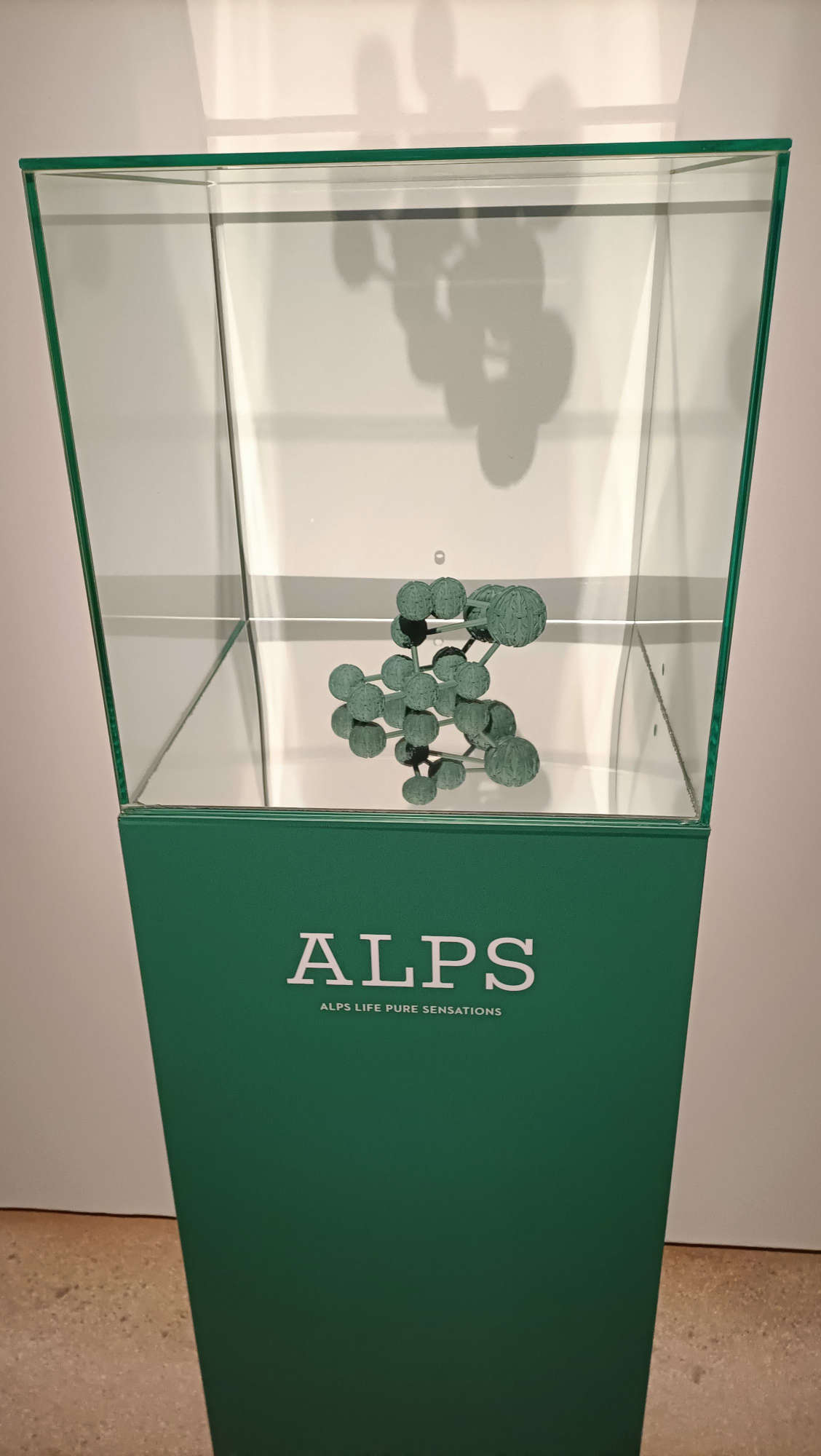
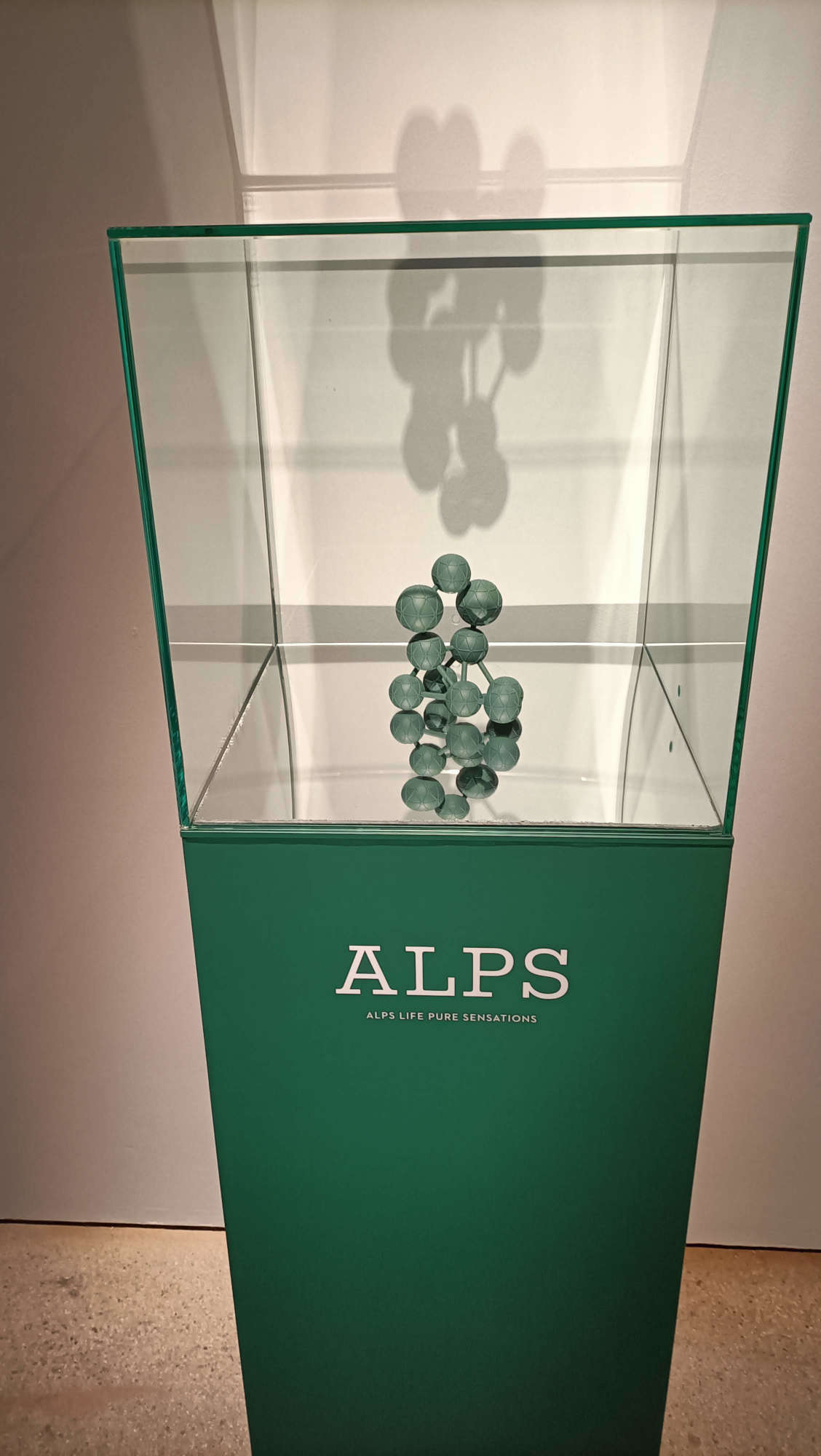
Una nuova novità è presente a Palazzo Mocenigo, dove il profumo e la neuroscienza si uniscono per offrire delle nuove sensazioni, ai visitatori di questo stupendo museo, che dopo il giro turistico, alla fine del tour olfattivo presente al primo piano, possono scendere a piano terra e recarsi nella white room, per un ulteriore arricchimento sulla conoscenza del profumo. Tale esperienza è presente solo a Palazzo Mocenigo grazie a Mavive e Alps. Scopriamo insieme chi sono, cosa fanno, e di cosa tratta questa nuova esperienza olfattiva.
L’ALPS Immersive Experience, che si tiene presso il Museo di Palazzo Mocenigo a Venezia, rappresenta un’iniziativa innovativa e coinvolgente che unisce arte, tecnologia e neuroscienze olfattive. Questa esperienza multisensoriale è realizzata da Mavive, un’azienda nota per la sua esperienza nel settore della profumeria e della creazione di esperienze sensoriali uniche.
Mavive è un’azienda italiana con una lunga tradizione nella creazione di fragranze e prodotti di profumeria. La loro missione è di esplorare e innovare nel campo delle esperienze olfattive, utilizzando tecnologie avanzate per tradurre le emozioni e le sensazioni in forme artistiche. Il progetto ALPS, in particolare, mira a portare avanti questa visione, utilizzando la natura come fonte di ispirazione e creando un legame tra l’ambiente naturale e le esperienze sensoriali umane.
L’ALPS Immersive Experience si svolge nella suggestiva White Room del Museo di Palazzo Mocenigo dal 29 luglio 2024 al 31 dicembre 2024, con orari di apertura dal martedì alla domenica, dalle 14:00 alle 18:00.
Durante questo periodo, i visitatori possono immergersi in un viaggio sensoriale unico, progettato dagli artisti Carola Bonfili e Francesco Fonassi in collaborazione con CUSTOMIX, partner tecnologico di Mavive. L’esperienza si propone di esplorare le meraviglie del mondo alpino attraverso un approccio innovativo che combina neuroscienze olfattive e formati audiovisivi. I visitatori avranno l’opportunità di interagire con installazioni che traducono esperienze olfattive in rappresentazioni visive e sonore, creando un ambiente immersivo che stimola i sensi e invita alla riflessione. Inoltre, le sculture 3D presenti nell’esperienza sono state realizzate grazie alla collaborazione con Weerg, aggiungendo un ulteriore livello di interattività e creatività all’evento. Mavive e Palazzo Mocenigo invitano appassionati di arte, tecnologia e profumeria a partecipare a questa straordinaria esperienza, che rappresenta un perfetto connubio tra innovazione, creatività e ricerca scientifica. L’ALPS Immersive Experience non è solo un evento, ma un’opportunità per esplorare il potere delle fragranze e delle emozioni in un contesto artistico e culturale di grande rilevanza. Questa iniziativa non solo celebra la bellezza della natura, ma offre anche uno spazio per la contemplazione e l’introspezione, rendendo ogni visita un’esperienza memorabile e trasformativa.
Le neuroscienze olfattive giocano un ruolo cruciale nell’influenzare l’esperienza immersiva, specialmente in contesti come l’ALPS Immersive Experience. Queste neuroscienze studiano come il cervello percepisce e interpreta gli odori, fornendo insight su come le fragranze possano evocare emozioni, ricordi e stati d’animo. Gli odori sono strettamente legati alla memoria e alle emozioni. La via olfattiva è direttamente connessa al sistema limbico, che è responsabile delle emozioni e della memoria. Questo significa che un odore può richiamare ricordi vividi e suscitare emozioni profonde, rendendo l’esperienza più intensa e personale.
In un’esperienza immersiva, l’integrazione di stimoli olfattivi con elementi visivi e sonori può amplificare la sensazione di immersione. Gli odori possono arricchire l’ambiente, creando un’atmosfera che coinvolge i visitatori su più livelli sensoriali. Le neuroscienze olfattive possono essere utilizzate per progettare esperienze che evocano specifiche atmosfere o stati d’animo. Ad esempio, fragranze fresche e naturali possono trasmettere sensazioni di tranquillità e connessione con la natura, mentre odori più intensi possono stimolare l’energia e l’eccitazione.
In sintesi, le neuroscienze olfattive non solo migliorano l’esperienza immersiva, ma la trasformano in un viaggio sensoriale che coinvolge profondamente i visitatori, invitandoli a esplorare il legame tra odori, emozioni e memoria. Invito tutti i turisti e i cittadini di Venezia a venire a visitare questo stupendo museo, e questa nuova attività che si preannuncia molto, ma molto interessante !!
📅 Date: 29 luglio 2024 – 31 dicembre 2024 📍 Luogo: White Room, Museo di Palazzo Mocenigo, Venezia ⏰ Orari di apertura: da martedì a domenica, dalle 14:00 alle 18:00.
Virtual Olfactory Experience at Palazzo Mocenigo
A new novelty is present at Palazzo Mocenigo, where perfume and neuroscience come together to offer new sensations to the visitors of this wonderful museum, who after the tour, at the end of the olfactory tour on the first floor, can go down to the ground floor and go to the white room, for further enrichment on the knowledge of perfume. This experience is present only at Palazzo Mocenigo thanks to Mavive and Alps. Let’s find out together who they are, what they do, and what this new olfactory experience is about.
The ALPSImmersive Experience, which is held at the Palazzo Mocenigo Museum in Venice, represents an innovative and engaging initiative that combines art, technology and olfactory neuroscience. This multisensory experience is created by Mavive, a company known for its experience in the perfumery sector and the creation of unique sensory experiences.
Maviveis an Italian company with a long tradition in the creation of fragrances and perfumery products. Their mission is to explore and innovate in the field of olfactory experiences, using advanced technologies to translate emotions and sensations into artistic forms. The ALPS project, in particular, aims to advance this vision, using nature as a source of inspiration and creating a link between the natural environment and human sensory experiences.
The ALPS Immersive Experience takes place in the evocative White Room of the Palazzo Mocenigo Museum from 29 July 2024 to 31 December 2024, with opening hours from Tuesday to Sunday, from 2:00 pm to 6:00 pm.
During this period, visitors can immerse themselves in a unique sensory journey, designed by artists Carola Bonfili and Francesco Fonassi in collaboration with CUSTOMIX, Mavive’s technological partner.
The experience aims to explore the wonders of the Alpine world through an innovative approach that combines olfactory neuroscience and audiovisual formats. Visitors will have the opportunity to interact with installations that translate olfactory experiences into visual and sound representations, creating an immersive environment that stimulates the senses and invites reflection. In addition, the 3D sculptures present in the experience were created thanks to the collaboration with Weerg, adding an additional level of interactivity and creativity to the event. Mavive and Palazzo Mocenigo invite art, technology and perfumery enthusiasts to participate in this extraordinary experience, which represents a perfect combination of innovation, creativity and scientific research. The ALPS Immersive Experience is not just an event, but an opportunity to explore the power of fragrances and emotions in a highly relevant artistic and cultural context. This initiative not only celebrates the beauty of nature, but also offers a space for contemplation and introspection, making each visit a memorable and transformative experience.
Olfactory neuroscience plays a crucial role in influencing the immersive experience, especially in contexts such as the ALPS Immersive Experience. These neurosciences study how the brain perceives and interprets odors, providing insights into how fragrances can evoke emotions, memories, and moods. Smells are closely linked to memory and emotion. The olfactory pathway is directly connected to the limbic system, which is responsible for emotions and memory. This means that a smell can evoke vivid memories and arouse deep emotions, making the experience more intense and personal.
In an immersive experience, integrating olfactory stimuli with visual and audio elements can amplify the feeling of immersion. Smells can enrich the environment, creating an atmosphere that engages visitors on multiple sensory levels. Olfactory neuroscience can be used to design experiences that evoke specific atmospheres or moods. For example, fresh and natural fragrances can convey feelings of tranquility and connection with nature, while more intense smells can stimulate energy and excitement.
In short, olfactory neuroscience not only enhances the immersive experience, but transforms it into a sensory journey that deeply engages visitors, inviting them to explore the connection between smells, emotions and memory. I invite all tourists and citizens of Venice to come and visit this wonderful museum, and this new activity that promises to be very, very interesting!!
📅 Dates: 29 July 2024 – 31 December 2024 📍 Location: White Room, Museo di Palazzo Mocenigo, Venice ⏰ Opening hours: Tuesday to Sunday, 2:00 pm – 6:00 pm.
For the English translation please scroll down the page, thank you !
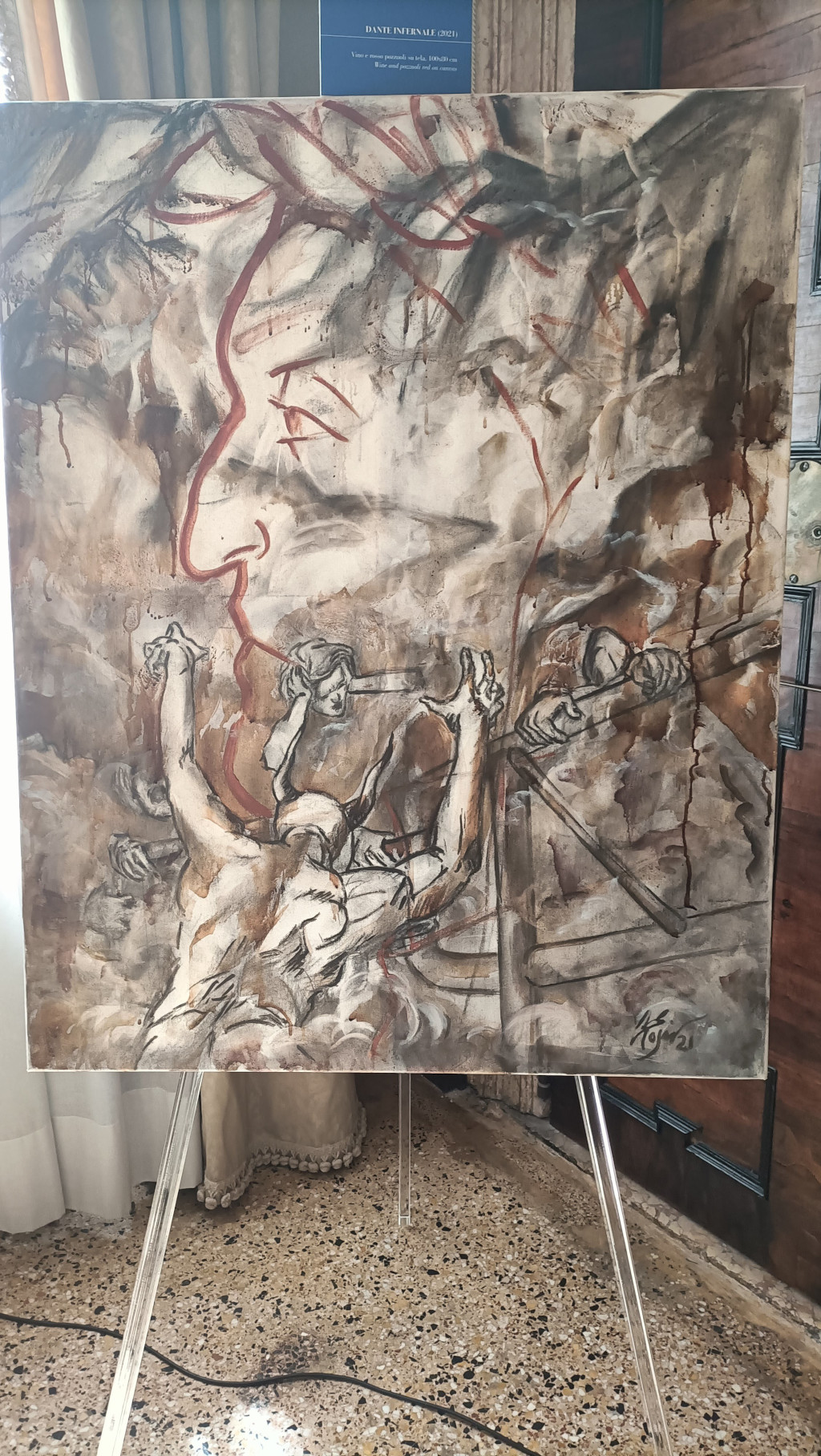
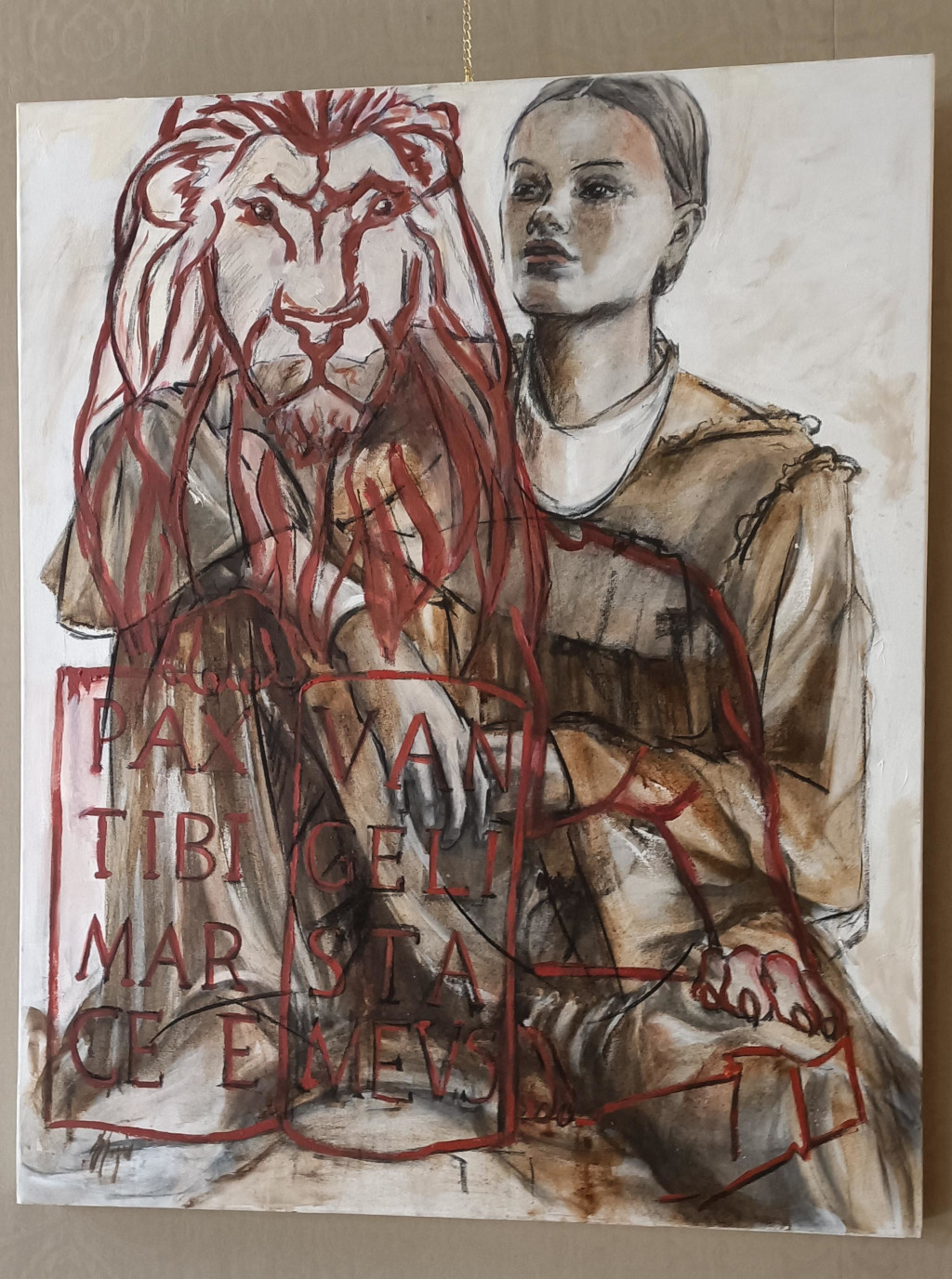
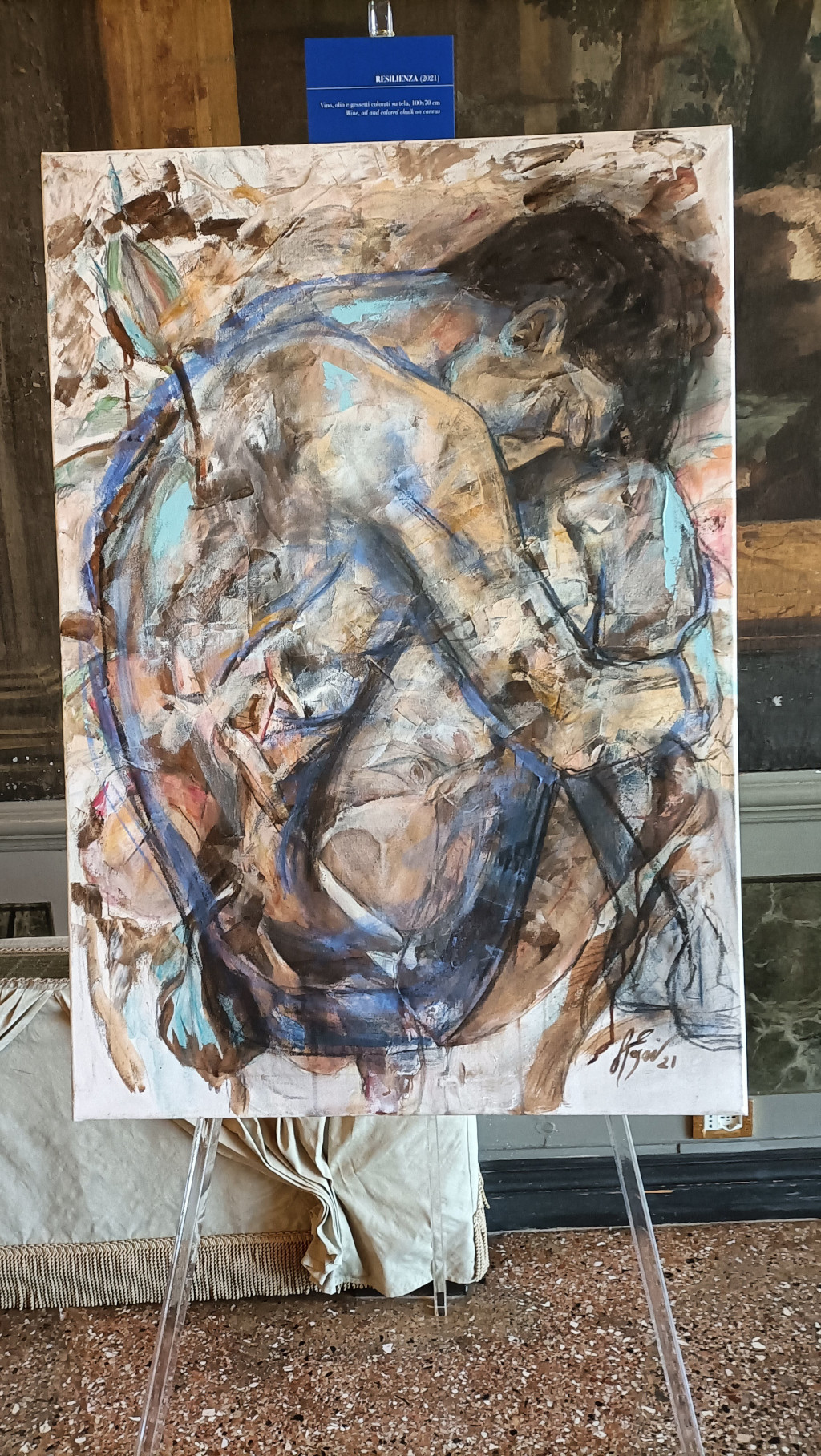
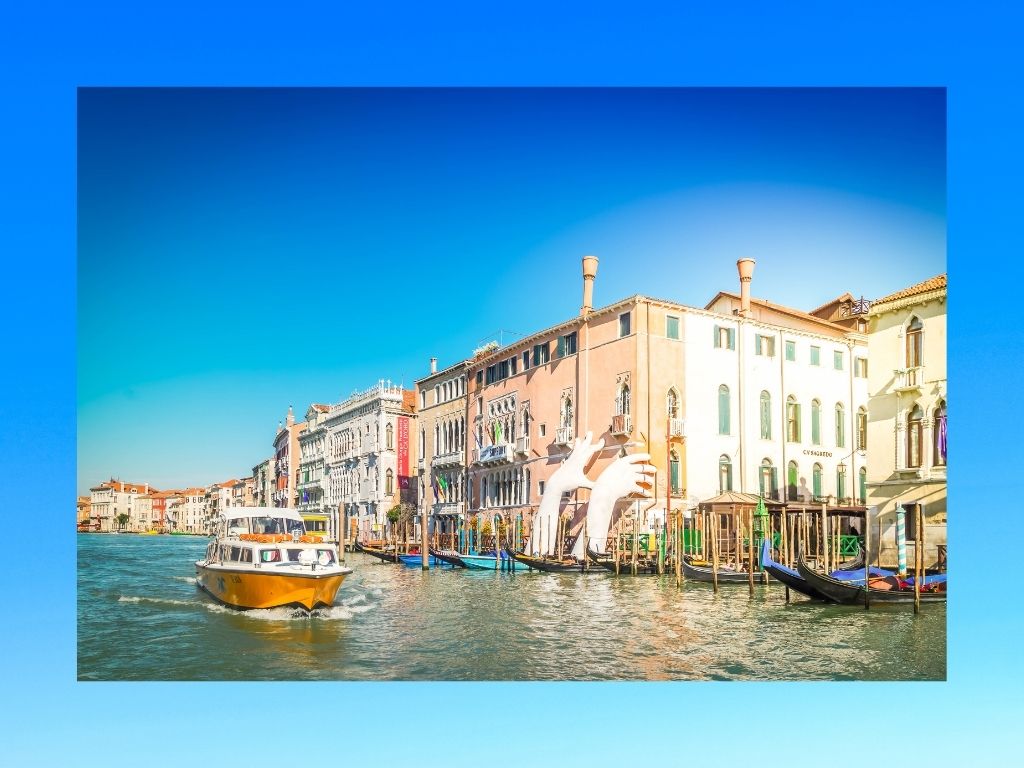
Troppi sono stati gli impegni che mi hanno impedito di sapere prima di questa bellissima mostra esposta a Ca’ Sagredo hotel, dal 6 di luglio fino al 11 di agosto del 2024, ad opera di una grande artista di nome Elisabetta Rogai. Alla fine, sotto un sole cocente ed infernale, poco prima di recarmi al lavoro, sono riuscito ad andare ad ammirarla, e mi è piaciuta moltissimo. Scopriamo insieme chi è Elisabetta Rogai.
Elisabetta Rogai è un’artista italiana di spicco, nota per la sua capacità di unire tradizione e modernità nelle sue opere. Fin dalla giovane età di nove anni, ha dedicato la sua vita all’arte, esplorando diverse tecniche tra cui la pittura, la scultura e l’installazione. La sua innovativa tecnica di “Enoarte”, che utilizza il vino come mezzo espressivo, ha catturato l’attenzione di critici e collezionisti, rendendo il suo lavoro unico nel panorama artistico contemporaneo. Rogai ha esposto in numerose gallerie e musei sia in Italia che all’estero, guadagnandosi riconoscimenti significativi, tra cui il Premio Nazionale delle Arti nel 2018. Le sue opere, caratterizzate da un uso audace dei colori e da una profonda esplorazione dei temi legati alla natura e all’umanità, invitano alla riflessione e all’emozione.
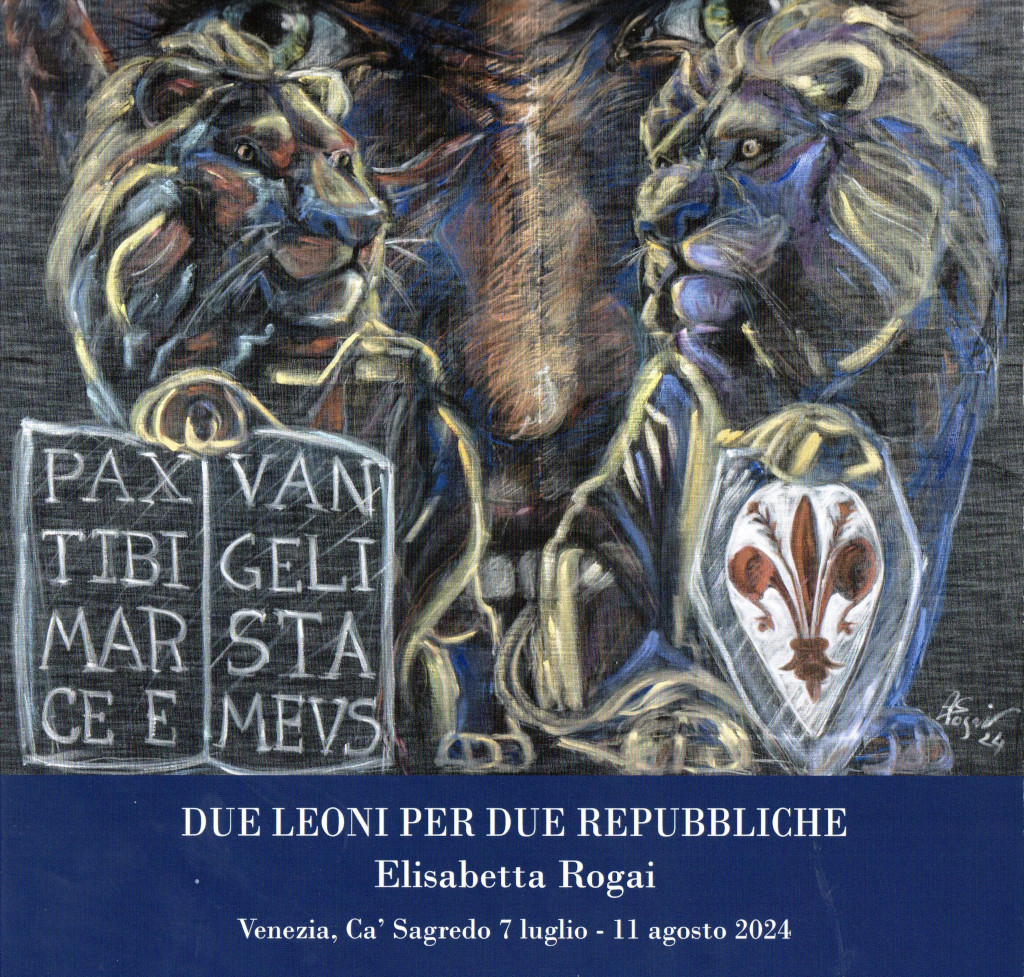
Un esempio significativo del suo lavoro è la mostra “Due Leoni per due Repubbliche”, esposta a Ca’ Sagredo a Venezia. In questa esposizione, Rogai ha celebrato il legame tra Venezia e Firenze attraverso la rappresentazione dei leoni, simboli storici delle due città.
Utilizzando tecniche innovative e materiali unici, ha creato opere che non solo riflettono la sua visione artistica, ma anche l’identità culturale italiana. La passione di Rogai per l’arte si riflette nel suo impegno a promuovere la cultura e la creatività, rendendola una figura influente nel panorama artistico contemporaneo. Per chi desidera approfondire il suo lavoro, il suo sito ufficiale offre una panoramica delle sue opere e delle esposizioni passate e future: https://www.elisabettarogai.it/ .
Sono rimasto favorevolmente impressionato, in quanto non avevo mai visto simili capolavori usando come tela il marmo di Carrara, o che si potessero usare come pennelli il vino e /o l’aceto balsamico. Una tecnica a dir poco all’avanguardia, e i soggetti dei quadri, molto emozionanti. Ricordo ancora una volta che la mostra sarà visibile fino al 11 di agosto. Invito tutta la cittadinanza e i turisti presenti nel hotel a soffermarsi per ammirare questi stupendi capolavori. Da non perdere !!
New ways to paint at Ca’ Sagredo !
Too many commitments prevented me from knowing in advance about this beautiful exhibition on display at Ca’ Sagredo hotel, from July 6th to August 11th 2024, by a great artist named Elisabetta Rogai. Finally, under a scorching and infernal sun, just before going to work, I managed to go and admire her exhibition, and I liked it very much. Let’s find out together who Elisabetta Rogai is.
Elisabetta Rogai is a prominent Italian artist, known for her ability to combine tradition and modernity in her works. Since the young age of nine, she has dedicated her life to art, exploring different techniques including painting, sculpture and installation. Her innovative technique of “Enoarte”, which uses wine as a means of expression, has captured the attention of critics and collectors, making her work unique in the contemporary art scene. Rogai has exhibited in numerous galleries and museums both in Italy and abroad, earning significant recognition, including the National Arts Award in 2018. Her works, characterized by a bold use of colors and a deep exploration of themes related to nature and humanity, invite reflection and emotion.
A significant example of his work is the exhibition “Two Lions for Two Republics”, exhibited at Ca’ Sagredo in Venice. In this exhibition, Rogai celebrated the bond between Venice and Florence through the representation of lions, historical symbols of the two cities.
Using innovative techniques and unique materials, he created works that not only reflect his artistic vision, but also the Italian cultural identity. Rogai’s passion for art is reflected in her commitment to promoting culture and creativity, making her an influential figure in the contemporary art scene. For those who wish to delve deeper into her work, her official website https://www.elisabettarogai.it/ offers an overview of her works and past and future exhibitions.
I was very impressed, as I had never seen such masterpieces using Carrara marble as a canvas, or that wine and/or balsamic vinegar could be used as brushes. A technique that is nothing short of cutting edge, and the subjects of the paintings, very exciting. I remind you once again that the exhibition will be visible until August 11th. I invite all citizens and tourists present in the hotel to stop and admire these wonderful masterpieces. Not to be missed !!
For the English translation please scroll down the page, thank you !
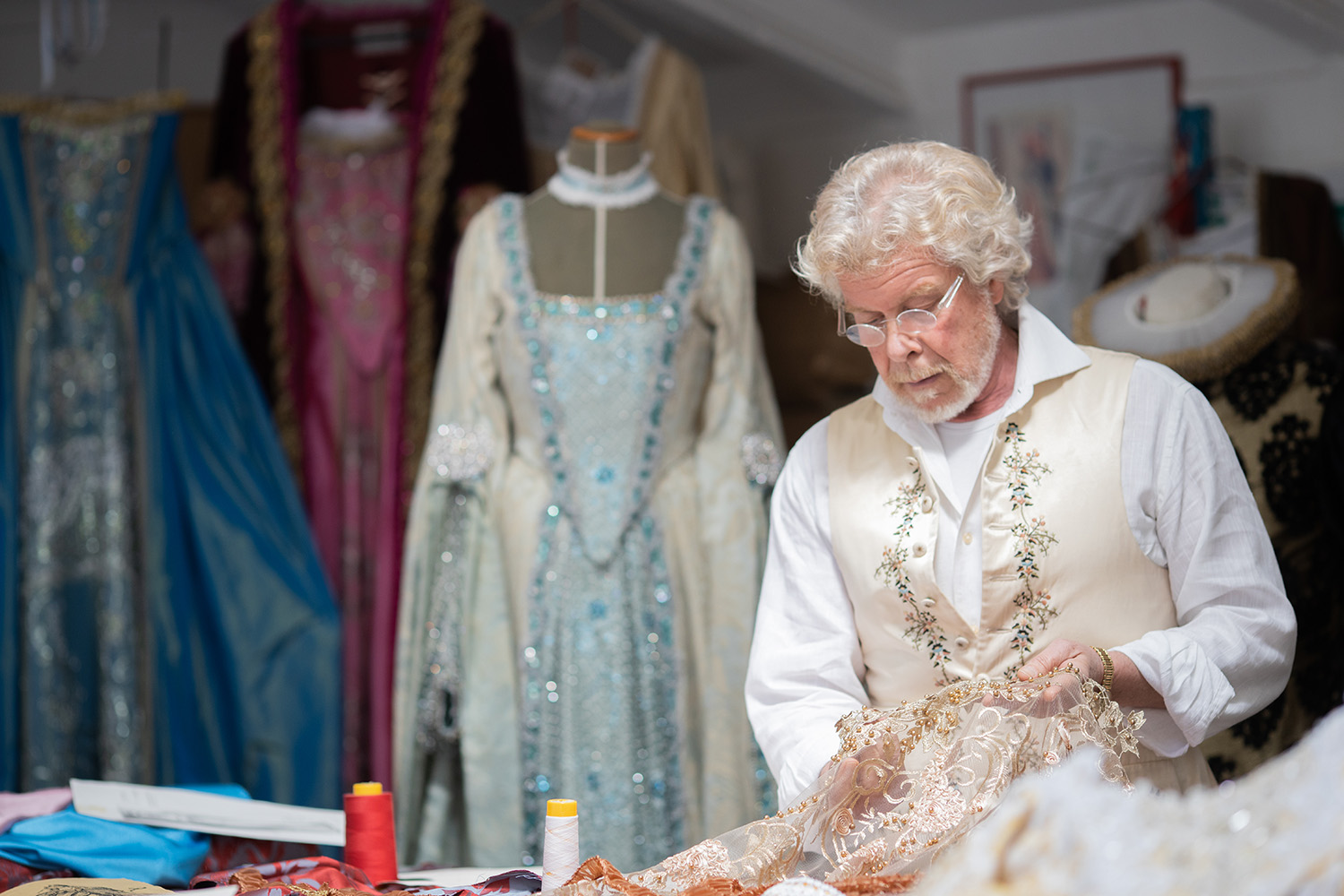
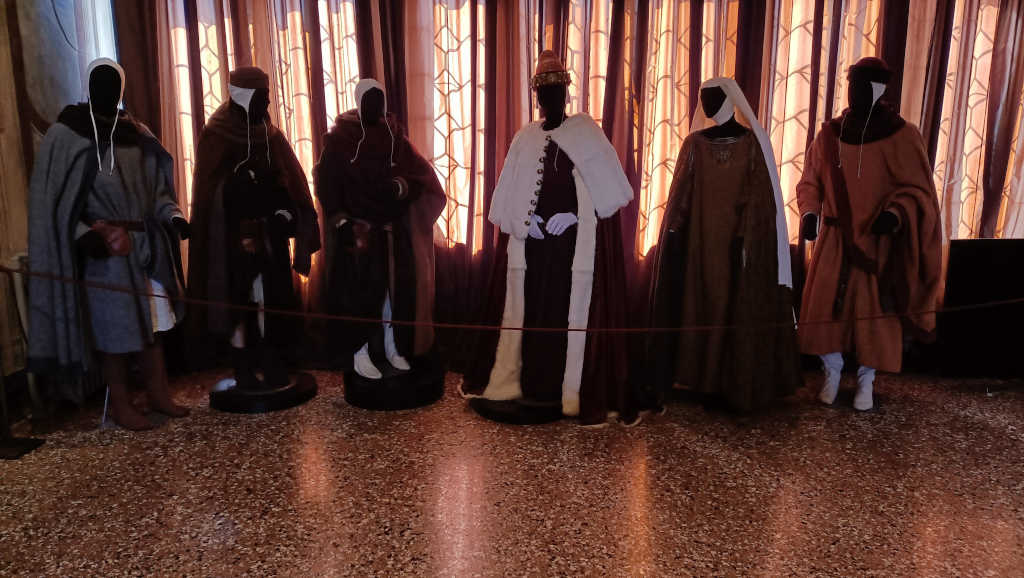
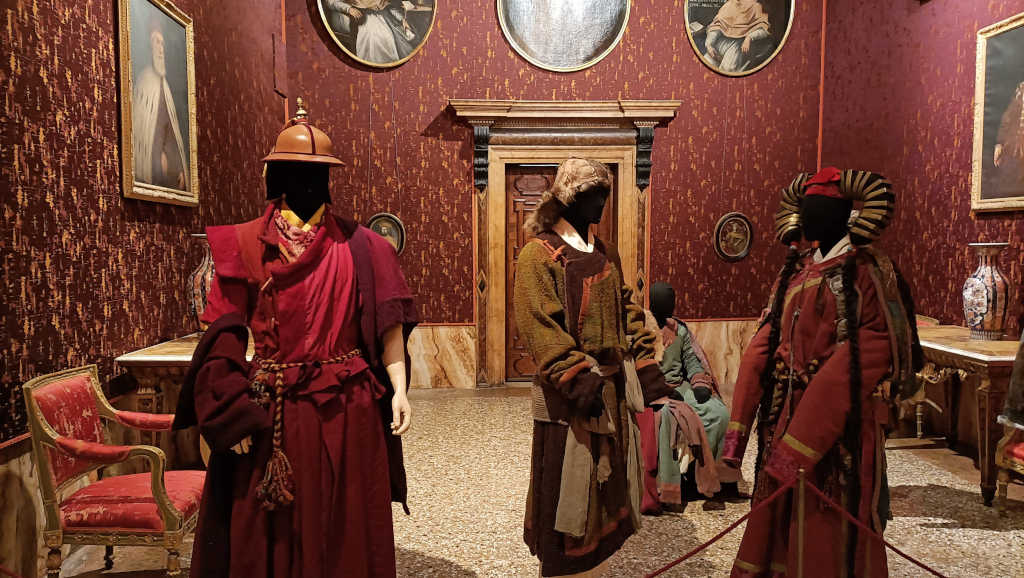
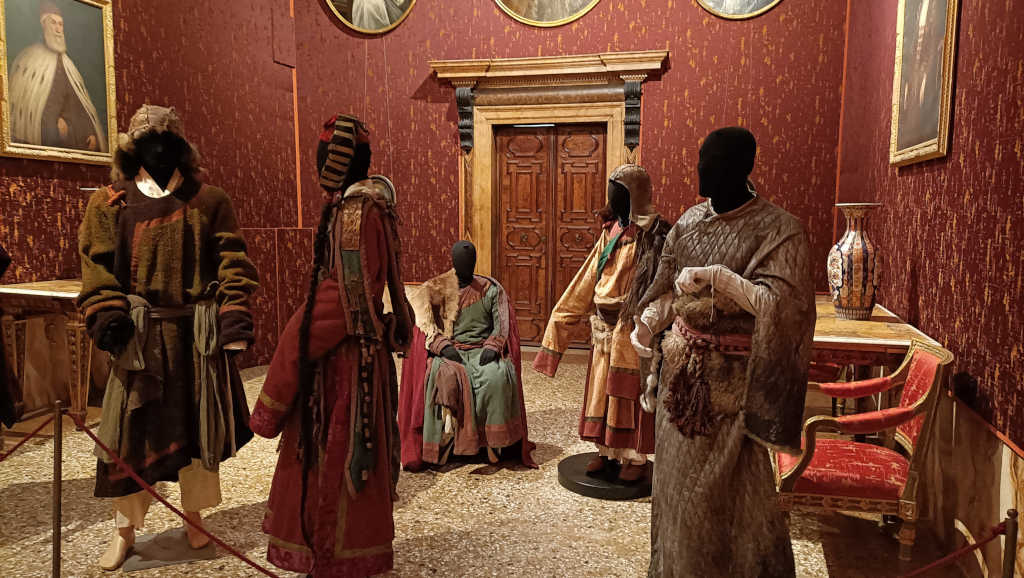
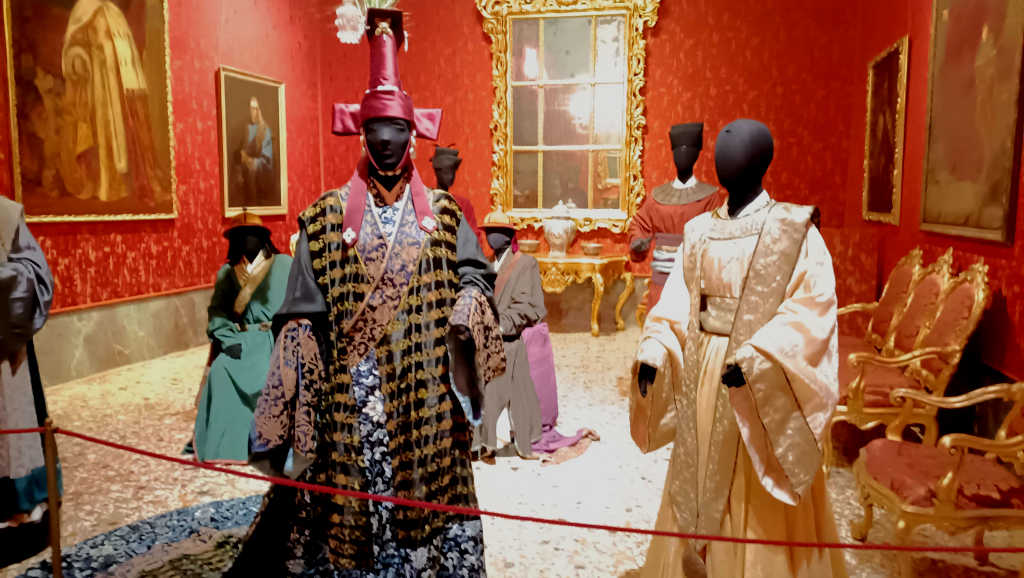
Quali sono le ragioni per cui la mostra dei costumi di Marco Polo presente a Palazzo Mocenigo, ha così tanto successo ? Le ragioni sono i costumi stessi che ci fanno ricordare uno dei più belli sceneggiati che siano mai stati prodotti in Italia, le cui puntate si possono tutt’ora vedere su Rai Play; una mostra che ci porta indietro nel tempo. Il costumista, di questo sceneggiato fu Enrico Sabattini, che realizzò questi stupendi costumi, ma c’è anche un’altra persona che lavorò con lui a questo progetto, che è l’artefice di questa bellissima mostra : Stefano Nicolao, scopriamo insieme chi è.
Stefano Nicolao ha avuto un ruolo chiave nella serie televisiva “Marco Polo” del 1982, prodotta dalla NBC negli Stati Uniti, dalla Rai in Italia, da Antenne 2 in Francia, e da RTVE in Spagna. Nicolao ha creato i costumi per la serie, contribuendo significativamente alla sua realizzazione visiva e storica.
Non tutti sanno delle grandi difficoltà che sono sorte per girare questa stupenda serie TV, alcune delle principali sfide affrontate da Stefano Nicolao durante la produzione della serie televisiva: ad esempio l’allestimento di una sartoria mobile ad alta quota. Per le riprese in Nepal, Nicolao ha dovuto allestire una sartoria mobile a tremila cinquecento metri di altitudine, affrontando le sfide logistiche di lavorare in un ambiente remoto e privo di infrastrutture. Reperimento di materiali e tessuti autentici, Nicolao ha dovuto cercare e reperire materiali, tessuti e accessori autentici in loco, in Nepal, per realizzare i costumi storici. Molti elementi non erano facilmente disponibili, rendendo il processo simile all’esperienza di Marco Polo stesso.
L’Atelier di Stefano Nicolao: Dove la Storia Prende Vita Attraverso i Costumi.
Stefano Nicolao è inoltre il fondatore di Nicolao Atelier, un’istituzione veneziana diventata un punto di riferimento per la creazione di costumi teatrali e cinematografici di alto livello. Fin dalla sua fondazione nel 1981, in concomitanza con la rinascita del Carnevale di Venezia, l’atelier di Nicolao si è distinto per la sua straordinaria collezione di oltre 15.000 costumi storici.
Costumi che Hanno Ispirato il Cinema e il Teatro: Alcuni di questi costumi hanno fatto da modello per produzioni cinematografiche di fama mondiale, come Elizabeth, Outlander, Twilight e Casanova. Inoltre, gli abiti di Nicolao Atelier sono stati utilizzati in prestigiose produzioni teatrali e liriche presso i più importanti palcoscenici internazionali, tra cui la Scala di Milano, il Teatro la Fenice di Venezia, la Washington Opera DC, la Lyric Opera of Chicago e la New National Opera of Tokyo.
Visite Guidate e Mostre L’Atelier di Stefano Nicolao offre visite guidate, sia in presenza che online, durante le quali il maestro costumista illustra il suo lavoro e mostra pezzi significativi della sua collezione di abiti originali, riproduzioni e ricostruzioni da campioni autentici. Inoltre, Nicolao Atelier organizza mostre e sfilate che raccontano la storia di Venezia attraverso il costume, frutto di una lunga ricerca storica e filologica.
Il Gran Ballo di Carnevale “Venetian Reflections” Ogni anno, Stefano Nicolao e il suo Atelier organizzano il prestigioso Gran Ballo di Carnevale “Venetian Reflections” in uno dei palazzi veneziani più belli affacciati sul Canal Grande, quest’anno a Ca Sagredo Hotel. Un evento che si è tenuto il 11 Febbraio 2024, e ha richiamato celebrità internazionali, un spettacolo stupendo che prevedeva uno spettacolo di apertura, un welcome cocktail, una cena, una lounge con open bar e una dance hall, il tutto immerso in un’atmosfera fiabesca e incantata.
L’Importanza dei Costumi per gli Attori Stefano Nicolao sottolinea sempre l’importanza dei costumi per la caratterizzazione dei personaggi e l’interpretazione degli attori. Come ha confessato l’attore Stefano Dionisi, indossare un costume realizzato da Nicolao lo ha aiutato a entrare pienamente nel ruolo di Farinelli. I costumi, infatti, hanno il potere di trasformare le persone, dando loro un senso di ciò che stanno interpretando e completando il loro ruolo. Grazie all’impegno e alla passione di Stefano Nicolao, l’Atelier veneziano è diventato un’istituzione di fama internazionale, custode di una preziosa eredità culturale e artistica che continua a ispirare il mondo del cinema, del teatro e dell’opera.
Per chi volesse saperne di più, invito tutti i cittadini di Venezia e i turisti presenti in città a visitare la bellissima mostra sui costumi di Marco Polo presso Palazzo Mocenigo, a S. Stae, e l’atelier di Stefano Nicolao, dove potranno ammirare un vasto assortimento di straordinari costumi. A chi non piacerebbe girare per le calli di Venezia in costume ?
Atelier Nicolao Cannaregio 2590 – 30121, Venezia
Palazzo Mocenigo Santa Croce 1992, 30135 Venezia
Who is behind the Marco Polo’s Costumes
What are the reasons why the exhibition of Marco Polo costumes present at Palazzo Mocenigo is so successful? The reasons are the costumes themselves which make us remember one of the most beautiful dramas that have ever been produced in Italy, the episodes of which can still be seen on Rai Play; an exhibition that takes us back in time. The costume designer of this drama was Enrico Sabattini, who created these wonderful costumes, but there is also another person who worked with him on this project, who is the creator of this beautiful exhibition: Stefano Nicolao, let’s find out together who he is .
Stefano Nicolao played a key role in the 1982 television series “Marco Polo”, produced by NBC in the United States, Rai in Italy, Antenne 2 in France, and RTVE in Spain. Nicolao created the costumes for the series, contributing significantly to its visual and historical realization.
Not everyone knows of the great difficulties that arose in filming this wonderful TV series, some of the main challenges faced by Stefano Nicolao during the production of the television series: for example the setting up of a mobile tailor’s shop at high altitude. For filming in Nepal, Nicolao had to set up a mobile tailor’s shop at three thousand five hundred meters above sea level, facing the logistical challenges of working in a remote environment with no infrastructure. Sourcing authentic materials and fabrics, Nicolao had to research and source authentic materials, fabrics and accessories locally in Nepal to make the historical costumes. Many items were not readily available, making the process similar to the experience of Marco Polo himself.
Stefano Nicolao’s Atelier: Where History Comes to Life Through Costumes
Stefano Nicolao is also the founder of Nicolao Atelier, a Venetian institution that has become a point of reference for the creation of high-level theatrical and cinema costumes. Since its foundation in 1981, coinciding with the revival of the Venice Carnival, Nicolao’s atelier has stood out for its extraordinary collection of over 15,000 historical costumes.
Costumes that Inspired Cinema and Theater: Some of these costumes have served as models for world-famous film productions, such as Elizabeth, Outlander , Twilight and Casanova. Furthermore, Nicolao Atelier’s clothes have been used in prestigious theatrical and opera productions at the most important international stages, including La Scala in Milan, Teatro la Fenice in Venice, Washington Opera DC, Lyric Opera of Chicago and New National Opera of Tokyo.
Guided Tours and Exhibitions Stefano Nicolao’s Atelier offers guided tours, both in person and online, during which the master costume designer illustrates his work and displays significant pieces from his collection of original clothing, reproductions and reconstructions from authentic samples. Furthermore, Nicolao Atelier organizes exhibitions and parades that tell the story of Venice through costume, the fruit of long historical and philological research.
The “Venetian Reflections” Carnival Grand Ball Every year, Stefano Nicolao and his Atelier organize the prestigious “Venetian Reflections” Carnival Grand Ball in one of the most beautiful Venetian palaces overlooking the Grand Canal, this year at Ca Sagredo Hotel. An event that was held on February 11, 2024, and attracted international celebrities, a wonderful show that included an opening show, a welcome cocktail, a dinner, a lounge with open bar and a dance hall, all immersed in a fairy-tale and enchanted atmosphere.
The Importance of Costumes for Actors Stefano Nicolao always underlines the importance of costumes for the characterization of the characters and the interpretation of the actors. As the actor Stefano Dionisi confessed, wearing a costume made by Nicolao helped him to fully enter the role of Farinelli. Costumes, in fact, have the power to transform people, giving them a sense of what they are playing and completing their role. Thanks to the commitment and passion of Stefano Nicolao, the Venetian Atelier has become an internationally renowned institution, guardian of a precious cultural and artistic heritage that continues to inspire the world of cinema, theater and opera.
For those wishing, to know more, I invite all citizens of Venice and tourists present in the city to visit the beautiful exhibition on Marco Polo’s costumes at Palazzo Mocenigo, in S. Stae, and Stefano Nicolao’s atelier, where they will be able to admire a vast assortment of extraordinary costumes. Who wouldn’t like to wander around the streets of Venice in costume?
For the English translation please scroll down the page, thank you !
Una ulteriore nuova mostra (già visibile la mostra “I costumi di Marco Polo“) è visibile da ieri per il pubblico che viene a visitare il bellissimo museo di Palazzo Mocenigo: L’albero della vita dell’artista Carla Tolomeo, localizzata a piano terra, aperta negli orari del museo fino 24 novembre di quest’anno. Uno se pensa all’albero della vita, potrebbe pensare ad Yggdrasil della mitologia Norrena, oppure all’albero della vita del Paradiso Perduto di John Milton, oppure albero della vita della cabala ebraica. Niente di tutto questo:
L’Albero della Vita: Un capolavoro di Carla Tolomeo
Un’opera monumentale, un viaggio fantastico: Sorge imponente a piano terra del museo, un’opera d’arte colossale, frutto dell’ingegno e della passione di Carla Tolomeo: L’Albero della Vita. Un’installazione di dimensioni ragguardevoli, realizzata in ferro, legno e tessuto, composta da ottocento pezzi creati personalmente dall’artista. Ogni elemento, ogni tassello di questo lavoro vive in autonomia, pur armonizzandosi perfettamente con l’insieme, come in un’orchestra dove ogni strumento contribuisce alla sinfonia. Le foglie, una a una, sfoggiano forme e colori differenti, come a simboleggiare la diversità della vita. Dai rami pendono frutti succosi, mentre sulle fronde si arrampicano tartarughe sagge, si posano pappagalli variopinti, fioriscono fiori tropicali e si nascondono serpenti misteriosi. Tra le radici, come in un mondo sommerso, guizzano pesci argentati. Ogni elemento de L’Albero della Vita è stato realizzato a mano da Carla Tolomeo, utilizzando stoffe pregiate, passamanerie, sete e cotoni, lampassi e broccati, che appartengono alla grande tradizione dell’artigianato tessile veneziano. Un omaggio alle radici storiche e artistiche della sua città natale. L’origine culturale de L’Albero della Vita trae ispirazione dal “Manuale di zoologia fantastica” di Jorge Luis Borges, autore che Carla Tolomeo ha conosciuto e frequentato, stringendo con lui una solida amicizia. Le creature fantastiche che popolano le pagine del libro dello scrittore argentino, dedotte dalle cosmogonie universali, diventano qui metafora dell’esistenza di ogni essere animale o vegetale, che nasce, si rinnova e si trasforma continuamente nel corso della sua vita.
Scopriamo insieme chi è Carla Tolomeo, nata a Pinerolo nel 1941, è una pittrice e scultrice italiana rinomata per la sua inesauribile creatività e la sua capacità di trasformare l’ordinario in straordinario. La sua carriera artistica, costellata di successi e riconoscimenti, è un viaggio affascinante attraverso diverse espressioni artistiche, tutte unite da un filo conduttore: la ricerca della bellezza e della poesia nell’arte. Formatasi come pittrice, Tolomeo si è distinta fin dagli esordi per la sua maestria tecnica e la sua sensibilità artistica. I suoi dipinti, spesso ispirati alla pittura giapponese e ai grandi maestri classici, rivelano una profonda introspezione e un uso sapiente del colore e della luce.
Tuttavia, è con la creazione delle sue celebri “Sedie-Sculture” che Tolomeo ha raggiunto la fama internazionale. Queste opere, nate da un’intuizione geniale, fondono la funzionalità di una sedia con la magia dell’arte, trasformandola in un oggetto unico e ricco di significato. Ogni sedia è una creazione a sé stante, un’opera d’arte che evoca mondi fantastici e invita lo spettatore a sognare. Nel corso della sua prolifica carriera, Carla Tolomeo ha ricevuto numerosi premi e riconoscimenti, tra cui il Premio Campiello per l’incisione, il Premio Lubrina per la pittura e il Premio Michelangelo per la scultura. Le sue opere sono state esposte in prestigiose gallerie e musei in Italia e all’estero, consacrandola come una figura di riferimento dell’arte contemporanea italiana.
Una mostra resa possibile grazie alla collaborazione tra l’artista, la Fondazione dei Musei civici di Venezia e alla Reve Art Gallery di Bologna. Invito tutta la cittadinanza, e i turisti presenti a Venezia di venire a vederla negli orari di apertura del museo, consultabili nel sito web del Museo di Palazzo Mocenigo.
The tree of life at Palazzo Mocenigo
A further new exhibition has been visible since yesterday (Already Visibile the exhibition “Marco Polo’s costumes“), for the public who comes to visit the beautiful museum of Palazzo Mocenigo: The tree of life by the artist Carla Tolomeo, located on the ground floor, open during museum hours until November 24 this year. If one thinks of the tree of life, one might think of Yggdrasil from Norse mythology, or the tree of life from John Milton’s Paradise Lost, or tree of life of the Jewish Kabbalah. None of this:
The Tree of Life: A masterpiece by Carla Tolomeo
A monumental work, a fantastic journey: It rises imposingly on the ground floor of the museum, a colossal work of art, the fruit of ingenuity and of Carla Tolomeo’s passion: The Tree of Life. An installation of considerable size, made of iron, wood and fabric, composed of eight hundred pieces created personally by the artist. Each element, each piece of this work lives independently, while harmonizing perfectly with the whole, as in an orchestra where each instrument contributes to the symphony. The leaves, one by one, show off different shapes and colors, as if to symbolize the diversity of life. Juicy fruits hang from the branches, while wise turtles climb on the branches, colorful parrots perch, tropical flowers bloom and mysterious snakes hide. Among the roots, as in an underwater world, silver fish dart. Each element of L’Albero della Vita was handmade by Carla Tolomeo, using fine fabrics, trimmings, silks and cottons, lampas and brocades, which belong to the great tradition of Venetian textile craftsmanship. A tribute to the historical and artistic roots of her hometown. The cultural origin of The Tree of Life draws inspiration from the “Manual of Fantastic Zoology” by Jorge Luis Borges, an author whom Carla Tolomeo met and frequented, forming a solid friendship with him. The fantastic creatures that populate the pages of the Argentine writer’s book, deduced from universal cosmogonies, here become a metaphor for the existence of every animal or vegetable being, which is born, renewed and continuously transformed during its life.
Let’s find out who Carla Tolomeo is, born in Pinerolo in 1941, she is an Italian painter and sculptor renowned for her inexhaustible creativity and her ability to transform the ordinary into the extraordinary. Her artistic career, dotted with successes and awards, is a fascinating journey through different artistic expressions, all united by a common thread: the search for beauty and poetry in art. Trained as a painter, Tolomeo stood out from the start for her technical mastery and artistic sensitivity. Her paintings, often inspired by Japanese painting and the great classical masters, reveal a profound introspection and a skillful use of color and light.
However, it is with the creation of her famous “Chair-Sculptures” that Tolomeo achieved international fame. These works, born from a brilliant intuition, merge the functionality of a chair with the magic of art, transforming it into a unique object full of meaning. Each chair is a creation in itselfdoors, a work of art that evokes fantastic worlds and invites the viewer to dream. Over the course of her prolific career, Carla Tolomeo has received numerous awards and recognitions, including the Campiello Prize for engraving, the Lubrina Prize for painting and the Michelangelo Prize for sculpture. Her works have been exhibited in prestigious galleries and museums in Italy and abroad, establishing her as a reference figure in Italian contemporary art.
An exhibition made possible thanks to the collaboration between the artist, the Foundation of the Civic Museums of Venice and the Reve Art Gallery in Bologna. I invite all citizens and tourists present in Venice to come and see it during the museum’s opening hours, which can be consulted on the Mocenigo Palace Museum website.
For the English translation please scroll down the page, thank you !
Ca’ Pesaro apre le porte ad una straordinaria mostra dedicata ad Armando Testa, figura iconica del panorama artistico italiano del Novecento. Dal 20 aprile al 15 settembre 2024, la Galleria Internazionale d’Arte Moderna di Venezia ospiterà un percorso espositivo che ripercorre la vita e la prolifica carriera di questo genio creativo.
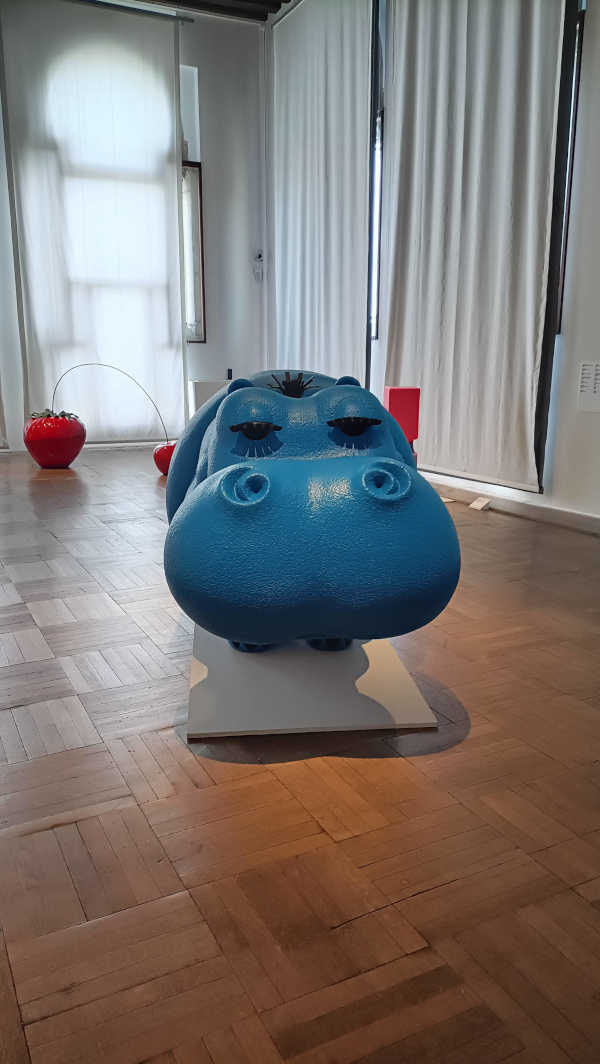
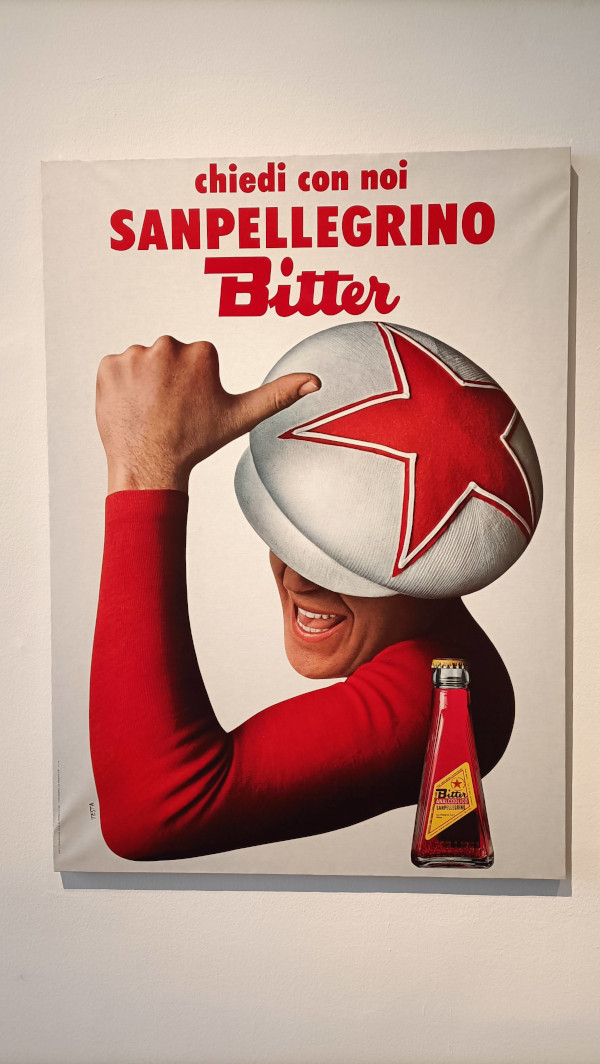
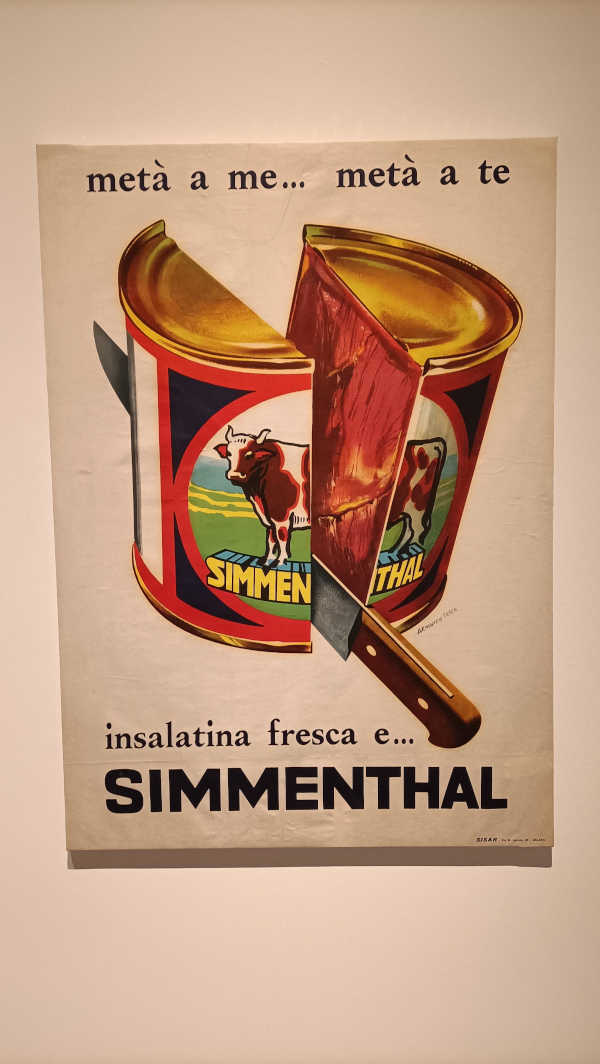
Pochi giorni fa, sono andato a Ca’ Pesaro, perché sapevo c’erano due mostre nuove, questa di cui sto raccontando è una di quelle. Confesso che è stato un vero tuffo nel passato, e lo sarà per chiunque visitatore della mia generazione, che ha visto alla tv questi antenati dei post pubblicitari. Chi si ricorda dell’ippopotamo blu? Ecco che all’interno del museo, potrete vedere questi, e altri cartelloni pubblicitari, e vi lascerete prendere dalla nostalgia.
La mostra è localizzata al secondo piano del museo di Ca’ Pesaro, della Fondazione musei civici di Venezia. Mi è piaciuto molto l’allestimento, in quanto, le sale sono belle illuminate, al contrario di altre mostre, e con molti pannelli illustrativi. Ma chi è Armando Testa ?
Un pioniere della comunicazione visiva, Testa ha rivoluzionato il mondo della pubblicità con le sue campagne memorabili, i loghi inconfondibili e i personaggi immaginari che hanno popolato l’immaginario collettivo. La mostra, curata da Gemma De Angelis Testa, Tim Marlow ed Elisabetta Barisoni, offre un’occasione unica per scoprire e riscoprire l’ampiezza del suo talento, spaziando dalla pittura e scultura al disegno e all’animazione.
Il percorso espositivo, articolato in diverse sezioni, ripercorre le tappe salienti della carriera di Testa, a partire dagli esordi torinesi presso la Scuola Tipografica Vigliardi Paravia. Dagli iconici caroselli per Martini & Rossi e Carpano alle celebri immagini per Lavazza, Pirelli e Simmenthal, la mostra mette in luce la capacità di Testa di tradurre concetti complessi in immagini semplici ed immediate, capaci di suscitare emozioni e fissarsi nella memoria.
Oltre alle opere più conosciute, la mostra presenta anche materiali inediti e aspetti meno noti della produzione di Testa, come la sua ricerca sulla figura umana, le geometrie e i temi sociali. Significative interviste e contributi video arricchiscono l’esposizione, offrendo al pubblico una visione completa del genio creativo di Testa e del suo impatto sulla cultura del suo tempo.
Un’occasione imperdibile per immergersi nel mondo di Armando Testa, maestro della comunicazione visiva e pioniere dell’immaginario collettivo, e soprattutto, per fare con la mente un vero viaggio nel tempo. Sono sicuro che la mostra vi piacerà tantissimo e invito tutti i cittadini e i visitatori presenti a Venezia, a venire a visitarla !!
A dive into memories at Ca’ Pesaro
Ca’ Pesaro opens the doors to an extraordinary exhibition dedicated to Armando Testa, iconic figure of the Italian artistic panorama of the twentieth century. From 20 April to 15 September 2024, the International Gallery of Modern Art in Venice will host an exhibition that traces the life and prolific career of this creative genius.
A few days ago, I went to Ca’ Pesaro, because I knew there were two new exhibitions, this one I’m talking about is one of them. I confess that it was a real blast from the past, and it will be for anyone of my generation who saw these ancestors of advertising posts on TV. Who remembers the blue hippo? Here inside the museum, you will be able to see these, and other advertising billboards, and you will be overcome by nostalgia.
The exhibition is located on the second floor of the Ca’ Pesaro museum, of the Civic Museums of Venice Foundation. I really liked the setup, as the rooms are beautifully lit, unlike other exhibitions, and with many illustrative panels. But who is Armando Testa?
A pioneer of visual communication, Testa revolutionized the world of advertising with his memorable campaigns, unmistakable logos and imaginary characters that populated the collective imagination. The exhibition, curated by Gemma De Angelis Testa, Tim Marlow and Elisabetta Barisoni, offers a unique opportunity to discover and rediscover the breadth of his talent, ranging from painting and sculpture to drawing and animation >
The exhibition itinerary, divided into different sections, retraces the salient stages of Testa’s career, starting from his debut in Turin at the Vigliardi Paravia Typographic School . From the iconic carousels for Martini & Rossi and Carpano to the famous images for Lavazza, Pirelli and Simmenthal, the exhibition highlights Testa’s ability to translate complex concepts into simple and immediate images, capable of arousing emotions and becoming fixed in the memory.
In addition to the best-known works, the exhibition also presents unpublished materials and lesser-known aspects of Testa’s production, such as his research on the human figure, geometries and social themes. Significant interviews and video contributions enrich the exhibition, offering the public a complete vision of Testa’s creative genius and his impact on the culture of his time
An unmissable opportunity to immerse yourself in the world of Armando Testa, master of visual communication and pioneer of the collective imagination, and above all, to take a true journey through time with your mind. I am sure that you will like the exhibition very much and I invite all citizens and visitors present in Venice to come and visit it!!
For the English translation please scroll down the page, thank you !
Nel 1982, gli schermi televisivi di ben 46 nazioni vennero rapiti da un’avventura epica: la miniserie “Marco Polo”. Co-produzione italo-statunitense-britannica-francese, questa serie in otto puntate ha ripercorso le vicende del celebre esploratore veneziano, interpretato da un giovane e magnetico Kenneth Marshall.
La serie, diretta dal maestro Giuliano Montaldo, si distingueva per la sua imponenza e la sua cura per i dettagli. Le riprese si svolsero in luoghi mozzafiato come la Cina, la Mongolia e l’Uzbekistan, contribuendo a creare un’atmosfera autentica e coinvolgente. Accanto a Marshall, un cast stellare di attori internazionali ha dato vita a personaggi indimenticabili, tra cui Burt Lancaster, Denholm Elliott, Tony Vogel, Leonar Nimoy, Anne Bancroft, con molti altri con le musiche del grande Ennio Morricone, e soprattutto i costumi di Enrico Sabatini.
Ma il vero protagonista era senza dubbio Marco Polo. La serie ha saputo catturare lo spirito di avventura e la sete di conoscenza che spinsero il giovane veneziano ad attraversare il mondo e ad immergersi in culture lontane. Nonostante la sua fedeltà storica, “Marco Polo” non era un semplice documentario. La serie si è presa alcune licenze creative per rendere la storia più avvincente e appassionante. Il risultato è stato un’opera che ha saputo conquistare il pubblico di tutte le età.
Ancora oggi, a distanza di quasi quarant’anni, “Marco Polo” rimane una pietra miliare della televisione. La serie ha aperto la strada ad altre produzioni epiche e ha contribuito a far conoscere al grande pubblico la figura di Marco Polo e la sua straordinaria avventura. Se siete alla ricerca di una serie TV che vi trasporti in un’epoca lontana e vi faccia vivere emozioni indimenticabili, “Marco Polo” è un titolo da non perdere. Oltre alla sua valenza storica e culturale, la serie offre anche uno spunto di riflessione sulla diversità e sull’importanza del dialogo interculturale. In un mondo sempre più globalizzato, il messaggio di “Marco Polo” è più attuale che mai.
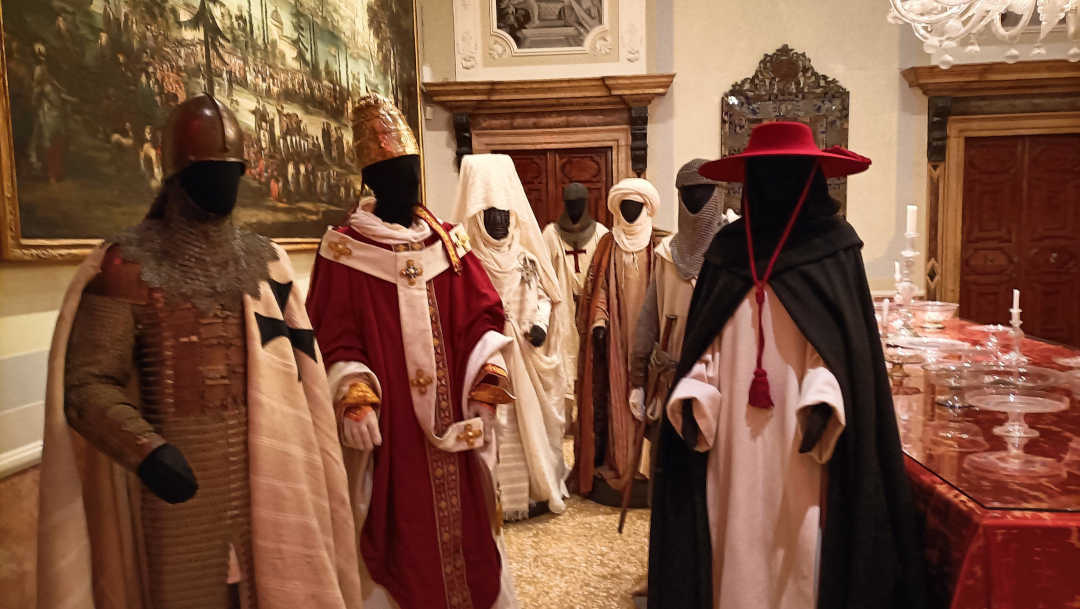
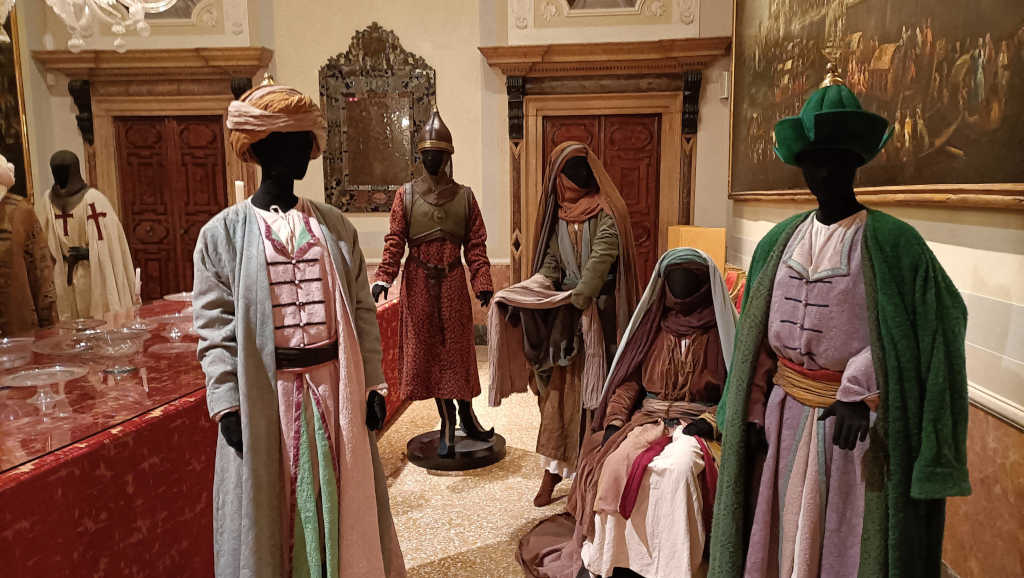
Come avete potuto vedere dalle foto, Palazzo Mocenigo ospita i costumi usati nella serie televisiva, per questo bisogna ringraziare Stefano Nicolao che ha organizzato l’allestimento di questa mostra. Questa è un’opportunità per vederli da vicino, ed essere catapultati indietro nel tempo, nei luoghi dove Marco Polo è stato. Questa mostra durerà dal 14 maggio fino al 30 settembre 2024, nel stupendo Museo di Palazzo Mocenigo di Venezia. Invito tutti i cittadini e i turisti a venire a vederla, vi piacerà di sicuro !
Marco Polo’s costumes at Palazzo Mocenigo
In 1982, the television screens of 46 nations were captivated by an epic adventure: the miniseries “Marco Polo”. An Italian-American-British-French co-production, this eight-part series retraced the events of the famous Venetian explorer, played by a young and magnetic Kenneth Marshall.
The series, directed by maestro Giuliano Montaldo, stood out for its grandeur and its attention to detail. Filming took place in breathtaking locations such as China, Mongolia and Uzbekistan, helping to create an authentic and immersive atmosphere. Alongside Marshall, a stellar cast of international actors brought to life unforgettable characters, including Burt Lancaster, Denholm Elliott, Tony Vogel, Leonard Nimoy, Anne Bancroft, and many others, with the music of the great Ennio Morricone, and above all the costumes by Enrico Sabatini.
But the real protagonist was undoubtedly Marco Polo. The series was able to capture the spirit of adventure and the thirst for knowledge that pushed the young Venetian to cross the world and immerse himself in distant cultures. Despite its historical fidelity, “Marco Polo” was not a simple documentary. The series has taken some creative license to make the story more compelling and engaging. The result was a work that was able to conquer audiences of all ages.
Even today, almost forty years later, “Marco Polo” remains a milestone in television. The series paved the way for other epic productions and contributed to making the figure of Marco Polo and his extraordinary adventure known to the general public. If you are looking for a TV series that transports you to a distant era and makes you experience unforgettable emotions, “Marco Polo” is a title not to be missed. In addition to its historical and cultural value, the series also offers food for thought on diversity and the importance of intercultural dialogue. In an increasingly globalized world, the message of “Marco Polo” is more relevant than ever.
As you can see from the pics, the Mocenigo Palace houses the costumes used in the television series, For this we must thank Stefano Nicolao who organized the staging of this exhibition. This is an opportunity to see them up close, and be transported back in time to the places where Marco Polo has been. This exhibition will last from 14 May until 30 September 2024, in the beautiful Mocenigo Palace Museum in Venice. I invite all citizens and tourists to come and see it, you will certainly like it!





















 Not everyone knows of the great difficulties that arose in filming this wonderful TV series, some of the main challenges faced by Stefano Nicolao during the production of the television series: for example the setting up of a mobile tailor’s shop at high altitude. For filming in Nepal, Nicolao had to set up a mobile tailor’s shop at three thousand five hundred meters above sea level, facing the logistical challenges of working in a remote environment with no infrastructure. Sourcing authentic materials and fabrics, Nicolao had to research and source authentic materials, fabrics and accessories locally in Nepal to make the historical costumes. Many items were not readily available, making the process similar to the experience of Marco Polo himself.







 Diario di un operatore museale