Attenzione: Il Kimono Maschile a Venezia è la mostra più bella di sempre!

Attenzione, Amanti del Bello! Questa È la Mostra che Non Potete Perdere!

Ragazzi, preparatevi a segnare la data in rosso sul calendario, perché c’è un evento a Venezia che farà storia. Dimenticatevi tutto il resto: al Museo di Palazzo Mocenigo è arrivata “IL KIMONO MASCHILE. Trame di vita, racconti di stile”, e lo dico senza mezzi termini: questa sarà la mostra più bella di sempre! Dal 5 dicembre 2025 al 4 aprile 2026, ci aspetta un viaggio pazzesco nel cuore del Giappone del primo Novecento. Non parlo di kimono qualsiasi, ma di quelli da uomo, che hanno un fascino tutto loro.

Il Segreto Nascosto del Kimono

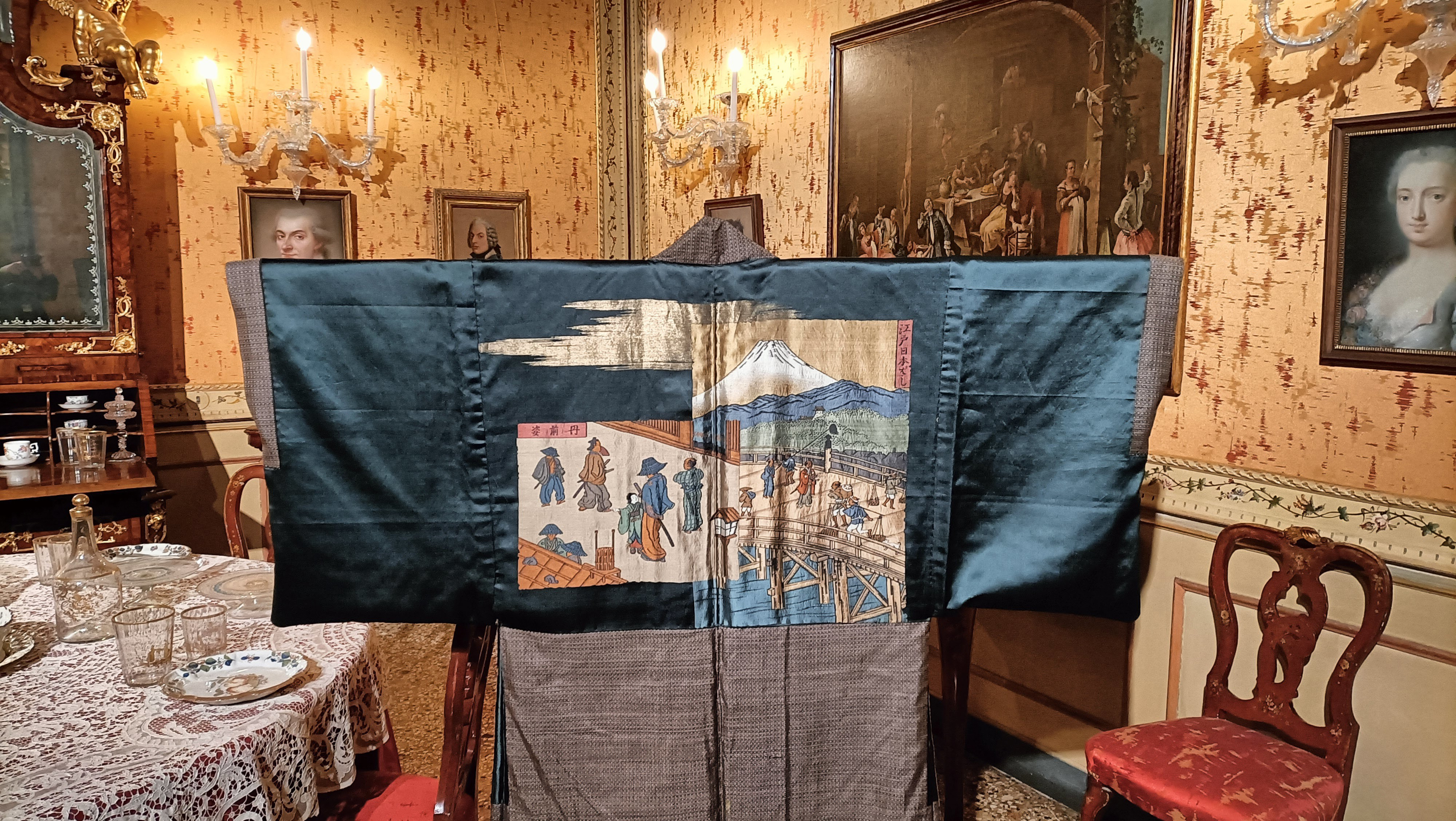
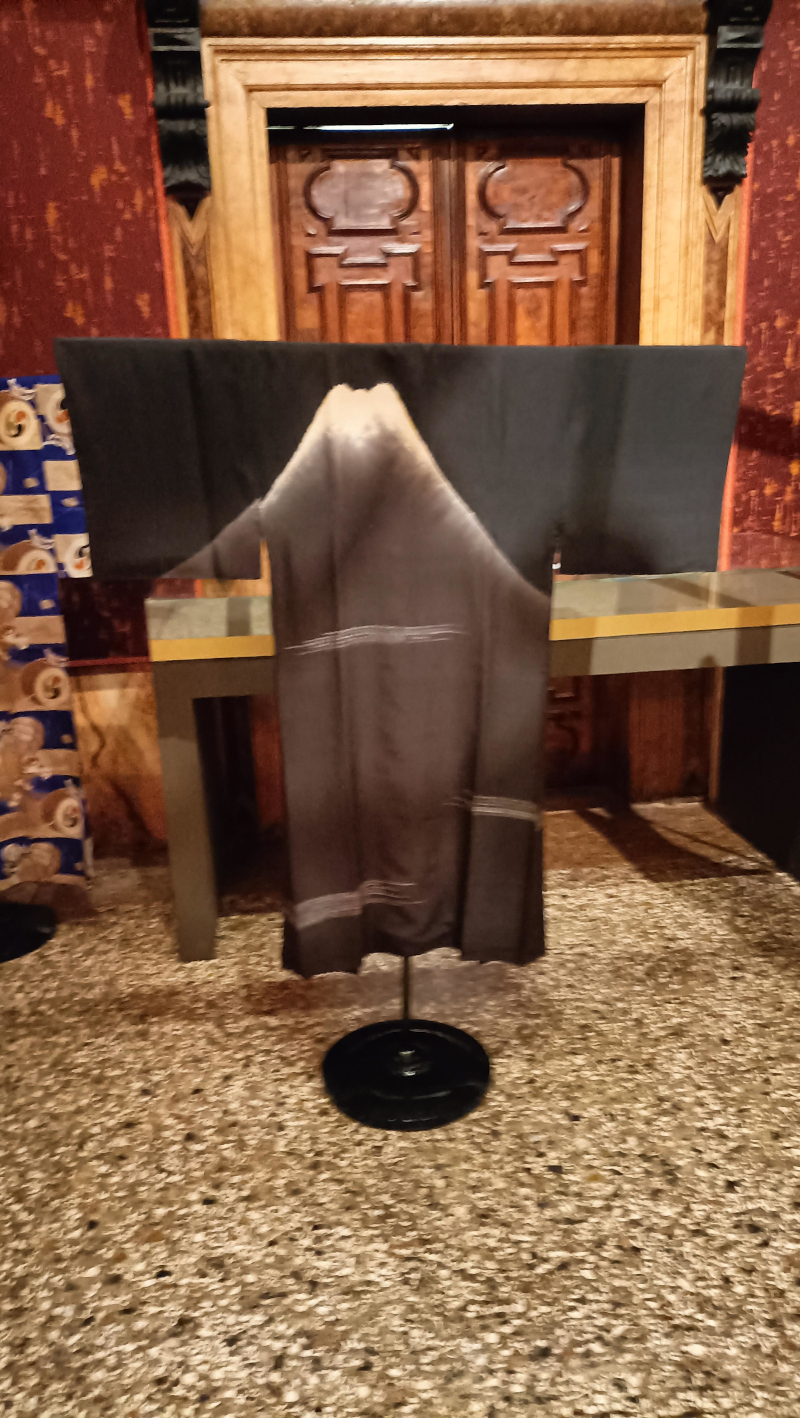
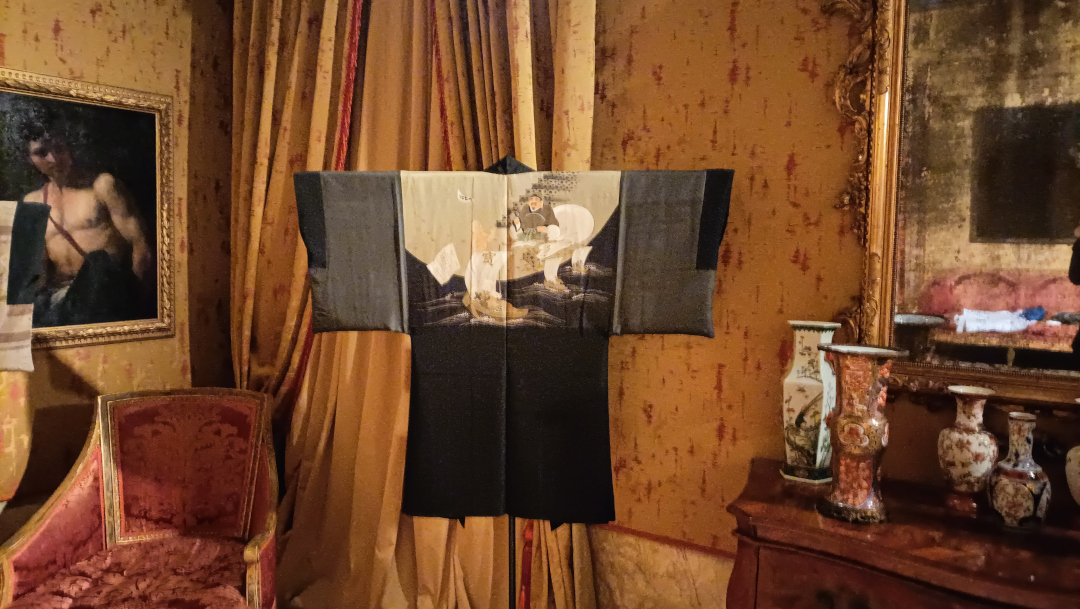
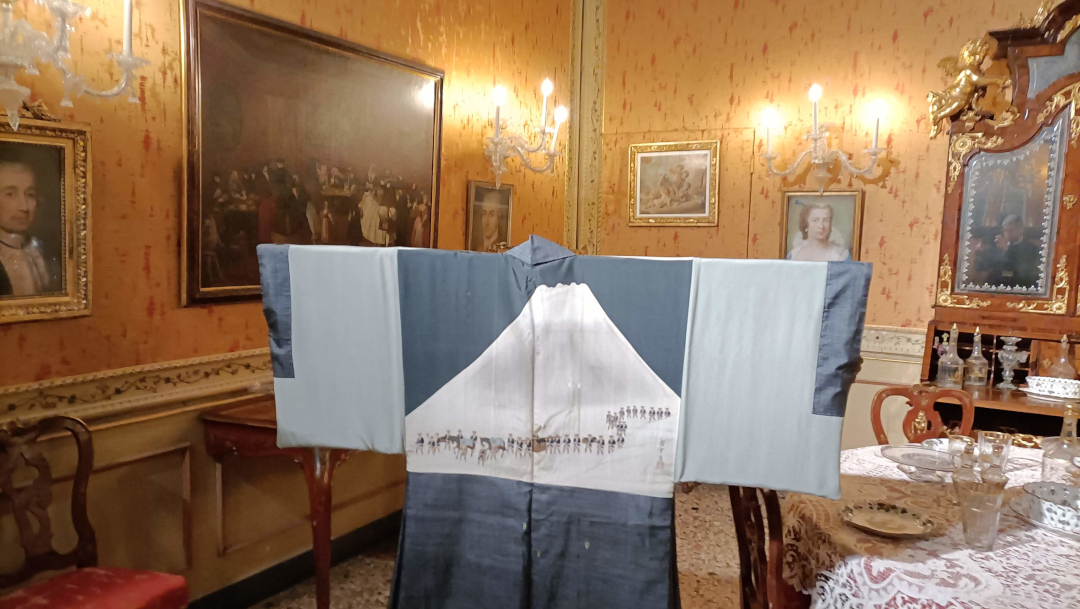
Questi abiti, esternamente sobri, quasi seriosi (l’eleganza vera non ha bisogno di urlare, no?), nascondono un mondo intero all’interno. È come un segreto, una storia sussurrata che vedi solo tu quando togli la giacca. Ero letteralmente ipnotizzato dai disegni! Ad esempio, scoprire quel kimono che raffigura il maestoso Monte Fuji nascosto nella fodera è un’emozione incredibile. Ogni pezzo è una narrazione intessuta, un piccolo manuale d’arte, storia e vita giapponese, che ti regala una piccola, ma intensa visione di un Giappone incredibilmente affascinante e inaspettato. Non è solo moda, è arte applicata, è poesia!

Quando le curatrici sono un Dream Team

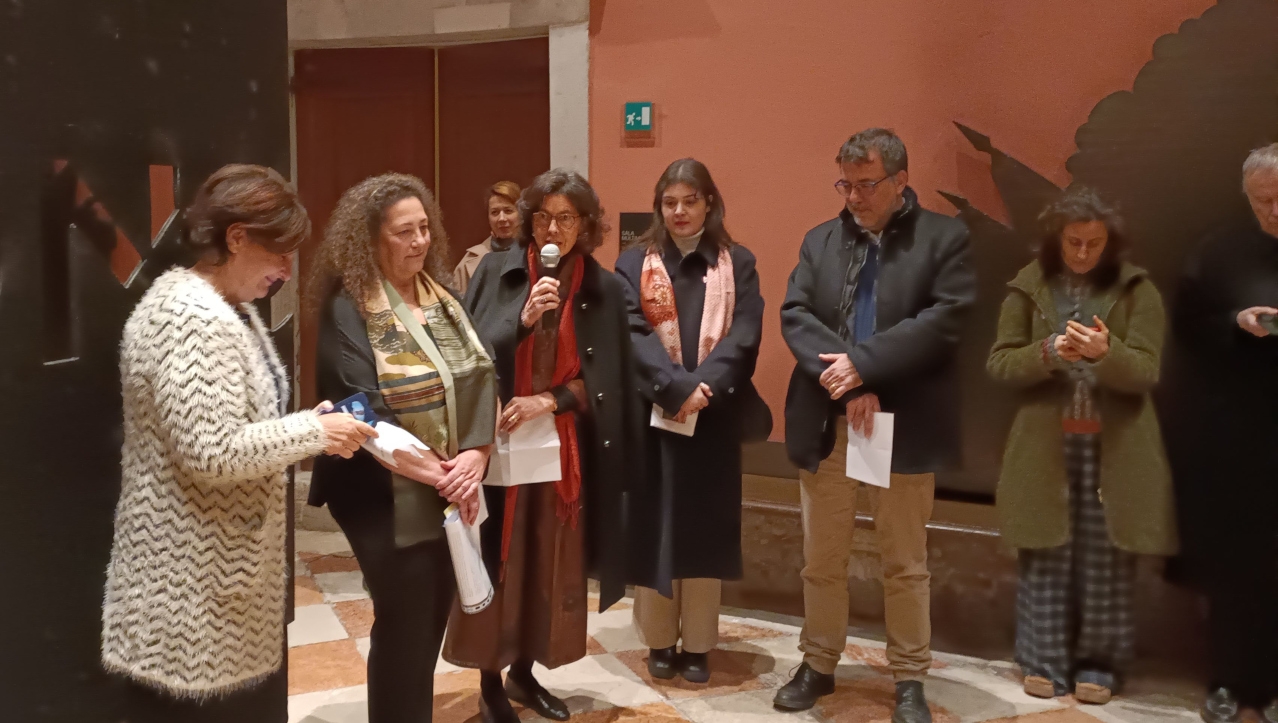
Ma la cosa più cool è come è nato questo progetto. Non è una mostra improvvisata, ma il risultato di un vero e proprio dream team di donne super competenti che hanno messo insieme i pezzi con una passione contagiosa.

È possibile ammirare questa meraviglia grazie alla collaborazione straordinaria tra:

  • La Dott.ssa Chiara Squarcina (Direttrice Scientifica di Palazzo Mocenigo), che ha dato il via a questa incredibile avventura.
  • La Prof.ssa Silvia Vesco (Università Ca’ Foscari), che ci ha messo tutto il suo sapere sulla storia dell’arte giapponese.
  • La Dott.ssa Lydia Manavello, la fine conoscitrice che ha aperto i forzieri della sua strepitosa collezione privata di kimono. È il suo tesoro che ora possiamo ammirare!
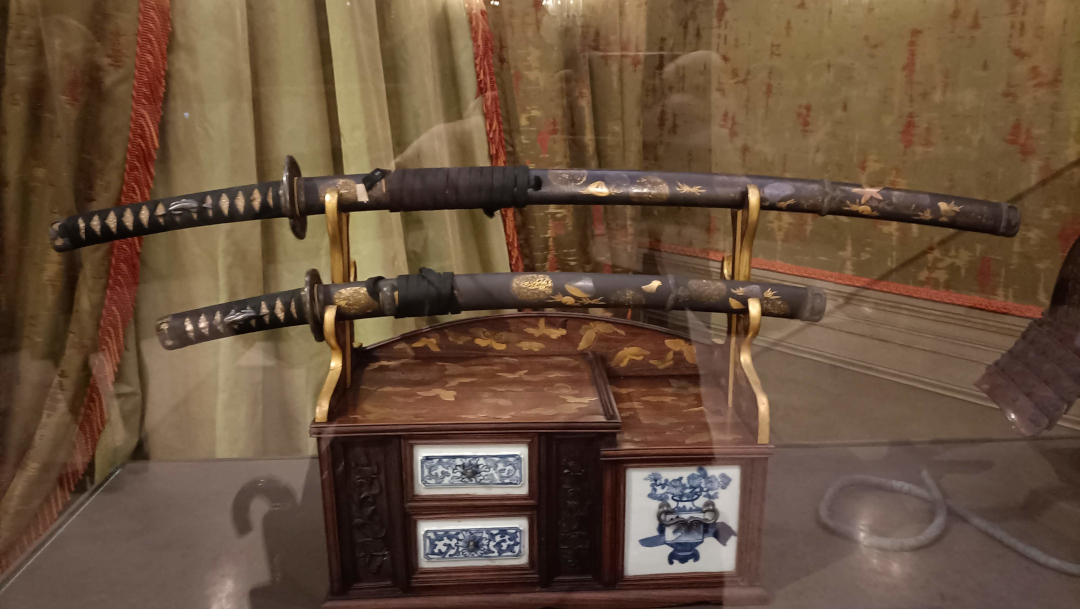
  • La Dott.ssa Marta Boscolo Marchi (Direttrice del Museo d’Arte Orientale di Venezia), che ha avuto l’idea geniale di far “parlare” i kimono con le opere del suo museo, come le affascinanti katane che ho adorato! Mettere insieme l’arte tessile e l’acciaio di queste spade in un dialogo così raffinato è stata una mossa da maestro.

Insomma, il livello è altissimo e l’entusiasmo è alle stelle! Correte al Museo di Palazzo Mocenigo: è un’immersione nella cultura e nello stile che vi lascerà a bocca aperta. Non dite che non vi avevo avvisato!


Warning: The Male Kimono in Venice is the Most Beautiful Exhibition Ever!”

Attention, Beauty Lovers! This Is the Exhibition You Can’t Miss!

Guys, get ready to circle the date on your calendar in bright red, because there is an event in Venice that is going to be historic. Forget everything else: “THE MALE KIMONO. Threads of Life, Tales of Style” has arrived at the Museo di Palazzo Mocenigo, and I’m telling you straight up: this will be the most beautiful exhibition ever! From December 5, 2025, to April 4, 2026, an amazing journey into the heart of early 20th-century Japan awaits us. I’m not talking about just any kimono, but the men’s ones, which have a unique fascination all their own.

The Kimono’s Hidden Secret

These garments, externally sober, almost serious (true elegance doesn’t need to shout, right?), hide a whole world inside. It’s like a secret, a whispered story that only you see when you take the jacket off. I was literally mesmerized by the designs! For example, discovering that kimono featuring the majestic Mount Fuji hidden in the lining is an incredible thrill! Every piece is a woven narrative, a little manual of art, history, and Japanese life, offering a small, yet intense vision of a Japan that is both incredibly fascinating and unexpected. It’s not just fashion—it’s applied art, it’s poetry!

When Curatorship is a Dream Team

But the coolest thing is how this project came to life. This isn’t some rushed exhibition; it’s the result of a genuine dream team of super-competent women who brought the pieces together with contagious passion.

It is possible to admire this wonder thanks to the extraordinary collaboration between:

  • Dr. Chiara Squarcina (Scientific Director of Palazzo Mocenigo), who initiated this incredible adventure.
  • Prof. Silvia Vesco (Ca’ Foscari University), who brought all her expertise in the history of Japanese art.
  • Dr. Lydia Manavello, the fine connoisseur who opened the treasure chest of her amazing private kimono collection. Her treasure is what we get to admire now!
  • Dr. Marta Boscolo Marchi (Director of the Oriental Art Museum of Venice – MAOV), who had the brilliant idea of making the kimonos “speak” to the works in her museum, like the fascinating katanas that I personally loved! Bringing together textile art and the steel of these swords in such a refined dialogue was a masterstroke.

Seriously, the standard is sky-high and the excitement is off the charts! Run to the Museo di Palazzo Mocenigo: it’s an immersion into culture and style that will leave you speechless! Don’t say I didn’t warn you!


Kimono Maschile: L’Unica Mostra Che Ti Porta dal Giappone all’Europa Senza Muoverti da Palazzo Mocenigo!


Ragazzi, Dobbiamo Parlare di Kimono! Un Viaggio Stupefacente tra Giappone e Venezia a Palazzo Mocenigo

Amici, ho una notizia che mi ha fatto saltare sulla sedia, e so che farà lo stesso effetto a voi, specialmente se, come me, siete affascinati da quell’eleganza un po’ misteriosa del Sol Levante. Chi di noi non si è perso nelle atmosfere di un film ambientato nel Giappone antico? Tra le spade dei samurai e i giardini zen, c’è un elemento che ruba sempre la scena: il kimono. Non è solo un vestito, è una dichiarazione, un pezzo di storia tessuto. E indovinate un po’? Questi capolavori stanno arrivando a Venezia, in uno dei luoghi più magici della città: il Museo di Palazzo Mocenigo!

La Mostra che Mi Ha Fatto Dire: “Devo Andarci!”

Sto parlando di KIMONO MASCHILE, un’esposizione che non è la solita sfilata di abiti antichi. È una vera e propria macchina del tempo, focalizzata su un periodo di pazzesca trasformazione: la fine dell’Ottocento e la prima metà del Novecento. Sapete, la cosa che amo di più di mostre come questa è che raccontano storie di incontri. Per anni ci siamo riempiti gli occhi con il Giapponismo—quella folle, bellissima ossessione europea per l’arte giapponese. Pensa solo a come artisti del calibro di Hiroshige, con i suoi paesaggi mozzafiato, Utamaro, maestro della bellezza femminile, e l’iconico Hokusai, con la sua Onde che tutti conosciamo, hanno sconvolto il modo di dipingere e di vedere l’arte qui da noi. In mostra potremo rivedere alcune di queste opere fondamentali!

Ma C’è un Colpo di Scena…

Quello che le curatrici (grazie a Lydia Manavello e Silvia Vesco!) ci mostra è la medaglia dall’altro lato: l’Occidentalismo. Sì, proprio così! Cosa succedeva in Giappone quando vedevano le nostre mode, le nostre innovazioni? Lo stile occidentale non è rimasto confinato in Europa, ma ha viaggiato, è sbarcato in Giappone e ha fatto innamorare gli artisti locali. E dove lo hanno espresso? Sul capo d’abbigliamento più sacro: il kimono!

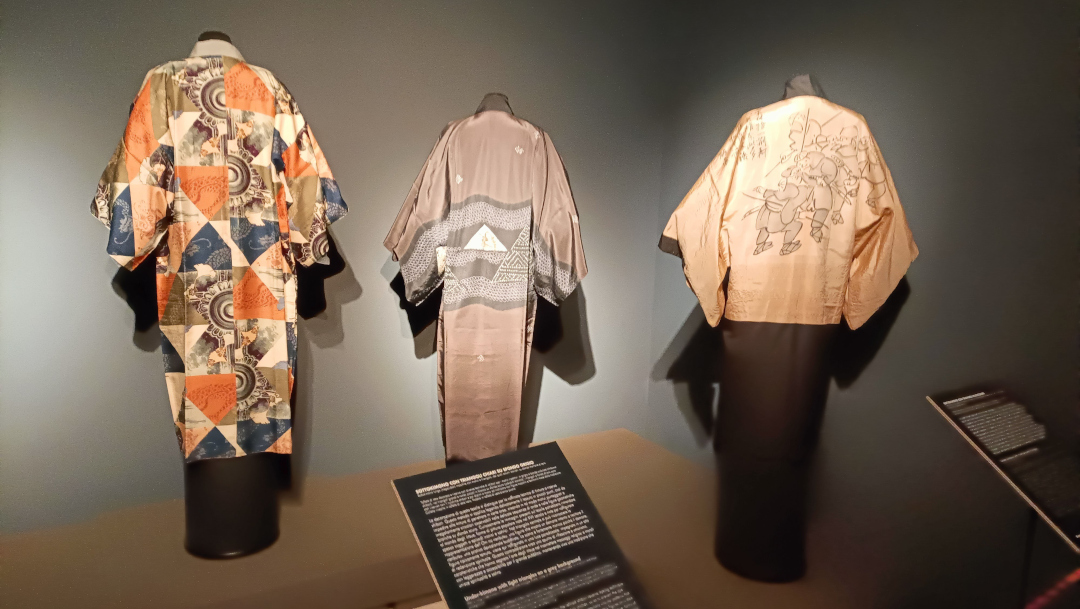
I kimono maschili che vedremo a Palazzo Mocenigo sono la prova vivente di questa bellissima “contaminazione”. Non sono i modelli austeri e tradizionali. Parliamo di sete operata e stampe che gridano modernità. Guardandoli, vedrete come i decori classici si sono mescolati con le suggestioni della moda occidentale, creando un look assolutamente unico per l’epoca. È un modo fantastico per capire come una cultura antichissima si sia evoluta, senza snaturarsi, ma assorbendo il meglio dal “nuovo mondo”.

Cosa Aspetti? Metti in Agenda!

Amici, se siete a Venezia (o avete intenzione di andarci!), non perdetevi questo gioiello.

La mostra KIMONO MASCHILE è un appuntamento imperdibile, dal 5 dicembre 2025 al 4 aprile 2026.

E il bello è che, con il biglietto d’ingresso a Palazzo Mocenigo, non solo vedrete i kimono, ma potrete perdervi in tutto il resto del museo, tra i sontuosi saloni dedicati alla storia del Tessuto e del Costume e l’incredibile percorso sul Profumo. Insomma, un’esperienza multisensoriale in un palazzo che da solo vale il viaggio. Vi aspettiamo a Venezia per ammirare insieme questa meraviglia. E fatemi sapere qual è il kimono che vi ha colpito di più!

Trovate qui tutti i dettagli e gli orari per la visita!


Male Kimono: The Only Exhibition That Takes You From Japan to Europe Without Leaving Palazzo Mocenigo!


Guys, We Need to Talk About Kimonos! An Amazing Journey Between Japan and Venice at Palazzo Mocenigo

Friends, I have news that made me jump out of my seat, and I know it will have the same effect on you, especially if you, like me, are fascinated by the somewhat mysterious elegance of the Land of the Rising Sun. Who among us hasn’t gotten lost in the atmosphere of a movie set in ancient Japan? Amidst samurai swords and Zen gardens, there’s one element that always steals the show: the kimono. It’s not just a dress; it’s a statement, a piece of woven history. And guess what? These masterpieces are coming to Venice, in one of the city’s most magical settings: the Museo di Palazzo Mocenigo!

The Exhibition That Made Me Say: “I Have to Go!”

I’m talking about MALE KIMONO (KIMONO MASCHILE), an exhibition that is not just another display of antique clothes. It’s a real time machine, focusing on a period of crazy transformation: the late nineteenth and early twentieth centuries. You know, the thing I love most about shows like this is that they tell stories of encounters. For years, we’ve feasted our eyes on Japonisme—that beautiful, wild European obsession with Japanese art. Just think about the impact that masters like Hiroshige, with his breathtaking landscapes, Utamaro, the master of feminine beauty, and the iconic Hokusai, with his universally recognized Great Wave, had on shaking up the way we painted and saw art here in the West. You’ll get to see some of these foundational works at the exhibition!

But There’s a Twist…

What the curators (thanks to Lydia Manavello and Silvia Vesco!) are showing us is the flip side of the coin: Occidentalism. Yes, that’s right! What was happening in Japan when they saw our fashions, our innovations? Western style didn’t just stay confined to Europe; it traveled, landed in Japan, and made local artists fall in love. And where did they express it? On their most sacred garment: the kimono!

The male kimonos we’ll see at Palazzo Mocenigo are living proof of this beautiful “contamination.” These are not the austere, traditional models. We’re talking about patterned silk and prints that scream modernity. Looking at them, you’ll see how classic motifs merged with the influences of Western fashion, creating a look that was absolutely unique for the early 20th century. It’s a fantastic way to understand how an ancient culture evolved, not by losing itself, but by absorbing the best from the “new world.”

What Are You Waiting For? Mark Your Calendar!

Friends, if you’re in Venice (or planning to be!), you cannot miss this gem.

The MALE KIMONO exhibition is a must-see event, running from December 5, 2025, to April 4, 2026.

And the best part is that your admission ticket to Palazzo Mocenigo doesn’t just get you the kimonos; you can wander through the rest of the museum, including the lavish rooms dedicated to the history of Textiles and Costume, and the incredible itinerary on Perfume. In short, it’s a multi-sensory experience in a palace that’s worth the trip all by itself. Join us in celebrating this magnificent cultural fusion. I’ll be waiting for you in Venice for a journey that will take you from Japan to Europe, and back again, just by looking at a garment.

Find all the details and visiting hours here!

Dalla Teoria del Caos al Tacco 12: Gli Studenti che Hanno (Ri)Disegnato il Futuro della Moda.

Per la traduzione in inglese, fate scorrere la pagina in basso. grazie.

For the English translation, please scroll down. Thank you.

Che tu sia un appassionato di moda, un inguaribile sognatore o semplicemente alla ricerca di un’ispirazione che ti faccia guardare avanti, preparati a saltare il presente.

Dimentica il Presente: Le Scarpe del Futuro Sono a Venezia! 🚀

Vi porto in un luogo dove la storia e l’avanguardia si fondono in modo spettacolare. A Palazzo Mocenigo, la splendida sede del Centro Studi di Storia del Tessuto e del Costume a Venezia, è in corso una mostra che ti lascerà a bocca aperta: “QUANTUM STEP: Skip the present”. Ma attenzione, non si tratta della solita esposizione! Questa è un’esplosione di creatività, una vera e propria visione firmata dai talentuosissimi studenti del Politecnico Calzaturiero di Vigonza, nata dalla preziosa collaborazione con la Fondazione Musei Civici di Venezia. Siamo al piano terra, pronti a immergerci nel futuro del fashion.


La Nuova Geometria del Desiderio

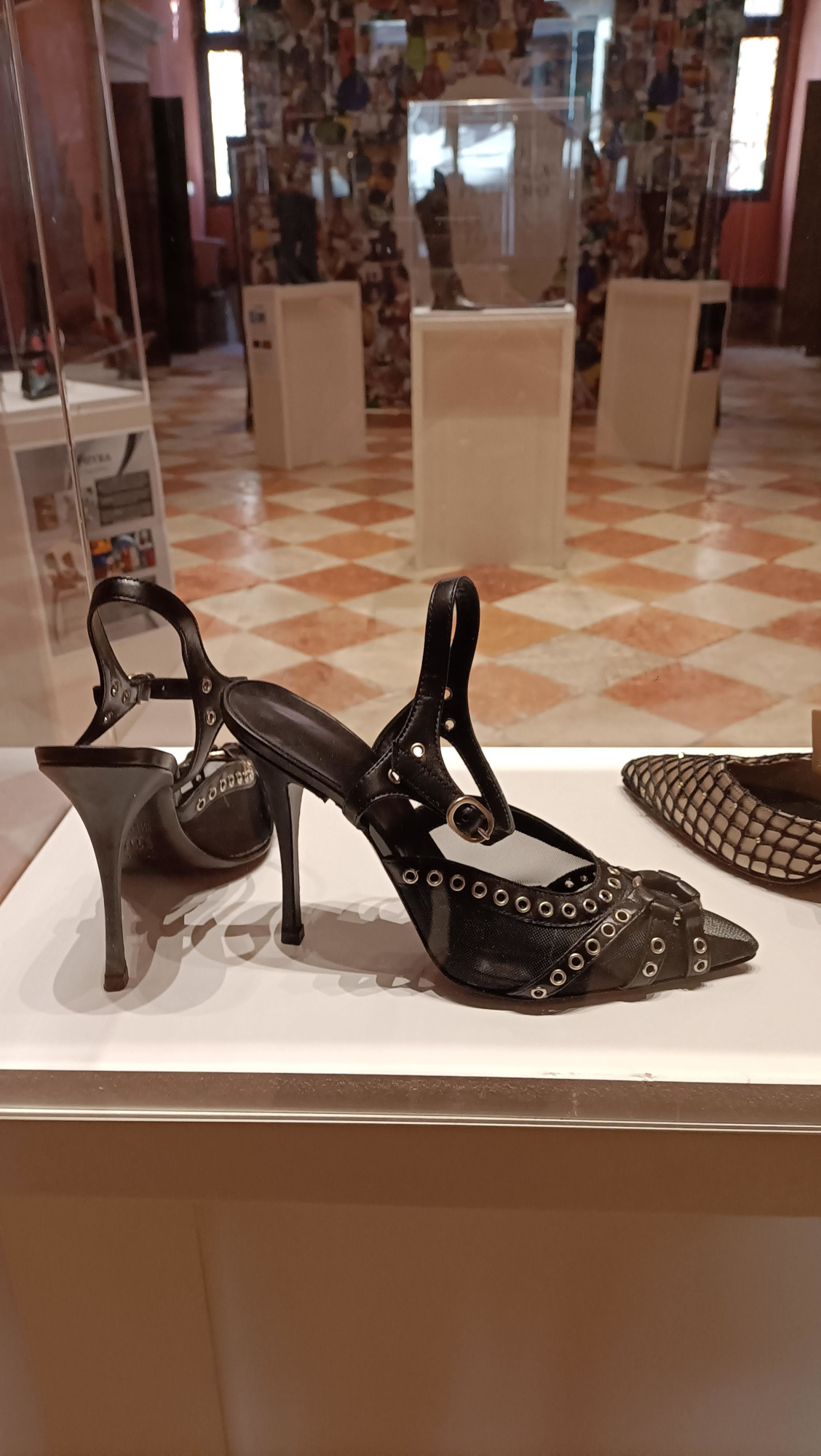
Il tema? Niente di meno che il futuro della calzatura. Questi ragazzi non hanno semplicemente disegnato scarpe; hanno esplorato concetti astratti—dall’Intelligenza Artificiale alla Teoria del Caos (il celebre Butterfly Effect), dallo Spazio profondo al dinamismo urbano. Le loro creazioni sono il risultato di una ricerca appassionata su materiali, forme e tecnologie che non temono di osare. E il risultato? Calzature che sono pura visione. Pensate a stivali ispirati all’eleganza aerodinamica delle concept car come le Artemisia, o sandali che sembrano usciti da un’epopea spaziale come Future in the Space, con borchie che rievocano bulloni da astronauta. C’è chi ha trasformato il caos in opportunità con ZAPHYRA e chi ha abbracciato la trasparenza come dichiarazione di verità con UNCAGED 22, dimostrando che la vulnerabilità è una forma di forza. Queste scarpe non sono solo accessori; sono manifesti che urlano coraggio, innovazione e consapevolezza.


Oltre la Moda: Un Oggetto che Cattura lo Sguardo

E fidatevi, l’esposizione è la parte che ti rapisce di più. Queste scarpe di “QUANTUM STEP” non sono solo prototipi, sono oggetti del desiderio puro, quelli che devi avere. Se le indossi (un giorno, incrociamo le dita!), saranno la tua armatura, il passo consapevole verso una te futura, più audace e senza filtri. Sono il tuo Quantum Step personale verso una vita nuova, piena di carica. Ma la cosa bella è che affascinano tutti, anche chi le guarda e basta. Le linee aggressive, i volumi inaspettati, quell’aria da ingegneria futuristica… esercitano un fascino pazzesco, un magnetismo che ti costringe a fermarti. Sono piccole opere d’arte che stimolano l’immaginazione e diventano subito il punto focale, icone di stile e potere che catturano lo sguardo di chiunque, uomo o donna che sia.

Vivi il Futuro, Adesso!

L’emozione e l’artigianalità che traspaiono da ogni prototipo sono palpabili. Questi giovani designer ci ricordano che il futuro non è qualcosa che subiamo, ma che costruiamo con ogni nostra scelta, con ogni passo (come recita il concept del BUTTERFLY EFFECT: Every step is a choice. Every choice creates the future.). Non perdere l’occasione di visitare questa incredibile mostra a Palazzo Mocenigo. È un viaggio entusiasmante, un’iniezione di fiducia nel talento italiano e uno sguardo privilegiato su cosa potremmo indossare domani. Prenditi il tuo momento, salta il presente e fai il tuo Quantum Step nel futuro della moda! Vieni a Palazzo Mocenigo !!


From Chaos Theory to the Stiletto Heel: The Students Who Have (Re)Designed the Future of Fashion.

Forget the Present: The Shoes of the Future are in Venice! 🚀

Whether you are a fashion enthusiast, an incurable dreamer, or simply looking for inspiration that makes you look ahead, get ready to skip the present. I’m taking you to a place where history and the avant-garde merge in a spectacular way. At Palazzo Mocenigo, the splendid home of the Centre for the Study of the History of Textiles and Costume in Venice, an exhibition is taking place that will leave you speechless: “QUANTUM STEP: Skip the present”. But be warned, this is not just any exhibition! This is an explosion of creativity, a true vision signed by the highly talented students of the Politecnico Calzaturiero di Vigonza, born from the valuable collaboration with the Fondazione Musei Civici di Venezia. We are on the ground floor, ready to immerse ourselves in the future of fashion.


The New Geometry of Desire

The theme? Nothing less than the future of footwear. These young people haven’t just designed shoes; they have explored abstract concepts—from Artificial Intelligence to the Theory of Chaos (the famous Butterfly Effect), from deep Space to urban dynamism. Their creations are the result of passionate research into materials, shapes, and technologies that are not afraid to dare. And the result? Footwear that is pure vision. Think of boots inspired by the aerodynamic elegance of concept cars like Artemisia, or sandals that look like they came out of a space epic like Future in the Space, with studs recalling astronaut bolts. Some have transformed chaos into opportunity with ZAPHYRA, and others have embraced transparency as a declaration of truth with UNCAGED 22, proving that vulnerability is a form of strength. These shoes are not just accessories; they are manifestos that shout courage, innovation, and consciousness.


Beyond Fashion: An Object That Captures the Eye

And trust me, the exhibition is the part that completely captures you. These “QUANTUM STEP” shoes aren’t just prototypes; they are pure objects of desire, the kind you have to own. If you wear them (one day, fingers crossed!), they will be your armour, the conscious step towards a future you—bolder and without filters. They are your personal Quantum Step toward a new, charged-up life. But the cool thing is they mesmerize everyone, even those who just look. The aggressive lines, the unexpected volumes, that air of futuristic engineering… they exert an amazing pull, a magnetism that forces you to stop. They are small works of art that stimulate the imagination and instantly become the focal point, icons of style and power that capture the gaze of everyone, man or woman alike.


Live the Future, Now!

The emotion and craftsmanship that shine through in every prototype are palpable. These young designers remind us that the future is not something we endure, but something we build with our every choice, with every step (as the concept of the BUTTERFLY EFFECT states: Every step is a choice. Every choice creates the future.). Don’t miss the chance to visit this incredible exhibition at Palazzo Mocenigo. It is an exciting journey, an injection of confidence in Italian talent, and a privileged glimpse into what we might be wearing tomorrow. Take your moment, skip the present, and take your own Quantum Step into the future of fashion! Come to visit Mocenigo Palace !!

Stop alle Tastiere! Il Museo Correr Riaccende la Magia Della Scrittura a Mano

For the English translation, please scroll down the page, thank you.

Amici, fermi tutti! C’è una mostra a Venezia che, credetemi, dovete assolutamente segnarvi in agenda. Se anche voi, come me, passate le giornate a fare tap-tap-tap sulla tastiera, relegando la penna a mero strumento per firmare ricevute o scarabocchiare la lista della spesa, preparatevi a riscoprire una magia che pensavamo perduta. Parlo di “CARATTERI. Calligrafia e tipografia: Corea del Sud e Stati Uniti” al magnifico Museo Correr, un appuntamento che non è solo un evento culturale, ma una vera e propria dichiarazione d’amore per il segno scritto a mano.

La Malattia della Dattilografia

Diciamocelo chiaramente: in un mondo dominato da WhatsApp, dalle email fredde e dai font standardizzati, la nostra calligrafia è diventata un lontano, quasi imbarazzante, ricordo. La “bella scrittura” è un concetto da museo. E chi si ricorda dei grafologi? Una volta, quegli esperti potevano svelarti l’anima, le paure e i talenti di una persona semplicemente guardando come tracciava una “g” o incrociava una “t”. Il tratto era il carattere. Oggi, chi siamo lo decide un emoji o l’algoritmo del correttore automatico. Abbiamo perso un pezzo fondamentale della nostra identità, l’espressione più intima e umana: il segno che lasciamo sul mondo.

“CARATTERI”: Quando la Scrittura Diventa Arte, Gesto e Meditazione

Ed è qui che l’esposizione al Correr ci risveglia! Fino all’11 gennaio 2026, la mostra ci sbatte in faccia la potenza e la bellezza del “carattere”, inteso sia come lettera che come personalità. Il cuore dell’esposizione è un dialogo sorprendente e affascinante tra due mondi solo apparentemente distanti: l’alfabeto coreano Hangeul e il nostro alfabeto latino. Pensateci: gli artisti coreani Kim Doo Kyung e Kang Byung-In non scrivono, dipingono l’Hangeul, trasformandolo in un gesto quasi spirituale, meditativo, dove vocali e consonanti diventano veicoli di emozioni e concetti cosmologici. Non è solo scrittura; è mente, respiro e arte in un unico segno. Dall’altra parte, il mondo occidentale è rappresentato da due maestri: Thomas Ingmire, che rinnova la nostra tradizione calligrafica esplorando il dialogo tra poesia e forma grafica, e l’esplosivo Amos Paul Kennedy jr., che usa la forza d’impatto della tipografia per lanciare messaggi sociali incisivi, trasformando la parola stampata in uno strumento collettivo di lotta per i diritti civili.

Un Ponte tra il Rinascimento e il Digitale

La cosa più incredibile è il confronto storico: la mostra mette a confronto questi artisti contemporanei con antichi documenti della Biblioteca del Museo, stabilendo un ponte tra il moderno Hangeul (sviluppato nel XV secolo per rendere la scrittura accessibile a tutti) e la nostra scrittura umanistica del Rinascimento, nata da precisi intenti culturali. È un viaggio che ci fa riflettere: dal monaco che tracciava la sua fede sulla pergamena, all’artista coreano che pratica la calligrafia come meditazione, fino a noi che, con un gesto del pollice, mandiamo un messaggio istantaneo. “CARATTERI” ci ricorda che, prima di essere un messaggio spedito, la parola è un gesto. È un’impronta unica, irripetibile. È l’ultima vera, bellissima, irrinunciabile traccia della nostra umanità. Se vi trovate a Venezia, fatevi un favore: andate al Museo Correr, entrate nella Sala delle Quattro Porte e lasciatevi travolgere da questa ode al segno. Magari, quando uscirete, avrete di nuovo voglia di prendere in mano una penna vera e di scrivere, anche solo una riga, ma con l’anima.

Dettagli Utili

  • Cosa: “CARATTERI. Calligrafia e tipografia: Corea del Sud e Stati Uniti”
  • Dove: Museo Correr, Sala delle Quattro Porte, Venezia
  • Quando: Dall’8 novembre 2025 all’11 gennaio 2026

Stop the Keyboards! The Correr Museum Reawakens the Magic of Handwriting

✍️ The Lost Art of the Line: Why the “CHARACTERS” Exhibition at Museo Correr is a Must-See

Friends, stop what you’re doing! There is an exhibition in Venice that, believe me, you absolutely must pencil into your schedule. If you, like me, spend your days tap-tap-tapping on a keyboard, relegating the pen to a mere tool for signing receipts or scribbling a grocery list, get ready to rediscover a magic we thought was lost. I’m talking about “CHARACTERS (CARATTERI). Calligraphy and Typography: South Korea and the United States” at the magnificent Museo Correr. This is not just a cultural event; it’s a genuine declaration of love for the handwritten mark.

The Typing Epidemic

Let’s be honest: in a world dominated by WhatsApp, cold emails, and standardized fonts, our handwriting has become a distant, almost embarrassing, memory. “Beautiful script” is a museum concept. And who even remembers graphologists? Those experts once claimed they could reveal a person’s soul, fears, and talents simply by looking at how they traced a “g” or crossed a “t.” The stroke was the character. Today, who we are is decided by an emoji or the algorithm of the spell checker. We have lost a fundamental piece of our identity, the most intimate and human expression: the mark we leave on the world.

“CHARACTERS”: When Writing Becomes Art, Gesture, and Meditation

And this is where the Correr exhibition wakes us up! Running until January 11, 2026, the show highlights the power and beauty of the “character,” understood both as a letter and as personality. The heart of the exhibition is a surprising and fascinating dialogue between two seemingly distant worlds: the Korean alphabet Hangeul and our Latin alphabet. Think about it: Korean artists Kim Doo Kyung and Kang Byung-In don’t just write—they paint Hangeul, transforming it into an almost spiritual, meditative gesture, where vowels and consonants become vehicles for emotions and cosmological concepts. It is not just writing; it is mind, breath, and art in a single stroke. On the Western side, the world is represented by two masters: Thomas Ingmire, who renews our calligraphic tradition by exploring the dialogue between poetry and graphic form, and the explosive Amos Paul Kennedy Jr., who uses the high-impact force of typography to launch incisive social messages, transforming the printed word into a collective tool for civil rights advocacy.

A Bridge Between the Renaissance and the Digital Age

The most incredible thing is the historical comparison: the exhibition juxtaposes these contemporary artists with ancient documents from the Museum’s Library, establishing a bridge between modern Hangeul (developed in the 15th century to make writing accessible to all) and our Renaissance humanist script, born from precise cultural intentions. It’s a journey that makes us reflect: from the monk tracing his faith onto parchment, to the Korean artist practicing calligraphy as meditation, right up to us sending an instant message with a flick of the thumb. “CHARACTERS” reminds us that before being a message sent, the word is a gesture. It is a unique, unrepeatable imprint. It is the last true, beautiful, indispensable trace of our humanity. If you find yourself in Venice, do yourself a favor: go to the Museo Correr, step into the Sala delle Quattro Porte, and let this ode to the sign wash over you. Maybe, when you leave, you’ll once again feel the urge to pick up a real pen and write, even just a line, but with your soul.

Useful Details

  • What: “CHARACTERS (CARATTERI). Calligraphy and Typography: South Korea and the United States”
  • Where: Museo Correr, Sala delle Quattro Porte, Venice
  • When: From November 8, 2025, to January 11, 2026

ABi3d Dal Bit alla Seta: Come ABI3D e la Stampa 3D Stanno Riscrivendo il Futuro del Design

Questo articolo è stato scritto in italiano e in inglese, per la traduzione, scendete in basso

This article was written in Italian and English, for translation, scroll down the page


Venezia, 3D e Rivoluzione Tattile: L’Onda di ABI3D che Travolge Palazzo Mocenigo!

Amici del design, dell’innovazione e di tutto ciò che è meravigliosamente nuovo: la Venice Design Week 2025 ha alzato il sipario su un futuro che non avevamo ancora osato sognare! E il cuore pulsante di questa rivoluzione è un luogo d’eccezione: il maestoso Palazzo Mocenigo, custode secolare dei segreti di tessuti e profumi. Qui, tra stucchi antichi e memorie di seta, la mostra “Filamenta” ha acceso i riflettori su una realtà Londinese che sta riscrivendo le regole del gioco: ABI3D. Preparatevi, perché quello che fanno è pura magia.

ABI3D: Quando l’Artigianato Indossa il Mantello della Stampa 3D

Dimenticate l’immagine fredda e industriale della stampa 3D. L’approccio di ABI3D è qualcosa di totalmente diverso: è un nuovo artigianato che fonde l’anima della tradizione con la potenza della tecnologia. Come dicono loro stessi (e come abbiamo letto nella didascalia), sono specializzati nell’unire innovazione, creatività e design con un focus fortissimo su due concetti chiave che ci stanno a cuore: la sostenibilità e l’ottimizzazione dei materiali. Non si tratta solo di stampare oggetti; si tratta di plasmare soluzioni sartoriali per l’arte, l’architettura e l’oggetto di design, superando la distanza tra il bit e il tatto. Sono i pionieri che trasformano il file digitale in emozione fisica!

L’Opera a Palazzo: Un’Identità Liquida e Sconvolgente

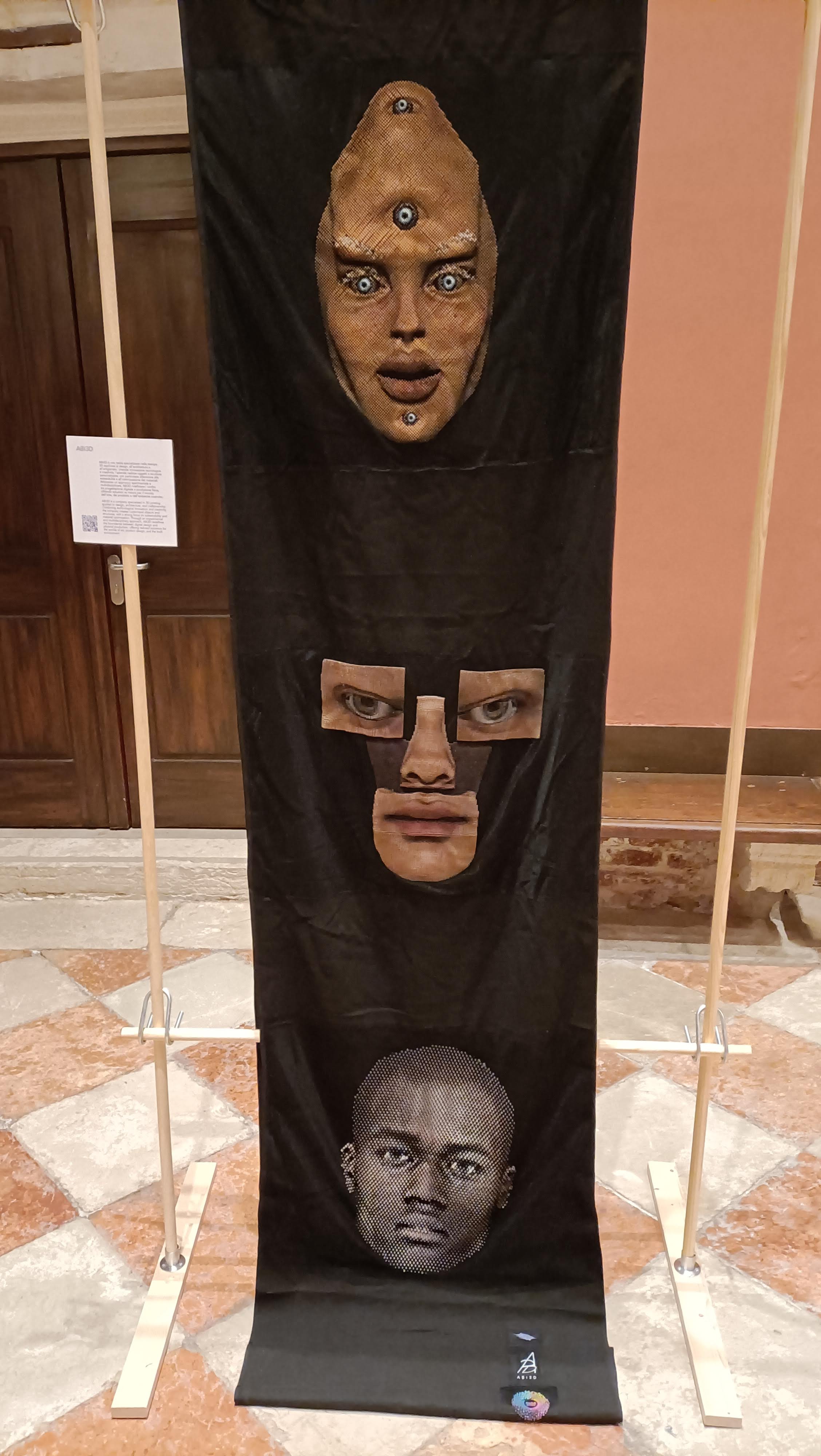
E l’opera che ci troviamo di fronte, magnificamente esposta su quel drappo nero, è la prova tangibile di questa fusione. Non è solo un’esposizione, è una dichiarazione sul futuro dell’identità!

Guardatela bene:

  • In Alto: Un volto che sembra appena emerso da un sogno iper-tecnologico. È inquietante, è affascinante, con quella texture che solo la stampa 3D può creare e quegli occhi in più che ci fissano. È l’Uomo 2.0, fatto di strati e possibilità inedite.
  • Al Centro: La persona si cela dietro una maschera geometrica, un’interfaccia che divide l’identità analogica da quella digitale. È la perfetta sintesi tra design rigido e l’irregolarità della vita.
  • In Basso: Un volto interamente scomposto in pixel, una grana che ci ricorda quanto siamo ormai fatti di dati. È l’identità che si dissolve e si ricompone, come un file che si carica…

Questa installazione non usa solo la tecnologia 3D: parla di essa. Ci chiede: chi siamo quando la linea tra l’umano e il digitale scompare? E ABI3D ci risponde: siamo una possibilità di design in continua evoluzione, plasmata con materiali innovativi e una profonda responsabilità.

Un Ponte Tra Secoli

Vedere questa ricerca d’avanguardia all’interno di un luogo storico come Palazzo Mocenigo è un’emozione pazzesca. È la dimostrazione che l’eccellenza italiana sa onorare la sua storia, proiettandosi con coraggio nel domani. ABI3D non è solo un’azienda, è una visione. E la loro presenza alla Venice Design Week, in una mostra focalizzata sulla sostenibilità tessile, conferma che il futuro del design sarà sempre più multidisciplinare, etico ed entusiasmante.

Se siete a Venezia, correte a toccare con gli occhi questa rivoluzione. Il futuro è qui, ed è stato stampato in 3D!

From Bit to Silk: How ABI3D and 3D Printing Are Rewriting the Future of Design


Venice, 3D, and the Tactile Revolution: The ABI3D Wave that’s Sweeping Palazzo Mocenigo!

Friends of design, innovation, and everything wonderfully new: the Venice Design Week 2025 has lifted the curtain on a future we hadn’t yet dared to dream of! And the pulsating heart of this revolution is an exceptional location: the majestic Palazzo Mocenigo, a centuries-old custodian of the secrets of textiles and perfumes. Here, amidst ancient stucco and memories of silk, the exhibition “Filamenta” has shone a spotlight on an London company that is rewriting the rules of the game: ABI3D. Get ready, because what they do is pure magic.

ABI3D: When Craftsmanship Dons the Cloak of 3D Printing

Forget the cold, industrial image of 3D printing. ABI3D’s approach is something entirely different: it’s a new form of craftsmanship that fuses the soul of tradition with the power of technology. As they state themselves (and as we read in their panel), they specialize in combining technological innovation, creativity, and design with a strong focus on two key concepts close to our hearts: sustainability and material optimization. It’s not just about printing objects; it’s about shaping tailored solutions for art, architecture, and product design, bridging the gap between the digital bit and the physical touch. They are the pioneers who transform the digital file into physical emotion!

The Artwork at the Palace: A Liquid and Groundbreaking Identity

And the artwork before us, magnificently displayed on that black banner, is tangible proof of this fusion. It’s not just an exhibit, it’s a declaration about the future of identity!

Take a good look:

  • At the Top: A face that seems to have just emerged from a hyper-technological dream. It’s unsettling, it’s fascinating, with that texture only 3D printing can create and those extra eyes staring out at us. It’s Human 2.0, made of layers and unprecedented possibilities.
  • In the Middle: The person is concealed behind a geometric mask, an interface that divides the analog from the digital identity. It’s the perfect synthesis of rigid design and the irregularity of life.
  • At the Bottom: A face entirely broken down into pixels, a grain that reminds us how much we are now composed of data. It is identity dissolving and reassembling, like a file being loaded…

This installation doesn’t just use 3D technology—it speaks about it. It asks us: who are we when the line between human and digital disappears? And ABI3D answers: we are a constantly evolving design possibility, shaped with innovative materials and deep responsibility.

A Bridge Between Centuries

Seeing this cutting-edge research inside a historic venue like Palazzo Mocenigo is incredibly exciting. It is proof that Italian excellence knows how to honour its history while bravely projecting itself into tomorrow. ABI3D is not just a company; it is a vision. And their presence at the Venice Design Week, in an exhibition focused on textile sustainability, confirms that the future of design will be increasingly multidisciplinary, ethical, and thrilling.

If you are in Venice, rush to see this revolution with your own eyes. The future is here, and it has been 3D printed!

Filamenta a Palazzo Mocenigo: dove la moda incontra il design

Che succede quando moda, interior design e sperimentazione tessile si incontrano in uno dei palazzi più affascinanti di Venezia? Succede Filamenta, una mostra meravigliosamente visionaria che ci porta dentro un mondo dove i tessuti non sono solo “materiali”, ma racconti, memorie, rivoluzioni silenziose. Dal 11 al 19 ottobre 2025, Palazzo Mocenigo si trasforma in un laboratorio creativo in cui abiti, filati, progetti e visioni dialogano con gli ambienti storici del museo. Se ami la moda che osa, il design che esplora, e tutto ciò che nasce dalla fusione tra bellezza e innovazione sostenibile… questo evento fa per te. E fidati: non è la solita mostra.

🧶 Un filo che lega moda, design e natura

Filamenta è più di un’esposizione: è un viaggio nei materiali del futuro. Qui si parla di fibre bio-derivate, lavorazioni sperimentali, tecnologie tessili e, soprattutto, di immaginazione applicata.

Al centro della mostra ci sono:

  • Aziende tessili che lavorano con materiali innovativi,
  • Studenti e studentesse del corso di laurea magistrale in Moda dello IUAV di Venezia,
  • E tantissime storie intrecciate, tra memoria, artigianato e ricerca contemporanea.

La curatela è firmata da Angelica Stea, e l’organizzazione è a cura di Arte e Design Venezia, in collaborazione con il Museo e l’Università IUAV.

🎤 Una giornata speciale da non perdere: 13 ottobre

Segnati questa data: 13 ottobre 2025, ore 15:00 Palazzo Mocenigo ospita la conferenza “Ripensare i materiali della moda e dell’interior design in un contesto ecologico critico” — un talk super stimolante con relatori come Alessandra Vaccari, Lucia Rosin, Raffaella Fagnoni, Gabriele Rorandelli, moderati da Clizia Moradei. A seguire, la presentazione ufficiale della mostra Filamenta. Due ore di pura ispirazione, domande importanti e visioni sul futuro del design.

💫 WormChair: la seta, l’infanzia e la metamorfosi

Parole dell’artista: “WormChair nasce per mettere in risalto il tessuto artigianale, esplorando ciò che il materiale potrebbe diventare in un contesto applicativo. Il design tessile astrae immagini microscopiche da un tradizionale sari di seta indiano. Ho scattato foto digitali al microscopio del sari di mia nonna e le ho stampate digitalmente su tessuto di twill di cotone.

Il tessuto viene poi fuso con un tessuto a maglia industriale che ho realizzato utilizzando lana e filati elastici. La struttura a maglia richiama il motivo a quadretti del sari originale.

Il nome WormChair è un gioco di parole con “poltrona”, in riferimento alla seta e al suo legame con la metamorfosi del baco da seta. Il tessuto nasce da una collezione di quattro pezzi, ognuno dei quali rappresenta una fase del ciclo vitale del baco da seta: uovo, baco, bozzolo e falena, offrendo un modo per visualizzare le radici materiali del tessuto e approfondire il nostro rapporto con il mondo naturale da cui nascono i nostri tessuti.”

Secondo la mia modesta opinione, la WormChair di Latika Balachander è semplicemente fantastica. A prima vista è un oggetto di design affascinante, ma basta avvicinarsi per capire che dentro c’è molto, molto di più. Latika parte da qualcosa di profondamente personale — un sari di seta appartenuto a sua nonna — e lo osserva al microscopio, trasformando quei dettagli invisibili in una nuova pelle tessile. Il risultato è un’opera che intreccia ricordi, metamorfosi e innovazione. La sedia stessa racconta il ciclo vitale del baco da seta, dall’uovo alla falena, e ci invita a riflettere sulle origini dei materiali che usiamo ogni giorno. È più di un oggetto: è un messaggio, una storia, un invito a guardare oltre le superfici.

🏛 Perché proprio Palazzo Mocenigo?

Perché questo museo è la casa ideale per parlare di tessuto e trasformazione. Non è solo uno spazio espositivo, ma un Centro Studi sulla storia del tessuto, del costume e del profumo. Dentro ci sono un sacco di volumi, campioni di stoffa e costumi storici. Qui il tessile è cultura viva.

E allora, portare dentro questo luogo progetti del futuro, come quelli presentati in Filamenta, crea un cortocircuito bellissimo tra passato e avanguardia.

🎟 Info pratiche

  • 📍 Dove: Museo di Palazzo Mocenigo, Venezia
  • 📅 Quando: dall’11 al 19 ottobre 2025
  • 🎤 Talk e inaugurazione: 13 ottobre, ore 15:00

❤️ Perché non puoi perderla?

Perché Filamenta è uno di quegli eventi che unisce bellezza, pensiero critico, materiali che sorprendono e progetti che fanno riflettere. Che tu sia designer, studente, artista, curioso o semplicemente una persona che ama scoprire il mondo… qui troverai stimoli, emozione e un sacco di ispirazione. E poi, quando mai ti capita di vedere un sari stampato al microscopio, diventare una sedia chiamata WormChair?

Filamenta at Palazzo Mocenigo: Where Fashion Meets Design

What happens when fashion, interior design, and textile experimentation meet in one of Venice’s most fascinating palaces? It’s called Filamenta, a wonderfully visionary exhibition that takes us into a world where fabrics aren’t just “materials,” but stories, memories, silent revolutions. From October 11 to 19, 2025, Palazzo Mocenigo will be transformed into a creative laboratory where clothes, yarns, projects, and visions dialogue with the museum’s historic spaces. If you love daring fashion, exploratory design, and everything born from the fusion of beauty and sustainable innovation… this event is for you. And trust me: it’s not your usual exhibition.

🧶 A thread that connects fashion, design, and nature

Filamenta is more than an exhibition: it’s a journey into the materials of the future. Here we talk about bio-derived fibers, experimental processes, textile technologies and, above all, applied imagination.

At the heart of the exhibition are:

  • Textile companies working with innovative materials,
  • Students of the Master’s Degree in Fashion at IUAV in Venice,
  • And so many intertwined stories, between memory, craftsmanship, and contemporary research.

The curatorship is by Angelica Stea, and the organization is by Arte e Design Venezia, in collaboration with the Museum and the IUAV University.

🎤 A special day not to be missed: October 13th

Save the date: October 13, 2025, 3:00 PM. Palazzo Mocenigo hosts the conference “Rethinking Fashion and Interior Design Materials in a Critical Ecological Context”—a highly stimulating talk with speakers such as Alessandra Vaccari, Lucia Rosin, Raffaella Fagnoni, and Gabriele Rorandelli, moderated by Clizia Moradei. Following, at 4:30 PM, the official presentation of the Filamenta exhibition. Two hours of pure inspiration, important questions, and visions of the future of design.

💫 WormChair: Silk, Childhood, and Metamorphosis

The artist speaks: “WormChair was born to highlight handcrafted textiles, exploring what the material could become in an applied context. The textile design abstracts microscopic images from a traditional Indian silk sari. I took digital photographs of my grandmother’s sari under a microscope and digitally printed them on cotton twill fabric.

The fabric is then fused with an industrial knit I made using wool and stretch yarns. The knit structure recalls the checked pattern of the original sari.

The name WormChair is a play on words, referring to silk and its connection to the metamorphosis of the silkworm. The fabric is born from a collection of four pieces, each representing a stage in the silkworm’s life cycle: egg, worm, cocoon, and moth, offering a way to visualize the fabric’s material roots and delve deeper into the”reflecting our relationship with the natural world from which our fabrics are born.”

In my opinioin, Latika Balachander’s WormChair is nothing short of fantastic. At first glance, it’s a captivating piece of design — but there’s so much more beneath the surface. Latika begins with something deeply personal: a silk sari that belonged to her grandmother. She examines it under a microscope and transforms those invisible details into a new textile skin. The result is a work that weaves together memory, metamorphosis, and innovation. The chair itself tells the life cycle of the silkworm — from egg to moth — and invites us to reflect on the origins of the materials we use every day. It’s more than an object: it’s a message, a story, a gentle call to look beyond the visible.

🏛 Why Palazzo Mocenigo?

Because this museum is the ideal home for discussing textiles and transformation. It’s not just an exhibition space, but a Study Center for the history of textiles, costume, and perfume. Inside area lot of volumes, fabric samples, and historical costumes. Here, textiles are living culture.

And so, bringing projects of the future into this place, like those presented in Filamenta, creates a beautiful short circuit between the past and the avant-garde.

🎟 Practical information

  • 📍 Where: Palazzo Mocenigo Museum, Venice
  • 📅 When: From October 11 to 19, 2025
  • 🎤 Talk and inauguration: October 13, 3:00 PM

❤️ Why can’t you miss it?

Because Filamenta is one of those events that combines beauty, critical thinking, surprising materials, and thought-provoking projects. Whether you’re a designer, student, artist, curious, or simply someone who loves to explore the world… here you’ll find stimulation, excitement, and tons of inspiration. And then, when do you ever get the chance to see a sari printed under a microscope become a chair called WormChair?

Quando la seduzione incontra il set: Casanova rivive al Mocenigo in immagini e stoffe

Scopri l’Eredità Affascinante di Casanova a Palazzo Mocenigo: Una Mostra che Ti Conquisterà!

Ciao a tutti, appassionati di storia, arte e cinema! Immaginate di camminare tra le sale di un antico palazzo veneziano, circondati da costumi sfavillanti, ritratti misteriosi e storie che sembrano uscite da un film. Beh, non è un sogno: sto parlando della nuova, imperdibile mostra “Casanova 1725-2025: L’eredità di un mito tra storia, arte e cinema” al Museo di Palazzo Mocenigo. Aperta dal 29 agosto al 2 novembre 2025, questa esposizione celebra i 300 anni dalla nascita di Giacomo Casanova, quel leggendario avventuriero veneziano che ha incantato (e scandalizzato) il mondo con le sue memorie. Se siete a Venezia o state pianificando un viaggio, questa è l’occasione perfetta per immergervi in un’epoca di intrighi, passioni e genio creativo. Ve lo dico subito: uscirne indifferenti è impossibile!

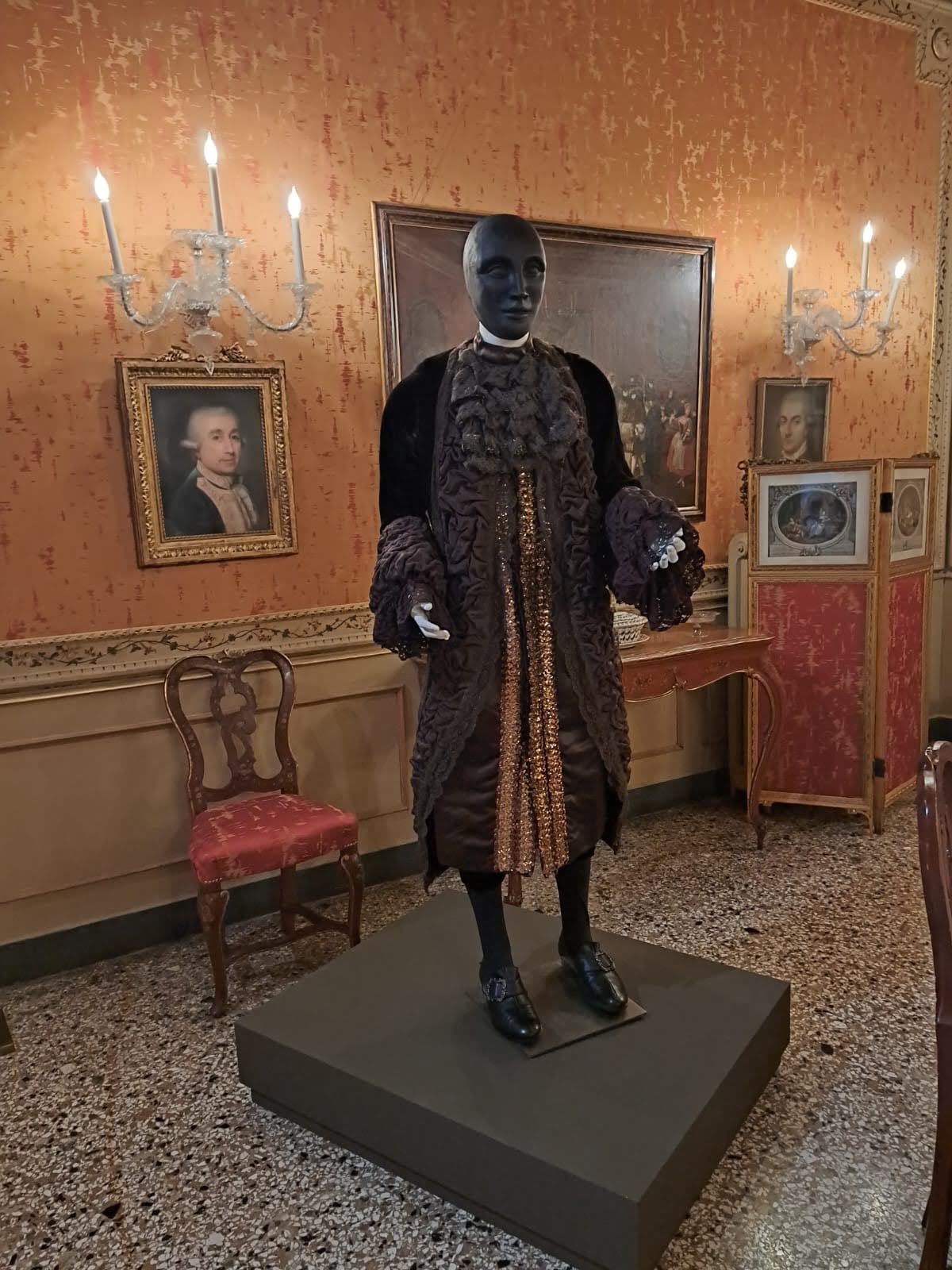
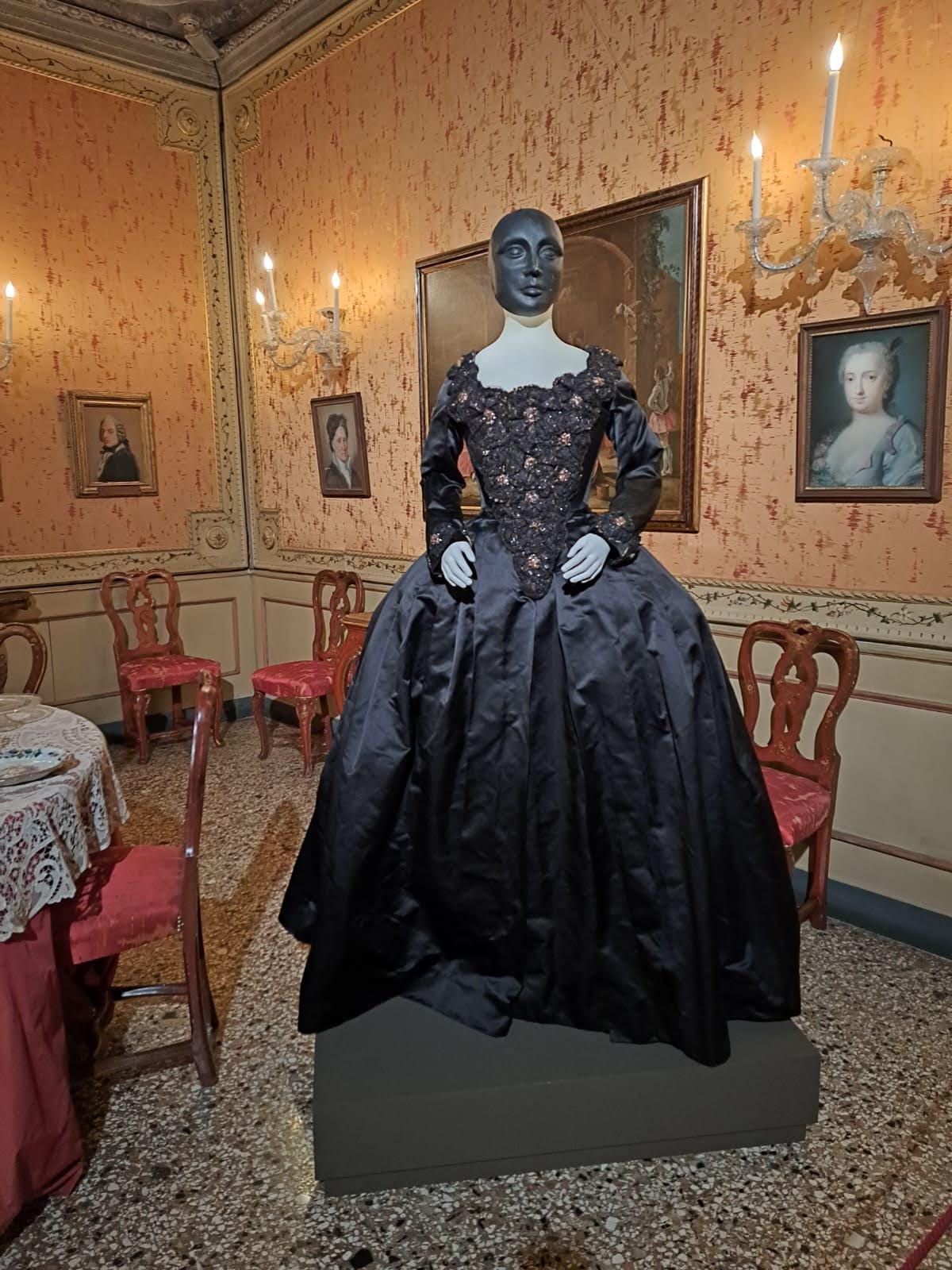
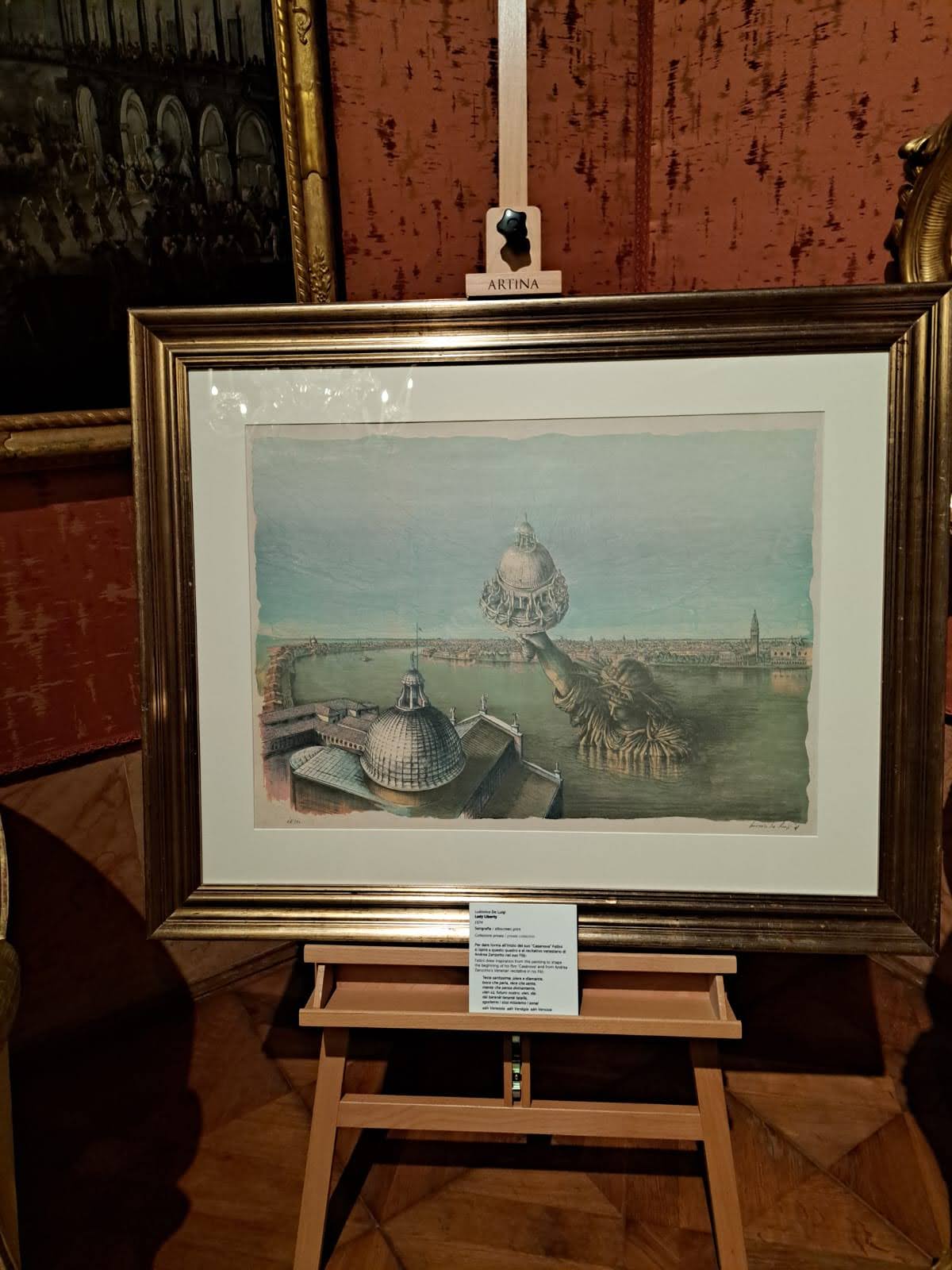
Partiamo dal cuore della mostra: un viaggio emozionante attraverso la vita rocambolesca di Casanova, raccontata non solo con documenti storici e opere d’arte, ma anche con un occhio al cinema che lo ha reso immortale. Pensate a Federico Fellini e al suo iconico film del 1976, “Casanova”, con Donald Sutherland nei panni del seduttore per eccellenza. Qui potrete ammirare da vicino sei costumi originali di quel capolavoro, disegnati dal genio Danilo Donati (che vinse pure un Oscar per essi!). Immaginate taffetà pastello, velluti barocchi e tessuti che sembrano sussurrare storie di corti spagnole, competizioni romane e incantesimi francesi. È come entrare nel set di Fellini, con bozzetti che trasformano la pellicola in quadri viventi, ispirati a maestri come Hogarth, Guardi e Tiepolo. Che emozione vedere come il cinema ha reinterpretato Casanova non come un donnaiolo superficiale, ma come un simbolo di vuoto esistenziale, un automa intrappolato nella sua stessa fama!

Il percorso espositivo è un vero e proprio labirinto di sorprese, diviso in sezioni che ti catturano passo dopo passo. Si inizia con la biografia avventurosa di Giacomo: dalla nascita a Venezia nel 1725, agli studi a Padova, alla prigione nei Piombi e alla fuga leggendaria nel 1756. Poi, un confronto mozzafiato tra un ritratto settecentesco attribuito a Pietro Longhi – un elegante gentiluomo con libro, anello e parrucca incipriata – e la locandina del film di Fellini, che lo trasforma in una figura meccanica e disumanizzata. Non mancano tre dipinti sensuali di Giambattista Pittoni, con divinità mitologiche come Apollo, Venere e Diana in pose teatrali e licenziose, che evocano l’atmosfera erotica e raffinata del Settecento. E per i cultori della storia, c’è la sezione dedicata ad Aldo Ravà, quel collezionista veneziano del primo Novecento (1879-1923) che ha riabilitato l’immagine di Casanova. Appassionato del Settecento, Ravà ha pubblicato oltre venti studi su di lui, scoprendo lettere, opuscoli rari e persino la biblioteca del castello di Dux dove Casanova passò gli ultimi anni. Grazie a lui, Casanova non è più solo un libertino, ma un acuto osservatore del suo tempo – e la mostra espone documenti dalla sua collezione al Museo Correr che vi faranno venire i brividi!

A rendere tutto questo possibile è un team di curatori eccezionali. Parliamo di Luigi Zanini, il curatore del Museo di Palazzo Mocenigo, un vero veterano con una esperienza immensa: ha collaborato a tantissime mostre di successo, da quelle sulla storia del profumo (ricordate la Collezione Storp, con oltre 500 flaconi storici?) a esposizioni sulla moda maschile del Settecento. Zanini sa come trasformare un museo in un’esperienza viva, e qui ha unito forze con Monica Viero e Gianni De Luigi per creare qualcosa di magico. A proposito di Gianni De Luigi: è un esperto di arte e cinema, con un background che spazia da studi su Fellini a progetti curatoriali innovativi. Ha curato questa mostra con un tocco personale, mescolando storia e schermo in modo da farvi sentire parte del mito. Insieme, hanno reso Palazzo Mocenigo il palcoscenico perfetto per rivivere l’eredità di Casanova!

Ma non è solo una mostra per esperti: è per tutti! Che siate cinefili, amanti della storia o semplicemente curiosi di Venezia, qui troverete ispirazione, stupore e un sacco di spunti per foto da urlo. Immaginate di uscire con la testa piena di aneddoti da raccontare agli amici – tipo come Casanova tradusse l’Iliade o fondò un giornale satirico che gli costò l’esilio. E il palazzo stesso? Un gioiello del Settecento, con sale affrescate e un’atmosfera che ti trasporta indietro nel tempo.

Non aspettare: segnatevi le date, dal 29 agosto al 2 novembre 2025, al primo piano del Museo di Palazzo Mocenigo. Biglietti e orari sul sito ufficiale – è facile e accessibile. Veniteci con amici, famiglia o da soli per un momento di puro incanto. Fidatemi, dopo questa mostra vedrete Casanova (e Venezia) con occhi nuovi. Che state aspettando? Correte a prenotare, non ve ne pentirete – potrebbe essere l’evento culturale dell’anno che vi cambierà la prospettiva sul mito più affascinante della storia! 😊

Discover the Fascinating Legacy of Casanova at Palazzo Mocenigo: A Must-See Exhibition!

Hello, lovers of history, art, and cinema! Picture yourself walking through the halls of a grand Venetian palace, surrounded by dazzling costumes, mysterious portraits, and stories that feel like they’re straight out of a movie. Well, it’s not a dream: I’m talking about the unmissable exhibition “Casanova 1725–2025: The Legacy of a Myth Between History, Art and Cinema” at the Palazzo Mocenigo Museum. Running from August 29 to November 2, 2025, this exhibition celebrates the 300th anniversary of the birth of Giacomo Casanova – the legendary Venetian adventurer who enchanted (and scandalized) the world with his memoirs. If you’re in Venice or planning a trip, this is the perfect opportunity to dive into an era of intrigue, passion, and creative genius. I’ll say it right away: it’s impossible to walk away unaffected!

Let’s start at the heart of the show: an emotional journey through Casanova’s adventurous life, told not only through historical documents and artwork but also through the lens of cinema, which has made him immortal. Think of Federico Fellini and his iconic 1976 film “Casanova”, starring Donald Sutherland as the ultimate seducer. Here, you’ll get to admire six original costumes from that masterpiece, designed by the brilliant Danilo Donati (who even won an Oscar for them!). Picture pastel taffeta, baroque velvets, and fabrics that seem to whisper stories of Spanish courts, Roman duels, and French enchantments. It’s like stepping onto Fellini’s set, with original sketches that turn film into living paintings inspired by masters like Hogarth, Guardi, and Tiepolo. What a thrill to see how cinema reimagined Casanova not just as a womanizer, but as a symbol of existential emptiness – a man trapped in the myth of his own fame!

The exhibition layout is a true labyrinth of surprises, divided into captivating sections. It begins with Casanova’s adventurous biography: from his birth in Venice in 1725, to his studies in Padua, his imprisonment in the Piombi, and his legendary escape in 1756. One of the most striking comparisons is between a stunning 18th-century portrait attributed to Pietro Longhi – showing a refined gentleman holding a book, ring, and powdered wig – and the stark movie poster for Fellini’s film, depicting Casanova as a mechanical, dehumanized figure. There are also three sensual paintings by Giambattista Pittoni, featuring mythological gods like Apollo, Venus, and Diana in theatrical, suggestive poses – evoking the erotic and elegant atmosphere of the 1700s.

And for history buffs, there’s a section dedicated to Aldo Ravà, a Venetian collector from the early 20th century (1879–1923) who helped restore Casanova’s image. Passionate about the 18th century, Ravà published over 20 studies on him, unearthing letters, rare pamphlets, and even the library at Dux Castle, where Casanova spent his final years. Thanks to Ravà, Casanova is no longer seen just as a libertine, but as a sharp observer of his time – and the exhibition features documents from his collection at the Museo Correr that will give you goosebumps!

What makes all of this possible is a team of exceptional curators. Leading the way is Luigi Zannini, curator of the Palazzo Mocenigo Museum – a true veteran with immense experience. He has worked on many successful exhibitions, from perfume history (remember the Storp Collection, with over 500 historical flacons?) to 18th-century men’s fashion. Zannini knows how to transform a museum into a living experience, and here he’s joined forces with Monica Viero and Gianni De Luigi to create something magical. Speaking of Gianni De Luigi: he’s an expert in art and cinema, with a background ranging from studies on Fellini to innovative curatorial projects. His touch in this show is unmistakable – blending history and film in a way that makes you feel like part of the legend. Together, they’ve turned Palazzo Mocenigo into the perfect stage to relive Casanova’s legacy.

But this isn’t just a show for experts – it’s for everyone! Whether you’re a film buff, history lover, or just curious about Venice, you’ll find inspiration, wonder, and plenty of photo-worthy moments here. Imagine walking out with a head full of stories to tell your friends – like how Casanova translated the Iliad or founded a satirical newspaper that got him exiled. And the palace itself? A gem of the 18th century, with frescoed rooms and an atmosphere that truly transports you back in time.

Don’t wait: mark your calendars for August 29 to November 2, 2025, on the first floor of the Palazzo Mocenigo Museum. Tickets and hours are available on the official website – it’s easy and accessible. Bring your friends, your family, or come solo for a moment of pure enchantment. Trust me: after this exhibition, you’ll see Casanova (and Venice) with new eyes. What are you waiting for? Book your visit now – you won’t regret it. This could be the cultural event of the year that changes the way you see one of history’s most fascinating figures! 😊

UN Italiano a Pest

GIACOMO MARASTONI E LA PRIMA ACCADEMIA UNGHERESE DI PITTURA – UN TESORO VENEZIANO A BUDAPEST

For the English translation please scroll down the page, thank you !

Un Viaggio nel Tempo tra Venezia e Budapest

Se vi trovate a Budapest in vacanza, oppure ci vivete da expat o studenti, c’è un’occasione culturale che non dovreste assolutamente lasciarvi sfuggire: la mostra “Un Italiano a Pest”, dedicata al pittore veneziano Giacomo Marastoni, aperta presso l’Istituto Italiano di Cultura della capitale ungherese. Non è solo un evento artistico: è un vero e proprio ponte tra l’Italia e l’Ungheria, che celebra una figura ingiustamente dimenticata, ma fondamentale per l’evoluzione dell’arte ungherese del XIX secolo.

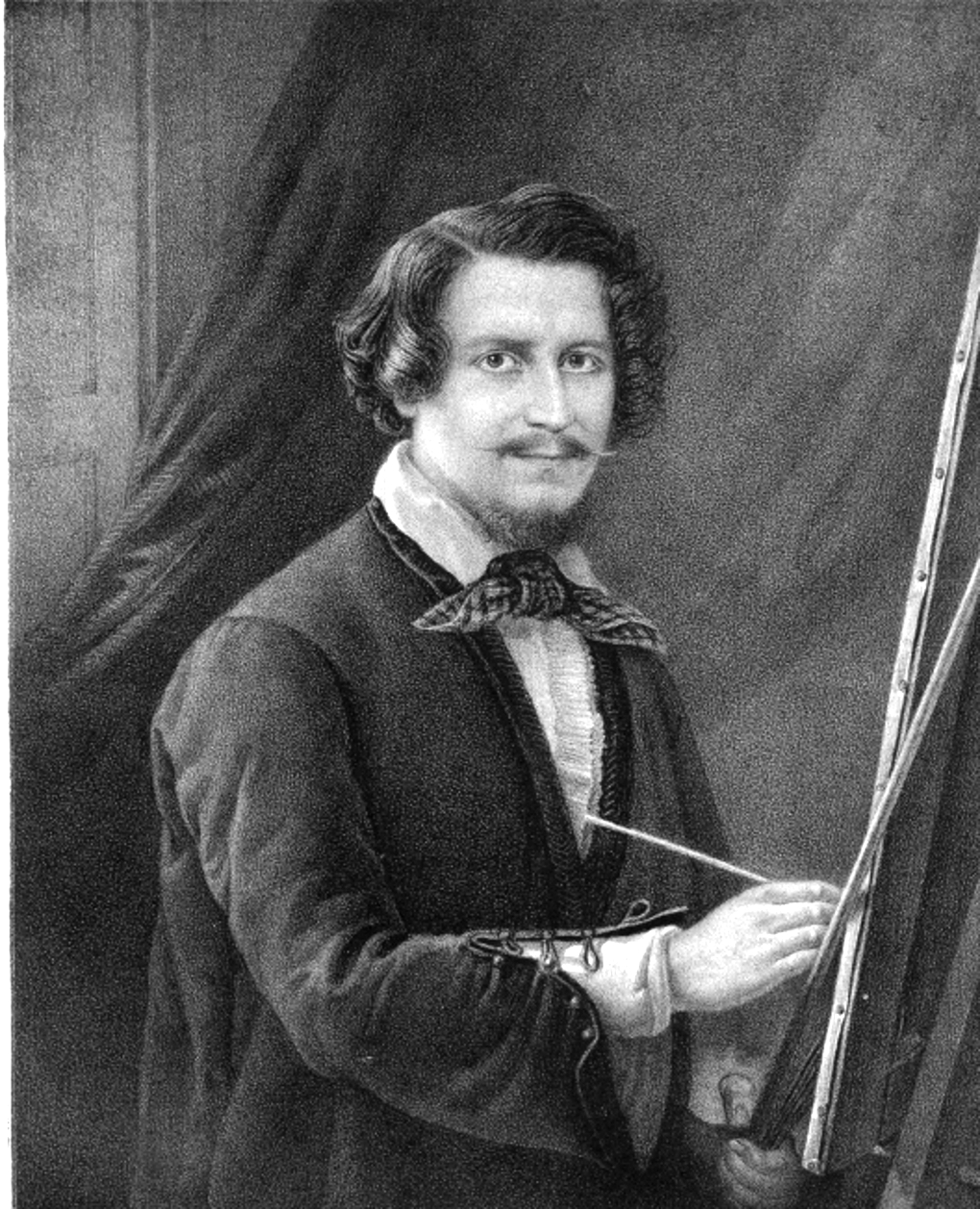
Questa esposizione rappresenta un’occasione unica per scoprire la figura affascinante di un nostro connazionale, un veneziano che ha lasciato un’impronta indelebile nella storia dell’arte ungherese. Nato a Venezia nel 1804, Giacomo – conosciuto in Ungheria come Jakab – Marastoni ha attraversato l’Europa per poi stabilirsi a Pest nel 1836. In un’epoca di fermento culturale e politico, divenne uno dei più importanti ritrattisti della scena ungherese, contribuendo alla nascita dell’identità artistica moderna del Paese. Ma il suo lascito più grande fu la fondazione, nel 1846, della prima scuola di pittura accademica in Ungheria, ispirata ai modelli italiani.

Un Artista Veneziano che Conquistò l’Ungheria

Dopo gli studi a Venezia e un periodo a Roma, Marastoni intraprese un viaggio attraverso l’Europa centrale che lo portò prima a Vienna, poi a Pozsony (l’attuale Bratislava) e infine a Pest, dove si stabilì definitivamente nel 1836. Qui divenne rapidamente uno dei ritrattisti più ricercati, lavorando per famiglie nobili e borghesi, immortalando con il suo talento i volti dell’alta società ungherese dell’epoca. Ma il suo contributo più significativo alla cultura ungherese fu la fondazione, nel 1846, della Prima Accademia Ungherese di Pittura (Első Magyar Festészeti Akadémiát), un’istituzione che ha gettato le basi per lo sviluppo dell’arte moderna in Ungheria Pensate: Marastoni investì tutta la sua fortuna in questo progetto, acquistando dall’Italia le necessarie riproduzioni, sculture in gesso e incisioni per equipaggiare la scuola, creando così un ponte culturale tra la tradizione artistica italiana e quella ungherese.

Una Mostra Straordinaria, Frutto di Sei Anni di Lavoro

La mostra che vi invito caldamente a visitare è il risultato di sei anni di meticoloso lavoro preparatorio, curata dal Dr. Péter Farbaky e da Eszter Molnárné Aczél. Un’esposizione che riunisce ben 240 opere d’arte provenienti da 28 collezioni pubbliche ed ecclesiastiche di quattro paesi, oltre a prestiti da collezionisti privati. Un vero e proprio tesoro artistico che ci permette di immergerci nella vita e nell’opera di questo straordinario artista veneziano. Tra le opere esposte, molte sono presentate a Budapest per la prima volta, come il grande ritratto di famiglia Scherz, preso in prestito dalla Galleria Civica di Bratislava, e circa 60 disegni di studio dalla collezione del Museo Kiscell – Galleria Municipale, mai esposti prima. Un’occasione irripetibile per ammirare questi capolavori e scoprire il talento di Marastoni come ritrattista, un artista capace di catturare l’essenza dei suoi soggetti con straordinaria sensibilità.

Il Contributo del MUVE – Fondazione Musei Civici di Venezia

Un aspetto che mi riempie di orgoglio come italiano e veneziano è la partecipazione attiva della Fondazione Musei Civici di Venezia (MUVE) a questa straordinaria esposizione. Il MUVE, che gestisce undici musei nella nostra città lagunare, tra cui Palazzo Ducale, il Museo Correr e Ca’ Rezzonico, ha contribuito in modo significativo alla realizzazione di questa mostra, prestando opere preziose dalle proprie collezioni.

La Fondazione, sotto la guida della Presidente Mariacristina Gribaudi, la Dott.sa Squarcina, la Dott.ssa Barisoni, ha dimostrato ancora una volta il suo impegno nella promozione della cultura italiana all’estero e nella valorizzazione degli artisti veneziani che hanno lasciato il segno nella storia dell’arte europea. Questo prestito si inserisce perfettamente nella missione del MUVE di tutelare, conservare e promuovere il patrimonio culturale veneziano, facendolo conoscere anche oltre i confini nazionali. La collaborazione tra il Museo Storico di Budapest e la Fondazione Musei Civici di Venezia rappresenta un esempio virtuoso di cooperazione culturale internazionale, che rafforza i legami storici tra l’Italia e l’Ungheria e testimonia l’importanza del dialogo interculturale nel panorama artistico europeo.

Un Invito Caloroso a Tutti gli Italiani a Budapest

Cari connazionali che vivete a Budapest o che vi trovate qui in vacanza, non perdete l’occasione di visitare questa mostra straordinaria. È un’opportunità unica per riscoprire un pezzo della nostra storia e del nostro patrimonio culturale, per sentirci orgogliosi di come l’arte italiana abbia saputo influenzare e arricchire la cultura di altri paesi europei.

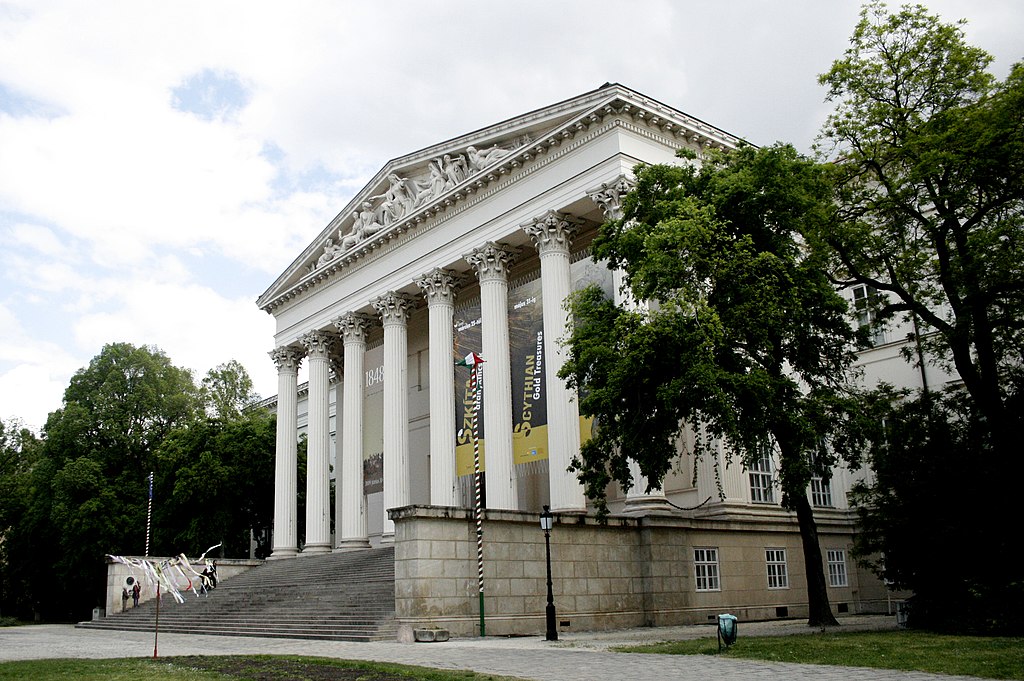
La mostra “Un Italiano a Pest” si svolge nella splendida sede dell’Istituto Italiano di Cultura di Budapest, un edificio storico situato in via Bródy Sándor 8, nel cuore di Pest, proprio di fronte al Museo Nazionale Ungherese . Progettato nel 1865 dall’architetto Miklós Ybl e un tempo usato come Parlamento ungherese (1865–1902), oggi ospita spazi espositivi eleganti e funzionali, tra cui un’ampia sala per mostre, un teatro, una sala cinema, aula-convegni e una ricca biblioteca . La location, oltre a offrire un contesto architettonico di grande prestigio, è facilmente raggiungibile con i mezzi pubblici, ed è immersa in una zona ricca di attrazioni culturali: vicinissima alla Dohány Street Synagogue e alla vivace area del Palotanegyed, stupisce per la sua centralità e per il fascino di un edificio che racconta la storia stessa di Budapest. Un luogo ideale per accogliere un ponte culturale tra Italia e Ungheria, dove visitare questa mostra diventa un’esperienza immersiva anche dal punto di vista spaziale e architettonico.

Un Ponte Culturale tra Italia e Ungheria

Questa mostra non è solo un’occasione per ammirare opere d’arte di straordinaria bellezza, ma anche per riflettere sui legami culturali che uniscono l’Italia e l’Ungheria, due paesi con una ricca tradizione artistica e culturale. Giacomo Marastoni rappresenta perfettamente questo ponte tra le due culture: un artista italiano che ha saputo integrarsi nella società ungherese, portando con sé il bagaglio culturale della sua formazione veneziana e arricchendolo con nuove influenze e ispirazioni. La sua storia ci ricorda quanto sia importante il dialogo interculturale e come l’arte possa superare confini e barriere linguistiche, creando connessioni profonde tra popoli diversi. In un’epoca in cui l’Europa è sempre più unita, riscoprire figure come Marastoni ci aiuta a comprendere le radici comuni della nostra identità culturale europea.

Conclusione: Un’Esperienza da Non Perdere

Questa mostra non è solo per studiosi o appassionati d’arte ottocentesca. È un’occasione per conoscere un pezzo di storia comune che parla italiano, per sentirsi a casa in terra straniera e riscoprire il contributo silenzioso ma potente di tanti nostri connazionali che hanno costruito ponti culturali in Europa. È anche un invito a riflettere sul potere dell’arte come mezzo di integrazione, scambio e crescita reciproca. Fate un salto in questa piccola ma intensa mostra. Vi sorprenderà !

GIACOMO MARASTONI AND THE FIRST HUNGARIAN ACADEMY OF PAINTING – A VENETIAN TREASURE IN BUDAPEST

A Journey Through Time between Venice and Budapest

If you are in Budapest on holiday, or live there as an expat or student, there is a cultural opportunity that you absolutely should not miss: the exhibition “An Italian in Pest”, dedicated to the Venetian painter Giacomo Marastoni, open at the Italian Cultural Institute of the Hungarian capital. It is not just an artistic event: it is a real bridge between Italy and Hungary, which celebrates a figure unjustly forgotten, but fundamental to the evolution of 19th-century Hungarian art.

This exhibition represents a unique opportunity to discover the fascinating figure of one of our compatriots, a Venetian who left an indelible mark on the history of Hungarian art. Born in Venice in 1804, Giacomo – known in Hungary as Jakab – Marastoni travelled across Europe before settling in Pest in 1836. In an era of cultural and political ferment, he became one of the most important portraitists on the Hungarian scene, contributing to the birth of the country’s modern artistic identity. But his greatest legacy was the foundation, in 1846, of the first academic painting school in Hungary, inspired by Italian models.

A Venetian Artist Who Conquered Hungary

After studying in Venice and a period in Rome, Marastoni undertook a journey through central Europe which It took him first to Vienna, then to Pozsony (now Bratislava) and finally to Pest, where he settled permanently in 1836. Here he quickly became one of the most sought-after portrait painters, working for noble and bourgeois families, immortalising with his talent the faces of the Hungarian high society of the time. But his most significant contribution to Hungarian culture was the foundation, in 1846, of the First Hungarian Academy of Painting (Első Magyar Festészeti Akadémiát), an institution that laid the foundation for the development of modern art in Hungary. Just think: Marastoni invested his entire fortune in this project, purchasing from Italy the necessary reproductions, plaster sculptures and engravings to equip the school, thus creating a cultural bridge between the Italian and Hungarian artistic traditions.

An Extraordinary Exhibition, Fruit of Six Years of Work

The exhibition that I warmly invite you to visit is the result of six years of meticulous preparatory work, curated by Dr. Péter Farbaky and Eszter Molnárné Aczél. An exhibition that brings together 240 works of art from 28 public and ecclesiastical collections in four countries, as well as loans from private collectors. A true artistic treasure that allows us to immerse ourselves in the life and work of this extraordinary Venetian artist. Among the works on display, many are presented in Budapest for the first time, such as the large Scherz family portrait, loaned by theBratislava City Gallery, and about 60 study drawings from the collection of the Kiscell Museum – Municipal Gallery, never exhibited before. An unrepeatable opportunity to admire these masterpieces and discover Marastoni’s talent as a portraitist, an artist capable of capturing the essence of his subjects with extraordinary sensitivity.

The Contribution of MUVE – Fondazione Musei Civici di Venezia

One ​​aspect that fills me with pride as an Italian and Venetian is the active participation of the Fondazione Musei Civici di Venezia (MUVE) in this extraordinary exhibition. MUVE, which manages eleven museums in our lagoon city, including Palazzo Ducale, Museo Correr and Ca’ Rezzonico, has contributed significantly to the realization of this exhibition, lending precious works from its collections.

The Foundation, under the guidance of President Mariacristina Gribaudi, Dr. Barisoni, has once again demonstrated its commitment to promoting Italian culture abroad and to enhancing Venetian artists who have left their mark on the history of European art. This loan fits perfectly with MUVE’s mission to protect, conserve and promote Venetian cultural heritage, making it known beyond national borders. The collaboration between the Budapest Historical Museum and the Fondazione Musei Civici di Venezia represents a virtuous example of international cultural cooperation, which strengthens the historical ties between Italy and Hungary and testifies to the importance of intercultural dialogue in the European artistic panorama.

A Warm Invitation to All Italians in Budapest

Dear compatriots who live in Budapest or are here on holiday, do not miss the opportunity to visit this extraordinary exhibition. It is a unique opportunity to rediscover a piece of our history and cultural heritage, to feel proud of how Italian art has been able to influence and enrich the culture of other European countries.

The exhibition “An Italian in Pest” takes place in the splendid venue of the Italian Cultural Institute of Budapest, a historic building located in Bródy Sándor Street 8, in the heart of Pest, right in front of the Hungarian National Museum. Designed in 1865 by architect Miklós Ybl and once used as the Hungarian Parliament (1865–1902), today it houses elegant and functional exhibition spaces, including a large exhibition hall, a theatre, a cinema hall, a conference room and a well-stocked library. The location, in addition to offering a highly prestigious architectural context, is easily accessible by public transport, and is immersed in an area rich in cultural attractions: very close to the Dohány Street Synagogue and the lively Palotanegyed area, it amazes with its centrality and the charm of a building that tells the story of Budapest itself. An ideal place to host a cultural bridge between Italy and Hungary, where visiting this exhibition becomes an immersive experience also from a spatial and architectural point of view.

A Cultural Bridge between Italy and Hungary

This exhibition is not only an opportunity to admire works of art of extraordinary beauty, but also to reflect on the cultural ties that unite Italy and Hungary, two countries with a rich artistic and cultural tradition. Giacomo Marastoni perfectly represents this bridge between the two cultures: an Italian artist who has been able to integrate into Hungarian society, bringing with him the cultural baggage of his Venetian education and enriching it with new influences and inspirations. His story reminds us of the importance of intercultural dialogue and how art can overcome borders and language barriers, creating deep connections between different peoples. In an era in which Europe is increasingly united, rediscovering figures such as Marastoni helps us understand the common roots of our European cultural identity.

Il Paradosso del Museo: Perché Guardiamo l’Arte Solo per 8 Secondi?


Quando entriamo in un museo, ci aspettiamo di immergerci in un mondo di bellezza e riflessione. Eppure, studi recenti rivelano una realtà sorprendente: molti visitatori trascorrono in media solo 8 secondi davanti a ciascun quadro. Forse 8 secondi sono un esagerazione, ma non tanto. Sembra strano lo so, ma ho avuto modo di osservare una moltitudine di persone, e molte di esse sembrano navigare il museo, con la testa che guarda da un lato all’altro, ogni tanto facendo una foto o un selfie, ma non registrando quello che vede. Poche sono le persone che veramente si soffermano e sembrano interessate, ancora meno quelle che rimangono in museo per ore a cui offro sempre i miei complimenti.


⏱️ La Velocità della Visione

Secondo una ricerca condotta al Getty Museum, gli adulti spendono meno di 30 secondi per oggetto. Altri studi indicano che i visitatori guardano un dipinto per meno di due secondi, leggono la didascalia per circa 10 secondi, poi tornano brevemente al dipinto per verificare qualcosa nel testo, e infine si spostano al prossimo. Anche il Louvre ha registrato che i visitatori guardano la *Gioconda* per una media di 15 secondi, il che solleva interrogativi su quanto tempo vengano osservate le altre 35.000 opere della collezione. Questi dati suggeriscono che, in generale, l’attenzione dei visitatori è limitata e che spesso si limitano a dare uno sguardo rapido alle opere, piuttosto che impegnarsi in un’osservazione approfondita.

🧘‍♀️ Slow Art: Un Invito alla Riflessione

In risposta a questa frenesia visiva, è nato il movimento “Slow Art”. Fondato nel 2009 da Phil Terry, questo movimento incoraggia i visitatori a dedicare almeno 10 minuti a ciascuna opera d’arte, per osservare dettagli, emozioni e significati nascosti. Ogni anno, in aprile, si celebra il “Slow Art Day”, con eventi in musei di tutto il mondo che promuovono un’esperienza più profonda e consapevole dell’arte. Studi hanno dimostrato che un’osservazione più lenta può aumentare la comprensione e l’apprezzamento delle opere. Ad esempio, il Museum of the Mind ad Haarlem, nei Paesi Bassi, offre esperienze di mindfulness basate sull’arte, aiutando i visitatori a concentrarsi su un’unica opera per esplorare emozioni e significati. Allo stesso modo, la Victoria Gallery & Museum a Liverpool propone un “sentiero di consapevolezza” che guida i visitatori a osservare con curiosità e attenzione.


🖼️ Un Invito alla Consapevolezza

In un’epoca in cui la velocità e la multitasking dominano le nostre vite, l’arte può diventare un rifugio di calma e riflessione. La prossima volta che visiterai un museo, prova a fermarti davanti a un’opera per 10 minuti: osserva, respira, ascolta le tue emozioni. Potresti scoprire un mondo nascosto che ti arricchirà più di mille selfie.

The Museum Paradox: Why Do We Only Look at Art for 8 Seconds?


When we enter a museum, we expect to be immersed in a world of beauty and reflection. Yet recent studies reveal a surprising reality: many visitors spend an average of just 8 seconds in front of each painting. Maybe 8 seconds is an exaggeration, but not that much. It seems strange, but I have had the opportunity to observe a multitude of people, and many of them seem to be navigating the museum, with their heads darting from one side to the other, occasionally taking a photo or selfie, but not registering what they see. Few people actually linger and seem interested, even fewer who stay in a museum for hours, to whom I always offer my compliments.


⏱️ The Speed ​​of Vision

According to research conducted at the Getty Museum, adults spend less than 30 seconds per object. Other studies indicate that visitors look at a painting for less than two seconds, read the caption for about 10 seconds, then return briefly to the painting to check something in the text, and then move on to the next. The Louvre also recorded that visitors look at the *Mona Lisa* for an average of 15 seconds, which raises questions about how long people look at the other 35,000 works in the collection. This data suggests that, in general, visitors have limited attention spans and that they often just glance at works rather than engage in in-depth observation.

🧘‍♀️ Slow Art: An Invitation to Reflection

In response to this visual frenzy, the “Slow Art” movement was born. Founded in 2009 by Phil Terry, this movement encourages visitors to spend at least 10 minutes in front of each artwork, observing details, emotions and hidden meanings. Every April, Slow Art Day is celebrated, with events in museums around the world that promote a deeper and more mindful experience of art. Studies have shown that looking at art more slowly can increase understanding and appreciation of works. For example, the Museum of the Mind in Haarlem, the Netherlands, offers art-based mindfulness experiences, helping visitors to focus on a single work to explore emotions and meanings. Similarly, the Victoria Gallery & Museum in Liverpool offers a “mindfulness trail” that guides visitors to look with curiosity and attention.


🖼️ An Invitation to Awareness

In an age where speed and multitasking dominate our lives, art can become a refuge of calm and reflection. Next time you visit a museum, try stopping in front of a work for 10 minutes: observe, breathe, listen to your emotions. You may discover a hidden world that will enrich you more than a thousand selfies.

Viaggio nella Storia del profumo a Palazzo Mocenigo

For the English translation please scroll down the page, thank you !

Un Viaggio Olfattivo Senza Tempo: La Mostra “Viaggio nella Storia del Profumo” al Museo di Palazzo Mocenigo. Dal 21 maggio al 30 novembre 2025, il Museo di Palazzo Mocenigo a Venezia apre le porte a un’esperienza sensoriale straordinaria: la mostra “Viaggio nella Storia del Profumo”, realizzata grazie alla collaborazione con la Collezione Storp. Un’occasione unica per immergersi in oltre 6.000 anni di storia olfattiva, esplorando l’evoluzione del profumo attraverso reperti antichi e moderni.

🏛️ Un Palazzo, una Storia

Palazzo Mocenigo, situato nel cuore pulsante di Venezia, è da sempre un punto di riferimento per la storia del tessuto e del costume. Con l’inaugurazione di questa mostra, il museo arricchisce il suo percorso con un capitolo dedicato all’arte della profumeria, grazie alla preziosa Collezione Storp.

🧴 La Collezione Storp: Un Tesoro Olfattivo

La Collezione Storp, fondata nel 1921 da Dora Storp, è una delle più importanti al mondo, con oltre 2.500 pezzi che spaziano dal 2000 a.C. al XXI secolo. Questa straordinaria raccolta comprende flaconi e contenitori per profumi provenienti da diverse epoche e culture, offrendo una panoramica unica sull’evoluzione del profumo nel corso dei secoli.

👃 Un Percorso Sensoriale Unico

La mostra è organizzata in un percorso espositivo che guida il visitatore attraverso le diverse fasi della storia del profumo. Ogni sezione è arricchita da installazioni olfattive che permettono di immergersi completamente nell’esperienza sensoriale, accompagnando la vista con l’olfatto e l’immaginazione.

🧪 Collaborazioni d’Eccellenza

La realizzazione della mostra è stata possibile grazie alla collaborazione con Mavive e Drom Fragrances. Mavive, azienda leader nel settore della profumeria, ha contribuito con il suo expertise nella realizzazione delle installazioni olfattive, mentre Drom Fragrances ha messo a disposizione la sua preziosa Collezione Storp per arricchire il percorso espositivo.

Ma le meraviglie non finiscono qui! Preparatevi a un’esperienza davvero sensoriale e futuristica nella White Room al piano terra. Qui, la magia del profumo incontra l’innovazione grazie a un’installazione immersiva curata da Zignago Vetro, partner d’eccellenza di Mavive. Vi troverete avvolti in un ambiente unico, dove la luce, il suono e le suggestioni visive vi trasporteranno nel cuore dell’arte profumiera, esplorando la delicata e affascinante relazione tra la fragranza e i suoi preziosi contenitori in vetro. Sarà un’occasione imperdibile per vivere il profumo non solo con l’olfatto, ma con tutti i sensi!

🎟️ Dettagli della Mostra

  • Periodo: 21 maggio – 30 novembre 2025
  • Luogo: Museo di Palazzo Mocenigo, Venezia
  • Orari di apertura: Consultare il sito ufficiale per informazioni aggiornate
  • Biglietti: Disponibili sul sito del museo

🌟 Un’Esperienza da Non Perdere

“Viaggio nella Storia del Profumo” è un’opportunità imperdibile per tutti gli appassionati di storia, arte e profumeria. Un’occasione unica per scoprire l’evoluzione del profumo attraverso i secoli, immergersi in un mondo di fragranze e bellezza, e vivere un’esperienza sensoriale senza precedenti. Non perdere l’opportunità di vivere questa straordinaria esperienza al Museo di Palazzo Mocenigo. Vieni ad ammirare questa mostra e preparati a un viaggio nel tempo e nei sensi!


A Timeless Scented Journey: The Exhibition “A Journey Through the History of Perfume” at Palazzo Mocenigo

From May 21 to November 30, 2025, the Museo di Palazzo Mocenigo in Venice opens its doors to a truly extraordinary sensory experience: the exhibition “A Journey Through the History of Perfume”, created in collaboration with the Storp Collection. This is a unique opportunity to immerse yourself in over 6,000 years of olfactory history, exploring the evolution of perfume through ancient artifacts and modern masterpieces.

🏛️ A Palace Steeped in History

Palazzo Mocenigo, located in the beating heart of Venice, has long been a cultural landmark dedicated to the history of textiles and costume. With the opening of this new exhibition, the museum enriches its offerings with a dazzling chapter on the art of perfumery, thanks to the prestigious Storp Collection.

🧴 The Storp Collection: An Olfactory Treasure

Founded in 1921 by Dora Storp, the Storp Collection is one of the world’s most important archives of perfumery, featuring more than 2,500 pieces ranging from 2000 B.C. to the 21st century. This extraordinary collection includes perfume flacons and containers from various eras and cultures, offering an unparalleled overview of how perfume has evolved across civilizations.

👃 A Unique Sensory Journey

The exhibition is designed as a narrative pathway that guides visitors through different stages in the history of perfume. Each section is enriched with olfactory installations that engage all the senses—blending visual beauty with evocative scents and imagination.

🧪 Excellence in Collaboration

This remarkable exhibition was made possible through the collaboration with Mavive and Drom Fragrances.
Mavive, a leader in the fragrance industry, contributed its expertise to the creation of the sensory installations, while Drom Fragrances provided access to the invaluable Storp Collection to enhance the exhibition experience.

But the wonders don’t end there! Prepare for a truly sensory and futuristic experience in the White Room on the ground floor. Here, the magic of perfume meets innovation thanks to an immersive installation curated by Zignago Vetro, an excellent partner of Mavive. You’ll find yourself enveloped in a unique environment, where light, sound, and visual suggestions will transport you to the heart of perfumery art, exploring the delicate and fascinating relationship between fragrance and its precious glass containers. It will be an unmissable opportunity to experience perfume not only with your sense of smell but with all your senses!

🎟️ Exhibition Details

  • Dates: May 21 – November 30, 2025
  • Location: Museo di Palazzo Mocenigo, Venice
  • Opening Hours: Check the museum’s official website for current info
  • Tickets: Available on the museum’s website

🌟 An Experience Not to Be Missed

“A Journey Through the History of Perfume” is a must-see for lovers of history, art, and fragrance.
It’s a rare chance to explore the timeline of perfume, immerse yourself in a world of scent and beauty, and enjoy a truly unique multi-sensory experience. Don’t miss this extraordinary exhibition at Palazzo Mocenigo. Come to see this wonderful exibition and get ready for a journey through time—and through your senses!