Buon compleanno Giacomo Casanova !

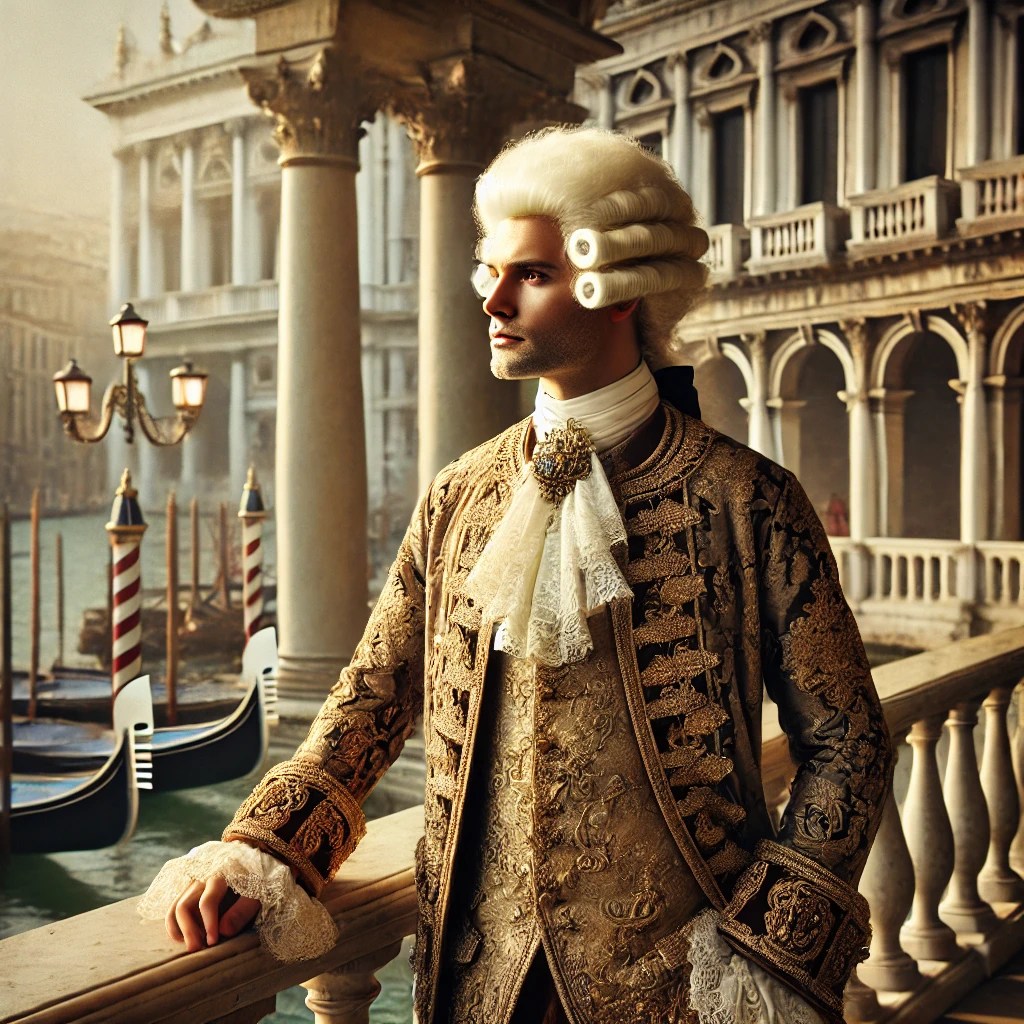
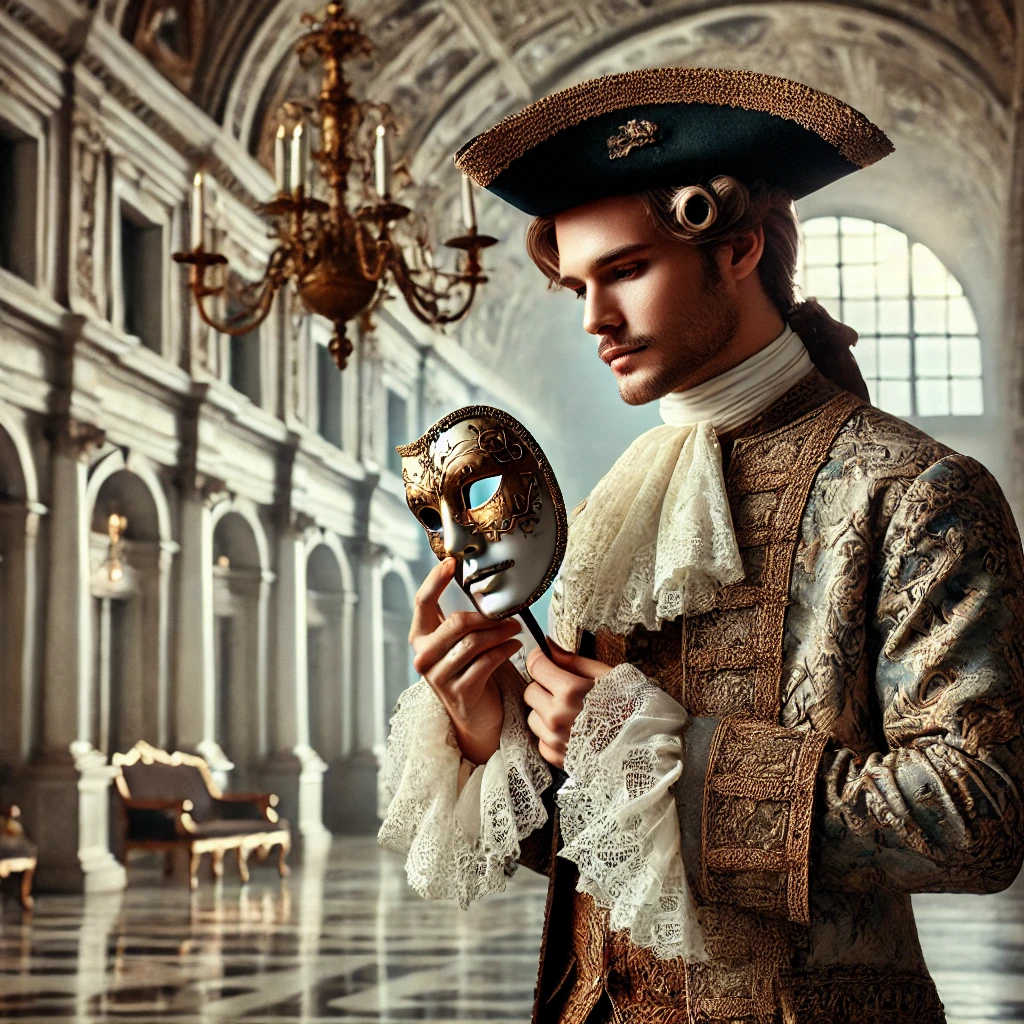
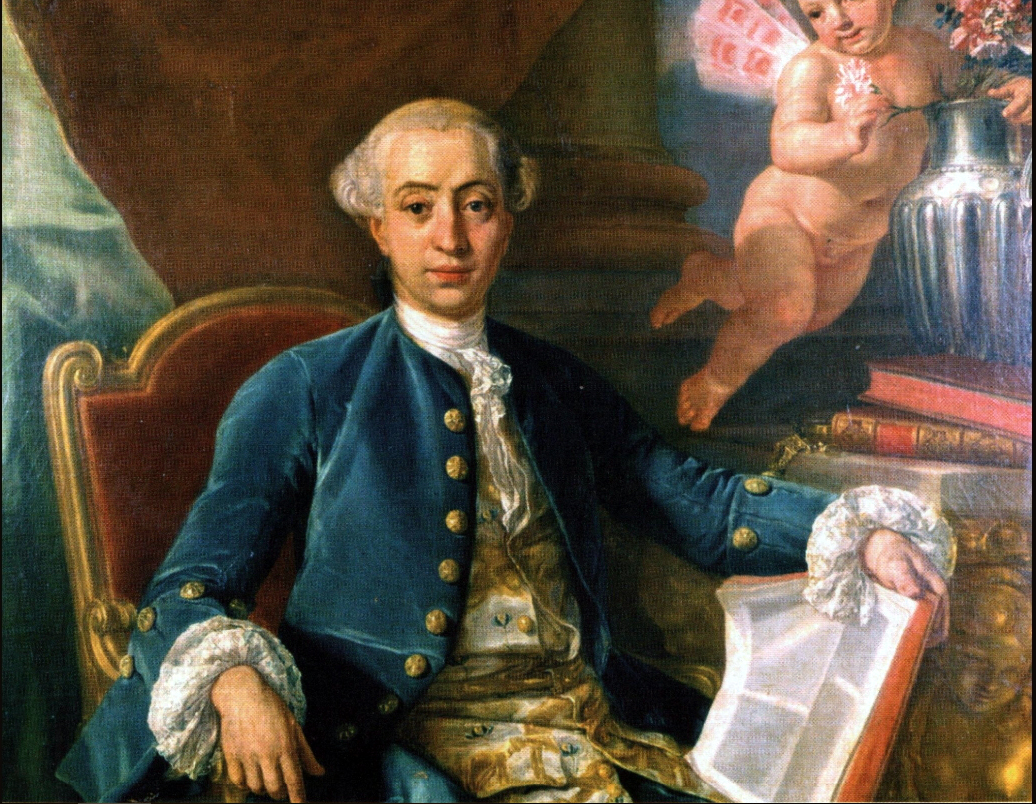
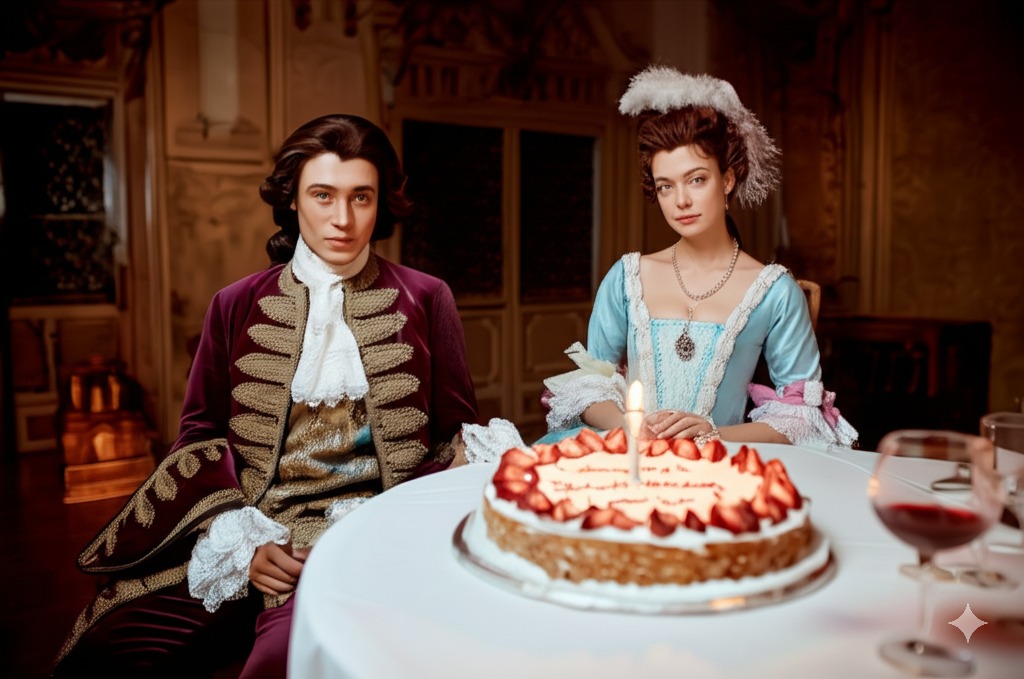
In questo giorno speciale 2 aprile 2025, ricordiamo Giacomo Casanova non solo come un amante leggendario, ma anche come un intellettuale curioso e un viaggiatore instancabile. La sua vita è stata un susseguirsi di incontri, intrighi e fughe rocambolesche, che lo hanno portato a conoscere le corti e i salotti più esclusivi d’Europa. Oggi, nel trecentesimo anniversario della sua nascita, celebriamo la sua audacia, il suo spirito di indipendenza e la sua capacità di vivere ogni istante con intensità. Casanova, un uomo che ha saputo trasformare la sua vita in un’opera d’arte. Buon compleanno Giacomo Casanova !

Il Mito di Casanova nell’Immaginario Collettivo: Tra Storia e Leggenda

Giacomo Casanova è molto più di un personaggio storico: è un’icona culturale, un simbolo universale di seduzione e avventura. Il suo nome è diventato sinonimo di fascino irresistibile e libertinaggio, ma dietro il mito si cela una figura complessa e poliedrica, la cui vita è stata plasmata tanto dalla realtà quanto dalla leggenda. Questo articolo esplora come il mito di Casanova si sia evoluto nell’immaginario collettivo, passando dalla sua autobiografia ai moderni adattamenti culturali.

Casanova nella Realtà Storica

Nato a Venezia nel 1725, Giacomo Casanova fu molto più di un semplice seduttore. Avventuriero, scrittore, diplomatico, spia e filosofo, la sua vita è un caleidoscopio di esperienze che riflettono la complessità del Settecento. Tuttavia, è la sua autobiografia, Histoire de ma vie, a consegnarlo all’eternità, trasformando le sue avventure in un mito. Attraverso le sue pagine, Casanova si presenta non solo come un amante delle donne, ma anche come un uomo curioso, amante della cultura e profondamente umano.

La Nascita del Mito

Il mito di Casanova comincia a prendere forma proprio con la pubblicazione della sua autobiografia, che fornisce un ritratto vivido e dettagliato della sua vita. Tuttavia, molte delle sue storie sono state successivamente esagerate o romanticizzate, contribuendo a creare un personaggio quasi leggendario. La sua figura è diventata il simbolo dell’uomo che vive al di fuori delle regole, guidato dalla passione e dal desiderio di libertà.

Casanova nella Letteratura e nel Cinema

Nel corso dei secoli, Casanova è stato rappresentato innumerevoli volte nella letteratura e nel cinema, spesso con interpretazioni che oscillano tra l’ammirazione e la critica. Tra i più celebri adattamenti vi sono il film di Federico Fellini, Il Casanova di Federico Fellini (1976), che offre una visione oscura e malinconica del personaggio, e le numerose opere letterarie che hanno tratto ispirazione dalla sua vita. Ogni rappresentazione contribuisce a plasmare il mito, enfatizzando diversi aspetti della sua personalità: il seduttore, l’avventuriero, l’outsider. Queste reinterpretazioni riflettono non solo il fascino intramontabile di Casanova, ma anche il modo in cui ogni epoca ha scelto di leggere il suo mito.

Casanova come Simbolo Universale

Oggi, Casanova è molto più di un personaggio storico: è un simbolo universale che trascende il tempo e lo spazio. Il suo nome è usato per descrivere chiunque possieda un fascino irresistibile o uno stile di vita amoroso fuori dagli schemi. Questo è evidente non solo nella cultura popolare, ma anche nella pubblicità, nei media e persino nel linguaggio quotidiano.

Realtà vs. Mito

Uno degli aspetti più affascinanti del mito di Casanova è il contrasto tra la realtà storica e la leggenda. Mentre il Casanova reale era un uomo colto e complesso, l’immaginario collettivo spesso lo riduce a un semplice stereotipo di seduttore. Questo dualismo ci invita a riflettere sul modo in cui creiamo e perpetuiamo i miti, trasformando persone reali in simboli universali.

Conclusione

Il mito di Casanova è una testimonianza del potere delle storie e del fascino dell’immaginazione umana. Attraverso i secoli, la sua figura ha continuato a evolversi, adattandosi ai cambiamenti culturali e mantenendo viva l’essenza del Settecento veneziano. Che si tratti di storia o leggenda, Casanova rimane un simbolo senza tempo, capace di ispirare e affascinare generazioni intere. Esplorare il mito di Casanova significa non solo scoprire la vita di un uomo straordinario, ma anche comprendere come la cultura e la società plasmino i loro eroi. E, in questo senso, Casanova continuerà a vivere, eterno come la sua Venezia.

Happy Birthday Giacomo Casanova

On this special day April 2, 2025, we remember Giacomo Casanova not only as a legendary lover, but also as a curious intellectual and a tireless traveler. His life was a succession of encounters, intrigues, and daring escapes, which led him to know the most exclusive courts and salons of Europe. Today, on the three hundredth anniversary of his birth, we celebrate his audacity, his spirit of independence, and his ability to live every moment with intensity. Casanova, a man who knew how to transform his life into a work of art. Happy Birthday Giacomo Casanova !

The Myth of Casanova in the Collective Imagination: Between History and Legend

Giacomo Casanova is much more than a historical figure: he is a cultural icon, a universal symbol of seduction and adventure. His name has become synonymous with irresistible charm and libertinism, but behind the myth lies a complex and multifaceted figure, whose life was shaped as much by reality as by legend. This article explores how the myth of Casanova has evolved in the collective imagination, from his autobiography to modern cultural adaptations.

Casanova in Historical Reality

Born in Venice in 1725, Giacomo Casanova was much more than just a seducer. Adventurer, writer, diplomat, spy, and philosopher, his life is a kaleidoscope of experiences that reflect the complexity of the 18th century. However, it is his autobiography, Histoire de ma vie, that has immortalized him, turning his adventures into a myth. Through its pages, Casanova presents himself not only as a lover of women but also as a curious man, a lover of culture, and deeply human.

The Birth of the Myth

The myth of Casanova begins to take shape with the publication of his autobiography, which provides a vivid and detailed portrait of his life. However, many of his stories were later exaggerated or romanticized, contributing to the creation of a nearly legendary figure. His persona became the symbol of a man who lived outside the rules, driven by passion and the desire for freedom.

Casanova in Literature and Cinema

Over the centuries, Casanova has been depicted countless times in literature and cinema, often with interpretations that swing between admiration and criticism. Among the most famous adaptations is Federico Fellini’s film Il Casanova di Federico Fellini (1976), which offers a dark and melancholic view of the character, and the numerous literary works inspired by his life. Each representation helps shape the myth, emphasizing different aspects of his personality: the seducer, the adventurer, the outsider. These reinterpretations not only reflect Casanova’s timeless allure but also the way each era has chosen to interpret his myth.

Casanova as a Universal Symbol

Today, Casanova is much more than a historical figure: he is a universal symbol that transcends time and space. His name is used to describe anyone with irresistible charm or an unconventional romantic lifestyle. This is evident not only in popular culture but also in advertising, the media, and even in everyday language.

Reality vs. Myth

One of the most fascinating aspects of the Casanova myth is the contrast between historical reality and legend. While the real Casanova was a cultured and complex man, the collective imagination often reduces him to a simple stereotype of a seducer. This duality invites us to reflect on how we create and perpetuate myths, transforming real people into universal symbols.

Conclusion

The myth of Casanova is a testament to the power of stories and the allure of human imagination. Through the centuries, his figure has continued to evolve, adapting to cultural changes while keeping the essence of 18th-century Venice alive. Whether history or legend, Casanova remains a timeless symbol, capable of inspiring and captivating entire generations. Exploring the myth of Casanova means not only discovering the life of an extraordinary man but also understanding how culture and society shape their heroes. In this sense, Casanova will continue to live on, eternal like his Venice.

Anniversario Giacomo Casanova (parte 4)

Le Donne di Giacomo Casanova: Amori e Passioni nella Venezia Barocca

Giacomo Casanova è universalmente noto come uno dei più celebri seduttori della storia. Ma dietro la sua fama di libertino si cela una complessa rete di relazioni con le donne che hanno attraversato la sua vita. Queste figure femminili non furono solo protagoniste delle sue avventure amorose, ma anche compagne, muse e talvolta mentori in un’epoca in cui il ruolo delle donne era spesso relegato a margini ben definiti. Questo articolo esplora le donne di Casanova, immergendosi nella loro importanza personale e culturale nella Venezia del Settecento.

Un Amore oltre la Conquista

Per Casanova, le donne erano più che semplici conquiste. Molte delle sue relazioni si basavano su un autentico apprezzamento per l’intelligenza, la bellezza e la personalità delle sue partner. Spesso le sue amanti provenivano da ambienti diversi: nobildonne, attrici, cortigiane, persino monache. Questo riflette non solo il fascino irresistibile di Casanova, ma anche la sua curiosità per il mondo femminile in tutte le sue sfaccettature.

Le Donne che Segnarono la Vita di Casanova

Tra le molte donne che ebbero un ruolo significativo nella vita di Casanova, alcune si distinguono per la loro influenza e il loro legame speciale con lui.

  • Henriette: Una delle figure più amate e idealizzate da Casanova, Henriette fu una donna di grande intelligenza e grazia. La loro relazione fu breve ma intensa, e la sua partenza lasciò un segno indelebile nel cuore del seduttore. Casanova la descrisse come la donna più straordinaria che avesse mai conosciuto.
  • María Anna della famiglia di Murano: Questa monaca, conosciuta durante uno dei soggiorni di Casanova a Venezia, rappresenta uno degli scandali più noti del suo tempo. La loro relazione, resa ancora più audace dal contesto conventuale, dimostra il suo talento nel trasformare anche le situazioni più proibite in un gioco di seduzione.
  • Caterina Capretta: Giovane veneziana promessa sposa, Caterina fu una delle tante donne che Casanova corteggiò sfidando le convenzioni sociali. La loro relazione suscitò scandalo e mostrò la propensione del libertino a infrangere le regole.

Venezia: Un Palcoscenico per l’Amore

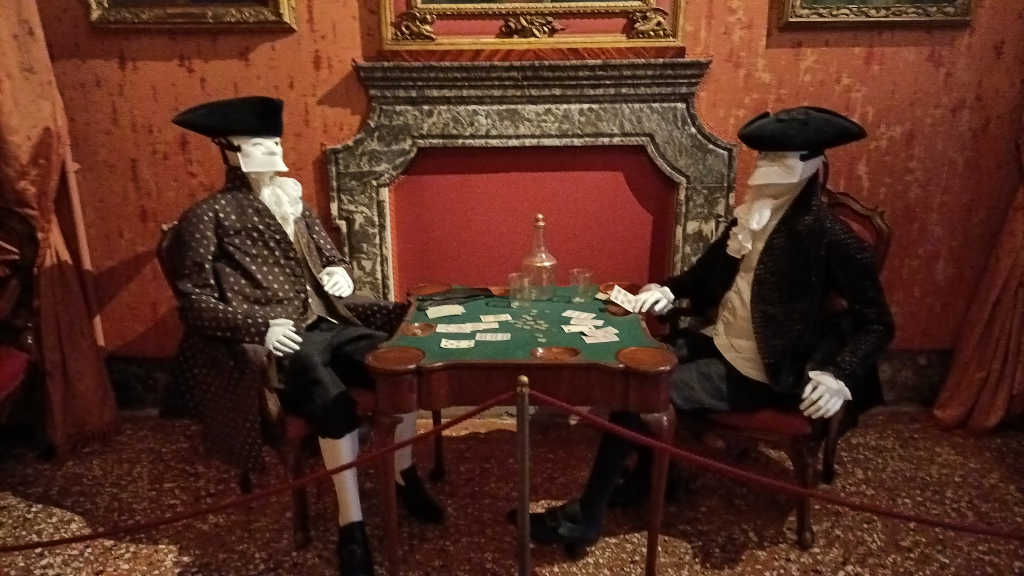
La Venezia del Settecento era il luogo perfetto per le avventure amorose di Casanova. Il Carnevale, con le sue maschere e i suoi balli, offriva l’anonimato necessario per incontri clandestini. I palazzi sul Canal Grande, con i loro salotti eleganti, erano il teatro di conversazioni intime e sguardi complici. Persino i conventi, spesso vicini ai palazzi nobiliari, divenivano luoghi di intrighi e segreti.

Le Donne come Specchio della Società Veneziana

Le donne che Casanova amò riflettono le diverse classi sociali e le complessità della società veneziana del tempo. Attraverso i suoi rapporti, possiamo intravedere il ruolo delle donne nella Venezia del Settecento: nobildonne costrette a matrimoni di convenienza, cortigiane che godevano di una libertà maggiore rispetto alle donne sposate, monache spesso recluse contro la loro volontà. Casanova, con il suo fascino e la sua intelligenza, riusciva a entrare in questi mondi e a costruire legami che superavano le barriere sociali.

Un Seduttore, ma anche un Uomo Sensibile

Nonostante la sua reputazione di libertino, Casanova mostrava una sorprendente sensibilità verso le donne. Spesso le rispettava e le ammirava, e molte di loro lo ricordarono con affetto anche dopo la fine delle loro relazioni. Questo lato più umano del seduttore emerge chiaramente nella sua autobiografia, Histoire de ma vie, dove dedica pagine appassionate alle donne che hanno segnato la sua esistenza.

Conclusione

Le donne di Giacomo Casanova non furono semplici comparse nella sua vita, ma protagoniste di un’epoca in cui amore, passione e cultura si intrecciavano in modi unici. Attraverso i loro occhi, possiamo vedere una Venezia viva, vibrante e profondamente umana, fatta di emozioni, sfide e sogni. Esplorare queste storie significa riscoprire non solo l’uomo dietro il mito, ma anche la ricchezza di una città che, come le sue donne, continua a incantare il mondo.

The Women of Giacomo Casanova: Loves and Passions in Baroque Venice

Giacomo Casanova is universally known as one of the most famous seducers in history. But behind his reputation as a libertine lies a complex web of relationships with the women who passed through his life. These female figures were not only protagonists of his amorous adventures but also companions, muses, and at times mentors, in an era when the role of women was often relegated to well-defined margins. This article explores the women of Casanova, delving into their personal and cultural significance in 18th-century Venice.

A Love Beyond Conquest

For Casanova, women were more than mere conquests. Many of his relationships were based on a genuine appreciation for the intelligence, beauty, and personality of his partners. Often, his lovers came from diverse backgrounds: noblewomen, actresses, courtesans, even nuns. This reflects not only Casanova’s irresistible charm but also his curiosity about the female world in all its facets.

The Women Who Marked Casanova’s Life

Among the many women who played a significant role in Casanova’s life, some stand out for their influence and their special bond with him.

Henriette: One of the most beloved and idealized figures by Casanova, Henriette was a woman of great intelligence and grace. Their relationship was brief but intense, and her departure left an indelible mark on the heart of the seducer. Casanova described her as the most extraordinary woman he had ever known.

María Anna of the Murano Family: This nun, whom Casanova met during one of his stays in Venice, represents one of the most famous scandals of his time. Their relationship, made even bolder by the conventual context, shows his talent in turning even the most forbidden situations into a game of seduction.

Caterina Capretta: A young Venetian woman promised to be married, Caterina was one of the many women Casanova courted, defying social conventions. Their relationship caused a scandal and demonstrated the libertine’s propensity to break the rules.

Venice: A Stage for Love

18th-century Venice was the perfect setting for Casanova’s amorous adventures. The Carnival, with its masks and dances, provided the anonymity necessary for clandestine encounters. The palaces along the Grand Canal, with their elegant salons, were the stage for intimate conversations and knowing glances. Even the convents, often located near noble palaces, became places of intrigue and secrets.

Women as a Mirror of Venetian Society

The women Casanova loved reflect the different social classes and complexities of Venetian society at the time. Through his relationships, we can glimpse the role of women in 18th-century Venice: noblewomen forced into arranged marriages, courtesans who enjoyed greater freedom than married women, nuns often confined against their will. Casanova, with his charm and intelligence, was able to enter these worlds and build connections that transcended social barriers.

A Seducer, but Also a Sensitive Man

Despite his reputation as a libertine, Casanova showed a surprising sensitivity toward women. He often respected and admired them, and many of them remembered him fondly even after their relationships ended. This more human side of the seducer clearly emerges in his autobiography, Histoire de ma vie, where he dedicates passionate pages to the women who marked his existence.

Conclusion

The women of Giacomo Casanova were not mere bit players in his life, but protagonists of an era in which love, passion, and culture intertwined in unique ways. Through their eyes, we can see a Venice that is alive, vibrant, and deeply human, full of emotions, challenges, and dreams. Exploring these stories means rediscovering not just the man behind the myth but also the richness of a city that, like its women, continues to enchant the world.

Anniversario Casanova (parte 3)

Casanova e la Venezia del Settecento: Amore, Intrighi e Politica

Giacomo Casanova è un nome che evoca immediatamente passione, avventura e mistero. Ma il celebre libertino non è solo una figura romantica: la sua vita è intrecciata in modo profondo con la complessità politica e sociale della Venezia del Settecento. Questo articolo esplora il rapporto tra Casanova e la sua città natale, un luogo in cui l’amore e gli intrighi si mescolavano con il potere e la diplomazia.

La Venezia del Settecento: Un Crocevia di Cultura e Potere

Nel XVIII secolo, Venezia era una delle città più ricche e influenti d’Europa. La Serenissima, pur essendo in declino rispetto al suo passato glorioso, rimaneva un centro culturale e commerciale di primaria importanza. Le sue calli brulicavano di mercanti, aristocratici, artisti e spie, mentre i suoi palazzi e teatri ospitavano feste e spettacoli indimenticabili. Era in questo ambiente cosmopolita e vibrante che Casanova crebbe e si fece strada.

L’Amore e le Donne di Casanova

Uno degli aspetti più celebri della vita di Casanova è senza dubbio il suo rapporto con le donne. Seduttore incallito, il veneziano coltivava l’arte della conquista con un misto di intelligenza, fascino e abilissima oratoria. Tra le sue amanti si trovavano nobildonne, attrici, cortigiane e borghesi, ciascuna rappresentante di un diverso strato della complessa società veneziana.

Ma per Casanova, l’amore non era solo una questione di desiderio fisico. Spesso intratteneva rapporti intellettuali e sentimentali profondi con le sue partner, e molte di loro lo ricordarono con affetto anche dopo la fine delle loro relazioni. Questo riflette la natura poliedrica della sua personalità, in cui la passione si intrecciava con un autentico apprezzamento per la bellezza e l’intelligenza.

Intrighi e Scandali

La Venezia del Settecento era una città in cui gli intrighi politici e personali erano all’ordine del giorno. Casanova, con la sua capacità di affascinare e manipolare, si trovò spesso coinvolto in situazioni controverse. Una delle più famose fu il suo arresto nel 1755, con l’accusa di praticare la magia nera e di condurre uno stile di vita immorale. Questo episodio culminò nella sua audace fuga dai Piombi, le prigioni di Palazzo Ducale, un evento che contribuì a consolidare la sua leggenda.

Casanova fu anche una spia al servizio del governo veneziano, un ruolo che gli consentì di entrare in contatto con personalità influenti e di acquisire informazioni preziose. Tuttavia, la sua natura indipendente e il suo spirito ribelle lo portarono spesso a scontrarsi con l’establishment, rendendolo al tempo stesso un insider e un outsider nella società veneziana.

Casanova, Scrittore e Cronista del Settecento

Un aspetto meno noto, ma altrettanto affascinante, di Casanova è il suo ruolo di scrittore. La sua autobiografia, Histoire de ma vie, è una delle testimonianze più vivide e dettagliate della vita nel Settecento. Attraverso le sue parole, veniamo trasportati in un mondo fatto di balli in maschera, intrighi diplomatici e passioni travolgenti. Casanova non si limitò a raccontare la propria vita, ma fornì anche un ritratto della Venezia del suo tempo, una città in bilico tra tradizione e modernità.

Venezia e il Fascino del Mito

La figura di Casanova è indissolubilmente legata alla magia di Venezia, una città che, come lui, è simbolo di contrasti. Le calli strette e i fastosi palazzi, le maschere del Carnevale e i segreti sussurrati dietro le porte socchiuse: tutto in Venezia parla di mistero e seduzione. Ancora oggi, i visitatori possono rivivere il fascino del Settecento passeggiando per i luoghi che hanno segnato la vita di Casanova, dal Palazzo Malipiero al Ridotto.

Conclusione

Giacomo Casanova è molto più di un semplice libertino: è un simbolo di un’epoca e di una città che hanno saputo unire il piacere e il potere, la cultura e l’intrigo. Esplorare la sua vita e la Venezia del Settecento significa immergersi in un mondo complesso e affascinante, in cui ogni gesto e ogni parola potevano trasformarsi in un atto di amore o di politica. La sua eredità vive ancora oggi, sia nelle pagine della sua autobiografia che nelle calli e nei canali di Venezia, una città eterna come il mito che ha contribuito a creare.

Casanova Anniversary (Part 3)

Giacomo Casanova is a name that immediately evokes passion, adventure, and mystery. However, the famous libertine is not just a romantic figure: his life is deeply intertwined with the political and social complexity of 18th-century Venice. This article explores the relationship between Casanova and his birthplace, a place where love and intrigue mixed with power and diplomacy.

18th-Century Venice: A Crossroads of Culture and Power

In the 18th century, Venice was one of the wealthiest and most influential cities in Europe. The Serenissima, although in decline from its glorious past, remained a primary cultural and commercial hub. Its streets were teeming with merchants, aristocrats, artists, and spies, while its palaces and theaters hosted unforgettable parties and performances. It was in this cosmopolitan and vibrant environment that Casanova grew up and made his way.

Casanova’s Love Affairs and Women

One of the most famous aspects of Casanova’s life is undoubtedly his relationship with women. An incorrigible seducer, the Venetian cultivated the art of conquest with a mix of intelligence, charm, and exceptional oratory. Among his lovers were noblewomen, actresses, courtesans, and bourgeois women, each representing a different layer of Venetian society’s complex structure.

However, for Casanova, love was not just about physical desire. He often engaged in intellectual and emotional relationships with his partners, and many of them remembered him fondly even after their relationships ended. This reflects the multifaceted nature of his personality, in which passion intertwined with a genuine appreciation for beauty and intelligence.

Intrigue and Scandals

18th-century Venice was a city where political and personal intrigues were commonplace. Casanova, with his ability to charm and manipulate, frequently found himself involved in controversial situations. One of the most famous was his arrest in 1755, on charges of practicing black magic and living an immoral lifestyle. This episode culminated in his daring escape from the Piombi, the prisons of the Doge’s Palace, an event that helped cement his legend.

Casanova was also a spy in the service of the Venetian government, a role that allowed him to come into contact with influential personalities and acquire valuable information. However, his independent nature and rebellious spirit often led him to clash with the establishment, making him both an insider and an outsider in Venetian society.

Casanova, Writer, and Chronicler of the 18th Century

A lesser-known but equally fascinating aspect of Casanova is his role as a writer. His autobiography, Histoire de ma vie, is one of the most vivid and detailed accounts of life in the 18th century. Through his words, we are transported into a world of masked balls, diplomatic intrigues, and overwhelming passions. Casanova not only recounted his own life but also provided a portrait of the Venice of his time, a city straddling tradition and modernity.

Venice and the Allure of Myth

The figure of Casanova is inextricably linked to the magic of Venice, a city that, like him, is a symbol of contrasts. The narrow streets and lavish palaces, the masks of Carnival, and the secrets whispered behind half-open doors—everything in Venice speaks of mystery and seduction. Even today, visitors can relive the allure of the 18th century by walking through the places that marked Casanova’s life, from Palazzo Malipiero to the Ridotto.

Conclusion

Giacomo Casanova is much more than just a libertine: he is a symbol of an era and a city that knew how to blend pleasure and power, culture and intrigue. Exploring his life and 18th-century Venice means immersing oneself in a complex and fascinating world, where every gesture and every word could turn into an act of love or politics. His legacy lives on today, both in the pages of his autobiography and in the streets and canals of Venice, an eternal city like the myth he helped to create.

Anniversario Giacomo Casanova (parte 2)

I Luoghi di Casanova a Venezia: Una Passeggiata nei Passi del Seduttore

Giacomo Casanova è una delle figure più intriganti e affascinanti del XVIII secolo, e la sua Venezia è il palcoscenico perfetto per le sue avventure amorose, politiche e sociali. Esplorare i luoghi legati alla vita di Casanova significa immergersi in un’epoca di sfarzo, intrighi e mistero, scoprendo una città che ancora oggi conserva il fascino decadente del Settecento.

Palazzo Malipiero: La Residenza del Giovane Casanova

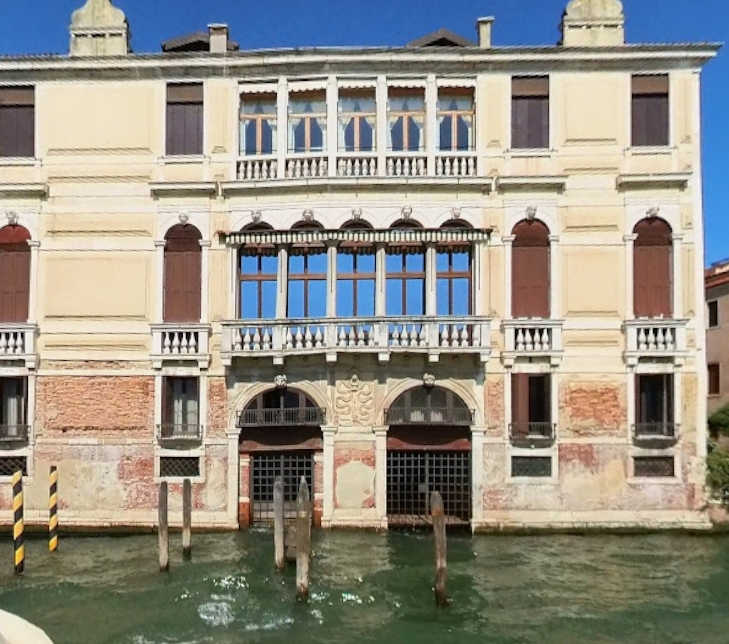
Uno dei luoghi simbolo della vita di Casanova a Venezia è senza dubbio Palazzo Malipiero, situato nel sestiere di San Marco, vicino a Campo San Samuele. Qui il giovane Casanova visse per alcuni anni, ospite della famiglia Malipiero, dopo essere stato espulso dal seminario. Fu proprio in questo palazzo che il futuro libertino iniziò a frequentare salotti aristocratici, avviando la sua scalata sociale. Oggi il palazzo, con la sua elegante facciata affacciata sul Canal Grande, rappresenta un’occasione unica per immaginare la vita quotidiana del Casanova ventenne.

Il Ridotto: Il Regno del Gioco e della Seduzione

Il Ridotto, situato all’interno di Palazzo Dandolo, era il più famoso casinò di Venezia nel XVIII secolo. Questo luogo, frequentato da nobili e ricchi borghesi, era un centro di gioco d’azzardo, intrighi politici e corteggiamenti amorosi. Casanova era un assiduo frequentatore del Ridotto, dove spesso metteva in mostra il suo fascino e la sua abilità di giocatore. Sebbene il Ridotto originale non esista più, il sito è oggi parte dell’Hotel Monaco & Grand Canal, e passeggiando nelle vicinanze si può immaginare l’atmosfera vivace e decadente che permeava queste stanze.

I Piombi: La Fuga Leggendaria

Tra gli episodi più celebri della vita di Casanova vi è la sua fuga dai Piombi, le prigioni situate sotto il tetto di Palazzo Ducale. Arrestato con l’accusa di magia nera e comportamento immorale, Casanova riuscì a evadere nel 1756, diventando l’unica persona a essere mai fuggita da questa prigione. Una visita al Palazzo Ducale è d’obbligo per chi vuole rivivere questa straordinaria impresa. Oggi è possibile esplorare le celle e immaginare l’audacia del giovane libertino mentre pianificava la sua fuga.

Campo Santa Maria Formosa: Teatro di Amori e Intrighi

Questo pittoresco campo, nel cuore di Venezia, è stato testimone di alcune delle avventure amorose di Casanova. Le calli circostanti e le case che si affacciano su questo campo raccontano ancora oggi storie di incontri clandestini e promesse sussurrate. Una passeggiata in questa zona offre l’occasione di immergersi nell’atmosfera romantica e misteriosa che caratterizzava la vita di Casanova.

Le Calli e i Canali: Il Fascino di una Venezia Intima

Oltre ai luoghi specifici, la vera magia di seguire i passi di Casanova sta nell’esplorare le calli e i canali di Venezia, che furono il palcoscenico delle sue avventure. Ogni angolo della città conserva il fascino di un tempo in cui la vita era un intreccio di segreti, maschere e incontri fugaci. Una passeggiata senza una meta precisa permette di riscoprire la Venezia del Settecento, ricca di storia e di suggestioni.

Conclusione

Ripercorrere i luoghi di Giacomo Casanova a Venezia significa non solo scoprire una città unica al mondo, ma anche immergersi nella vita di un uomo che ha saputo trasformare la sua esistenza in una leggenda. Venezia, con la sua bellezza senza tempo e il suo passato intriso di fascino, continua a evocare lo spirito di Casanova, offrendo ai visitatori un viaggio indimenticabile nella storia e nel mito.

Che tu sia un appassionato di storia, un romantico o semplicemente un amante di Venezia, seguire i passi di Casanova ti regalerà un’esperienza unica, fatta di emozioni e scoperte. Non resta che indossare una maschera, lasciarsi trasportare dall’atmosfera veneziana e partire per questa avventura nel tempo.

Giacomo Casanova Anniversary (part 2)

Casanova’s Places in Venice: A Walk in the Footsteps of the Seducer

Giacomo Casanova is one of the most intriguing and fascinating figures of the 18th century, and his Venice is the perfect stage for his amorous, political and social adventures. Exploring the places linked to Casanova’s life means immersing yourself in an era of pomp, intrigue and mystery, discovering a city that still retains the decadent charm of the 18th century.

Palazzo Malipiero: The Residence of the Young Casanova

One of the symbolic places of Casanova’s life in Venice is undoubtedly Palazzo Malipiero, located in the San Marco district, near Campo San Samuele. Here the young Casanova lived for a few years, a guest of the Malipiero family, after being expelled from the seminary. It was in this palace that the future libertine began to frequent aristocratic salons, starting his social climb. Today, the palace, with its elegant façade overlooking the Grand Canal, offers a unique opportunity to imagine the daily life of Casanova in his twenties.

The Ridotto: The Kingdom of Gambling and Seduction

The Ridotto, located inside Palazzo Dandolo, was the most famous casino in Venice in the 18th century. This place, frequented by nobles and wealthy bourgeois, was a center of gambling, political intrigue and amorous courtship. Casanova was a regular at the Ridotto, where he often showed off his charm and gambling skills. Although the original Ridotto no longer exists, the site is now part of the Hotel Monaco & Grand Canal, and a stroll nearby allows you to imagine the lively and decadent atmosphere that permeated these rooms.

The Piombi: The Legendary Escape

One of the most famous episodes in Casanova’s life is his escape from the Piombi, the prisons located under the roof of the Doge’s Palace. Arrested on charges of black magic and immoral behavior, Casanova escaped in 1756, becoming the only person to have ever escaped from this prison. A visit to the Doge’s Palace is a must for those who want to relive this extraordinary feat. Today, you can explore the cells and imagine the audacity of the young libertine as he planned his escape.

Campo Santa Maria Formosa: Theater of Love and Intrigue

This picturesque square, in the heart of Venice, witnessed some of Casanova’s amorous adventures. The surrounding streets and houses overlooking this square still tell stories of clandestine meetings and whispered promises. A walk in this area offers the opportunity to immerse yourself in the romantic and mysterious atmosphere that characterized Casanova’s life.

The Calli and Canals: The Charm of an Intimate Venice

In addition to the specific places, the real magic of following in Casanova’s footsteps lies in exploring the calli and canals of Venice, which were the stage for his adventures. Every corner of the city retains the charm of a time when life was a tangle of secrets, masks and fleeting encounters. A walk without a specific destination allows you to rediscover the Venice of the eighteenth century, rich in history and suggestions.

Conclusion

Retracing the places of Giacomo Casanova in Venice means not only discovering a city unique in the world, but also immersing yourself in the life of a man who knew how to transform his existence into a legend. Venice, with its timeless beauty and its past steeped in charm, continues to evoke the spirit of Casanova, offering visitors an unforgettable journey through history and myth.

Whether you are a history buff, a romantic or simply a lover of Venice, following in Casanova’s footsteps will give you a unique experience, made of emotions and discoveries. All that remains is to put on a mask, let yourself be transported by the Venetian atmosphere and set off on this adventure through time.

Intervista con Kathleen Anne Gonzalez

For the english translation please scroll down the page, thank you !

La Dott.ssa Kathleen Anne Gonzalez è uno dei miei contatti professionali che ho conosciuto di recente. Stavo leggendo un libro su alcuni personaggi interessanti della Venezia del 1700, e non trovavo ulteriori informazioni su un paio di loro, e così mi sono messo alla ricerca di qualcuno che mi potesse aiutare.

Fin da subito la Dott.ssa Gonzalez si è dimostrata di grande aiuto, con entusiasmo mi ha fornito, informazioni, link, che mi servivano per avere una panoramica più esatta di quel periodo storico. Entrambi siamo blogger e amanti della storia e dell’arte, siamo affascinati dal 1700 Veneziano e dai suoi personaggi, e facciamo ricerche su questo nel nostro tempo libero.

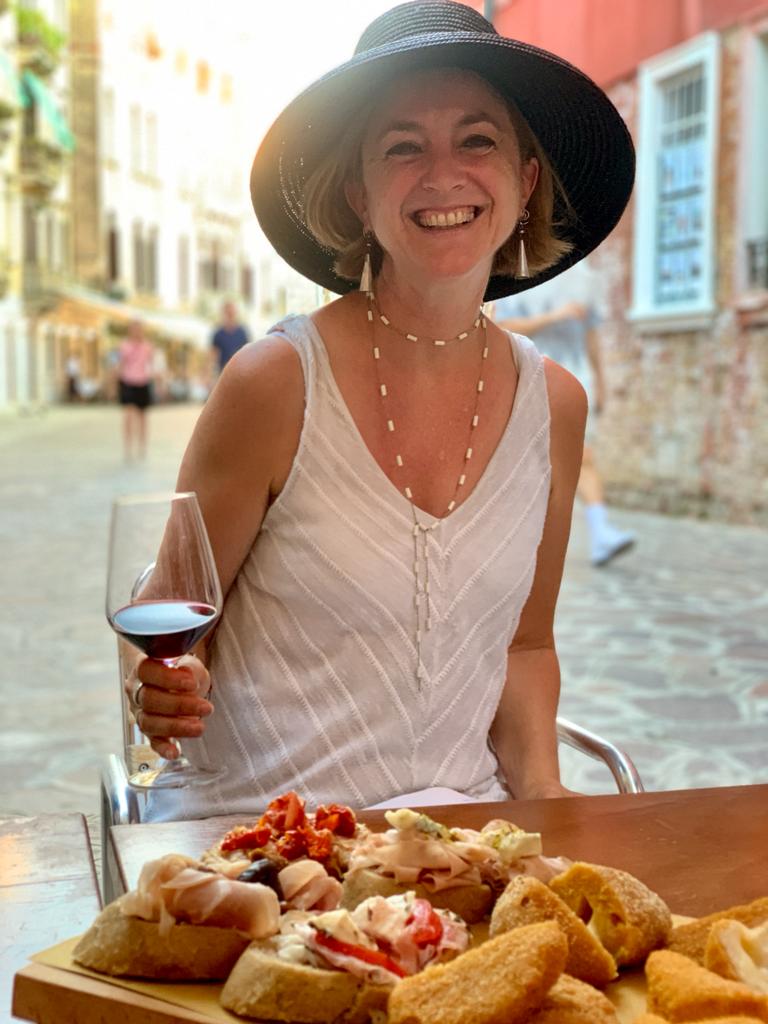
(credito fotografico a Marie Ohanesian Nardin)

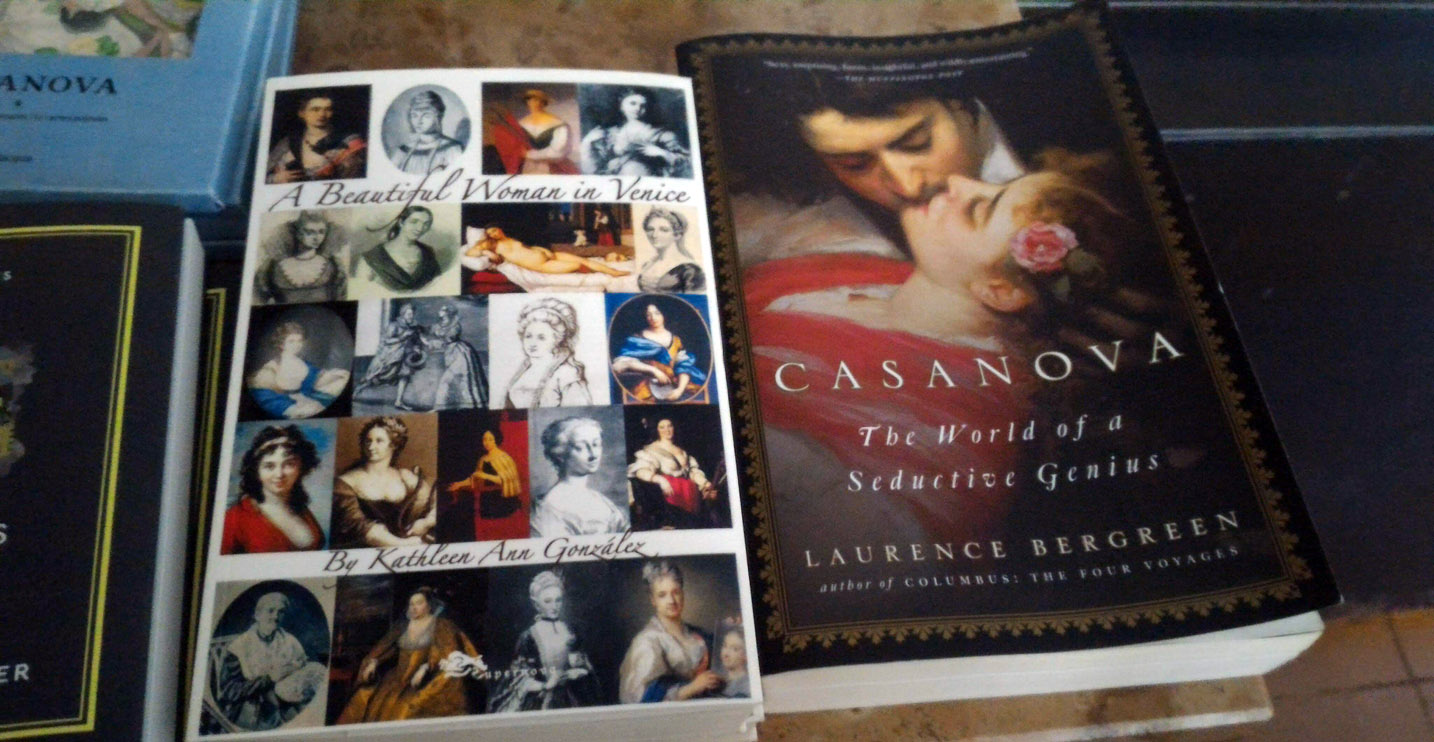
Kathleen è una persona straordinaria, il cui amore per Venezia è senza pari, da quando è arrivata per la prima volte nella città lagunare, ha cominciato a fare ricerche, e ritorna non appena può. Coincidenza incredibile, dopo pochi giorni che abbiamo cominciato a scriverci, lei aveva già programmato un viaggio a Venezia, ed è stato possibile conoscerla di persona. Autrice di molti libri su Venezia, che sono letti in tutto il mondo, ho così scoperto che i volumi “A beautiful woman in Venice” pubblicato nel 2015 e “Casanova’s Venice. A walking guide” (entrambi in inglese e italiano) sono venduti anche nel bookshop del bellissimo museo di Ca’ Rezzonico, Palazzo Ducale, Museo Correr !

(A beautiful woman in Venice nel bookshop del Museo di Ca’ Rezzonico)

Una volta sbarcata a Venezia, ci siamo incontrati per la prima nella sala del Trono al primo piano del meraviglioso museo di Ca’ Rezzonico, dove ci siamo scambiati informazioni sui vari pittori, artisti, e personaggi che riempiono le sale con le loro tele, i loro affreschi, ect.

Nei giorni successivi, in un ritaglio di tempo libero, ci siamo trovati per un’intervista seduti ad un tavolo di un caffè, dove le ho posto delle domande sulla sua attività di ricercatrice / scrittrice :

Come e quando è nato il tuo amore per Venezia?

Ho visitato Venezia per la prima volta nel 1996 quando ho portato lì un gruppo di studenti. Pochi minuti dopo aver visto il Canal Grande e i palazzi, mi ero innamorata profondamente della città e sono tornato più tardi quell’estate. Visito Venezia quasi ogni anno, scopro i suoi musei, negozi, ristoranti, cibo, arte, tradizioni, feste e soprattutto la sua gente.

Cosa ti è piaciuto di più di Venezia nei tuoi viaggi?

Venezia ha un ritmo lento e senza auto, quindi vedo persone tranquille rilassate per le strade. Amo passeggiare per la città per ore e vedere i campi, le barche, gli edifici e i panorami unici. Ogni edificio è così bello, e ovunque guardo sembra un’immagine da cartolina. Mi sento al sicuro a Venezia e i veneziani sono stati molto accoglienti. La storia è ricca e affascinante, con molte persone interessanti da scoprire. Ogni volta che vengo a Venezia scopro qualcosa di nuovo e meraviglioso.

Quali sono i tuoi personaggi preferiti della Venezia del 1700?

Sicuramente la persona che trovo più affascinante del Settecento è Giacomo Casanova, il veneziano più conosciuto come amante ma anche viaggiatore, musicista, spia, scrittore, traduttore e tanto altro. Rosalba Carriera, Anna Maria dal Violin, Luisa Bergalli Gozzi, Caterina Dolfin Tron, Giustiniana Wynne, Giulia Lama, Maria Boscola, Elisabetta Caminer Turra, Isabella Teotochi Albrizzi, Guistina Renier Michiel, Marina Querini Benzon, sono tutte donne di cui ho scritto nel mio libro, e mi sono innamorata di tutte loro! Sono intelligenti, coraggiose, creative, intrepide, forti e talentuose in modi così diversi: artiste, musiciste, traduttrici ed editrici, regatanti, saloniere. Queste donne fanno rivivere il 1700 e ci mostrano diversi aspetti della società veneziana e i contributi che hanno plasmato la società. Voglio che tutti conoscano le loro storie!

Quali e quanti libri hai scritto su Venezia?

Nel 2003 ho pubblicato il libro “Free Gondola Ride” sulla conoscenza dei gondolieri di Venezia. Poi ho scritto una guida ai luoghi di Venezia visitati da Giacomo Casanova, intitolata “Seductive Venice: In Casanova’s Footsteps” e “Casanova’s Venice. A walking guide” (“A Venezia con Casanova. Itinerari e storie nei luoghi frequentati dal famoso seduttore” in italiano). Successivamente, ho compilato le biografie delle donne veneziane dal 1300 al 1900 in “A Beautiful Woman in Venice” e successivamente una breve biografia incentrata su Sarra Copia Sulam intitolata “A Living memory. Immortality for Sarra Copio Sulam“, il poeta e salonniere ebreo. Successivamente ho cambiato direzione e ho curato l’antologia di saggi sull’amore della gente per Venezia, intitolata “First Spritz Is Free“. L’anno scorso ho creato un’altra antologia, che raccoglie storie sull’acqua granda del 2019 e sul blocco della pandemia, intitolata “Venice Rising“. Dono tutti i proventi di queste antologie alle organizzazioni che proteggono e preservano Venezia.

Cosa hai trovato di diverso a Venezia rispetto al tuo viaggio precedente?

Quando ho visitato Venezia quest’estate nel 2021, ho notato che alcuni negozi e ristoranti erano chiusi, ma per fortuna la maggior parte era sopravvissuta alla pandemia. Le navi da crociera sono state bandite, quindi mi sentivo meno in ansia per la sicurezza della città e della Laguna. Ho notato anche nuovi negozi che promuovono prodotti veneziani o pratiche sostenibili, come “Patience”, che punta sul ritmo lento; “Rimani”, che vende all’ingrosso generi alimentari e prodotti per la pulizia; e tanti artigiani che si uniscono per mantenere vive le tradizioni veneziane, come “Bottega Cini” o l’opera di “Monica Cesarato”. Sono così entusiasta di vedere questa nuova energia in città.

Quali posti hai visto questa volta? Nuovi posti o ne hai recensiti alcuni già visti?

In questo viaggio ho incontrato molti artigiani e artigiani tradizionali. Ho visto torchi da stampa alla “Venezia Stampa”, fabbricazione della carta da “Arzanart” e Carteria ai Frari, abiti fatti a mano da “Anatema e Patience”, cappelli e mantelli da Tabarro San Marco, giocattoli di legno da “Signor Blum”, pittura da “Sira Pipa Atelier”, remi e scalmi da “Forcolaio matto”. Per la prima volta ho preso lezioni di voga! Emiliano è stato il mio insegnante a Venice on Board dove ho imparato a remare un topo. Tutti erano così gentili con me e così appassionati del loro lavoro. Ho visitato alcuni dei siti in cui si trovava Casanova; infatti, sono stato sorpreso di vedere che la posizione della “casa Capretta” a Cannaregio ora ha un ristorante chiamato “A La Vecia Papussa”. Ho rivisitato Ca’ Rezzonico, uno dei miei musei preferiti, dove mi piace sempre vedere le opere di Tiepolo, Longhi e Carriera. Ma mi è dispiaciuto molto che “Vizio Virtu” fosse chiuso per ferie: ha il miglior cioccolato! Ogni giorno mangiavo gelato e pasticcini: l’Alaska ha sapori così unici e l’eclair di Marchini Time è il mio preferito!

Quali sono i tuoi progetti professionali per il futuro e tornerai di nuovo a Venezia?

Durante questa visita ho incontrato persone per il mio nuovo progetto, che è quello di intervistare artigiani tradizionali e celebrare il loro lavoro sul mio blog, seductivevenice.wordpress.com. Lo scorso maggio “Monica Cesarato” ha intervistato queste persone per “Live in Venice Week”, e volevo incontrare gli stessi artigiani e portare il loro lavoro a un pubblico più vasto. Inoltre, sto facendo ricerche su Marietta Robusti, la pittrice e figlia di Tintoretto, quindi ho visitato la loro casa e ho visto alcuni dei suoi dipinti, che mi aiuteranno a scrivere il capitolo da aggiungere a una seconda edizione di A beautiful woman in Venice. Ho anche qualche altra idea, come un libro illustrato che mostri la mia collezione di antiche cartoline veneziane, e sto continuando a lavorare sui siti di Casanova a Roma. Ho tanti progetti che mi tengono molto impegnata! Tornerò a Venezia ancora e ancora, se il mio programma di lavoro e il mio budget lo consentono.

Grazie mille Kathleen, vorrei informare tutti i lettori che i tuoi libri sono disponibili nelle librerie veneziane, nei bookshop all’interno dei musei della Fondazione Civici Musei di Venezia: Ca’Rezzonico, Palazzo Ducale e Museo Correr, su Amazon, e direttamente negli Stati Uniti su kathleenanngonzalez.com. Gli ebook sono disponibili anche su Smashwords. Non vedo l’ora che tu ritorni ancora a Venezia, per lavorare magari ad un progetto in comune.

Interview with Kathleen Anne Gonzalez

Dr. Kathleen Anne Gonzalez is one of my professional contacts that I have met recently. I was reading a book about some interesting characters from 1700 Venice, and couldn’t find any further information on a couple of them, so I went looking for someone who could help me.

Right from the start, Dr. Gonzalez proved to be of great help, she enthusiastically provided me with information, links, which I needed to get a more exact overview of that historical period. We are both bloggers and lovers of history and art, we are fascinated by the 1700 Venetian and its characters, and we do research on this in our spare time.

(photo credit to Marie Ohanesian Nardin)

Kathleen is an extraordinary person, whose love for Venice is unparalleled, since she first arrived in the lagoon city, she has begun to do some research, and she returns as soon as she can. Incredible coincidence, after a few days that we started writing to each other, she had already planned a trip to Venice, and it was possible to meet her in person. Author of some beautiful books on Venice, which are read all over the world, I discovered that the volumes “A beautiful woman in Venice” published in 2015 and “Casanova’s Venice. A walking guide” (both in English and Italian) are also sold in the bookshop of the beautiful Ca ‘Rezzonico museum, Doge’s Palace and Correr Museum !

(A beautiful woman in Venice in the Ca’Rezzonico’s bookshop)

How and when your love for Venice was born ?

I first visited Venice in 1996 when I brought a group of students there. Within minutes of seeing the Grand Canal and the palaces, I had fallen deeply in love with the city, and I returned later that summer. I visit Venice nearly every year, getting to know its museums, shops, restaurants, food, art, traditions, festivals, and especially its people.

What did you like most about Venice in your travels ?

Venice has a slow pace and no cars, so I see people I know in the streets. I love to walk around the city for hours and see the unique campi, boats, buildings, and views. Every building is so beautiful, and everywhere I look it seems like a postcard image. I feel safe in Venice, and Venetians have been very welcoming. The history is rich and fascinating, with many interesting people to read about. Every time I come to Venice I discover something new and wonderful.

Who are your favorite characters from 1700 Venice ?

Certainly, the person I find most fascinating from the 18th century is Giacomo Casanova, the Venetian best known as a lover but who was also a traveler, musician, spy, writer, translator, and so much more. Rosalba Carriera, Anna Maria dal Violin, Luisa Bergalli Gozzi, Caterina Dolfin Tron, Giustiniana Wynne, Giulia Lama, Maria Boscola, Elisabetta Caminer Turra, Isabella Teotochi Albrizzi, Giustina Renier Michiel, Marina Querini Benzon–these are all women that I wrote about in my book, and I’m in love with them all! They are smart, courageous, creative, intrepid, strong, and talented in such diverse ways: artists, a musician, translators and publishers, a boat racer, salon hosts. These women bring alive the 1700s and show us diverse aspects of Venetian society and the contributions that shaped the society. I want everyone to know their stories!

Which and how many books have you written about Venice ?

In 2003 I published the book Free Gondola Ride about getting to know Venice’s gondoliers. Then I wrote a guidebook to locations in Venice visited by Giacomo Casanova, titled Seductive Venice in the United States and Casanova’s Venice in Venice (A Venezia con Casanova in Italian). After that, I compiled the biographies of Venetian women from 1300 to 1900 in A Beautiful Woman in Venice, which I then followed with a short biography focused on Sarra Copia Sulam titled A Living Memory, the Jewish poet and salonniere. I changed direction after that and edited the anthology of essays about people’s love for Venice, titled First Spritz Is Free. Last year I created another anthology, this one collecting stories of the 2019 aqua granda and the pandemic lockdown, titled Venice Rising. I donate all proceeds from these anthologies to organizations that protect and preserve Venice.

What did you find different in Venice from your previous trip ?

When visiting Venice this summer in 2021, I noticed that some shops and restaurants had closed, but thankfully most had survived the pandemic. The cruise ships have been banned, so I felt less anxious for the safety of the city and the Lagoon. I also noticed new shops that promote Venetian products or sustainable practices, such as Patience, which focuses on slow fashion; Rimani, which sells food and cleaning items in bulk; and many artisans who are joining together to keep Venetian traditions alive, such as Bottega Cini or the work of Monica Cesarato. I am so excited to see this new energy in the city.

What places have you seen this time? New places or have you reviewed some already seen?

On this trip, I met many traditional crafts people and artisans. I saw printing presses at Venezia Stampa, paper making at Arzanart and Carteria ai Frari, handmade clothing at Anatema and Patience, hats and cloaks at Tabarro San Marco, wooden toys at Signor Blum, painting at Sira Pipa Atelier, and oars and oarlocks at Forcolaio Matto. For the first time, I took rowing lessons! Emiliano was my teacher at Venice on Board where I learned to row a topo. Everyone was so nice to me and so passionate about their work. I visited some of the sites that Casanova was at; in fact, I was surprised to see that the location of the Capretta house in Cannaregio now has a restaurant called A La Vecia Papussa. I revisited Ca’ Rezzonico, one of my favorite museums, where I always enjoy seeing the work of Tiepolo, Longhi and Carriera. But I was very sorry that Vizio Virtu was closed for vacation–she has the best chocolate! Every day I had gelato and pastries–Alaska has such unique flavors and the eclair at Marchini Time is my favorite!

What are your professional projects for the future and will you come back to Venice again ?

On this visit I was meeting people for my new project, which is to interview traditional artisans and celebrate their work on my blog, seductivevenice.wordpress.com. Last May, Monica Cesarato interviewed these folks for Live in Venice Week, and I wanted to meet the same artisans and bring their work to a larger audience. Also, I am doing research on Marietta Robusti, the painter and daughter of Tintoretto, so I visited their house and saw some of his paintings, which will help me write the chapter to add to a second edition of A Beautiful Woman in Venice. I have a few other ideas, too, such as a picture book showing my collection of antique Venetian postcards, and I am continuing work on Casanova sites in Rome. I have so many projects that keep me very busy! I will return to Venice again and again, as my work schedule and budget allow.

Thank you so much Kathleen, I would like to inform everyone that your books are available in Venetian bookstores, at the bookshops of the Civic Museums Fondation of Venice : Ca’Rezzonico Doge’s Palace and Correr Museum, on Amazon, and directly in the United States at kathleenanngonzalez.com. Ebooks are also available at Smashwords. I can’t wait for you to come back to Venice again, perhaps to work on a joint project.

Diventa Giacomo Casanova !

For the english translation please scroll down the page thank you .

giacomo-casanova2Non molto tempo fa sono andato a vedere il museo di Giacomo Casanova di Venezia. In questo articolo vi illustro i motivi per cui vale la pena di visitarlo ! Se si nomina il nome di Giacomo Casanova, subito tutti pensano a lui come il più grande seduttore della storia, ma lui è stato anche avventuriero, scrittore, poeta, alchimista, diplomatico, filosofo, e agente segreto per conto della Serenissima. Un’altro dettaglio molto importante e famoso che ricordiamo di lui,  è stata la memorabile fuga dalle carceri di Palazzo Ducale: I piombi. 

Giacomo Casanova, aveva molti talenti, e grazie a questi e al fatto che si unì alla massoneria, fu in grado di viaggiare per l’Europa, e  di conoscere personaggi molto importanti.  Tramite la massoneria, conobbe Jean-Jasques Rousseau, Voltarie, Madame de Pompadour, Wolfang Amadeus Mozart, Benjamin franklin, Caterina II di Russia, Federico II di Prussia e altri.


Ci furono molte persone influenti che gli permisero di vivere in maniera agiata, tra tutti il patrizio veneziano Matteo Bragadin, che fu soccorso da Casanova, durante un malore. Convinto che lui gli avesse salvato la vita, lo prese sotto la sua protezione. Ma ci furono altri, come la marchesa D’Urfé, nobildonna ricchissima, intrigata dalle doti di Casanova e dalla sua conoscenza di rituali magici.

La sua fuga dai piombi è leggendaria: passò dalla cella alle soffitte, attraverso un buco nel soffitto scavato con un compagno di prigionia, il frate Marino Balbi. Riuscirono a raggiungere il tetto e da li si calarono all’interno del palazzo da un abbaino.  Girovagavano per le stanze, fino a che, furono notati da un passante, che li scambio per degli ospiti rimasti chiusi dentro. Costui chiamò un’addetto di Palazzo per fargli aprire il portone, garantendo loro la fuga.

Ebbene, se il personaggio di Casanova vi affascina così tanto, sappiate che a Venezia in Calle de la Racheta 3764 c’è il suo museo. Avendo sentito nominare questo posto, mi sono recato in visita per saperne di più. Il Museo è bellissimo ! E’ piccolo questo è vero, ma è molto ben spiegato in tutti i suoi dettagli. Inoltre, punto forte del tour, è la realtà virtuale. Per 5 minuti, si ha la possibilità di diventare Giacomo Casanova ! 

C’è una stanza con diverse sedie, e su uno stand, viene offerto un visore e una cuffia, che vi faranno immergere totalmente nella visione. Avendo già provato diverse volte in altri musei questo gadget informatico, non ho esitato, ma non mi sarei mai aspettato di sperimentare qualcosa di così reale ! Il filmato è disponibile in molte lingue, una volta indossato il visore, muovendo la testa si può scegliere la lingua desiderata, dopodiché il filmato parte.

Essendo seduti, spostando la testa si vede un corpo che pensiamo sia il nostro, solo che indossa abiti dell’epoca. Muoviamo la testa, e vediamo veramente le varie location di Venezia. I personaggi che incontrano casanova, si avvicinano, così tanto che ti sembra di toccarli ! Un’esperienza davvero coinvolgente. Il bello del visore, è che dotato di una rotellina per focalizzare bene l’immagine. Inoltre il visore è grande abbastanza da poter essere indossato anche chi ha bisogno di occhiali. 

Il personale che assiste durante la visione della realtà virtuale indossa gli abiti dell’epoca (tutto il personale, anche quello del bookshop) è molto cortese e attento. Mi ricordo una volta che provando la realtà virtuale, non ero seduto su una sedia ma su uno sgabello, e muovendomi, non avevo la percezione della vera realtà e rischiavo di cadere. Tuttavia qui invece, le sedie seppur da regista, danno sicurezza e ribadisco, il personale è sempre pronto ad assistere i visitatori.


Un’altra cosa che mi ha colpito molto della visita è uno specchio, che è dotato di un sensore di movimento, che quando qualcuno passa nel suo raggio d’azione, si anima, e riflette l’immagine di Giacomo Casanova nel suo appartamento che si veste per uscire. Molto bello!

Dall’altra parte dello specchio, troviamo la camera da letto, dove con un’altra serie di trucchi, che sfrutta un gioco di ombre, ci da l’illusione di vedere Casanova con una sua amata che si gettano nel letto!

Tutte le sale hanno descrizioni o filmati che spiegano i vari dettagli o episodi della vita / storia di Giacomo Casanova, e quando si esce si ha una visione completa del celebre avventuriero / seduttore.  Per ultima cosa, ho trovato il bookshop / biglietteria a piano terra che offre delle idee interessanti per dei regali, e visto che natale si sta avvicinando, è un’idea da considerare.

Raccomando a tutti di visitare questo museo, sono sicuro che vi piacerà ! Per trovarlo, non vi spaventate dal fatto che è situato un  po fuori mano, scendete alla fermata “Ca’ D’oro” se prendete la linea 1 del vaporetto. Una volta in strada nuova girate a sinistra. Se avete google maps, consultatelo, o da pc prima di andarci o dal cellulare, lo troverete molto facilmente !

Giacomo Casanova twitter

Become Giacomo Casanova

giacomo-casanova2

Not long ago I went to see the Giacomo Casanova museum in Venice. In this article I will tell you the reasons why it is worth to visit! If you think about the name of Giacomo Casanova, everyone immediately thinks of him as the greatest seducer in history, but he was also an adventurer, writer, poet, alchemist, diplomat, philosopher, and secret agent on behalf of the Serenissima. Another very important and famous detail that we remember of him was the memorable escape from the dungeons of Doge’s Palace: I piombi.

Giacomo Casanova, had many talents, and thanks to these and the fact that he joined the masonry, he was able to travel to Europe, and to know very important people. Through the masonry, he met Jean-Jasques Rousseau, Voltarie, Madame de Pompadour, Wolfang Amadeus Mozart, Benjamin Franklin, Catherine II of Russia, Frederick II of Prussia and others.


There were many influential people who allowed him to live well, among all, the Venetian patrician Matteo Bragadin, who was rescued by Casanova, during a moment of illness. He was so convinced that Giacomo had saved his life, that he took him under his protection. But there were others, like the marquise D’Urfe, a very rich noblewoman, intrigued by Casanova’s talents and his knowledge of magical rituals.

His escape from the leads is legendary: he passed from the cell to the attics, through a hole in the ceiling dug with another inmate, the friar Marino Balbi. They managed to reach the roof and from there fell into the building by a dormer. They roamed through the rooms, until they were noticed by a passerby, who exchanged them for guests who were locked in for mistake. He called a palace attendant to have him open the door, guaranteeing them the escape.

Well, if the character of Casanova fascinate you so much; know that in Venice at Calle de la Racheta 3764 there is his museum. Having heard of this place, I went there to visit. The museum is very beautiful! It’s very small, but it’s very well explained in all its details. Moreover, the tour’s strong point is the virtual reality. For 5 minutes, you have the chance to become Giacomo Casanova himself!

There is a room with several chairs, and on a stand, a visor / viewer and a headphone are offered, which will totally immerse you in the vision. Having already tried this informatic gadget several times in other museums, I didn’t hesitated, but I never expected to experience something so real! The video is available in many languages; once the viewer is worn, moving the head you can choose the desired language, after that the movie starts.

Being seated, when we move our head we see a body that we think it’s ours, only that is wearing clothes of the time. We move our head, and we really see the various locations in Venice. All the characters that meet Casanova, come so close, that you seem to touch them! A truly intriguing experience. The beauty of the viewer, is that it’s equipped with a wheel to focus well the image. In addition, the viewer is large enough to wear it even for those who need glasses.

The staff who assists the visitors, during the vision of virtual reality wear the clothes of the time (all the staff, including the one at the bookshop) is very courteous and attentive. I remember once when I tried the virtual reality elsewhere, I was not sitting on a chair but on a stool, and moving, I did not have the perception of the real world and I was in danger of falling. However, here,  the chairs, are different and they give you more security, and as, I stated before, the staff is always ready to assist you.


Another thing that struck me most of the visit it’s a mirror, which is equipped with a motion sensor, so when someone passes in its range of action, comes alive, and reflects the image of Giacomo Casanova in his apartment while he’s dressing to go out. Very interesting!

On the other side of the mirror, we find the bedroom, where another series of trick, which exploits a play of shadows, gives us the illusion of seeing Casanova with her beloved who are thrown into bed!

All rooms have descriptions or films that explain the various details or episodes of the life / story of Giacomo Casanova, and when you leave you have a complete view of the famous adventurer / seducer. One last thing, I found the bookshop / ticket office on the ground floor that offers interesting ideas for gifts, and since Christmas is approaching, it is an idea to keep in mind.

I recommend everyone to visit this museum, I’m sure you’ll like it! To find it, do not be afraid by the fact that it is located a little out of the way, just get off at the stop “Ca ‘D’oro” if you take the vaporetto line 1. Once in strada nuova turn on the left. If you have google maps, consult it, or from pc before going there or from your mobile, you will find it very easily!

Giacomo Casanova twitter english.png