La Scelta che Supporta Venezia: Con Lorenza Lain, Galerie Bartoux Sceglie un Timone che Conosce e Sostiene Profondamente la Città.

Questo articolo è scritto in Italiano, in Inglese e in Francese, per la traduzione, si prega di scorrere in basso

This article is written in Italian, English and French, for translation, please scroll down

Cet article est écrit en italien, anglais et français, pour la traduction, veuillez faire défiler vers le bas

La Rinascita Culturale di Venezia: Galleria Bartoux e la Scelta Illuminata di Lorenza Lain

Mentre alcune voci critiche sembrano aver accolto con scetticismo l’arrivo della Galleria Bartoux nel cuore pulsante di Venezia, è fondamentale ristabilire la prospettiva e celebrare l’apertura di un nuovo, dinamico polo culturale, guidato da una figura di ineguagliabile spessore e visione: Lorenza Lain. La sua nomina a direttrice non è solo una scelta eccellente, ma il segnale di un’ambizione che intende fondere l’eccellenza globale dell’arte con il tessuto storico e culturale della Serenissima.

Una Direttrice con Visione e Sostanza

Lorenza Lain porta in dote alla Galleria Bartoux un patrimonio di esperienza e competenza che la rende la persona ideale per questo incarico. Laureata in Lingue e Letterature Orientali con un Dottorato di Ricerca in Arte Contemporanea Cinese, la sua formazione unisce una solida base umanistica a una profonda conoscenza del mercato e della gestione d’impresa. Questa duplice anima è stata il segreto del suo successo in quasi 18 anni come Direttore Generale del prestigioso Ca’ Sagredo Hotel.

Il suo impegno per l’arte e la cultura non si limita all’ospitalità di lusso. Dal 2018, Lain è stata nominata nel Consiglio di Amministrazione della Fondazione Musei Civici di Venezia (MUVE), un ruolo che sottolinea la sua dedizione nel valorizzare il grande patrimonio cittadino e nel promuovere un turismo selettivo e legato alla cultura. La sua visione è sempre stata quella di trasformare i luoghi in veri e propri centri di creatività e dialogo.

L’Eredità Culturale di Ca’ Sagredo

Sotto la sua guida, il Ca’ Sagredo Hotel è fiorito in un autentico laboratorio culturale. Lontana dall’essere un semplice albergo, la struttura è diventata un palcoscenico per eventi di alto profilo: ha ospitato convegni, concerti e drammi di Shakespeare, oltre ad aver promosso il Christmas Art Market e aver facilitato il Premio Kinéo (dedicato al cinema), diventandone di fatto la “casa”. La direttrice Lain ha persino organizzato seminari dedicati al mercato cinese per gli hotel di lusso, dimostrando la sua capacità di innovare anche nel settore turistico.

L’apice di questa sensibilità artistica e gestionale si è manifestato con il progetto speciale del 2017/2018: l’installazione monumentale di Lorenzo Quinn, “Support”. Le gigantesche mani che emergevano dal Canal Grande, un’opera d’arte che esaltava la fragilità e la bellezza di Venezia, è stata definita “l’opera d’arte più fotografata al mondo” in occasione della Biennale d’Arte. Questo progetto, nato dalla sua iniziativa, non solo ha portato un dibattito globale a Venezia, ma ha anche elevato Ca’ Sagredo a simbolo di creatività culturale.

Bartoux e il Futuro dell’Arte in Città

Il passaggio di Lorenza Lain ai vertici della Galleria Bartoux è un vibrante punto di svolta. Lain ha già delineato il futuro dello spazio, rivelando l’intenzione di dar vita a un luogo dedicato ad “Arte, cinema, giardino aperto alla città”. Questo annuncio è un segnale forte del suo intento di abbattere le barriere, rendendo la galleria un elemento vitale e accessibile, profondamente intrecciato con la quotidianità e la ricchezza culturale di Venezia.

Affidare la direzione di un nuovo spazio espositivo a una figura che ha dimostrato un talento unico nel coniugare Arte, Management e promozione culturale su scala internazionale è una mossa vincente. Lorenza Lain è la garanzia che la Galleria Bartoux non sarà solo un punto vendita, ma un nuovo e vitale snodo per l’arte contemporanea, destinato a portare lustro e a contribuire positivamente alla scena culturale di Venezia. L’arte ha trovato la sua guida più capace.


The Cultural Rebirth of Venice: Bartoux Gallery and Lorenza Lain’s Enlightened Choice

While some critics seem to have greeted the arrival of the Galleria Bartoux in the beating heart of Venice with skepticism, it is essential to reestablish perspective and celebrate the opening of a new, dynamic cultural hub, led by a figure of unparalleled depth and vision: Lorenza Lain. Her appointment as director is not only an excellent choice, but also a sign of an ambition to blend the global excellence of art with the historical and cultural fabric of the Serenissima.

A Director with Vision and Substance

Lorenza Lain brings a wealth of experience and expertise to the Bartoux Gallery, making her the ideal candidate for this role. With a degree in Oriental Languages ​​and Literature and a PhD in Contemporary Chinese Art, her education combines a solid humanistic foundation with a deep understanding of the market and business management. This dual spirit has been the secret to her success during nearly 18 years as General Manager of the prestigious Ca’ Sagredo Hotel.

Her commitment to art and culture extends beyond luxury hospitality. Since 2018, Lain has been a member of the Board of Directors of the Fondazione Musei Civici di Venezia (MUVE), a role that underscores her dedication to enhancing the city’s rich heritage and promoting selective, culture-focused tourism. His vision has always been to transform places into true centers of creativity and dialogue.

The Cultural Heritage of Ca’ Sagredo

Under his leadership, the Ca’ Sagredo Hotel has blossomed into a true cultural laboratory. Far from being a simple hotel, the structure has become a stage for high-profile events: it has hosted conferences, concerts, and Shakespeare plays, as well as promoting the Christmas Art Market and facilitating the Kinéo Prize (dedicated to cinema), effectively becoming its “home.” Director Lain even organized seminars dedicated to the Chinese market for luxury hotels, demonstrating her ability to innovate in the tourism sector as well.

The pinnacle of this artistic and managerial sensitivity was manifested in the 2017/2018 special project: Lorenzo Quinn’s monumental installation, “Support.” The gigantic hands emerging from the Grand Canal, a work of art that extolled the fragility and beauty of Venice, was called “the most photographed work of art in the world” at the Venice Art Biennale. This project, born of her initiative, not only brought a global debate to Venice but also elevated Ca’ Sagredo to a symbol of cultural creativity.

Bartoux and the Future of Art in the City

Lorenza Lain’s transition to the helm of Galleria Bartoux is a vibrant turning point. Lain has already outlined the space’s future, revealing her intention to create a space dedicated to “Art, cinema, and a garden open to the city.” This announcement is a strong signal of her intent to break down barriers, making the gallery a vital and accessible element, deeply intertwined with the daily life and cultural richness of Venice.

Entrusting the direction of a new exhibition space to someone who has demonstrated a unique talent for combining art, management, and cultural promotion on an international scale is a winning move. Lorenza Lain is the guarantee that the Galleria Bartoux will not just be a retail outlet, but a newA new and vital hub for contemporary art, destined to bring prestige and a positive contribution to Venice’s cultural scene. Art has found its most capable guide.


La renaissance culturelle de Venise : la Galerie Bartoux et le choix éclairé de Lorenza Lain

Si certains critiques semblent avoir accueilli avec scepticisme l’arrivée de la Galleria Bartoux au cœur même de Venise, il est essentiel de relativiser et de célébrer l’ouverture d’un nouveau pôle culturel dynamique, porté par une figure d’une profondeur et d’une vision sans pareilles : Lorenza Lain. Sa nomination à la direction est non seulement un excellent choix, mais témoigne également de l’ambition d’allier l’excellence artistique mondiale au tissu historique et culturel de la Sérénissime.

Une directrice visionnaire et concrète

Lorenza Lain apporte à la Galerie Bartoux sa riche expérience et son expertise, faisant d’elle la candidate idéale pour ce poste. Diplômée en langues et littératures orientales et titulaire d’un doctorat en art contemporain chinois, sa formation allie de solides bases humanistes à une compréhension approfondie du marché et de la gestion d’entreprise. Cette double orientation a été le secret de sa réussite pendant près de 18 ans à la tête du prestigieux hôtel Ca’ Sagredo.

Son engagement pour l’art et la culture va au-delà de l’hôtellerie de luxe. Depuis 2018, Lain est membre du conseil d’administration de la Fondazione Musei Civici di Venezia (MUVE), un rôle qui souligne son engagement à valoriser le riche patrimoine de la ville et à promouvoir un tourisme sélectif et culturel. Sa vision a toujours été de transformer les lieux en véritables centres de créativité et de dialogue.

Le patrimoine culturel de Ca’ Sagredo

Sous sa direction, l’hôtel Ca’ Sagredo est devenu un véritable laboratoire culturel. Loin d’être un simple hôtel, la structure est devenue le théâtre d’événements prestigieux : elle a accueilli des conférences, des concerts et des pièces de Shakespeare, a également promu le Marché de l’art de Noël et a organisé le Prix Kinéo (consacré au cinéma), devenant ainsi son véritable « foyer ». La directrice Lain a même organisé des séminaires dédiés au marché chinois pour l’hôtellerie de luxe, démontrant ainsi sa capacité d’innovation dans le secteur du tourisme.

L’apogée de cette sensibilité artistique et managériale s’est manifestée dans le projet spécial 2017/2018 : l’installation monumentale « Support » de Lorenzo Quinn. Les mains gigantesques émergeant du Grand Canal, œuvre d’art qui exaltait la fragilité et la beauté de Venise, ont été qualifiées d’« œuvre d’art la plus photographiée au monde » à la Biennale d’art de Venise. Ce projet, né de son initiative, a non seulement suscité un débat mondial à Venise, mais a également élevé Ca’ Sagredo au rang de symbole de créativité culturelle.

Bartoux et l’avenir de l’art dans la ville

L’arrivée de Lorenza Lain à la tête de la Galleria Bartoux marque un tournant décisif. Lorenza Lain a déjà esquissé l’avenir de l’espace, révélant son intention de créer un espace dédié à « l’art, le cinéma et un jardin ouvert sur la ville ». Cette annonce est un signal fort de sa volonté de décloisonner la galerie et de faire de celle-ci un élément essentiel et accessible, profondément ancré dans la vie quotidienne et la richesse culturelle de Venise.

Confier la direction d’un nouvel espace d’exposition à une personne ayant démontré un talent unique pour allier art, gestion et promotion culturelle à l’échelle internationale est une décision gagnante. Lorenza Lain est la garantie que la Galleria Bartoux ne sera pas seulement un point de vente, mais un nouveau lieu de rencontre.Un nouveau pôle vital pour l’art contemporain, destiné à apporter prestige et contribution positive à la scène culturelle vénitienne. L’art a trouvé son guide le plus compétent.
Dalí e l’Enigma del Tempo: La Scultura più Surreale del Mondo Sbarca alla galleria Bartoux di Venezia !

Il seguente articolo è scritto in Italiano, Inglese e francese, per le traduzioni scorrere la pagina

The following article is written in Italian, English and French, for translations scroll down the page

L’article suivant est écrit en italien, anglais et français, pour les traductions, faites défiler la page vers le bas


🕰️ L’Orologio Liquefatto di Dalí: Un Tesoro a Venezia che Ti Fa Rivedere il Tempo

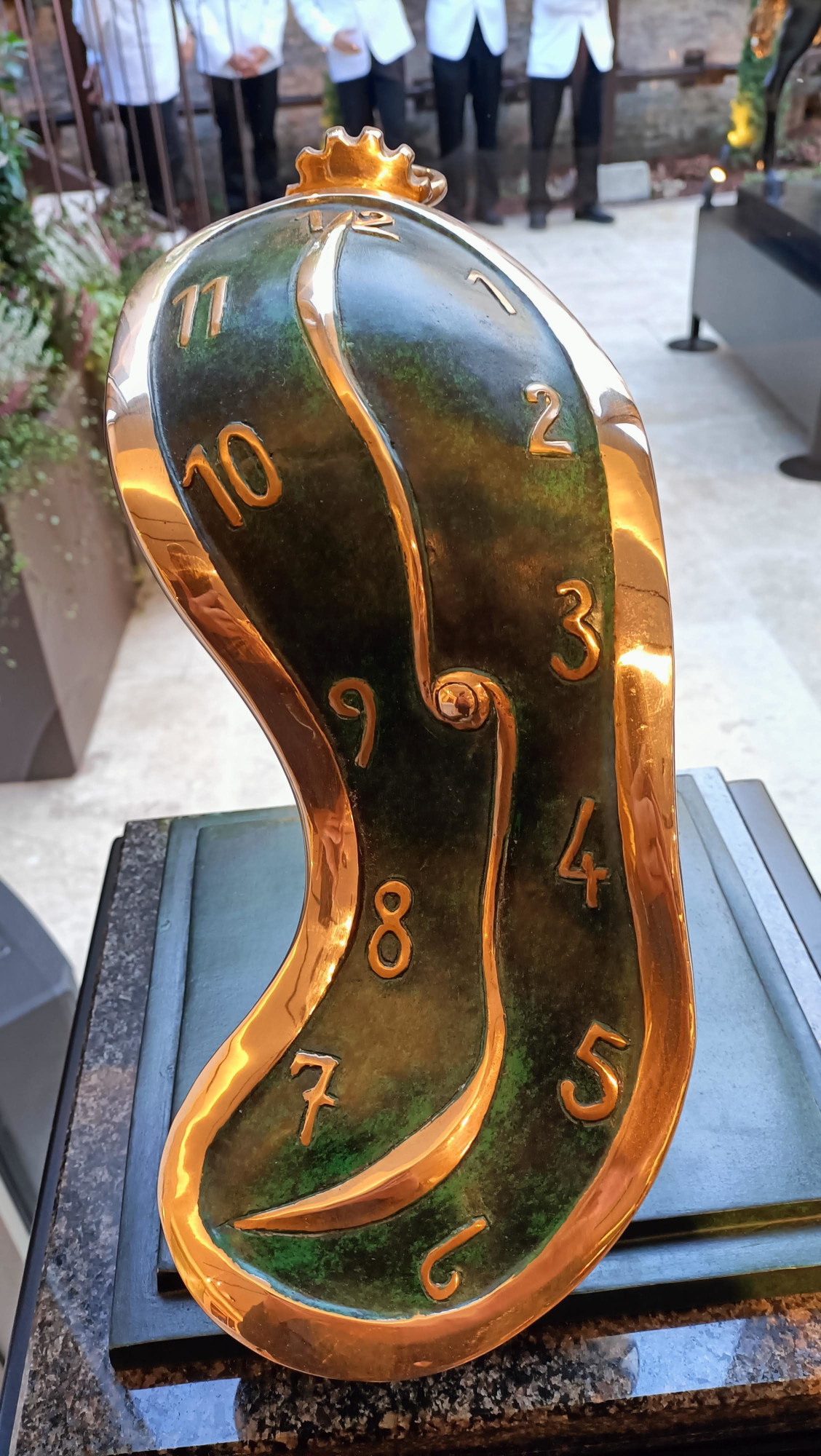
Ehi, immaginate di passeggiare per Venezia, magari con un cicchetto in mano, e di imbattervi in qualcosa di completamente folle e bellissimo. Non sto parlando di un gondoliere che canta l’opera, ma di un’opera d’arte che sembra uscita direttamente da un sogno: l’iconico “Orologio Molle” di Salvador Dalí. Proprio lì, nella sofisticata Galleria Bartoux di Venezia, potrete vedere questa scultura, che non è solo bronzo lucidato, ma un vero e proprio promemoria che il tempo non è affatto come crediamo.


Quando l’Arte Prende Vita da un Formaggio Che Cola!

Quella scultura, che sembra un orologio che si è sciolto al sole (e ha una corona in cima, per la sua regalità), è il simbolo del genio eccentrico di Dalí. Lui è quello che, con i suoi baffi arricciati, ha reso il Surrealismo un fenomeno mondiale. Tutto è nato nel 1931, quando Dalí stava mangiando un pezzo di Camembert che si stava liquefacendo sul tavolo. Quell’immagine banale gli diede l’illuminazione per creare il suo dipinto più famoso, La persistenza della memoria. L’orologio fuso dice una cosa semplice, ma rivoluzionaria: il tempo non è rigido e misurabile, ma fluido, quasi appiccicoso. Avete presente quando siete in vacanza con gli amici? Le ore volano via! E quando siete in coda alla Posta? Sembra di invecchiare lì. L’Orologio Molle è la rappresentazione fisica di questa sensazione: il tempo è elastico e si modella sui nostri sentimenti.


Il Legame con Einstein: Non Serve una Laurea in Fisica!

Ok, so che sentendo “Einstein” e “tempo” pensate subito a formule complicate. Ma il legame è più intuitivo di quanto sembri.

Cosa c’entra un artista spagnolo con un fisico tedesco?

Einstein, con la sua Teoria della Relatività, ci ha detto che l’universo è strano: il tempo non è uguale per tutti. Se viaggiate a velocità pazzesche, il tempo per voi scorre più lentamente che per chi è fermo sulla Terra.

In pratica:

  • Einstein (Scienziato): Il tempo cambia a seconda della velocità dell’osservatore (è relativo).
  • Dalí (Artista): Il tempo cambia a seconda dello stato d’animo dell’osservatore (è soggettivo).

Dalí, pur non avendo creato la sua opera con in mente un calcolo matematico, ha visualizzato perfettamente lo stesso concetto: la nostra percezione della realtà, e del tempo stesso, non è fissa! Guardando la sua scultura, vediamo un’ora che si sta letteralmente piegando, proprio come lo spazio-tempo fa nell’universo di Einstein. È la fisica del sogno tradotta in metallo.


Ricordati Che Non Torna: Il Valore del Tempo Prezioso

Questa scultura è molto più di un bel pezzo d’arte; è un wake-up call. Quando vedete quell’orologio che sta colando, vi ricorda che il tempo scivola via. Dalí usa la forma per trasmetterci un messaggio cruciale sul tempo come risorsa preziosa.

Pensateci bene: in un mondo dove siamo ossessionati dalla velocità, Dalí ci dice “Rallenta, o almeno, senti come scorre il tuo tempo personale”.

  • È fuggevole: Non possiamo afferrarlo, proprio come l’orologio non ha una forma definita e stabile.
  • È memoria: L’orologio si “fonde” e si deforma, ma i numeri restano. Ciò che conta non è la lancetta che avanza, ma le esperienze che si imprimono nella nostra memoria.
  • È vita: L’essere umano cerca di imbrigliare il tempo (con agende, appuntamenti, orari), ma Dalí ci spinge ad accettarne la sua natura liquida e imprevedibile.

La prossima volta che sentite “non ho tempo”, ricordate l’orologio di Dalí: forse state semplicemente vivendo un momento in cui il tempo ha deciso di “sciogliersi” e correre più veloce!

Quindi, se siete a Venezia, fate un salto alla Galleria Bartoux. Osservate l’Orologio Molle. Vi garantisco che uscirete da lì non solo con una foto incredibile, ma con una prospettiva completamente nuova sul vostro bene più prezioso. ✨

Dalí and the Enigma of Time: The Most Surreal Sculpture in the World Arrives at the Bartoux Gallery in Venice!


🕰️ Dalí’s Liquefied Clock: A Treasure in Venice that Makes You See Time Again

Hey, imagine strolling through Venice, perhaps with a cicchetto in hand, and stumbling upon something completely crazy and beautiful. I’m not talking about a gondolier singing opera, but a work of art straight from a dream: Salvador Dalí’s iconic “Molle Watch.” Right there, in the sophisticated Galleria Bartoux in Venice, you can see this sculpture, which is not just polished bronze, but a true reminder that time is not at all what we think.


When Art Takes Life from a Leaky Cheese!

That sculpture, which looks like a watch melting in the sun (and has a crown on top, for its regal grandeur), is the symbol of Dalí’s eccentric genius. He is the one who, with his curled mustache, made Surrealism a worldwide phenomenon. It all began in 1931, when Dalí was eating a piece of Camembert that was melting on the table. That banal image gave him the inspiration to create his most famous painting, The Persistence of Memory. The melted watch says something simple, yet revolutionary: time is not rigid and measurable, but fluid, almost sticky. You know when you’re on vacation with friends? The hours fly by! And when you’re standing in line at the post office? It feels like you’re growing old there. The Soft Watch is the physical representation of this sensation: time is elastic and adapts to our feelings.


The Einstein Connection: You Don’t Need a Physics Degree!

Okay, I know that when you hear “Einstein” and “time,” you immediately think of complicated formulas. But the connection is more intuitive than it seems.

What does a Spanish artist have to do with a German physicist?

Einstein, with his Theory of Relativity, told us that the universe is strange: time is not the same for everyone. If you travel at crazy speeds, time passes more slowly for you than for someone standing still on Earth.

In practice:

  • Einstein (Scientist): Time changes depending on the observer’s speed (it is relative).
  • Dalí (Artist): Time changes depending on the observer’s state of mind (it is subjective).

Dalí, although he didn’t create his work with a mathematical calculation in mind, perfectly visualized the same concept: our perception of reality, and time itself, is not fixed! Looking at his sculpture, we see an hour that is literally bending, just as space-time does in Einstein’s universe. It’s dream physics translated into metal.


Remember That It Doesn’t Add Up: The Value of Precious Time

This sculpture is much more than a beautiful piece of art; it’s a wake-up call. When you see that clock spilling, it reminds you that time slips away. Dalí uses form to convey a crucial message about time as a precious resource.

Think about it: in a world where we are obsessed with speed, Dalí tells us, “Slow down, or at least feel your own time pass.”

  • It’s fleeting: We can’t grasp it, just as the clock has no defined, stable shape.
  • It’s memory: The clock “melts” and deforms, but the numbers remain. What matters is not the advancing hand, but the experiences that are imprinted in our memory.
  • It’s life: Humans try to harness time (with diaries, appointments, schedules), but Dalí pushes us to accept its liquid and unpredictable nature.

Next time you hear “I don’t have time,” remember Dalí’s clock: maybe you’re simply experiencing a moment in which time has decided to “melt” and run faster!

So, if you’re in Venice, stop by the Galleria Bartoux. Check out the Soft Clock. I guarantee you’ll leave not only with an incredible photo, but with a whole new perspective on your most prized possession. ✨

Dalí et l’énigme du temps : la sculpture la plus surréaliste du monde arrive à la Galerie Bartoux à Venise !


🕰️ L’Horloge Liquéfiée de Dalí : Un trésor à Venise qui vous fait revoir le temps

Hé, imaginez-vous flâner dans Venise, un cicchetto à la main, et tomber sur quelque chose de complètement fou et magnifique. Je ne parle pas d’un gondolier chantant un opéra, mais d’une œuvre d’art tout droit sortie d’un rêve : l’emblématique « Montre Molle » de Salvador Dalí. Juste là, dans la sophistiquée Galleria Bartoux de Venise, vous pouvez admirer cette sculpture, qui n’est pas seulement en bronze poli, mais qui nous rappelle avec force que le temps n’est pas du tout ce que nous pensons.


Quand l’art prend vie à partir d’une fuite Fromage !

Cette sculpture, qui ressemble à une montre fondant au soleil (surmontée d’une couronne pour sa majesté), est le symbole du génie excentrique de Dalí. C’est lui qui, avec sa moustache bouclée, a fait du surréalisme un phénomène mondial. Tout a commencé en 1931, alors que Dalí mangeait un morceau de camembert qui fondait sur la table. Cette image banale lui a inspiré son tableau le plus célèbre, La Persistance de la mémoire. La montre fondue exprime quelque chose de simple, mais de révolutionnaire : le temps n’est ni rigide ni mesurable, mais fluide, presque collant. Vous savez, quand vous êtes en vacances avec des amis ? Les heures passent vite ! Et quand vous faites la queue à la poste ? On a l’impression de vieillir. La Montre Souple est la représentation physique de cette sensation : le temps est élastique et s’adapte à nos émotions.


Le lien avec Einstein : nul besoin d’un diplôme de physique !

D’accord, je sais que lorsqu’on entend « Einstein » et « temps », on pense immédiatement à des formules complexes. Mais le lien est plus intuitif qu’il n’y paraît.

Quel est le rapport entre un artiste espagnol et un physicien allemand ?

Einstein, avec sa théorie de la relativité, nous a dit que l’univers est étrange : le temps n’est pas le même pour tous. Si vous voyagez à une vitesse folle, le temps s’écoule plus lentement pour vous que pour quelqu’un immobile sur Terre.

En pratique :

  • Einstein (Scientifique) : Le temps change en fonction de la vitesse de l’observateur (il est relatif).
  • Dalí (Artiste) : Le temps change en fonction de l’état d’esprit de l’observateur (il est subjectif).

Dalí, bien qu’il n’ait pas créé son œuvre avec un calcul mathématique en tête, a parfaitement visualisé le même concept : notre perception de la réalité, et le temps lui-même, ne sont pas fixes ! En regardant sa sculpture, on voit une heure qui se courbe littéralement. Tout comme l’espace-temps dans l’univers d’Einstein. C’est la physique du rêve transposée en métal.>


N’oubliez pas que le compte n’est pas bon : la valeur du temps précieux

Cette sculpture est bien plus qu’une belle œuvre d’art ; c’est un signal d’alarme. Quand vous voyez cette horloge débordante, elle vous rappelle que le temps s’écoule. Dalí utilise la forme pour transmettre un message crucial sur le temps, ressource précieuse.

Pensez-y : dans un monde où la vitesse nous obsède, Dalí nous dit : « Ralentissez, ou du moins sentez votre temps passer. »

  • C’est fugace : Nous ne pouvons le saisir, tout comme l’horloge n’a pas de forme définie et stable.
  • C’est la mémoire : L’horloge « fond » et se déforme, mais les chiffres demeurent. Ce qui compte, ce n’est pas la main qui avance, mais les expériences qui s’impriment dans notre mémoire.
  • C’est la vie : nous essayons de maîtriser le temps (agendas, rendez-vous, plannings), mais Dalí nous pousse à accepter sa nature fluide et imprévisible.

La prochaine fois que vous entendrez « Je n’ai pas le temps », souvenez-vous de l’horloge de Dalí : peut-être vivez-vous simplement un moment où le temps a décidé de « fondre » et de s’accélérer !

Alors, si vous êtes à Venise, arrêtez-vous à la Galleria Bartoux. Découvrez l’horloge souple. Je vous garantis que vous repartirez non seulement avec une photo incroyable, mais aussi avec une toute nouvelle perspective sur votre bien le plus précieux. ✨

Evolution-Involution: 92.000 Cristalli e un Viaggio Alchemico che Non Potete Perdere alla Galleria Bartoux di Venezia!


Il seguente articolo è scritto in Italiano, Inglese e francese, per le traduzioni scorrere la pagina

The following article is written in Italian, English and French, for translations scroll down the page

L’article suivant est écrit en italien, anglais et français, pour les traductions, faites défiler la page vers le bas

Un Viaggio Incantevole nel Cuore della Luce: Scopri l’Arte di Stefano Curto!

Siete pronti a lasciarvi trasportare in un universo di brillantezza, spiritualità e pura meraviglia? Oggi vi portiamo alla scoperta di un artista straordinario e di un’opera che vi lascerà senza fiato: “Evolution-Involution Majestic” di Stefano Curto! Immaginatevi di camminare per le calli di Venezia, la città più magica del mondo, e di imbattervi in qualcosa che vi attira irresistibilmente. Ebbene, sappiate che potete vivere proprio questa esperienza perché alcune opere di Stefano Curto sono esposte alla prestigiosa Galleria Bartoux a Venezia! Un’occasione imperdibile per toccare con gli occhi la sua arte. Ma addentriamoci nel dettaglio di questa gemma scintillante. L’opera nella foto che vi mostriamo, “Evolution-Involution Majestic”, non è un semplice quadro. È un portale verso una dimensione superiore, un vero e proprio capolavoro di Light Art che vi farà brillare gli occhi!

“Evolution-Involution Majestic”: Un Universo in 92.000 Cristalli!

Preparatevi a restare a bocca aperta: “Evolution-Involution Majestic” è realizzata con la bellezza mozzafiato di 92.000 cristalli incastonati su plexiglass! Sì, avete letto bene, quasi centomila frammenti di luce sapientemente disposti a mano per creare un effetto che va oltre la semplice osservazione. Con le sue dimensioni imponenti (Ø 1200 x 20 mm), quest’opera circolare, che fa parte di una collezione privata, cattura lo sguardo e lo trascina in un vortice di blu profondo e bianco abbagliante, costellato di mille scintillii che ricordano una galassia lontana. Non è forse l’immagine più affascinante che abbiate visto?

Chi è l’Alchimista della Luce: Stefano Curto

Dietro a tanta meraviglia c’è la mente geniale di Stefano Curto, un artista italiano nato a Segusino (Treviso) nel 1966. Stefano non è solo un artista visivo; è anche un musicista, e la sua arte è profondamente influenzata dai suoi lunghi viaggi e dalla sua viscerale passione per le gemme. Pensate: un ingegnere meccanico di formazione che si trasforma in un maestro della luce e della spiritualità! Questa fusione di precisione tecnica e visione artistica è ciò che rende il suo lavoro così unico e potente.

https://www.stefanocurto.com/bio

https://www.galeries-bartoux.com/en/artists/curto-stefano/volution-involution-majestic-blue/

“Evolution-Involution”: Il Viaggio Alchemico del “THETArt”

La serie “Evolution-Involution” è il cuore pulsante del lavoro di Curto, un vero e proprio “viaggio alchemico” che lui stesso definisce “THETArt”.

  • La Magia dei Materiali: Immaginate migliaia di cristalli e minerali di diverse dimensioni e colori, assemblati con una pazienza infinita su tele di Plexiglas. L’effetto? Non è solo luce, è pura magia! Le sue opere ricordano le magnifiche vetrate gotiche, dove la luce viene trasformata e filtrata, creando un dialogo tra il caos e l’ordine, il visibile e l’invisibile.
  • Il Simbolismo del Cerchio: Le opere di Curto sono quasi sempre circolari, e non è un caso. Il cerchio è il simbolo universale dell’eternità, della spiritualità, del ciclo infinito di nascita, trasformazione e rinascita. È il fulcro del suo concetto di “Evolution-Involution”: un movimento continuo, un’ascesa e una discesa che ci ricordano la ciclicità della vita e dell’universo.
  • Un’Esperienza Intuitiva: Come ha notato Charlotte Johnson, ex curatrice al Victoria and Albert Museum di Londra, l’arte di Curto è un prisma che ci guida in un momento di pura contemplazione. È un invito a staccare dalla frenesia del mondo esterno, a mettere in pausa i pensieri e a concentrarci su noi stessi. L’artista ci sussurra: “Il pensiero parte dal centro dell’opera. Ruotandoci attorno, studiandolo, comprendendolo profondamente e, infine, tornando al suo centro.” È un’esperienza quasi meditativa, non trovate?

Non Perdetevelo alla Galleria Bartoux!

Se questo viaggio attraverso la luce e il simbolismo vi ha affascinato, non perdete l’occasione di vedere da vicino le opere di Stefano Curto. Vi aspettano alla Galleria Bartoux a Venezia, pronte a regalarvi un’emozione indescrivibile e a farvi riflettere sulla bellezza e sulla profondità dell’esistenza.

Cosa state aspettando? Un pezzo di universo vi aspetta a Venezia! Andate a scoprire la magia di Stefano Curto e lasciatevi avvolgere dalla luce dei suoi cristalli. Vi promettiamo che sarà un’esperienza indimenticabile!

Evolution-Involution: 92,000 Crystals and an Alchemical Journey You Can’t Miss at Galeries Bartoux in Venice!


An Enchanting Journey to the Heart of Light: Discover the Art of Stefano Curto!

Are you ready to be swept away into a universe of brilliance, spirituality, and pure wonder? Today, we are taking you to discover an extraordinary artist and a masterpiece that will leave you breathless: “Evolution-Involution Majestic” by Stefano Curto! Imagine walking the streets of Venice, the most magical city in the world, and stumbling upon something that irresistibly draws you in. Well, you can live that exact experience because some of Stefano Curto’s works are on display at the prestigious Galeries Bartoux in Venice! An unmissable opportunity to witness his art up close. But let’s dive into the details of this sparkling gem. The work in the photo we are showing you, “Evolution-Involution Majestic,” is not just a painting. It is a portal to a higher dimension, a true masterpiece of Light Art that will make your eyes shine!

“Evolution-Involution Majestic”: A Universe in 92,000 Crystals!

Prepare to be amazed: “Evolution-Involution Majestic” is made with the breathtaking beauty of 92,000 crystals set on Plexiglas! Yes, you read that right—nearly a hundred thousand fragments of light expertly arranged by hand to create an effect that goes beyond simple observation. With its striking dimensions (Ø 1200 x 20 mm), this circular work, which belongs to a private collection, captures the gaze and pulls it into a vortex of deep blue and dazzling white, studded with a thousand sparkles reminiscent of a distant galaxy. Isn’t this one of the most mesmerizing images you’ve ever seen?

Who is the Alchemist of Light: Stefano Curto

Behind all this wonder is the brilliant mind of Stefano Curto, an Italian artist born in Segusino (Treviso) in 1966. Stefano is not just a visual artist; he is also a musician, and his art is deeply influenced by his long travels and his visceral passion for gemstones. Think about it: a mechanical engineer by training who transforms into a master of light and spirituality! This fusion of technical precision and artistic vision is what makes his work so unique and powerful.

https://www.stefanocurto.com/bio

https://www.galeries-bartoux.com/en/artists/curto-stefano/volution-involution-majestic-blue/

“Evolution-Involution”: The Alchemical Journey of “THETArt”

The “Evolution-Involution” series is the pulsating heart of Curto’s work, a true “alchemical journey” that he calls “THETArt”.

  • The Magic of Materials: Imagine thousands of crystals and minerals of different sizes and colors, assembled with infinite patience on Plexiglas canvases. The effect? It’s not just light; it’s pure magic! His works recall magnificent Gothic stained-glass windows, where light is transformed and filtered, creating a dialogue between chaos and order, the visible and the invisible.
  • The Symbolism of the Circle: Curto’s works are almost always circular, and this is no accident. The circle is the universal symbol of eternity, spirituality, and the infinite cycle of birth, transformation, and rebirth. It is the core of his “Evolution-Involution” concept: a continuous movement, an ascent and descent that reminds us of the cyclical nature of life and the universe.
  • An Intuitive Experience: As noted by Charlotte Johnson, former curator at the Victoria and Albert Museum in London, Curto’s art functions as a prism that guides us into a moment of pure contemplation. It is an invitation to detach from the frenzy of the outside world, to pause our thoughts, and to focus on ourselves. The artist whispers to us: “Every thought starts from the center of the opera. Revolving around it, studying it, deeply understanding it and, at last, coming back to its center.” It’s an almost meditative experience, don’t you think?

Don’t Miss It at Galeries Bartoux!

If this journey through light and symbolism has captivated you, do not miss the opportunity to see Stefano Curto’s works up close. They await you at Galeries Bartoux in Venice, ready to give you an indescribable emotion and make you reflect on the beauty and depth of existence.

What are you waiting for? A piece of the universe awaits you in Venice! Go discover the magic of Stefano Curto and let yourself be enveloped by the light of his crystals. We promise it will be an unforgettable experience!

Evolution-Involution : 92 000 Cristaux et un Voyage Alchimique à ne pas Manquer à la Galerie Bartoux de Venise !


Un Voyage Enchanteur au Cœur de la Lumière : Découvrez l’Art de Stefano Curto!

Êtes-vous prêts à vous laisser emporter dans un univers de brillance, de spiritualité et d’émerveillement pur ? Aujourd’hui, nous vous emmenons à la découverte d’un artiste extraordinaire et d’une œuvre qui vous coupera le souffle : « Evolution-Involution Majestic » de Stefano Curto ! Imaginez-vous marcher dans les ruelles de Venise, la ville la plus magique du monde, et tomber sur quelque chose qui vous attire irrésistiblement. Eh bien, sachez que vous pouvez vivre exactement cette expérience, car certaines œuvres de Stefano Curto sont exposées à la prestigieuse Galerie Bartoux à Venise ! Une occasion à ne pas manquer de voir son art de près. Mais plongeons dans les détails de ce joyau scintillant. L’œuvre sur la photo que nous vous montrons, « Evolution-Involution Majestic », n’est pas un simple tableau. C’est un portail vers une dimension supérieure, un véritable chef-d’œuvre de Light Art qui fera briller vos yeux !

« Evolution-Involution Majestic » : Un Univers en 92 000 Cristaux !

Préparez-vous à être éblouis : « Evolution-Involution Majestic » est réalisée avec la beauté époustouflante de 92 000 cristaux incrustés sur du plexiglas ! Oui, vous avez bien lu, près de cent mille fragments de lumière savamment disposés à la main pour créer un effet qui va au-delà de la simple observation. Avec ses dimensions imposantes (Ø 1200 x 20 mm), cette œuvre circulaire, qui fait partie d’une collection privée, captive le regard et l’entraîne dans un tourbillon de bleu profond et de blanc éclatant, parsemé de mille étincelles rappelant une galaxie lointaine. N’est-ce pas l’image la plus fascinante que vous ayez vue ?

Qui est l’Alchimiste de la Lumière : Stefano Curto

Derrière tant de merveille se cache l’esprit génial de Stefano Curto, un artiste italien né à Segusino (Trévise) en 1966. Stefano n’est pas seulement un artiste visuel ; il est aussi musicien, et son art est profondément influencé par ses longs voyages et sa passion viscérale pour les pierres précieuses. Pensez-y : un ingénieur mécanicien de formation qui se transforme en maître de la lumière et de la spiritualité ! Cette fusion de précision technique et de vision artistique est ce qui rend son travail si unique et puissant.

https://www.stefanocurto.com/bio

https://www.galeries-bartoux.com/en/artists/curto-stefano/volution-involution-majestic-blue/

« Evolution-Involution » : Le Voyage Alchimique du « THETArt »

La série « Evolution-Involution » est le cœur battant du travail de Curto, un véritable « voyage alchimique » qu’il définit lui-même comme le « THETArt ».

  • La Magie des Matériaux : Imaginez des milliers de cristaux et de minéraux de différentes tailles et couleurs, assemblés avec une patience infinie sur des toiles de Plexiglas. L’effet ? Ce n’est pas seulement de la lumière, c’est de la pure magie ! Ses œuvres rappellent les magnifiques vitraux gothiques, où la lumière est transformée et filtrée, créant un dialogue entre le chaos et l’ordre, le visible et l’invisible.
  • Le Symbolisme du Cercle : Les œuvres de Curto sont presque toujours circulaires, et ce n’est pas un hasard. Le cercle est le symbole universel de l’éternité, de la spiritualité et du cycle infini de la naissance, de la transformation et de la renaissance. C’est le pivot de son concept d’« Evolution-Involution » : un mouvement continu, une ascension et une descente qui nous rappellent la cyclicité de la vie et de l’univers.
  • Une Expérience Intuitive : Comme l’a noté Charlotte Johnson, ancienne conservatrice au Victoria and Albert Museum de Londres, l’art de Curto fonctionne comme un prisme qui nous guide vers un moment de pure contemplation. C’est une invitation à se détacher de la frénésie du monde extérieur, à mettre nos pensées en pause et à nous concentrer sur nous-mêmes. L’artiste nous murmure : « Chaque pensée part du centre de l’œuvre. Tourner autour, l’étudier, le comprendre profondément et, enfin, revenir à son centre. » N’est-ce pas une expérience quasi méditative ?

Ne la Manquez pas à la Galerie Bartoux !

Si ce voyage à travers la lumière et le symbolisme vous a fasciné, ne manquez pas l’occasion de voir les œuvres de Stefano Curto de près. Elles vous attendent à la Galerie Bartoux à Venise, prêtes à vous offrir une émotion indescriptible et à vous faire réfléchir sur la beauté et la profondeur de l’existence.

Qu’attendez-vous ? Un morceau d’univers vous attend à Venise ! Allez découvrir la magie de Stefano Curto et laissez-vous envelopper par la lumière de ses cristaux. Nous vous promettons que ce sera une expérience inoubliable !


Venezia si trasforma in un sogno surrealista: le Galeries Bartoux inaugurano nell’ex Cinema Accademia la Gallerie Bartoux!

Il seguente articolo è scritto in Italiano, Inglese e francese, per le traduzioni scorrere la pagina

The following article is written in Italian, English and French, for translations scroll down the page

L’article suivant est écrit en italien, anglais et français, pour les traductions, faites défiler la page vers le bas

Venezia risorge nell’arte: Galeries Bartoux, Dalí e l’ex Cinema Accademia diventano magia

Se pensavate che Venezia avesse già mostrato tutte le sue meraviglie, preparatevi a restare a bocca aperta. È nata una nuova stella nel firmamento dell’arte contemporanea: “Galeries Bartoux” ha aperto la sua prima sede italiana nell’ex Cinema Accademia a Dorsoduro – un luogo che per decenni è stato il cuore pulsante del cinema d’essai veneziano – e lo ha trasformato in qualcosa di epico, di sensoriale, di profondamente emozionante.

Chi sono le Galeries Bartoux

Da più di trent’anni le Bartoux sono sinonimo di ricerca estetica, di audacia creativa, di spazi eleganti dove l’arte non è solo da guardare, ma da vivere. Fondate da Robert & Isabelle Bartoux nel 1993, hanno ampliato la loro presenza globale con gallerie a Parigi, Londra, Miami, New York, Monaco, Singapore… tutte accomunate dallo stile Bartoux: un mix raffinato fra grandi maestri consolidati (scultori, pittori, street‑artists) e giovani talenti emergenti. Bartoux non è solo esposizione: è esperienza. Realtà aumentata, spazi immersivi, dialogo fra arte, architettura, design. Ogni galleria è vetrina prestigiosa ma anche luogo d’innamoramento estetico.

Venezia: l’ex Cinema Accademia come palco di un sogno

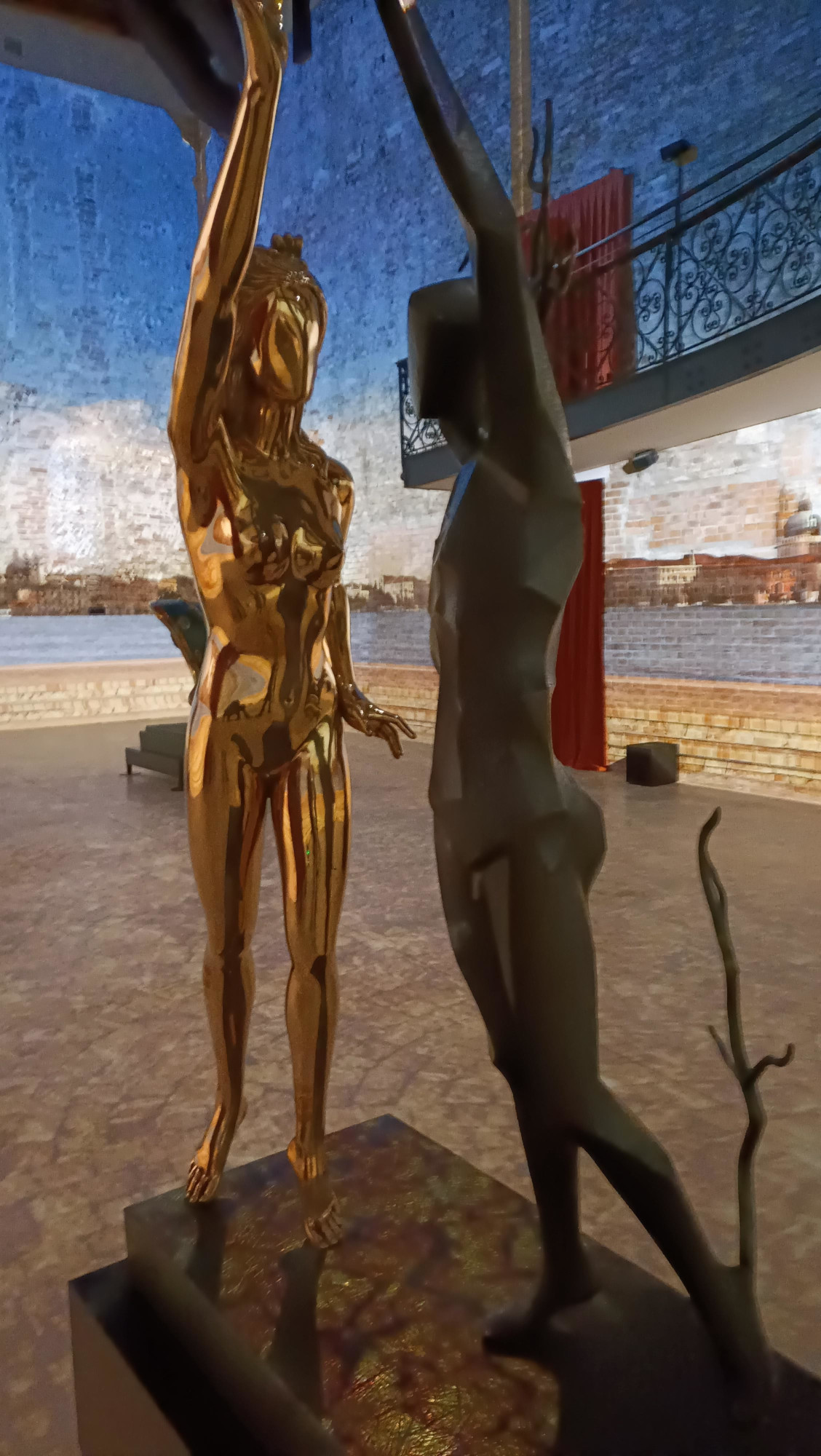
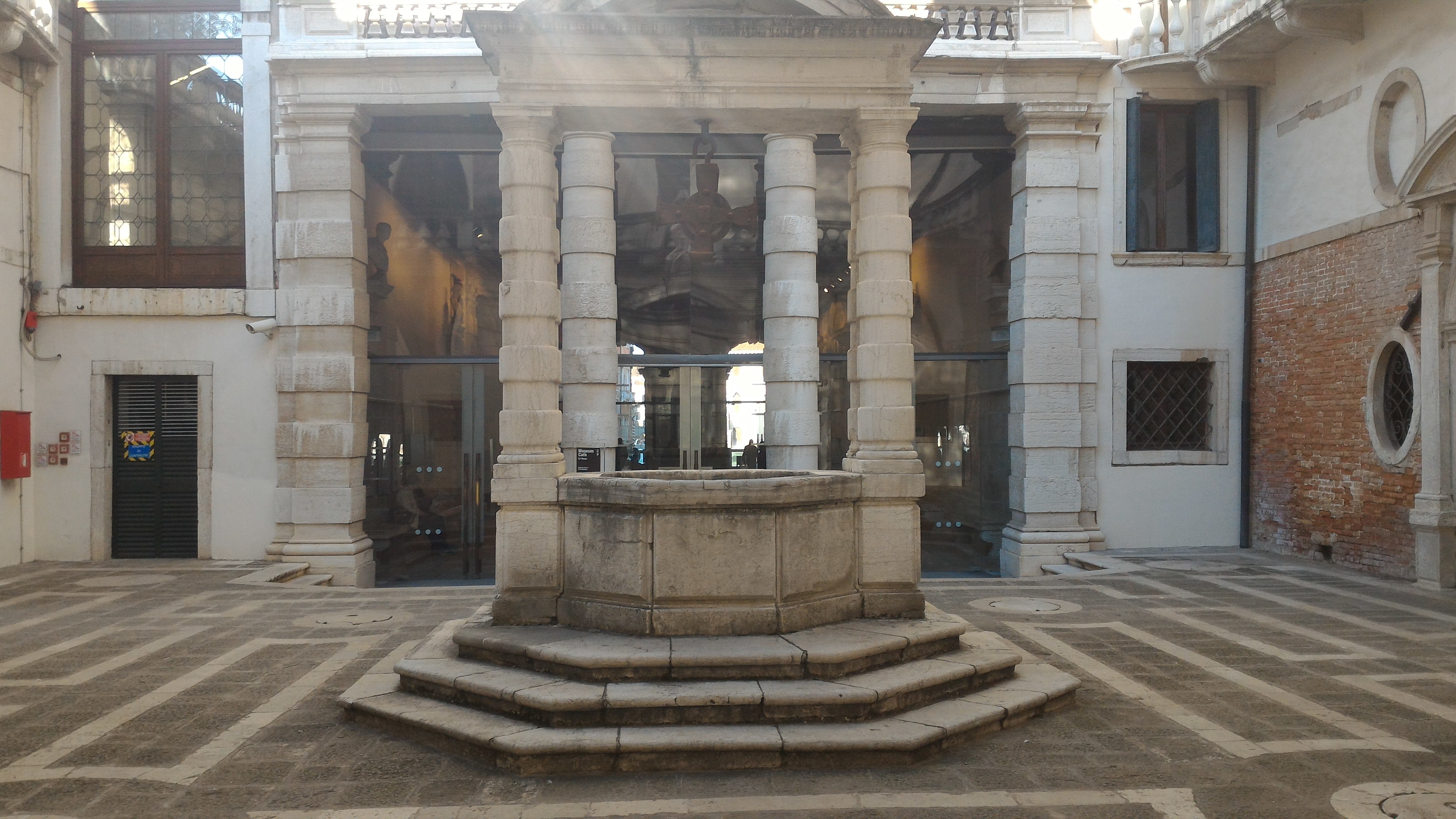
Immaginate: un cinema storico, chiuso nel 2002, con le sue sedute, il buio, il fascino retrò, che si risveglia in una veste nuova. Le pareti, il soffitto, le volte – perfino il pavimento – ora diventano tele immense, coinvolgenti, capaci di trasportare lo spettatore dentro un sogno. L’ex Cinema Accademia, attivo dal 1928, e costruito su un teatro del XVI secolo, è stato restaurato con grande attenzione al passato, ma proiettato verso il futuro. Lo spazio è di circa 1.200 m²: sale espositive, un cinema immersivo di 500 metri quadrati con un’altezza di circa 12 metri (cioè puoi guardare in alto, sentirti “avvolto” dal racconto), un “Café des Arts” curato da Le Marcandole, un giardino privato di sculture. Il concept si chiama Bartoux Experience: arte, design, tecnologia, comunità, emozione.

Dalí è Venezia: surrealismo in mostra, immersività e incanto

Il grande protagonista dell’apertura è Salvador Dalí. Bartoux collabora con Dalí Universe per presentare la mostra “Dalí è Venezia”. Sarà una selezione di sculture, dipinti, litografie del maestro del Surrealismo. Ma non è tutto: al contempo verrà inaugurato il cinema immersivo con una produzione video inedita, intitolata Una Serenissima come sogno surreale di Salvador Dalí. Un’esperienza che non si limita al contemplare, ma che avvolge lo spettatore, lo trasforma in protagonista. Dalí ebbe legami reali con Venezia: partecipò alla Biennale del 1954, creò un poster per Piazza San Marco nel 1976, dipinse “Othello rêvant de Venise” nel 1982. Questi riferimenti rendono l’omaggio “Dalí è Venezia” non solo bello, ma toccante, come se la città stessa fosse chiamata a dialogare con il suo visitatore attraverso il surrealismo.

🎶 Musica, magie, folla: una serata da sogno

E qui entra il cuore emozionale dell’evento: l’inaugurazione non è stata una semplice cerimonia, ma un’esperienza totale. Il locale gremito, un fermento nell’aria. Sulle terrazze o attici, violiniste in abito elegante che si librano sulle note, invitano l’udito a sposarsi con la vista, la pelle, il respiro. Immaginate: note dolci che risuonano mentre proiezioni immersive avvolgono le pareti, figure surreali che prendono vita e la città lagunare che si riflette in ogni quadro, ogni scultura. La folla? Decine, centinaia, fuori veneziani entusiasti, curiosi di passaggio, dentro appassionati d’arte, famiglie, influencers, critici. Un vero successo: applausi, ammirazione, commenti meravigliati. Tutto avvolto da luci, riflessi, texture, suoni di violini che sembravano sospesi nel cielo di Venezia.

🌟 Tecnologia già vista altrove, ma reinventata a Venezia

L’uso dell’esperienza immersiva (video, proiezioni, spazi che trasformano la percezione) non è del tutto nuovo per Bartoux: spiegazioni, anticipazioni parlano di realtà aumentata, virtual galleries, innovazioni similari. Ma la vera novità è come queste tecnologie siano integrate qui, nell’ex Cinema Accademia: l’altezza del soffitto, la grande volumetria, la storia dello spazio (cinema / teatro) rendono tutto perfetto per proiezioni immersive, suoni riverberanti, giochi fra luce e architettura.

✅ Risultato: un successo che promette continuità

L’inaugurazione è stata già segnata come una serata memorabile: ottima affluenza, entusiasmo vero, critica positiva. “Dalí è Venezia” non è solo una mostra, ma una promessa: che Bartoux abbia restituito alla città un luogo di cultura, ma anche di comunità, di gioia, di stupore. Che l’arte possa catturare non solo lo sguardo, ma il cuore. E che questa nuova casa dell’arte abbia già cominciato a vivere, a respirare, a emozionare.

Venice transforms into a surrealist dream: the Galeries Bartoux inaugurate the Gallerie Bartoux in the former Cinema Accademia!

Venice resurfaces in art: Galeries Bartoux, Dalí, and the former Cinema Accademia become magical

If you thought Venice had already shown all its wonders, prepare to be amazed. A new star has been born in the firmament of contemporary art: “Galeries Bartoux” has opened its first Italian location in the former Cinema Accademia in Dorsoduro—a place that for decades was the beating heart of Venetian arthouse cinema—and has transformed it into something epic, sensorial, and profoundly moving.

Who are Galeries Bartoux

For more than thirty years the Bartoux have been synonymous with aesthetic research, creative audacity, elegant spaces where art is not just to be looked at, but to be experienced. Founded by Robert & Isabelle Bartoux, founded in 1993, has expanded their global presence with galleries in Paris, London, Miami, New York, Monaco, and Singapore—all sharing the Bartoux style: a refined blend of established masters (sculptors, painters, and street artists) and emerging young talents. Bartoux isn’t just an exhibition: it’s an experience. Augmented reality, immersive spaces, and a dialogue between art, architecture, and design. Each gallery is a prestigious showcase but also a place of aesthetic romance.

Venice: the former Cinema Accademia as the stage for a dream

Imagine: a historic cinema, closed in 2002, with its seats, darkness, and retro charm, awakening in a new guise. The walls, the ceiling, the vaults—even the floor—now become immense, engaging canvases, capable of transporting the viewer into a dream. The former Cinema Accademia, open since 1928 and built on a 16th-century theater, has been restored with great attention to the past, but with a focus on the future. The space is approximately 1,200 m²: exhibition halls, a 500-square-meter immersive cinema about 12 meters high (so you can look up and feel “enveloped” by the story), a “Café des Arts” curated by Le Marcandole, and a private sculpture garden. The concept is called Bartoux Experience: art, design, technology, community, emotion.

Dalí is Venice: surrealism on display, immersion and enchantment

The star of the opening is Salvador Dalí. Bartoux collaborates with Dalí Universe to present the exhibition “Dalí is Venice.” It will feature a selection of sculptures, paintings, and lithographs by the master of Surrealism. But that’s not all: at the same time, the immersive cinema will be inaugurated with a new video production, entitled “A Serenissima as a Surreal Dream by Salvador Dalí.” An experience that isn’t limited to contemplation, but envelops the viewer, transforming them into protagonists. Dalí had real ties to Venice: he participated in the 1954 Biennale, created a poster for PiazZa San Marco in 1976, he painted “Othello rêvant de Venise” in 1982. These references make the homage “Dalí is Venice” not only beautiful, but touching, as if the city itself were called to dialogue with its visitor through surrealism.

🎶 Music, magic, crowd: a dream evening

And here comes the emotional heart of the event: the inauguration wasn’t just a simple ceremony, but a total experience. The venue was packed, a buzz in the air. On terraces or attics, elegantly dressed violinists soar to the music, inviting the ear to marry the sight, the skin, the breath. Imagine: sweet notes resonating while immersive projections envelop the walls, surreal figures coming to life, and the lagoon city reflected in every painting, every sculpture. The crowd? Dozens, hundreds, enthusiastic Venetians outside, curious passers-by, art lovers, families, influencers, and critics inside. A true success: applause, admiration, and amazed comments. All wrapped in lights, reflections, textures, and the sounds of violins that seemed suspended in the Venetian sky.

🌟 Technology already seen elsewhere, but reinvented in Venice

The use of immersive experiences (videos, projections, spaces that transform perception) is not entirely new to Bartoux: explanations and previews speak of augmented reality, virtual galleries, and similar innovations. But the real innovation is how these technologies are integrated here, in the former Cinema Accademia: the height of the ceiling, the large volume, the history of the space (cinema/theater) make everything perfect for immersive projections, reverberating sounds, and interplays of light and architecture.

✅ Result: a success that promises continuity

The inauguration has already been marked as a memorable evening: excellent A turnout, genuine enthusiasm, and positive reviews. “Dalí is Venice” isn’t just an exhibition, it’s a promise: that Bartoux has given the city a place of culture, but also of community, joy, and wonder. That art can capture not only the eye, but the heart. And that this new home of art has already begun to live, breathe, and excite.

Venise se transforme en rêve surréaliste : les Galeries Bartoux inaugurent la Gallerie Bartoux dans l’ancien Cinéma Accademia !

Venise refait surface dans l’art : les Galeries Bartoux, Dalí et l’ancien Cinéma Accademia deviennent magiques

Si vous pensiez que Venise avait déjà dévoilé toutes ses merveilles, préparez-vous à être émerveillé. Une nouvelle étoile est née au firmament de l’art contemporain : les Galeries Bartoux ont ouvert leur premier espace italien dans l’ancien Cinéma Accademia de Dorsoduro, un lieu qui fut pendant des décennies le cœur battant du cinéma d’art et d’essai vénitien, et l’ont transformé en un lieu épique, sensoriel et profondément émouvant.

Qui sont les Galeries Bartoux ?

Depuis plus de trente ans, la maison Bartoux est synonyme de recherche esthétique, d’audace créative et d’espaces élégants où l’art ne se contente pas d’être regardé, mais s’expérimente. Fondée par Robert & Fondée en 1993, Isabelle Bartoux a étendu sa présence internationale avec des galeries à Paris, Londres, Miami, New York, Monaco et Singapour, toutes partageant le style Bartoux : un mélange raffiné de maîtres reconnus (sculpteurs, peintres et street artistes) et de jeunes talents émergents. Bartoux n’est pas seulement une exposition : c’est une expérience. Réalité augmentée, espaces immersifs et dialogue entre art, architecture et design. Chaque galerie est une vitrine prestigieuse, mais aussi un lieu de romance esthétique.

Venise : l’ancien Cinéma Accademia, théâtre d’un rêve

Imaginez : un cinéma historique, fermé en 2002, avec ses fauteuils, son obscurité et son charme rétro, se réveille sous un nouveau jour. Les murs, le plafond, les voûtes, et même le sol, deviennent désormais d’immenses toiles captivantes, capables de transporter le spectateur dans un rêve. L’ancien Cinéma Accademia, ouvert depuis 1928 et construit sur un théâtre du XVIe siècle, a été restauré avec une grande attention portée au passé, mais avec une attention particulière portée à l’avenir. L’espace d’environ 1 200 m² comprend des salles d’exposition, un cinéma immersif de 500 m² à environ 12 mètres de hauteur (pour que vous puissiez lever les yeux et vous sentir enveloppé par l’histoire), un « Café des Arts » organisé par Le Marcandole, et un jardin de sculptures privé. Le concept s’appelle Bartoux Experience : art, design, technologie, communauté, émotion.

Dalí est Venise : le surréalisme exposé, immersion et enchantement

La star du vernissage est Salvador Dalí. Bartoux collabore avec Dalí Universe pour présenter l’exposition « Dalí is Venice ». Elle présentera une sélection de sculptures, de peintures et de lithographies du maître du surréalisme. Mais ce n’est pas tout : parallèlement, le cinéma immersif sera inauguré avec une nouvelle production vidéo intitulée « Une Sérénissime comme rêve surréaliste de Salvador Dalí ». Une expérience qui ne se limite pas à la contemplation, mais enveloppe le spectateur, le transformant en protagoniste. Dalí entretenait des liens étroits avec Venise : il a participé à la Biennale de 1954, créé une affiche pour la place Saint-Marc en 1976, peint « Othello rêvant de Veni » (Othello, le rêveur de Venise) la même année et créé « Le Secret de Venise ».Après avoir quitté San Marco en 1976, il peint « Othello rêvant de Venise » en 1982. Ces références rendent l’hommage « Dalí est Venise » non seulement beau, mais touchant, comme si la ville elle-même était appelée à dialoguer avec son visiteur à travers le surréalisme.

🎶 Musique, magie, foule : une soirée de rêve

Et voici le cœur émotionnel de l’événement : l’inauguration n’était pas une simple cérémonie, mais une expérience à part entière. La salle était pleine à craquer, l’ambiance était palpable. Sur les terrasses ou les greniers, des violonistes élégamment vêtus s’élancent au rythme de la musique, invitant l’oreille à épouser la vue, la peau, le souffle. Imaginez : de douces notes résonnent tandis que des projections immersives enveloppent les murs, des figures surréalistes prennent vie, et la ville lagunaire se reflète dans chaque tableau, chaque sculpture. La foule ? Des dizaines, des centaines : des Vénitiens enthousiastes à l’extérieur, des passants curieux, des amateurs d’art, des familles, des influenceurs et des critiques à l’intérieur. Un véritable succès : applaudissements, admiration et commentaires émerveillés. Le tout enveloppé de lumières, de reflets, de textures et du son des violons qui semblait suspendu dans le ciel vénitien.

🌟 Une technologie déjà vue ailleurs, mais réinventée à Venise

L’utilisation d’expériences immersives (vidéos, projections, espaces transformant la perception) n’est pas une nouveauté pour Bartoux : explications et aperçus évoquent la réalité augmentée, les galeries virtuelles et autres innovations similaires. Mais la véritable innovation réside dans la manière dont ces technologies sont intégrées ici, dans l’ancien Cinéma Accademia : la hauteur sous plafond, le volume important et l’histoire du lieu (cinéma/théâtre) se prêtent parfaitement aux projections immersives, aux sons réverbérants et aux jeux de lumière et d’architecture.

✅ Résultat : un succès qui promet la continuité

L’inauguration a déjà été marquée par une soirée mémorable : une excellente affluence, un enthousiasme sincère et des critiques positives. « Dalí est Venise » n’est pas seulement une exposition, c’est une promesse : Bartoux a offert à la ville un lieu de culture, mais aussi de convivialité, de joie et d’émerveillement. Que l’art puisse captiver non seulement les yeux, mais aussi le cœur. Et ce nouveau foyer de l’art a déjà commencé à vivre, à respirer et à s’animer.

Quando la seduzione incontra il set: Casanova rivive al Mocenigo in immagini e stoffe

Scopri l’Eredità Affascinante di Casanova a Palazzo Mocenigo: Una Mostra che Ti Conquisterà!

Ciao a tutti, appassionati di storia, arte e cinema! Immaginate di camminare tra le sale di un antico palazzo veneziano, circondati da costumi sfavillanti, ritratti misteriosi e storie che sembrano uscite da un film. Beh, non è un sogno: sto parlando della nuova, imperdibile mostra “Casanova 1725-2025: L’eredità di un mito tra storia, arte e cinema” al Museo di Palazzo Mocenigo. Aperta dal 29 agosto al 2 novembre 2025, questa esposizione celebra i 300 anni dalla nascita di Giacomo Casanova, quel leggendario avventuriero veneziano che ha incantato (e scandalizzato) il mondo con le sue memorie. Se siete a Venezia o state pianificando un viaggio, questa è l’occasione perfetta per immergervi in un’epoca di intrighi, passioni e genio creativo. Ve lo dico subito: uscirne indifferenti è impossibile!

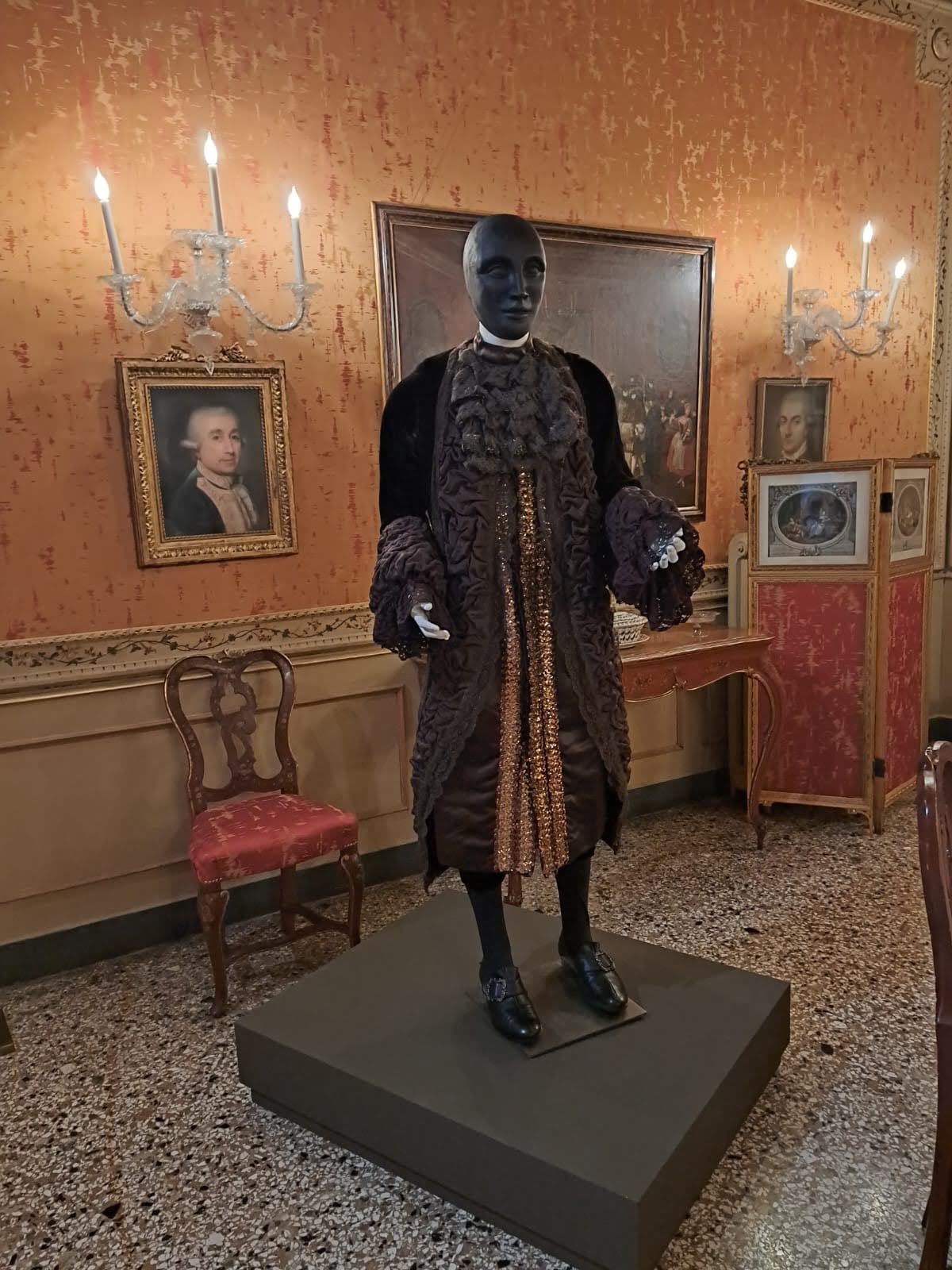
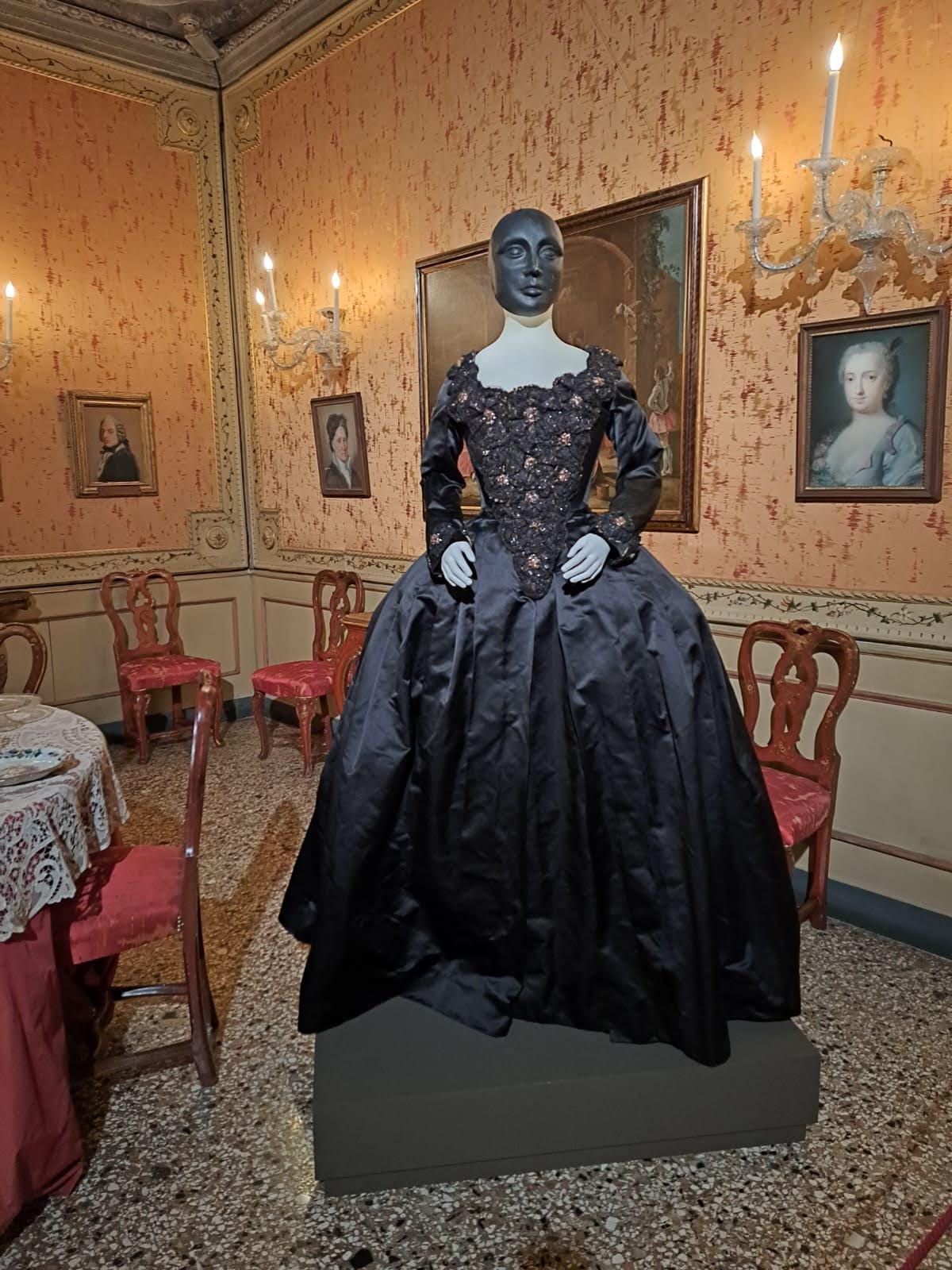
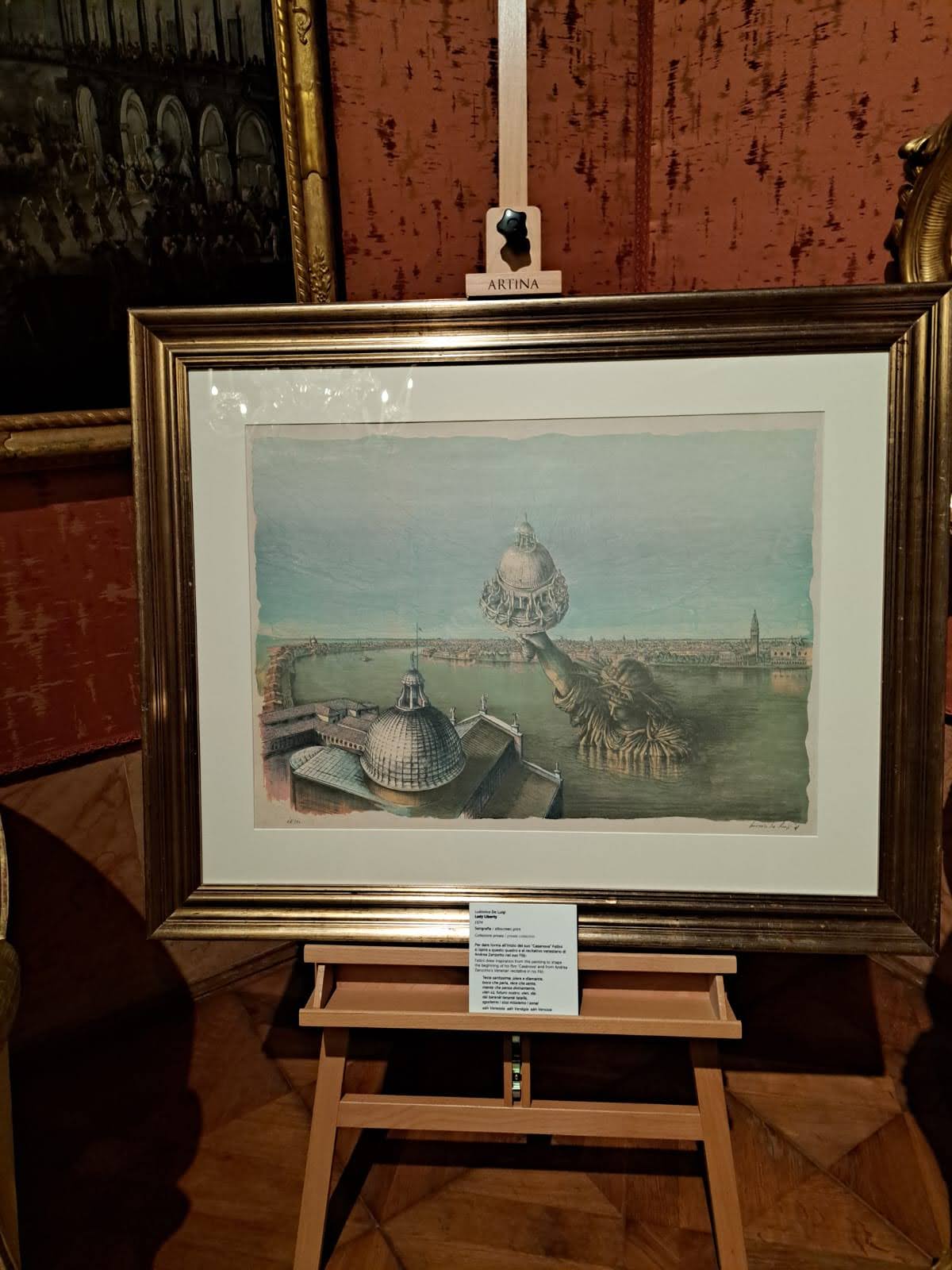
Partiamo dal cuore della mostra: un viaggio emozionante attraverso la vita rocambolesca di Casanova, raccontata non solo con documenti storici e opere d’arte, ma anche con un occhio al cinema che lo ha reso immortale. Pensate a Federico Fellini e al suo iconico film del 1976, “Casanova”, con Donald Sutherland nei panni del seduttore per eccellenza. Qui potrete ammirare da vicino sei costumi originali di quel capolavoro, disegnati dal genio Danilo Donati (che vinse pure un Oscar per essi!). Immaginate taffetà pastello, velluti barocchi e tessuti che sembrano sussurrare storie di corti spagnole, competizioni romane e incantesimi francesi. È come entrare nel set di Fellini, con bozzetti che trasformano la pellicola in quadri viventi, ispirati a maestri come Hogarth, Guardi e Tiepolo. Che emozione vedere come il cinema ha reinterpretato Casanova non come un donnaiolo superficiale, ma come un simbolo di vuoto esistenziale, un automa intrappolato nella sua stessa fama!

Il percorso espositivo è un vero e proprio labirinto di sorprese, diviso in sezioni che ti catturano passo dopo passo. Si inizia con la biografia avventurosa di Giacomo: dalla nascita a Venezia nel 1725, agli studi a Padova, alla prigione nei Piombi e alla fuga leggendaria nel 1756. Poi, un confronto mozzafiato tra un ritratto settecentesco attribuito a Pietro Longhi – un elegante gentiluomo con libro, anello e parrucca incipriata – e la locandina del film di Fellini, che lo trasforma in una figura meccanica e disumanizzata. Non mancano tre dipinti sensuali di Giambattista Pittoni, con divinità mitologiche come Apollo, Venere e Diana in pose teatrali e licenziose, che evocano l’atmosfera erotica e raffinata del Settecento. E per i cultori della storia, c’è la sezione dedicata ad Aldo Ravà, quel collezionista veneziano del primo Novecento (1879-1923) che ha riabilitato l’immagine di Casanova. Appassionato del Settecento, Ravà ha pubblicato oltre venti studi su di lui, scoprendo lettere, opuscoli rari e persino la biblioteca del castello di Dux dove Casanova passò gli ultimi anni. Grazie a lui, Casanova non è più solo un libertino, ma un acuto osservatore del suo tempo – e la mostra espone documenti dalla sua collezione al Museo Correr che vi faranno venire i brividi!

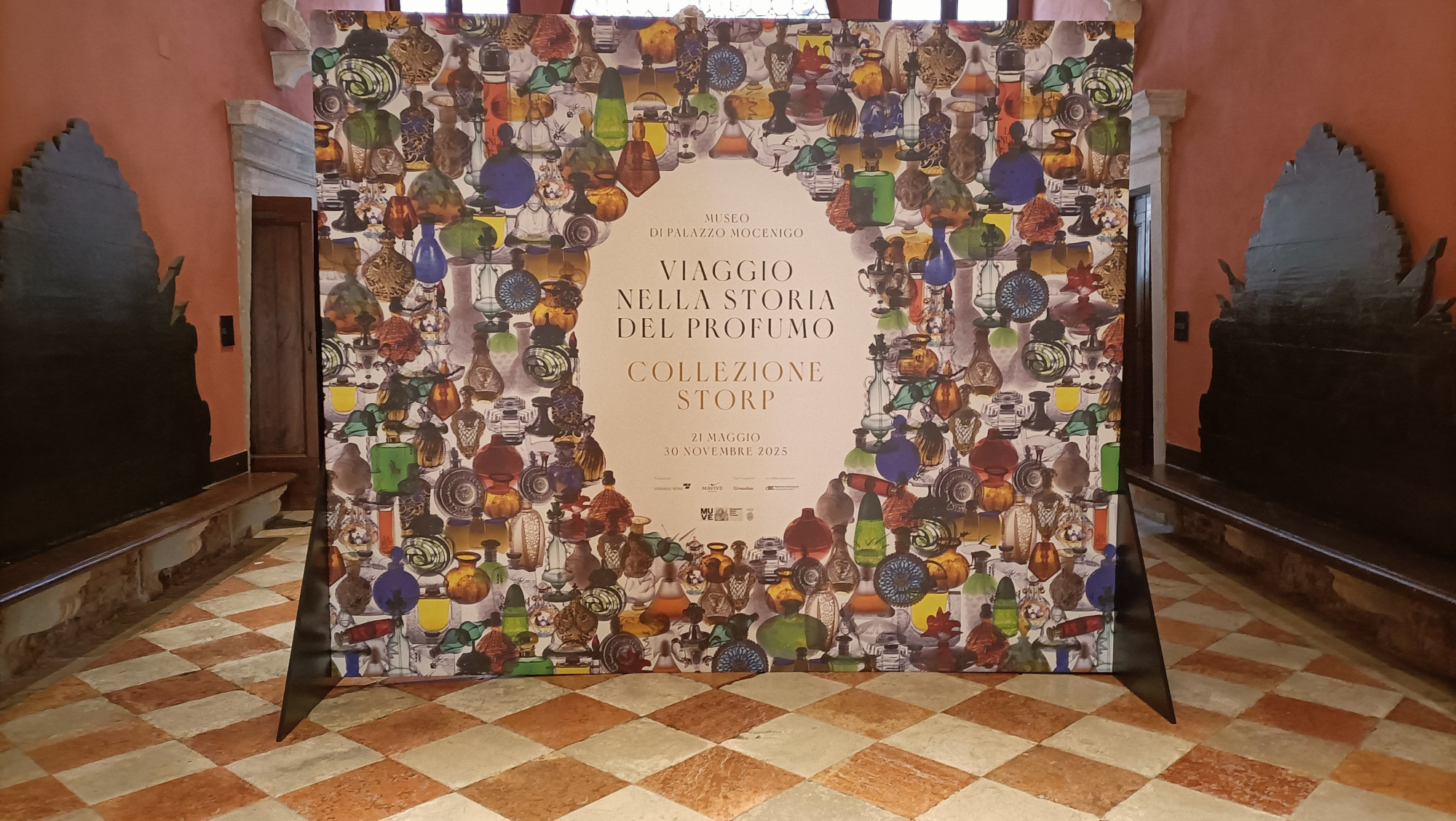
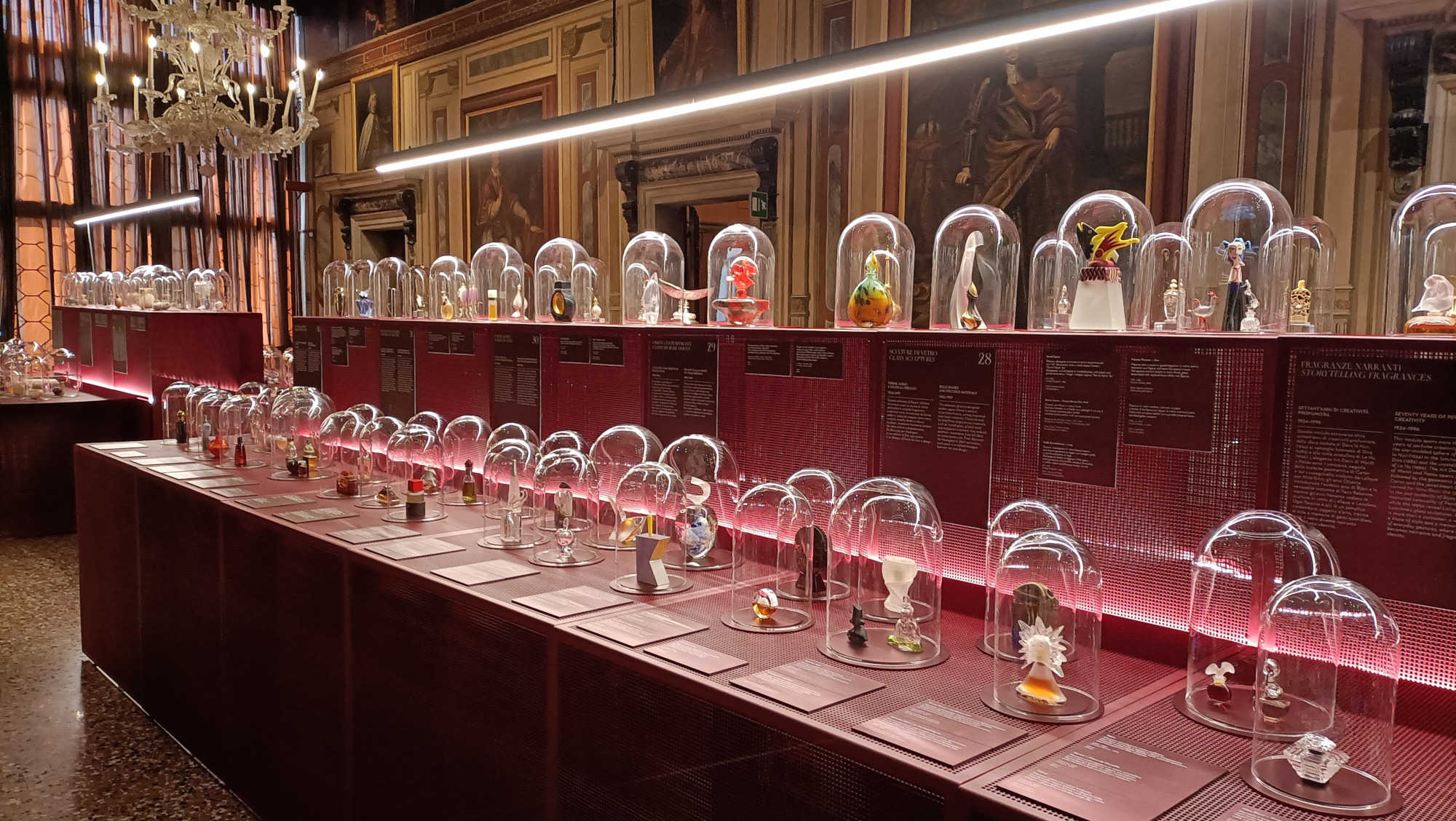
A rendere tutto questo possibile è un team di curatori eccezionali. Parliamo di Luigi Zanini, il curatore del Museo di Palazzo Mocenigo, un vero veterano con una esperienza immensa: ha collaborato a tantissime mostre di successo, da quelle sulla storia del profumo (ricordate la Collezione Storp, con oltre 500 flaconi storici?) a esposizioni sulla moda maschile del Settecento. Zanini sa come trasformare un museo in un’esperienza viva, e qui ha unito forze con Monica Viero e Gianni De Luigi per creare qualcosa di magico. A proposito di Gianni De Luigi: è un esperto di arte e cinema, con un background che spazia da studi su Fellini a progetti curatoriali innovativi. Ha curato questa mostra con un tocco personale, mescolando storia e schermo in modo da farvi sentire parte del mito. Insieme, hanno reso Palazzo Mocenigo il palcoscenico perfetto per rivivere l’eredità di Casanova!

Ma non è solo una mostra per esperti: è per tutti! Che siate cinefili, amanti della storia o semplicemente curiosi di Venezia, qui troverete ispirazione, stupore e un sacco di spunti per foto da urlo. Immaginate di uscire con la testa piena di aneddoti da raccontare agli amici – tipo come Casanova tradusse l’Iliade o fondò un giornale satirico che gli costò l’esilio. E il palazzo stesso? Un gioiello del Settecento, con sale affrescate e un’atmosfera che ti trasporta indietro nel tempo.

Non aspettare: segnatevi le date, dal 29 agosto al 2 novembre 2025, al primo piano del Museo di Palazzo Mocenigo. Biglietti e orari sul sito ufficiale – è facile e accessibile. Veniteci con amici, famiglia o da soli per un momento di puro incanto. Fidatemi, dopo questa mostra vedrete Casanova (e Venezia) con occhi nuovi. Che state aspettando? Correte a prenotare, non ve ne pentirete – potrebbe essere l’evento culturale dell’anno che vi cambierà la prospettiva sul mito più affascinante della storia! 😊

Discover the Fascinating Legacy of Casanova at Palazzo Mocenigo: A Must-See Exhibition!

Hello, lovers of history, art, and cinema! Picture yourself walking through the halls of a grand Venetian palace, surrounded by dazzling costumes, mysterious portraits, and stories that feel like they’re straight out of a movie. Well, it’s not a dream: I’m talking about the unmissable exhibition “Casanova 1725–2025: The Legacy of a Myth Between History, Art and Cinema” at the Palazzo Mocenigo Museum. Running from August 29 to November 2, 2025, this exhibition celebrates the 300th anniversary of the birth of Giacomo Casanova – the legendary Venetian adventurer who enchanted (and scandalized) the world with his memoirs. If you’re in Venice or planning a trip, this is the perfect opportunity to dive into an era of intrigue, passion, and creative genius. I’ll say it right away: it’s impossible to walk away unaffected!

Let’s start at the heart of the show: an emotional journey through Casanova’s adventurous life, told not only through historical documents and artwork but also through the lens of cinema, which has made him immortal. Think of Federico Fellini and his iconic 1976 film “Casanova”, starring Donald Sutherland as the ultimate seducer. Here, you’ll get to admire six original costumes from that masterpiece, designed by the brilliant Danilo Donati (who even won an Oscar for them!). Picture pastel taffeta, baroque velvets, and fabrics that seem to whisper stories of Spanish courts, Roman duels, and French enchantments. It’s like stepping onto Fellini’s set, with original sketches that turn film into living paintings inspired by masters like Hogarth, Guardi, and Tiepolo. What a thrill to see how cinema reimagined Casanova not just as a womanizer, but as a symbol of existential emptiness – a man trapped in the myth of his own fame!

The exhibition layout is a true labyrinth of surprises, divided into captivating sections. It begins with Casanova’s adventurous biography: from his birth in Venice in 1725, to his studies in Padua, his imprisonment in the Piombi, and his legendary escape in 1756. One of the most striking comparisons is between a stunning 18th-century portrait attributed to Pietro Longhi – showing a refined gentleman holding a book, ring, and powdered wig – and the stark movie poster for Fellini’s film, depicting Casanova as a mechanical, dehumanized figure. There are also three sensual paintings by Giambattista Pittoni, featuring mythological gods like Apollo, Venus, and Diana in theatrical, suggestive poses – evoking the erotic and elegant atmosphere of the 1700s.

And for history buffs, there’s a section dedicated to Aldo Ravà, a Venetian collector from the early 20th century (1879–1923) who helped restore Casanova’s image. Passionate about the 18th century, Ravà published over 20 studies on him, unearthing letters, rare pamphlets, and even the library at Dux Castle, where Casanova spent his final years. Thanks to Ravà, Casanova is no longer seen just as a libertine, but as a sharp observer of his time – and the exhibition features documents from his collection at the Museo Correr that will give you goosebumps!

What makes all of this possible is a team of exceptional curators. Leading the way is Luigi Zannini, curator of the Palazzo Mocenigo Museum – a true veteran with immense experience. He has worked on many successful exhibitions, from perfume history (remember the Storp Collection, with over 500 historical flacons?) to 18th-century men’s fashion. Zannini knows how to transform a museum into a living experience, and here he’s joined forces with Monica Viero and Gianni De Luigi to create something magical. Speaking of Gianni De Luigi: he’s an expert in art and cinema, with a background ranging from studies on Fellini to innovative curatorial projects. His touch in this show is unmistakable – blending history and film in a way that makes you feel like part of the legend. Together, they’ve turned Palazzo Mocenigo into the perfect stage to relive Casanova’s legacy.

But this isn’t just a show for experts – it’s for everyone! Whether you’re a film buff, history lover, or just curious about Venice, you’ll find inspiration, wonder, and plenty of photo-worthy moments here. Imagine walking out with a head full of stories to tell your friends – like how Casanova translated the Iliad or founded a satirical newspaper that got him exiled. And the palace itself? A gem of the 18th century, with frescoed rooms and an atmosphere that truly transports you back in time.

Don’t wait: mark your calendars for August 29 to November 2, 2025, on the first floor of the Palazzo Mocenigo Museum. Tickets and hours are available on the official website – it’s easy and accessible. Bring your friends, your family, or come solo for a moment of pure enchantment. Trust me: after this exhibition, you’ll see Casanova (and Venice) with new eyes. What are you waiting for? Book your visit now – you won’t regret it. This could be the cultural event of the year that changes the way you see one of history’s most fascinating figures! 😊

L’oro della laguna

✨: la magia di Antonello Viola a Ca’ Pesaro

Antonello Viola: “L’oro della laguna” – Un dialogo poetico tra arte e Venezia

La luce di Venezia nei quadri di Antonello Viola: una mostra da vedere a Ca’ Pesaro

Dal 20 giugno al 28 settembre 2025, Ca’ Pesaro accoglie una mostra che parla sottovoce ma lascia il segno: L’oro della laguna, personale di Antonello Viola. Nelle eleganti sale Dom Pérignon della Galleria Internazionale d’Arte Moderna, l’artista romano presenta una serie di opere inedite realizzate negli ultimi quattro anni, tra vetri dipinti e carte giapponesi. A curare il progetto è Elisabetta Barisoni, direttrice del museo. Questa mostra è molto più di una raccolta di quadri: è un dialogo silenzioso e profondo tra l’artista e Venezia, città che da sempre riflette, cambia, assorbe. Proprio come i lavori di Viola.

Un artista in ascolto del mondo

Nato a Roma nel 1966, Antonello Viola ha una formazione solida: si è diplomato all’Accademia di Belle Arti sotto la guida di Enzo Brunori e ha conseguito un dottorato in Spagna, all’Università de La Laguna. Nel tempo ha sviluppato una pittura che unisce tecnica, riflessione e spiritualità. Il suo segno è sottile, le sue opere sono fatte di velature, cancellature, superfici che sembrano respirare. Nulla è lasciato al caso, ma nulla è rigido. Viola lavora per stratificazioni: applica il colore, poi lo rimuove, lo raschia, lo modifica. È un processo lento e meditativo, quasi rituale. E i materiali scelti — vetro, carta, oro — parlano di fragilità, luce e trascendenza.

Venezia come specchio interiore

Nella mostra, ogni opera sembra contenere un frammento della laguna. I titoli evocano isole vere e immaginate — Elba, Poveglia, Murano, Giudecca — ma non c’è geografia. C’è piuttosto una mappa emotiva, personale. Le superfici dipinte diventano paesaggi dell’anima, dove la luce cambia tutto e il tempo si ferma. Il vetro è il protagonista: lastre dipinte su entrambi i lati creano giochi di profondità e riflessi, come acque tranquille che nascondono correnti interiori. Le opere su carta giapponese, invece, sono più essenziali, verticali, quasi spirituali. L’oro, usato con misura e intelligenza, non è decorazione: è luce pura.

Un dialogo che attraversa i secoli

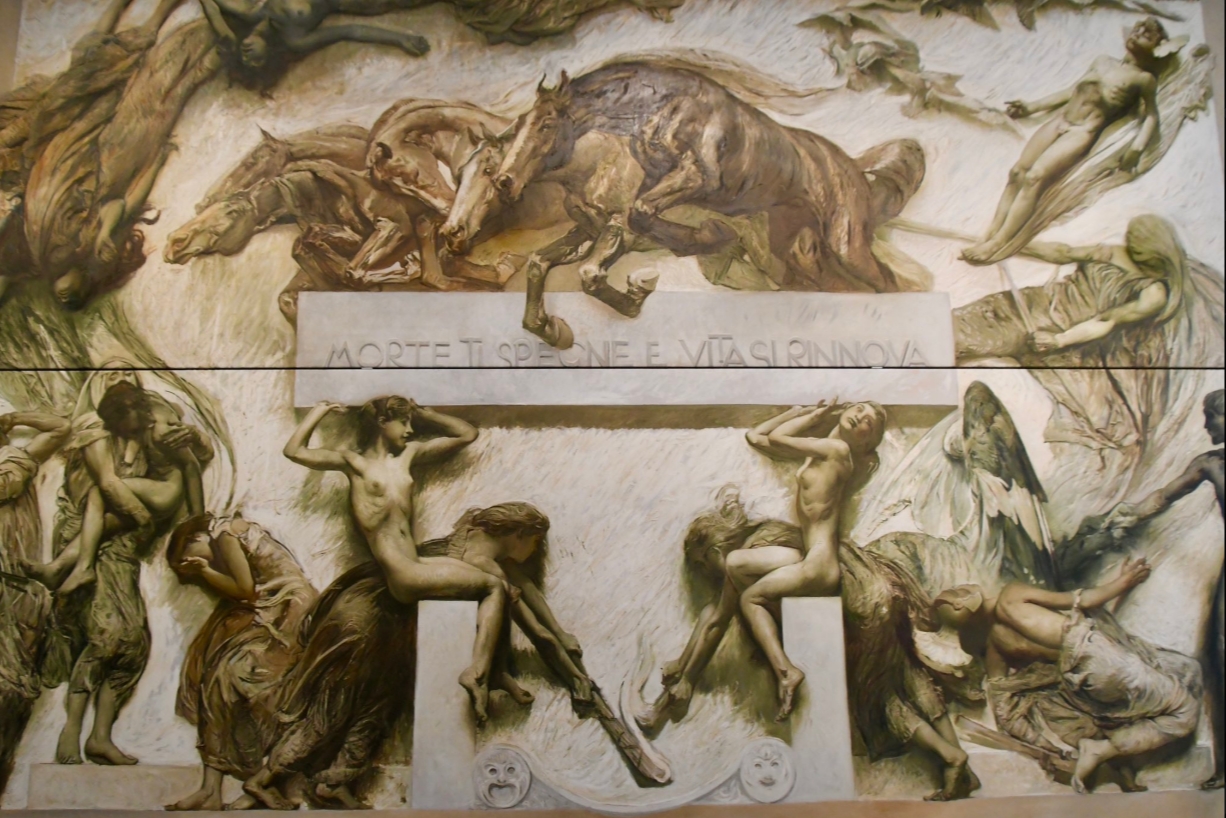
Un elemento interessante della mostra è il confronto silenzioso con Giulio Aristide Sartorio, pittore simbolista romano che un secolo fa realizzò per la Biennale il gigantesco ciclo Il poema della vita umana, esposto nelle sale adiacenti. Come Viola, anche Sartorio cercava l’essenza dell’esistenza attraverso strati di materia e luce.

Un invito al silenzio

In un’epoca veloce e rumorosa, le opere di Viola ci costringono a rallentare. A fermarci. A osservare. Il suo lavoro non urla, non cerca di colpire: piuttosto, accoglie. Ogni quadro è un piccolo universo che invita alla contemplazione. E alla fine, questa mostra non è solo un’esperienza visiva, ma anche un momento di pausa, di ascolto, di connessione con qualcosa di più profondo.

Informazioni utili

La mostra è visitabile con il normale biglietto di ingresso di Ca’ Pesaro, dal martedì alla domenica, dalle 10:00 alle 18:00. È realizzata in collaborazione con la Galleria Alessandro Casciaro di Bolzano-Venezia.

✨: The Magic of Antonello Viola at Ca’ Pesaro

Venice Reflected in Gold: Antonello Viola at Ca’ Pesaro

From June 20 to September 28, 2025, Ca’ Pesaro hosts a quiet yet powerful exhibition: The Gold of the Lagoon, a solo show by Roman artist Antonello Viola. Set in the elegant Dom Pérignon rooms of the Galleria Internazionale d’Arte Moderna, the exhibition presents a selection of works created over the past four years—glass paintings and Japanese paper pieces—many of which are on public display for the first time. Curated by the museum’s director, Elisabetta Barisoni, the show offers a poetic dialogue between the artist and the soul of Venice.

An Artist Who Listens to the World

Born in Rome in 1966, Antonello Viola studied at the Accademia di Belle Arti under Enzo Brunori and later earned a PhD from the University of La Laguna in Spain. Over the years, he has developed a deeply thoughtful and spiritual painting practice. His work is delicate yet dense, created through a slow process of layering, erasing, and reapplying. Each surface feels alive—something between a memory and a presence. Viola doesn’t paint with urgency, but with intention. He uses materials like gold leaf, glass, and fine paper not for their beauty alone, but for what they evoke: fragility, light, silence, transcendence.

Venice as an Inner Landscape

In this exhibition, each work seems to hold a fragment of the lagoon. Titles reference real and imagined islands—Elba, Poveglia, Murano, Giudecca—but these are not maps. They are emotional coordinates. The painted surfaces open up to inner landscapes, where light transforms everything and time seems to stretch. Glass plays a central role: painted on both sides, arranged in layers, it creates depth and transparency—like water capturing reflections. The works on Japanese paper are more minimal and vertical, almost meditative. Gold, used sparingly and purposefully, becomes a symbol of light rather than mere ornament.

A Silent Conversation Across Centuries

One of the more intriguing aspects of the show is its silent dialogue with Giulio Aristide Sartorio, another Roman artist who found inspiration in Venice over a century ago. His monumental cycle The Poem of Human Life, painted for the Venice Biennale in 1906–07, is displayed in the adjacent gallery. Like Viola, Sartorio explored layering, translucency, and spiritual themes through his technique.

The Power of Silence

In a time defined by speed and noise, Viola’s works invite us to slow down. To stop. To really look. His paintings don’t shout; they welcome. Each one is a quiet universe, offering space for contemplation and calm. This exhibition isn’t just visual—it’s emotional. It’s a moment of reflection in a world that rarely pauses.

Visitor Information

The Gold of the Lagoon is open from Tuesday to Sunday, 10:00 AM to 6:00 PM, with standard museum admission. The exhibition is presented in collaboration with Galleria Alessandro Casciaro (Bolzano–Venice).

UN Italiano a Pest

GIACOMO MARASTONI E LA PRIMA ACCADEMIA UNGHERESE DI PITTURA – UN TESORO VENEZIANO A BUDAPEST

For the English translation please scroll down the page, thank you !

Un Viaggio nel Tempo tra Venezia e Budapest

Se vi trovate a Budapest in vacanza, oppure ci vivete da expat o studenti, c’è un’occasione culturale che non dovreste assolutamente lasciarvi sfuggire: la mostra “Un Italiano a Pest”, dedicata al pittore veneziano Giacomo Marastoni, aperta presso l’Istituto Italiano di Cultura della capitale ungherese. Non è solo un evento artistico: è un vero e proprio ponte tra l’Italia e l’Ungheria, che celebra una figura ingiustamente dimenticata, ma fondamentale per l’evoluzione dell’arte ungherese del XIX secolo.

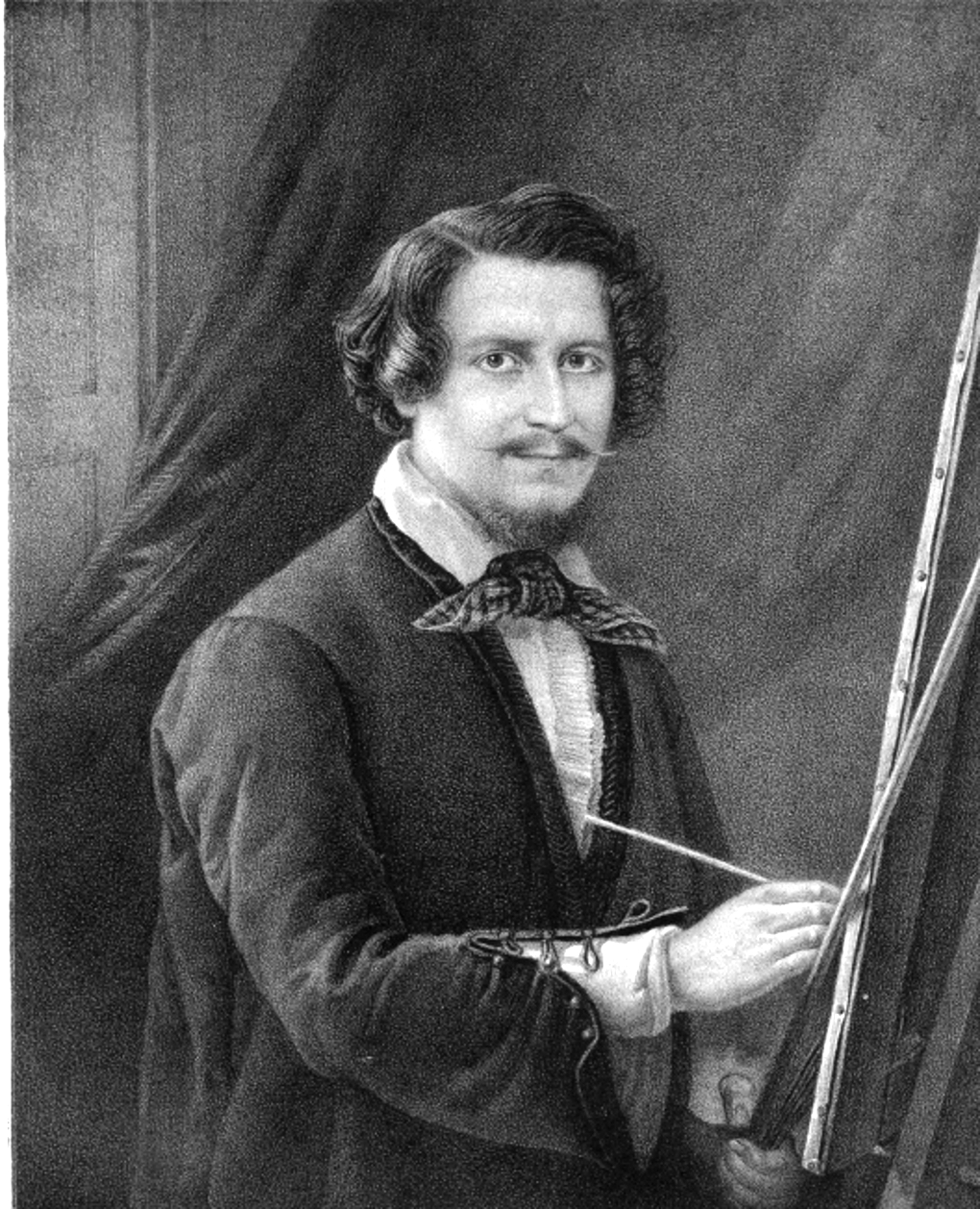
Questa esposizione rappresenta un’occasione unica per scoprire la figura affascinante di un nostro connazionale, un veneziano che ha lasciato un’impronta indelebile nella storia dell’arte ungherese. Nato a Venezia nel 1804, Giacomo – conosciuto in Ungheria come Jakab – Marastoni ha attraversato l’Europa per poi stabilirsi a Pest nel 1836. In un’epoca di fermento culturale e politico, divenne uno dei più importanti ritrattisti della scena ungherese, contribuendo alla nascita dell’identità artistica moderna del Paese. Ma il suo lascito più grande fu la fondazione, nel 1846, della prima scuola di pittura accademica in Ungheria, ispirata ai modelli italiani.

Un Artista Veneziano che Conquistò l’Ungheria

Dopo gli studi a Venezia e un periodo a Roma, Marastoni intraprese un viaggio attraverso l’Europa centrale che lo portò prima a Vienna, poi a Pozsony (l’attuale Bratislava) e infine a Pest, dove si stabilì definitivamente nel 1836. Qui divenne rapidamente uno dei ritrattisti più ricercati, lavorando per famiglie nobili e borghesi, immortalando con il suo talento i volti dell’alta società ungherese dell’epoca. Ma il suo contributo più significativo alla cultura ungherese fu la fondazione, nel 1846, della Prima Accademia Ungherese di Pittura (Első Magyar Festészeti Akadémiát), un’istituzione che ha gettato le basi per lo sviluppo dell’arte moderna in Ungheria Pensate: Marastoni investì tutta la sua fortuna in questo progetto, acquistando dall’Italia le necessarie riproduzioni, sculture in gesso e incisioni per equipaggiare la scuola, creando così un ponte culturale tra la tradizione artistica italiana e quella ungherese.

Una Mostra Straordinaria, Frutto di Sei Anni di Lavoro

La mostra che vi invito caldamente a visitare è il risultato di sei anni di meticoloso lavoro preparatorio, curata dal Dr. Péter Farbaky e da Eszter Molnárné Aczél. Un’esposizione che riunisce ben 240 opere d’arte provenienti da 28 collezioni pubbliche ed ecclesiastiche di quattro paesi, oltre a prestiti da collezionisti privati. Un vero e proprio tesoro artistico che ci permette di immergerci nella vita e nell’opera di questo straordinario artista veneziano. Tra le opere esposte, molte sono presentate a Budapest per la prima volta, come il grande ritratto di famiglia Scherz, preso in prestito dalla Galleria Civica di Bratislava, e circa 60 disegni di studio dalla collezione del Museo Kiscell – Galleria Municipale, mai esposti prima. Un’occasione irripetibile per ammirare questi capolavori e scoprire il talento di Marastoni come ritrattista, un artista capace di catturare l’essenza dei suoi soggetti con straordinaria sensibilità.

Il Contributo del MUVE – Fondazione Musei Civici di Venezia

Un aspetto che mi riempie di orgoglio come italiano e veneziano è la partecipazione attiva della Fondazione Musei Civici di Venezia (MUVE) a questa straordinaria esposizione. Il MUVE, che gestisce undici musei nella nostra città lagunare, tra cui Palazzo Ducale, il Museo Correr e Ca’ Rezzonico, ha contribuito in modo significativo alla realizzazione di questa mostra, prestando opere preziose dalle proprie collezioni.

La Fondazione, sotto la guida della Presidente Mariacristina Gribaudi, la Dott.sa Squarcina, la Dott.ssa Barisoni, ha dimostrato ancora una volta il suo impegno nella promozione della cultura italiana all’estero e nella valorizzazione degli artisti veneziani che hanno lasciato il segno nella storia dell’arte europea. Questo prestito si inserisce perfettamente nella missione del MUVE di tutelare, conservare e promuovere il patrimonio culturale veneziano, facendolo conoscere anche oltre i confini nazionali. La collaborazione tra il Museo Storico di Budapest e la Fondazione Musei Civici di Venezia rappresenta un esempio virtuoso di cooperazione culturale internazionale, che rafforza i legami storici tra l’Italia e l’Ungheria e testimonia l’importanza del dialogo interculturale nel panorama artistico europeo.

Un Invito Caloroso a Tutti gli Italiani a Budapest

Cari connazionali che vivete a Budapest o che vi trovate qui in vacanza, non perdete l’occasione di visitare questa mostra straordinaria. È un’opportunità unica per riscoprire un pezzo della nostra storia e del nostro patrimonio culturale, per sentirci orgogliosi di come l’arte italiana abbia saputo influenzare e arricchire la cultura di altri paesi europei.

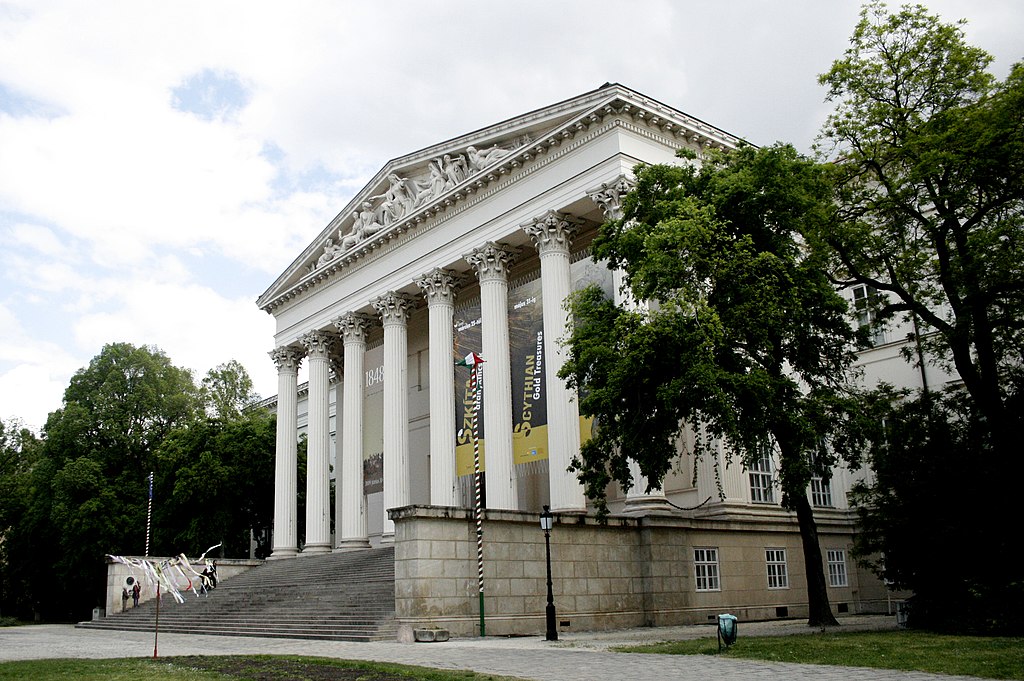
La mostra “Un Italiano a Pest” si svolge nella splendida sede dell’Istituto Italiano di Cultura di Budapest, un edificio storico situato in via Bródy Sándor 8, nel cuore di Pest, proprio di fronte al Museo Nazionale Ungherese . Progettato nel 1865 dall’architetto Miklós Ybl e un tempo usato come Parlamento ungherese (1865–1902), oggi ospita spazi espositivi eleganti e funzionali, tra cui un’ampia sala per mostre, un teatro, una sala cinema, aula-convegni e una ricca biblioteca . La location, oltre a offrire un contesto architettonico di grande prestigio, è facilmente raggiungibile con i mezzi pubblici, ed è immersa in una zona ricca di attrazioni culturali: vicinissima alla Dohány Street Synagogue e alla vivace area del Palotanegyed, stupisce per la sua centralità e per il fascino di un edificio che racconta la storia stessa di Budapest. Un luogo ideale per accogliere un ponte culturale tra Italia e Ungheria, dove visitare questa mostra diventa un’esperienza immersiva anche dal punto di vista spaziale e architettonico.

Un Ponte Culturale tra Italia e Ungheria

Questa mostra non è solo un’occasione per ammirare opere d’arte di straordinaria bellezza, ma anche per riflettere sui legami culturali che uniscono l’Italia e l’Ungheria, due paesi con una ricca tradizione artistica e culturale. Giacomo Marastoni rappresenta perfettamente questo ponte tra le due culture: un artista italiano che ha saputo integrarsi nella società ungherese, portando con sé il bagaglio culturale della sua formazione veneziana e arricchendolo con nuove influenze e ispirazioni. La sua storia ci ricorda quanto sia importante il dialogo interculturale e come l’arte possa superare confini e barriere linguistiche, creando connessioni profonde tra popoli diversi. In un’epoca in cui l’Europa è sempre più unita, riscoprire figure come Marastoni ci aiuta a comprendere le radici comuni della nostra identità culturale europea.

Conclusione: Un’Esperienza da Non Perdere

Questa mostra non è solo per studiosi o appassionati d’arte ottocentesca. È un’occasione per conoscere un pezzo di storia comune che parla italiano, per sentirsi a casa in terra straniera e riscoprire il contributo silenzioso ma potente di tanti nostri connazionali che hanno costruito ponti culturali in Europa. È anche un invito a riflettere sul potere dell’arte come mezzo di integrazione, scambio e crescita reciproca. Fate un salto in questa piccola ma intensa mostra. Vi sorprenderà !

GIACOMO MARASTONI AND THE FIRST HUNGARIAN ACADEMY OF PAINTING – A VENETIAN TREASURE IN BUDAPEST

A Journey Through Time between Venice and Budapest

If you are in Budapest on holiday, or live there as an expat or student, there is a cultural opportunity that you absolutely should not miss: the exhibition “An Italian in Pest”, dedicated to the Venetian painter Giacomo Marastoni, open at the Italian Cultural Institute of the Hungarian capital. It is not just an artistic event: it is a real bridge between Italy and Hungary, which celebrates a figure unjustly forgotten, but fundamental to the evolution of 19th-century Hungarian art.

This exhibition represents a unique opportunity to discover the fascinating figure of one of our compatriots, a Venetian who left an indelible mark on the history of Hungarian art. Born in Venice in 1804, Giacomo – known in Hungary as Jakab – Marastoni travelled across Europe before settling in Pest in 1836. In an era of cultural and political ferment, he became one of the most important portraitists on the Hungarian scene, contributing to the birth of the country’s modern artistic identity. But his greatest legacy was the foundation, in 1846, of the first academic painting school in Hungary, inspired by Italian models.

A Venetian Artist Who Conquered Hungary

After studying in Venice and a period in Rome, Marastoni undertook a journey through central Europe which It took him first to Vienna, then to Pozsony (now Bratislava) and finally to Pest, where he settled permanently in 1836. Here he quickly became one of the most sought-after portrait painters, working for noble and bourgeois families, immortalising with his talent the faces of the Hungarian high society of the time. But his most significant contribution to Hungarian culture was the foundation, in 1846, of the First Hungarian Academy of Painting (Első Magyar Festészeti Akadémiát), an institution that laid the foundation for the development of modern art in Hungary. Just think: Marastoni invested his entire fortune in this project, purchasing from Italy the necessary reproductions, plaster sculptures and engravings to equip the school, thus creating a cultural bridge between the Italian and Hungarian artistic traditions.

An Extraordinary Exhibition, Fruit of Six Years of Work

The exhibition that I warmly invite you to visit is the result of six years of meticulous preparatory work, curated by Dr. Péter Farbaky and Eszter Molnárné Aczél. An exhibition that brings together 240 works of art from 28 public and ecclesiastical collections in four countries, as well as loans from private collectors. A true artistic treasure that allows us to immerse ourselves in the life and work of this extraordinary Venetian artist. Among the works on display, many are presented in Budapest for the first time, such as the large Scherz family portrait, loaned by theBratislava City Gallery, and about 60 study drawings from the collection of the Kiscell Museum – Municipal Gallery, never exhibited before. An unrepeatable opportunity to admire these masterpieces and discover Marastoni’s talent as a portraitist, an artist capable of capturing the essence of his subjects with extraordinary sensitivity.

The Contribution of MUVE – Fondazione Musei Civici di Venezia

One ​​aspect that fills me with pride as an Italian and Venetian is the active participation of the Fondazione Musei Civici di Venezia (MUVE) in this extraordinary exhibition. MUVE, which manages eleven museums in our lagoon city, including Palazzo Ducale, Museo Correr and Ca’ Rezzonico, has contributed significantly to the realization of this exhibition, lending precious works from its collections.

The Foundation, under the guidance of President Mariacristina Gribaudi, Dr. Barisoni, has once again demonstrated its commitment to promoting Italian culture abroad and to enhancing Venetian artists who have left their mark on the history of European art. This loan fits perfectly with MUVE’s mission to protect, conserve and promote Venetian cultural heritage, making it known beyond national borders. The collaboration between the Budapest Historical Museum and the Fondazione Musei Civici di Venezia represents a virtuous example of international cultural cooperation, which strengthens the historical ties between Italy and Hungary and testifies to the importance of intercultural dialogue in the European artistic panorama.

A Warm Invitation to All Italians in Budapest

Dear compatriots who live in Budapest or are here on holiday, do not miss the opportunity to visit this extraordinary exhibition. It is a unique opportunity to rediscover a piece of our history and cultural heritage, to feel proud of how Italian art has been able to influence and enrich the culture of other European countries.

The exhibition “An Italian in Pest” takes place in the splendid venue of the Italian Cultural Institute of Budapest, a historic building located in Bródy Sándor Street 8, in the heart of Pest, right in front of the Hungarian National Museum. Designed in 1865 by architect Miklós Ybl and once used as the Hungarian Parliament (1865–1902), today it houses elegant and functional exhibition spaces, including a large exhibition hall, a theatre, a cinema hall, a conference room and a well-stocked library. The location, in addition to offering a highly prestigious architectural context, is easily accessible by public transport, and is immersed in an area rich in cultural attractions: very close to the Dohány Street Synagogue and the lively Palotanegyed area, it amazes with its centrality and the charm of a building that tells the story of Budapest itself. An ideal place to host a cultural bridge between Italy and Hungary, where visiting this exhibition becomes an immersive experience also from a spatial and architectural point of view.

A Cultural Bridge between Italy and Hungary

This exhibition is not only an opportunity to admire works of art of extraordinary beauty, but also to reflect on the cultural ties that unite Italy and Hungary, two countries with a rich artistic and cultural tradition. Giacomo Marastoni perfectly represents this bridge between the two cultures: an Italian artist who has been able to integrate into Hungarian society, bringing with him the cultural baggage of his Venetian education and enriching it with new influences and inspirations. His story reminds us of the importance of intercultural dialogue and how art can overcome borders and language barriers, creating deep connections between different peoples. In an era in which Europe is increasingly united, rediscovering figures such as Marastoni helps us understand the common roots of our European cultural identity.

Il Paradosso del Museo: Perché Guardiamo l’Arte Solo per 8 Secondi?


Quando entriamo in un museo, ci aspettiamo di immergerci in un mondo di bellezza e riflessione. Eppure, studi recenti rivelano una realtà sorprendente: molti visitatori trascorrono in media solo 8 secondi davanti a ciascun quadro. Forse 8 secondi sono un esagerazione, ma non tanto. Sembra strano lo so, ma ho avuto modo di osservare una moltitudine di persone, e molte di esse sembrano navigare il museo, con la testa che guarda da un lato all’altro, ogni tanto facendo una foto o un selfie, ma non registrando quello che vede. Poche sono le persone che veramente si soffermano e sembrano interessate, ancora meno quelle che rimangono in museo per ore a cui offro sempre i miei complimenti.


⏱️ La Velocità della Visione

Secondo una ricerca condotta al Getty Museum, gli adulti spendono meno di 30 secondi per oggetto. Altri studi indicano che i visitatori guardano un dipinto per meno di due secondi, leggono la didascalia per circa 10 secondi, poi tornano brevemente al dipinto per verificare qualcosa nel testo, e infine si spostano al prossimo. Anche il Louvre ha registrato che i visitatori guardano la *Gioconda* per una media di 15 secondi, il che solleva interrogativi su quanto tempo vengano osservate le altre 35.000 opere della collezione. Questi dati suggeriscono che, in generale, l’attenzione dei visitatori è limitata e che spesso si limitano a dare uno sguardo rapido alle opere, piuttosto che impegnarsi in un’osservazione approfondita.

🧘‍♀️ Slow Art: Un Invito alla Riflessione

In risposta a questa frenesia visiva, è nato il movimento “Slow Art”. Fondato nel 2009 da Phil Terry, questo movimento incoraggia i visitatori a dedicare almeno 10 minuti a ciascuna opera d’arte, per osservare dettagli, emozioni e significati nascosti. Ogni anno, in aprile, si celebra il “Slow Art Day”, con eventi in musei di tutto il mondo che promuovono un’esperienza più profonda e consapevole dell’arte. Studi hanno dimostrato che un’osservazione più lenta può aumentare la comprensione e l’apprezzamento delle opere. Ad esempio, il Museum of the Mind ad Haarlem, nei Paesi Bassi, offre esperienze di mindfulness basate sull’arte, aiutando i visitatori a concentrarsi su un’unica opera per esplorare emozioni e significati. Allo stesso modo, la Victoria Gallery & Museum a Liverpool propone un “sentiero di consapevolezza” che guida i visitatori a osservare con curiosità e attenzione.


🖼️ Un Invito alla Consapevolezza

In un’epoca in cui la velocità e la multitasking dominano le nostre vite, l’arte può diventare un rifugio di calma e riflessione. La prossima volta che visiterai un museo, prova a fermarti davanti a un’opera per 10 minuti: osserva, respira, ascolta le tue emozioni. Potresti scoprire un mondo nascosto che ti arricchirà più di mille selfie.

The Museum Paradox: Why Do We Only Look at Art for 8 Seconds?


When we enter a museum, we expect to be immersed in a world of beauty and reflection. Yet recent studies reveal a surprising reality: many visitors spend an average of just 8 seconds in front of each painting. Maybe 8 seconds is an exaggeration, but not that much. It seems strange, but I have had the opportunity to observe a multitude of people, and many of them seem to be navigating the museum, with their heads darting from one side to the other, occasionally taking a photo or selfie, but not registering what they see. Few people actually linger and seem interested, even fewer who stay in a museum for hours, to whom I always offer my compliments.


⏱️ The Speed ​​of Vision

According to research conducted at the Getty Museum, adults spend less than 30 seconds per object. Other studies indicate that visitors look at a painting for less than two seconds, read the caption for about 10 seconds, then return briefly to the painting to check something in the text, and then move on to the next. The Louvre also recorded that visitors look at the *Mona Lisa* for an average of 15 seconds, which raises questions about how long people look at the other 35,000 works in the collection. This data suggests that, in general, visitors have limited attention spans and that they often just glance at works rather than engage in in-depth observation.

🧘‍♀️ Slow Art: An Invitation to Reflection

In response to this visual frenzy, the “Slow Art” movement was born. Founded in 2009 by Phil Terry, this movement encourages visitors to spend at least 10 minutes in front of each artwork, observing details, emotions and hidden meanings. Every April, Slow Art Day is celebrated, with events in museums around the world that promote a deeper and more mindful experience of art. Studies have shown that looking at art more slowly can increase understanding and appreciation of works. For example, the Museum of the Mind in Haarlem, the Netherlands, offers art-based mindfulness experiences, helping visitors to focus on a single work to explore emotions and meanings. Similarly, the Victoria Gallery & Museum in Liverpool offers a “mindfulness trail” that guides visitors to look with curiosity and attention.


🖼️ An Invitation to Awareness

In an age where speed and multitasking dominate our lives, art can become a refuge of calm and reflection. Next time you visit a museum, try stopping in front of a work for 10 minutes: observe, breathe, listen to your emotions. You may discover a hidden world that will enrich you more than a thousand selfies.

Viaggio nella Storia del profumo a Palazzo Mocenigo

For the English translation please scroll down the page, thank you !

Un Viaggio Olfattivo Senza Tempo: La Mostra “Viaggio nella Storia del Profumo” al Museo di Palazzo Mocenigo. Dal 21 maggio al 30 novembre 2025, il Museo di Palazzo Mocenigo a Venezia apre le porte a un’esperienza sensoriale straordinaria: la mostra “Viaggio nella Storia del Profumo”, realizzata grazie alla collaborazione con la Collezione Storp. Un’occasione unica per immergersi in oltre 6.000 anni di storia olfattiva, esplorando l’evoluzione del profumo attraverso reperti antichi e moderni.

🏛️ Un Palazzo, una Storia

Palazzo Mocenigo, situato nel cuore pulsante di Venezia, è da sempre un punto di riferimento per la storia del tessuto e del costume. Con l’inaugurazione di questa mostra, il museo arricchisce il suo percorso con un capitolo dedicato all’arte della profumeria, grazie alla preziosa Collezione Storp.

🧴 La Collezione Storp: Un Tesoro Olfattivo

La Collezione Storp, fondata nel 1921 da Dora Storp, è una delle più importanti al mondo, con oltre 2.500 pezzi che spaziano dal 2000 a.C. al XXI secolo. Questa straordinaria raccolta comprende flaconi e contenitori per profumi provenienti da diverse epoche e culture, offrendo una panoramica unica sull’evoluzione del profumo nel corso dei secoli.

👃 Un Percorso Sensoriale Unico

La mostra è organizzata in un percorso espositivo che guida il visitatore attraverso le diverse fasi della storia del profumo. Ogni sezione è arricchita da installazioni olfattive che permettono di immergersi completamente nell’esperienza sensoriale, accompagnando la vista con l’olfatto e l’immaginazione.

🧪 Collaborazioni d’Eccellenza

La realizzazione della mostra è stata possibile grazie alla collaborazione con Mavive e Drom Fragrances. Mavive, azienda leader nel settore della profumeria, ha contribuito con il suo expertise nella realizzazione delle installazioni olfattive, mentre Drom Fragrances ha messo a disposizione la sua preziosa Collezione Storp per arricchire il percorso espositivo.

Ma le meraviglie non finiscono qui! Preparatevi a un’esperienza davvero sensoriale e futuristica nella White Room al piano terra. Qui, la magia del profumo incontra l’innovazione grazie a un’installazione immersiva curata da Zignago Vetro, partner d’eccellenza di Mavive. Vi troverete avvolti in un ambiente unico, dove la luce, il suono e le suggestioni visive vi trasporteranno nel cuore dell’arte profumiera, esplorando la delicata e affascinante relazione tra la fragranza e i suoi preziosi contenitori in vetro. Sarà un’occasione imperdibile per vivere il profumo non solo con l’olfatto, ma con tutti i sensi!

🎟️ Dettagli della Mostra

  • Periodo: 21 maggio – 30 novembre 2025
  • Luogo: Museo di Palazzo Mocenigo, Venezia
  • Orari di apertura: Consultare il sito ufficiale per informazioni aggiornate
  • Biglietti: Disponibili sul sito del museo

🌟 Un’Esperienza da Non Perdere

“Viaggio nella Storia del Profumo” è un’opportunità imperdibile per tutti gli appassionati di storia, arte e profumeria. Un’occasione unica per scoprire l’evoluzione del profumo attraverso i secoli, immergersi in un mondo di fragranze e bellezza, e vivere un’esperienza sensoriale senza precedenti. Non perdere l’opportunità di vivere questa straordinaria esperienza al Museo di Palazzo Mocenigo. Vieni ad ammirare questa mostra e preparati a un viaggio nel tempo e nei sensi!


A Timeless Scented Journey: The Exhibition “A Journey Through the History of Perfume” at Palazzo Mocenigo

From May 21 to November 30, 2025, the Museo di Palazzo Mocenigo in Venice opens its doors to a truly extraordinary sensory experience: the exhibition “A Journey Through the History of Perfume”, created in collaboration with the Storp Collection. This is a unique opportunity to immerse yourself in over 6,000 years of olfactory history, exploring the evolution of perfume through ancient artifacts and modern masterpieces.

🏛️ A Palace Steeped in History

Palazzo Mocenigo, located in the beating heart of Venice, has long been a cultural landmark dedicated to the history of textiles and costume. With the opening of this new exhibition, the museum enriches its offerings with a dazzling chapter on the art of perfumery, thanks to the prestigious Storp Collection.

🧴 The Storp Collection: An Olfactory Treasure

Founded in 1921 by Dora Storp, the Storp Collection is one of the world’s most important archives of perfumery, featuring more than 2,500 pieces ranging from 2000 B.C. to the 21st century. This extraordinary collection includes perfume flacons and containers from various eras and cultures, offering an unparalleled overview of how perfume has evolved across civilizations.

👃 A Unique Sensory Journey

The exhibition is designed as a narrative pathway that guides visitors through different stages in the history of perfume. Each section is enriched with olfactory installations that engage all the senses—blending visual beauty with evocative scents and imagination.

🧪 Excellence in Collaboration

This remarkable exhibition was made possible through the collaboration with Mavive and Drom Fragrances.
Mavive, a leader in the fragrance industry, contributed its expertise to the creation of the sensory installations, while Drom Fragrances provided access to the invaluable Storp Collection to enhance the exhibition experience.

But the wonders don’t end there! Prepare for a truly sensory and futuristic experience in the White Room on the ground floor. Here, the magic of perfume meets innovation thanks to an immersive installation curated by Zignago Vetro, an excellent partner of Mavive. You’ll find yourself enveloped in a unique environment, where light, sound, and visual suggestions will transport you to the heart of perfumery art, exploring the delicate and fascinating relationship between fragrance and its precious glass containers. It will be an unmissable opportunity to experience perfume not only with your sense of smell but with all your senses!

🎟️ Exhibition Details

  • Dates: May 21 – November 30, 2025
  • Location: Museo di Palazzo Mocenigo, Venice
  • Opening Hours: Check the museum’s official website for current info
  • Tickets: Available on the museum’s website

🌟 An Experience Not to Be Missed

“A Journey Through the History of Perfume” is a must-see for lovers of history, art, and fragrance.
It’s a rare chance to explore the timeline of perfume, immerse yourself in a world of scent and beauty, and enjoy a truly unique multi-sensory experience. Don’t miss this extraordinary exhibition at Palazzo Mocenigo. Come to see this wonderful exibition and get ready for a journey through time—and through your senses!

Giulio Aristide Sartorio a Ca’ Pesaro !

For the English translation, please scroll down the page, thank you.

Jpeg

Giulio Aristide Sartorio e il suo “Poema della vita umana”: Un capolavoro simbolista ritrovato a Venezia

Amici appassionati d’arte (e anche voi che magari vi affacciate ora a questo mondo fantastico!), oggi vi portiamo alla scoperta di un artista italiano forse meno conosciuto al grande pubblico di quanto meriterebbe: Giulio Aristide Sartorio. Pittore, scultore, scrittore e persino regista cinematografico, Sartorio fu una figura eclettica e di successo a cavallo tra l’Ottocento e il Novecento.

Allievo del padre e del nonno, entrambi artisti, Sartorio sviluppò presto un talento indipendente, formandosi in gran parte da autodidatta e studiando le grandi opere nelle chiese e nei musei romani. Nonostante le sue radici classiche, fu attratto da nuove tendenze artistiche, come il Preraffaellismo e, in particolare, il Simbolismo.

Ma cos’è il Simbolismo? In parole semplici, è un movimento artistico (e culturale, che coinvolse anche letteratura e musica) nato alla fine dell’Ottocento. A differenza dell’Impressionismo che cercava di catturare l'”impressione” visiva della realtà, il Simbolismo andava oltre. Gli artisti simbolisti volevano esprimere idee profonde, sentimenti ed emozioni interiori, e le realtà misteriose e nascoste dietro l’apparenza visibile. Usavano quindi simboli, figure evocative e un linguaggio (visivo, nel caso della pittura) che suggerisse significati più complessi, puntando all’intuizione e alla spiritualità. Sartorio si inserisce perfettamente in questo contesto, entrando in contatto anche con i simbolisti tedeschi. Le sue opere “La Gorgone e gli Eroi” e “Sirena o Abisso verde” sono splendidi esempi del suo stile simbolista, cariche di mistero e drammaticità.

Il “Poema della vita umana”: Un’opera monumentale

Una delle opere più importanti e affascinanti di Sartorio è un ciclo pittorico monumentale intitolato “Il poema della vita umana“. Quest’opera fu commissionata a Sartorio nel 1906 da Antonio Fradeletto, il segretario generale della Biennale di Venezia, per decorare il Salone centrale dell’Esposizione Internazionale del 1907. Il tema, basato sulla mitologia antica, intendeva illustrare la vita umana. Il ciclo è composto da quattro scene principali: La Luce, Le Tenebre, L’Amore, e La Morte, alternate a dieci pannelli verticali raffiguranti la Grazia, l’Arte e l’energia virile. Sartorio offrì una visione intensamente drammatica dell’esistenza, dalla nascita (simboleggiata dalla Luce, insidiata da forze avverse) fino alla morte. Tra questi estremi, troviamo le allegorie delle Tenebre e il contrasto tra l’amore buono (Eros) e quello cattivo (Himeros).

L’iconografia è complessa e fu persino approvata da Gabriele d’Annunzio. Visivamente, l’opera è priva di elementi architettonici e presenta una sostanziale monocromia, ma ciò che colpisce è l’eccezionale dispiegamento di figure in movimento, che in alcune scene arrivano ad assumere una forma rotante, sottolineando l’intento simbolico generale.

Pensate che Sartorio realizzò questo imponente ciclo, esteso per circa 240 metri quadrati, in soli nove mesi! Utilizzò una tecnica pittorica particolare, un mix di cera, acquaragia e olio di papavero, che gli permise di lavorare rapidamente.

Da Venezia a Ca’ Pesaro: La storia del ciclo

Dopo l’Esposizione del 1907, il ciclo rimase esposto anche per l’edizione successiva della Biennale. Nel 1909, il re Vittorio Emanuele III donò l’opera alla Galleria Internazionale d’Arte Moderna di Venezia, che ha sede a Ca’ Pesaro.

Le vicende e il tempo hanno lasciato il segno su questo grande lavoro. Le fonti ci dicono che la superficie dipinta presentava estese crepe, lacune di colore (alcune riparate in modo approssimativo in passato) e macchie scure dovute a degrado biologico. Fortunatamente, tra il 2018 e il 2019 è stato possibile realizzare un importante restauro. Questo intervento ha permesso di consolidare le aree danneggiate, rimuovere vecchie integrazioni non adeguate, pulire le superfici e ritoccare le cadute di colore. Si è anche prevista la sostituzione dei telai originali con altri più rigidi e leggeri, dotati di un sistema per regolare la tensione della tela, fondamentale per la conservazione di un’opera così grande. Attualmente, il ciclo è conservato in un deposito a Mestre, in attesa di essere nuovamente esposto. La buona notizia è che presto potremo ammirare nuovamente questo capolavoro!

Un’occasione da non perdere: La mostra a Ca’ Pesaro nel 2025

Il ciclo pittorico “Il poema della vita umana” di Giulio Aristide Sartorio sarà al centro di una mostra a Ca’ Pesaro – Galleria Internazionale d’Arte Moderna a Venezia. La mostra si terrà nelle sale espositive del secondo piano e sarà visitabile dal 16 maggio al 28 settembre 2025. Sarà un’occasione unica per vedere da vicino quest’opera restaurata e per comprendere meglio l’arte di Sartorio e il contesto del Simbolismo italiano all’inizio del XX secolo.

Saranno esposti l’intero ciclo e una ricca documentazione sul restauro, oltre a documenti d’archivio e opere di altri artisti esposte alle Biennali di quegli anni, per ricostruire il contesto storico-artistico. Se siete a Venezia in quel periodo, o state pensando a una gita, segnatevi questa data! Visitare Ca’ Pesaro è già di per sé un’esperienza splendida (il palazzo ospita una collezione permanente di arte moderna con opere di artisti come Munch, Ensor, Klimt, Kandinsky e Klee, oltre a mostre temporanee interessanti e un bellissimo Museo d’Arte Orientale), e avere l’opportunità di vedere questo monumentale ciclo di Sartorio renderà la visita ancora più speciale.

Ca’ Pesaro si trova nel sestiere Santa Croce e gli orari di apertura sono generalmente dal martedì alla domenica, ma per la mostra è sempre bene verificare sul sito ufficiale. Giulio Aristide Sartorio è un artista affascinante, capace di unire stili diversi e di esplorare temi profondi con grande forza espressiva. Il “Poema della vita umana” è una testimonianza straordinaria della sua visione e del Simbolismo in Italia. Non perdete l’occasione di scoprirlo o riscoprirlo nel 2025!

Giulio Aristide Sartorio and his “Poem of Human Life”: A Symbolist Masterpiece Rediscovered in Venice

Jpeg

Hello art lovers (and even those of you who are just starting to explore this fantastic world!), today we’re taking you to discover an Italian artist perhaps less known to the general public than he deserves: Giulio Aristide Sartorio. Painter, sculptor, writer, and even film director, Sartorio was an eclectic and successful figure spanning the late 19th and early 20th centuries.

A student of his father and grandfather, both artists, Sartorio quickly developed an independent talent, largely self-taught, studying the great works in Roman churches and museums. Despite his classical roots, he was drawn to new artistic trends, such as Pre-Raphaelitism and, particularly, Symbolism.

But what exactly is Symbolism? In simple terms, it’s an artistic movement (and cultural movement, also involving literature and music) that emerged at the end of the 19th century. Unlike Impressionism, which sought to capture the visual “impression” of reality, Symbolism went further. Symbolist artists wanted to express profound ideas, inner feelings and emotions, and the mysterious and hidden realities behind visible appearance. They therefore used symbols, evocative figures, and a language (visual, in the case of painting) that suggested more complex meanings, aiming for intuition and spirituality. Sartorio fits perfectly into this context, also coming into contact with German Symbolists. His works “La Gorgone e gli Eroi” (The Gorgon and the Heroes) and “Sirena o Abisso verde” (Siren or Green Abyss) are splendid examples of his Symbolist style, full of mystery and drama.

The “Poem of Human Life”: A Monumental Work

One of Sartorio’s most important and fascinating works is a monumental pictorial cycle titled “Il poema della vita umana” (The Poem of Human Life). This work was commissioned to Sartorio in 1906 by Antonio Fradeletto, the secretary general of the Venice Biennale, to decorate the Central Hall of the 1907 International Exhibition.

The theme, based on ancient mythology, aimed to illustrate human life. The cycle is composed of four main scenes: La Luce (The Light), Le Tenebre (The Darkness), L’Amore (Love), and La Morte (Death), alternated with ten vertical panels depicting Grazia (Grace), Arte (Art), and virile energy. Sartorio offered an intensely dramatic vision of existence, from birth (symbolized by The Light, threatened by adverse forces) to death (to which the final male figure, a self-portrait, poses a serene question, seemingly challenging the Sphinx). Between these extremes, we find the allegories of Darkness and the contrast between good love (Eros) and bad love (Himeros).

The iconography is complex and was even approved by Gabriele d’Annunzio. It appears as a synthesis between the Mediterranean world and Nordic culture, with clear references to Nietzsche’s concept of eternal return. Visually, the work is devoid of architectural elements and presents a substantial monochrome, but what is striking is the exceptional deployment of figures in motion, which in some scenes, like Le Tenebre and La Morte, take on a rotating form, emphasizing the overall symbolic intent. Consider that Sartorio created this imposing cycle, spanning approximately 240 square meters (or about 230 square meters), in just nine months! He used a particular painting technique, a mix of wax, turpentine, and poppy seed oil, which allowed him to work quickly. This composition was confirmed by recent analyses.

From Venice to Ca’ Pesaro: The History of the Cycle

After the 1907 Exhibition, the cycle remained on display for the subsequent edition of the Biennale in 1909. In 1909, King Vittorio Emanuele III donated the work to the Galleria Internazionale d’Arte Moderna di Venezia (International Gallery of Modern Art in Venice), which is housed in Ca’ Pesaro. The events and passage of time left their mark on this large work. Sources tell us that the painted surface showed extensive cracking, particularly in dark areas, paint lacunae (some repaired in an approximate manner in the past, covering more area than necessary), and dark stains due to biological degradation.

Fortunately, a significant restoration was carried out between 2018 and 2019. This intervention allowed for the consolidation of damaged areas, the removal of old and inadequate integrations, the cleaning of surfaces to remove dirt and incoherent materials, and the retouching of paint losses with filling and pictorial retouching to restore depth and surface continuity. The restoration also included the replacement of the original wooden frames, which had insufficient mechanical quality, with others having greater rigidity and lightness, equipped with elements for continuous tension adjustment of the canvas. A precise mapping of the cycle’s conservation status was also planned to monitor any changes. The restoration had an expected cost of €100,000.00, and funding was received from Chanel srl, among others. Currently, the cycle is stored in an external deposit located at the VEGA Science and Technology Park in Mestre, Edificio Cygnus, awaiting re-exhibition. This deposit is not open to the public. The good news is that soon we will be able to admire this masterpiece again!

An Opportunity Not to Be Missed: The Exhibition at Ca’ Pesaro in 2025

The pictorial cycle “Il poema della vita umana” by Giulio Aristide Sartorio will be the focus of an exhibition at Ca’ Pesaro – Galleria Internazionale d’Arte Moderna in Venice. The exhibition will be held in the exhibition rooms on the second floor and will be open from May 16 to September 28, 2025. It will be a unique opportunity to see this restored work up close and to better understand Sartorio’s art and the context of Italian Symbolism at the beginning of the 20th century.

The entire cycle will be exhibited, along with extensive documentation about the restoration, as well as archival documents and works by other artists exhibited at the Biennales in those years, to reconstruct the historical-artistic context. If you are in Venice during that period, or are planning a trip, mark this date! Visiting Ca’ Pesaro is already a splendid experience in itself (the palace houses a permanent collection of modern art with works by artists such as Klimt, Medardo Rosso, Rodin, Kandinsky, and Klee, in addition to interesting temporary exhibitions and a beautiful Oriental Art Museum with one of the most important collections of Japanese Edo Period art in Italy), and having the opportunity to see this monumental cycle by Sartorio will make the visit even more special.

Ca’ Pesaro is located in the Santa Croce sestiere, and opening hours are generally Tuesday to Sunday, from 10:00 AM to 6:00 PM (summer) and 10:00 AM to 5:00 PM (winter), with the ticket office closing one hour prior. However, for the exhibition, it is always best to check the official website. Guided tours are available, including in English. Giulio Aristide Sartorio is a fascinating artist, capable of combining different styles and exploring profound themes with great expressive power. The “Poem of Human Life” is an extraordinary testimony to his vision and to Symbolism in Italy. Don’t miss the chance to discover or rediscover it in 2025!