Danza Dervisci / Sufi a Palazzo Mocenigo

For the English translation please scroll down the page, thank you !

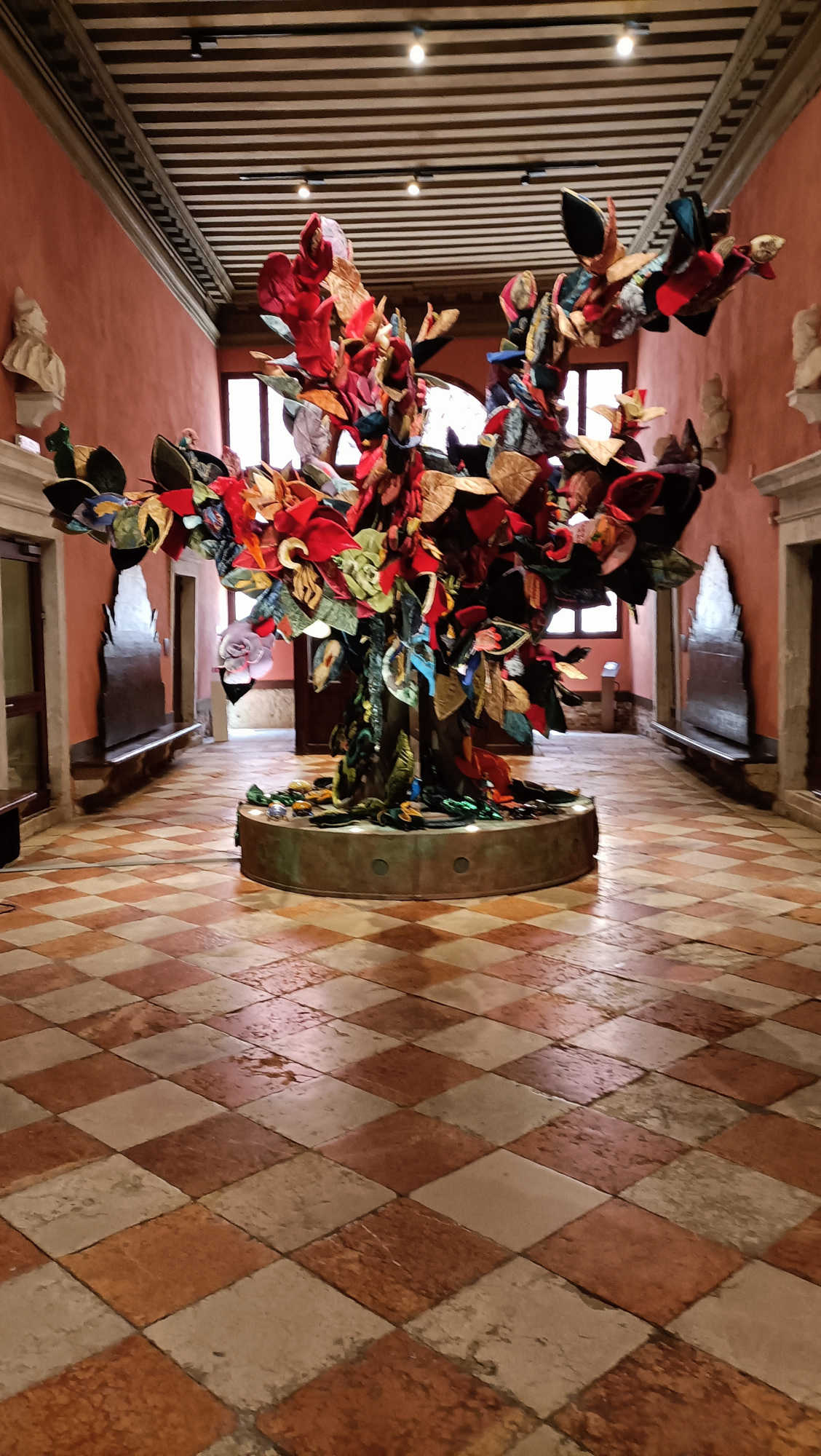
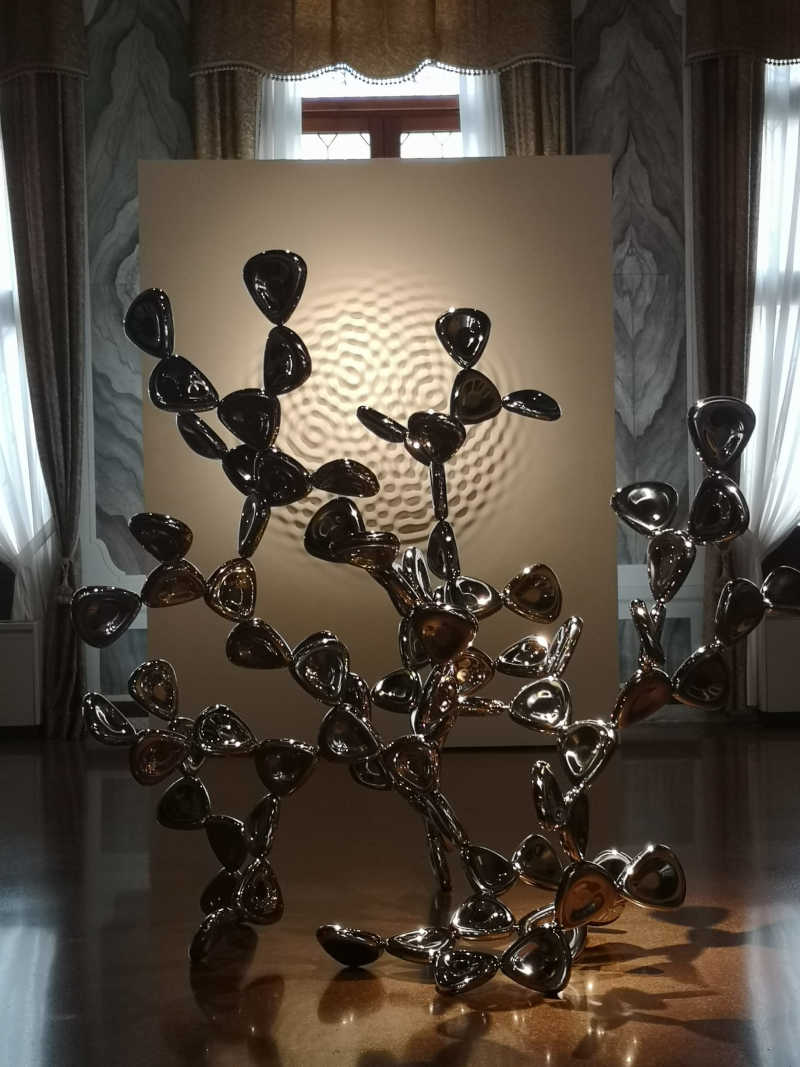
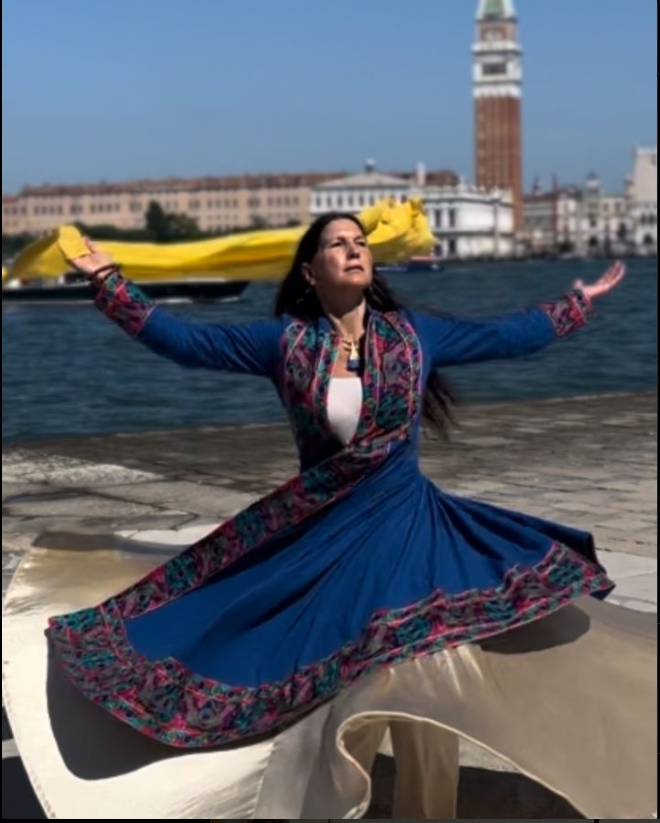
Ci stiamo avvicinando alla fine della bellissima mostra temporanea dell’Artista Carla Tolomeo, dal titolo “L’albero della vita” di cui avevo già parlato in uno dei miei precedenti blog: https://diariodiunoperatoremuseale.co/2024/05/27/lalbero-della-vita-a-palazzo-mocenigo/ In tutto questo tempo, un grandissimo numero di visitatori, e non, si sono fermati ad ammirare questa bellissima “scultura”. Numerose volte l’artista ci ha tenuti compagnia, rispondendo alle domande di molti turisti, e molti ospiti sono venuti a trovarla. Così è stato anche nella giornata di ieri, quando è venuta a trovarla L’artista / danzatrice Francesca Ferah, che in un momento del tutto inaspettato, spontaneo, ci ha regalato una sua performance di danza sufi /dervisci , che è stata entusiasmante, ma che purtroppo è durata troppo poco. Lasciate che vi parli di questi pochi attimi, di questa grande artista e cosa tratta questo tipo di danza.

Francesca Ferah è una danzatrice e insegnante di danza Sufi, nota per il suo approccio innovativo e interculturale alla tradizione della danza dervisci. Con radici italiane e bosniache, Ferah ha sempre vissuto un incontro tra Oriente e Occidente, che ha influenzato profondamente il suo percorso artistico e spirituale. Francesca Ferah ha iniziato il suo viaggio nella danza Sufi in un contesto di ricerca spirituale e personale. Nel 2014, ha ricevuto il nome Sufi “Ferah”, che significa “tranquillità”, dal maestro Sufi Dr. Rahmi Orüç Güvenç durante un intenso periodo di pratica noto come “99 giorni e 99 notti di Semâ” in Turchia. Questo evento ha segnato un punto di svolta nella sua vita, portandola a immergersi completamente nella pratica della danza dervisci. La sua passione per la danza e la spiritualità l’hanno spinta a intraprendere un percorso, che combina arte, meditazione e insegnamento. Oggi, è anche ideatrice e direttrice artistica di Soul Circle, dove tiene seminari di danza e meditazione Sufi in Italia e all’estero. La sua missione è quella di promuovere il benessere emotivo e l’intelligenza emotiva attraverso pratiche artistiche.
Origini e Storia

Le origini precise della danza dei dervisci sono avvolte nel mistero, ma si ritiene che abbia radici profonde nel sufismo, una corrente mistica islamica nata nel IX secolo. La danza, come la conosciamo oggi, è strettamente legata all’ordine dei Mevlevi, fondato da Jalal al-Din Rumi, un grande poeta e mistico persiano. Rumi, con la sua profonda spiritualità, ha contribuito a dare forma e diffondere questa pratica.

Caratteristiche Principali

  • Rotazione: Il movimento in senso anti orario, centrale della danza è la rotazione su se stessi. Questa rotazione simboleggia il viaggio dell’anima verso Dio, la ricerca della perfezione divina e l’unione con l’universo.
  • Abbigliamento: I dervisci indossano un abito bianco, simbolo di purezza, e un lungo mantello nero, che rappresenta la tomba egoistica. I neri mantelli, chiamati thirqua, di cui i partecipanti si liberano prima della danza, indicano la morte e l’oscurità, la gonna bianca con cui danzano, tennure, è simbolo di purezza, i copricapi a forma di cono, sikke, rappresentano la pietra tombale dell’ego.
  • Musica: La musica utilizzata durante la danza è composta da strumenti tradizionali come il ney (flauto), il rebab (violino) e il bendir (tamburo). I canti sono spesso basati sui versi di Rumi e hanno un profondo significato spirituale.
  • Sema: La cerimonia completa, chiamata sema, è composta da diverse fasi, ognuna delle quali ha un significato simbolico.
  • Spiritualità: La danza dei dervisci non è una semplice performance, ma un’esperienza mistica profonda. Attraverso la rotazione, i dervisci cercano di raggiungere un’estasi mistica e di connettersi con il divino.

Significato Simbolico

  • Rotazione come simbolo dell’universo: La rotazione dei dervisci rappresenta il movimento dei pianeti intorno al sole, simboleggiando l’armonia dell’universo, inoltre i danzatori non solo girano attorno a sé stessi, ma anche attorno al maestro, che si trova al centro della sala. Questo movimento simboleggia una sfera cosmica in cui i pianeti orbitano attorno al sole. La danza vorticosa assume così un carattere astrale ed è considerata la forma più pura di abbandono alla danza, esprimendo l’estasi mistica e la connessione con l’universo.
  • Braccio destro verso il cielo, sinistro verso la terra: Questa posizione delle braccia simboleggia la ricezione della benedizione divina e la sua diffusione sulla terra. Le braccia, dapprima incrociate sul petto, si aprono poi verso il cielo e la terra, canale attraverso cui fluisce l’energia cosmica. Ruotando su se stessi, i danzatori si trasformano in vortici viventi, perdendo ogni riferimento spaziale e temporale, in un’estasi mistica che li proietta in una dimensione ultraterrena.

La Danza dei Dervisci Oggi

La danza dei dervisci è oggi riconosciuta a livello internazionale come un patrimonio dell’umanità e viene praticata e insegnata in molti paesi. È diventata un simbolo di tolleranza, spiritualità e unità tra i popoli.

Per chi volesse approfondire di più questo tema, vi lascio alcuni link qui sotto. Desidero ringraziare ancora Francesca Ferah, per questo breve ma entusiasmante momento che ci ha regalato, e che ha aperto una finestra su un mondo prima sconosciuto.

Soul Circle Canale You Tube

Dervish / Sufi Dance at Palazzo Mocenigo

We are approaching the end of the beautiful temporary exhibition of the Artist Carla Tolomeo, entitled “The Tree of Life” which I had already talked about in one of my previous blogs: https://diariodiunoperatoremuseale.co/2024/05/27/lalbero-della-vita-a-palazzo-mocenigo/ In all this time, a huge number of visitors, and others, have stopped to admire this beautiful “sculpture”. The artist has kept us company on numerous occasions, answering questions from many tourists, and many guests have come to visit her. This was also the case yesterday, when the artist / dancer Francesca Ferah came to visit her, who in a completely unexpected, spontaneous moment, gave us her Sufi / dervish dance performance, which was exciting, but unfortunately lasted too short. Let me tell you about these few moments, about this great artist and what this kind of dance is about.

Francesca Ferah is a Sufi dancer and teacher, known for her innovative and intercultural approach to the dervish dance tradition. With Italian and Bosnian roots, Ferah has always experienced an encounter between East and West, which has deeply influenced her artistic and spiritual path. Francesca Ferah began her journey in Sufi dance in a context of spiritual and personal research. In 2014, she received the Sufi name “Ferah”, meaning “tranquility”, from Sufi master Dr. Rahmi Orüç Güvenç during an intense period of practice known as “99 days and 99 nights of Semâ” in Turkey. This event marked a turning point in her life, leading her to fully immerse herself in the practice of dervish dance. Her passion for dance and spirituality led her to take a path, which combines art, meditation and teaching. Today, she is also the creator and artistic director of Soul Circle, where she holds Sufi dance and meditation workshops in Italy and abroad. Its mission is to promote emotional well-being and emotional intelligence through artistic practices.

Origins and History

The precise origins of the dervish dance are shrouded in mystery, but it is believed to have deep roots in Sufism, a mystical Islamic movement that arose in the 9th century. The dance, as we know it today, is closely linked to the Mevlevi order, founded by Jalal al-Din Rumi, a great Persian poet and mystic. Rumi, with his deep spirituality, helped shape and spread this practice.

Main Features

  • Rotation: The counterclockwise, central movement of the dance is the rotation on oneself. This rotation symbolizes the soul’s journey towards God, the search for divine perfection and union with the universe.
  • Clothing: The dervishes wear a white dress, a symbol of purity, and a long black cloak, which represents the egoistic tomb. The black cloaks, called thirqua, which the participants throw off before the dance, indicate death and darkness, the white skirt they dance in, tennure, is a symbol of purity, the cone-shaped headdresses, sikke, represent the tombstone of the ego.
  • Music: The music used during the dance is composed of traditional instruments such as the ney (flute), the rebab (violin) and the bendir (drum). The chants are often based on Rumi’s verses and have deep spiritual meaning.
  • Sema: The complete ceremony, called sema, is composed of several stages, each of which has a symbolic meaningo.
  • Spirituality: The dance of the dervishes is not a simple performance, but a deep mystical experience. Through rotation, dervishes seek to achieve mystical ecstasy and connect with the divine.

Symbolic Meaning

  • Rotation as a symbol of the universe: The rotation of the dervishes represents the movement of the planets around the sun, symbolizing the harmony of the universe, moreover the dancers not only spin around themselves, but also around the master, who is in the center of the hall. This movement symbolizes a cosmic sphere in which the planets orbit around the sun. The whirling dance thus takes on an astral character and is considered the purest form of surrender to the dance, expressing mystical ecstasy and connection with the universe.
  • Right arm towards the sky, left towards the earth: This position of the arms symbolizes the reception of divine blessing and its diffusion on the earth. The arms, first crossed on the chest, then open towards the sky and the earth, the channel through which cosmic energy flows. Rotating on themselves, the dancers transform themselves into living vortices, losing all spatial and temporal references, in a mystical ecstasy that projects them into an otherworldly dimension.

The Dance of the Dervishes Today

The dance of the dervishes is today recognized internationally as a heritage of humanity and is practiced and taught in many countries. It has become a symbol of tolerance, spirituality and unity among peoples.

For those who would like to delve deeper into this topic, I leave some links below. I would like to thank Francesca Ferah again, for this brief but exciting moment she gave us, and that opened a window on a previously unknown world.

Soul Circle

Canale You Tube

Sangy a Ca’ Sagredo Hotel

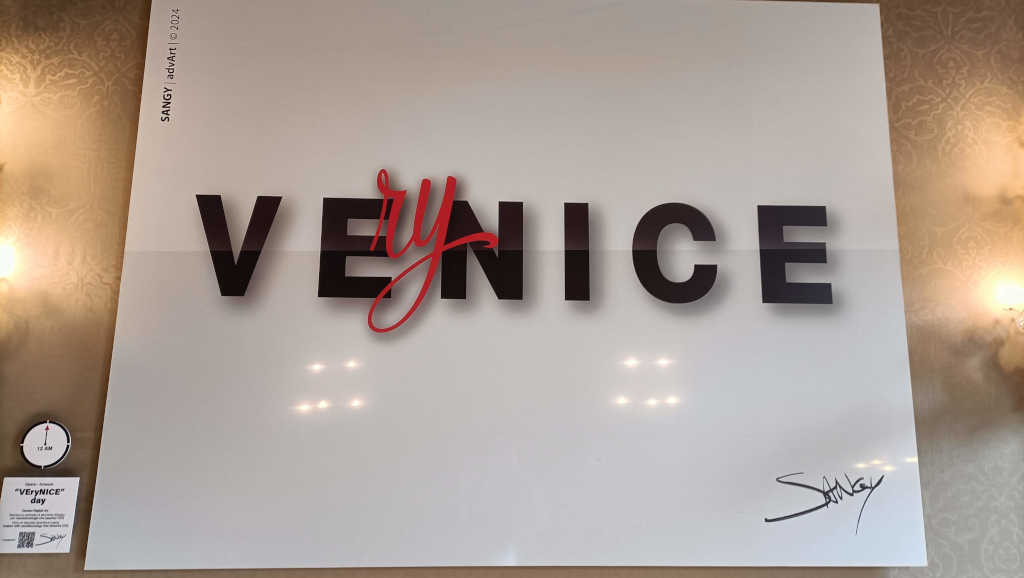
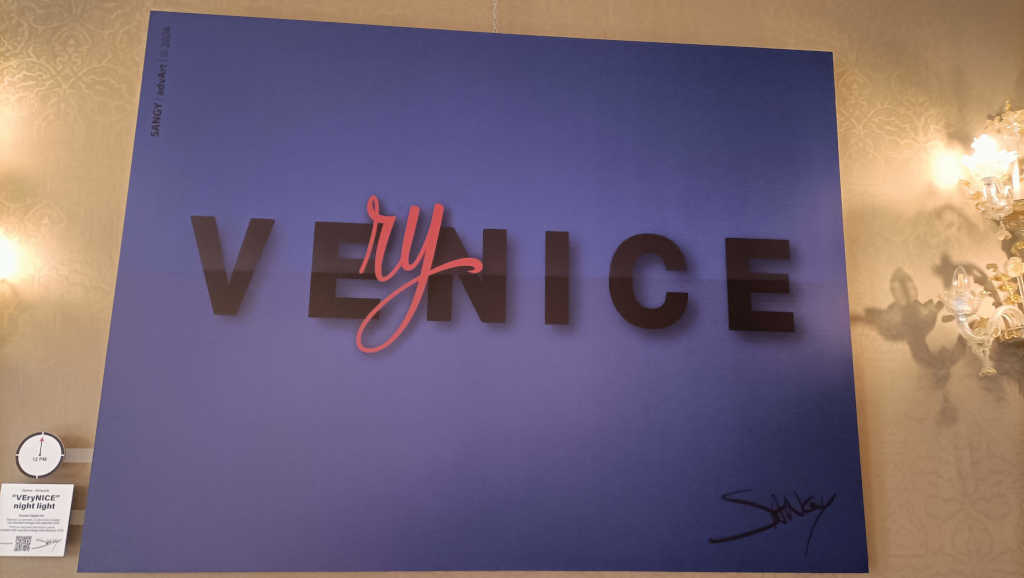
C’è una nuova mostra a Ca’ Sagredo Hotel, è stata inaugurata domenica scorsa, ma per varie ragioni, non son potuto andare. Stamattina, mi sono tenuto libero dagli impegni per andare a vederla con tutta calma. Una mostra dell’artista Sangy, che presenta 5 capolavori del tutto originali e particolari. Scopriamoli insieme.

Sangy, maestro del naming e pioniere dell’AdvArt, invita gli spettatori a un viaggio intellettuale ed emotivo attraverso le sue opere. Utilizzando le regole della pubblicità, ma con un obiettivo completamente diverso, Sangy crea opere d’arte che stimolano la riflessione, invitandoci a guardare il mondo con occhi nuovi e a connettere la nostra mente al nostro cuore.

Innovazione e Sostenibilità

Sangy, attraverso la sua arte, ci invita a riflettere sul nostro posto nell’universo e sulla nostra responsabilità nei confronti del pianeta. Utilizzando materiali eco-sostenibili e una innovativa nanotecnologia che assorbe CO2, le sue opere diventano strumenti attivi nella lotta ai cambiamenti climatici, trasformando l’arte in un potente veicolo di sostenibilità. La nanotecnologia utilizzata da Sangy per assorbire il CO2 rappresenta un approccio innovativo e avanzato nella lotta contro il cambiamento climatico. Questa tecnologia si basa su materiali speciali in grado di interagire chimicamente con le molecole di anidride carbonica, catturandole e trasformandole in forme utilizzabili o meno dannose per l’ambiente.

Funzionamento della Nanotecnologia

La tecnologia non solo mira a ridurre la CO2 nell’atmosfera, ma può anche trasformare il gas in prodotti utili o meno dannosi, contribuendo così a un’economia circolare. Una delle tecniche chiave sviluppate dai ricercatori è l’uso di un interruttore molecolare che consente ai materiali di “respirare”. Questo significa che il materiale può assorbire CO2 quando attivato da stimoli esterni, come la luce ultravioletta. Dopo aver assorbito il gas, il materiale può rilasciarlo controllatamene, evitando la saturazione e permettendo un ciclo continuo di assorbimento e rilascio. Materiali Porosi: I materiali utilizzati sono altamente porosi e solidi, simili a spugne, che possono espandersi e contrarsi durante il processo di respirazione. Questo design permette una maggiore superficie di contatto con le molecole di CO2, aumentando così l’efficienza dell’assorbimento. Reazioni Chimiche: La cattura della CO2 avviene tramite reazioni chimiche tra il gas e i materiali assorbenti, spesso a base di ammine o idrossido di potassio. Questi composti hanno una forte affinità per la CO2, permettendo una cattura efficace. Una volta che la CO2 è stata assorbita, il materiale può essere rigenerato attraverso variazioni di temperatura o pressione, permettendo il recupero del gas in forma concentrata.

La Collezione “VEryNICE”

Con “VEryNICE”, Sangy ci invita a un viaggio sensoriale attraverso Venezia. Le sue opere, esposte nel suggestivo Ca’ Sagredo Hotel, non dipingono la città, ma la sussurrano attraverso un alfabeto di emozioni. Cinque declinazioni che celebrano il tempo che scorre e l’anima di Venezia.

  1. Alba (rosa)
  2. Pieno giorno (bianco)
  3. Tramonto (porpora)
  4. Notte (blu profondo)
  5. Storia di Venezia (oro)

Come gocce d’oro sospese nel tempo, le opere di Sangy catturano l’anima di Venezia. Ogni pezzo è un’ode alla città, un invito a riflettere sulla sua storia e sul nostro futuro. Un’esperienza artistica che ci invita a guardare il mondo con occhi nuovi. Scopri come l’uso innovativo della nanotecnologia di Sangy assorbe la CO2 creando al contempo opere d’arte straordinarie! Unisciti a noi nell’esplorazione dell’arte che non solo affascina, ma contribuisce anche a un futuro sostenibile! Corri ad ammirare le opere di Sangy, sia a Ca’ Sagredo Hotel, che in tutte le altre location!

Sangy at Ca’ Sagredo Hotel

There is a new exhibition at Ca’ Sagredo Hotel, it was inaugurated last Sunday, but for various reasons, I could not go. This morning, I kept myself free from commitments to go and see it calmly. An exhibition of the artist Sangy, who presents 5 completely original and particular masterpieces. Let’s discover them together.

Sangy, master of naming and pioneer of AdvArt, invites viewers to an intellectual and emotional journey through his works. Using the rules of advertising, but with a completely different goal, Sangy creates thought-provoking works of art, inviting us to look at the world with new eyes and connect our mind to our heart

Innovation and Sustainability

Sangy, through his art, invites us to reflect on our place in the universe and our responsibility towards the planet. Using eco-sustainable materials and an innovative nanotechnology that absorbs CO2, his works become active tools in the fight against climate change, transforming art into a powerful vehicle of sustainability. The nanotechnology used by Sangy to absorb CO2 represents an innovative and advanced approach in the fight against climate change. This technology is based on special materials that can chemically interact with carbon dioxide molecules, capturing them and transforming them into usable or less harmful forms for the environment.

How Nanotechnology Works

The technology not only aims to reduce CO2 in the atmosphere, but can also transform the gas into useful or less harmful products, thus contributing to a circular economy. One of the key techniques developed by the researchers is the use of a molecular switch that allows the materials to “breathe”. This means that the material can absorb CO2 when activated by external stimuli, such as ultraviolet light. After absorbing the gas, the material can release it in a controlled manner, avoiding saturation and allowing a continuous cycle of absorption and release. Porous Materials: The materials used are highly porous and solid, similar to sponges, which can expand and contract during the breathing process. This design allows for a greater surface area of ​​contact with the CO2 molecules, thus increasing the efficiency of the absorption. Chemical Reactions: CO2 capture occurs through chemical reactions between the gas and the absorbent materials, often based on amines or potassium hydroxide. These compounds have a strong affinity for CO2, allowing for effective capture. Once the CO2 has been absorbed, the material can be regenerated through changes in temperature or pressure, allowing the gas to be recovered in a concentrated form.

The Collection “VEryNICE”

With “VEryNICE”, Sangy invites us on a sensory journey through Venice. His works, exhibited in the suggestive Ca’ Sagredo Hotel, do not paint the city, but whisper it through an alphabet of emotions. Five declinations that celebrate the passing of time and the soul of Venice.

  1. Dawn (pink)
  2. Midday (white)
  3. Sunset (purple)
  4. Night (deep blue)
  5. History of Venice (gold)

Like drops of gold suspended in time, Sangy’s works capture the soul of Venice. Each piece is an ode to the city, an invitation to reflect on its history and our future. An artistic experience that invites us to look at the world with new eyes. Discover how Sangy’s innovative use of nanotechnology absorbs CO2 while creating stunning artworks! Join us in exploring art that not only captivates but also contributes to a sustainable future! Hurry to admire Sangy’s works, both at Ca’ Sagredo Hotel and in all the other locations!

Roberto Matta a Ca’ Pesaro !

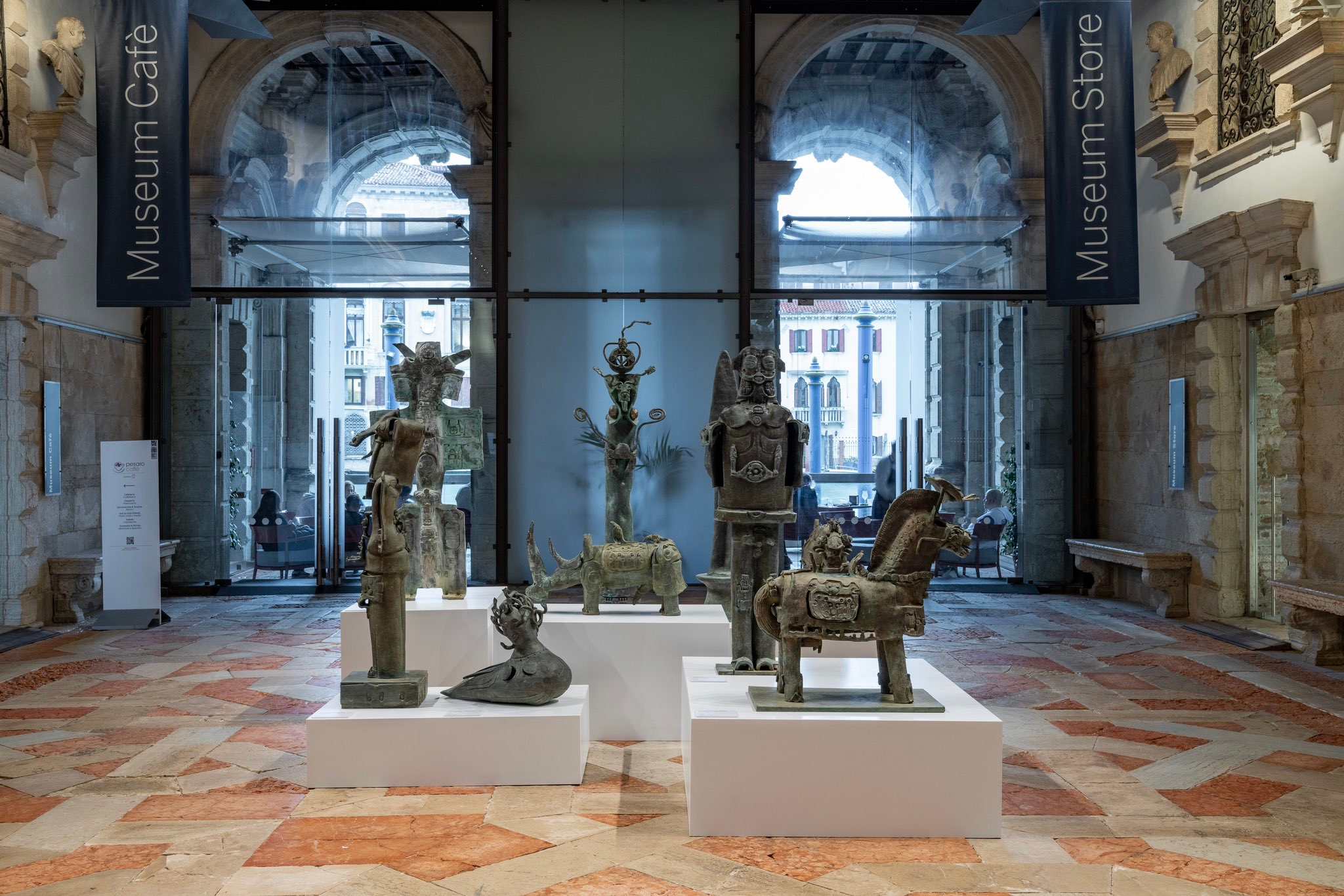
La mostra dedicata a Roberto Matta, uno dei più importanti artisti del XX secolo, è un evento imperdibile per chiunque desideri esplorare il mondo affascinante dell’arte moderna. In corso presso il Museo Cà Pesaro di Venezia, questa esposizione offre un’opportunità unica di immergersi nell’universo creativo di Matta, che ha saputo unire surrealismo e astrattismo in modo innovativo.

Chi è Roberto Matta?
Nato nel 1911 in Cile, Matta ha vissuto gran parte della sua vita in Europa, dove ha interagito con alcuni dei più grandi nomi dell’arte moderna. La sua opera è caratterizzata da colori vivaci e forme dinamiche, che sembrano danzare sulla tela. Matta non si limitava a dipingere; era un vero e proprio esploratore dell’immaginazione, capace di trasformare le sue visioni interiori in opere d’arte straordinarie.


Cosa aspettarsi dalla mostra
La mostra presenta una selezione di opere significative che raccontano il viaggio artistico di Matta, dalle sue prime esperienze fino ai lavori più maturi. I visitatori avranno l’opportunità di vedere da vicino i dettagli delle sue opere e comprendere il pensiero che si cela dietro di esse. Ogni quadro è una finestra su un mondo fantastico, dove l’inconscio e la realtà si intrecciano. Matta si ispira ai sogni e all’inconscio, le sue opere sembrano raccontare storie fantastiche, come se fossero visioni che emergono dalla mente. Le sue opere combinano elementi astratti (forme che non rappresentano oggetti reali) e figurativi (forme riconoscibili), questo crea un effetto interessante, dove il reale e l’immaginario si mescolano. Le sue opere parlano di emozioni e esperienze comuni, come l’amore, la guerra e la solitudine. Questi temi rendono l’arte di Matta comprensibile e significativa per tutti. Matta usa colori brillanti e forme morbide che sembrano muoversi. Questo rende le sue opere dinamiche e coinvolgenti, attirando l’attenzione dello spettatore; Matta si considerava un “costruttore di mondi”, le sue opere non solo mostrano immagini, ma creano veri e propri universi che sfidano le leggi della realtà.


Perché visitare la mostra?
Se sei curioso di scoprire come l’arte possa riflettere le emozioni e le esperienze umane, questa mostra è perfetta per te. Non è solo un’esperienza visiva, ma anche un viaggio emotivo che stimola la riflessione. Che tu sia un esperto d’arte o semplicemente un curioso, la mostra di Roberto Matta ti lascerà senza parole. Non perdere l’occasione di visitare questa esposizione unica al Museo Cà Pesaro.

Roberto Matta exibithion at Ca’ Pesaro Museum !

The exhibition dedicated to Roberto Matta, one of the most important artists of the 20th century, is a must-see event for anyone looking to explore the fascinating world of modern art. Currently taking place at the Cà Pesaro Museum in Venice, this exhibition offers a unique opportunity to immerse yourself in Matta’s creative universe, which innovatively combines surrealism and abstraction.

Who is Roberto Matta?
Born in 1911 in Chile, Matta spent much of his life in Europe, where he interacted with some of the greatest names in modern art. His work is characterized by vibrant colors and dynamic shapes that seem to dance on the canvas. Matta was not just a painter; he was a true explorer of imagination, capable of transforming his inner visions into extraordinary works of art.


What to expect from the exhibition
The exhibition presents a selection of significant works that tell the artistic journey of Matta, from his early experiences to his most mature works. Visitors will have the opportunity to see the details of his works up close and understand the thought behind them. Each painting is a window into a fantastic world, where the unconscious and reality intertwine. Matta is inspired by dreams and the unconscious, his works seem to tell fantastic stories, as if they were visions that emerge from the mind. His works combine abstract elements (shapes that do not represent real objects) and figurative (recognizable shapes), this creates an interesting effect, where the real and the imaginary mix. His works speak of common emotions and experiences, such as love, war and loneliness. These themes make Matta’s art understandable and meaningful for everyone. Matta uses bright colors and soft shapes that seem to move. This makes his works dynamic and engaging, attracting the viewer’s attention; Matta considered himself a “world builder”, his works not only show images, but create real universes that defy the laws of reality.


Why visit the exhibition?
If you are curious about how art can reflect human emotions and experiences, this exhibition is perfect for you. It is not just a visual experience but also an emotional journey that stimulates reflection. Whether you are an art expert or simply curious, the Roberto Matta exhibition will leave you speechless. Don’t miss the chance to visit this unique exhibition at the Cà Pesaro Museum.

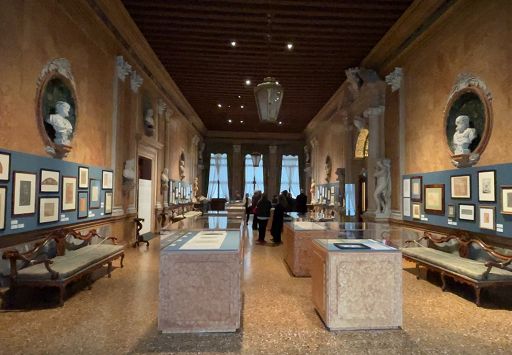
Paolo Galli a Ca’ Rezzonico

Ca’ Rezzonico (Venice)

For the English translation please scroll down the page, thank you !

Dal 10 ottobre 2024, Ca’ Rezzonico a Venezia ospiterà una mostra affascinante dedicata alla Collezione Paolo Galli. Questa esposizione rappresenta un’opportunità imperdibile per scoprire opere d’arte di grande valore, provenienti dalla collezione di uno dei più noti collezionisti italiani.

Un tesoro nascosto a Ca’ Rezzonico: una collezione di disegni che ti lascerà a bocca aperta!

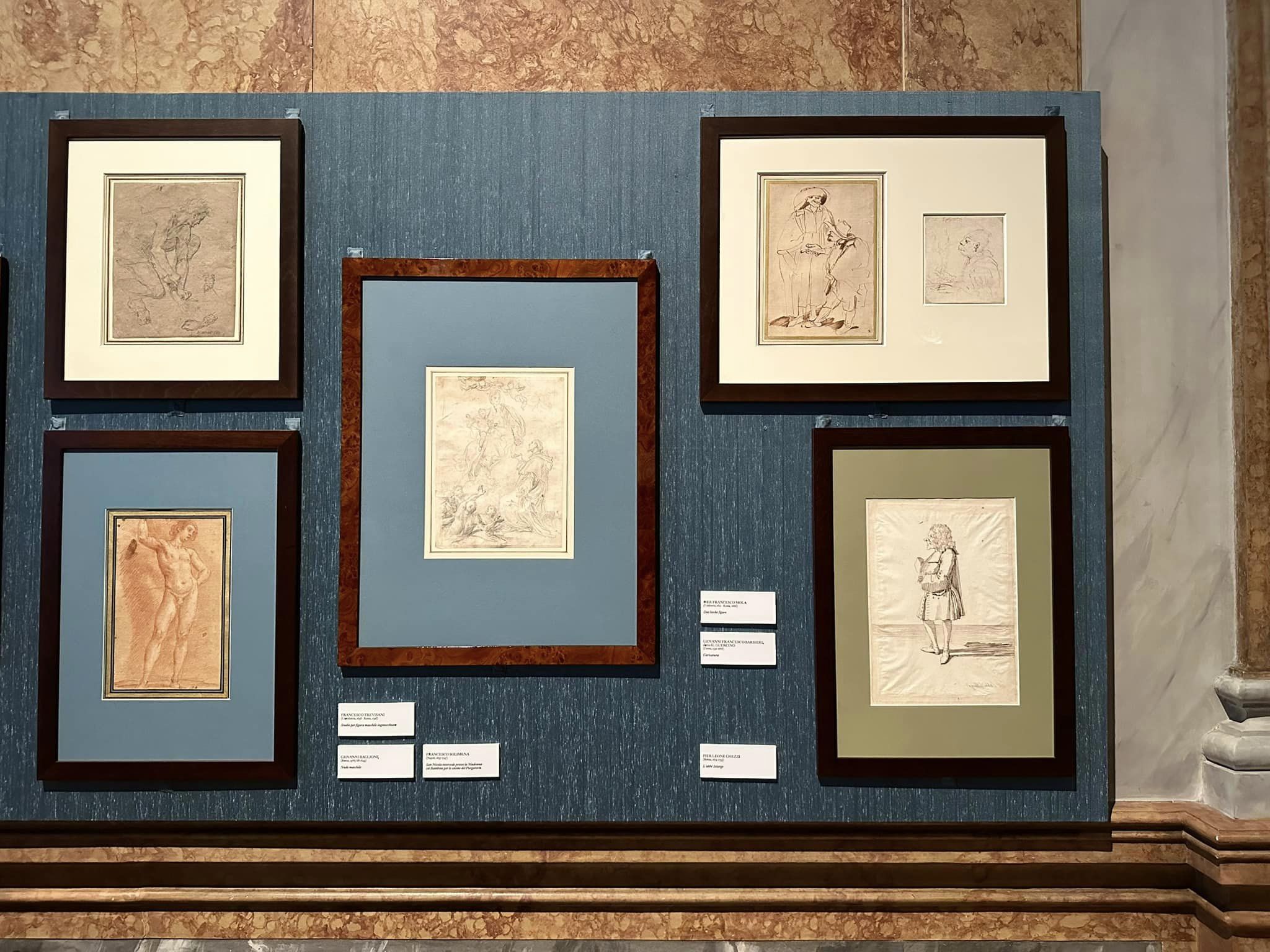
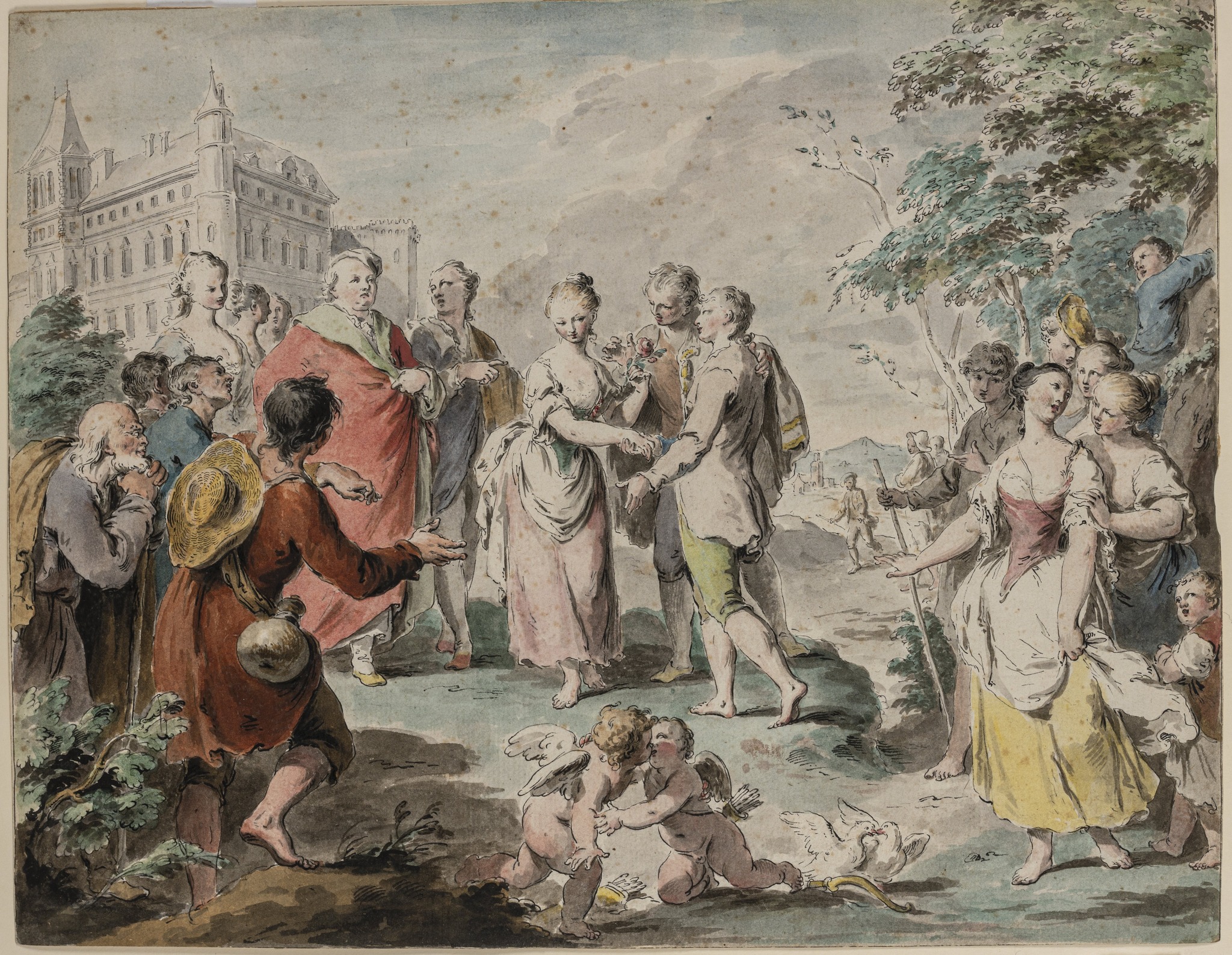
Hai mai pensato che un semplice foglio di carta potesse raccontare così tante storie? A Ca’ Rezzonico, il magnifico palazzo veneziano, è stato appena aperto un baule pieno di tesori nascosti: una collezione di oltre 200 disegni, donati da un appassionato collezionista.

Cosa Aspettarsi dalla Mostra

La mostra si concentrerà su una selezione di opere che riflettono la passione e l’impegno di Paolo Galli nel raccogliere pezzi significativi. Gli visitatori potranno ammirare una varietà di opere che spaziano tra diverse epoche e stili, offrendo così un panorama ricco e variegato dell’arte italiana.

Opere in Evidenza

Tra le opere esposte, ci saranno dipinti, sculture e oggetti d’arte decorativa. Ogni pezzo racconta una storia unica e offre uno sguardo sulle tendenze artistiche del passato. La mostra è progettata per essere accessibile anche a chi non ha una formazione specifica in storia dell’arte, rendendo l’esperienza educativa e coinvolgente.

Un Ambiente Storico

Ca’ Rezzonico, situata lungo il Canal Grande, è un palazzo storico che stesso è un’opera d’arte. La sua architettura barocca e gli interni magnifici forniscono un contesto perfetto per ospitare la Collezione Paolo Galli. Visitare la mostra non significa solo vedere l’arte, ma anche immergersi nella bellezza di uno dei luoghi più iconici di Venezia.

Conclusione

Non perdere l’occasione di esplorare la Collezione Paolo Galli a Ca’ Rezzonico. Questa mostra promette di essere un’esperienza indimenticabile per tutti gli amanti dell’arte e per coloro che desiderano scoprire la ricchezza culturale di Venezia. Prepara il tuo viaggio e lasciati ispirare dalla bellezza dell’arte!

Paolo Galli at Ca’ Rezzonico Museum !

Ca’ Rezzonico (Venice)

From October 10, 2024, Ca’ Rezzonico in Venice will host a fascinating exhibition dedicated to the Paolo Galli Collection. This exhibition represents an unmissable opportunity to discover valuable artworks from one of Italy’s most renowned collectors.

A hidden treasure in Ca’ Rezzonico: a collection of drawings that will leave you speechless!

Have you ever thought that a simple sheet of paper could tell so many stories? In Ca’ Rezzonico, the magnificent Venetian palace, a trunk full of hidden treasures has just been opened: a collection of over 200 drawings, donated by a passionate collector.

What to Expect from the Exhibition

The exhibition will focus on a selection of works that reflect Paolo Galli’s passion and commitment to collecting significant pieces. Visitors will be able to admire a variety of artworks spanning different eras and styles, thus offering a rich and diverse panorama of Italian art.

Featured Works

Among the exhibited works, there will be paintings, sculptures, and decorative art objects. Each piece tells a unique story and provides insight into the artistic trends of the past. The exhibition is designed to be accessible even to those without a specific background in art history, making the experience both educational and engaging.

A Historic Setting

Ca’ Rezzonico, located along the Grand Canal, is a historic palace that is itself a work of art. Its Baroque architecture and magnificent interiors provide the perfect backdrop for hosting the Paolo Galli Collection. Visiting the exhibition means not only seeing art but also immersing oneself in the beauty of one of Venice’s most iconic locations.

Conclusion

Don’t miss the chance to explore the Paolo Galli Collection at Ca’ Rezzonico. This exhibition promises to be an unforgettable experience for all art lovers and for those who wish to discover Venice’s cultural richness. Prepare for your visit and let yourself be inspired by the beauty of art!

Matisse al Centro Culturale Candiani di Mestre !

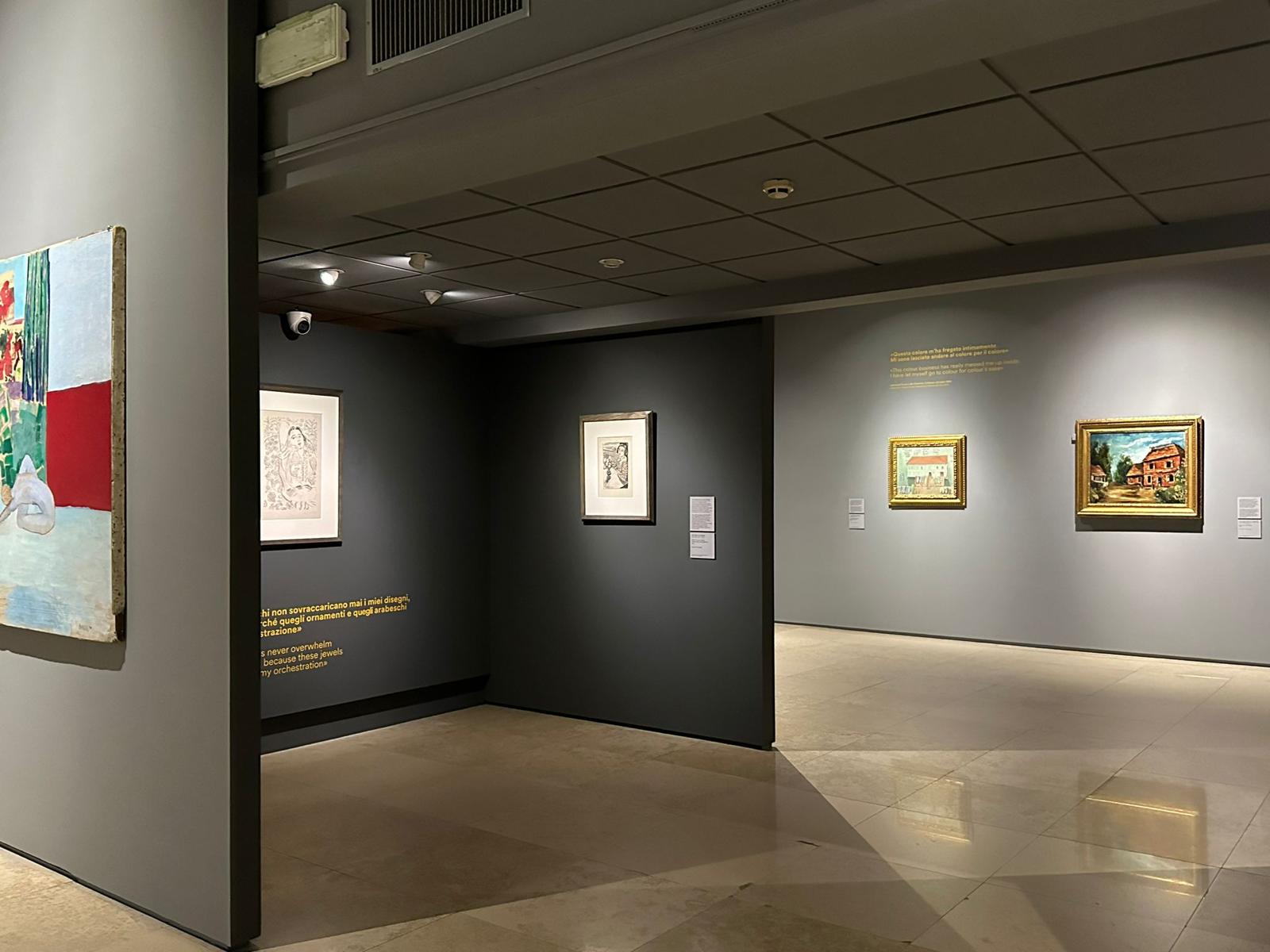
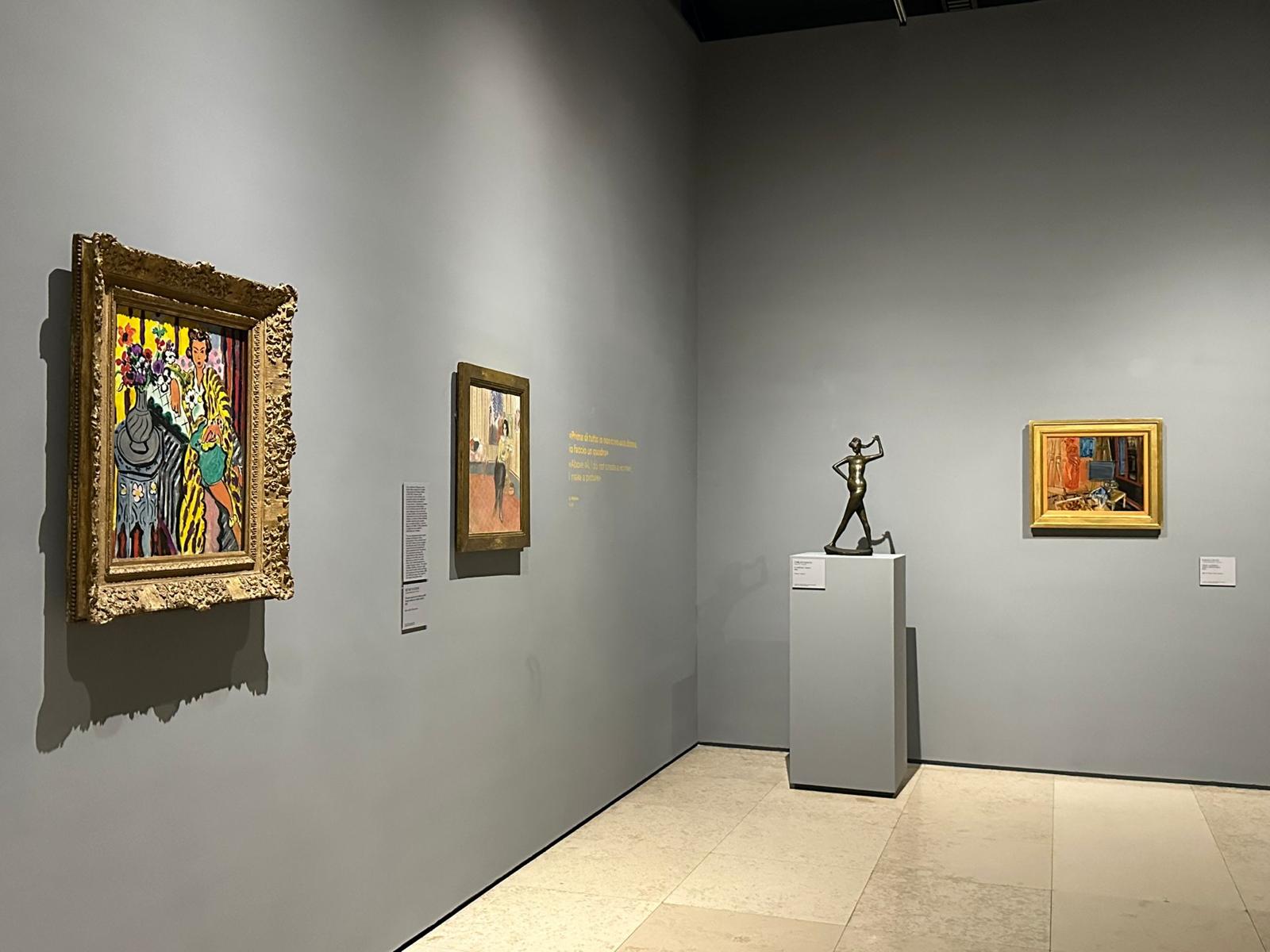
La mostra “Matisse e la luce del Mediterraneo” al Centro Culturale Candiani di Mestre offre un’affascinante esplorazione dell’opera di Henri Matisse, uno dei più influenti artisti del XX secolo. Questa esposizione, che si svolge dal 28 settembre 2024 al 04 marzo 2025, è un’occasione imperdibile per gli amanti dell’arte e della cultura.

Un Viaggio nell’Arte di Matisse

La mostra si concentra sull’importanza della luce e del colore nella produzione artistica di Matisse, evidenziando come il Mediterraneo abbia influenzato profondamente il suo lavoro. Attraverso una selezione di opere iconiche, i visitatori possono osservare l’evoluzione dello stile di Matisse, dalle sue prime opere fino ai lavori più maturi, caratterizzati da una palette vibrante e da composizioni audaci.

Chi era Matisse

Henri Émile Benoît Matisse nacque il 31 dicembre 1869 a Le Cateau-Cambrésis, in Francia. Inizialmente studiò legge, ma si dedicò all’arte all’età di 21 anni mentre si riprendeva da una malattia. Matisse si trasferì a Parigi nel 1891 per seguire una formazione artistica formale, dove fu influenzato da vari movimenti artistici, tra cui l’impressionismo e il postimpressionismo. Divenne una figura di spicco del movimento fauvista, noto per il suo uso audace del colore e per le forme innovative. Nel corso della sua carriera, Matisse sperimentò diversi media, tra cui pittura, scultura e collage. Trascorse i suoi ultimi anni a Nizza, dove continuò a creare opere significative fino alla sua morte, avvenuta il 3 novembre 1954.

Opere in Mostra

Tra le opere esposte, ci sono dipinti che catturano la bellezza dei paesaggi mediterranei e delle figure umane, riflettendo il modo in cui la luce naturale interagisce con i colori. La mostra include anche dei pannelli esplicativi che offrono uno sguardo approfondito sulla vita di Matisse e sul suo processo creativo.

Attività e Eventi Collaterali

Oltre alla mostra principale, il Candiani offre una serie di eventi collaterali, tra cui visite guidate, laboratori per bambini e conferenze che approfondiscono il tema della luce nell’arte. Queste attività sono progettate per coinvolgere il pubblico e rendere l’esperienza ancora più interattiva.

Conclusioni

“Matisse e la luce del Mediterraneo” rappresenta un’opportunità unica per scoprire l’arte di Matisse, non perdere l’occasione di visitare questa mostra al Centro Culturale Candiani: sarà un viaggio indimenticabile nel mondo del colore e della luce.

Candiani cultural center of Mestre

Matisse and the Light of the Mediterranean at Candiani in Mestre

The exhibition “Matisse and the Light of the Mediterranean” at the Candiani Cultural Center in Mestre offers a fascinating exploration of the work of Henri Matisse, one of the most influential artists of the 20th century. This exhibition, running from September 28, 2024 to March 04, 2025, is an unmissable opportunity for art and culture enthusiasts.

A Journey into Matisse’s Art

The exhibition focuses on the importance of light and color in Matisse’s artistic production, highlighting how the Mediterranean profoundly influenced his work. Through a selection of iconic pieces, visitors can observe the evolution of Matisse’s style, from his early works to his more mature pieces, characterized by a vibrant palette and bold compositions.

Who was Matisse

Henri Émile Benoît Matisse was born on December 31, 1869, in Le Cateau-Cambrésis, France. Initially studying law, he turned to art at the age of 21 while recovering from an illness. Matisse moved to Paris in 1891 to pursue formal art training, where he was influenced by various artistic movements, including Impressionism and Post-Impressionism. He became a leading figure of the Fauvist movement, known for his bold use of color and innovative forms. Throughout his career, Matisse experimented with different media, including painting, sculpture, and collage. He spent his later years in Nice, where he continued to create significant works until his death on November 3, 1954.

Works on Display

Among the exhibited works are paintings that capture the beauty of Mediterranean landscapes and human figures, reflecting how natural light interacts with colors. The exhibition also includes some explanatory panels that provide an in-depth look at Matisse’s life and creative process.

Activities and Side Events

In addition to the main exhibition, Candiani offers a series of side events, including guided tours, workshops for children, and lectures that delve into the theme of light in art. These activities are designed to engage the public and make the experience even more interactive.

Conclusion

“Matisse and the Light of the Mediterranean” represents a unique opportunity to discover Matisse’s art, don’t miss the chance to visit this exhibition at the Candiani Cultural Center; it will be an unforgettable journey into the world of color and light.

LORIS CECCHINI a Ca’ Rezzonico

Ca’ Rezzonico (Venice)

For the English translation please scroll down the page, thank you !

Mostra di Loris Cecchini a Ca’ Rezzonico: “Leaps, gaps and overlapping diagrams”

La mostra “Loris Cecchini: Leaps, Gaps and Overlapping Diagrams” è un evento affascinante che si svolge dal 20 settembre 2024 fino a marzo 2025 presso il Ca’ Rezzonico, il Museo del Settecento Veneziano a Venezia. Curata da Luca Berta e Francesca Giubilei, questa esposizione presenta le opere innovative dell’artista Loris Cecchini, noto per le sue sculture modulari che esplorano le interazioni tra arte, natura e scienza.

Temi e Opere

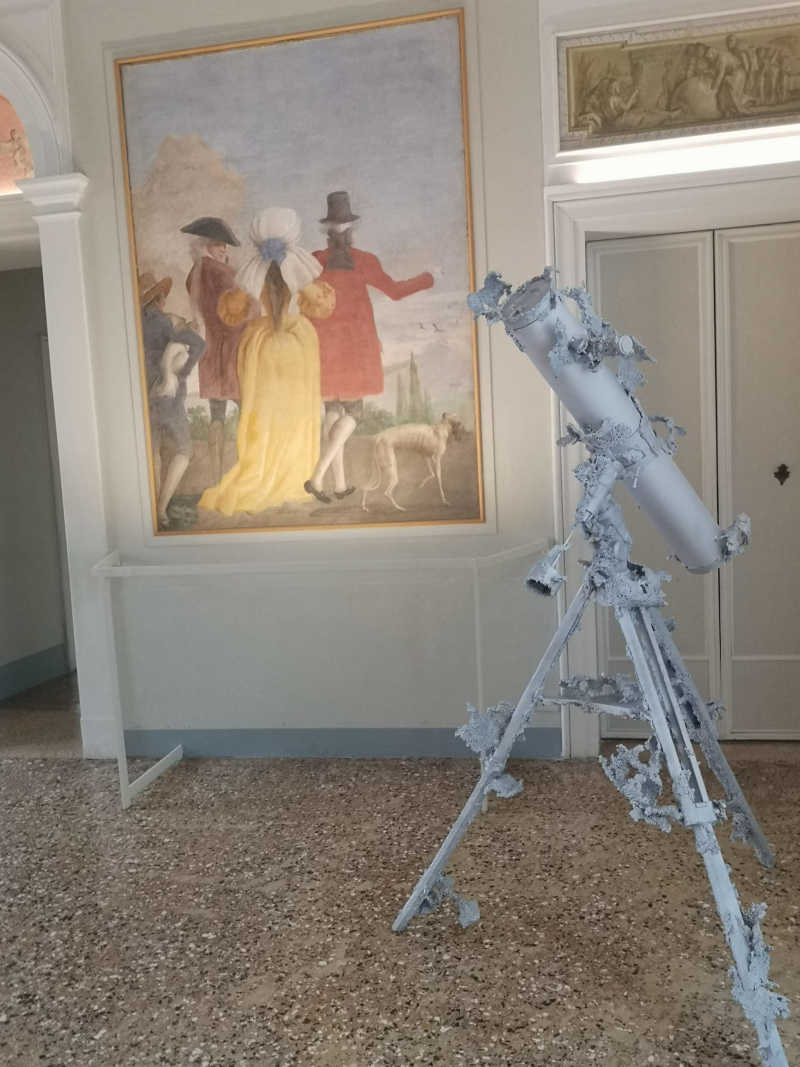
Cecchini utilizza tecnologie moderne di modellazione tridimensionale per creare sculture che non solo occupano uno spazio, ma interagiscono con esso. Le sue opere sono definite **site-specific**, il che significa che si adattano e rispondono all’ambiente circostante. All’interno delle sale del museo, le sculture dialogano con i magnifici affreschi di artisti come Giambattista Tiepolo, creando un’esperienza visiva unica.

Caratteristiche delle Sculture

Le opere in mostra sono principalmente realizzate in acciaio e alluminio, con installazioni sia all’interno che all’esterno del palazzo. Alcuni pezzi presentano una natura granulare, realizzati attraverso fusioni in alluminio che imitano forme naturali ma ne sfumano i contorni. Altri lavori evocano pattern della natura su scala microscopica e macroscopica, riflettendo la varietà e la complessità del mondo naturale.

Un Dialogo con l’Arte Barocca

Cecchini si ispira alla **geometria** e alla **dinamicità** degli affreschi barocchi, ma invece di riprodurre illusioni spaziali come Tiepolo, egli cerca di rompere le convenzioni tradizionali della scultura. Le sue opere eliminano le distinzioni tra dentro e fuori, proponendo una visione fluida e aperta della forma artistica.

Informazioni utili

La mostra è accessibile durante gli orari normali del museo e il biglietto può essere acquistato presso il Ca’ Rezzonico. Questa esposizione è un’opportunità imperdibile per esplorare l’intersezione tra arte contemporanea e patrimonio storico veneziano, offrendo ai visitatori una nuova prospettiva sulla scultura moderna.

In sintesi, “Leaps, Gaps and Overlapping Diagrams” non è solo una mostra di sculture; è un invito a riflettere su come l’arte possa dialogare con la storia e l’ambiente circostante, creando esperienze visive coinvolgenti e stimolanti.

Loris Cecchini’s exhibition at Ca’ Rezzonico: “Leaps, gaps and overlapping diagrams”

The exhibition “Loris Cecchini: Leaps, Gaps and Overlapping Diagrams” is a fascinating event that will take place from September 20, 2024 until March 2025 at Ca’ Rezzonico, the Museum of 18th-century Venice in Venice. Curated by Luca Berta and Francesca Giubilei, this exhibition features the innovative works of artist Loris Cecchini, known for his modular sculptures that explore the interactions between art, nature, and science.

Themes and Works

Cecchini uses modern three-dimensional modeling technologies to create sculptures that not only occupy a space, but interact with it. His works are defined as **site-specific**, which means that they adapt and respond to their surroundings. Inside the museum’s rooms, the sculptures dialogue with the magnificent frescoes by artists such as Giambattista Tiepolo, creating a unique visual experience.

Characteristics of the Sculptures

The works on display are mainly made of steel and aluminum, with installations both inside and outside the building. Some pieces have a granular nature, made through aluminum castings that imitate natural forms but blur their contours. Other works evoke patterns of nature on a microscopic and macroscopic scale, reflecting the variety and complexity of the natural world.

A Dialogue with Baroque Art

Cecchini is inspired by the **geometry** and **dynamism** of Baroque frescoes, but instead of reproducing spatial illusions like Tiepolo, he seeks to break the traditional conventions of sculpture. His works eliminate the distinctions between inside and outside, proposing a fluid and open vision of the artistic form.
Practical Information

The exhibition is accessible during the normal hours of the museum and the ticket can be purchased at Ca’ Rezzonico. This exhibition is an unmissable opportunity to explore the intersection of contemporary art and Venetian historical heritage, offering visitors a new perspective on modern sculpture.

In short, “Leaps, Gaps and Overlapping Diagrams” is not just an exhibition of sculptures; it is an invitation to reflect on how art can dialogue with history and the surrounding environment, creating engaging and stimulating visual experiences.

Mestre Premio Pittura 2024

For the English translation please scroll down the page, thank you !

Il Premio Mestre di Pittura: un concorso annuale per valorizzare la pittura contemporanea

Inaugurazione della Mostra del Premio Mestre di Pittura 2024

Se sei un appassionato d’arte o semplicemente curioso di scoprire nuove opere, segnati sul calendario un evento imperdibile: venerdì 13 settembre 2024, alle ore 18:00, si inaugura la mostra delle opere finaliste del Premio Mestre di Pittura 2024 presso il Centro Culturale Candiani di Mestre. Questo prestigioso evento rappresenta un’occasione unica per ammirare il talento di artisti emergenti e affermati.

Dettagli della Mostra

La mostra sarà aperta al pubblico dal 14 settembre al 20 ottobre 2024, tutti i giorni tranne il lunedì, dalle 16:00 alle 20:00. L’ingresso è libero, quindi non perdere l’opportunità di visitarla e lasciarti ispirare dalle sessanta opere selezionate da una giuria di esperti di livello internazionale.

Cerimonia di Premiazione

Un momento clou della manifestazione sarà la cerimonia di proclamazione dei vincitori, che si terrà venerdì 4 ottobre 2024, alle ore 20:00, presso il Teatro Toniolo di Mestre. Questo evento esclusivo sarà riservato su invito, ma l’attesa per scoprire chi si aggiudicherà il premio è palpabile.

Un Evento di Rilievo

Il Premio Mestre di Pittura è organizzato dall’associazione Il Circolo Veneto in collaborazione con la Fondazione Musei Civici di Venezia, e gode del patrocinio di importanti enti, tra cui la Regione del Veneto e il Comune di Venezia. Quest’anno, la mostra non solo celebra l’arte contemporanea, ma rappresenta anche un’importante occasione di networking e scambio culturale, grazie alla collaborazione con l’Accademia di Belle Arti di Venezia e la Fondazione Bevilacqua la Masa.

Un Trofeo Unico

Il vincitore del premio avrà l’onore di ricevere un prestigioso trofeo in vetro, progettato e realizzato dal maestro vetraio Enrico Cammozzo in collaborazione con Artigianato Muranese srl. Questo trofeo non è solo un riconoscimento, ma anche un’opera d’arte che celebra la tradizione artigianale veneta.

Non perdere l’occasione di immergerti nel mondo dell’arte contemporanea e di scoprire i talenti emergenti del panorama artistico. Ti aspettiamo al Centro Culturale Candiani per un’esperienza culturale che promette di essere affascinante e stimolante!

The Mestre Painting Prize: an annual competition to enhance contemporary painting

Inauguration of the Mestre Painting Award Exhibition 2024

Inauguration of the Mestre Painting Award 2024 Exhibition

If you are an art enthusiast or simply curious to discover new works, mark an unmissable event on your calendar: Friday 13 September 2024, at 6:00 pm, the exhibition of the finalist works of the Mestre Painting Award 2024 will be inaugurated at the Candiani Cultural Center in Mestre. This prestigious event represents a unique opportunity to admire the talent of emerging and established artists.

Exhibition Details

The exhibition will be open to the public from 14 September to 20 October 2024, every day except Monday, from 4:00 pm to 8:00 pm. Admission is free, so don’t miss the opportunity to visit it and be inspired by the sixty works selected by a jury of international experts.

Awards Ceremony

A highlight of the event will be the ceremony to announce the winners, which will be held on Friday, October 4, 2024, at 8:00 p.m., at the Teatro Toniolo in Mestre. This exclusive event will be by invitation only, but the anticipation to find out who will win the prize is palpable.

A Major Event

The Mestre Painting Award is organized by the Il Circolo Veneto association in collaboration with the Fondazione Musei Civici di Venezia, and enjoys the patronage of important institutions, including the Veneto Region and the Municipality of Venice. This year, the exhibition not only celebrates contemporary art, but also represents an important opportunity for networking and cultural exchange, thanks to the collaboration with the Academy of Fine Arts of Venice and the Bevilacqua la Masa Foundation.

A Unique Trophy

The winner of the award will have the honor of receiving a prestigious glass trophy, designed and created by master glassmaker Enrico Cammozzo in collaboration with Artigianato Muranese srl. This trophy is not only an award, but also a work of art that celebrates the Venetian artisan tradition.

Do not miss the opportunity to immerse yourself in the world of contemporary art and discover the emerging talents of the artistic scene. We are waiting for you at the Candiani Cultural Center for a cultural experience that promises to be fascinating and stimulating!

Muranoglass Jewelry made by Women a Ca’ Sagredo Hotel !

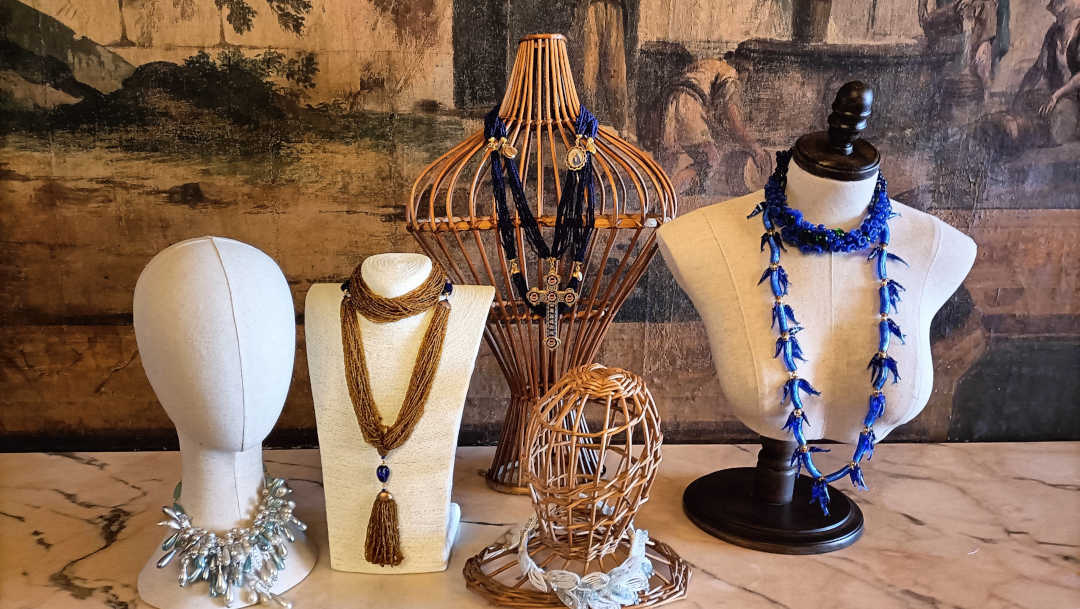
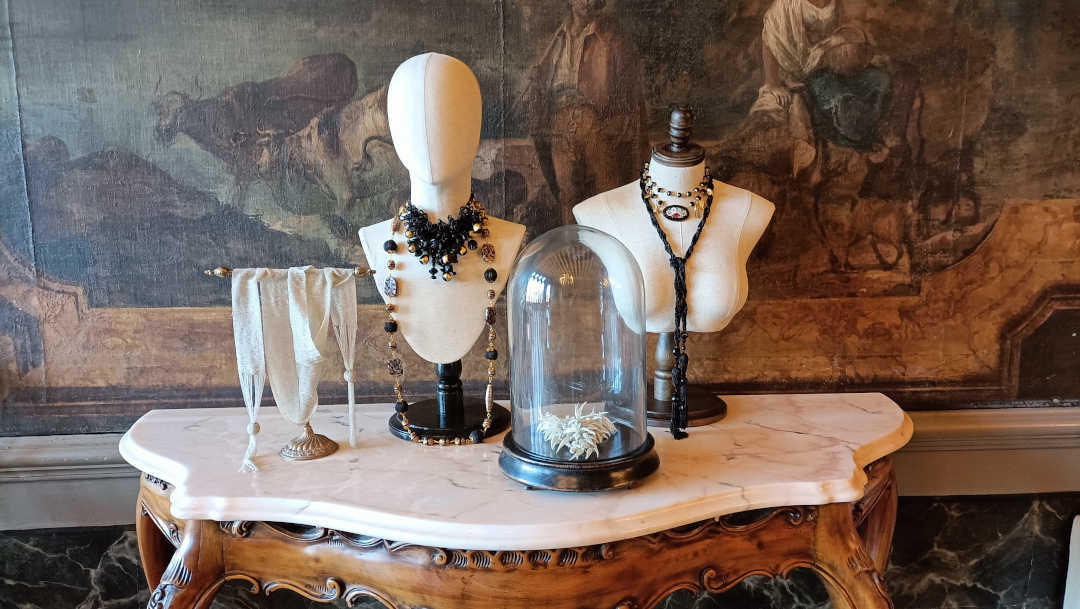
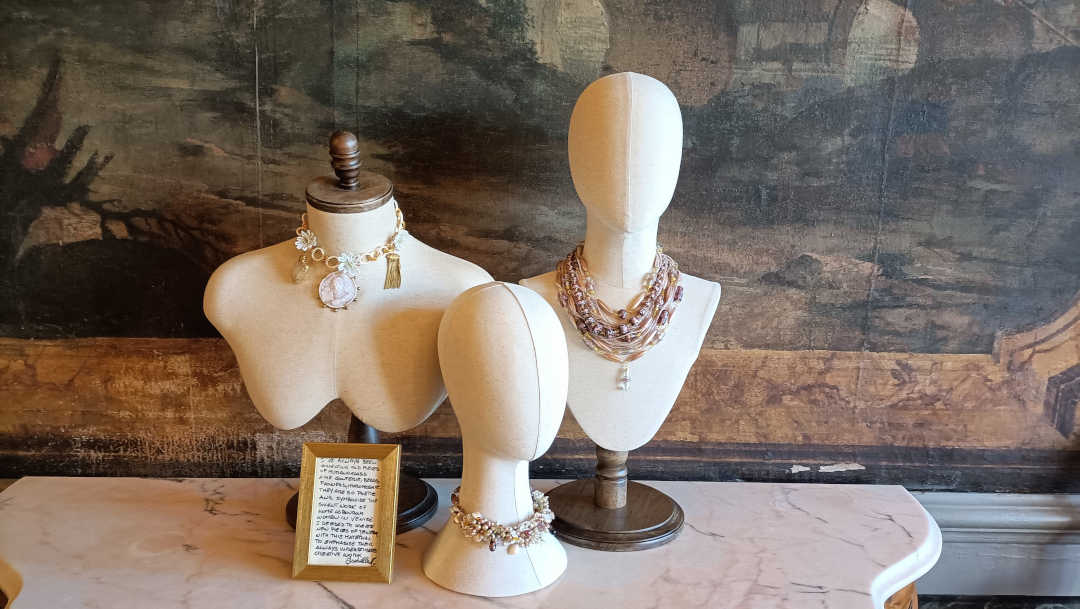
Anche il magnifico Ca’ Sagredo Hotel partecipa alla glass week con una mostra dell’artista e collezionista Isabella Muratori, una mostra esibita al primo piano nobile, aperta al pubblico dal 15 fino al 22 di settembre negli orari concessi dall’albergo. Diciamo che dalle 10 di mattina, potete andare e chiedere di vedere questa bellissima mostra, vi consiglio di visionare i seguenti siti web: https://www.casagredohotel.com/it/https://theveniceglassweek.com/

L’artista si chiama Isabella Muratori, è una stilista e designer di interni, specializzata in oggetti vintage e decorazioni d’epoca, collabora con architetti di tutto il mondo per progettare residenze, locali e hotel, curando la ricerca di materiali e lo styling degli spazi, ha una passione per il vetro di Murano, e ha deciso di creare in occasione della Glass Week questa mostra con delle opere molto interessanti. Questi oggetti non solo riflettono la bellezza artistica, ma simboleggiano anche il lavoro delle donne artigiane di Venezia. Questi gioielli sono progettati per valorizzare l’opera creativa delle donne che storicamente hanno lavorato con questo materiale. La sua visione del “vintage” è quella di rielaborare stili e atmosfere che spaziano dagli anni ’20 agli anni ’50, creando un nuovo progetto moderno che conserva la ricchezza degli oggetti d’epoca. In sintesi, Isabella Muratori si distingue per la sua capacità di unire tradizione e modernità nel design d’interni e nella creazione di gioielli, ponendo particolare attenzione alla valorizzazione del patrimonio artistico e culturale italiano.

Personalmente, ho trovato molto interessante i dettagli delle sue opere, questa mattina, riuscendo ad arrivare molto presto, ho potuto godere della mostra, mi sono avvicinato più che potevo, senza rischio per le opere e trascorso il tempo, a scrutare i minimi dettagli. Non soffermatevi nella visione d’insieme, guardate meglio e andate oltre, vedrete delle cose molto interessanti.

Non perdere l’opportunità di immergerti in un affascinante viaggio nel tempo con la mostra di Isabella Muratori! Esplora una collezione unica di gioielli ornamentali realizzati con preziosi elementi in vetro di Murano, che raccontano storie di eleganza e artigianato femminile. Ogni pezzo è una scoperta, un connubio tra passato e presente, dove il fascino degli anni ’20-’50 si fonde con la modernità. Lasciati avvolgere dalle atmosfere poetiche e dall’arte che celebra il lavoro silenzioso delle donne veneziane. Un’esperienza che non solo arricchirà i tuoi sensi, ma ti porterà a riflettere sulla bellezza del patrimonio culturale.

Muranoglass Jewelry made by Women at Ca’ Sagredo Hotel !

The magnificent Ca’ Sagredo Hotel also participates in the glass week with an exhibition of the artist and collector Isabella Muratori, an exhibition exhibited on the first noble floor, open to the public from September 15th to 22nd during the hours granted by the hotel. Let’s say that from 10 in the morning, you can go and ask to see this beautiful exhibition, I recommend you to view the following websites: https://www.casagredohotel.com/it/https://theveniceglassweek.com/

The artist’s name is Isabella Muratori, she is a stylist and interior designer, specialized in vintage objects and period decorations, she collaborates with architects from all over the world to design residences, premises and hotels, taking care of the research of materials and the styling of the spaces, she has a passion for Murano glass, and has decided to create this exhibition with some very interesting works on the occasion of Glass Week. These objects not only reflect artistic beauty, but also symbolize the work of the women artisans of Venice. These jewels are designed to enhance the creative work of women who have historically worked with this material. Her vision of “vintage” is to rework styles and atmospheres that range from the 1920s to the 1950s, creating a new modern project that preserves the richness of vintage objects. In short, Isabella Muratori stands out for her ability to combine tradition and modernity in interior design and jewelry creation, paying particular attention to the enhancement of Italian artistic and cultural heritage.

Personally, I found the details of her works very interesting, this morning, managing to arrive very early, I was able to enjoy the exhibition, I got as close as I could, without risking the works and spent the time, scrutinizing the smallest details. Don’t stop at the overview, look better and go further, you will see very interesting things.

Don’t miss the opportunity to immerse yourself in a fascinating journey through time with the Isabella Muratori exhibition! Explore a unique collection of ornamental jewels made with precious Murano glass elements, which tell stories of elegance and feminine craftsmanship. Each piece is a discovery, a combination of past and present, where the charm of the 20s-50s merges with modernity. Let yourself be enveloped by the poetic atmospheres and art that celebrates the silent work of Venetian women. An experience that will not only enrich your senses, but will make you reflect on the beauty of cultural heritage.

Vetro inciso della laguna a Palazzo Mocenigo

For the English translation please scroll down the page, thank you !

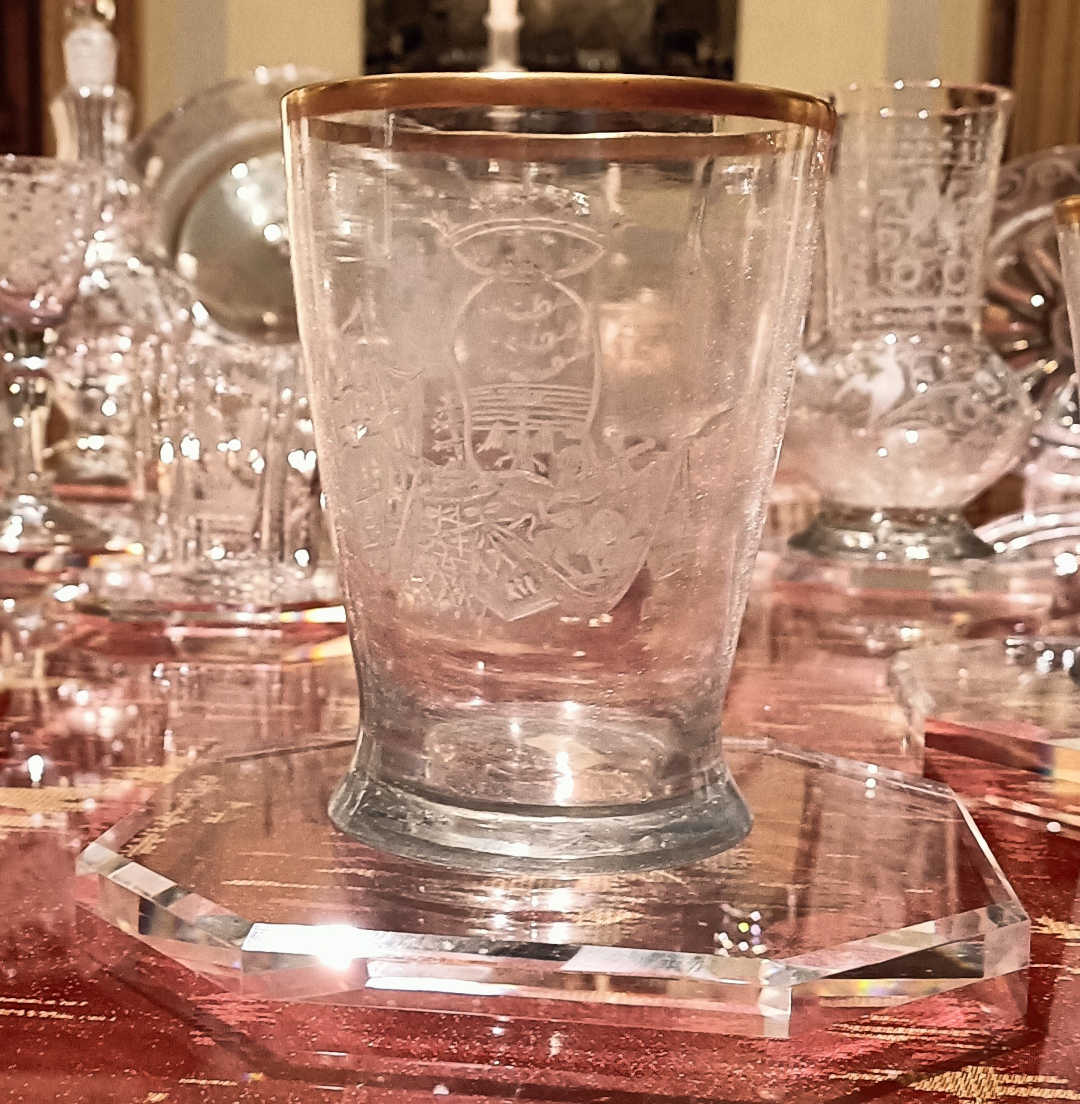
Dal 14 di Settembre, nel bellissimo Museo di Palazzo Mocenigo, oltre alla mostra dell “albero della vita” di Carla Tolomeo, e “il ritorno di Marco Polo” di Stefano Nicolao, ci sarà una nuova interessante mostra, che si intitolerà “Vetro inciso della laguna” !

La mostra “Vetro inciso della Laguna” si svolgerà presso il Museo di Palazzo Mocenigo a Venezia e offre un’affascinante esplorazione dell’arte del vetro inciso, una tradizione che affonda le radici nella storia e nella cultura della Laguna di Venezia.

Dettagli della Mostra

La mostra è dedicata all’arte del vetro inciso, una tecnica che ha raggiunto il suo apice in questa regione. Attraverso una selezione di opere storiche e contemporanee, i visitatori possono ammirare la bellezza e la complessità di questo materiale, che è stato lavorato con abilità e creatività nel corso dei secoli. Ma come si riesce ad ottenere questi stupendi effetti sul vetro ?

L’incisione di immagini sui bicchieri di vetro è un’arte affascinante che affonda le sue radici nell’antichità. Fin dai tempi degli antichi egizi, gli artigiani hanno utilizzato tecniche manuali per creare decorazioni uniche e dettagliate sulla superficie del vetro. Questa tradizione è sopravvissuta nel corso dei secoli, evolvendosi e adattandosi ai nuovi stili e alle nuove tecnologie. Nell’antichità, l’incisione veniva eseguita manualmente utilizzando strumenti abrasivi come punte di acciaio, corindone o diamante per graffiare il vetro. Successivamente, è stata introdotta la tecnica dell’incisione alla ruota, che prevedeva l’uso di ruote rotanti ad alta velocità con polveri abrasive per creare bassorilievi e decorazioni. Oggi, l’incisione di immagini sui bicchieri di vetro combina l’abilità manuale degli artigiani con l’utilizzo di tecnologie avanzate come l’incisione laser e le macchine CNC. Queste tecniche moderne permettono di creare opere d’arte uniche e dettagliate, mantenendo viva la tradizione dell’incisione del vetro. L’incisione di immagini sui bicchieri di vetro è molto più di una semplice decorazione. È un’arte che richiede abilità, creatività e passione. Gli artigiani devono padroneggiare le tecniche di incisione, scegliere i disegni appropriati e applicarli con precisione sulla superficie del vetro. Ogni bicchiere inciso è un pezzo unico, con la sua storia e il suo significato. Che si tratti di un regalo personalizzato, di un oggetto da collezione o di un semplice bicchiere da utilizzare ogni giorno, l’incisione aggiunge un tocco di eleganza e di unicità.

Opere in Esposizione

La mostra è composta all’incirca di 22 opere, sistemate nella sala 7 al primo piano, includono pezzi di artisti rinomati e artigiani locali, mostrando la varietà di stili e tecniche utilizzate nel vetro inciso. Ogni pezzo racconta una storia, riflettendo non solo la maestria tecnica ma anche l’ispirazione culturale che ha influenzato gli artisti nel tempo.

Informazioni Pratiche

La mostra è aperta al pubblico dal 14 settembre fino al 8 gennaio 2025 e si svolge in un ambiente suggestivo, (nella già menzionata sala 7 al primo piano, insieme ai costumi sullo sceneggiato di Marco Polo del 1982, che finirà a fine settembre, almeno che non venga prorogata) che contribuisce all’esperienza complessiva.

Conclusione

“Vetro inciso della Laguna” è un’opportunità imperdibile per gli amanti dell’arte e della cultura. La mostra non solo celebra una tradizione artistica unica, ma offre anche uno sguardo sulla storia e sull’identità di Venezia. Non perdere l’occasione di visitarla e lasciati incantare dalla bellezza del vetro inciso, e soprattutto di ammirare questo stupendo Museo, che offre alla vista del visitatore un sacco di grandi opere !

Etched glass of the lagon at Palazzo Mocenigo

The exhibition “Engraved Glass of the Lagoon” is taking place at the Museo di Palazzo Mocenigo in Venice and offers a fascinating exploration of the art of engraved glass, a tradition rooted in the history and culture of the Venetian Lagoon.

Exhibition Details

The exhibition is dedicated to the art of engraved glass, a technique that reached its peak in this region. Through a selection of historical and contemporary works, visitors can admire the beauty and complexity of this material, which has been skillfully and creatively crafted over the centuries.

Glass engraving is a fascinating art that has its roots in antiquity. Since the time of the ancient Egyptians, artisans have used manual techniques to create unique and detailed decorations on the surface of glass. This tradition has survived over the centuries, evolving and adapting to new styles and technologies. In ancient times, engraving was done manually using abrasive tools such as steel points, corundum or diamond to scratch the glass. Later, the wheel engraving technique was introduced, which involved the use of high-speed rotating wheels with abrasive powders to create bas-reliefs and decorations. Today, glass engraving combines the manual skill of artisans with the use of advanced technologies such as laser engraving and CNC machines. These modern techniques allow for the creation of unique and detailed works of art, keeping the tradition of glass engraving alive. Glass engraving is much more than just decoration. It is an art that requires skill, creativity and passion. Craftsmen must master engraving techniques, choose the appropriate designs and apply them precisely to the glass surface. Each engraved glass is unique, with its own history and meaning. Whether it is a personalized gift, a collector’s item or a simple glass for everyday use, engraving adds a touch of elegance and uniqueness.

Works on Display

The exhibition consists of approximately 22 works, arranged in room 7 on the first floor, including pieces by renowned artists and local artisans, showing the variety of styles and techniques used in engraved glass. Each piece tells a story, reflecting not only the technical mastery but also the cultural inspiration that has influenced the artists over time.

Practical Information

The exhibition is open to the public and takes place in a charming setting that enhances the overall experience. Visitors can also participate in guided tours and workshops, further deepening their understanding of this art form.

Conclusion

“Etched Glass of the Lagoon” is an unmissable opportunity for art and culture lovers. The exhibition not only celebrates a unique artistic tradition, but also offers a glimpse into the history and identity of Venice. Do not miss the opportunity to visit it and be enchanted by the beauty of engraved glass, and above all to admire this wonderful Museum, which offers the visitor’s sight a lot of great works!

Esperienza olfattiva virtuale a Palazzo Mocenigo

For the English translation please scroll down the page, thank you !

Una nuova novità è presente a Palazzo Mocenigo, dove il profumo e la neuroscienza si uniscono per offrire delle nuove sensazioni, ai visitatori di questo stupendo museo, che dopo il giro turistico, alla fine del tour olfattivo presente al primo piano, possono scendere a piano terra e recarsi nella white room, per un ulteriore arricchimento sulla conoscenza del profumo. Tale esperienza è presente solo a Palazzo Mocenigo grazie a Mavive e Alps. Scopriamo insieme chi sono, cosa fanno, e di cosa tratta questa nuova esperienza olfattiva.

L’ALPS Immersive Experience, che si tiene presso il Museo di Palazzo Mocenigo a Venezia, rappresenta un’iniziativa innovativa e coinvolgente che unisce arte, tecnologia e neuroscienze olfattive. Questa esperienza multisensoriale è realizzata da Mavive, un’azienda nota per la sua esperienza nel settore della profumeria e della creazione di esperienze sensoriali uniche.

Mavive è un’azienda italiana con una lunga tradizione nella creazione di fragranze e prodotti di profumeria. La loro missione è di esplorare e innovare nel campo delle esperienze olfattive, utilizzando tecnologie avanzate per tradurre le emozioni e le sensazioni in forme artistiche. Il progetto ALPS, in particolare, mira a portare avanti questa visione, utilizzando la natura come fonte di ispirazione e creando un legame tra l’ambiente naturale e le esperienze sensoriali umane.


L’ALPS Immersive Experience si svolge nella suggestiva White Room del Museo di Palazzo Mocenigo dal 29 luglio 2024 al 31 dicembre 2024, con orari di apertura dal martedì alla domenica, dalle 14:00 alle 18:00.

Durante questo periodo, i visitatori possono immergersi in un viaggio sensoriale unico, progettato dagli artisti Carola Bonfili e Francesco Fonassi in collaborazione con CUSTOMIX, partner tecnologico di Mavive.
L’esperienza si propone di esplorare le meraviglie del mondo alpino attraverso un approccio innovativo che combina neuroscienze olfattive e formati audiovisivi. I visitatori avranno l’opportunità di interagire con installazioni che traducono esperienze olfattive in rappresentazioni visive e sonore, creando un ambiente immersivo che stimola i sensi e invita alla riflessione. Inoltre, le sculture 3D presenti nell’esperienza sono state realizzate grazie alla collaborazione con Weerg, aggiungendo un ulteriore livello di interattività e creatività all’evento. Mavive e Palazzo Mocenigo invitano appassionati di arte, tecnologia e profumeria a partecipare a questa straordinaria esperienza, che rappresenta un perfetto connubio tra innovazione, creatività e ricerca scientifica. L’ALPS Immersive Experience non è solo un evento, ma un’opportunità per esplorare il potere delle fragranze e delle emozioni in un contesto artistico e culturale di grande rilevanza. Questa iniziativa non solo celebra la bellezza della natura, ma offre anche uno spazio per la contemplazione e l’introspezione, rendendo ogni visita un’esperienza memorabile e trasformativa.

Le neuroscienze olfattive giocano un ruolo cruciale nell’influenzare l’esperienza immersiva, specialmente in contesti come l’ALPS Immersive Experience. Queste neuroscienze studiano come il cervello percepisce e interpreta gli odori, fornendo insight su come le fragranze possano evocare emozioni, ricordi e stati d’animo. Gli odori sono strettamente legati alla memoria e alle emozioni. La via olfattiva è direttamente connessa al sistema limbico, che è responsabile delle emozioni e della memoria. Questo significa che un odore può richiamare ricordi vividi e suscitare emozioni profonde, rendendo l’esperienza più intensa e personale.


In un’esperienza immersiva, l’integrazione di stimoli olfattivi con elementi visivi e sonori può amplificare la sensazione di immersione. Gli odori possono arricchire l’ambiente, creando un’atmosfera che coinvolge i visitatori su più livelli sensoriali. Le neuroscienze olfattive possono essere utilizzate per progettare esperienze che evocano specifiche atmosfere o stati d’animo. Ad esempio, fragranze fresche e naturali possono trasmettere sensazioni di tranquillità e connessione con la natura, mentre odori più intensi possono stimolare l’energia e l’eccitazione.


In sintesi, le neuroscienze olfattive non solo migliorano l’esperienza immersiva, ma la trasformano in un viaggio sensoriale che coinvolge profondamente i visitatori, invitandoli a esplorare il legame tra odori, emozioni e memoria. Invito tutti i turisti e i cittadini di Venezia a venire a visitare questo stupendo museo, e questa nuova attività che si preannuncia molto, ma molto interessante !!

📅 Date: 29 luglio 2024 – 31 dicembre 2024 📍 Luogo: White Room, Museo di Palazzo Mocenigo, Venezia ⏰ Orari di apertura: da martedì a domenica, dalle 14:00 alle 18:00.

Virtual Olfactory Experience at Palazzo Mocenigo

A new novelty is present at Palazzo Mocenigo, where perfume and neuroscience come together to offer new sensations to the visitors of this wonderful museum, who after the tour, at the end of the olfactory tour on the first floor, can go down to the ground floor and go to the white room, for further enrichment on the knowledge of perfume. This experience is present only at Palazzo Mocenigo thanks to Mavive and Alps. Let’s find out together who they are, what they do, and what this new olfactory experience is about.

The ALPS Immersive Experience, which is held at the Palazzo Mocenigo Museum in Venice, represents an innovative and engaging initiative that combines art, technology and olfactory neuroscience. This multisensory experience is created by Mavive, a company known for its experience in the perfumery sector and the creation of unique sensory experiences.

Mavive is an Italian company with a long tradition in the creation of fragrances and perfumery products. Their mission is to explore and innovate in the field of olfactory experiences, using advanced technologies to translate emotions and sensations into artistic forms. The ALPS project, in particular, aims to advance this vision, using nature as a source of inspiration and creating a link between the natural environment and human sensory experiences.

The ALPS Immersive Experience takes place in the evocative White Room of the Palazzo Mocenigo Museum from 29 July 2024 to 31 December 2024, with opening hours from Tuesday to Sunday, from 2:00 pm to 6:00 pm.

During this period, visitors can immerse themselves in a unique sensory journey, designed by artists Carola Bonfili and Francesco Fonassi in collaboration with CUSTOMIX, Mavive’s technological partner.

The experience aims to explore the wonders of the Alpine world through an innovative approach that combines olfactory neuroscience and audiovisual formats. Visitors will have the opportunity to interact with installations that translate olfactory experiences into visual and sound representations, creating an immersive environment that stimulates the senses and invites reflection. In addition, the 3D sculptures present in the experience were created thanks to the collaboration with Weerg, adding an additional level of interactivity and creativity to the event. Mavive and Palazzo Mocenigo invite art, technology and perfumery enthusiasts to participate in this extraordinary experience, which represents a perfect combination of innovation, creativity and scientific research. The ALPS Immersive Experience is not just an event, but an opportunity to explore the power of fragrances and emotions in a highly relevant artistic and cultural context. This initiative not only celebrates the beauty of nature, but also offers a space for contemplation and introspection, making each visit a memorable and transformative experience.

Olfactory neuroscience plays a crucial role in influencing the immersive experience, especially in contexts such as the ALPS Immersive Experience. These neurosciences study how the brain perceives and interprets odors, providing insights into how fragrances can evoke emotions, memories, and moods. Smells are closely linked to memory and emotion. The olfactory pathway is directly connected to the limbic system, which is responsible for emotions and memory. This means that a smell can evoke vivid memories and arouse deep emotions, making the experience more intense and personal.

In an immersive experience, integrating olfactory stimuli with visual and audio elements can amplify the feeling of immersion. Smells can enrich the environment, creating an atmosphere that engages visitors on multiple sensory levels. Olfactory neuroscience can be used to design experiences that evoke specific atmospheres or moods. For example, fresh and natural fragrances can convey feelings of tranquility and connection with nature, while more intense smells can stimulate energy and excitement.

In short, olfactory neuroscience not only enhances the immersive experience, but transforms it into a sensory journey that deeply engages visitors, inviting them to explore the connection between smells, emotions and memory. I invite all tourists and citizens of Venice to come and visit this wonderful museum, and this new activity that promises to be very, very interesting!!

📅 Dates: 29 July 2024 – 31 December 2024 📍 Location: White Room, Museo di Palazzo Mocenigo, Venice ⏰ Opening hours: Tuesday to Sunday, 2:00 pm – 6:00 pm.