Danza Dervisci / Sufi a Palazzo Mocenigo

For the English translation please scroll down the page, thank you !

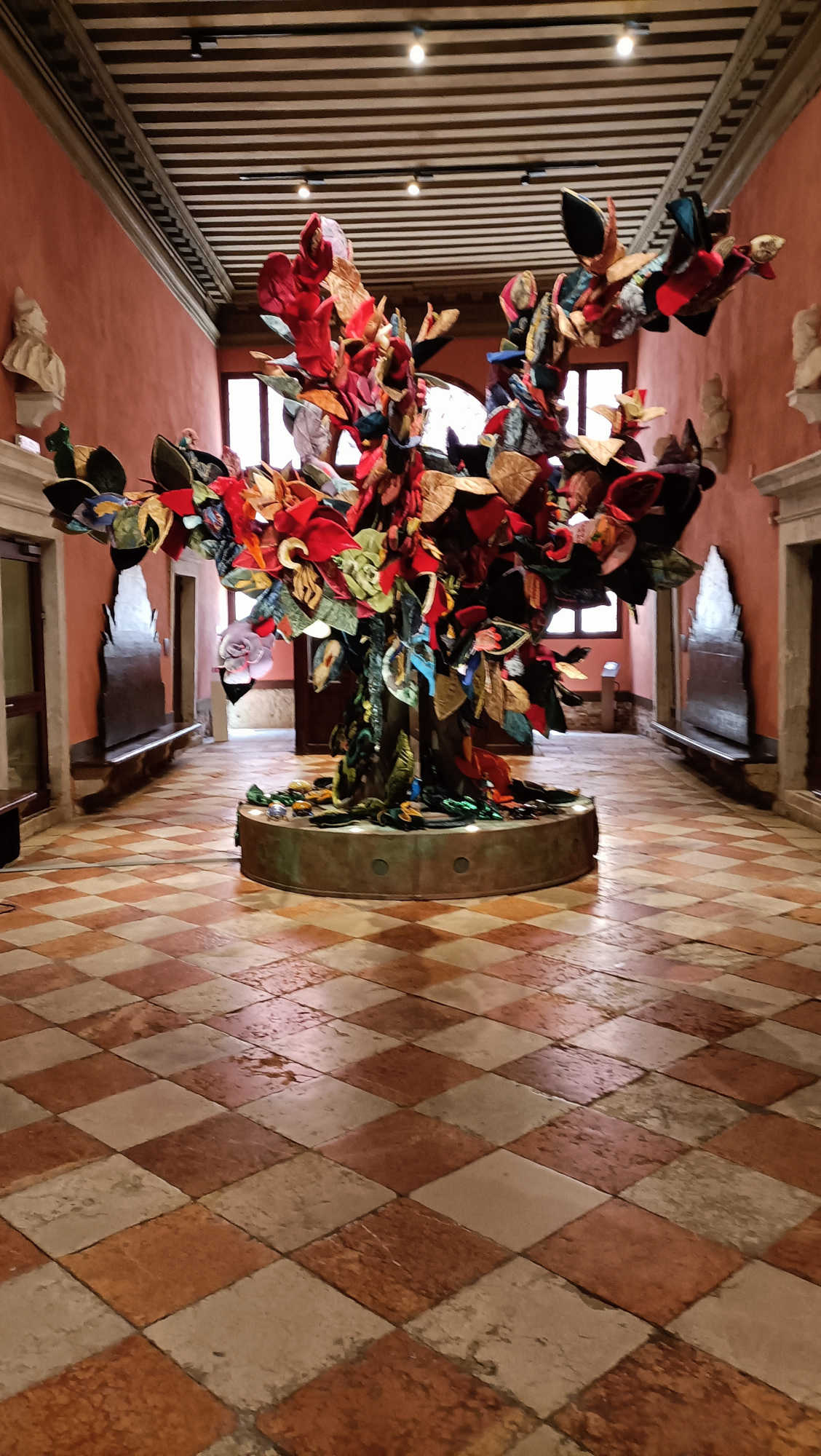
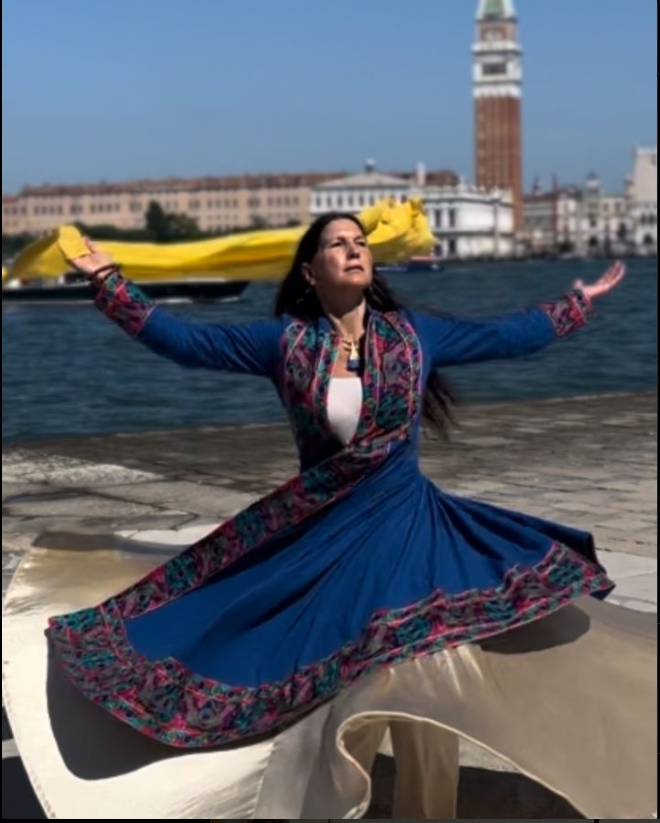
Ci stiamo avvicinando alla fine della bellissima mostra temporanea dell’Artista Carla Tolomeo, dal titolo “L’albero della vita” di cui avevo già parlato in uno dei miei precedenti blog: https://diariodiunoperatoremuseale.co/2024/05/27/lalbero-della-vita-a-palazzo-mocenigo/ In tutto questo tempo, un grandissimo numero di visitatori, e non, si sono fermati ad ammirare questa bellissima “scultura”. Numerose volte l’artista ci ha tenuti compagnia, rispondendo alle domande di molti turisti, e molti ospiti sono venuti a trovarla. Così è stato anche nella giornata di ieri, quando è venuta a trovarla L’artista / danzatrice Francesca Ferah, che in un momento del tutto inaspettato, spontaneo, ci ha regalato una sua performance di danza sufi /dervisci , che è stata entusiasmante, ma che purtroppo è durata troppo poco. Lasciate che vi parli di questi pochi attimi, di questa grande artista e cosa tratta questo tipo di danza.

Francesca Ferah è una danzatrice e insegnante di danza Sufi, nota per il suo approccio innovativo e interculturale alla tradizione della danza dervisci. Con radici italiane e bosniache, Ferah ha sempre vissuto un incontro tra Oriente e Occidente, che ha influenzato profondamente il suo percorso artistico e spirituale. Francesca Ferah ha iniziato il suo viaggio nella danza Sufi in un contesto di ricerca spirituale e personale. Nel 2014, ha ricevuto il nome Sufi “Ferah”, che significa “tranquillità”, dal maestro Sufi Dr. Rahmi Orüç Güvenç durante un intenso periodo di pratica noto come “99 giorni e 99 notti di Semâ” in Turchia. Questo evento ha segnato un punto di svolta nella sua vita, portandola a immergersi completamente nella pratica della danza dervisci. La sua passione per la danza e la spiritualità l’hanno spinta a intraprendere un percorso, che combina arte, meditazione e insegnamento. Oggi, è anche ideatrice e direttrice artistica di Soul Circle, dove tiene seminari di danza e meditazione Sufi in Italia e all’estero. La sua missione è quella di promuovere il benessere emotivo e l’intelligenza emotiva attraverso pratiche artistiche.
Origini e Storia

Le origini precise della danza dei dervisci sono avvolte nel mistero, ma si ritiene che abbia radici profonde nel sufismo, una corrente mistica islamica nata nel IX secolo. La danza, come la conosciamo oggi, è strettamente legata all’ordine dei Mevlevi, fondato da Jalal al-Din Rumi, un grande poeta e mistico persiano. Rumi, con la sua profonda spiritualità, ha contribuito a dare forma e diffondere questa pratica.

Caratteristiche Principali

  • Rotazione: Il movimento in senso anti orario, centrale della danza è la rotazione su se stessi. Questa rotazione simboleggia il viaggio dell’anima verso Dio, la ricerca della perfezione divina e l’unione con l’universo.
  • Abbigliamento: I dervisci indossano un abito bianco, simbolo di purezza, e un lungo mantello nero, che rappresenta la tomba egoistica. I neri mantelli, chiamati thirqua, di cui i partecipanti si liberano prima della danza, indicano la morte e l’oscurità, la gonna bianca con cui danzano, tennure, è simbolo di purezza, i copricapi a forma di cono, sikke, rappresentano la pietra tombale dell’ego.
  • Musica: La musica utilizzata durante la danza è composta da strumenti tradizionali come il ney (flauto), il rebab (violino) e il bendir (tamburo). I canti sono spesso basati sui versi di Rumi e hanno un profondo significato spirituale.
  • Sema: La cerimonia completa, chiamata sema, è composta da diverse fasi, ognuna delle quali ha un significato simbolico.
  • Spiritualità: La danza dei dervisci non è una semplice performance, ma un’esperienza mistica profonda. Attraverso la rotazione, i dervisci cercano di raggiungere un’estasi mistica e di connettersi con il divino.

Significato Simbolico

  • Rotazione come simbolo dell’universo: La rotazione dei dervisci rappresenta il movimento dei pianeti intorno al sole, simboleggiando l’armonia dell’universo, inoltre i danzatori non solo girano attorno a sé stessi, ma anche attorno al maestro, che si trova al centro della sala. Questo movimento simboleggia una sfera cosmica in cui i pianeti orbitano attorno al sole. La danza vorticosa assume così un carattere astrale ed è considerata la forma più pura di abbandono alla danza, esprimendo l’estasi mistica e la connessione con l’universo.
  • Braccio destro verso il cielo, sinistro verso la terra: Questa posizione delle braccia simboleggia la ricezione della benedizione divina e la sua diffusione sulla terra. Le braccia, dapprima incrociate sul petto, si aprono poi verso il cielo e la terra, canale attraverso cui fluisce l’energia cosmica. Ruotando su se stessi, i danzatori si trasformano in vortici viventi, perdendo ogni riferimento spaziale e temporale, in un’estasi mistica che li proietta in una dimensione ultraterrena.

La Danza dei Dervisci Oggi

La danza dei dervisci è oggi riconosciuta a livello internazionale come un patrimonio dell’umanità e viene praticata e insegnata in molti paesi. È diventata un simbolo di tolleranza, spiritualità e unità tra i popoli.

Per chi volesse approfondire di più questo tema, vi lascio alcuni link qui sotto. Desidero ringraziare ancora Francesca Ferah, per questo breve ma entusiasmante momento che ci ha regalato, e che ha aperto una finestra su un mondo prima sconosciuto.

Soul Circle Canale You Tube

Dervish / Sufi Dance at Palazzo Mocenigo

We are approaching the end of the beautiful temporary exhibition of the Artist Carla Tolomeo, entitled “The Tree of Life” which I had already talked about in one of my previous blogs: https://diariodiunoperatoremuseale.co/2024/05/27/lalbero-della-vita-a-palazzo-mocenigo/ In all this time, a huge number of visitors, and others, have stopped to admire this beautiful “sculpture”. The artist has kept us company on numerous occasions, answering questions from many tourists, and many guests have come to visit her. This was also the case yesterday, when the artist / dancer Francesca Ferah came to visit her, who in a completely unexpected, spontaneous moment, gave us her Sufi / dervish dance performance, which was exciting, but unfortunately lasted too short. Let me tell you about these few moments, about this great artist and what this kind of dance is about.

Francesca Ferah is a Sufi dancer and teacher, known for her innovative and intercultural approach to the dervish dance tradition. With Italian and Bosnian roots, Ferah has always experienced an encounter between East and West, which has deeply influenced her artistic and spiritual path. Francesca Ferah began her journey in Sufi dance in a context of spiritual and personal research. In 2014, she received the Sufi name “Ferah”, meaning “tranquility”, from Sufi master Dr. Rahmi Orüç Güvenç during an intense period of practice known as “99 days and 99 nights of Semâ” in Turkey. This event marked a turning point in her life, leading her to fully immerse herself in the practice of dervish dance. Her passion for dance and spirituality led her to take a path, which combines art, meditation and teaching. Today, she is also the creator and artistic director of Soul Circle, where she holds Sufi dance and meditation workshops in Italy and abroad. Its mission is to promote emotional well-being and emotional intelligence through artistic practices.

Origins and History

The precise origins of the dervish dance are shrouded in mystery, but it is believed to have deep roots in Sufism, a mystical Islamic movement that arose in the 9th century. The dance, as we know it today, is closely linked to the Mevlevi order, founded by Jalal al-Din Rumi, a great Persian poet and mystic. Rumi, with his deep spirituality, helped shape and spread this practice.

Main Features

  • Rotation: The counterclockwise, central movement of the dance is the rotation on oneself. This rotation symbolizes the soul’s journey towards God, the search for divine perfection and union with the universe.
  • Clothing: The dervishes wear a white dress, a symbol of purity, and a long black cloak, which represents the egoistic tomb. The black cloaks, called thirqua, which the participants throw off before the dance, indicate death and darkness, the white skirt they dance in, tennure, is a symbol of purity, the cone-shaped headdresses, sikke, represent the tombstone of the ego.
  • Music: The music used during the dance is composed of traditional instruments such as the ney (flute), the rebab (violin) and the bendir (drum). The chants are often based on Rumi’s verses and have deep spiritual meaning.
  • Sema: The complete ceremony, called sema, is composed of several stages, each of which has a symbolic meaningo.
  • Spirituality: The dance of the dervishes is not a simple performance, but a deep mystical experience. Through rotation, dervishes seek to achieve mystical ecstasy and connect with the divine.

Symbolic Meaning

  • Rotation as a symbol of the universe: The rotation of the dervishes represents the movement of the planets around the sun, symbolizing the harmony of the universe, moreover the dancers not only spin around themselves, but also around the master, who is in the center of the hall. This movement symbolizes a cosmic sphere in which the planets orbit around the sun. The whirling dance thus takes on an astral character and is considered the purest form of surrender to the dance, expressing mystical ecstasy and connection with the universe.
  • Right arm towards the sky, left towards the earth: This position of the arms symbolizes the reception of divine blessing and its diffusion on the earth. The arms, first crossed on the chest, then open towards the sky and the earth, the channel through which cosmic energy flows. Rotating on themselves, the dancers transform themselves into living vortices, losing all spatial and temporal references, in a mystical ecstasy that projects them into an otherworldly dimension.

The Dance of the Dervishes Today

The dance of the dervishes is today recognized internationally as a heritage of humanity and is practiced and taught in many countries. It has become a symbol of tolerance, spirituality and unity among peoples.

For those who would like to delve deeper into this topic, I leave some links below. I would like to thank Francesca Ferah again, for this brief but exciting moment she gave us, and that opened a window on a previously unknown world.

Soul Circle

Canale You Tube

Sangy a Ca’ Sagredo Hotel

C’è una nuova mostra a Ca’ Sagredo Hotel, è stata inaugurata domenica scorsa, ma per varie ragioni, non son potuto andare. Stamattina, mi sono tenuto libero dagli impegni per andare a vederla con tutta calma. Una mostra dell’artista Sangy, che presenta 5 capolavori del tutto originali e particolari. Scopriamoli insieme.

Sangy, maestro del naming e pioniere dell’AdvArt, invita gli spettatori a un viaggio intellettuale ed emotivo attraverso le sue opere. Utilizzando le regole della pubblicità, ma con un obiettivo completamente diverso, Sangy crea opere d’arte che stimolano la riflessione, invitandoci a guardare il mondo con occhi nuovi e a connettere la nostra mente al nostro cuore.

Innovazione e Sostenibilità

Sangy, attraverso la sua arte, ci invita a riflettere sul nostro posto nell’universo e sulla nostra responsabilità nei confronti del pianeta. Utilizzando materiali eco-sostenibili e una innovativa nanotecnologia che assorbe CO2, le sue opere diventano strumenti attivi nella lotta ai cambiamenti climatici, trasformando l’arte in un potente veicolo di sostenibilità. La nanotecnologia utilizzata da Sangy per assorbire il CO2 rappresenta un approccio innovativo e avanzato nella lotta contro il cambiamento climatico. Questa tecnologia si basa su materiali speciali in grado di interagire chimicamente con le molecole di anidride carbonica, catturandole e trasformandole in forme utilizzabili o meno dannose per l’ambiente.

Funzionamento della Nanotecnologia

La tecnologia non solo mira a ridurre la CO2 nell’atmosfera, ma può anche trasformare il gas in prodotti utili o meno dannosi, contribuendo così a un’economia circolare. Una delle tecniche chiave sviluppate dai ricercatori è l’uso di un interruttore molecolare che consente ai materiali di “respirare”. Questo significa che il materiale può assorbire CO2 quando attivato da stimoli esterni, come la luce ultravioletta. Dopo aver assorbito il gas, il materiale può rilasciarlo controllatamene, evitando la saturazione e permettendo un ciclo continuo di assorbimento e rilascio. Materiali Porosi: I materiali utilizzati sono altamente porosi e solidi, simili a spugne, che possono espandersi e contrarsi durante il processo di respirazione. Questo design permette una maggiore superficie di contatto con le molecole di CO2, aumentando così l’efficienza dell’assorbimento. Reazioni Chimiche: La cattura della CO2 avviene tramite reazioni chimiche tra il gas e i materiali assorbenti, spesso a base di ammine o idrossido di potassio. Questi composti hanno una forte affinità per la CO2, permettendo una cattura efficace. Una volta che la CO2 è stata assorbita, il materiale può essere rigenerato attraverso variazioni di temperatura o pressione, permettendo il recupero del gas in forma concentrata.

La Collezione “VEryNICE”

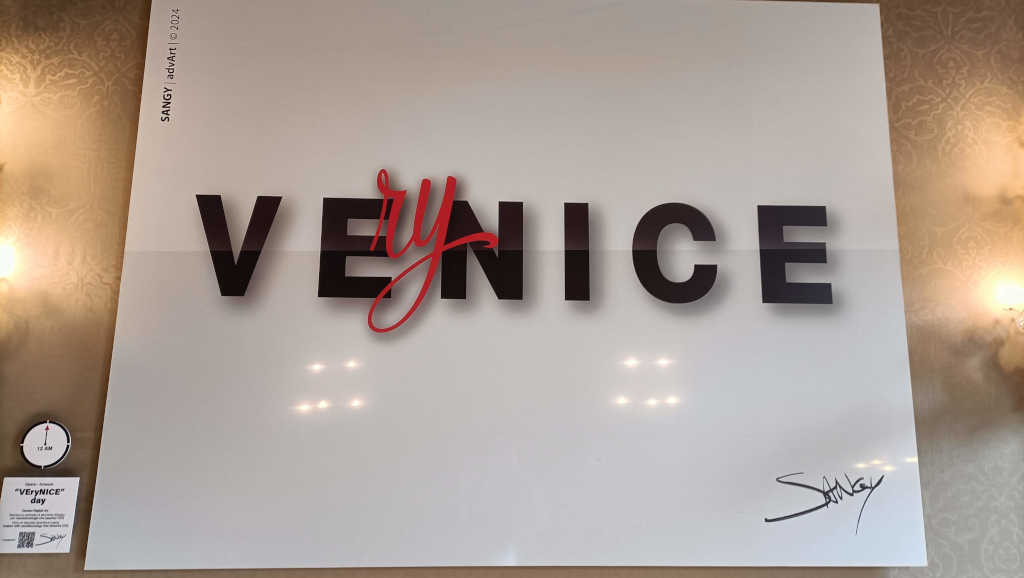
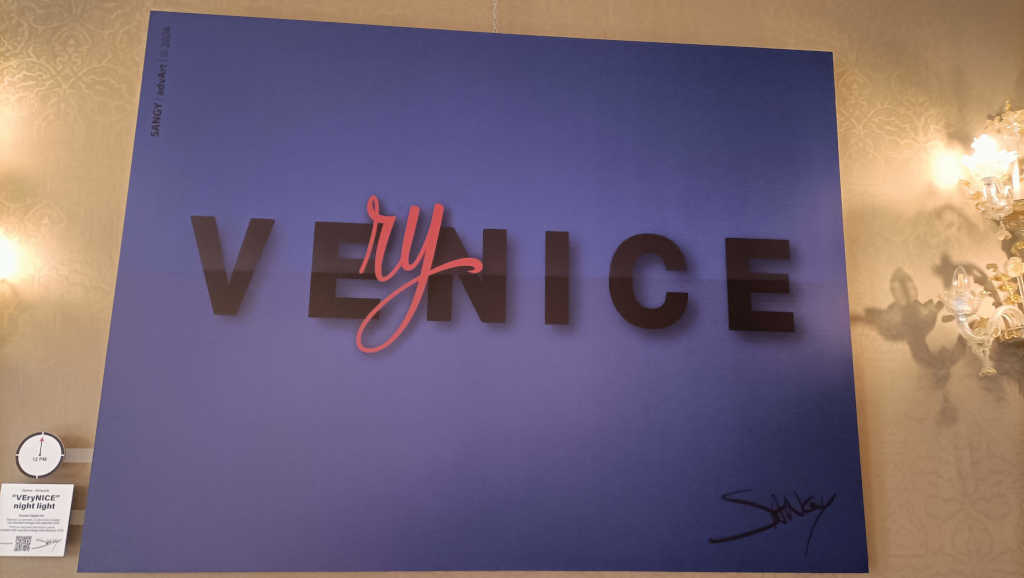
Con “VEryNICE”, Sangy ci invita a un viaggio sensoriale attraverso Venezia. Le sue opere, esposte nel suggestivo Ca’ Sagredo Hotel, non dipingono la città, ma la sussurrano attraverso un alfabeto di emozioni. Cinque declinazioni che celebrano il tempo che scorre e l’anima di Venezia.

  1. Alba (rosa)
  2. Pieno giorno (bianco)
  3. Tramonto (porpora)
  4. Notte (blu profondo)
  5. Storia di Venezia (oro)

Come gocce d’oro sospese nel tempo, le opere di Sangy catturano l’anima di Venezia. Ogni pezzo è un’ode alla città, un invito a riflettere sulla sua storia e sul nostro futuro. Un’esperienza artistica che ci invita a guardare il mondo con occhi nuovi. Scopri come l’uso innovativo della nanotecnologia di Sangy assorbe la CO2 creando al contempo opere d’arte straordinarie! Unisciti a noi nell’esplorazione dell’arte che non solo affascina, ma contribuisce anche a un futuro sostenibile! Corri ad ammirare le opere di Sangy, sia a Ca’ Sagredo Hotel, che in tutte le altre location!

Sangy at Ca’ Sagredo Hotel

There is a new exhibition at Ca’ Sagredo Hotel, it was inaugurated last Sunday, but for various reasons, I could not go. This morning, I kept myself free from commitments to go and see it calmly. An exhibition of the artist Sangy, who presents 5 completely original and particular masterpieces. Let’s discover them together.

Sangy, master of naming and pioneer of AdvArt, invites viewers to an intellectual and emotional journey through his works. Using the rules of advertising, but with a completely different goal, Sangy creates thought-provoking works of art, inviting us to look at the world with new eyes and connect our mind to our heart

Innovation and Sustainability

Sangy, through his art, invites us to reflect on our place in the universe and our responsibility towards the planet. Using eco-sustainable materials and an innovative nanotechnology that absorbs CO2, his works become active tools in the fight against climate change, transforming art into a powerful vehicle of sustainability. The nanotechnology used by Sangy to absorb CO2 represents an innovative and advanced approach in the fight against climate change. This technology is based on special materials that can chemically interact with carbon dioxide molecules, capturing them and transforming them into usable or less harmful forms for the environment.

How Nanotechnology Works

The technology not only aims to reduce CO2 in the atmosphere, but can also transform the gas into useful or less harmful products, thus contributing to a circular economy. One of the key techniques developed by the researchers is the use of a molecular switch that allows the materials to “breathe”. This means that the material can absorb CO2 when activated by external stimuli, such as ultraviolet light. After absorbing the gas, the material can release it in a controlled manner, avoiding saturation and allowing a continuous cycle of absorption and release. Porous Materials: The materials used are highly porous and solid, similar to sponges, which can expand and contract during the breathing process. This design allows for a greater surface area of ​​contact with the CO2 molecules, thus increasing the efficiency of the absorption. Chemical Reactions: CO2 capture occurs through chemical reactions between the gas and the absorbent materials, often based on amines or potassium hydroxide. These compounds have a strong affinity for CO2, allowing for effective capture. Once the CO2 has been absorbed, the material can be regenerated through changes in temperature or pressure, allowing the gas to be recovered in a concentrated form.

The Collection “VEryNICE”

With “VEryNICE”, Sangy invites us on a sensory journey through Venice. His works, exhibited in the suggestive Ca’ Sagredo Hotel, do not paint the city, but whisper it through an alphabet of emotions. Five declinations that celebrate the passing of time and the soul of Venice.

  1. Dawn (pink)
  2. Midday (white)
  3. Sunset (purple)
  4. Night (deep blue)
  5. History of Venice (gold)

Like drops of gold suspended in time, Sangy’s works capture the soul of Venice. Each piece is an ode to the city, an invitation to reflect on its history and our future. An artistic experience that invites us to look at the world with new eyes. Discover how Sangy’s innovative use of nanotechnology absorbs CO2 while creating stunning artworks! Join us in exploring art that not only captivates but also contributes to a sustainable future! Hurry to admire Sangy’s works, both at Ca’ Sagredo Hotel and in all the other locations!

Roberto Matta a Ca’ Pesaro !

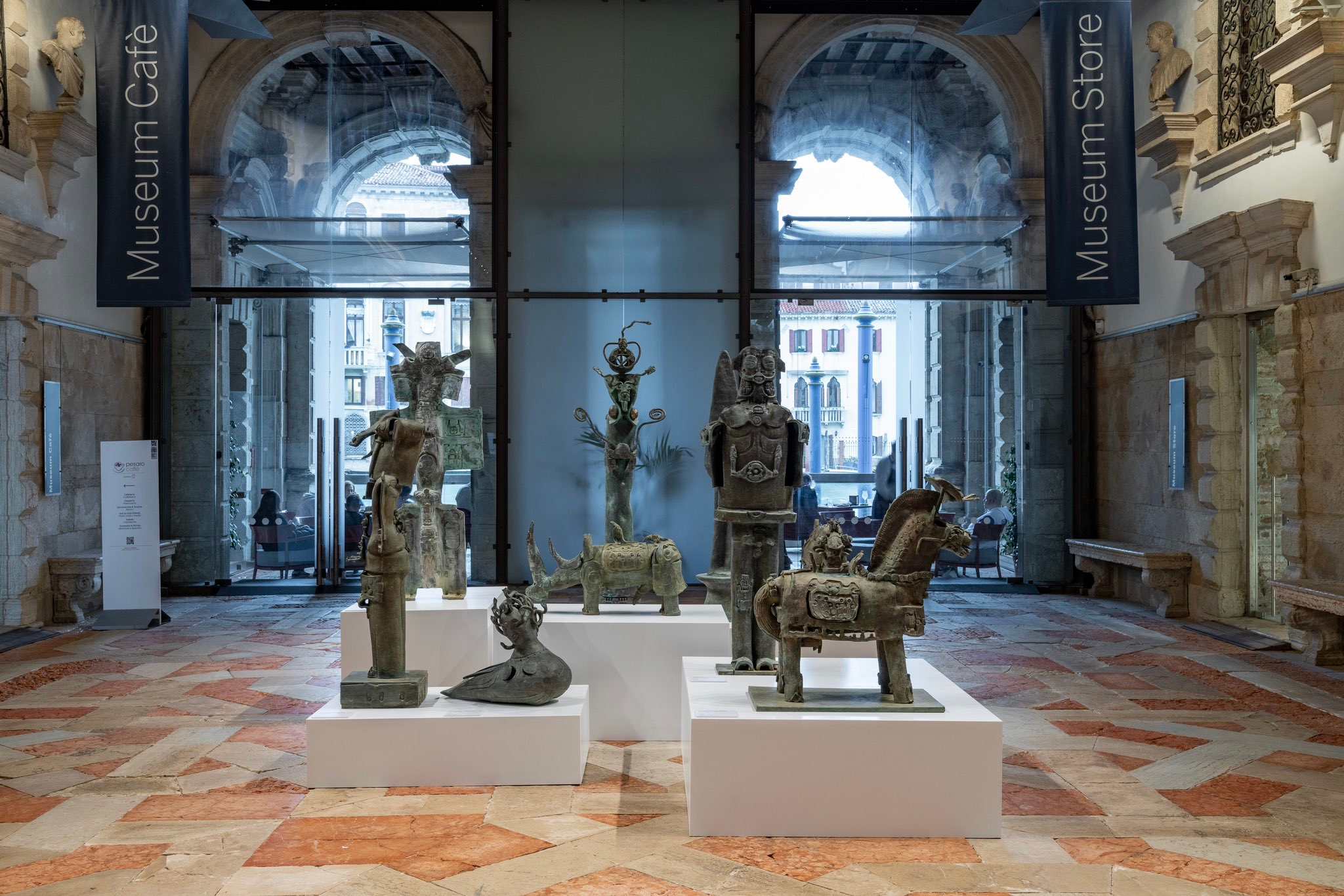
La mostra dedicata a Roberto Matta, uno dei più importanti artisti del XX secolo, è un evento imperdibile per chiunque desideri esplorare il mondo affascinante dell’arte moderna. In corso presso il Museo Cà Pesaro di Venezia, questa esposizione offre un’opportunità unica di immergersi nell’universo creativo di Matta, che ha saputo unire surrealismo e astrattismo in modo innovativo.

Chi è Roberto Matta?
Nato nel 1911 in Cile, Matta ha vissuto gran parte della sua vita in Europa, dove ha interagito con alcuni dei più grandi nomi dell’arte moderna. La sua opera è caratterizzata da colori vivaci e forme dinamiche, che sembrano danzare sulla tela. Matta non si limitava a dipingere; era un vero e proprio esploratore dell’immaginazione, capace di trasformare le sue visioni interiori in opere d’arte straordinarie.


Cosa aspettarsi dalla mostra
La mostra presenta una selezione di opere significative che raccontano il viaggio artistico di Matta, dalle sue prime esperienze fino ai lavori più maturi. I visitatori avranno l’opportunità di vedere da vicino i dettagli delle sue opere e comprendere il pensiero che si cela dietro di esse. Ogni quadro è una finestra su un mondo fantastico, dove l’inconscio e la realtà si intrecciano. Matta si ispira ai sogni e all’inconscio, le sue opere sembrano raccontare storie fantastiche, come se fossero visioni che emergono dalla mente. Le sue opere combinano elementi astratti (forme che non rappresentano oggetti reali) e figurativi (forme riconoscibili), questo crea un effetto interessante, dove il reale e l’immaginario si mescolano. Le sue opere parlano di emozioni e esperienze comuni, come l’amore, la guerra e la solitudine. Questi temi rendono l’arte di Matta comprensibile e significativa per tutti. Matta usa colori brillanti e forme morbide che sembrano muoversi. Questo rende le sue opere dinamiche e coinvolgenti, attirando l’attenzione dello spettatore; Matta si considerava un “costruttore di mondi”, le sue opere non solo mostrano immagini, ma creano veri e propri universi che sfidano le leggi della realtà.


Perché visitare la mostra?
Se sei curioso di scoprire come l’arte possa riflettere le emozioni e le esperienze umane, questa mostra è perfetta per te. Non è solo un’esperienza visiva, ma anche un viaggio emotivo che stimola la riflessione. Che tu sia un esperto d’arte o semplicemente un curioso, la mostra di Roberto Matta ti lascerà senza parole. Non perdere l’occasione di visitare questa esposizione unica al Museo Cà Pesaro.

Roberto Matta exibithion at Ca’ Pesaro Museum !

The exhibition dedicated to Roberto Matta, one of the most important artists of the 20th century, is a must-see event for anyone looking to explore the fascinating world of modern art. Currently taking place at the Cà Pesaro Museum in Venice, this exhibition offers a unique opportunity to immerse yourself in Matta’s creative universe, which innovatively combines surrealism and abstraction.

Who is Roberto Matta?
Born in 1911 in Chile, Matta spent much of his life in Europe, where he interacted with some of the greatest names in modern art. His work is characterized by vibrant colors and dynamic shapes that seem to dance on the canvas. Matta was not just a painter; he was a true explorer of imagination, capable of transforming his inner visions into extraordinary works of art.


What to expect from the exhibition
The exhibition presents a selection of significant works that tell the artistic journey of Matta, from his early experiences to his most mature works. Visitors will have the opportunity to see the details of his works up close and understand the thought behind them. Each painting is a window into a fantastic world, where the unconscious and reality intertwine. Matta is inspired by dreams and the unconscious, his works seem to tell fantastic stories, as if they were visions that emerge from the mind. His works combine abstract elements (shapes that do not represent real objects) and figurative (recognizable shapes), this creates an interesting effect, where the real and the imaginary mix. His works speak of common emotions and experiences, such as love, war and loneliness. These themes make Matta’s art understandable and meaningful for everyone. Matta uses bright colors and soft shapes that seem to move. This makes his works dynamic and engaging, attracting the viewer’s attention; Matta considered himself a “world builder”, his works not only show images, but create real universes that defy the laws of reality.


Why visit the exhibition?
If you are curious about how art can reflect human emotions and experiences, this exhibition is perfect for you. It is not just a visual experience but also an emotional journey that stimulates reflection. Whether you are an art expert or simply curious, the Roberto Matta exhibition will leave you speechless. Don’t miss the chance to visit this unique exhibition at the Cà Pesaro Museum.

Paolo Galli a Ca’ Rezzonico

Ca’ Rezzonico (Venice)

For the English translation please scroll down the page, thank you !

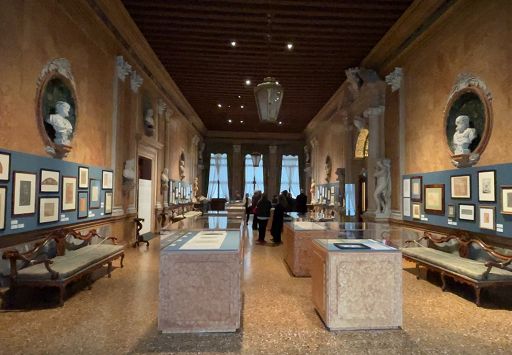
Dal 10 ottobre 2024, Ca’ Rezzonico a Venezia ospiterà una mostra affascinante dedicata alla Collezione Paolo Galli. Questa esposizione rappresenta un’opportunità imperdibile per scoprire opere d’arte di grande valore, provenienti dalla collezione di uno dei più noti collezionisti italiani.

Un tesoro nascosto a Ca’ Rezzonico: una collezione di disegni che ti lascerà a bocca aperta!

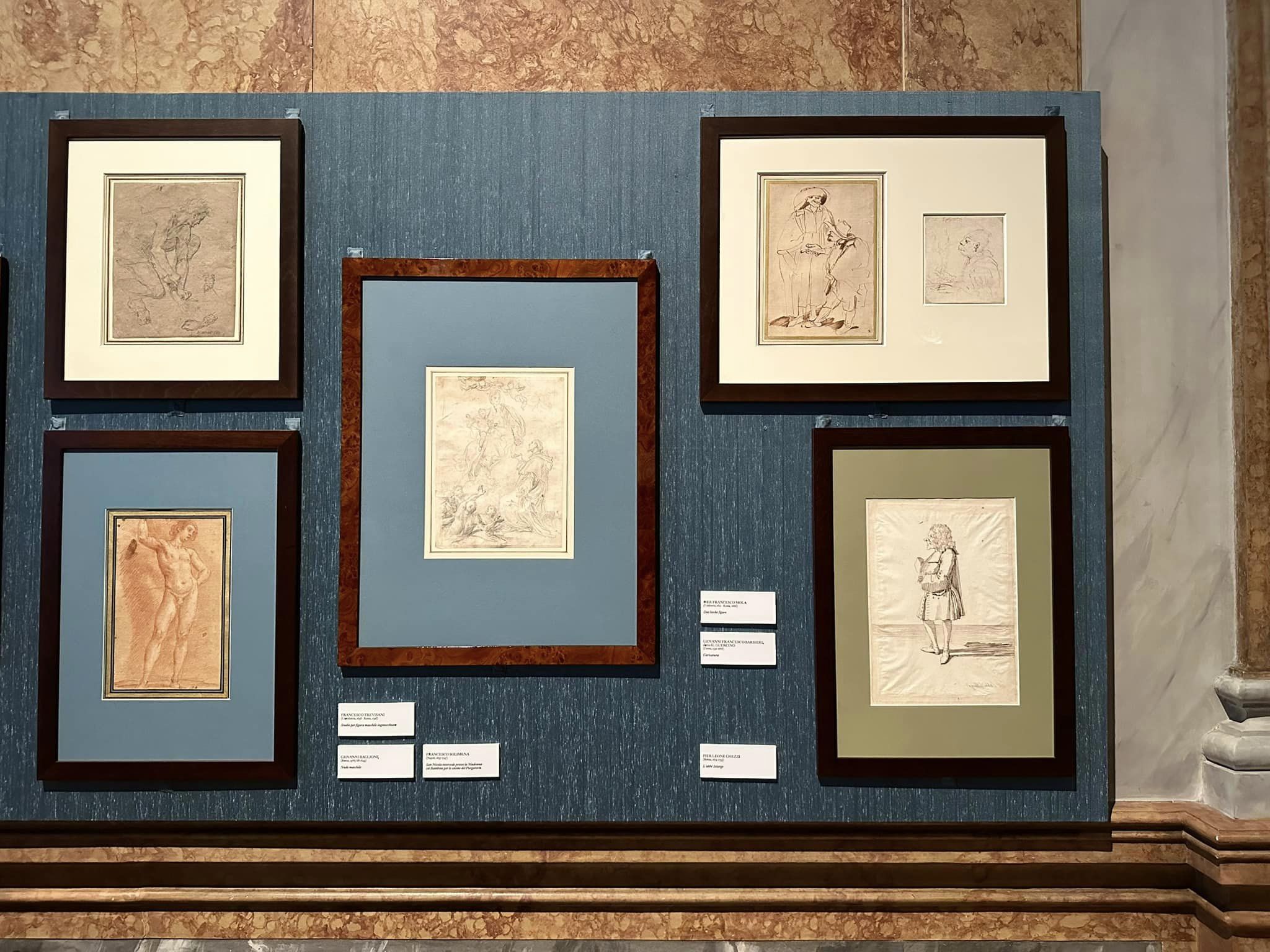
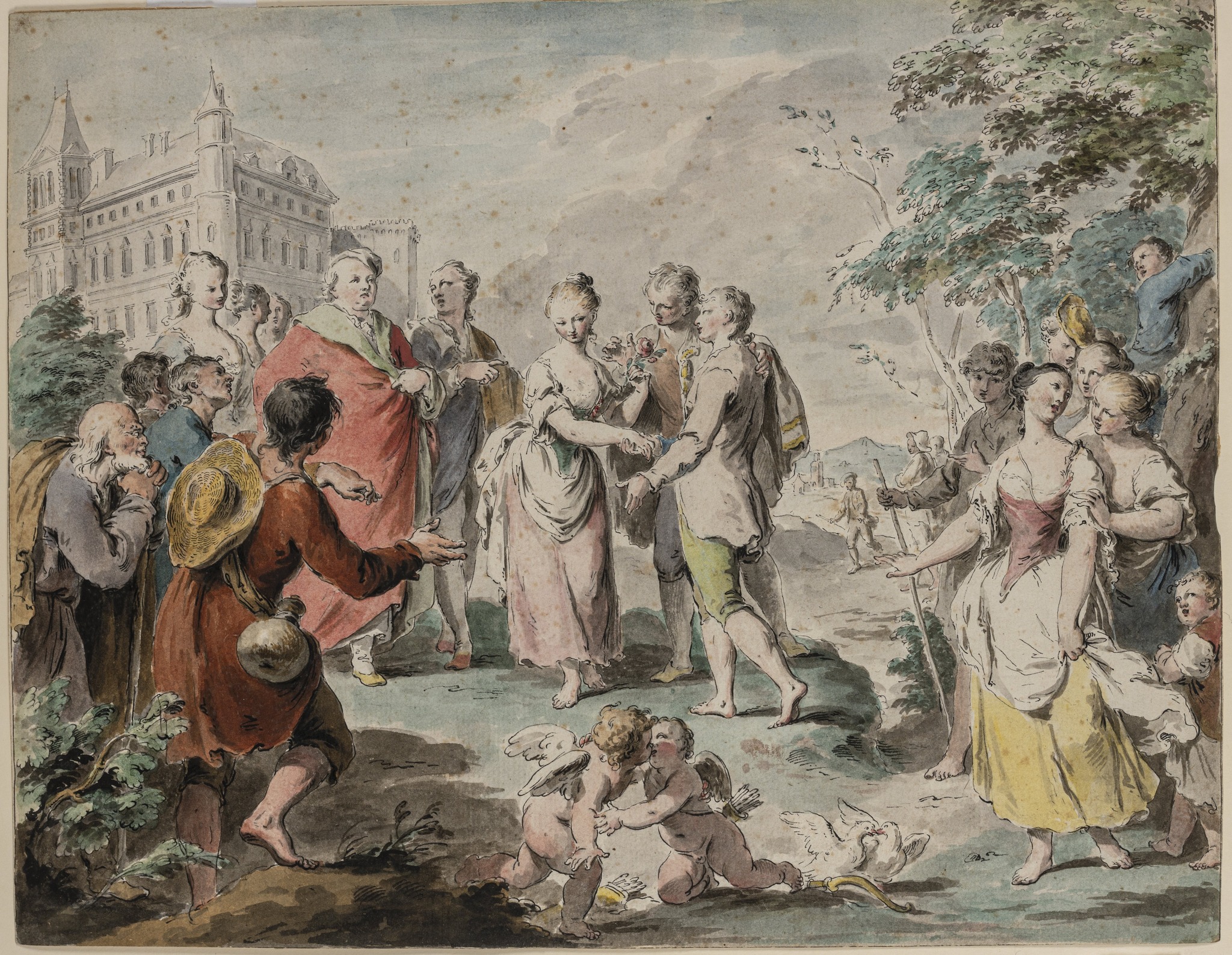
Hai mai pensato che un semplice foglio di carta potesse raccontare così tante storie? A Ca’ Rezzonico, il magnifico palazzo veneziano, è stato appena aperto un baule pieno di tesori nascosti: una collezione di oltre 200 disegni, donati da un appassionato collezionista.

Cosa Aspettarsi dalla Mostra

La mostra si concentrerà su una selezione di opere che riflettono la passione e l’impegno di Paolo Galli nel raccogliere pezzi significativi. Gli visitatori potranno ammirare una varietà di opere che spaziano tra diverse epoche e stili, offrendo così un panorama ricco e variegato dell’arte italiana.

Opere in Evidenza

Tra le opere esposte, ci saranno dipinti, sculture e oggetti d’arte decorativa. Ogni pezzo racconta una storia unica e offre uno sguardo sulle tendenze artistiche del passato. La mostra è progettata per essere accessibile anche a chi non ha una formazione specifica in storia dell’arte, rendendo l’esperienza educativa e coinvolgente.

Un Ambiente Storico

Ca’ Rezzonico, situata lungo il Canal Grande, è un palazzo storico che stesso è un’opera d’arte. La sua architettura barocca e gli interni magnifici forniscono un contesto perfetto per ospitare la Collezione Paolo Galli. Visitare la mostra non significa solo vedere l’arte, ma anche immergersi nella bellezza di uno dei luoghi più iconici di Venezia.

Conclusione

Non perdere l’occasione di esplorare la Collezione Paolo Galli a Ca’ Rezzonico. Questa mostra promette di essere un’esperienza indimenticabile per tutti gli amanti dell’arte e per coloro che desiderano scoprire la ricchezza culturale di Venezia. Prepara il tuo viaggio e lasciati ispirare dalla bellezza dell’arte!

Paolo Galli at Ca’ Rezzonico Museum !

Ca’ Rezzonico (Venice)

From October 10, 2024, Ca’ Rezzonico in Venice will host a fascinating exhibition dedicated to the Paolo Galli Collection. This exhibition represents an unmissable opportunity to discover valuable artworks from one of Italy’s most renowned collectors.

A hidden treasure in Ca’ Rezzonico: a collection of drawings that will leave you speechless!

Have you ever thought that a simple sheet of paper could tell so many stories? In Ca’ Rezzonico, the magnificent Venetian palace, a trunk full of hidden treasures has just been opened: a collection of over 200 drawings, donated by a passionate collector.

What to Expect from the Exhibition

The exhibition will focus on a selection of works that reflect Paolo Galli’s passion and commitment to collecting significant pieces. Visitors will be able to admire a variety of artworks spanning different eras and styles, thus offering a rich and diverse panorama of Italian art.

Featured Works

Among the exhibited works, there will be paintings, sculptures, and decorative art objects. Each piece tells a unique story and provides insight into the artistic trends of the past. The exhibition is designed to be accessible even to those without a specific background in art history, making the experience both educational and engaging.

A Historic Setting

Ca’ Rezzonico, located along the Grand Canal, is a historic palace that is itself a work of art. Its Baroque architecture and magnificent interiors provide the perfect backdrop for hosting the Paolo Galli Collection. Visiting the exhibition means not only seeing art but also immersing oneself in the beauty of one of Venice’s most iconic locations.

Conclusion

Don’t miss the chance to explore the Paolo Galli Collection at Ca’ Rezzonico. This exhibition promises to be an unforgettable experience for all art lovers and for those who wish to discover Venice’s cultural richness. Prepare for your visit and let yourself be inspired by the beauty of art!