For the English translation please scroll down the page, thank you !

Palazzo Mocenigo: Un Viaggio nel Tempo della Seduzione, tra Moda e Mistero ai Tempi di Casanova
Le sale affascinanti di Palazzo Mocenigo, scrigno di storia e cultura veneziana, stanno ospitando un ciclo di conferenze quanto mai intrigante: “Il Tempo della Seduzione”. Un percorso attraverso le epoche per svelare le dinamiche del corteggiamento e dell’attrazione, illuminate da esperti di diversi settori. Tra gli appuntamenti più attesi, spicca senza dubbio la conferenza tenutasi questa sera, 17 aprile, che ha visto protagonista Armando Bala, anima creativa dell’atelier Bauta, uno dei nomi di riferimento nel panorama delle maschere e dei costumi veneziani.

La serata si è focalizzata su un periodo storico emblematico per la seduzione e il fascino: l’epoca di Giacomo Casanova. Attraverso la sapiente narrazione di Armando Bala, il pubblico ha potuto immergersi in un mondo di eleganza sofisticata e di sottili giochi di ruolo, dove l’apparenza era tutto e la comunicazione passava spesso attraverso codici non verbali e accessori studiati ad arte.
L’intervento ha spaziato con dovizia di particolari tra la moda femminile e maschile del XVIII secolo. Per quanto riguarda l’universo femminile, l’attenzione si è concentrata sull’andrienne, quell’abito sontuoso e dalle linee morbide, caratterizzato dalle pieghe “Watteau” sulla schiena che conferivano un’aria eterea e regale a chi lo indossava. Un indumento che, con le sue varianti e i preziosi tessuti, era ben più di un semplice vestito: era una dichiarazione di status e un’arma di fascino.
Parallelamente, il guardaroba maschile dell’epoca si rivelava altrettanto ricco di dettagli significativi. Il tricorno, cappello a tre punte, non era solo un accessorio pratico ma un elemento distintivo di rango e personalità. Il tabarro, ampio mantello scuro, avvolgeva la figura maschile in un alone di mistero, prestandosi a incontri clandestini e sguardi fugaci.
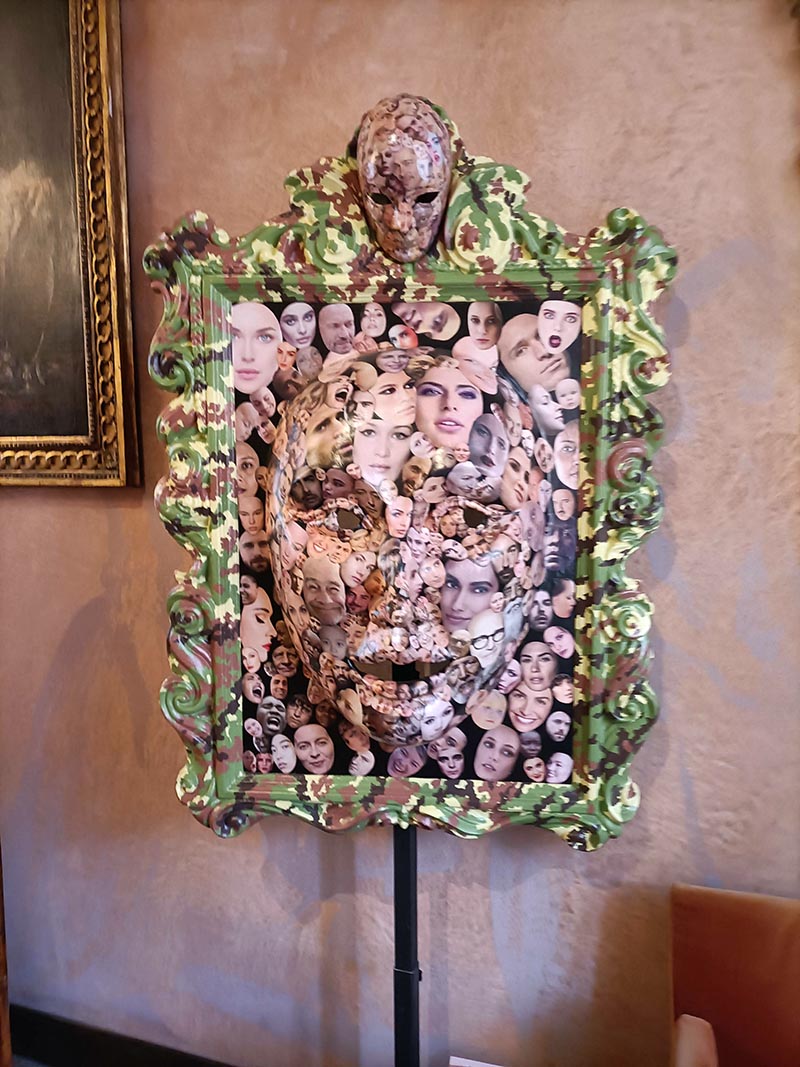
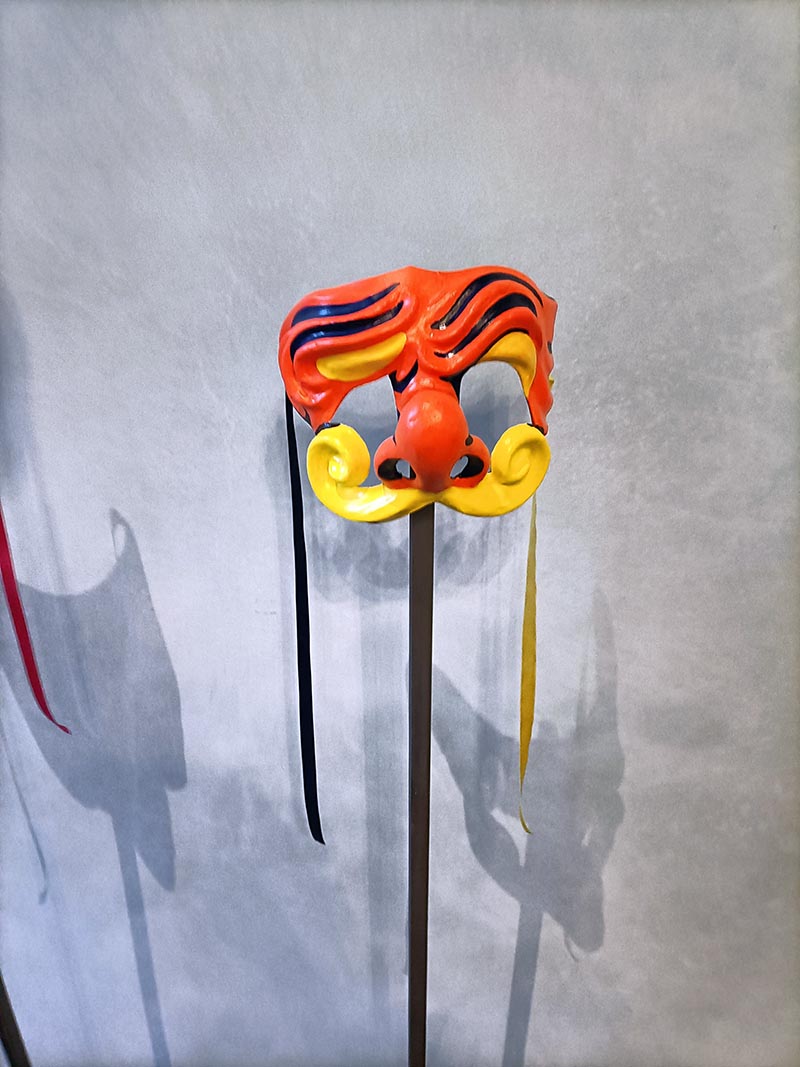
Un capitolo fondamentale della serata è stato dedicato al mondo delle maschere, elemento iconico della Venezia settecentesca e strumento principe della seduzione e del gioco delle identità. La celeberrima bauta, composta dalla larva (la maschera bianca che deforma i tratti), dal tabarro e dal tricorno, garantiva l’anonimato e permetteva di muoversi liberamente nella società, superando le barriere sociali e favorendo incontri inaspettati e flirt audaci. Accanto alla bauta, è stata illustrata la moretta, maschera ovale di velluto nero tenuta in posizione con un bottone stretto tra i denti, che imponeva il silenzio a chi la indossava, amplificando il potere dello sguardo e del linguaggio del corpo.

Non sono mancati accenni all’importanza di altri accessori nella comunicazione seduttiva. Le scarpe, spesso riccamente decorate, rivelavano la cura per i dettagli e lo status sociale. Il ventaglio, apparentemente un semplice oggetto per rinfrescarsi, si trasformava nelle mani esperte in un vero e proprio codice di messaggi cifrati, con aperture, chiusure e movimenti che potevano esprimere interesse, diniego, impazienza o desiderio.
La conferenza di Armando Bala ha saputo intrecciare sapientemente la descrizione degli abiti e degli accessori con il contesto sociale e culturale dell’epoca, svelando come la moda fosse un elemento cruciale nel complesso rituale della seduzione. L’abilità oratoria del relatore, unita alla sua profonda conoscenza del settore, ha reso la serata estremamente coinvolgente e ricca di spunti interessanti.
In conclusione, l’evento si è rivelato un vero successo, catturando l’attenzione di un pubblico numeroso e interessato a scoprire i segreti del fascino veneziano del Settecento. L’atelier Bauta, con la sua passione per la tradizione e la maestria artigianale, si conferma come uno dei più grandi e rinomati negozi di maschere e costumi a Venezia. Un punto di riferimento imprescindibile per chiunque desideri immergersi nell’atmosfera magica del carnevale o partecipare a balli, cene a tema e qualsiasi altro evento in maschera, offrendo creazioni autentiche e di altissima qualità per vivere appieno lo spirito della festa e della seduzione veneziana.
Clicca qui per sapere le date delle prossime conferenze a Palazzo Mocenigo !
Palazzo Mocenigo: A Journey Through the Time of Seduction, Between Fashion and Mystery in Casanova’s Era
The fascinating halls of Palazzo Mocenigo, a treasure trove of Venetian history and culture, are hosting an utterly intriguing series of conferences: “The Time of Seduction.” A journey through the ages to unravel the dynamics of courtship and attraction, illuminated by experts from various fields. Among the most anticipated events, the conference held this evening, April 17th, undoubtedly stood out, featuring Armando Bala, the creative force behind Atelier Bauta, a leading name in the world of Venetian masks and costumes.
The evening focused on an emblematic historical period for seduction and charm: the era of Giacomo Casanova. Through Armando Bala’s insightful narration, the audience was able to immerse themselves in a world of sophisticated elegance and subtle role-playing, where appearance was everything and communication often passed through non-verbal codes and artfully crafted accessories.
The presentation spanned with meticulous detail both female and male fashion of the 18th century. Regarding the female universe, attention was focused on the andrienne, that sumptuous and soft-lined gown, characterized by the “Watteau” pleats on the back which lent an ethereal and regal air to the wearer. A garment that, with its variations and precious fabrics, was much more than just clothing: it was a declaration of status and a weapon of charm.
In parallel, the male wardrobe of the time proved equally rich in significant details. The tricorne, the three-cornered hat, was not only a practical accessory but a distinctive element of rank and personality. The tabarro, a large dark cloak, enveloped the male figure in an aura of mystery, lending itself to clandestine encounters and fleeting glances.
A fundamental chapter of the evening was dedicated to the world of masks, an iconic element of 18th-century Venice and the primary tool of seduction and the game of identities. The celebrated bauta, composed of the larva (the white mask that deforms the features), the tabarro, and the tricorne, guaranteed anonymity and allowed one to move freely in society, overcoming social barriers and fostering unexpected encounters and daring flirtations. Alongside the bauta, the moretta was illustrated, an oval black velvet mask held in place with a button clenched between the teeth, which imposed silence on the wearer, amplifying the power of the gaze and body language.
Mention was also made of the importance of other accessories in seductive communication. Shoes, often richly decorated, revealed attention to detail and social status. The fan, seemingly a simple object for cooling oneself, transformed in expert hands into a veritable code of ciphered messages, with openings, closings, and movements that could express interest, denial, impatience, or desire.
Armando Bala’s conference skillfully intertwined the description of clothes and accessories with the social and cultural context of the era, revealing how fashion was a crucial element in the complex ritual of seduction. The speaker’s oratorical ability, combined with his profound knowledge of the field, made the evening extremely engaging and full of interesting insights.
In conclusion, the event proved to be a true success, capturing the attention of a large and interested audience eager to discover the secrets of 18th-century Venetian charm. Atelier Bauta, with its passion for tradition and craftsmanship, confirms itself as one of the largest and most renowned shops for masks and costumes in Venice. An indispensable point of reference for anyone wishing to immerse themselves in the magical atmosphere of the carnival or participate in themed balls, dinners, and any other masked event, offering authentic and high-quality creations to fully experience the spirit of Venetian festivity and seduction.




 Diario di un operatore museale