Anniversario Casanova (parte 3)

Casanova e la Venezia del Settecento: Amore, Intrighi e Politica

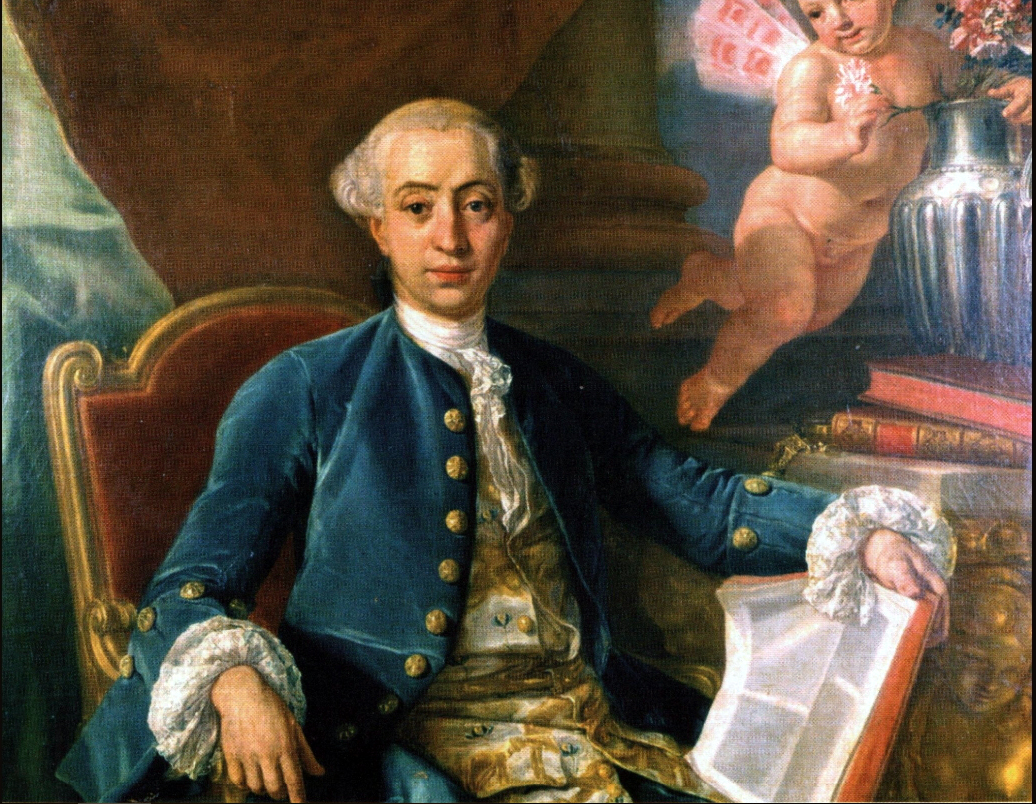
Giacomo Casanova è un nome che evoca immediatamente passione, avventura e mistero. Ma il celebre libertino non è solo una figura romantica: la sua vita è intrecciata in modo profondo con la complessità politica e sociale della Venezia del Settecento. Questo articolo esplora il rapporto tra Casanova e la sua città natale, un luogo in cui l’amore e gli intrighi si mescolavano con il potere e la diplomazia.

La Venezia del Settecento: Un Crocevia di Cultura e Potere

Nel XVIII secolo, Venezia era una delle città più ricche e influenti d’Europa. La Serenissima, pur essendo in declino rispetto al suo passato glorioso, rimaneva un centro culturale e commerciale di primaria importanza. Le sue calli brulicavano di mercanti, aristocratici, artisti e spie, mentre i suoi palazzi e teatri ospitavano feste e spettacoli indimenticabili. Era in questo ambiente cosmopolita e vibrante che Casanova crebbe e si fece strada.

L’Amore e le Donne di Casanova

Uno degli aspetti più celebri della vita di Casanova è senza dubbio il suo rapporto con le donne. Seduttore incallito, il veneziano coltivava l’arte della conquista con un misto di intelligenza, fascino e abilissima oratoria. Tra le sue amanti si trovavano nobildonne, attrici, cortigiane e borghesi, ciascuna rappresentante di un diverso strato della complessa società veneziana.

Ma per Casanova, l’amore non era solo una questione di desiderio fisico. Spesso intratteneva rapporti intellettuali e sentimentali profondi con le sue partner, e molte di loro lo ricordarono con affetto anche dopo la fine delle loro relazioni. Questo riflette la natura poliedrica della sua personalità, in cui la passione si intrecciava con un autentico apprezzamento per la bellezza e l’intelligenza.

Intrighi e Scandali

La Venezia del Settecento era una città in cui gli intrighi politici e personali erano all’ordine del giorno. Casanova, con la sua capacità di affascinare e manipolare, si trovò spesso coinvolto in situazioni controverse. Una delle più famose fu il suo arresto nel 1755, con l’accusa di praticare la magia nera e di condurre uno stile di vita immorale. Questo episodio culminò nella sua audace fuga dai Piombi, le prigioni di Palazzo Ducale, un evento che contribuì a consolidare la sua leggenda.

Casanova fu anche una spia al servizio del governo veneziano, un ruolo che gli consentì di entrare in contatto con personalità influenti e di acquisire informazioni preziose. Tuttavia, la sua natura indipendente e il suo spirito ribelle lo portarono spesso a scontrarsi con l’establishment, rendendolo al tempo stesso un insider e un outsider nella società veneziana.

Casanova, Scrittore e Cronista del Settecento
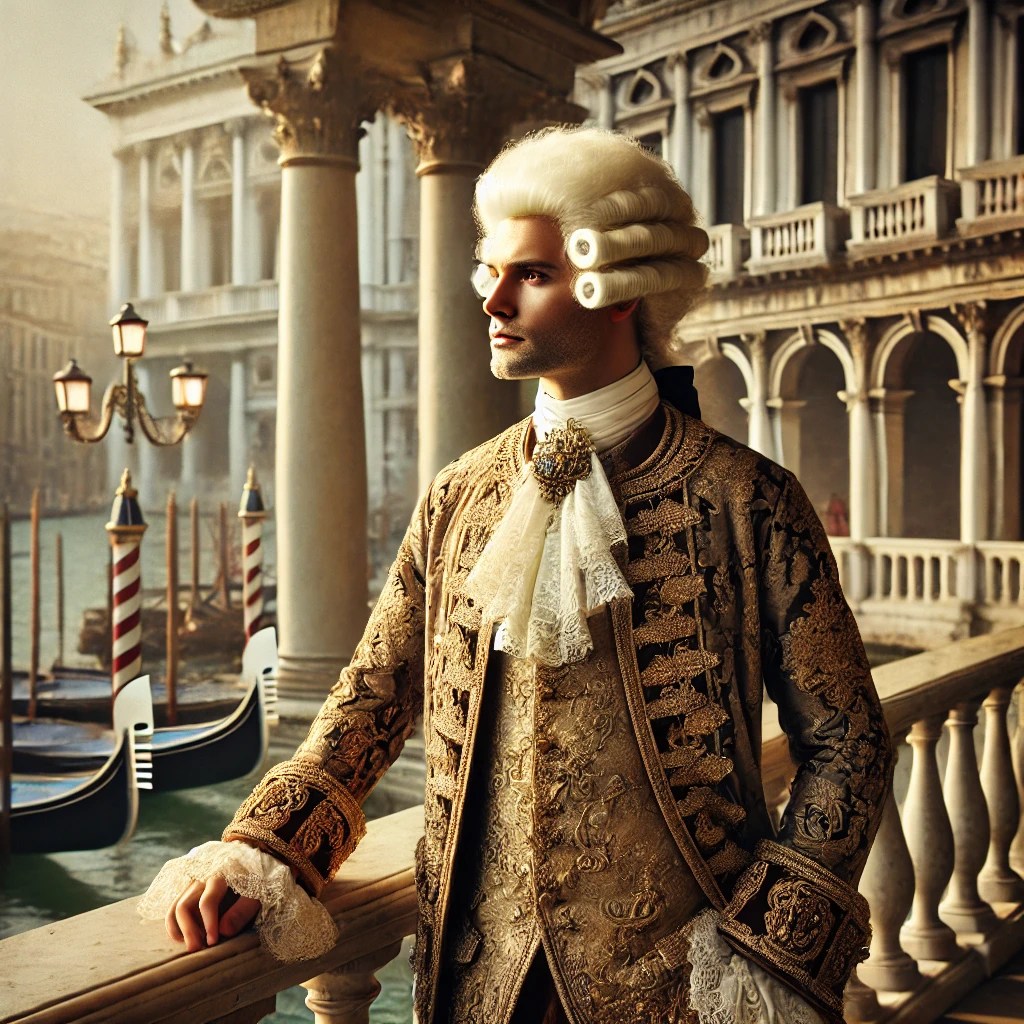
Un aspetto meno noto, ma altrettanto affascinante, di Casanova è il suo ruolo di scrittore. La sua autobiografia, Histoire de ma vie, è una delle testimonianze più vivide e dettagliate della vita nel Settecento. Attraverso le sue parole, veniamo trasportati in un mondo fatto di balli in maschera, intrighi diplomatici e passioni travolgenti. Casanova non si limitò a raccontare la propria vita, ma fornì anche un ritratto della Venezia del suo tempo, una città in bilico tra tradizione e modernità.

Venezia e il Fascino del Mito

La figura di Casanova è indissolubilmente legata alla magia di Venezia, una città che, come lui, è simbolo di contrasti. Le calli strette e i fastosi palazzi, le maschere del Carnevale e i segreti sussurrati dietro le porte socchiuse: tutto in Venezia parla di mistero e seduzione. Ancora oggi, i visitatori possono rivivere il fascino del Settecento passeggiando per i luoghi che hanno segnato la vita di Casanova, dal Palazzo Malipiero al Ridotto.

Conclusione

Giacomo Casanova è molto più di un semplice libertino: è un simbolo di un’epoca e di una città che hanno saputo unire il piacere e il potere, la cultura e l’intrigo. Esplorare la sua vita e la Venezia del Settecento significa immergersi in un mondo complesso e affascinante, in cui ogni gesto e ogni parola potevano trasformarsi in un atto di amore o di politica. La sua eredità vive ancora oggi, sia nelle pagine della sua autobiografia che nelle calli e nei canali di Venezia, una città eterna come il mito che ha contribuito a creare.

Casanova Anniversary (Part 3)

Giacomo Casanova is a name that immediately evokes passion, adventure, and mystery. However, the famous libertine is not just a romantic figure: his life is deeply intertwined with the political and social complexity of 18th-century Venice. This article explores the relationship between Casanova and his birthplace, a place where love and intrigue mixed with power and diplomacy.

18th-Century Venice: A Crossroads of Culture and Power

In the 18th century, Venice was one of the wealthiest and most influential cities in Europe. The Serenissima, although in decline from its glorious past, remained a primary cultural and commercial hub. Its streets were teeming with merchants, aristocrats, artists, and spies, while its palaces and theaters hosted unforgettable parties and performances. It was in this cosmopolitan and vibrant environment that Casanova grew up and made his way.

Casanova’s Love Affairs and Women

One of the most famous aspects of Casanova’s life is undoubtedly his relationship with women. An incorrigible seducer, the Venetian cultivated the art of conquest with a mix of intelligence, charm, and exceptional oratory. Among his lovers were noblewomen, actresses, courtesans, and bourgeois women, each representing a different layer of Venetian society’s complex structure.

However, for Casanova, love was not just about physical desire. He often engaged in intellectual and emotional relationships with his partners, and many of them remembered him fondly even after their relationships ended. This reflects the multifaceted nature of his personality, in which passion intertwined with a genuine appreciation for beauty and intelligence.

Intrigue and Scandals

18th-century Venice was a city where political and personal intrigues were commonplace. Casanova, with his ability to charm and manipulate, frequently found himself involved in controversial situations. One of the most famous was his arrest in 1755, on charges of practicing black magic and living an immoral lifestyle. This episode culminated in his daring escape from the Piombi, the prisons of the Doge’s Palace, an event that helped cement his legend.

Casanova was also a spy in the service of the Venetian government, a role that allowed him to come into contact with influential personalities and acquire valuable information. However, his independent nature and rebellious spirit often led him to clash with the establishment, making him both an insider and an outsider in Venetian society.

Casanova, Writer, and Chronicler of the 18th Century

A lesser-known but equally fascinating aspect of Casanova is his role as a writer. His autobiography, Histoire de ma vie, is one of the most vivid and detailed accounts of life in the 18th century. Through his words, we are transported into a world of masked balls, diplomatic intrigues, and overwhelming passions. Casanova not only recounted his own life but also provided a portrait of the Venice of his time, a city straddling tradition and modernity.

Venice and the Allure of Myth

The figure of Casanova is inextricably linked to the magic of Venice, a city that, like him, is a symbol of contrasts. The narrow streets and lavish palaces, the masks of Carnival, and the secrets whispered behind half-open doors—everything in Venice speaks of mystery and seduction. Even today, visitors can relive the allure of the 18th century by walking through the places that marked Casanova’s life, from Palazzo Malipiero to the Ridotto.

Conclusion

Giacomo Casanova is much more than just a libertine: he is a symbol of an era and a city that knew how to blend pleasure and power, culture and intrigue. Exploring his life and 18th-century Venice means immersing oneself in a complex and fascinating world, where every gesture and every word could turn into an act of love or politics. His legacy lives on today, both in the pages of his autobiography and in the streets and canals of Venice, an eternal city like the myth he helped to create.

Anniversario di Giacomo Casanova (parte1)

For the English translation please scroll down the page, thank you !

Comincia oggi una nuova serie di blog dedicata alla figura di Giacomo Casanova, in occasione del suo 300° anniversario dalla nascita. Esploreremo la sua vita avventurosa, le sue opere, e il suo inconfondibile spirito libertino, che lo ha reso celebre in tutto il mondo. Attraverso una serie di approfondimenti, cercheremo di scoprire non solo l’uomo dietro il mito, ma anche il suo impatto sulla cultura e sulla società del suo tempo. Restate con noi per un viaggio affascinante nella storia di una delle personalità più intriganti e controverse della cultura europea.

Giacomo Casanova: Il Libertino di Venezia tra Scandali e Fascino

Quando si pensa al Settecento veneziano, è impossibile non evocare l’immagine di Giacomo Casanova, figura emblematica di una città vibrante e decadente. Seduttore, scrittore, avventuriero e spia, Casanova incarna lo spirito di un’epoca in cui il piacere, la cultura e l’intrigo si intrecciavano in modo inestricabile.

Le Origini di un Mito

Nato a Venezia il 2 aprile 1725, Giacomo Girolamo Casanova era figlio di attori, una professione malvista all’epoca, ma che gli permise di crescere in un ambiente vivace e culturalmente stimolante. Intelligente e ambizioso, si distinse presto per il suo fascino e la sua capacità di muoversi con disinvoltura nei circoli più esclusivi della società veneziana. Tuttavia, la sua vita fu segnata da scandali fin dalla giovinezza: espulso dal seminario per condotta immorale, si avviò presto verso una carriera da avventuriero.

Venezia: Teatro di Scandali e Intrighi

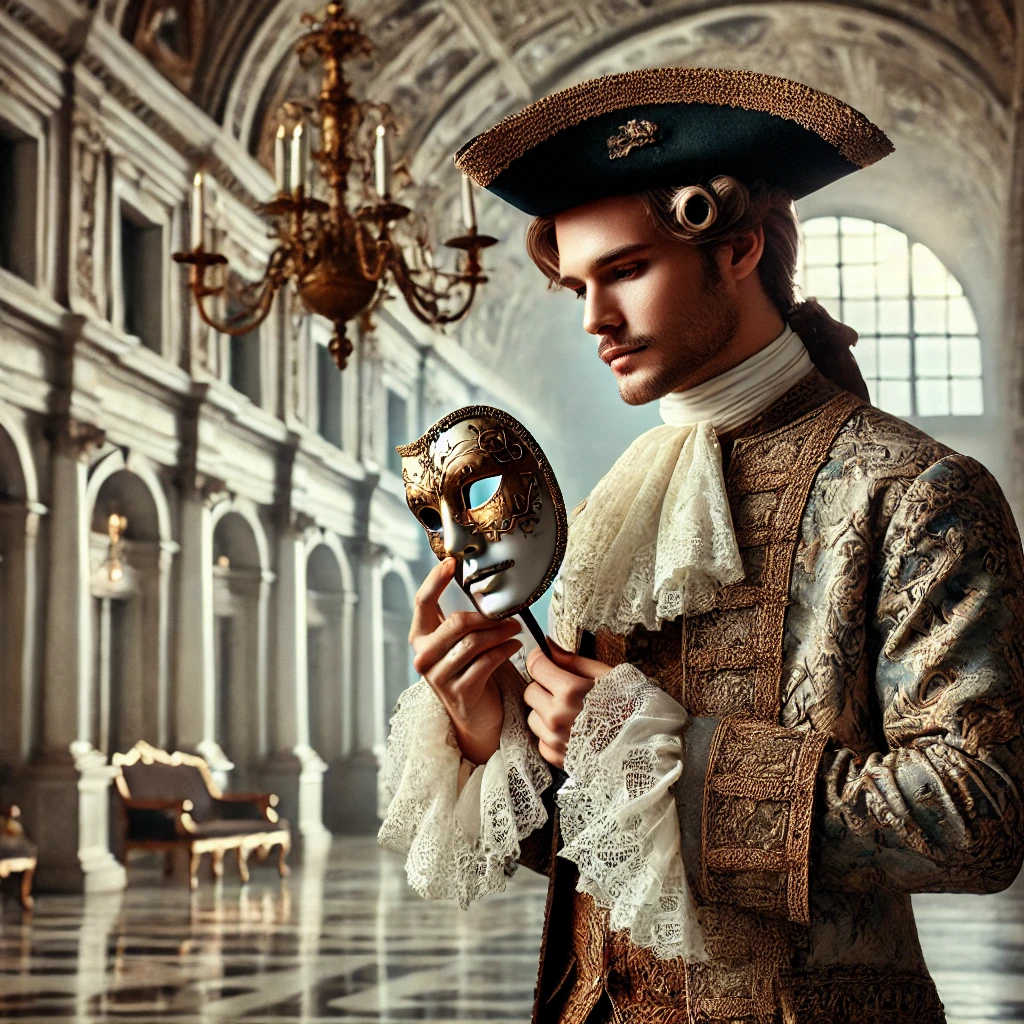
Venezia, con le sue calli labirintiche, i fastosi palazzi e il brulicare di maschere e segreti, fu lo scenario perfetto per le imprese di Casanova. Il giovane libertino frequentava il Ridotto, un casinò dove nobili e borghesi si mescolavano per giocare, flirtare e tramare. Fu qui che Casanova affinò le sue doti di seduttore e manipolatore, costruendo la sua reputazione di uomo irresistibile.

Nonostante il suo successo tra le donne e la sua capacità di intrattenere le menti più brillanti del suo tempo, Casanova si trovò spesso in conflitto con le autorità veneziane. Le sue relazioni amorose, spesso scandalose, e la sua presunta pratica di magia nera lo portarono ad essere arrestato e imprigionato nei famigerati Piombi, le prigioni situate sotto il tetto di Palazzo Ducale. La sua rocambolesca fuga nel 1756 è diventata una delle sue imprese più celebri, consolidando il mito di un uomo capace di sfidare qualsiasi limite.

Un Uomo dai Mille Volti

Casanova non fu solo un seduttore. La sua vita è una testimonianza di versatilità e curiosità intellettuale. Fu autore di numerosi scritti, tra cui il celebre Histoire de ma vie, un’autobiografia che è al tempo stesso un affresco vivido del XVIII secolo e un ritratto intimo della sua complessa personalità. Fu anche spia per il governo veneziano, diplomatico, alchimista e persino predicatore, dimostrando una capacità unica di reinventarsi in ogni situazione.

Casanova e il Fascino di Venezia

La figura di Giacomo Casanova rimane indissolubilmente legata a Venezia, una città che, come lui, è simbolo di contrasti: bellezza e decadenza, raffinatezza e scandalo. Le sue gesta e il suo spirito continuano a ispirare scrittori, artisti e registi, rendendolo una delle figure più affascinanti della storia veneziana.

Oggi, passeggiando per Venezia, si possono ancora percepire i luoghi che hanno fatto da sfondo alla sua vita: il Palazzo Malipiero, dove visse per un periodo, o il Ridotto, ora trasformato in un elegante spazio culturale. Per chi vuole immergersi nel mito di Casanova, Venezia offre una connessione tangibile con il suo passato e con l’uomo che ha trasformato la sua vita in leggenda.

Conclusione

Giacomo Casanova non è solo un personaggio storico, ma un simbolo di un’epoca in cui la libertà, l’arte e il piacere erano al centro della vita. Esplorare la sua figura significa non solo conoscere uno degli uomini più affascinanti della storia, ma anche scoprire la magia e il mistero della Venezia del Settecento, una città che, come il suo celebre figlio, continua a sedurre il mondo. Vi ricordo che a Palazzo Mocenigo, quest’anno sono previste due mostre su di lui, molto interessanti, di cui ovviamente scriverò un’articolo. Rimanete sintonizzati !!

Giacomo Casanova Anniversary (part1)

Today marks the beginning of a new blog series dedicated to the figure of Giacomo Casanova, on the occasion of his 300th anniversary. We will explore his adventurous life, his works, and his unmistakable libertine spirit that made him famous worldwide. Through a series of in-depth posts, we aim to uncover not only the man behind the myth but also his impact on the culture and society of his time. Stay tuned for an intriguing journey into the life of one of the most fascinating and controversial personalities in European history.

Giacomo Casanova: The Libertine of Venice Between Scandals and Charm

When thinking of 18th-century Venice, it is impossible not to evoke the image of Giacomo Casanova, an iconic figure of a vibrant and decadent city. Seducer, writer, adventurer, and spy, Casanova embodies the spirit of an era where pleasure, culture, and intrigue were inextricably intertwined.

The Origins of a Legend

Born in Venice on April 2, 1725, Giacomo Girolamo Casanova was the son of actors, a profession frowned upon at the time, but one that allowed him to grow up in a lively and culturally stimulating environment. Intelligent and ambitious, he quickly stood out for his charm and ability to move effortlessly in the most exclusive circles of Venetian society. However, his life was marked by scandals from a young age: expelled from the seminary for immoral conduct, he soon embarked on a career as an adventurer.

Venice: A Stage for Scandals and Intrigue

Venice, with its labyrinthine alleys, grand palaces, and the bustle of masks and secrets, was the perfect backdrop for Casanova’s exploits. The young libertine frequented the Ridotto, a casino where nobles and bourgeois mingled to play, flirt, and plot. It was here that Casanova honed his skills as a seducer and manipulator, building his reputation as an irresistible man.

Despite his success with women and his ability to entertain the brightest minds of his time, Casanova often found himself at odds with the Venetian authorities. His scandalous love affairs and his alleged practice of black magic led to his arrest and imprisonment in the infamous Piombi, the prisons beneath the roof of the Doge’s Palace. His daring escape in 1756 became one of his most celebrated feats, cementing the myth of a man capable of defying any limit.

A Man of Many Faces

Casanova was not just a seducer. His life is a testament to versatility and intellectual curiosity. He was the author of numerous writings, including the famous Histoire de ma vie, an autobiography that is both a vivid fresco of the 18th century and an intimate portrait of his complex personality. He was also a spy for the Venetian government, a diplomat, an alchemist, and even a preacher, demonstrating a unique ability to reinvent himself in any situation.

Casanova and the Charm of Venice

The figure of Giacomo Casanova remains indissolubly linked to Venice, a city that, like him, is a symbol of contrasts: beauty and decadence, refinement and scandal. His exploits and spirit continue to inspire writers, artists, and filmmakers, making him one of the most fascinating figures in Venetian history.

Today, walking through Venice, one can still sense the places that were the backdrop to his life: the Malipiero Palace, where he lived for a time, or the Ridotto, now transformed into an elegant cultural space. For those wishing to immerse themselves in the myth of Casanova, Venice offers a tangible connection to his past and to the man who turned his life into legend.

Conclusion

Giacomo Casanova is not just a historical figure, but a symbol of an era when freedom, art, and pleasure were at the center of life. Exploring his figure means not only learning about one of the most fascinating men in history but also discovering the magic and mystery of 18th-century Venice, a city that, like its famous son, continues to seduce the world.I remind you that at Palazzo Mocenigo, this year there are two exhibitions on him, very interesting, of which I will obviously write an article. Stay tuned!!