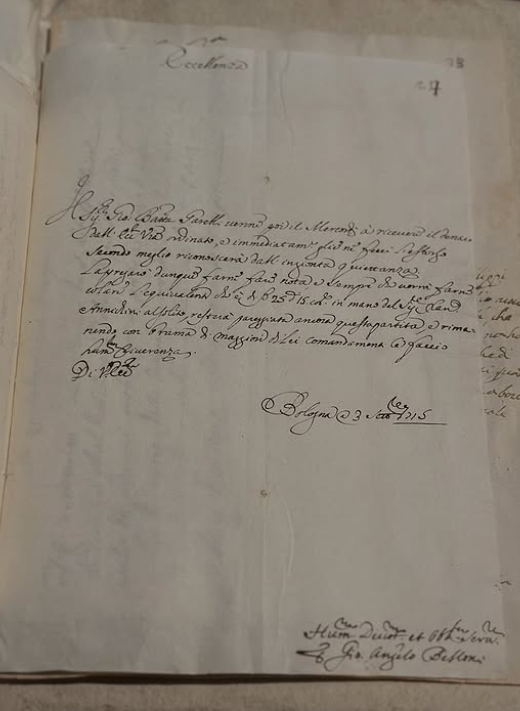
Anniversario Giacomo Casanova (parte 4)

Le Donne di Giacomo Casanova: Amori e Passioni nella Venezia Barocca

Giacomo Casanova è universalmente noto come uno dei più celebri seduttori della storia. Ma dietro la sua fama di libertino si cela una complessa rete di relazioni con le donne che hanno attraversato la sua vita. Queste figure femminili non furono solo protagoniste delle sue avventure amorose, ma anche compagne, muse e talvolta mentori in un’epoca in cui il ruolo delle donne era spesso relegato a margini ben definiti. Questo articolo esplora le donne di Casanova, immergendosi nella loro importanza personale e culturale nella Venezia del Settecento.

Un Amore oltre la Conquista

Per Casanova, le donne erano più che semplici conquiste. Molte delle sue relazioni si basavano su un autentico apprezzamento per l’intelligenza, la bellezza e la personalità delle sue partner. Spesso le sue amanti provenivano da ambienti diversi: nobildonne, attrici, cortigiane, persino monache. Questo riflette non solo il fascino irresistibile di Casanova, ma anche la sua curiosità per il mondo femminile in tutte le sue sfaccettature.

Le Donne che Segnarono la Vita di Casanova

Tra le molte donne che ebbero un ruolo significativo nella vita di Casanova, alcune si distinguono per la loro influenza e il loro legame speciale con lui.

  • Henriette: Una delle figure più amate e idealizzate da Casanova, Henriette fu una donna di grande intelligenza e grazia. La loro relazione fu breve ma intensa, e la sua partenza lasciò un segno indelebile nel cuore del seduttore. Casanova la descrisse come la donna più straordinaria che avesse mai conosciuto.
  • María Anna della famiglia di Murano: Questa monaca, conosciuta durante uno dei soggiorni di Casanova a Venezia, rappresenta uno degli scandali più noti del suo tempo. La loro relazione, resa ancora più audace dal contesto conventuale, dimostra il suo talento nel trasformare anche le situazioni più proibite in un gioco di seduzione.
  • Caterina Capretta: Giovane veneziana promessa sposa, Caterina fu una delle tante donne che Casanova corteggiò sfidando le convenzioni sociali. La loro relazione suscitò scandalo e mostrò la propensione del libertino a infrangere le regole.

Venezia: Un Palcoscenico per l’Amore

La Venezia del Settecento era il luogo perfetto per le avventure amorose di Casanova. Il Carnevale, con le sue maschere e i suoi balli, offriva l’anonimato necessario per incontri clandestini. I palazzi sul Canal Grande, con i loro salotti eleganti, erano il teatro di conversazioni intime e sguardi complici. Persino i conventi, spesso vicini ai palazzi nobiliari, divenivano luoghi di intrighi e segreti.

Le Donne come Specchio della Società Veneziana

Le donne che Casanova amò riflettono le diverse classi sociali e le complessità della società veneziana del tempo. Attraverso i suoi rapporti, possiamo intravedere il ruolo delle donne nella Venezia del Settecento: nobildonne costrette a matrimoni di convenienza, cortigiane che godevano di una libertà maggiore rispetto alle donne sposate, monache spesso recluse contro la loro volontà. Casanova, con il suo fascino e la sua intelligenza, riusciva a entrare in questi mondi e a costruire legami che superavano le barriere sociali.

Un Seduttore, ma anche un Uomo Sensibile

Nonostante la sua reputazione di libertino, Casanova mostrava una sorprendente sensibilità verso le donne. Spesso le rispettava e le ammirava, e molte di loro lo ricordarono con affetto anche dopo la fine delle loro relazioni. Questo lato più umano del seduttore emerge chiaramente nella sua autobiografia, Histoire de ma vie, dove dedica pagine appassionate alle donne che hanno segnato la sua esistenza.

Conclusione

Le donne di Giacomo Casanova non furono semplici comparse nella sua vita, ma protagoniste di un’epoca in cui amore, passione e cultura si intrecciavano in modi unici. Attraverso i loro occhi, possiamo vedere una Venezia viva, vibrante e profondamente umana, fatta di emozioni, sfide e sogni. Esplorare queste storie significa riscoprire non solo l’uomo dietro il mito, ma anche la ricchezza di una città che, come le sue donne, continua a incantare il mondo.

The Women of Giacomo Casanova: Loves and Passions in Baroque Venice

Giacomo Casanova is universally known as one of the most famous seducers in history. But behind his reputation as a libertine lies a complex web of relationships with the women who passed through his life. These female figures were not only protagonists of his amorous adventures but also companions, muses, and at times mentors, in an era when the role of women was often relegated to well-defined margins. This article explores the women of Casanova, delving into their personal and cultural significance in 18th-century Venice.

A Love Beyond Conquest

For Casanova, women were more than mere conquests. Many of his relationships were based on a genuine appreciation for the intelligence, beauty, and personality of his partners. Often, his lovers came from diverse backgrounds: noblewomen, actresses, courtesans, even nuns. This reflects not only Casanova’s irresistible charm but also his curiosity about the female world in all its facets.

The Women Who Marked Casanova’s Life

Among the many women who played a significant role in Casanova’s life, some stand out for their influence and their special bond with him.

Henriette: One of the most beloved and idealized figures by Casanova, Henriette was a woman of great intelligence and grace. Their relationship was brief but intense, and her departure left an indelible mark on the heart of the seducer. Casanova described her as the most extraordinary woman he had ever known.

María Anna of the Murano Family: This nun, whom Casanova met during one of his stays in Venice, represents one of the most famous scandals of his time. Their relationship, made even bolder by the conventual context, shows his talent in turning even the most forbidden situations into a game of seduction.

Caterina Capretta: A young Venetian woman promised to be married, Caterina was one of the many women Casanova courted, defying social conventions. Their relationship caused a scandal and demonstrated the libertine’s propensity to break the rules.

Venice: A Stage for Love

18th-century Venice was the perfect setting for Casanova’s amorous adventures. The Carnival, with its masks and dances, provided the anonymity necessary for clandestine encounters. The palaces along the Grand Canal, with their elegant salons, were the stage for intimate conversations and knowing glances. Even the convents, often located near noble palaces, became places of intrigue and secrets.

Women as a Mirror of Venetian Society

The women Casanova loved reflect the different social classes and complexities of Venetian society at the time. Through his relationships, we can glimpse the role of women in 18th-century Venice: noblewomen forced into arranged marriages, courtesans who enjoyed greater freedom than married women, nuns often confined against their will. Casanova, with his charm and intelligence, was able to enter these worlds and build connections that transcended social barriers.

A Seducer, but Also a Sensitive Man

Despite his reputation as a libertine, Casanova showed a surprising sensitivity toward women. He often respected and admired them, and many of them remembered him fondly even after their relationships ended. This more human side of the seducer clearly emerges in his autobiography, Histoire de ma vie, where he dedicates passionate pages to the women who marked his existence.

Conclusion

The women of Giacomo Casanova were not mere bit players in his life, but protagonists of an era in which love, passion, and culture intertwined in unique ways. Through their eyes, we can see a Venice that is alive, vibrant, and deeply human, full of emotions, challenges, and dreams. Exploring these stories means rediscovering not just the man behind the myth but also the richness of a city that, like its women, continues to enchant the world.
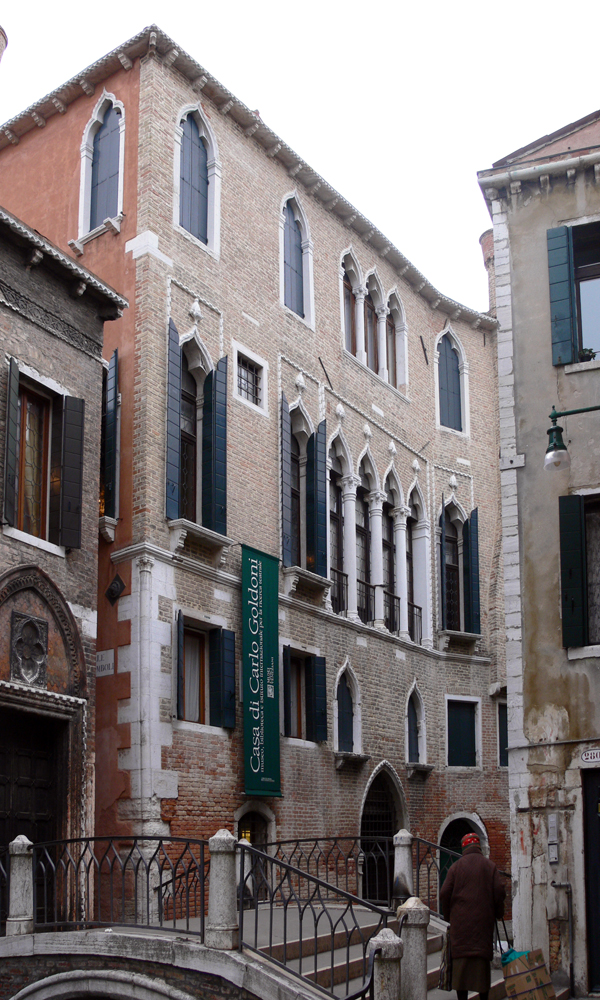
Anniversario”Ricordando Carlo Goldoni: Un Viaggio nel Cuore di Venezia e nel Teatro Italiano”

Oggi, 6 febbraio, ricordiamo l’anniversario della morte di Carlo Goldoni, uno dei più grandi drammaturghi italiani, che ha segnato la storia del teatro con la sua riforma. Con le sue commedie, Goldoni ha trasformato la scena teatrale, allontanandosi dalla tradizione della Commedia dell’Arte e dando vita a un teatro di carattere, dove le maschere cedevano il posto a personaggi realistici e quotidiani.

Tra le sue opere principali spiccano La locandiera, una brillante commedia che esplora il tema dell’ingegno femminile, Il servitore di due padroni, un capolavoro di comicità basata su malintesi e scambi di identità, e Le baruffe chiozzotte, che dipinge con vivacità i conflitti quotidiani tra le famiglie di un piccolo villaggio veneto. Le sue commedie, caratterizzate da personaggi ben definiti e situazioni realistiche, segnarono una svolta importante nel teatro europeo.

Goldoni nacque a Venezia, dove trascorse gran parte della sua vita, e oggi la sua casa è un affascinante museo che permette ai visitatori di immergersi nella sua storia. Il Museo Casa Goldoni, situato nel cuore di Venezia, è un luogo ideale per conoscere meglio la vita e le opere di questo maestro del teatro. Visitarlo non è solo un tuffo nella cultura veneziana, ma anche un viaggio nel passato del nostro teatro.

Se vi trovate a Venezia, non perdete l’occasione di scoprire questo museo e di rendere omaggio a uno degli artisti che ha fatto la storia della cultura italiana. Per maggiori informazioni, visitate il sito ufficiale del museo: Museo Casa Goldoni.

“Remembering Carlo Goldoni: A Journey into the Heart of Venice and Italian Theatre”

Today, February 6th, we remember the anniversary of the death of Carlo Goldoni, one of Italy’s greatest playwrights, who made a profound impact on the history of theater with his reform. Through his comedies, Goldoni transformed the stage, moving away from the traditions of Commedia dell’Arte and creating a theater based on realistic, everyday characters, where masks gave way to human personas.

Among his major works are La locandiera (The Innkeeper), a brilliant comedy that explores the theme of female wit, Il servitore di due padroni (The Servant of Two Masters), a masterpiece of comedy based on misunderstandings and identity swaps, and Le baruffe chiozzotte (The Brawls of Chioggia), which vividly depicts the daily conflicts between families in a small Venetian village. His comedies, characterized by well-defined characters and realistic situations, marked an important turning point in European theater.

Goldoni was born in Venice, where he spent most of his life, and today his home is a fascinating museum that allows visitors to immerse themselves in his history. The Goldoni House Museum, located in the heart of Venice, is the perfect place to learn more about the life and works of this master of theater. A visit is not only a dive into Venetian culture but also a journey into the past of Italian theater.

If you find yourself in Venice, don’t miss the chance to explore this museum and pay tribute to one of the artists who shaped Italian culture. For more information, visit the official museum website: Goldoni House Museum.

Celebrating Carlo Goldoni today means not only remembering a great artist but also honoring his legacy, which continues to influence contemporary theater. I remind you that during this period you can also see the exhibition, which started recently: “Il fondo Vendramin” of which you can read my review here https://diariodiunoperatoremuseale.co/2025/01/30/nuova-mostra-al-museo-di-carlo-goldoni/

Nuova mostra al Museo di Carlo Goldoni

Una nuova mostra molto interessante sarà visibile ai visitatori presso il museo della Casa di Carlo Goldoni a Venezia, che si intitolerà “Fondo Vendramin”, dal 31 gennaio 2025 al 25 gennaio 2026 Venezia.

Il Fondo Vendramin è una mostra affascinante che si svolge presso il Museo Carlo Goldoni, situato nel cuore di Venezia. Questa esposizione rappresenta un’opportunità unica per scoprire un’importante collezione di opere d’arte e documenti storici legati alla figura di Carlo Goldoni, uno dei più celebri drammaturghi italiani del XVIII secolo.

Un Viaggio nella Storia e nell’Arte

La mostra offre un viaggio attraverso la vita e le opere di Goldoni, mettendo in luce il suo contributo al teatro e alla cultura veneziana. Attraverso una selezione curata di materiali, i visitatori possono esplorare non solo le sue commedie, ma anche il contesto sociale e culturale in cui visse e lavorò. Il Fondo Vendramin è un’occasione per comprendere meglio come Goldoni abbia influenzato il panorama teatrale e come le sue opere continuino a essere rilevanti oggi.

Perché Visitare?

  1. Accessibilità: La mostra è aperta a tutti, anche a coloro che non hanno una formazione artistica. Le spiegazioni e i materiali esposti sono pensati per essere comprensibili e coinvolgenti.
  2. Esperienza Interattiva: Non si tratta solo di guardare opere d’arte; i visitatori possono interagire con diversi elementi espositivi, rendendo l’esperienza ancora più immersiva.
  3. Atmosfera Unica: Il Museo Carlo Goldoni, con la sua architettura storica e l’atmosfera suggestiva di Venezia, offre un contesto perfetto per una visita culturale. Passeggiare tra le sale del museo è come fare un tuffo nel passato.
  4. Eventi Speciali: Durante la mostra, sono previsti eventi speciali, come conferenze e visite guidate, che arricchiranno ulteriormente l’esperienza dei partecipanti.

Invito alla Scoperta

Se siete a Venezia o pianificate di visitarla, non perdete l’opportunità di esplorare il Fondo Vendramin. È un’esperienza che promette non solo di intrattenere ma anche di educare, offrendo uno sguardo profondo su una delle figure più emblematiche della cultura italiana. Venite a scoprire la magia del teatro attraverso gli occhi di Goldoni e lasciatevi ispirare dalla bellezza dell’arte e della storia.

Non dimenticate di controllare il sito ufficiale per ulteriori dettagli sugli orari e sugli eventi in programma! La vostra avventura culturale vi aspetta!

New exhibition at the Carlo Goldoni Museum

A new and very interesting exhibition will be visible to visitors at the Carlo Goldoni House Museum in Venice, which will be entitled “Fondo Vendramin”, from January 31, 2025 to January 25, 2026 Venice.

The Vendramin Fund is a fascinating exhibition held at the Carlo Goldoni Museum, located in the heart of Venice. This exhibition represents a unique opportunity to discover an important collection of works of art and historical documents related to the figure of Carlo Goldoni, one of the most famous Italian playwrights of the 18th century.

A Journey through History and Art

The exhibition offers a journey through Goldoni’s life and works, highlighting his contribution to Venetian theatre and culture. Through a curated selection of materials, visitors can explore not only his comedies, but also the social and cultural context in which he lived and worked. The Vendramin Fund is an opportunity to better understand how Goldoni influenced the theatrical landscape and how his works continue to be relevant today.

Why Visit?

  1. Accessibility: The exhibition is open to everyone, even those without artistic training. The explanations and materials on display are designed to be understandable and engaging.
  2. Interactive Experience: It’s not just about looking at works of art; visitors can interact with different elements of the exhibition, making the experience even more immersive.
  3. Unique Atmosphere: The Carlo Goldoni Museum, with its historic architecture and the evocative atmosphere of Venice, offers a perfect context for a cultural visit. Walking through the museum’s rooms is like taking a dive into the past.
  4. Special Events: During the exhibition, special events are planned, such as conferences and guided tours, which will further enrich the experience of participants.

Invitation to Discovery

If you are in Venice or plan to visit it, do not miss the opportunity to explore the Vendramin Fund. It is an experience that promises not only to entertain but also to educate, offering a deep look at one of the most emblematic figures of Italian culture. Come and discover the magic of theater through the eyes of Goldoni and be inspired by the beauty of art and history.

Don’t forget to check the official website for more details on schedules and upcoming events! Your cultural adventure awaits!