Esperienza olfattiva virtuale a Palazzo Mocenigo

For the English translation please scroll down the page, thank you !

Una nuova novità è presente a Palazzo Mocenigo, dove il profumo e la neuroscienza si uniscono per offrire delle nuove sensazioni, ai visitatori di questo stupendo museo, che dopo il giro turistico, alla fine del tour olfattivo presente al primo piano, possono scendere a piano terra e recarsi nella white room, per un ulteriore arricchimento sulla conoscenza del profumo. Tale esperienza è presente solo a Palazzo Mocenigo grazie a Mavive e Alps. Scopriamo insieme chi sono, cosa fanno, e di cosa tratta questa nuova esperienza olfattiva.

L’ALPS Immersive Experience, che si tiene presso il Museo di Palazzo Mocenigo a Venezia, rappresenta un’iniziativa innovativa e coinvolgente che unisce arte, tecnologia e neuroscienze olfattive. Questa esperienza multisensoriale è realizzata da Mavive, un’azienda nota per la sua esperienza nel settore della profumeria e della creazione di esperienze sensoriali uniche.

Mavive è un’azienda italiana con una lunga tradizione nella creazione di fragranze e prodotti di profumeria. La loro missione è di esplorare e innovare nel campo delle esperienze olfattive, utilizzando tecnologie avanzate per tradurre le emozioni e le sensazioni in forme artistiche. Il progetto ALPS, in particolare, mira a portare avanti questa visione, utilizzando la natura come fonte di ispirazione e creando un legame tra l’ambiente naturale e le esperienze sensoriali umane.


L’ALPS Immersive Experience si svolge nella suggestiva White Room del Museo di Palazzo Mocenigo dal 29 luglio 2024 al 31 dicembre 2024, con orari di apertura dal martedì alla domenica, dalle 14:00 alle 18:00.

Durante questo periodo, i visitatori possono immergersi in un viaggio sensoriale unico, progettato dagli artisti Carola Bonfili e Francesco Fonassi in collaborazione con CUSTOMIX, partner tecnologico di Mavive.
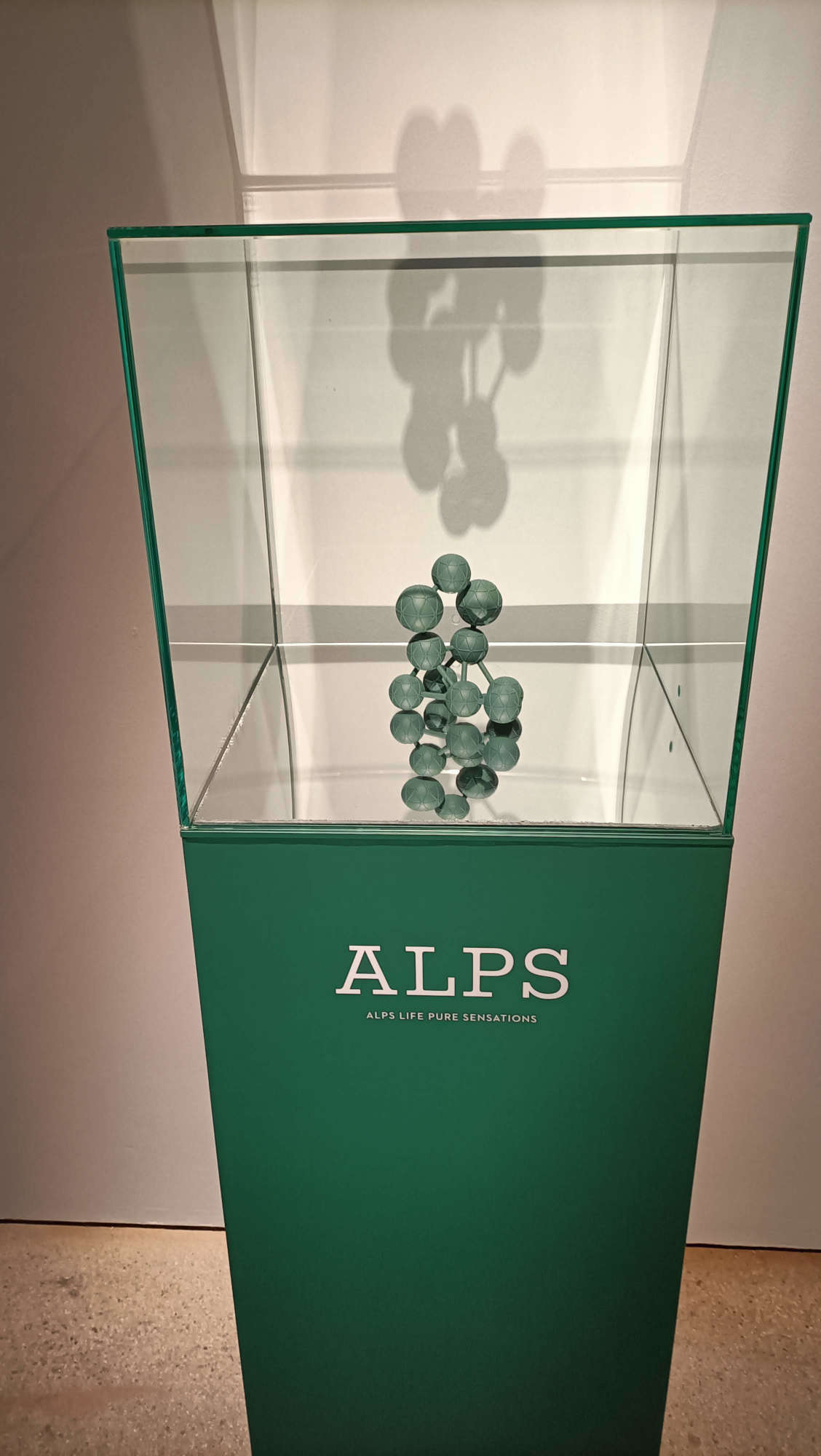
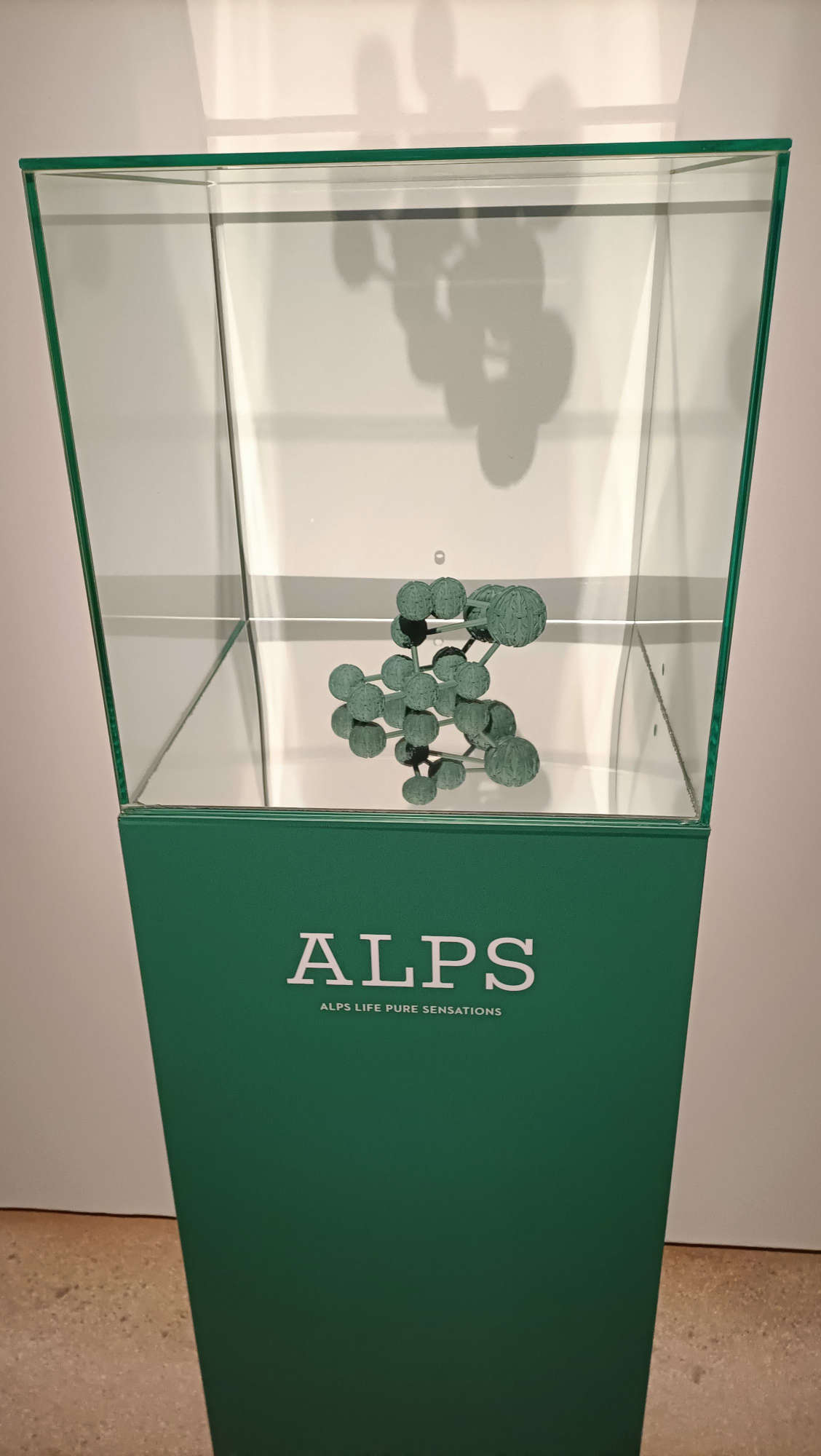
L’esperienza si propone di esplorare le meraviglie del mondo alpino attraverso un approccio innovativo che combina neuroscienze olfattive e formati audiovisivi. I visitatori avranno l’opportunità di interagire con installazioni che traducono esperienze olfattive in rappresentazioni visive e sonore, creando un ambiente immersivo che stimola i sensi e invita alla riflessione. Inoltre, le sculture 3D presenti nell’esperienza sono state realizzate grazie alla collaborazione con Weerg, aggiungendo un ulteriore livello di interattività e creatività all’evento. Mavive e Palazzo Mocenigo invitano appassionati di arte, tecnologia e profumeria a partecipare a questa straordinaria esperienza, che rappresenta un perfetto connubio tra innovazione, creatività e ricerca scientifica. L’ALPS Immersive Experience non è solo un evento, ma un’opportunità per esplorare il potere delle fragranze e delle emozioni in un contesto artistico e culturale di grande rilevanza. Questa iniziativa non solo celebra la bellezza della natura, ma offre anche uno spazio per la contemplazione e l’introspezione, rendendo ogni visita un’esperienza memorabile e trasformativa.

Le neuroscienze olfattive giocano un ruolo cruciale nell’influenzare l’esperienza immersiva, specialmente in contesti come l’ALPS Immersive Experience. Queste neuroscienze studiano come il cervello percepisce e interpreta gli odori, fornendo insight su come le fragranze possano evocare emozioni, ricordi e stati d’animo. Gli odori sono strettamente legati alla memoria e alle emozioni. La via olfattiva è direttamente connessa al sistema limbico, che è responsabile delle emozioni e della memoria. Questo significa che un odore può richiamare ricordi vividi e suscitare emozioni profonde, rendendo l’esperienza più intensa e personale.

In un’esperienza immersiva, l’integrazione di stimoli olfattivi con elementi visivi e sonori può amplificare la sensazione di immersione. Gli odori possono arricchire l’ambiente, creando un’atmosfera che coinvolge i visitatori su più livelli sensoriali. Le neuroscienze olfattive possono essere utilizzate per progettare esperienze che evocano specifiche atmosfere o stati d’animo. Ad esempio, fragranze fresche e naturali possono trasmettere sensazioni di tranquillità e connessione con la natura, mentre odori più intensi possono stimolare l’energia e l’eccitazione.


In sintesi, le neuroscienze olfattive non solo migliorano l’esperienza immersiva, ma la trasformano in un viaggio sensoriale che coinvolge profondamente i visitatori, invitandoli a esplorare il legame tra odori, emozioni e memoria. Invito tutti i turisti e i cittadini di Venezia a venire a visitare questo stupendo museo, e questa nuova attività che si preannuncia molto, ma molto interessante !!

📅 Date: 29 luglio 2024 – 31 dicembre 2024 📍 Luogo: White Room, Museo di Palazzo Mocenigo, Venezia ⏰ Orari di apertura: da martedì a domenica, dalle 14:00 alle 18:00.

Virtual Olfactory Experience at Palazzo Mocenigo

A new novelty is present at Palazzo Mocenigo, where perfume and neuroscience come together to offer new sensations to the visitors of this wonderful museum, who after the tour, at the end of the olfactory tour on the first floor, can go down to the ground floor and go to the white room, for further enrichment on the knowledge of perfume. This experience is present only at Palazzo Mocenigo thanks to Mavive and Alps. Let’s find out together who they are, what they do, and what this new olfactory experience is about.

The ALPS Immersive Experience, which is held at the Palazzo Mocenigo Museum in Venice, represents an innovative and engaging initiative that combines art, technology and olfactory neuroscience. This multisensory experience is created by Mavive, a company known for its experience in the perfumery sector and the creation of unique sensory experiences.

Mavive is an Italian company with a long tradition in the creation of fragrances and perfumery products. Their mission is to explore and innovate in the field of olfactory experiences, using advanced technologies to translate emotions and sensations into artistic forms. The ALPS project, in particular, aims to advance this vision, using nature as a source of inspiration and creating a link between the natural environment and human sensory experiences.

The ALPS Immersive Experience takes place in the evocative White Room of the Palazzo Mocenigo Museum from 29 July 2024 to 31 December 2024, with opening hours from Tuesday to Sunday, from 2:00 pm to 6:00 pm.

During this period, visitors can immerse themselves in a unique sensory journey, designed by artists Carola Bonfili and Francesco Fonassi in collaboration with CUSTOMIX, Mavive’s technological partner.

The experience aims to explore the wonders of the Alpine world through an innovative approach that combines olfactory neuroscience and audiovisual formats. Visitors will have the opportunity to interact with installations that translate olfactory experiences into visual and sound representations, creating an immersive environment that stimulates the senses and invites reflection. In addition, the 3D sculptures present in the experience were created thanks to the collaboration with Weerg, adding an additional level of interactivity and creativity to the event. Mavive and Palazzo Mocenigo invite art, technology and perfumery enthusiasts to participate in this extraordinary experience, which represents a perfect combination of innovation, creativity and scientific research. The ALPS Immersive Experience is not just an event, but an opportunity to explore the power of fragrances and emotions in a highly relevant artistic and cultural context. This initiative not only celebrates the beauty of nature, but also offers a space for contemplation and introspection, making each visit a memorable and transformative experience.

Olfactory neuroscience plays a crucial role in influencing the immersive experience, especially in contexts such as the ALPS Immersive Experience. These neurosciences study how the brain perceives and interprets odors, providing insights into how fragrances can evoke emotions, memories, and moods. Smells are closely linked to memory and emotion. The olfactory pathway is directly connected to the limbic system, which is responsible for emotions and memory. This means that a smell can evoke vivid memories and arouse deep emotions, making the experience more intense and personal.

In an immersive experience, integrating olfactory stimuli with visual and audio elements can amplify the feeling of immersion. Smells can enrich the environment, creating an atmosphere that engages visitors on multiple sensory levels. Olfactory neuroscience can be used to design experiences that evoke specific atmospheres or moods. For example, fresh and natural fragrances can convey feelings of tranquility and connection with nature, while more intense smells can stimulate energy and excitement.

In short, olfactory neuroscience not only enhances the immersive experience, but transforms it into a sensory journey that deeply engages visitors, inviting them to explore the connection between smells, emotions and memory. I invite all tourists and citizens of Venice to come and visit this wonderful museum, and this new activity that promises to be very, very interesting!!

📅 Dates: 29 July 2024 – 31 December 2024 📍 Location: White Room, Museo di Palazzo Mocenigo, Venice ⏰ Opening hours: Tuesday to Sunday, 2:00 pm – 6:00 pm.

Sicurezza anche per le opere

Paolina_Borghese,_Canova
Di Art Gallery ErgsArt – canova, CC0, https://commons.wikimedia.org/w/index.php?curid=52770416

Galleria Gipsoniana di Possagno, un turista di nazionalità Austriaca, si fa un selfie con la scultura di Paolina Borghese di Canova, e ha ben pensato di sedersi accanto alla statua, per immortalarsi e mostrare la foto a parenti e amici, ma così facendo ha spezzato le dita del piede della statua. Essendo la stanza priva di personale, e non vedendo nessuno vicino a lui, ha pensato di andarsene via, sperando di non esser visto, ma le telecamere lo hanno ripreso, e le autorità al momento attuale lo stanno cercando.

Un gesto a dir poco inaudito, si spera si possa riparare la parte danneggiata della statua. In questo periodo post Covid-19, non sono solo le persone che hanno bisogno di misure di sicurezza, ma anche le opere. Senza puntare il dito su nessuno, e senza polemica, si nota che la statua non era transennata (foto apparsa su tutti i giornali), e si, c’erano le telecamere, ma non c’era nessuno del personale di guardasala presente vicino alle opere. Gli operatori museali, sono spesso visti come un costo, ma io sono qui a ribadire, tutte le volte, che invece sono una grande risorsa per i musei ! Posso citare innumerevoli esempi di come gli operatori museali sono stati di grande aiuto per i musei, a partire dagli eventi dell’acqua alta di Venezia, alla loro opera di sorveglianza, ma non solo. Un operatore museale è colui che fa sentire il visitatore a suo agio, dentro il museo. E’ sempre a disposizione del pubblico, cortese e professionale. Riempiamo i musei, grandi e piccoli di personale, in questa maniera si dà una mano al turismo, alla nostra economia, si da speranza alla gente che lavora, e si proteggono meglio le opere. Rivalutiamo la loro opera, non sono solo guardasala, sono operatori museali !


Riaprono i musei di Venezia !!

Riaprono i musei di Venezia ! Visitiamoli, o facciamo uso delle visite esclusive su prenotazione. Facciamo ripartire il turismo e la nostra economia !!!


Qualità da leadership

For the English translation, please scroll down the page. Thank you !


Copia di Il capo incute paura; il leader ispira entusiasmo.” HARRY GORDON SELFRIDGE SR

Continua il mio blog sul mio passato da Operatore Museale, parlando questa volta, non tanto di me, ma di alcune persone chiave, che mi hanno impressionato molto e che ritengo, siano state le prime, a dimostrare le vere qualità da leader, in un tempo, quando ancora non si parlava di queste cose.

Un paio di mesi dopo la mostra di Tiziano a Palazzo Ducale, sempre intorno al 1990 / 1991,  io e altri colleghi fummo richiamati dalla nostra azienda (che adesso non esiste più), per un altro lavoro. Basta mostre temporanee, qui si parlava dell’itinerario permanente di Palazzo ducale. All’epoca il direttore del principale museo di Venezia, era l’architetto Umberto Franzoi. Nella mattinata, poco prima di cominciare a lavorare, egli volle incontrarci tutti, e ci convoco nel suo studio. Voleva conoscerci tutti, capire chi eravamo, in fin dei conti, gli operatori museali, erano , e saranno sempre l’immagine che rappresentano i musei nelle menti dei visitatori. Ci guardò uno a uno, e ci spiego brevemente quali erano le nostre mansioni, rispondendo alle nostre domande. Un comportamento singolare, ma positivo, e non fu neanche l’ultimo. Passò un paio di anni, forse, ero di turno nella sala del Senato, quando mi giunse voce, che stava arrivando il Direttore per un’ispezione a sorpresa, e purtroppo in quel momento, ero da solo, in quanto un mio collega, era indisposto, e si era assentato un attimo. Che fare, le sale erano piene ! Fu li, che diedi il meglio di me stesso, girando sala per sala, a velocità fulminea, controllando tutti i turisti, facendo loro capire che “no, non si possono fare foto” (all’epoca non si potevano farle), e “no signore, nemmeno senza flash” e ancora, pregando gentilmente una coppia, che non ci si poteva sedere per terra, spiegando dove si trovava il ponte dei sospiri, insomma, ero un turbine, ero simultaneamente in ogni luogo! Quando arrivo il direttore dopo avermi osservato per un po, mi si avvicinò, e mi diede un pugno sulla spalla, dicendo “bravo !” Crisi evitata ! Mi ricordo che mi spiegò brevemente gli autori dei dipinti sul soffitto, e poi se ne andò sorridendo verso le altre sale.

Per gestire te stesso, usa la testa; per gestire gli altri usa il cuore. (Eleanor Roosevelt)

Ma non fu l’unica persona ad avere quelle qualità. Moltissimi anni dopo (circa 2010), fui trasferito, nel bellissimo museo di Ca’ Rezzonico, ero al terzo piano, quando mi vedo arrivare un signore, che comincia a scattare foto a manetta. Gentilmente gli faccio osservare, che non si possono fare, ma poi mi viene detto che è il direttore del museo ! Lui sorridendo mi disse “tranquillo, hai fatto il tuo lavoro” Il Dott. Pedrocco, era una persona eccezionale, lui diceva spesso “ragazzi, se avete un problema, la porta del mio ufficio è sempre aperta!” ed non era una frase gettata là. Era quel genere di persona, con cui si poteva parlare di tutto, che se ti vedeva per strada, era sempre pronto ad offrirti un passaggio in auto.

A pochi anni di distanza, di servizio per la prima volta nel stupendo Palazzo Mocenigo, sono al primo piano nobile, e mentre passeggio per le stanze controllando che tutto sia a posto, dalle scale si avvicina una signora, che mi squadra e si presenta: “buongiorno sono la Dott.ssa C. S. vedo una persona nuova oggi, come si trova, bene ? I sui colleghi le hanno spiegato tutto ? ” E io rispondo, si tutto bene, e quando lei sorridendo se ne va, rimango li a pensare, da quale pianeta proviene, perché poche son le volte che un operatore museale, viene trattato così bene. E non sempre, si trovano persone così meravigliose.. alcune passano per le sale del museo, senza nemmeno dire “buongiorno”, passano avanti come se non ci fossimo. L’ultimo evento, successo di recente, (un paio di anni fa) vede un gruppetto di dirigenti, venuti ad ispezionare, delle sale soggette a restauro. Ricordo chiaramente, che a fine della loro visita, solo una ci auguro “buon lavoro a tutti !” il resto di loro, non proferì alcuna parola…

Un bravo leader può ottenere molto anche dagli uomini peggiori mentre un generale incapace riesce a demoralizzare persino le truppe migliori.
(John J Pershing)

Queste persone, queste loro qualità di leadership, lasciano un segno, un impressione, un ricordo destinato a perdurare, perché è grazie a persone come loro che un’azienda raggiunge il successo, una società può cambiare, l’essere umano, può raggiungere traguardi inaspettati. Per le persone che non ci sono più, porto dentro di me, un bellissimo ricordo, e per quelle che ancora ci sono, portano una speranza, che specialmente in periodi bui come questo del Covid-19, le cose possano cambiare in meglio.

Leadership quality

Copia di Il capo incute paura; il leader ispira entusiasmo.” HARRY GORDON SELFRIDGE SR (1)

Let’s continue my blog about my past as an attendant museum, talking this time, not so much about me, but about some key people, who have impressed me most and who I think were the first to show the true qualities of a leader, in a time, where the topic about the difference between a boss and a leader didn’t exist yet.

A couple of months after Tiziano’s exhibition at the Doge’s Palace, around 1990/1991, other colleagues and I were called back by our company (which no longer exists), for another job. No more temporary exhibitions, here we talked about the permanent itinerary of the Doge’s Palace. At the time the director of the main museum in Venice was the architect Umberto Franzoi. In the morning, just before starting to work, he wanted to meet us all, and he summoned us to his study. He wanted to get to know us all, to understand who we were, after all, the attendants museum were, and always will be the image that represent the museums in the visitors’s mind. He looked at us one by one, and he explained briefly what our duties were, answering to all our questions. A singular but positive event, but it wasn’t the last one either. A couple of years passed,  I was on duty in the Senate room, when I heard the rumor, that the Director was coming for an surprise inspection, and unfortunately at that time, I was alone, as a colleague of mine was not feeling well, and he was absent for a moment. What to do, I said to myself, the rooms were full! It was right there that I gave my best, moving from room to room, at lightning speed, checking all the tourists, making them understand that “no, you can’t take pictures” (at the time they couldn’t take them), and ” no sir, not even without flash “and again, explaining kindly to a couple, that they couldn’t sit on the ground, telling them where the bridge of sighs was, in short, I was a like a tornado, I was simultaneously everywhere! When he arrived, after watching me for a while, he came toward me, and punched me on the shoulder, saying “good, well done!” Crisis avoided! I remember that he briefly explained to me, who were all the artist of the paintings on the ceiling, and then left smiling towards the other rooms.

To handle yourself, use your head; to handle others, use your heart. (Eleanor Roosevelt)

But he wasn’t the only person to have those qualities. Many years later (around 2010), I was transferred to the beautiful museum of Ca ‘Rezzonico, I was on the third floor, when I see a gentleman arrive, who begun to take a lot of pictures ! I kindly point out to him, that they couldn’t be done, but then, someone told me that he was the director of the museum! He said smiling “relax lad, you did your job” Dr. Pedrocco was an exceptional person, he often said “guys, if you have a problem, the door to my office is always open!” and it was not a sentence thrown there like that. It was that kind of person, with whom you could talk about everything, that if he saw you on the street, he was always ready to offer you a ride in the car.

A few years later, serving for the first time in the beautiful Mocenigo Palace, I was on the first noble floor, and while I walked around the rooms checking that everything were in order, I see a lady approaching by the stairs, who looks at me and introduces herself: “Hi, I’m Dr. C.S.  I see you are new around here, how you  doing?  Did your colleagues explain everything to you?” And I shyly answered, yes, I am ok thank you, and  she left smiling, while, I was there thinking, from which planet she came from, ‘cause there were really few times that an attendant museum was treated so well. And not always, there were such wonderful people .. some of them pass through the halls of the museum, without even saying “good morning”, they pass on as if we were not there. The latest event, which happened recently, (a couple of years ago) sees a small group of managers, who came to inspect, some rooms subject to restoration. I clearly remember that at the end of their visit, only one wishes us “good job to everyone!” the rest of them did not utter a single word …

A competent leader can get efficient service from poor troops, while on the contrary an incapable leader can demoralize the best of troops.
(John J Pershing)

These people, their leadership qualities, leave a mark, an impression, a memory destined to persist, because it is thanks to people like them that a company achieves success, a society can change, a human being, can achieve unexpected goals. For people who are no longer with us, I carry within me a beautiful memory, and for those who are still here, they bring hope, that, especially in dark times like this in Covid-19, things can change for the better.

L’inizio di una storia..

For the English translation, please scroll down the page. Thank you !

cropped-imagine-profilo

Verso la metà del mese di giugno del 1990, cominciò la mia carriera come operatore museale. Doveva essere semplicemente, un lavoro di pochi mesi, eppure da quella data, continuo a lavorare nei bellissimi musei civici di Venezia, e sono sempre più appassionato del mio lavoro.

In quel periodo c’era la mostra di Tiziano, organizzata a Palazzo Ducale, con l’aiuto di musei e gallerie di tutto il mondo, tra i quali: l’Ashmolean Museum di Oxford, il Detroit Istitute of Art, la collezione Thyssen-Bornemisza di Lugano, la biblioteca Marciana e le gallerie dell’accademia di Venezia, Koninklijk Museum  Voor  Shone Kunsten di Anversa, il Metropolitan Museum of Art di New york, il Museo del Louvre di Parigi, il Museum Boymans-Van Beunigen di Rotterdam, il Museo del Prado di Madrid, il Museo dell’Ermitage di S. Pietroburgo, la National Gallery of Art di Washington, lo stesso Palazzo ducale di Venezia e tanti altri.

Fu una delle più belle esperienze della mia vita, di cui ho tanti bei ricordi. Il lavoro era suddiviso in due turni, in quanto Palazzo Ducale, a quel tempo, solo per la mostra, era aperto fino a tarda serata: dalle 09.00 fino alle 16.00 il primo turno e il successivo fino alle ore 23.00.

Il lavoro non era faticoso, sebbene c’era sempre tanto da fare: le sale erano sempre strapiene, con tantissimi gruppi, tanto è vero, che dovevamo prestare attenzione a quanta gente poteva entrare in sala, e bloccavamo i gruppi, prima di entrare nella sala successiva, quando l’altro gruppo avanzava. Era un lavoro un po.. diplomatico, perché ovviamente, sia i singoli che i gruppi, premevano per avanzare, e bisognava agire con molto autocontrollo.

Il turno serale era forse quello che preferivo di più, in quanto, quando avevamo la pausa cena, avevamo a disposizione per noi, una delle balconate del Palazzo, e mentre mangiavamo potevano godere della stupefacente bellezza di Venezia di notte, uno spettacolo veramente unico.

Anche se si finiva alle 23.00 non c’erano problemi, in quanto, anche a quell’ora i mezzi di trasporto erano garantiti, e sia il personale che i turisti, potevano rientrare nelle loro abitazioni / hotel. E’ un punto su cui tutt’ora cerco di far capire a tutti quelli che mi seguono nell’ambiente museale / turistico: Il successo delle aperture serali dei musei, può funzionare SOLO se si garantiscono i mezzi per il ritorno. E’ importante sia per il personale, ma lo è altrettanto per i turisti. Se i mezzi vengono a mancare, è ovvio che lasceranno i musei prima, e non solo quelli, ma anche i ristoranti, teatri. I trasporti sono essenziali !

Jpeg

Questa foto appartiene alla copertina del catalogo di quella mostra. E’ in mio possesso, all’epoca, era un’usanza regalare a fine mostra i cataloghi agli operatori museali. Penso che quella fu l’ultima volta che lo fecero, peccato, perché era un gesto apprezzammo molto. Era, come dire, un gesto di ringraziamento nei nostri confronti, per il lavoro svolto. A dire il vero, questo è un’altro punto, su mi piace parlare molto: sono dell’opinione che questi testi, dovrebbero essere a disposizione degli operatori museali. In primis, in quanto se viene loro chiesto qualcosa, son pronti a rispondere e fanno fare una bella figura al museo, secondo, in questo momento di Covid-19 i dispositivi touch screen potrebbero essere saggio non usarli, e la mia esperienza di tutti questi anni, mi ha fatto capire, che i turisti se possibile, preferiscono parlare con qualcuno.

Nel prossimo articolo vi parlerò di come divenni operatore museale a tutti gli effetti,  e di una figura di alto livello museale di quel tempo, che mi colpi molto (favorevolmente).

—————————————————-

The beginning of my story as Attendant museum !

cropped-imagine-profilo

In the middle of June 1990, I started my career as a attendant museum. It was simply a job for few months, and yet, since then, I still work in the beautiful civic museums of Venice, and I am always in love with my job.

At that time there was the Titian’s exhibition, organized at the Doge’s Palace of Venice, with the help of museums and galleries from all over the world, including: the Ashmolean Museum of Oxford, the Detroit Institute of Art, the Thyssen collection Bornemisza of Lugano, the Marciana library and the galleries of the Venice academy, Koninklijk Museum Voor Shone Kunsten of Antwerp, the Metropolitan Museum of Art in New york, the Louvre Museum of Paris, the Museum Boymans-Van Beunigen of Rotterdam, the Prado Museum of Madrid, the Hermitage Museum of St. Petersburg, the National Gallery of Art in Washington, the Doge’s Palace in Venice itself and many others.

It was one of the most beautiful experiences of my life, of which I have many beautiful memories. The work was divided into two shifts, as Doge’s Palace, at that time, was open until late in the evening only for the exhibition: from 09.00 am to 16.00 pm the first shift and the following until 23.00 pm.

The work was not so difficult, although there was always a lot to do: the rooms were always full, with many groups, so many, that we had to pay attention to how many people could enter the room, and we  had to block the groups, before entering to the next room, when the other group advanced. It was a bit of a diplomatic job, because obviously both the single visitors and the groups were pushing to move forward, and it was necessary to act with a lot of self-control.

Even if we finished at 11.00 pm there were no problems, as even at that time the public transport were guaranteed, and both staff and tourists could return to their homes / hotels. It is a point on which I still try to make everyone who follows me in the museum / tourism environment understand: The success of the evening openings of museums can ONLY work if the means of return are guaranteed. It is important for both staff, but it is equally important for tourists. If the means are lacking, it is obvious that they will leave the museums sooner, and not only those, but also restaurants, theaters. Transportation is essential!

Jpeg

This photo belongs to the cover of the catalog of that exhibition. It is still in my possession, at the time, it was customary to give catalogs to the attendants museum at the end of the exhibition. I think that was the last time they did it, too bad, because it was a gesture we appreciated a lot. It was, how to say, a gesture of thanks to us, for the work done. Actually, this is another point, I like to talk a lot about: I am of the opinion that these texts should be available to attendants museum. First of all, because if they are being asked something, they are ready to answer and make the museum look good, secondly, at this time of Covid-19 touch screen devices may be wise not to use them, and my experience of all these years, has made me convinced, that tourists if possible prefer to talk to someone.

In the next article I will tell you about how I became a full status attendant museum,  and of a high-level museum figure of that time, who impressed me favorably.

Non è il trono di spade ma…

For the English translation, please scroll down the page

JpegContinua il mio lavoro durante questo periodo di “quarantena” dovuto al COVID-19 e cerco di descrivervi le bellezze culturali di uno dei più bei musei di Venezia, ma anche quello meno noto, perlomeno ai turisti stranieri: Ca’ Rezzonico. Oggi vi voglio parlare di un trono, non quello della leggendaria serie televisiva “Il trono di spade” ma di bensì di un’altro altrettanto bello.

Spero così facendo, di potervi distrarre un po, ma soprattutto di invogliarvi a visitare dal vero questo magnifico museo, una volta che questa terribile situazione finirà. La sala del trono al primo piano del museo di Ca’ Rezzonico di Venezia, è una delle più interessanti a mio modesto avviso. Eccovi una breve spiegazione:

Vi esorto, ancora una volta, a rimanere a casa il più possibile durante questa crisi, e di uscire, solamente per le cose strettamente necessarie, quali la spesa di beni di prima necessità. Spero vi sia piaciuto, e spero di fare altri video su questo magnifico museo al più presto. Grazie a tutti.

#insiemecelafaremo


It’s not the game of Thrones but…

Jpeg

My work continues during this period of “quarantine” due to COVID-19, and I try to describe the cultural beauties of one of the most beautiful museums in Venice, but also the less known, at least to some foreign tourists: Ca ‘Rezzonico. Today I want to talk about a throne, not the one of the legendary TV series “Game of Thrones” but of another one equally very interesting and beautiful.

By doing so, I hope to keep your mind occupy for a bit, but above all, to invite everyone to visit this magnificent museum for real, once this terrible situation will be over. The throne room, on the first floor of the Ca ‘Rezzonico museum in Venice, is one of the most interesting in my humble opinion. Here is a brief explanation:

I urge you, once again, to stay at home as much as possible during this crisis, and to go out, only for strictly necessary things, such as the purchase of basic necessities : food and/or medicines. I hope you enjoyed it, and I hope to make more videos on this magnificent museum soon. Thank you all


#stayathomefor