For the English translation please scroll down the page, thank you !
Dal 31 maggio al 1º settembre 2025, il Frist Art Museum di Nashville ospita la mostra Venice and the Ottoman Empire, un’esplorazione approfondita del rapporto tra la Repubblica di Venezia e l’Impero Ottomano tra il XV e il XVIII secolo. Curata dalla Fondazione Musei Civici di Venezia e The Museum Box, l’esposizione presenta oltre 150 opere provenienti dalle collezioni dei principali musei civici veneziani, offrendo una panoramica unica su quattro secoli di interazioni tra queste due potenze mediterranee .
Un bellissimo museo
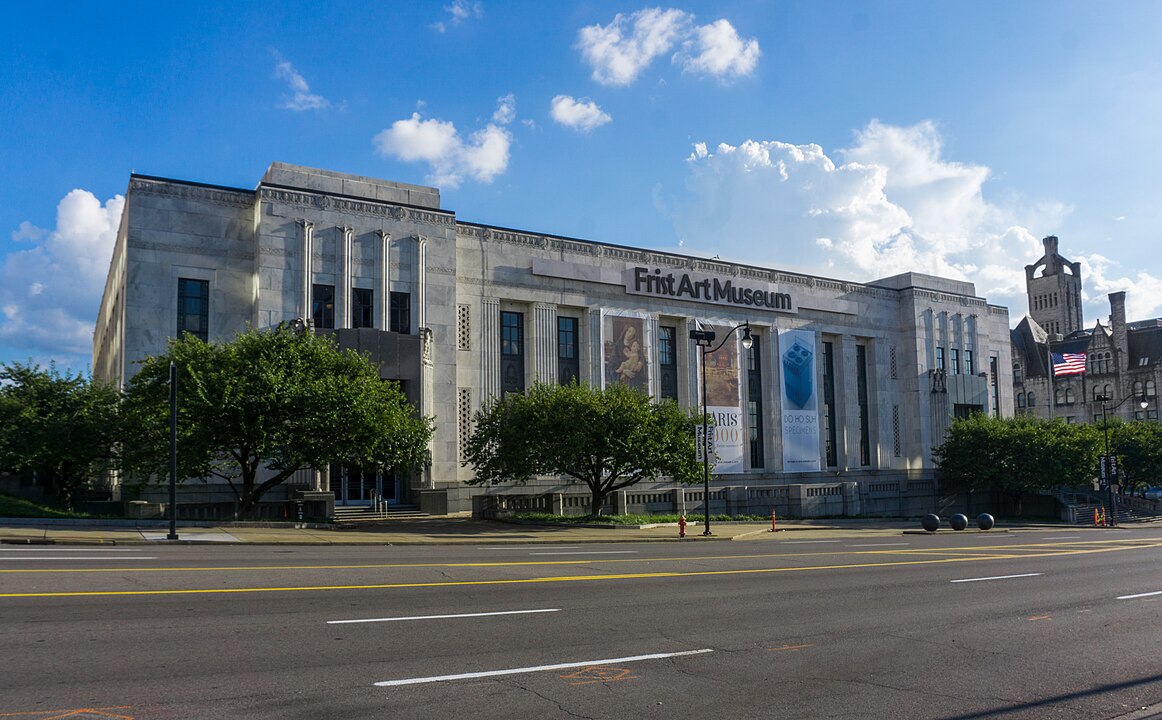
Il Frist Art Museum, situato nel cuore di Nashville, Tennessee, è un punto di riferimento culturale e architettonico. Ospitato nell’imponente ex edificio della posta centrale, un magnifico esempio di architettura Art Déco risalente al 1933-1934 e inserito nel Registro Nazionale dei Luoghi Storici, il museo si distingue per essere una “non-collecting institution”. Questo significa che il Frist non possiede una collezione permanente, ma si concentra invece sulla presentazione di un programma dinamico e in costante evoluzione di mostre temporanee. Ogni anno, il museo ospita tra le 12 e le 15 esposizioni, attingendo a collezioni prestigiose da tutto il mondo e curando anche mostre interne pluripremiate. La sua missione è ispirare le persone attraverso l’arte a guardare il proprio mondo in modi nuovi, offrendo programmi educativi e attività di coinvolgimento della comunità che rendono l’arte accessibile a un pubblico diversificato.
I musei civici di Venezia protagonisti
Le opere in mostra provengono da molti musei e in particolare da sette istituzioni veneziane:
- Ca’ Rezzonico: museo del Settecento veneziano
- Gallerie dell’Accademia: museo di pittura veneziana
- Museo Correr: dedicato all’arte, alla vita e alla cultura veneziana
- Museo Fortuny: ex residenza e laboratorio dell’artista Mariano Fortuny
- Museo del Vetro: museo del vetro
- Museo di Palazzo Mocenigo: centro di studi sulla storia del costume, dei tessuti e dei profumi
- Palazzo Ducale; Palazzo del Doge
Queste istituzioni hanno fornito una vasta gamma di oggetti, tra cui armature, vetri, metalli, dipinti, ceramiche, libri stampati, sculture e tessuti di seta, che illustrano le sfere artistiche, culinarie, diplomatiche, economiche e politiche del rapporto tra Venezia e l’Impero Ottomano .
Una storia di conflitti e alleanze
Il rapporto tra Venezia e l’Impero Ottomano è stato segnato da una serie di conflitti e alleanze. Nel 1463, la guerra turco-veneziana scoppiò a causa delle ambizioni ottomane nei Balcani. Il conflitto si concluse nel 1479 con il trattato di Costantinopoli, che sancì la fine delle ostilità e stabilì condizioni di pace tra le due potenze .
Tuttavia, le tensioni continuarono a crescere. Nel 1571, la battaglia di Lepanto vide una coalizione cristiana, tra cui Venezia, sconfiggere la flotta ottomana, segnando un punto di svolta nella rivalità tra le due potenze. Nonostante ciò, Venezia dovette affrontare ulteriori conflitti, come la guerra di Candia, che portarono alla perdita di territori significativi. Nel corso dei secoli, Venezia e l’Impero Ottomano hanno interagito in modi complessi, passando da conflitti a periodi di cooperazione. Questa mostra offre una visione approfondita di come due civiltà apparentemente opposte abbiano influenzato reciprocamente le loro culture, economie e politiche.
Un viaggio sensoriale nella storia
La mostra non si limita a esporre oggetti storici; offre anche un’esperienza sensoriale completa. I visitatori possono ascoltare suoni evocativi del Mediterraneo, annusare fragranze storiche, gustare piatti ispirati alle tradizioni culinarie veneziane e ottomane, e toccare tessuti pregiati creati da Mariano Fortuny. Questa immersione sensoriale arricchisce la comprensione del rapporto tra Venezia e l’Impero Ottomano, rendendo la storia viva e tangibile .
Conclusione
Venice and the Ottoman Empire è più di una semplice mostra; è un’opportunità per esplorare una parte fondamentale della storia mediterranea attraverso l’arte e la cultura. Per chi è interessato alla storia, all’arte e alle interazioni culturali, questa esposizione offre una prospettiva unica e coinvolgente.
Per ulteriori informazioni e per pianificare la visita, si può consultare il sito ufficiale del Frist Art Museum:
Venice and the Ottoman Empire at the Frist Art Museum !
From May 31st to September 1, 2025, The Frist Art Museum in Nashville hosts Venice and the Ottoman Empire, an in-depth exploration of the relationship between the Republic of Venice and the Ottoman Empire between the 15th and 18th centuries. Curated by the Fondazione Musei Civici di Venezia and The Museum Box, the exhibition features over 150 works from the collections of Venice’s major civic museums, providing a unique overview of four centuries of interaction between these two Mediterranean powers.
A beautiful museum
The Frist Art Museum, located in the heart of Nashville, Tennessee, is a cultural and architectural landmark. Housed in the stately former Main Post Office building, a magnificent example of Art Deco architecture dating from 1933-1934 and listed on the National Register of Historic Places, the museum is distinguished by its status as a “non-collecting institution.” This means that the Frist does not have a permanent collection, but instead focuses on presenting a dynamic and constantly evolving program of temporary exhibitions. Each year, the museum hosts between 12 and 15 exhibitions, drawing on prestigious collections from around the world and also curating award-winning in-house exhibitions. Its mission is to inspire people through art to look at their world in new ways, offering educational programs and community engagement activities that make art accessible to a diverse audience.
Venice’s civic museums protagonists
The works on display come from many museums and in particular from seven Venetian institutions:
- Ca’ Rezzonico: museum of the Venetian 18th century
- Gallerie dell’Accademia: museum of Venetian painting
- Museo Correr: dedicated to Venetian art, life and culture
- Museo Fortuny: former residence and laboratory of the artist Mariano Fortuny
- Museo del Vetro: museum of glass
- Palazzo Mocenigo Museum: a center for studies on the history of costume, fabrics and perfumes
- Palazzo Ducale; Doge’s Palace
These institutions provided a wide range of objects, including armor, glass, metal, paintings, ceramics, printed books, sculptures, and silk fabrics, illustrating the artistic, culinary, diplomatic, economic, and political spheres of Venice’s relationship with the Ottoman Empire.
A history of conflicts and alliances
The relationship between Venice and the Ottoman Empire was marked by a series of conflicts and alliances. In 1463, the Venetian-Turkish War broke out over Ottoman ambitions in the Balkans. The conflict ended in 1479 with the Treaty of Constantinople, which ended hostilities and established peace between the two powers.
However, tensions continued to grow. In 1571, the Battle of Lepanto saw a Christian coalition, including Venice, defeat the Ottoman fleet, marking a turning point in the rivalry between the two powers. Despite this, Venice had to face further conflicts, such as the War of Candia, which led to the loss of significant territory. Over the centuries, Venice and the Ottoman Empire interacted in complex ways, moving from conflict to cooperation. This exhibition offers an in-depth look at how two seemingly opposing civilizations influenced each other’s cultures, economies and politics.
A sensorial journey through history
The exhibition does more than just display historical objects; it also offers a complete sensory experience. Visitors can listen to evocative sounds of the Mediterranean, smell historic fragrances, taste dishes inspired by Venetian and Ottoman culinary traditions, and touch fine fabrics created by Mariano Fortuny. This sensorial immersion enriches the understanding of the relationship between Venice and the Ottoman Empire, making history alive and tangible.
Conclusion
Venice and the Ottoman Empire is more than just an exhibition; it is an opportunity to explore a fundamental part of Mediterranean history through art and culture. For those interested in history, art, and cultural interactions, this exhibit offers a unique and engaging perspective.
For more information and to plan your visit, visit the official website of the Frist Art Museum:
 Diario di un operatore museale